
As mobile technology continues to evolve, eSIM is becoming a more efficient and flexible way to stay connected.
Unlike traditional SIM cards, it doesn’t require any physical insertion—instead, it allows you to configure your network directly on your device. This means no swapping cards, no risk of losing them, and a much smoother setup experience overall.
If you’ve just received your iRoamly eSIM, there’s no need to worry about the setup process. This guide will walk you through clear, step-by-step instructions to install and activate it on your iPhone 11 Pro Max.
Preparations Before Setting Up iRomly eSIM
Before starting, ensure you have the following:
A stable internet connection (Wi-Fi or cellular)
A valid eSIM QR code or manual activation details (SM-DP+ address and activation code) provided by your carrier
Your iPhone 11 Pro Max powered on and unlocked
The device updated to the latest iOS version (recommended for compatibility)
Method 1: Install eSIM via QR Code Scanning
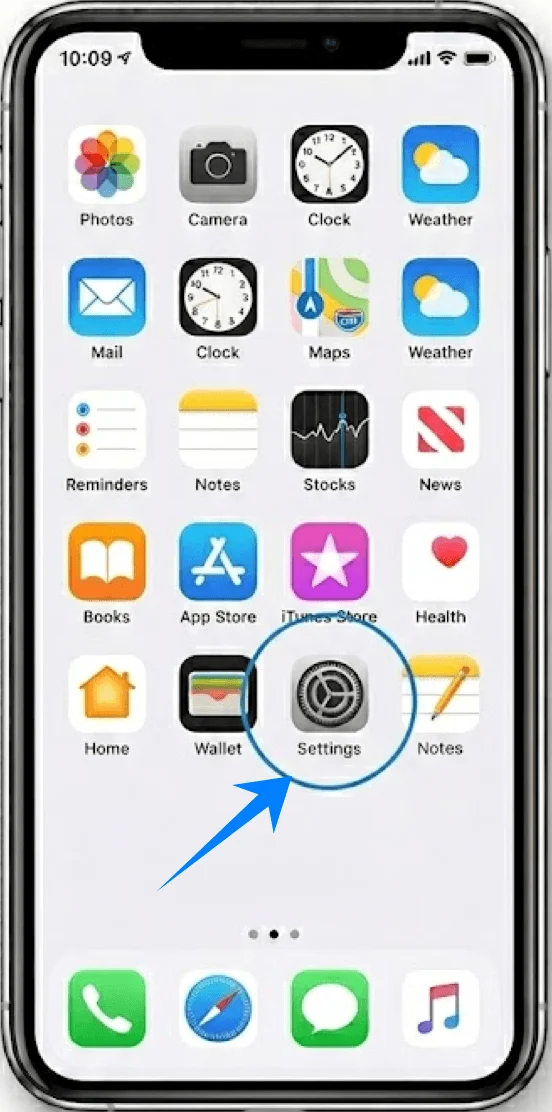
Step 1: Open Settings
Tap “Settings” on the Home Screen
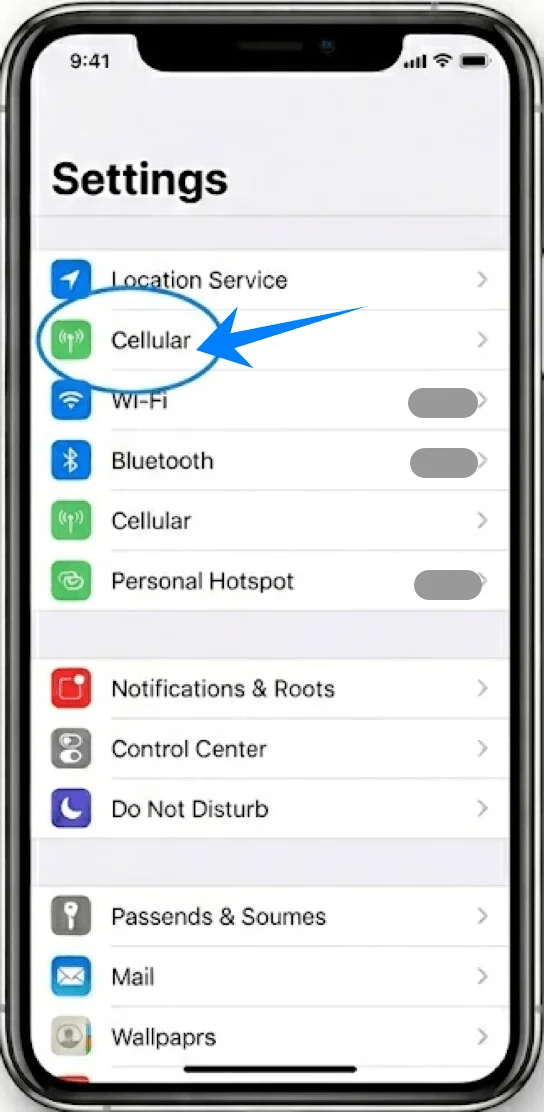
Step 2: Navigate to Cellular Settings
Scroll down and tap “Cellular” (On some devices, this may appear as “Mobile Service” or “Mobile Data”)
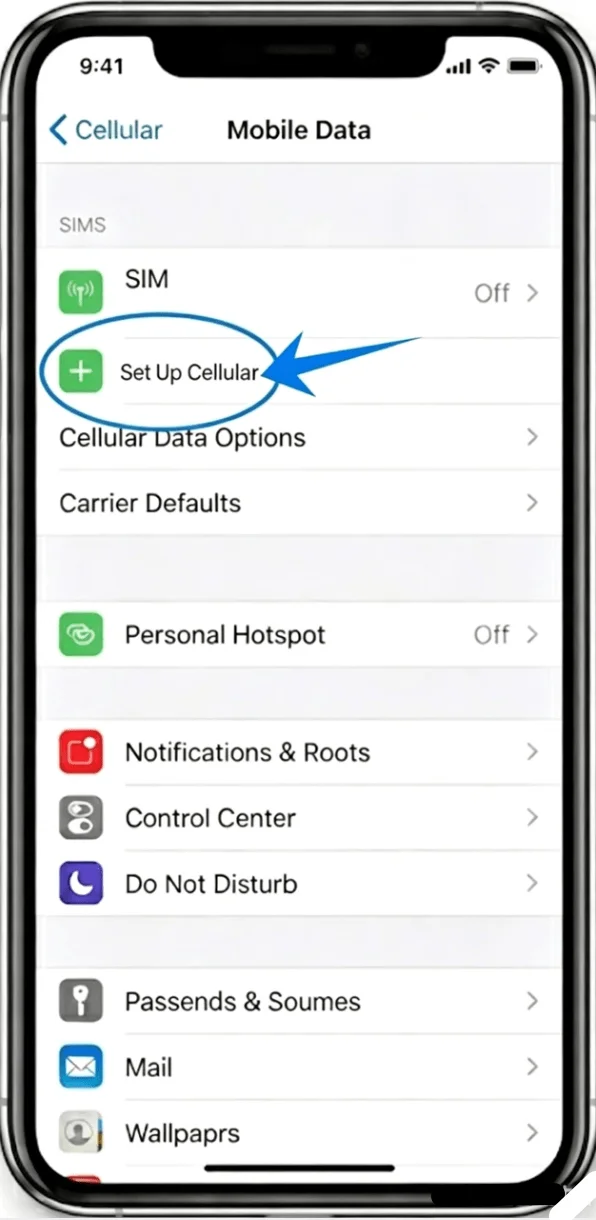
Step 3: Add eSIM
Tap “Set Up Cellular” if no cellular plan is installed, or tap “Add Cellular Plan” to add a new line
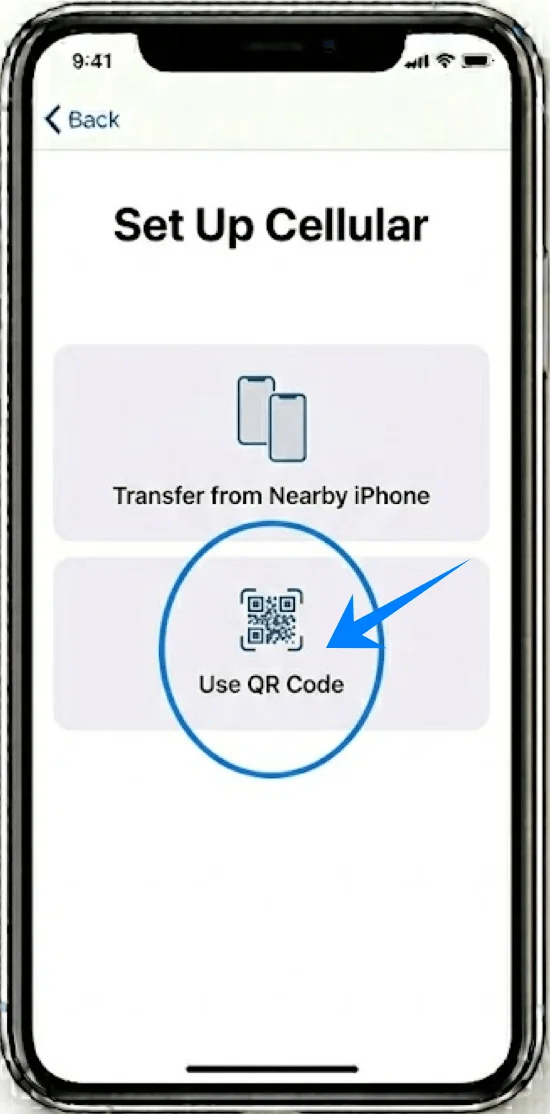
Step 4: Choose QR Code Method
Tap “Use QR Code”
Step 5: Scan the QR Code
Position the iPhone camera over the QR code provided by your carrier
Ensure the QR code is clearly visible within the camera frame
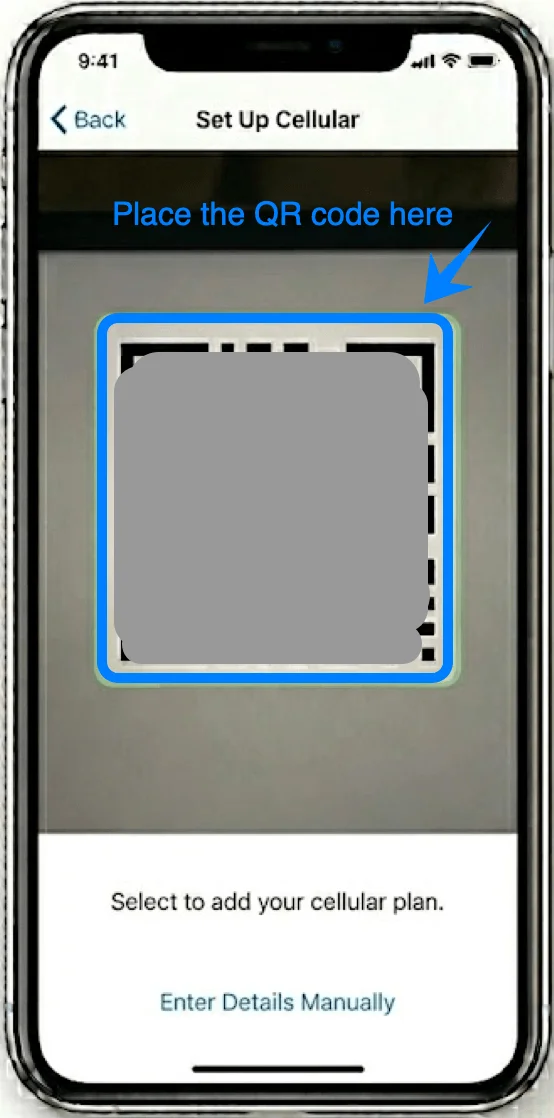
The phone will automatically detect and process the code
Step 6: Confirm Cellular Plan
When prompted, tap “Add Cellular Plan”
Step 7: Label the Plan (Optional but Recommended)
Select a label such as:
“Primary”
“Secondary”
“Business”
Tap “Continue”
Step 8: Set Default Line Preferences
You will be prompted to configure usage:
Tap your preferred option for:
Default Line
iMessage & FaceTime
Cellular Data
Follow on-screen prompts and tap “Continue” after each selection.
Method 2: Install eSIM via Manual Input
Step 1: Open Settings
Tap “Settings”
Step 2: Go to Cellular
Tap “Cellular” (On some devices, this may appear as “Mobile Service” or “Mobile Data”)
Step 3: Add eSIM
Tap “Set Up Cellular” if no cellular plan is installed, or tap “Add Cellular Plan” to add a new line
Step 4: Select Manual Entry Option
Tap “Use QR Code”
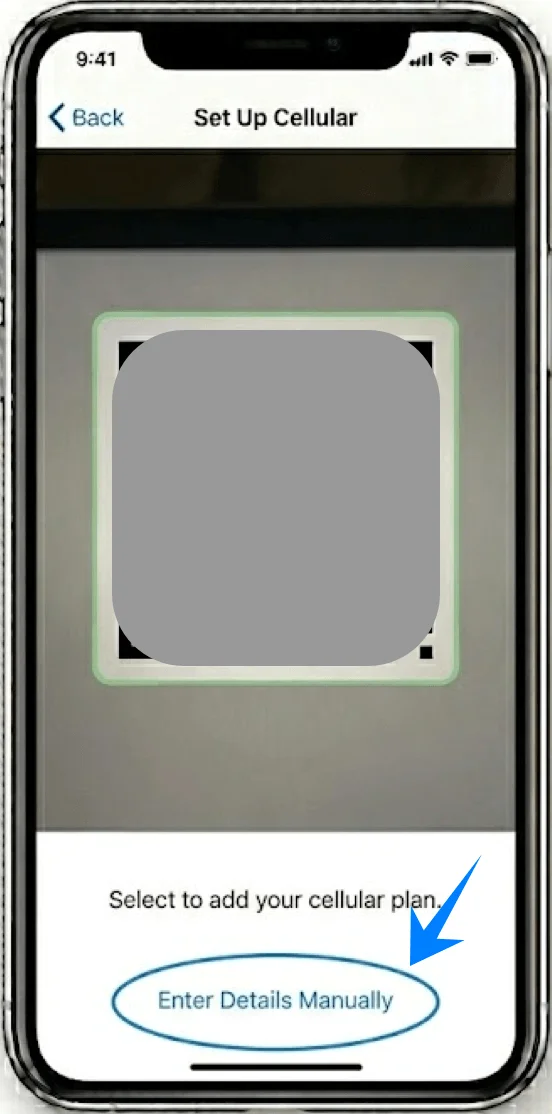
On the QR scanning screen, tap “Enter Details Manually” at the bottom
Step 5: Input Activation Information
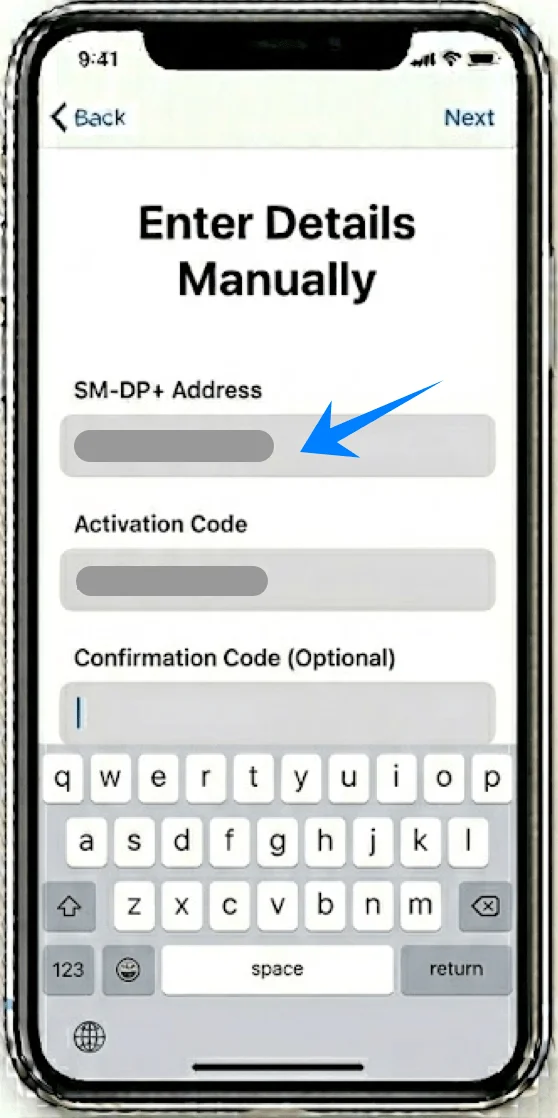
In the “SM-DP+ Address” field, type the address provided by your carrier
In the “Activation Code” field, enter the code exactly as provided
If prompted, enter the Confirmation Code
Step 6: Proceed with Activation
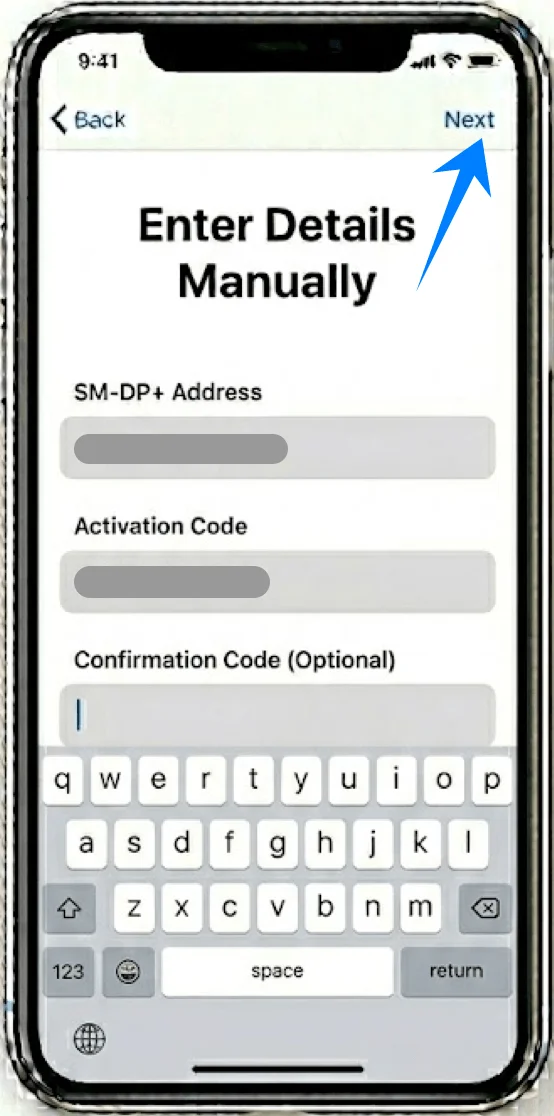
Tap “Next” in the top-right corner
Step 7: Confirm Plan Addition
Tap “Add Cellular Plan” when prompted
Step 8: Label and Configure Line
Assign a label to the new plan
Configure:
Default voice line
Data usage line
iMessage/FaceTime line
Tap “Continue” after each selection
How to Confirm Successful eSIM Installation
Step 1: Check Cellular Plans
Go to Settings → Cellular (On some devices, this may appear as “Mobile Service” or “Mobile Data”)
Confirm that the new eSIM plan appears under “Cellular Plans”
Step 2: Verify Signal
Look at the top-right corner of the screen
Ensure signal bars appear for the newly added line
Step 3: Check Line Status
Tap the newly added plan under Settings → Cellular (On some devices, this may appear as “Mobile Service” or “Mobile Data”)
Confirm:
“Turn On This Line” is enabled (toggle is green)
Status shows Connected or similar
Step 4: Test Connectivity
Make a test call:
Open Phone → Keypad → Dial a number → Tap Call
Note: Some eSIM plans may not include voice calling support, so this feature might not be available depending on your plan.
Test mobile data:
Turn off Wi-Fi
Open Safari and load a webpage
Conclusion
By completing the steps above, your iRoamly eSIM should now be successfully installed and ready to use. The process requires no additional tools and can be completed entirely within your device settings.
Compared to traditional methods, this digital setup is faster and easier to manage. Once you're familiar with the process, adding or adjusting eSIM profiles in the future becomes just as straightforward.