
eSIM technology is quickly becoming the standard for modern smartphones. Unlike traditional SIM cards that require physical installation and replacement, eSIMs can be added digitally in just a few steps.
This makes network setup more flexible and convenient, especially for travel, dual SIM usage, or managing multiple mobile plans.
The Samsung Galaxy S24 comes with built-in eSIM support, making the installation process simple even for first-time users.
In this guide, we’ll walk you through how to install and activate your iRoamly eSIM, including both QR code setup and manual activation methods.
Meet iRoamly for Easier Travel Connectivity
iRoamly is a travel eSIM service that offers mobile data plans for international trips. Available choices can include destination-specific, regional, and global plans, with validity, data allowances, and other features depending on the selected destination.
With the eSIM installed, travelers can use mobile data for practical needs such as maps, messaging apps, ride-hailing, and travel information.
A compatible Galaxy S24 can store the iRoamly eSIM as a digital line alongside your regular SIM. The instructions below show how to add that profile with a QR code or manual activation details, then configure it for use from Samsung's SIM manager.
Preparations Before Setting Up iRoamly eSIM
Heading to Japan or the United States? Preparing your destination eSIM before departure can leave less to configure after arrival.
Before starting the installation process, make sure you have the following ready:
A stable internet connection (Wi-Fi is recommended)
A valid eSIM QR code or activation code provided by your carrier
Your Galaxy S24 powered on and unlocked
The device updated to the latest available One UI version for better eSIM compatibility
The carrier account activated and eligible for eSIM service
Method 1: Install eSIM Using a QR Code
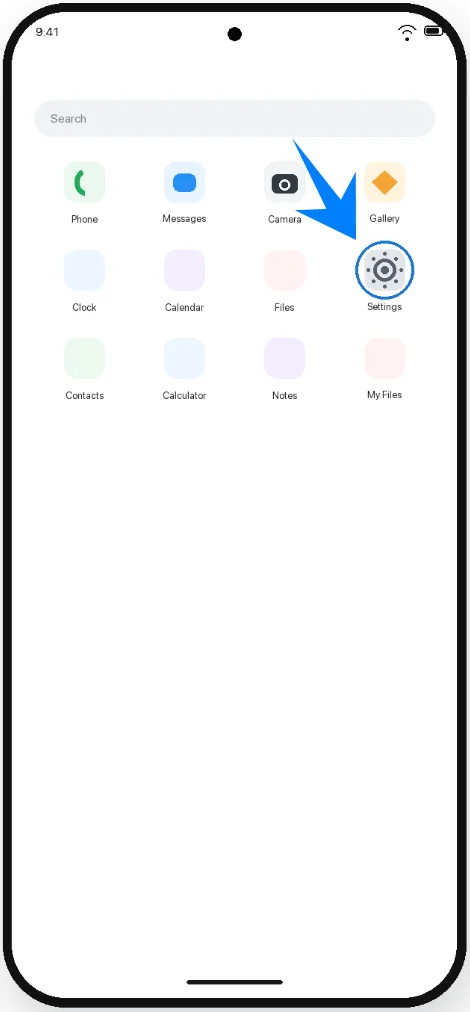
Step 1: Open Settings
Open the Settings app
Step 2: Open SIM Manager
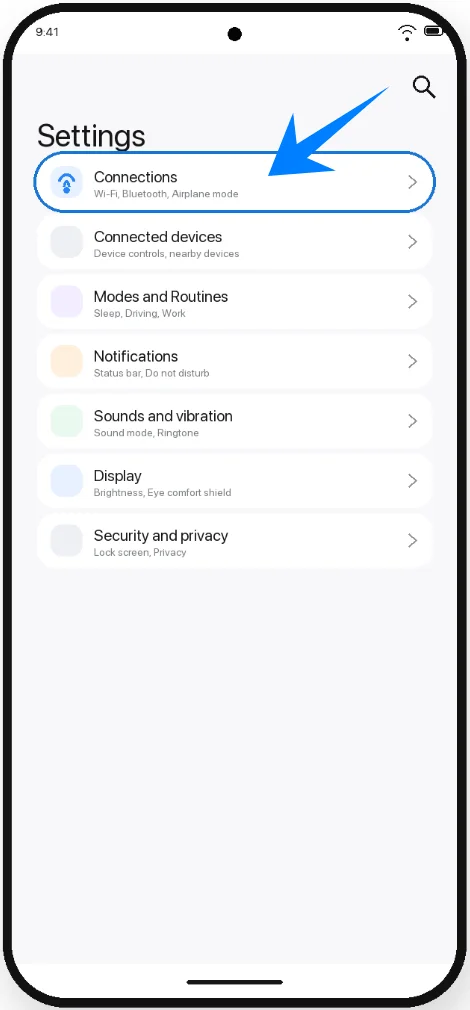
In Settings, tap Connections
Tap SIM manager
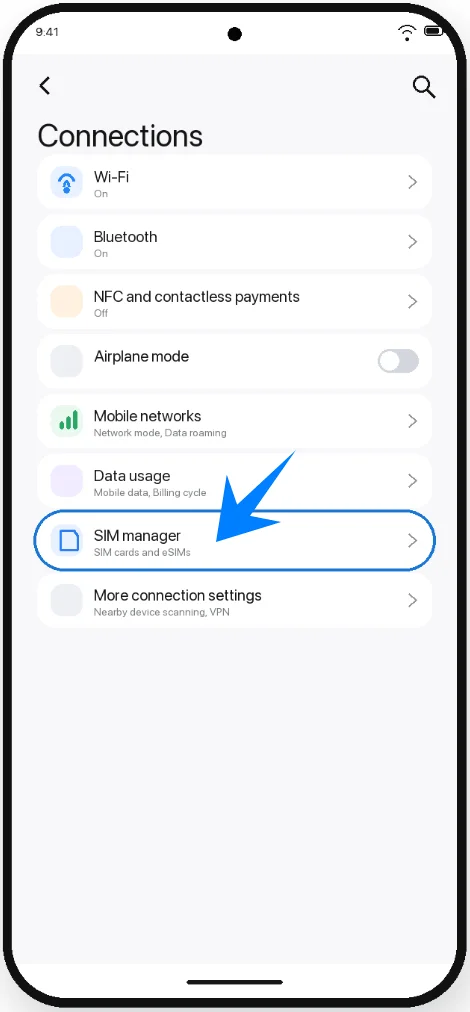
You will now see the SIM management screen.
Step 3: Add an eSIM
In SIM manager, tap Add eSIM
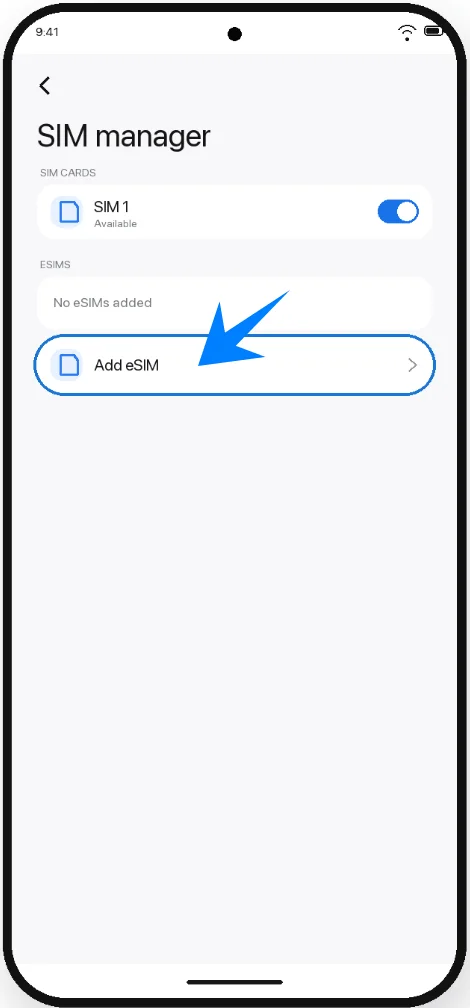
The phone will begin searching for available activation methods.
Step 4: Select QR Code Activation
Tap Scan QR code
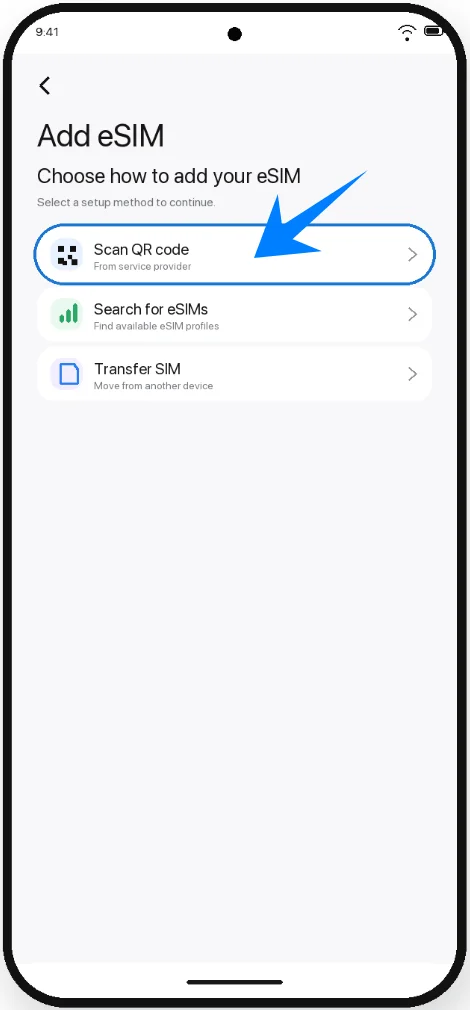
The camera scanner will open automatically.
Step 5: Scan the QR Code
Hold the phone over the QR code provided by your carrier or eSIM provider
Keep the QR code centered inside the scanning frame
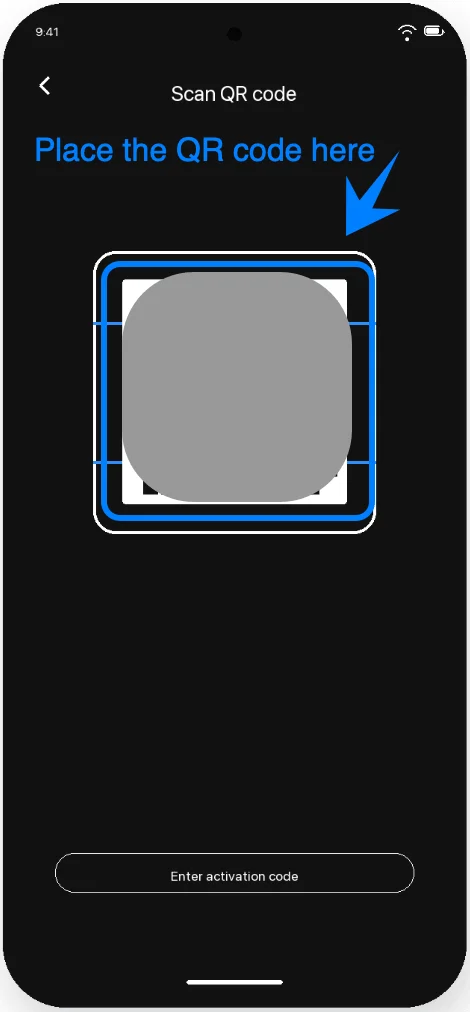
Wait for the device to recognize the eSIM profile
After the QR code is detected, the activation details will appear on screen.
Step 6: Confirm eSIM Download
Tap Add
Wait while the Galaxy S24 downloads the eSIM profile
Do not close the Settings app or disconnect from Wi-Fi during this process.
The installation may take several minutes.
Step 7: Enable the eSIM
After the download finishes:
Tap Settings if prompted
In SIM manager, locate the newly installed eSIM
Tap the switch next to the eSIM to turn it On
The eSIM is now activated.
Method 2: Install eSIM Using Manual Input
Step 1: Open Settings
Open the Settings app
Step 2: Open SIM Manager
Tap Connections
Tap SIM manager
This opens the SIM and eSIM management screen.
Step 3: Start eSIM Setup
Tap Add eSIM
The phone will open the eSIM activation options.
Step 4: Open the Activation Code Screen
Tap Scan QR code
On the QR scanning screen, tap Enter activation code
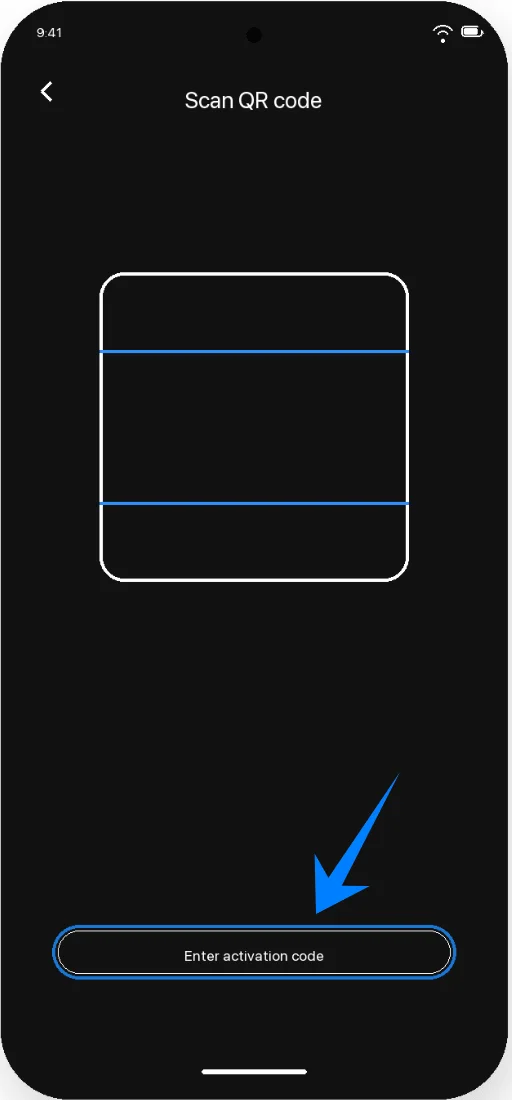
The phone will open the Add using activation code page.
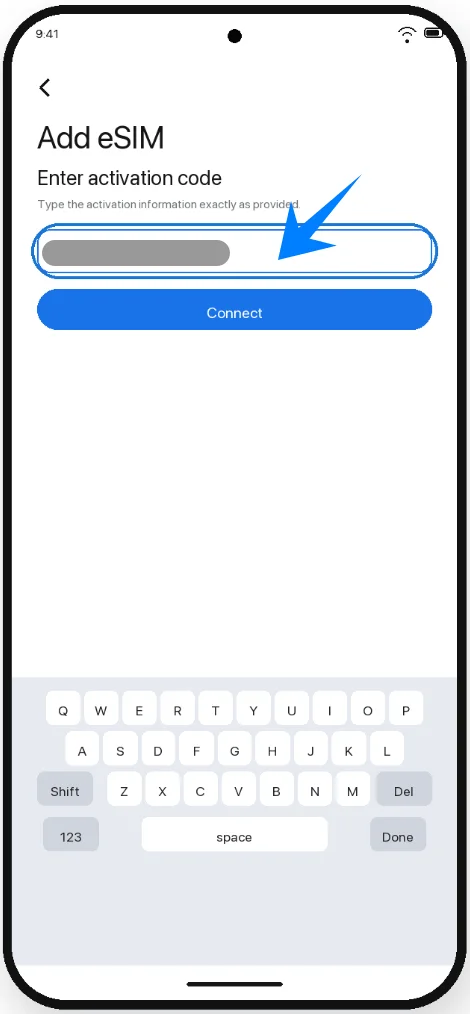
Step 5: Enter the Activation Code
Tap the Activation code input field
Paste or type the complete activation code provided by your carrier
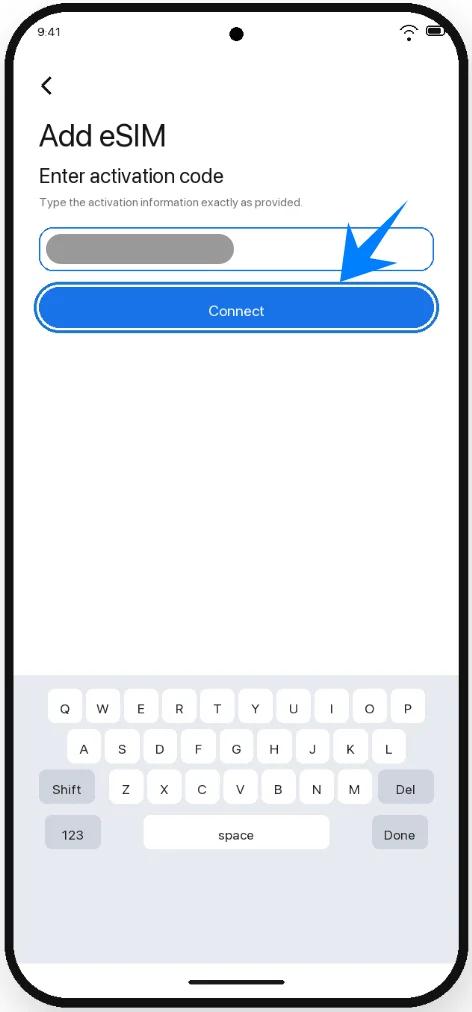
Step 6: Connect to the Carrier Server
After entering the code, tap Connect
The Galaxy S24 will now:
Contact the carrier activation server
Download the eSIM profile
Begin installation automatically
Keep the device connected to the internet during this process.
Step 7: Wait for Installation to Finish
The installation may take several minutes.
Do not:
Close Settings
Restart the phone
Disable Wi-Fi or mobile data
When installation is complete, the new eSIM profile will appear in SIM Manager.
Step 8: Enable the eSIM
Return to Settings
Tap Connections
Tap SIM manager
Locate the newly installed eSIM
Tap the switch next to the eSIM to turn it On
The eSIM is now active.
How to Confirm the eSIM Was Installed Successfully
Check SIM Manager
Open Settings
Tap Connections
Tap SIM manager
You should see:
The carrier name
The installed eSIM
The eSIM toggle enabled
Check Mobile Signal
Look at the top-right corner of the screen.
A successful activation will display:
Signal bars
Mobile network status
Carrier name
Test Mobile Data
Turn off Wi-Fi
Open a website in your browser
If the website loads successfully, the eSIM mobile connection is working properly.
More Galaxy S24 eSIM Setup Guides
Need help activating eSIM on another Galaxy model? These guides may help.
Conclusion
Your eSIM setup is now complete and ready to use. With eSIM technology, you no longer need to worry about carrying, replacing, or inserting physical SIM cards when setting up a mobile network.
Everything can be managed digitally through your device settings, giving you a faster, more flexible, and more convenient way to stay connected for both everyday use and travel.