
With flights, accommodation, and activities taking a large share of a travel budget, the best Canadian travel credit card is not automatically the one with the largest advertised welcome offer.
A card creates value only when rewards and benefits you actually use exceed annual fees, foreign-currency costs, and any interest. Before departure, make sure you can receive banking alerts and verification away from hotel Wi-Fi, and never approve an unexpected prompt.
This guide compares fees, earning, redemption, insurance, and traveler fit, then shortlists 17 current product families to investigate. Offers and eligibility change frequently, so confirm every fee, benefit, certificate, and bonus on the issuer's current page before applying.

Why Do You Need A Travel Credit Card
Points or Miles Earning Potential
One of the best things about a travel credit card is the opportunity to earn points or miles on regular (or not-so-regular) purchases.
Whether it’s groceries, gas, dining out, or anything in between, using the card will add to your reward balance.
These points or miles slowly build up, making it easier to finance your next adventure.
Flexibility of Redemption
A travel credit card gives you the freedom to use your points or miles how you want. You can book flights, book hotels, transfer points to airline partners.
The flexibility is incredible. If you like to travel spontaneously, or like to change plans, this is invaluable, since you’re not locked into one carrier or alliance.
Travel Perks
Travel credit cards offer a lot of perks that can significantly enhance your travel.
Depending on the product, perks may include airport-lounge access, baggage benefits, hotel credits, priority services, or trusted-traveler application rebates.
Count only benefits you will actually use, and confirm eligibility, visit limits, guest fees, and booking requirements in the current card agreement.
Insurance Coverage
One of the overlooked features of travel rewards credit cards is their insurance.
From travel medical insurance to trip cancellation insurance to lost or delayed luggage, many cards offer you coverage in case things go wrong on your trip.
Welcome Bonuses and Introductory Offers
Travel credit cards frequently have juicy welcome bonuses and intro offers.
Welcome bonuses can put a ton of points or miles into your reward account right off the bat after qualifying for a card and reaching a minimum spend.

How to Compare Canadian Travel Cards
The best card is the one whose ongoing value exceeds its annual cost for your normal spending and travel pattern. The federal credit-card comparison guidance recommends comparing interest rates, fees, rewards, and benefits rather than choosing on a welcome offer alone.
Use the same checklist for every card so a high points multiplier does not hide a weak redemption rate, limited merchant acceptance, or insurance conditions you cannot meet.
Decision factor | What to verify | Why it matters |
|---|---|---|
Annual cost | Primary and supplementary-card fees | A benefit is valuable only if you will use it often enough to offset the fee. |
Foreign purchases | Foreign-exchange markup and network acceptance | A strong earn rate can be cancelled out by conversion costs or limited acceptance. |
Insurance | Age limits, trip duration, exclusions, and payment requirements | Coverage often applies only when eligible travel costs are charged to the card. |
Rewards | Transfer partners, redemption value, expiry, and blackout rules | Flexible points are useful only if the redemption path matches your trips. |
Use a net-value test: rewards redeemed plus benefits actually used, minus the annual fee, foreign-currency charges, and any interest. If the result is negative in a normal year without a welcome bonus, choose a simpler card.
Run the same test for year one and later years. A large introductory offer can make the first year look strong even when the ongoing earn rate, acceptance, or insurance does not fit your travel habits.
17 Canadian Travel Cards to Compare
Everyday Rewards & Flexible Points
1. American Express Cobalt Card
The American Express Cobalt Card is how you make the most of everyday purchases. You’ll earn Membership Rewards points on groceries, dining, and streaming.
And if you’re someone who likes to eat out with friends or stay in and order a lot of food in, this card provides some bonus points for that too.
If you want to turn that routine spending into travel of way more value, this is the card for you.

2. American Express Green Card
What makes the American Express Green Card unique is that it’s basic and doesn’t charge an annual fee. It’s a great way to dip your toes into the world of travel rewards.
The points are flexible, and you can redeem them in a variety of ways. If you want a simple travel rewards card and aren’t willing to pay a fee, this is card you want.
3. MBNA Rewards Platinum Plus Mastercard
The MBNA Rewards Platinum Plus Mastercard is a straightforward, no annual fee way to earn rewards—making it the perfect solution.
You can use your points for travel, merchandise, or gift cards, and that’s about it. If you value straightforward simplicity, this is for you.
A great card for those who just want a little bit of value without any extra work. It’s the card you can depend on for everyday purchases and when planning a trip.
4. MBNA Rewards World Elite Mastercard
The MBNA Rewards World Elite Mastercard takes the earn rate and travel insurance up a notch.
If you’re looking for added insurance and benefits when traveling, this is the card for you.
You’ll feel secure knowing that your travel emergencies are taken care of with the included insurance.
Airline Loyalty Cards (Aeroplan Focus)
5. CIBC Aeroplan Visa Infinite Card
If you’re a huge fan of Air Canada, you’re going to love the CIBC Aeroplan Visa Infinite Card. You can earn Aeroplan points on just about everything.
Plus, enjoy the Air Canada benefits, such as a complimentary checked bag, that will sweeten your travel experience.
This card is best suited for the avid Air Canada flyer who flies a lot and appreciates direct airline partnerships.

6. TD Aeroplan Visa Infinite Card
The TD Aeroplan Visa Infinite Card is another option for travelers who regularly earn and redeem Aeroplan points.
It has a welcome offer and earning rates that will help you rack up points fast. If you like additional baggage and priority benefits, this card has you covered.
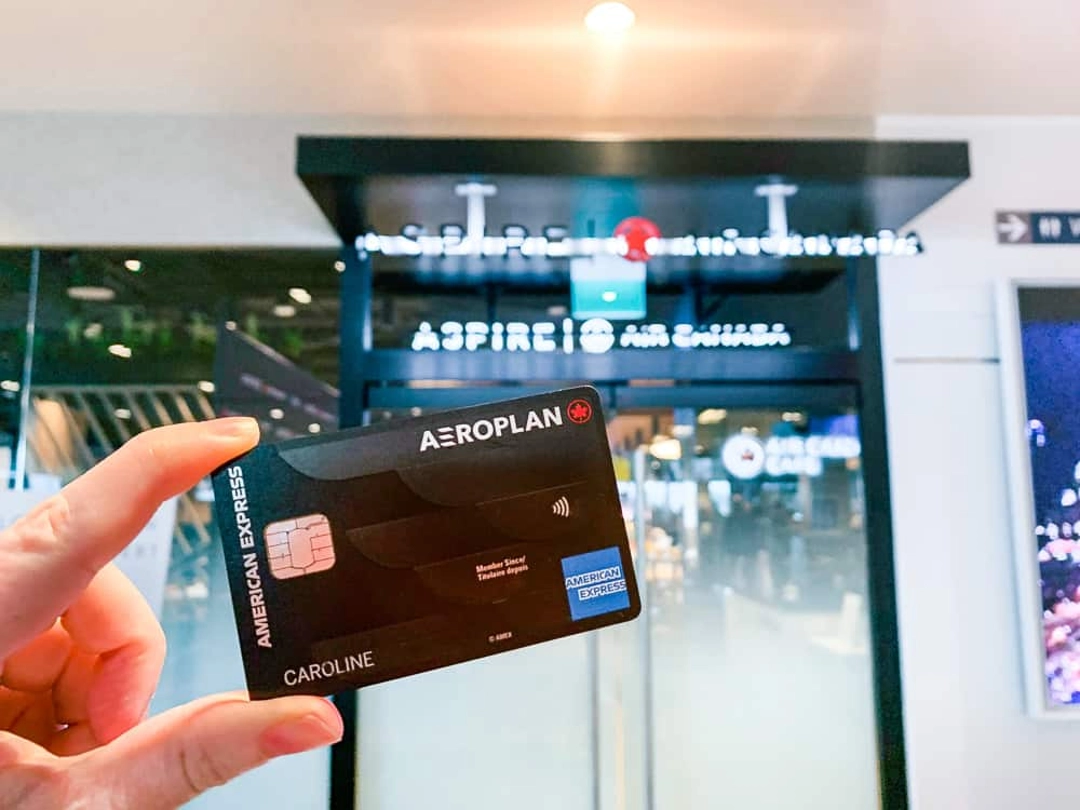
7. American Express Aeroplan Reserve Card
The American Express Aeroplan Reserve Card provides an experience packed with luxuries for those after that kind of high-end travel journey, especially with Air Canada.
If you are looking for all the perks, and all the ease of using the points, this is the card for you.
Bank-Issued Travel Reward Programs
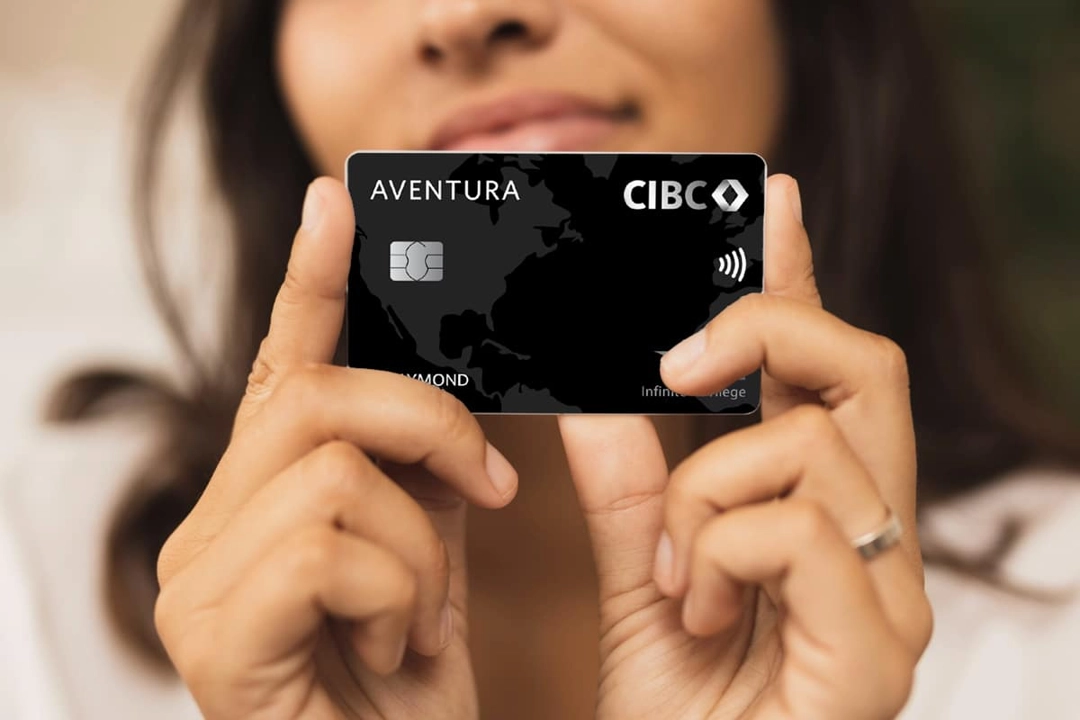
8. CIBC Aventura Visa Infinite Card
The CIBC Aventura Visa Infinite Card aims to deliver a full travel rewards package.
You can tailor the travel rewards it offers to suit your individual preferences.
And it is specifically rewarding if you are able to make use of the NEXUS application rebate and lounge passes.
You will also find the earn rates are pretty generous in addition to how quickly those points can add up towards your next trip.
9. CIBC Aventura Visa Infinite Privilege Card
The CIBC Aventura Visa Infinite Privilege Card targets travelers who can use premium travel credits and higher-tier benefits often enough to offset a larger annual cost.
Compare its ongoing credits, insurance limits, lounge terms, and redemption value with the lower-fee Aventura option before applying.
10. RBC Avion Visa Infinite
The RBC Avion Visa Infinite and its namesake Avion points, which can be transferred, offer a lot of flexibility and value when you’re ready to redeem.
The included travel insurance is a huge benefit, too. It’s best suited for flexibility and insurance coverage while traveling.
11. BMO eclipse Visa Infinite Card
The BMO eclipse Visa Infinite Card stands out in the bonus rewards you’ll get on dining, groceries, and travel categories.
It is most relevant when its bonus spending categories match a large share of your normal budget. Compare the redemption value and annual cost with a simpler flat-rate card before deciding.
Scotiabank Travel Cards
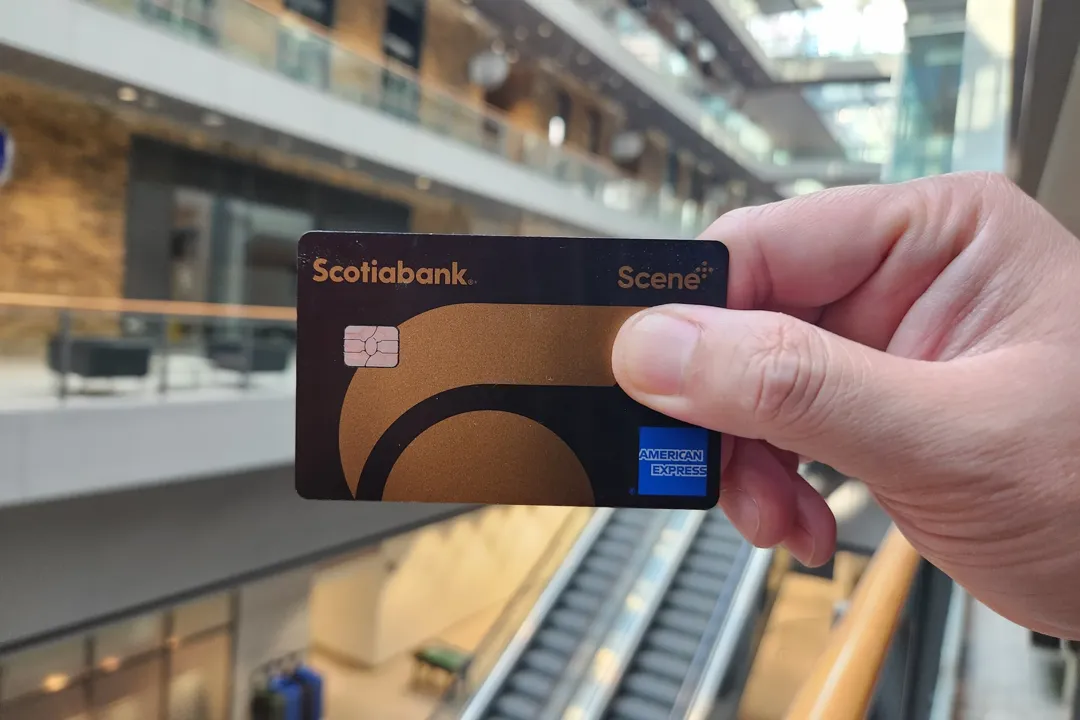
12. Scotiabank Gold American Express
The Scotiabank Gold American Express Card is a good card if you’re looking for high earn rates on groceries and dining.
You’ll especially love the bonus points and no foreign transaction fees if you spend much of your time at restaurants and in grocery stores.
13. Scotiabank Passport Visa Infinite
The Scotiabank Passport Visa Infinite is designed for frequent international spending and flexible Scene+ travel redemptions.
Its foreign-transaction-fee treatment and airport-lounge benefits can be valuable, but annual fees, lounge visit allowances, guest charges, and insurance conditions should be confirmed in the current issuer terms.
It suits travelers who can use those ongoing benefits often enough to justify the cost rather than choosing it for a temporary welcome offer.
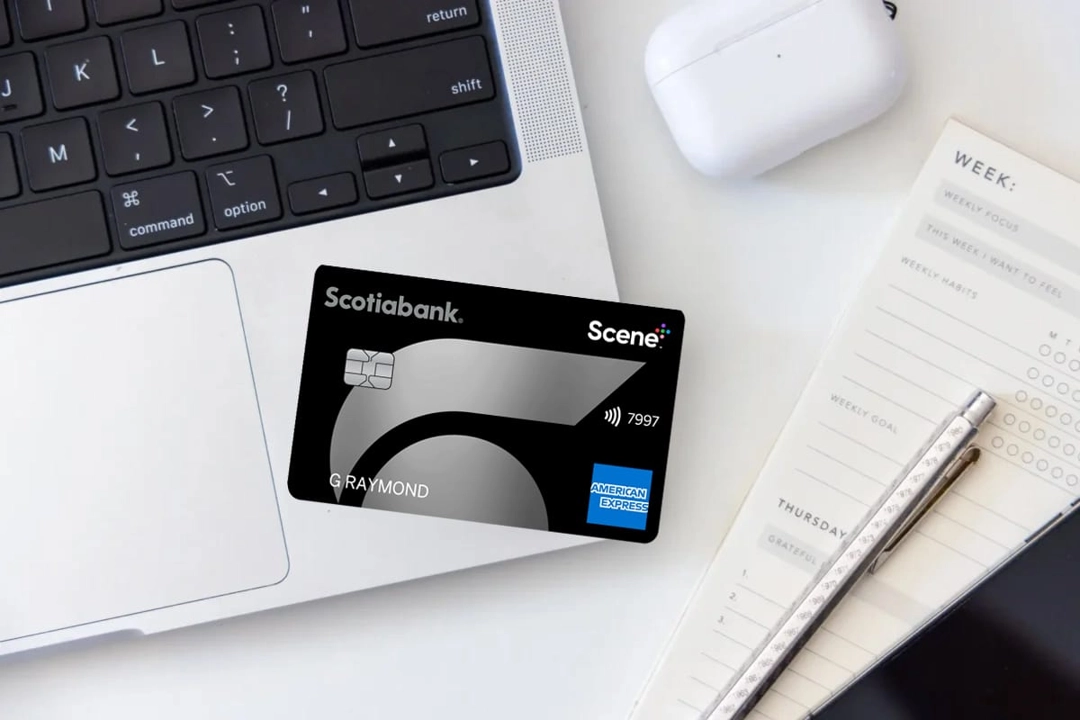
14. Scotiabank Platinum American Express
The Scotiabank Platinum American Express Card belongs on a premium shortlist when lounge access and Scene+ flexibility match your normal travel pattern.
Check the current annual cost, lounge allowance, acceptance needs, and insurance certificate rather than judging it by the welcome offer alone.
Other Strong Options
15. Brim World Elite Mastercard
Brim's foreign-currency fee structure has changed over time, so verify the current conversion charge rather than relying on older descriptions of the card as a no-FX option.
Its digital controls and travel insurance may still suit some users, but compare the annual fee, base earn rate, redemption value, and foreign-currency cost with true no-FX alternatives.
This correction matters because even a lower-than-typical FX fee reduces the net value of rewards earned on overseas purchases.
16. Wealthsimple Visa Infinite+ Credit Card
The Wealthsimple credit card uses a flat cash-back structure and currently advertises no foreign transaction fee.
Availability and the exact Visa tier depend on eligibility, and the issuer notes that access may be limited even when income or asset requirements are met.
It is best compared as a cash-back and no-FX option, not as a traditional transferable-points card; verify the annual-fee waiver, insurance, and eligibility rules that apply when you apply.

17. National Bank World Elite Mastercard
The National Bank World Elite Mastercard is most relevant to travelers comparing insurance depth, annual travel credits, and category earn rates.
Insurance value depends on age limits, trip length, purchase requirements, exclusions, and the certificate in force when a claim occurs.
Estimate annual rewards from your own spending, subtract the fee, and compare the result with a simpler no-fee or no-FX card.
Shortlist Cards by Traveler Profile
A useful shortlist starts with how you spend and travel, not with a universal ranking. The profiles below show which product families deserve closer comparison; current issuer terms still control the final decision.
Traveler profile | Start with | Key check before applying |
|---|---|---|
High grocery and dining spend | Amex Cobalt, Scotiabank Gold Amex, or BMO eclipse | Merchant acceptance, category caps, annual fee, and point value |
Frequent Air Canada traveler | CIBC, TD, or Amex Aeroplan cards | Checked-bag rules, Aeroplan linking, income requirement, and fee |
Occasional traveler avoiding annual fees | Amex Green or MBNA Rewards Platinum Plus | Insurance depth and whether basic rewards are sufficient |
Frequent foreign-currency spender | Current no-FX products from Scotia or Wealthsimple | Network acceptance, eligibility, insurance, and fee-waiver conditions |
Traveler prioritizing insurance | Premium RBC, National Bank, Aeroplan, or Scotia options | Age limits, trip-duration caps, exclusions, and payment requirements |
After narrowing the list, compare the insurance certificate and rewards agreement—not only the marketing page. If the annual fee and expected foreign-currency costs exceed realistic rewards and benefits, a simpler card is the better fit.
Practical Using Card Tips
Carry Local Cash
In today’s increasingly technological world, many destinations still don’t accept credit cards, particularly in remote or rural destinations.
Carry a small amount of local cash for meals, transit tickets, gratuities, or merchants that do not accept your network; Canadian dollars are not a useful backup once you are abroad.
Use Cards Strategically on Stopovers
Layovers are never fun — but they’re a lot easier when you have a travel card.
Several cards offer airport lounge access so that those hours don’t have to be completely wasted.
They may even offer meal travel credits, and other helpful things to do in the terminal.
Book Through Card Portals When Beneficial
Sure, booking travel through your card’s portal can get you additional rewards points, but always shop around.
Direct might still be cheaper — even when you account for earned rewards.
It’s good to balance and compare before making a decision, as you don’t want to lose out on potential savings.
Link Cards to Mobile Wallets
Connecting cards to mobile wallets can improve convenience while traveling, while iRoamly eSIM plans can help keep tokenized payments, issuer alerts, and booking confirmations available when you are away from trusted Wi-Fi.
Transactions are quicker and more secure through the mobile wallet’s additional layers of authentication.
Additionally, mobile payments are becoming more common globally, reducing the chance of not being able to pay with a card.

FAQ
1. Which Canadian travel credit cards don’t charge foreign transaction fees?
Some Scotia and Wealthsimple products advertise no foreign transaction fee, but confirm the current issuer terms and network acceptance before applying.
2. Are travel credit card points taxable in Canada?
Personal purchase rewards are generally treated differently from business, employment, or referral rewards; obtain tax advice for your circumstances.
3. What happens to my points if I cancel my travel credit card?
Card-program points may be forfeited, while transferred airline or hotel points usually remain subject to that loyalty program’s rules.
4. Is it worth having more than one travel credit card to maximize rewards?
Only when the combined rewards and benefits exceed both fees and the extra complexity; occasional travelers are often better with one suitable card.
5. Does travel insurance apply automatically to every trip?
No. Coverage may depend on age, trip length, exclusions, and how much of the booking was charged to the card.
6. Should I carry a backup card when traveling?
Yes. Keep a second card on another network separately in case the first is declined, blocked, lost, or compromised.
Conclusion
The right travel card can reduce costs or improve protection, but value depends on your spending, redemption habits, annual fees, and whether you qualify for the advertised benefits.
No matter if you want to earn points for a free flight or just have the backup of travel insurance or get free phone protection, there is a card that can help you do it.
Before applying, verify the current annual fee, interest rate, foreign-transaction cost, insurance certificate, rewards terms, and eligibility rules on the issuer’s official page. Choose only when the ongoing value fits your real spending and travel pattern.