
Ski resorts in Canada range from huge western powder mountains to compact eastern villages with family-friendly slopes. The best choice depends on ability, dates, budget, airport access, and whether the group wants a serious ski week or a broader winter holiday.
Western resorts reward longer stays and big-mountain ambitions, while Quebec and Ontario often work better for shorter trips and mixed groups. Snow, wind, lift operations, and travel times still vary, so build flexibility into any fixed itinerary.
This guide compares resort regions, timing, realistic stay lengths, non-ski activities, and practical booking decisions. A Canada eSIM can keep resort apps, shuttle updates, weather alerts, and reservations available after leaving hotel Wi-Fi.
Why Choose Canada for Skiing
Unique Geography
Canada gives skiers a rare mix of coastal mountains, interior powder, high alpine bowls, family hills, and eastern resort villages. British Columbia and Alberta are best for big mountain terrain and long ski holidays, while Quebec and Ontario are easier for shorter trips from major cities.
Snow Conditions
Western Canada is known for deep snow, wide terrain, tree skiing, and dramatic views. Eastern Canada usually has colder temperatures, careful grooming, snowmaking, and compact villages that make the resort experience easy for families and groups.
Resort Experience
A Canadian ski trip is rarely only about chairlifts. The best resorts combine ski schools, rentals, restaurants, spas, snowshoeing, tubing, skating, shopping, and winter sightseeing. This makes Canada practical for mixed groups where not everyone skis every day.
Accessibility
Most major ski regions connect through Vancouver, Calgary, Montreal, Toronto, or Quebec City. Airport shuttles can work well for Whistler, Banff, Tremblant, and Blue Mountain, but a rental car may be helpful for multi-resort trips or remote mountain towns.
How to Match a Resort to Your Skill Level
Beginners should prioritize ski schools, gentle green runs, easy rentals, and lodging close to the base. Mont Tremblant, Blue Mountain, Lake Louise, and the learner zones around Whistler can work well, but the right lesson schedule matters more than the resort's reputation.
Intermediates usually get the most value from Canada because many resorts have long groomed blue runs, scenic cruisers, and enough variety for several days.
Whistler, Banff Sunshine, Lake Louise, and Tremblant all suit confident intermediates who want to progress without feeling trapped on the same few trails.
Advanced skiers should compare terrain type carefully. Revelstoke is better for steep lines and powder-focused travelers, Whistler offers huge variety, and Banff-Lake Louise provides big scenery with several resort choices.
If avalanche terrain, tree skiing, or backcountry access is part of the plan, use local guides and obey all posted closures.
When to Ski in Canada
Best Time to Go
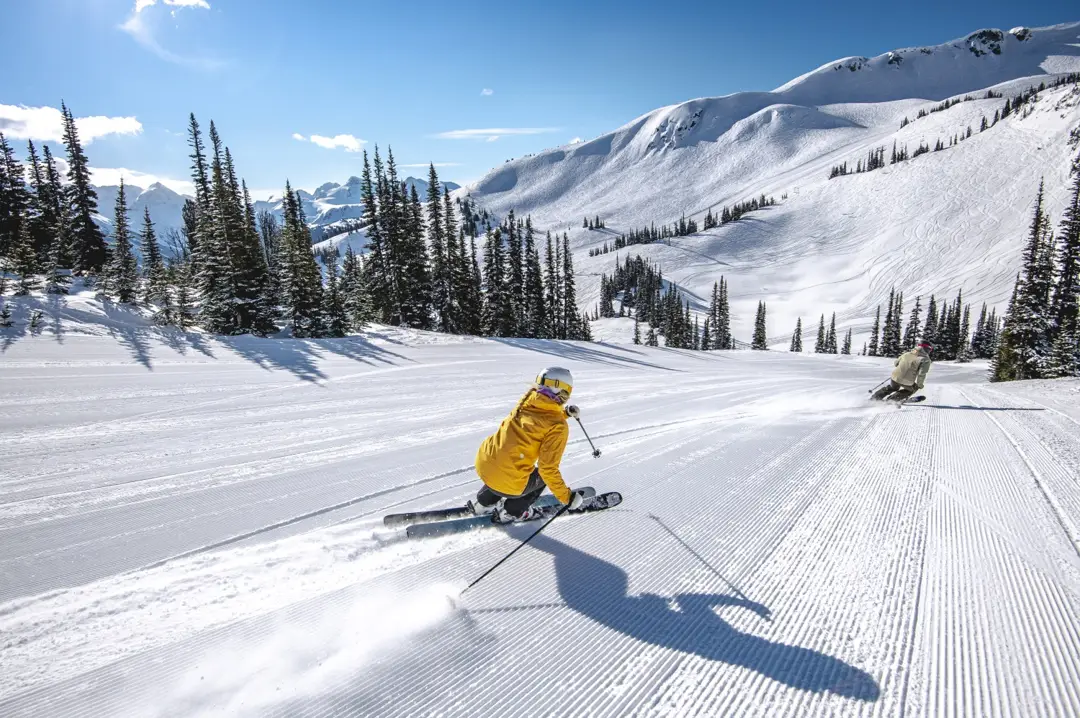
The main Canada ski season usually runs from late November or December through March, with some western resorts staying open into April or May depending on snow and elevation. For powder, midwinter is attractive; for milder weather and longer daylight, late February and March can be easier.
Treat advertised opening and closing dates as planning ranges: snow, wind, maintenance, and lift staffing can change daily operations, so confirm the resort's live status before buying non-refundable transport.
If you are balancing skiing with cities, winter festivals, aurora viewing, or road conditions, compare Canada's seasonal travel timing before choosing flights. Holiday weeks and school breaks can be expensive, while January often brings strong snow and fewer crowds.
Recommended Duration for a Canadian Ski Trip
A 3-5 day trip works well for Tremblant, Blue Mountain, or a single Banff base. A 7-10 day trip is better for Whistler, Banff-Lake Louise, Revelstoke, or a western Canada itinerary where travel time, weather windows, and rest days matter.
Trip length also changes the international comparison. A single Canadian resort can work in three to five days, while a Japan ski trip can use three to four days at one base but usually benefits from a full week when adding a resort cluster, an onsen day, or a city stop.
Canada is often simpler when the arrival gateway and ski base stay within one region; Japan rewards the extra days when rail-based transfers and cultural time are part of the decision.
Sample Western Canada Ski Rhythm
For a one-week western Canada trip, avoid changing hotels every night. A smoother plan is three or four nights in one base, one rest or sightseeing day, and two or three more ski days.
In Banff, that could mean alternating Sunshine and Lake Louise with a hot-springs or town day. In Whistler, it may mean staying in one village base and choosing different mountain zones each day.
For a longer trip, add a second resort only if the transfer genuinely improves the experience. A Whistler plus Vancouver plan works well for city access, while a Banff plus Revelstoke plan is better for stronger skiers who are comfortable with winter driving and longer distances.
Quick Resort Match by Travel Style
Choose Whistler if you want the largest all-in-one resort experience, a busy village, and enough terrain for a full week. Choose Banff or Lake Louise if mountain scenery, national park activities, and a classic Rockies atmosphere matter most. Choose Revelstoke if you are a confident skier planning the trip around snow quality and challenging terrain.
Choose Tremblant if your group wants a compact eastern village with restaurants, lessons, and an easy pedestrian base.
Choose Le Massif if you want Quebec scenery and a quieter trip paired with regional food or Quebec City.
Choose Blue Mountain if convenience from Toronto, beginner-friendly logistics, and a quick winter weekend are more important than huge vertical.
This travel-style filter is often more useful than a ranked list. A resort can be famous and still be wrong for your trip if it requires too much transfer time, costs more than your group wants to spend, or lacks the off-slope activities your companions need.
Use the comparison below to narrow the shortlist by trip style and realistic stay length before reviewing each resort in detail.
Resort or region | Best fit | Practical stay | Main gateway |
|---|---|---|---|
Whistler Blackcomb | Mixed abilities and a full-service village | 5–7 days | Vancouver |
Banff and Lake Louise | Rockies scenery and multi-resort variety | 5–7 days | Calgary |
Revelstoke | Advanced skiers focused on terrain and powder | 4–7 days | Requires a longer winter transfer |
Mont Tremblant | Families, couples, and a walkable eastern village | 3–5 days | Montreal |
Le Massif | Quebec scenery, food, and a quieter mountain stay | 2–4 days | Quebec City |
Blue Mountain | Beginners and short family weekends | 2–3 days | Toronto |
Best Ski Resorts in Western Canada
Whistler Blackcomb, British Columbia
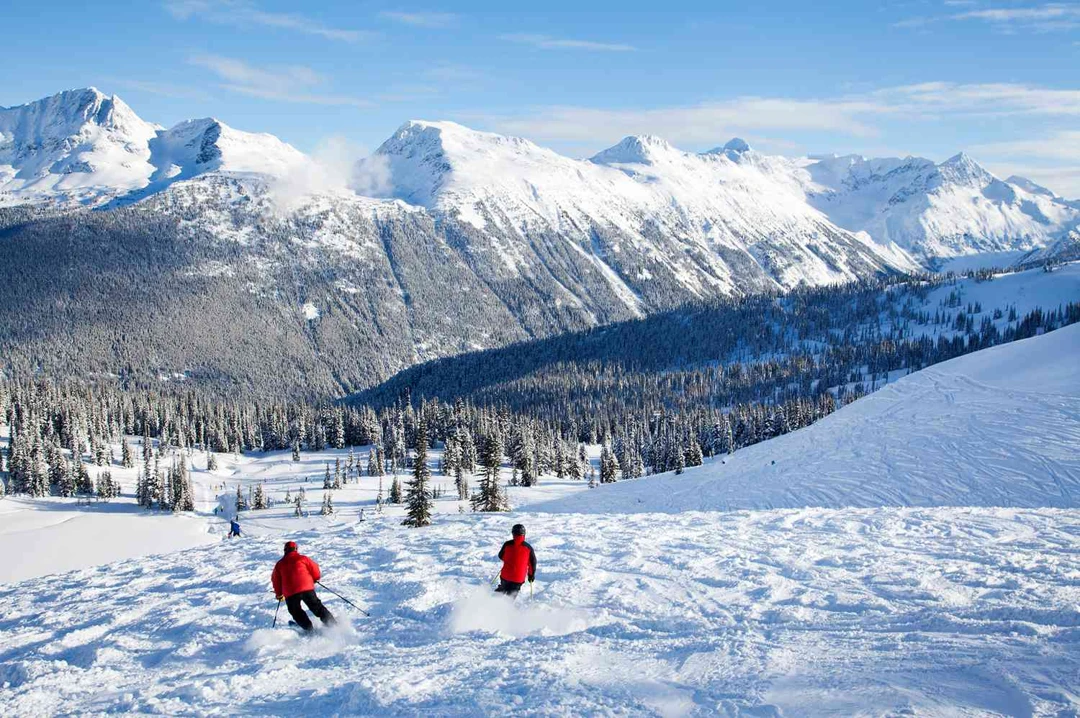
Whistler Blackcomb is Canada's most famous ski destination, and its official mountain statistics show why it suits a full week: two linked mountains, extensive marked terrain, alpine bowls, glaciers, and a large lift network.
The resort is best for intermediate to expert skiers who want variety, but beginners can also do well with lessons and marked learning areas. Book lodging, lift access, rentals, and restaurants early during holiday periods because Whistler can fill quickly.
Whistler's main advantage is choice. You can spend one day on wide groomers, another in alpine bowls, and another exploring tree zones or lesson terrain. Non-skiers still have the village, spas, snowshoeing, shopping, sightseeing lifts, and restaurants, which is why Whistler works so well for mixed groups.
Target Audience
Whistler is strongest for international travelers, groups with mixed ability levels, luxury stays, advanced skiers, snowboarders, and visitors who want a full resort town rather than a quiet lodge.
How to Get There
Fly into Vancouver International Airport, then take a shuttle, private transfer, or rental car along the Sea to Sky Highway. Winter weather can affect timing, so leave room in your arrival day.
Banff Sunshine Village, Alberta
Banff Sunshine Village gives travelers high alpine scenery, reliable winter atmosphere, and access to the broader Banff-Lake Louise ski region. It is a strong choice if you want mountain views, national park scenery, and a town base with restaurants and hotels.
The Banff area also works for travelers who want sightseeing on rest days. Lake views, hot springs, wildlife watching, and things to do in Banff can make the trip feel complete even when one day is too cold or windy for the lifts.
Banff Sunshine is especially useful for travelers who want a ski vacation inside a national park setting. The trade-off is that weather can feel very alpine: wind, visibility, and temperature may shift quickly, so check lift status before leaving town and carry layers even on sunny mornings.
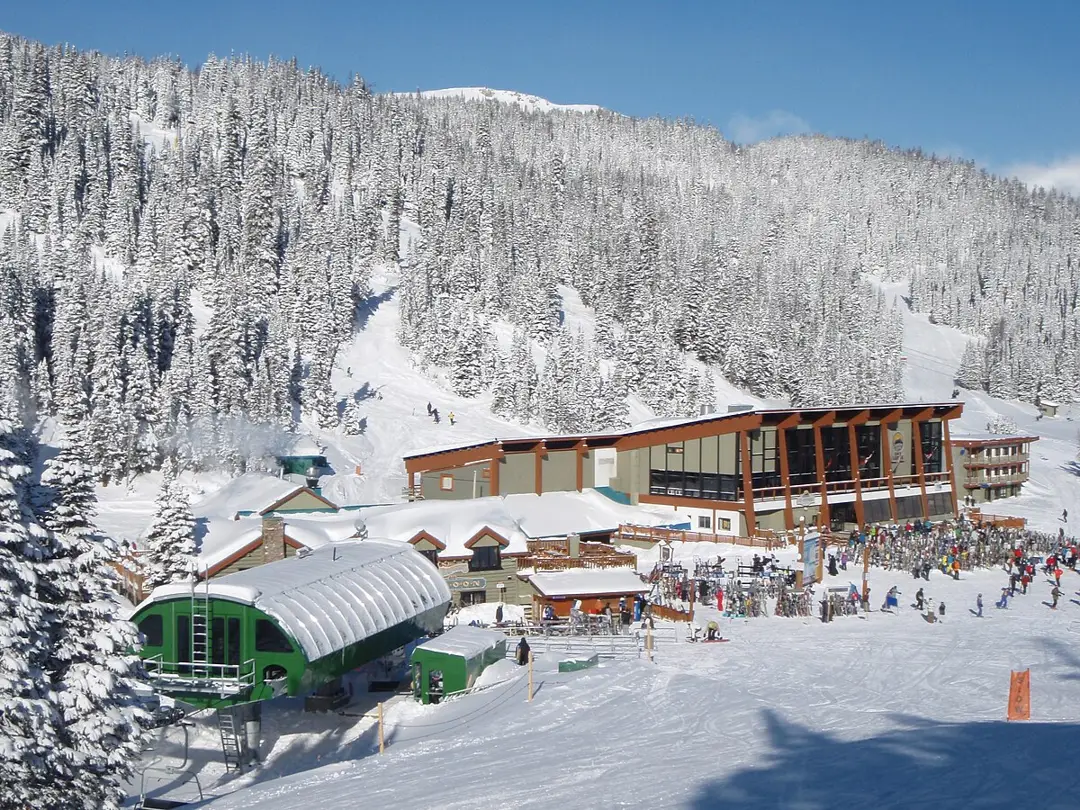
Lake Louise Ski Resort, Alberta
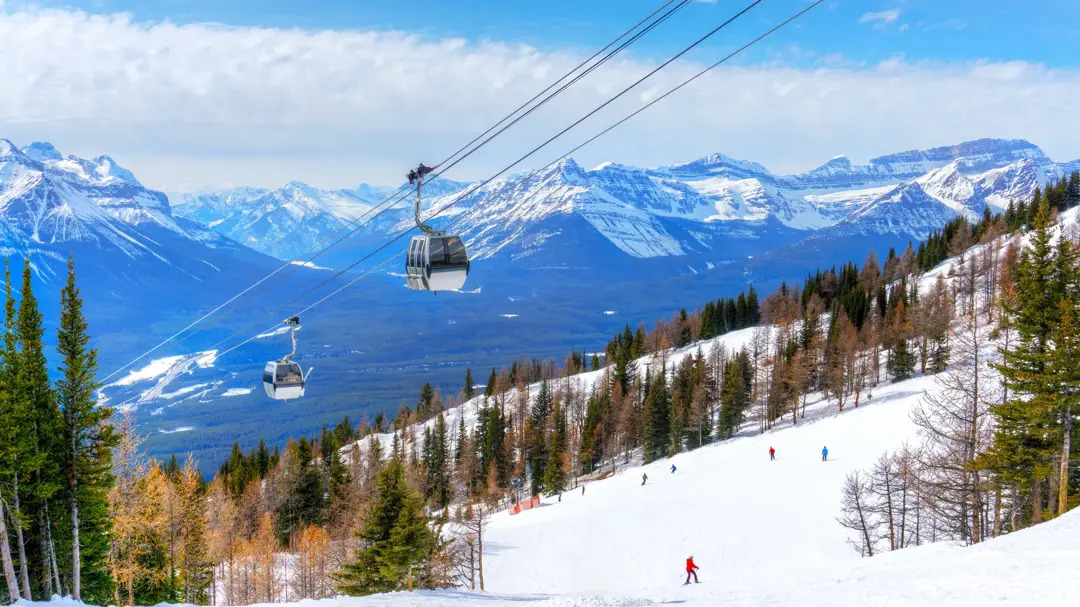
Lake Louise is ideal for big views, varied terrain, and a classic Canadian Rockies setting. Beginners, intermediates, and experts can all find suitable runs, but the resort is especially memorable for scenery and long cruising days.
Stay in Lake Louise for quiet access or in Banff for more restaurants and nightlife. If you plan to ski both Sunshine and Lake Louise, check shuttle times and pass options before booking.
Lake Louise is also a smart resort for groups because many lifts provide access to different difficulty levels from the same general area. That makes it easier for friends or families to split for a run and meet again without spending the whole day separated.
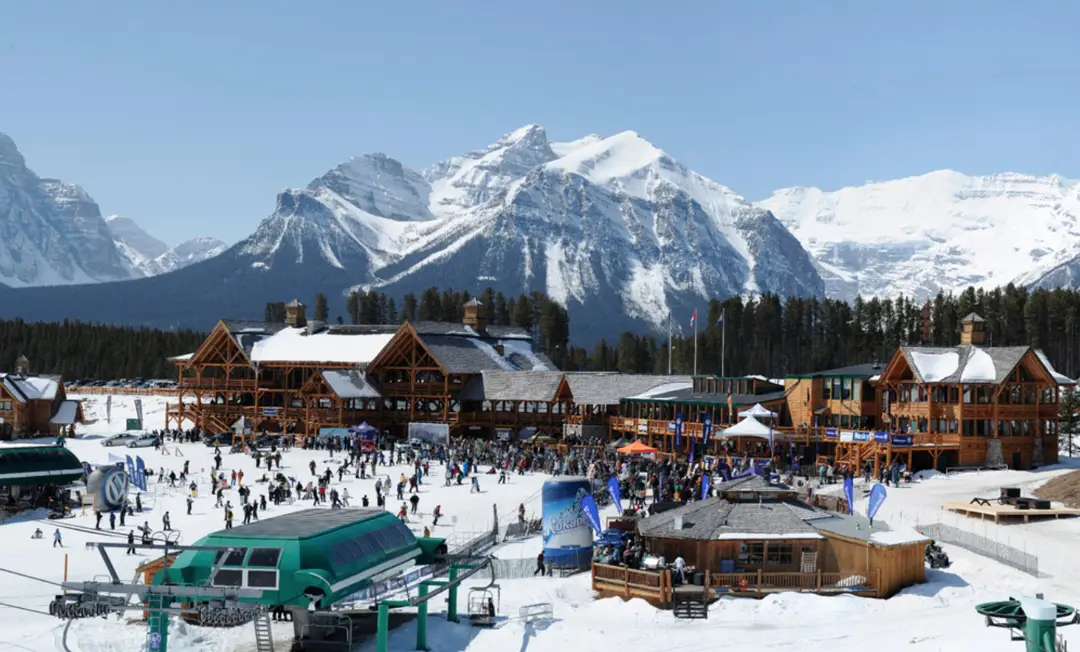
Revelstoke Mountain Resort, British Columbia
Revelstoke is a strong pick for advanced skiers, powder seekers, and travelers who prefer a serious mountain town over a polished luxury village. The terrain is big, the snow reputation is strong, and the atmosphere feels more rugged than Whistler.
It is less convenient for short first-time Canada trips because transfer times are longer. For confident skiers with a full week, however, Revelstoke can be one of the most rewarding resorts in the country.
Choose Revelstoke when the mountain itself is the priority. The town has character and good food, but the overall experience is less about shopping and more about snow, vertical, and challenging terrain. Strong intermediates should still study trail maps carefully before committing to difficult zones.
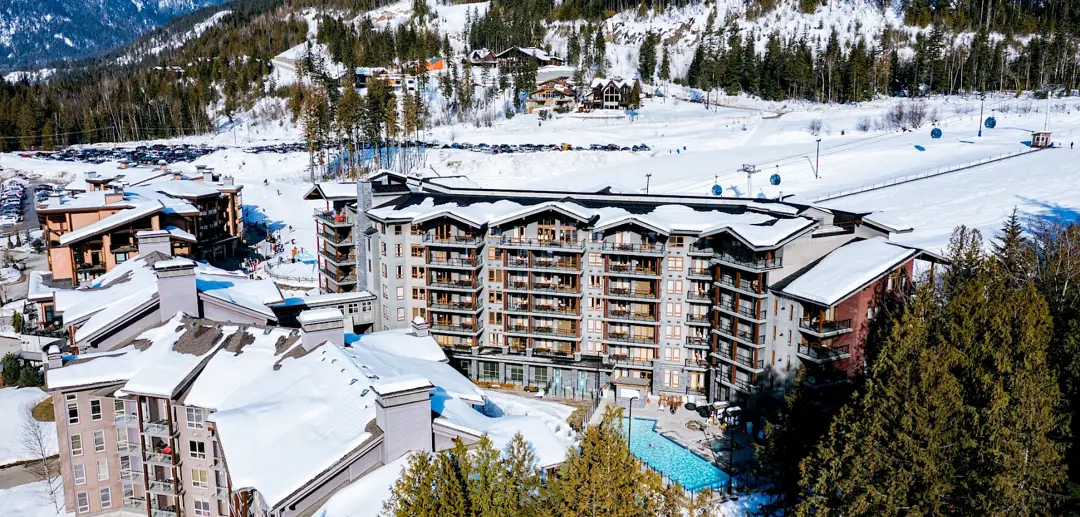
Best Ski Resorts in Eastern Canada
Mont Tremblant, Quebec
Mont Tremblant is the most polished eastern Canada ski village, with a pedestrian base, restaurants, lodging, shops, and a French-Canadian atmosphere. It is especially good for couples, families, first-time ski trips, and travelers who want an easy resort layout.
The mountain is smaller than the biggest western resorts, but the village experience is strong. Book dinner reservations early on weekends and holidays, and expect colder conditions than many western mountain towns.
Tremblant is also a good option when some travelers want lessons and others want cafes, spas, or short walks through the village. The compact base area reduces logistics, which is valuable for families managing children, gear, and cold-weather breaks.
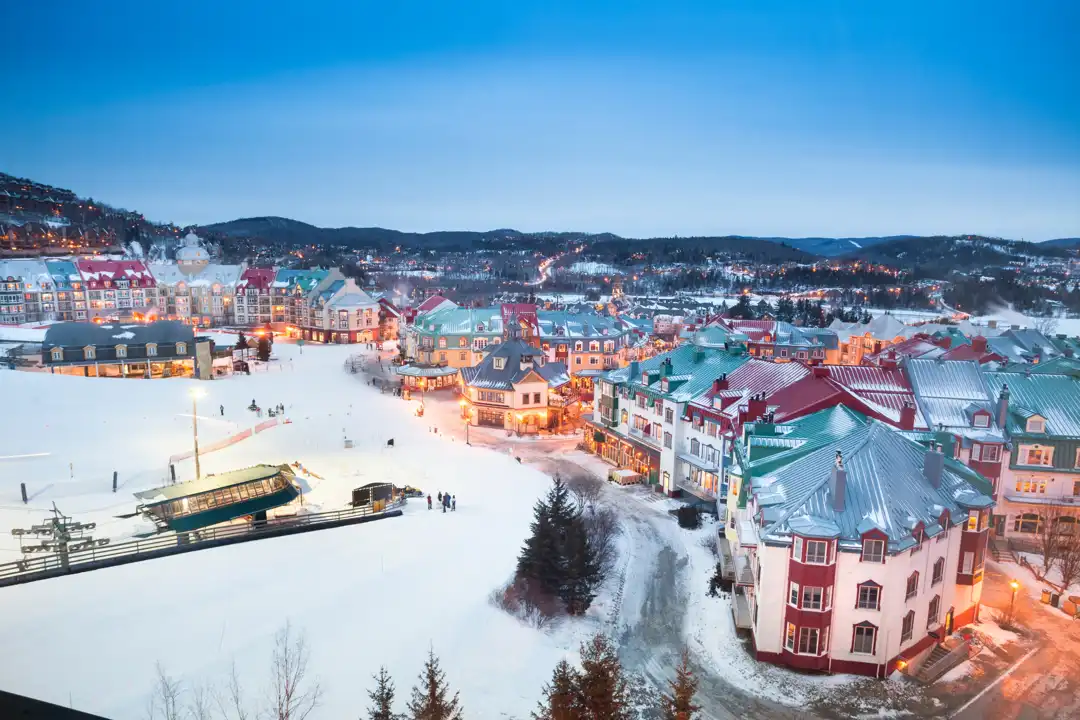
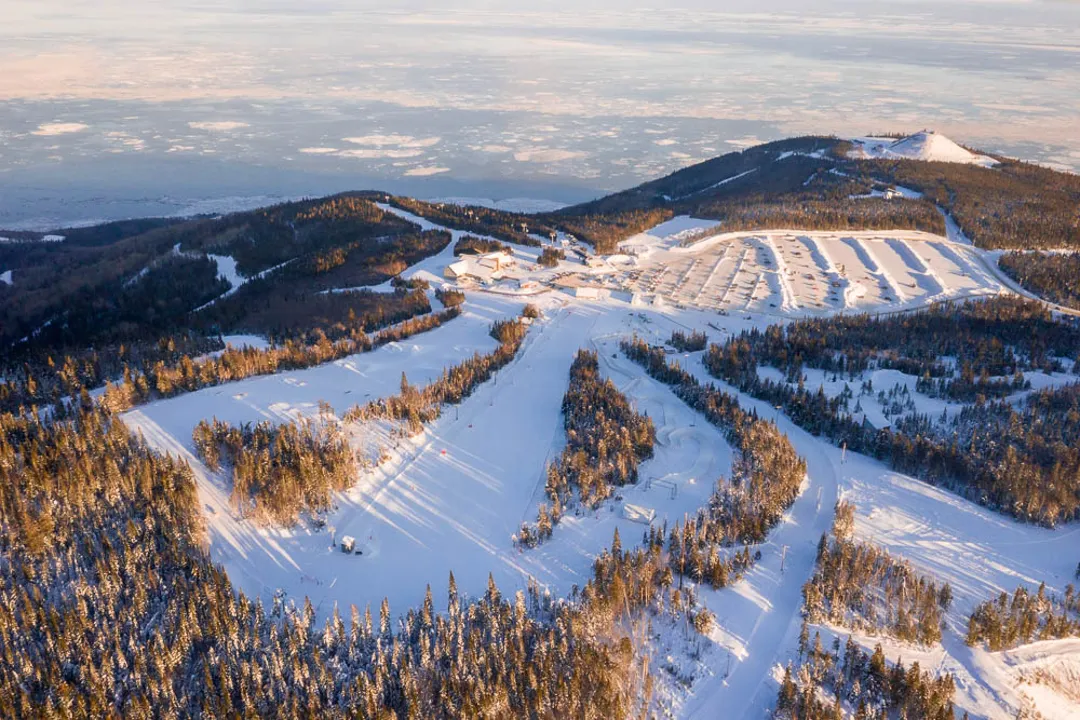
Le Massif de Charlevoix, Quebec
Le Massif is known for dramatic St. Lawrence River views and a quieter, more scenic feel than many busy ski villages. It is a strong choice for confident skiers, couples, and travelers combining Quebec City with a winter mountain escape.
Because the area is more spread out than Tremblant, plan transport and lodging carefully. It can be a beautiful resort for travelers who value scenery and regional food as much as nightlife.
The resort works especially well as part of a Charlevoix or Quebec City itinerary. You can ski during the day, then build the rest of the trip around local food, river views, and winter landscapes rather than only resort nightlife.
Blue Mountain, Ontario
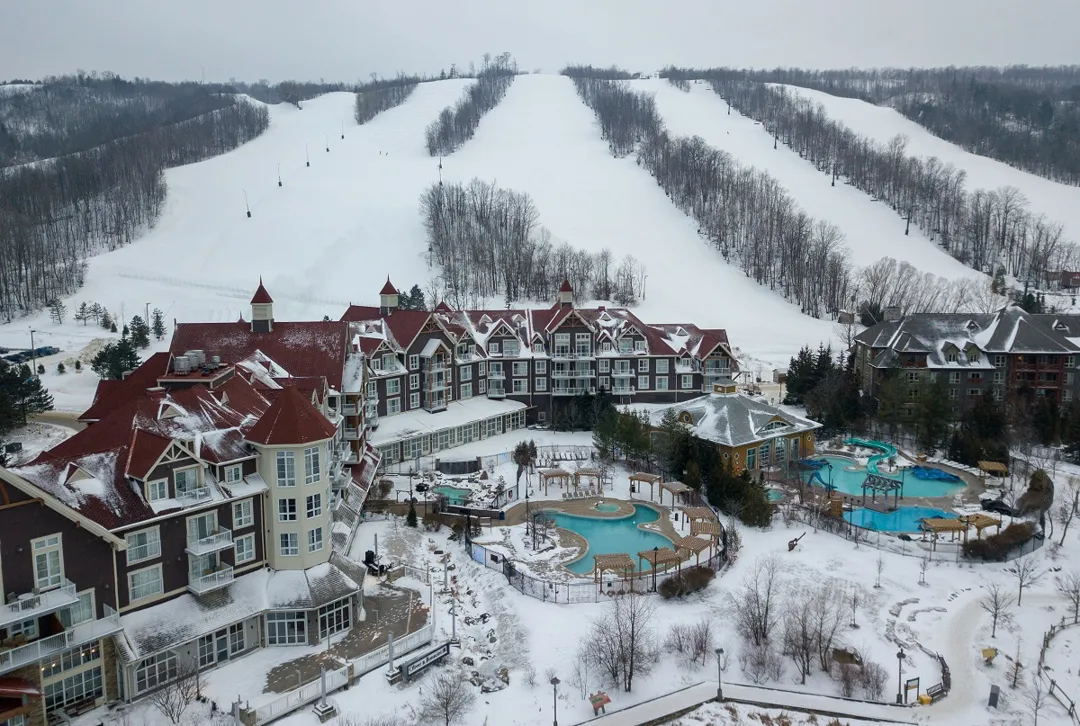
Blue Mountain is one of the most accessible ski resorts for travelers based around Toronto. It works best for families, beginners, weekend trips, and groups that want restaurants, spas, tubing, skating, and short travel time.
Do not choose Blue Mountain for remote powder or huge alpine terrain. Choose it for convenience, a lively village, and an easy first winter resort experience.
For travelers with limited time, that convenience is the point. A Blue Mountain weekend can still feel like a winter escape without requiring a cross-country flight, and it is easier for beginners who are not ready to invest in a full western Canada ski week.
Non-Ski Activities in Canadian Resorts
Non-ski time can keep a mixed group together and give skiers a useful recovery day. Compare the likely effort, booking pressure, and best setting before filling every afternoon.
Activity | Best fit | Planning check |
|---|---|---|
Dog sledding | Guided winter adventure | Confirm operator standards, clothing, duration, and participant role. |
Snowshoeing or Nordic skiing | Active rest day | Match trail difficulty to the group and check rental availability. |
Hot springs or spa | Recovery and non-skiers | Reserve peak-time entry and confirm transport from the resort. |
Village or festival time | Families and mixed interests | Leave one flexible block for weather-related schedule changes. |
1. Dog Sledding
Dog sledding is a classic winter experience in many Canadian mountain regions. Choose reputable operators, dress warmly, and confirm whether you will ride as a passenger or help handle the sled.
2. Snowshoeing and Cross-Country Skiing
Snowshoeing and cross-country skiing are excellent options for rest days or mixed groups. They are quieter than downhill skiing and often cheaper, while still giving you a close look at frozen forests, mountain trails, and snowy lakes.
3. Hot Springs and Spas
Hot springs, spas, saunas, and heated pools are especially welcome after cold ski days. Banff, Whistler, Blue Mountain, and Tremblant all have relaxation options, but reservations may be needed during peak periods.
4. Northern Lights and Winter Night Activities
Some ski trips can include stargazing, skating, night walks, or even aurora watching if conditions are right. Canada-focused travelers who want a dedicated aurora route should compare ski time with a separate plan for the northern lights in Canada rather than expecting every ski town to deliver reliable displays.
5. Festivals, Food, and Village Time
Mixed groups should reserve at least one flexible afternoon so weather holds do not erase every non-ski activity from the trip.
Winter villages are part of the Canada ski appeal. Tremblant has a compact pedestrian base, Whistler has a lively après-ski scene, and Banff gives you national-park scenery with a real town beyond the slopes.
Visiting Tips
Book the items that can sell out first, then keep weather-dependent decisions flexible. This checklist separates advance reservations from information that should be rechecked on the day.
Before booking | Before each ski day |
|---|---|
Lift access, lessons, rentals, airport transfer, key dinners, and winter-sports insurance | Lift status, wind, temperature, road or shuttle changes, meeting points, and last return time |
Boot fit, lodging location, pass restrictions, cancellation terms, and non-ski options | Battery level, offline map, spare layer, emergency contact, and closed-terrain notices |
Lift Passes
Book lift tickets, multi-day passes, and lessons before arrival whenever possible. Prices and availability can change quickly around Christmas, New Year, long weekends, and school holidays.
If you plan to ski several days, compare day tickets with multi-day passes and regional passes before buying. The cheapest option is not always obvious because some products include shuttle access, partner resorts, or date restrictions. Read blackout dates carefully before planning a holiday-week trip.
Gear
If you ski often, bringing your own boots may be worth the luggage space because fit matters. For occasional skiers, resort rentals are simpler and can save airport hassle. Reserve helmets, skis, snowboards, and clothing early in peak weeks.
Clothing
Layering is essential. Wear a moisture-wicking base layer, an insulating mid-layer, and a waterproof shell. Avoid cotton, bring extra socks, and keep a face covering or neck gaiter ready for windy lifts.
Dining Reservations
Popular restaurants in Whistler, Banff, Tremblant, and Blue Mountain can book out during busy periods. Reserve key dinners before arrival, especially for large groups or family trips.
Connectivity and Planning Tools
Keep resort maps, shuttle schedules, lift status, weather alerts, and booking confirmations available offline. An iRoamly travel eSIM can support live route changes and messages once you leave hotel Wi-Fi.
Safety on the Mountain
Store the accommodation address and final shuttle departure offline, because resort service can thin out quickly after lifts close.
Mountain conditions can change quickly. Follow closures, ski within your ability, and use the Parks Canada ski safety guidance before entering backcountry terrain. Never cross a closure because a social-media route looks easy.
For tree skiing, bowls, or any area near avalanche terrain, stay inside resort boundaries unless you have the right training, rescue gear, and local guidance. Travel insurance should cover winter sports if skiing or snowboarding is a major part of the trip.
Families should also set meeting points before the first lift ride, especially at large resorts where phone batteries can drain quickly in cold weather. Put a paper hotel address in children's pockets and agree on what to do if someone misses a chairlift or takes the wrong run.
Budget Planning
A ski trip budget should include more than flights and lodging. Add lift access, rentals, lessons, airport transfers, resort parking, meals, tips, insurance, warm clothing, and rest-day activities. Families should also budget for childcare, beginner lessons, and extra indoor breaks.
To save money, travel outside holiday weeks, stay slightly away from the base village, cook a few meals, and book rentals before arrival. Eastern resorts can be more affordable for short trips, while western resorts often deliver better value when you stay long enough to justify the travel time.
FAQ
1. What is the best ski resort in Canada for first-time visitors?
Whistler suits a full international resort trip, Banff emphasizes Rockies scenery, and Mont Tremblant offers especially simple family and beginner logistics.
2. When is the best month to ski in Canada?
January through March is the strongest general window; western high-elevation resorts may remain good later when snow and operations allow.
3. Are ski lessons available in English and French?
Quebec resorts commonly offer English and French instruction; major western resorts may offer multilingual instructors when available.
4. Can I rent all my ski equipment at the resorts?
Major resorts rent skis, snowboards, boots, poles, and helmets; reserve early during holidays to protect your preferred size and pickup time.
5. Do Canadian ski resorts have night skiing?
Some eastern and city-accessible resorts offer night skiing, while large western destination resorts generally focus on daytime alpine terrain.
6. Is Canada skiing expensive?
It can be; lower costs usually come from avoiding holidays, booking early, comparing multi-day passes, and matching trip length to transfer costs.
Conclusion
Canada offers a strong resort match for nearly every winter traveler, from Whistler's scale and Banff's scenery to Tremblant's compact village and Blue Mountain's convenience.
Choose by ability, transfer time, realistic budget, and the needs of non-skiers rather than relying on one universal resort ranking.
With suitable timing, early reservations, proper clothing, and daily condition checks, the ski trip becomes safer, smoother, and easier to enjoy.