
The legal age for buying or being served alcohol in France is 18. The rule applies to wine, beer, cider, and spirits, and sellers may ask for proof of age.
Local public-space rules and transport options can change, so a France eSIM can help travelers check official notices and plan a safe return.
This guide explains the age rule, local public-drinking restrictions, drink-driving limits, French social customs, and practical choices for responsible travel.
What is the Legal Drinking Age in France?
The legal age to buy or be served alcohol in France is 18. The rule applies to all alcoholic drinks and to both residents and visitors.
French law prohibits selling or offering alcohol to minors in licensed premises, shops, and public places. A seller can require proof that the customer is an adult.
The French Public Health Code contains the official protection-of-minors provisions and allows sellers to request proof of age.
Older claims that a 16-year-old may order wine or beer with a parent reflect outdated rules and should not be used for travel decisions.
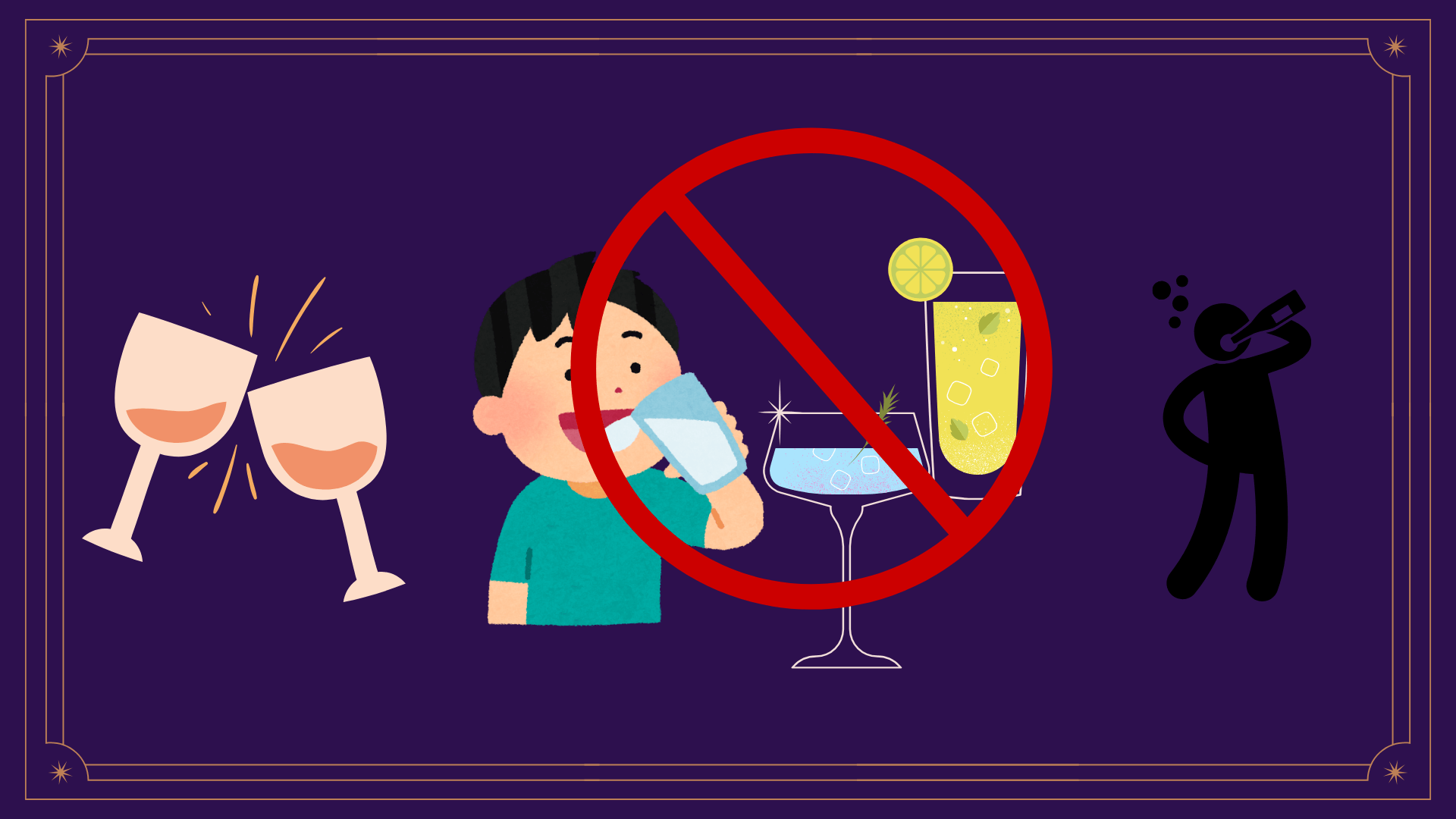
French Drinking Laws
France has no single nationwide ban on drinking in every public space. Municipal or police orders can restrict alcohol in particular streets, parks, riverbanks, transport areas, or during major events.
In Paris, some local orders restrict consumption during stated hours in specified areas. Follow posted signs and current Paris alcohol restrictions rather than assuming one rule covers the whole city.
Public drinking
Use licensed terraces or private venues when local signs prohibit alcohol, and avoid glass containers where separate safety rules apply.
Driving after drinking
Do not estimate legal fitness by counting drinks. Alcohol absorption varies, and the safest plan is a sober driver, public transport, or a licensed taxi.
Situation | Practical rule | Safer choice |
|---|---|---|
Buying alcohol | Must be 18 or older | Carry valid identification |
Public space | Local restrictions may apply | Check signs and current orders |
Driving | Strict blood-alcohol limits apply | Do not drive after drinking |
French Drinking Culture
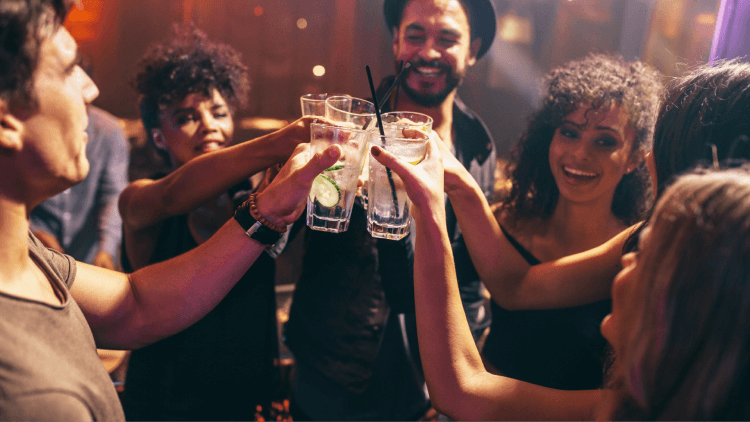
French drinking manners elevate the experience. Here are three things you need to know:
Say Cheers: If you’re out with friends or family in France, you can expect someone to suggest a toast. As you raise your glass, make eye contact with each person and exclaim “Santé!” – it’s not just polite, but considered unlucky if you don’t!
Aperitifs, wine with food, and digestifs form part of the broader set of French cultural traditions, but participation never requires drinking alcohol.
Time and Place: As mentioned, drinks have their own times in France. Aperitifs – pre-meal drinks – should always come before food for appetite-stimulating properties. This often means lighter servings like champagne, pastis, or Aperol, which can be served on the rocks or with soda.
Finish with Digestives: After you’ve enjoyed a meal, you can follow up with a digestive if desired – again, a drink selected for its digestive properties. Drink a solid wine, such as Cognac or Chartreuse, which France is famous for, or an amaro. And as a pro tip, avoid ordering pastis post-dessert or cognac pre-entrée!
Drinking Faux Pas
On the flipside, there are a few things you might want to avoid while drinking:
Don’t Rush: Savor your drink! Downing a tipple is considered impolite.
Plan the trip back before the first drink. An iRoamly travel eSIM can keep transit maps and taxi apps accessible, while a saved offline route provides backup.
One at a Time: Mixing different drinks is generally frowned upon – for good reason – as it can make you feel a bit unwell.
One Too Many: As with anywhere, don’t overindulge – especially given the French penchant for pacing their drinking. Standing out in the wrong way is a good way to feel self-conscious if you’re on the continent!
FAQ
1. Can a 16-year-old buy alcohol in France?
No; the French Public Health Code prohibits selling or serving alcohol to anyone under 18.
2. Can parents authorize a minor to order alcohol?
No nationwide restaurant exception allows a parent to override the under-18 sales and service rule.
3. Is public drinking legal everywhere in France?
No; local authorities may restrict alcohol by place, time, or event, so posted rules must be followed.
4. How does France compare with Italy?
Both set the legal purchase age at 18, while local public-space rules differ; an Italy drinking-age guide covers the comparison.
5. What identification should travelers carry?
Use an official photo ID accepted by the venue, and keep a secure copy separate from the original.
Conclusion
France sets 18 as the legal age for buying or being served any alcoholic drink.
Public-space restrictions vary locally, and safe transport planning matters more than trying to estimate legal driving limits from a drink count.
Travelers can enjoy French dining culture responsibly by checking current rules, pacing themselves, and choosing alcohol-free options whenever preferred.