
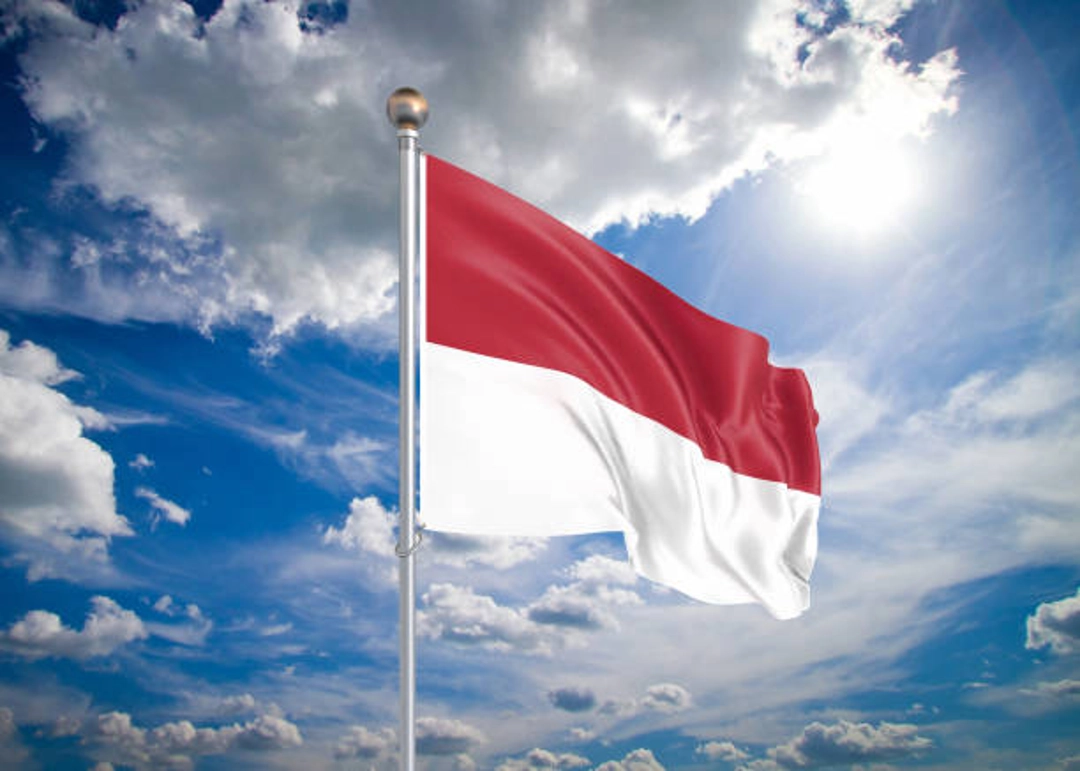
The Indonesian flag, known as Sang Saka Merah Putih, is a vital national symbol that embodies the country's history, culture, and identity. For travelers to Indonesia, grasping the flag's importance can offer a deeper appreciation of the nation’s heritage.
This article will delve into the flag's history, its design and symbolism, its cultural significance, and how it represents Indonesia’s identity.
While you’re immersing in this fascinating culture, an iRoamly eSIM can help you stay connected so that you can share your experiences with your loved ones.
History of the Indonesian Flag
The Indonesian flag was officially adopted on August 17, 1945, when Indonesia declared its independence from Dutch colonial rule. This event signified a new era for the nation, with the flag becoming a potent symbol of freedom and unity.
The flag’s design draws inspiration from a historical banner utilized by Indonesians during their independence struggle.

The red and white colors are profoundly embedded in the nation's quest for autonomy, appearing in several forms throughout Indonesia’s history. Its adoption marked Indonesia's commencement in forging a distinct national identity.
Design and Colors of the Flag
The Indonesian flag consists of two horizontal stripes: red on top and white below. The design is simple yet powerful, with each part holding deep meaning.
Red: The top stripe of red stands for courage, strength, and the sacrifices of those who fought for Indonesia’s independence. It also symbolizes the blood shed by the nation's heroes during the fight for freedom.
White: The bottom stripe of white represents purity, peace, and the spirit of unity. It reflects the nation’s wish for harmony and the vision of a peaceful, independent Indonesia.
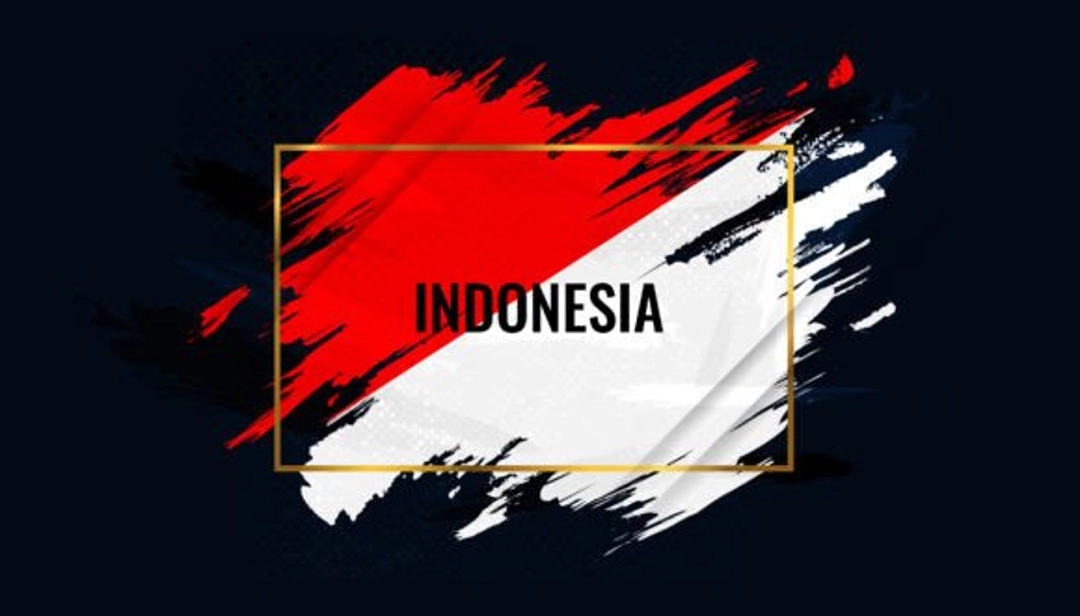
Together, the two colors show the balance between the strength of courage and the serenity of peace, mirroring the determination and hopes of the Indonesian people.
Cultural Significance of the Flag in Indonesia
In Indonesia, the national flag — “Sang Saka Merah Putih” — is not merely a token of identity, but an organ of daily life.
You’ll regularly see the red and white stripes as you walk through neighborhoods, near schools, etc. It’s not just a flag but a conversation piece, a marker of loyalty and solidarity.
On August 17th everyone celebrates the country’s independence, the flag flies high and proud. It is a day to gather, march in parades and attend celebrations throughout the country.
The highlight of the day is standing beside a flagpole to raise the flag, singing the national anthem with pride and vigor.
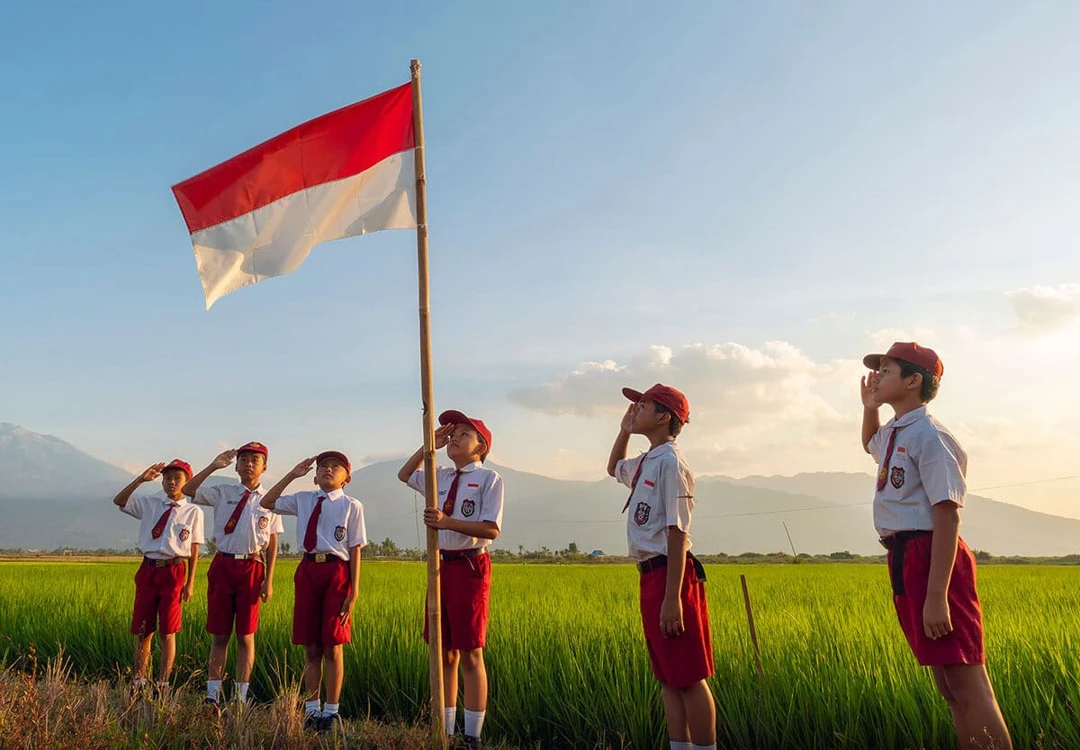
Respecting the national flag is important in every country, just as the Chinese stand solemnly every day at the flag-raising ceremony in Tiananmen Square, Beijing, China. In Indonesia, the flag must never touch the ground during official ceremonies—both practices showing a shared respect for the nation..
This respect symbolizes the emotional connection the people of Indonesia have with their flag. It’s not just an object; it’s a representation of who they are and their pride.
If you want to join these national celebrations in Indonesia, using an eSIM for traveling in Indonesia makes it easier to stay connected and share your experiences.
It lets you post, browse, and take part without worrying about local SIM cards.
How the Flag Reflects Indonesia’s Identity
Indonesia is an archipelago with over 17,000 islands, home to numerous ethnic groups, languages, and cultures.
Indonesia’s uniquely varied islands contribute to its rich diversity, yet the Indonesian flag unifies the people across regional, cultural, and linguistic differences.
The red and white colors of the flag signify the values of freedom, unity, and peace that tie the country together. It reminds Indonesians that, despite their diversity, they share a common identity and pride in their nation's history and independence.

For travelers heading to Indonesia, seeing the national flag everywhere—from the bustling capital of Jakarta to remote rural villages—serves as a powerful symbol of unity in this vast and culturally diverse nation.
Conclusion
As we conclude exploring the history of the Indonesian flag, it’s clear that there is more to the flag than just two red and white stripes.
It is a cultural touchstone, symbolizing the bravery and unity of the Indonesian people. This symbolism is deeply connected to the unique aspects of Indonesia culture, where tradition and national identity go hand in hand.
So, next time you head to Indonesia, don’t forget to look for this emblem of national pride. Knowing what it symbolizes offers an additional layer of respect for the country and its people and their history.