
The best beach towns in Spain are not all built for the same trip. Some are elegant city beaches with restaurants and rail access, some are whitewashed Mediterranean coves, some are surfy Atlantic bases, and some are island towns that ask for a little extra planning.
That variety is the point. Spain can give you a northern food-and-beach weekend, a Costa Brava village escape, a Balearic cove holiday, or an Andalusian beach town with sunset tapas and warm evenings.
This guide compares 13 strong choices, explains who each town suits, and gives practical tips for season, transport, cost, and how to avoid choosing the wrong coast for your travel style.
How to Choose
Choosing a Spanish beach town is less about finding the single prettiest beach and more about matching coast, season, budget, and mood. A town that is perfect for food lovers in May may feel too busy for a quiet August escape.
Before booking, decide whether you want a beach-first holiday, a cultural base with swimming, a road trip, a surf town, or a family-friendly stay. That choice will narrow the coast quickly.
Best for | Look at | Why it works |
|---|---|---|
Food plus beach | San Sebastian, Cadaques, Sitges | Good restaurants, scenic walks, and easy town life. |
Classic Mediterranean coves | Nerja, Javea, Costa Brava towns, Port de Soller | Clear water, cliffs, smaller beaches, and strong views. |
Surf and wind | Tarifa, Ribadesella, northern coast towns | Atlantic energy, wider beaches, and active-trip options. |
Family-friendly stays | Estepona, Peniscola, Sitges, Altea | Promenades, services, manageable town centers, and beach access. |
For broad official beach inspiration and coastal ideas, Spain's tourism board has a useful overview of beaches in Spain. Use it to cross-check regions, then choose towns based on the kind of trip you actually want.
13 Best Beach Towns
This list mixes famous names with practical bases. Some towns are better for swimming, some for eating, some for scenery, and some for using as a coastal road-trip stop.
1. San Sebastian
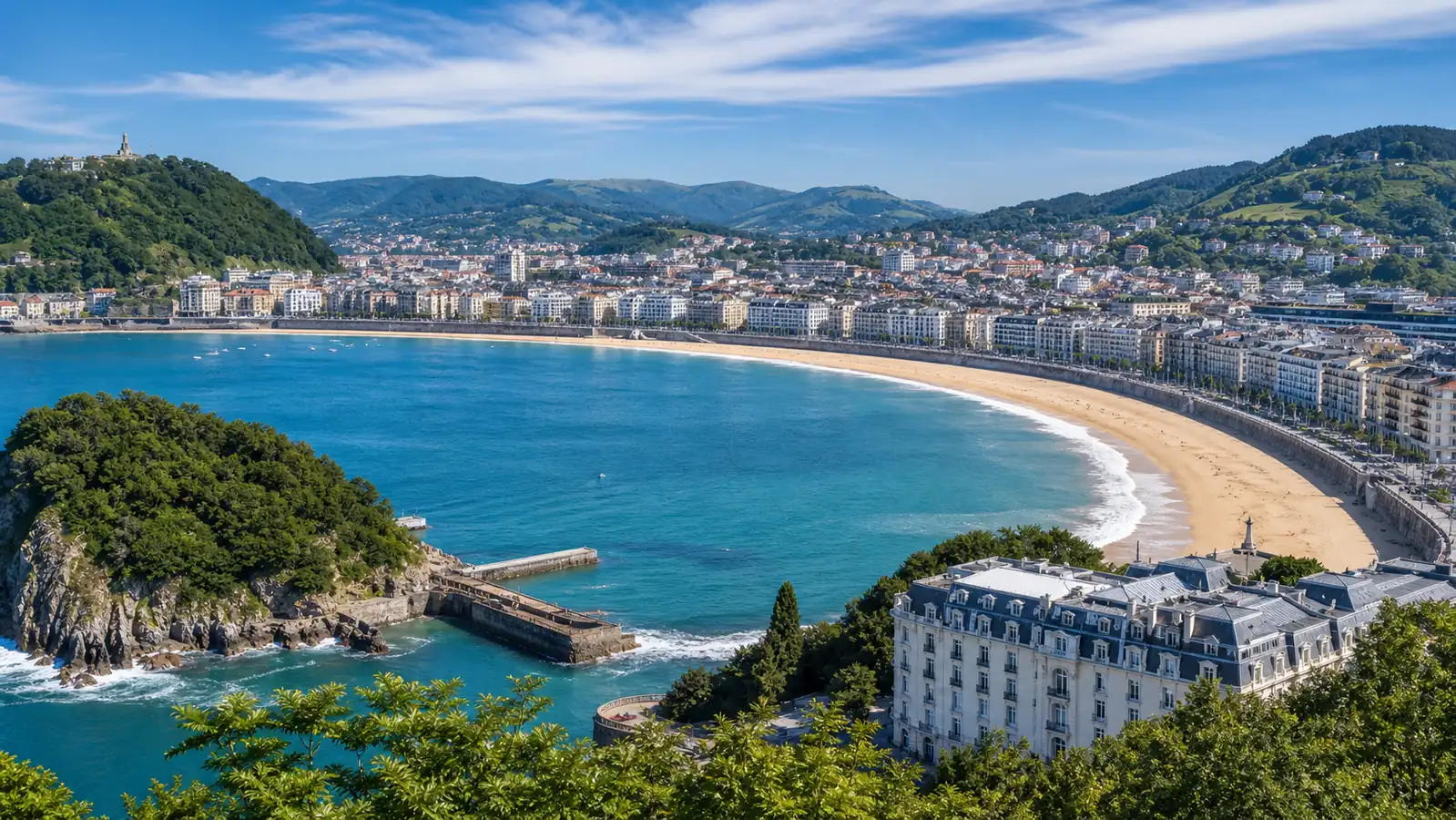
San Sebastian is the beach town for travelers who refuse to choose between food and scenery. La Concha-style bay views, elegant promenades, pintxos bars, and green hills make it feel more like a refined small city than a simple resort.
Best for: Couples, food lovers, first-time northern Spain travelers, and anyone who wants beach time without sacrificing restaurants.
2. Cadaques
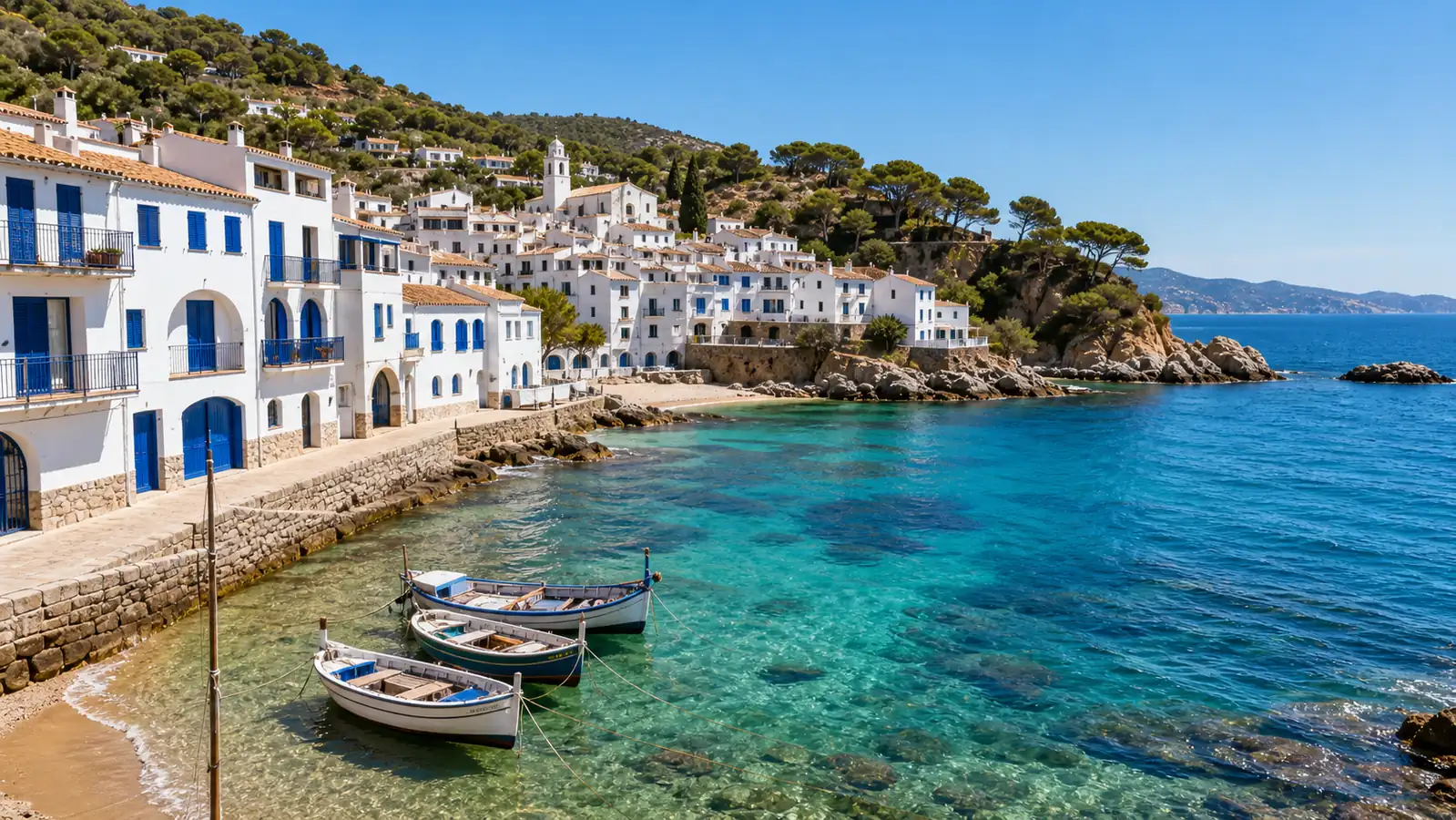
Cadaques is a whitewashed Costa Brava town with rocky coves, fishing boats, artistic history, and a slower Mediterranean mood. It is not the easiest place to reach, but that is part of why it feels special.
Travel tip: Stay overnight if possible. Day visitors miss the quieter mornings and evenings.
3. Tossa de Mar
Tossa de Mar combines beach time with a fortified old town, making it one of the more balanced Costa Brava choices. You can swim, walk the walls, photograph the bay, and still have restaurants close by.
Good for: Travelers who want Costa Brava scenery with more structure and services than a tiny village.
4. Sitges
Sitges is stylish, lively, and easy to reach from Barcelona. It has beaches, nightlife, festivals, galleries, and a compact old center that works well for a short coastal break.
Best for: Barcelona add-ons, LGBTQ+ travelers, friends' trips, and visitors who want beach days with evening energy.
5. Nerja
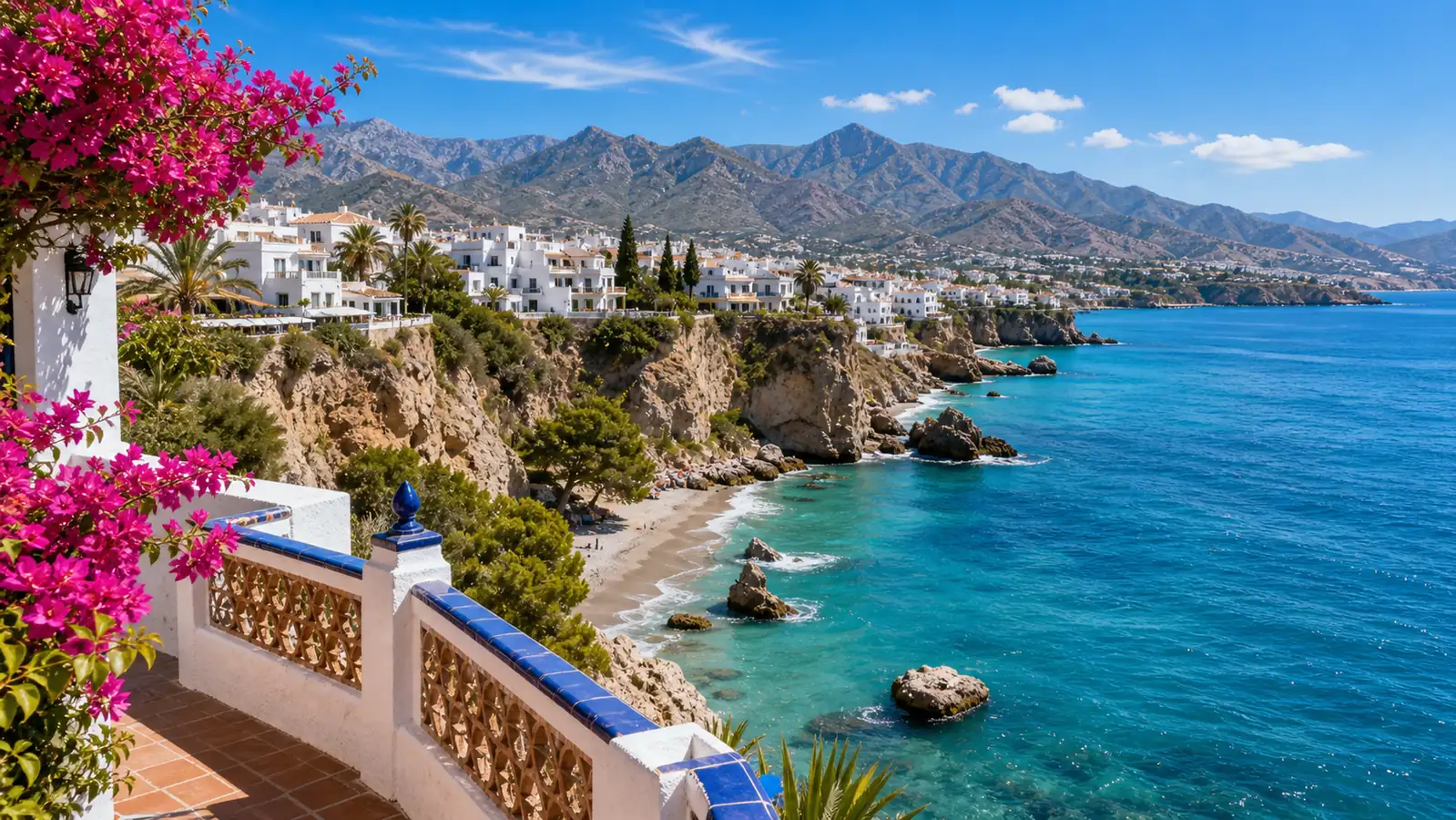
Nerja is one of Andalusia's most appealing coastal towns, with cliff views, coves, white streets, and access to both beaches and mountain scenery. It feels more intimate than the bigger Costa del Sol resort zones.
Best moment: Early morning viewpoints and late afternoon beach time, when the light softens and the town feels less rushed.
6. Estepona
Estepona is a practical southern beach town with a long promenade, flower-filled streets, family-friendly services, and a calmer feel than some larger Costa del Sol bases. It is polished without feeling as intense as the busiest resort strips.
Best for: Families, longer stays, relaxed beach routines, and travelers who want restaurants and services nearby.
7. Tarifa
Tarifa sits where the Mediterranean and Atlantic moods meet. It is windy, active, and known for surf, kitesurfing, broad beaches, and a youthful old-town scene.
Watch out for: Wind. It creates the atmosphere but can also change whether a beach day feels relaxing or adventurous.
8. Zahara de los Atunes
Zahara de los Atunes is a Costa de la Luz favorite for wide beaches, tuna culture, and a more open Atlantic feeling. It is less about polished resort life and more about sand, seafood, and summer rhythm.
Food tip: Make tuna part of the plan if you visit in season or see it highlighted by good restaurants.
9. Altea
Altea has a white old town, blue-domed church views, pebbly beaches, and a calmer personality than many bigger Costa Blanca resorts. It is especially good if you care about atmosphere as much as sand.
Best for: Slow travelers, photographers, couples, and visitors who prefer scenic streets over all-day beach facilities.
10. Javea
Javea, also known as Xabia, offers coves, clear water, viewpoints, and a mix of old-town and beach zones. It is a strong choice for travelers who want swimming spots and scenic drives rather than a single central beach.
Planning note: A car can be helpful if you want to reach coves and viewpoints efficiently.
11. Peniscola
Peniscola stands out because its old town rises on a rocky headland above beaches and sea views. It has a castle-town feel that makes it more memorable than a standard promenade resort.
Best for: Families, history lovers, and travelers who like a clear old-town focal point next to the beach.
12. Port de Soller
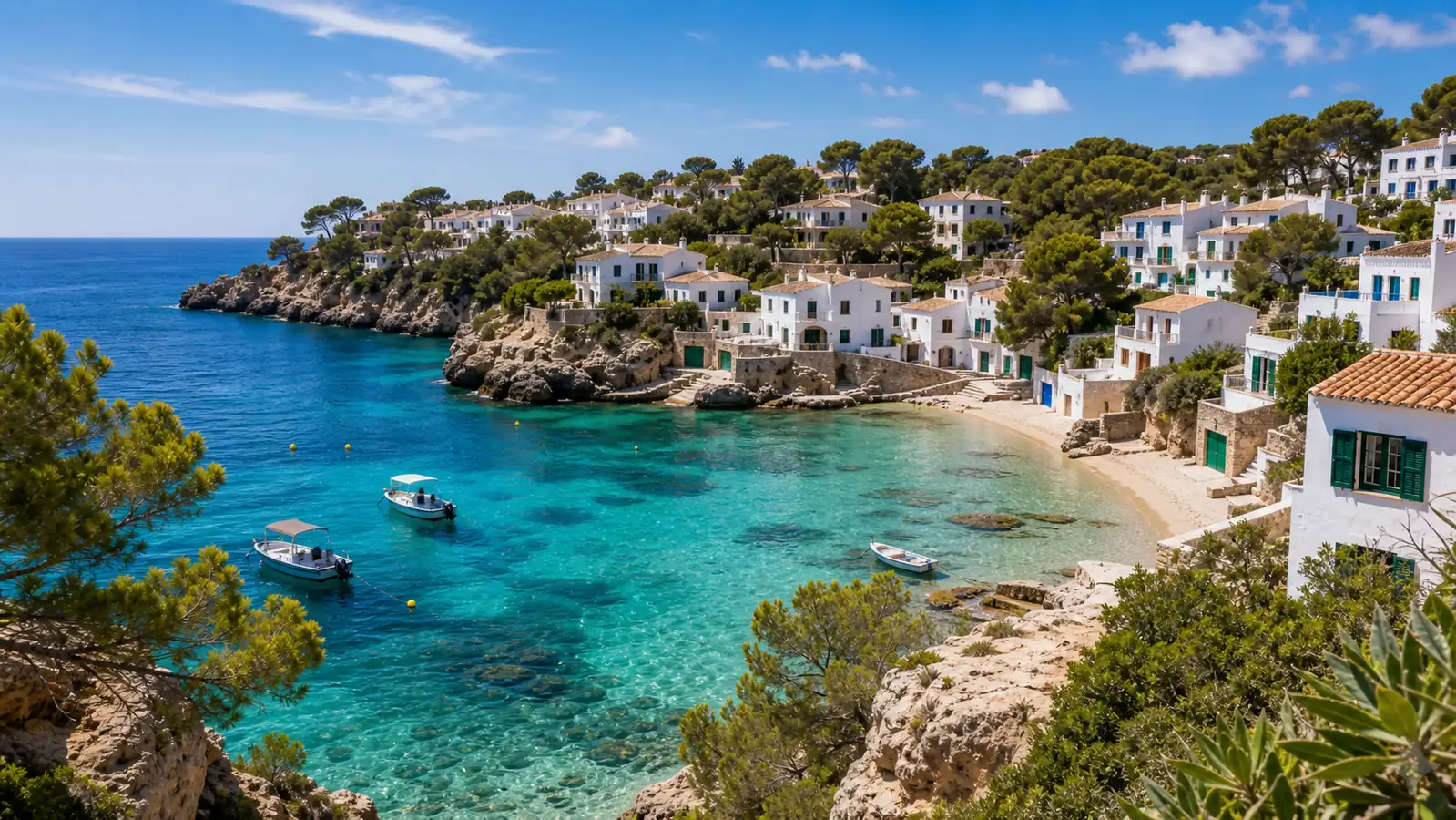
Port de Soller in Mallorca gives you a sheltered bay, mountain backdrop, marina atmosphere, and access to the Tramuntana side of the island. It is more scenic and layered than a flat beach resort.
Best for: Island travelers who want walking, views, boat trips, and a beach base in one place.
13. Ribadesella
Ribadesella in Asturias is a northern beach town with cliffs, river scenery, seafood, and a greener landscape than Mediterranean Spain. It suits travelers who want cooler temperatures and a less predictable, more natural coast.
Best season: Summer is warmest, but shoulder-season visits can be lovely if you accept changeable weather.
Coastal Regions Compared
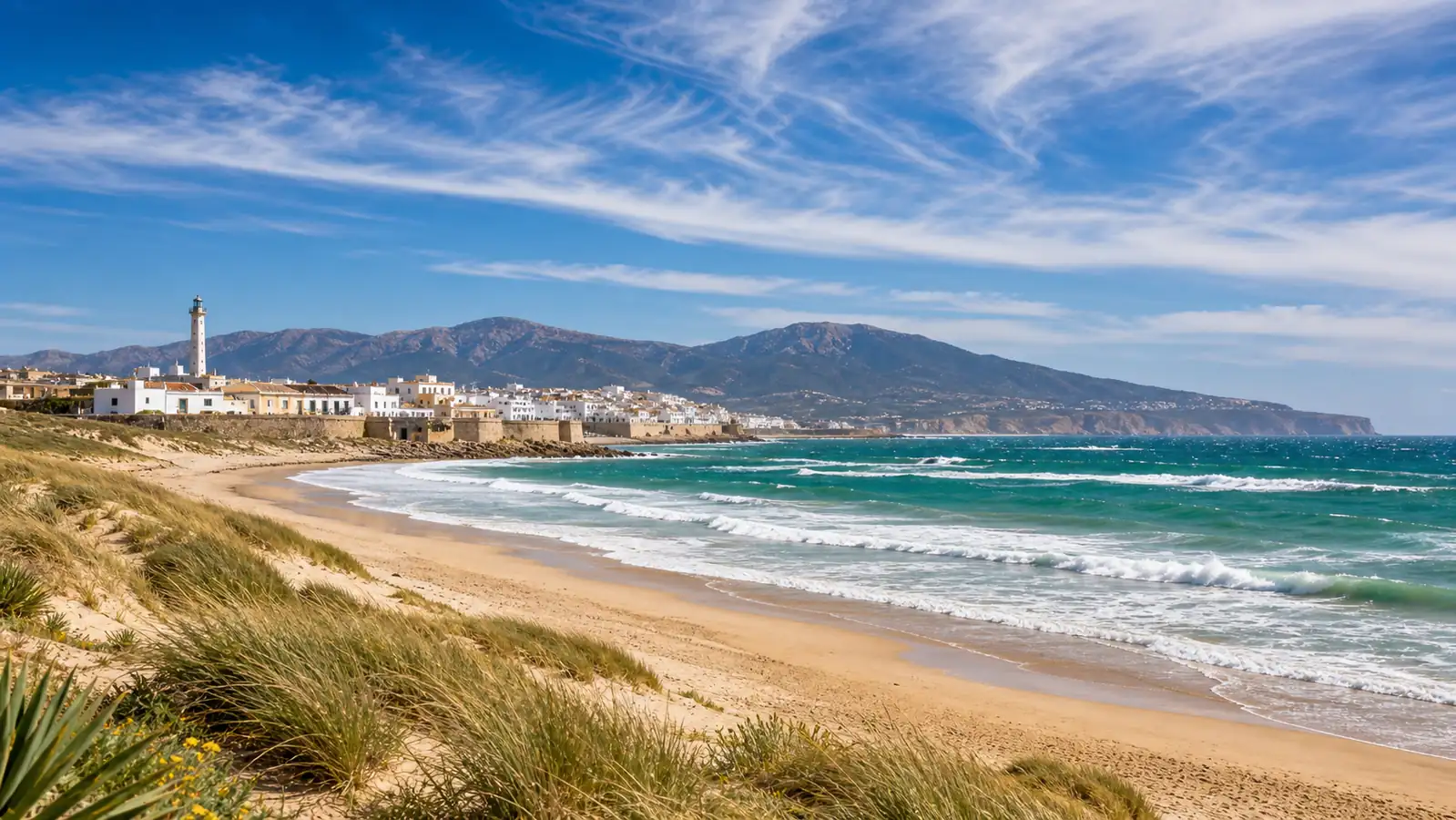
Spain's coasts feel very different. A town on the Bay of Biscay does not behave like a Balearic cove, and a Costa de la Luz beach day does not feel like a Costa Brava village stay.
1. Northern Spain
Choose the north for food, green landscapes, surf, and cooler temperatures. The tradeoff is less guaranteed beach weather, especially outside peak summer.
2. Mediterranean Mainland
Choose the Mediterranean for reliable sunshine, coves, white towns, and easier beach routines. The tradeoff is heavier crowds in famous places during high summer.
3. Islands
Choose the Balearics or Canaries when you want a more self-contained holiday. The tradeoff is extra flight or ferry planning, and popular island towns need early accommodation booking.
For scenery: Costa Brava, Mallorca, Asturias, and Nerja are especially strong.
For food: San Sebastian, Cadiz province towns, Galicia, and Catalonia stand out.
For easier logistics: Sitges, San Sebastian, Estepona, and Peniscola are simpler than remote coves.
For activity: Tarifa, Ribadesella, and northern surf towns work well.
When to Go
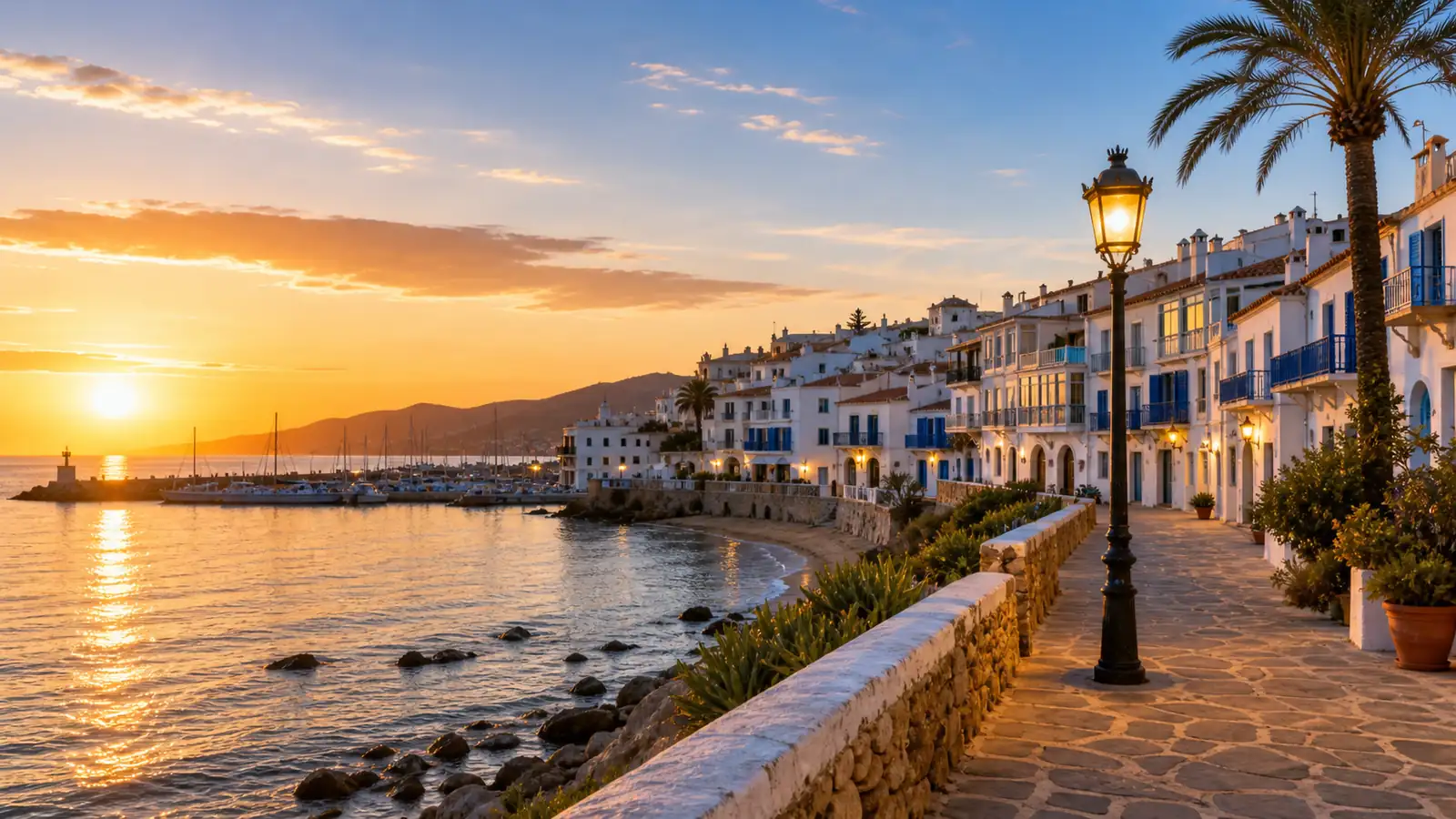
The best season depends on the coast. For much of mainland Mediterranean Spain, late spring and early autumn are often the sweet spots: warm enough for beach time, less intense than August, and easier for restaurants and accommodation.
1. Spring and Early Summer
May, June, and early July can be excellent for walking, eating outdoors, and beach days without peak crowd pressure. Water may still feel cool in some regions, especially in the north.
2. Peak Summer
July and August bring the strongest beach atmosphere but also higher prices, heat, and crowds. Choose larger beaches, book early, and avoid expecting quiet coves at midday.
3. Autumn
September is often one of the best months for Mediterranean beach towns because the sea remains warm and crowds begin to ease. October can still be pleasant, though weather becomes more variable.
Season | Best for | Planning note |
|---|---|---|
May to June | Scenery, lower crowds, walking | Check water temperature expectations. |
July to August | Classic beach holiday energy | Book early and expect crowds. |
September | Warm sea, softer crowds, better pacing | A strong all-around choice for many coasts. |
Winter | Quiet towns, walks, local life | Not all beach services will operate as in summer. |
Transport, Budget, and Connectivity
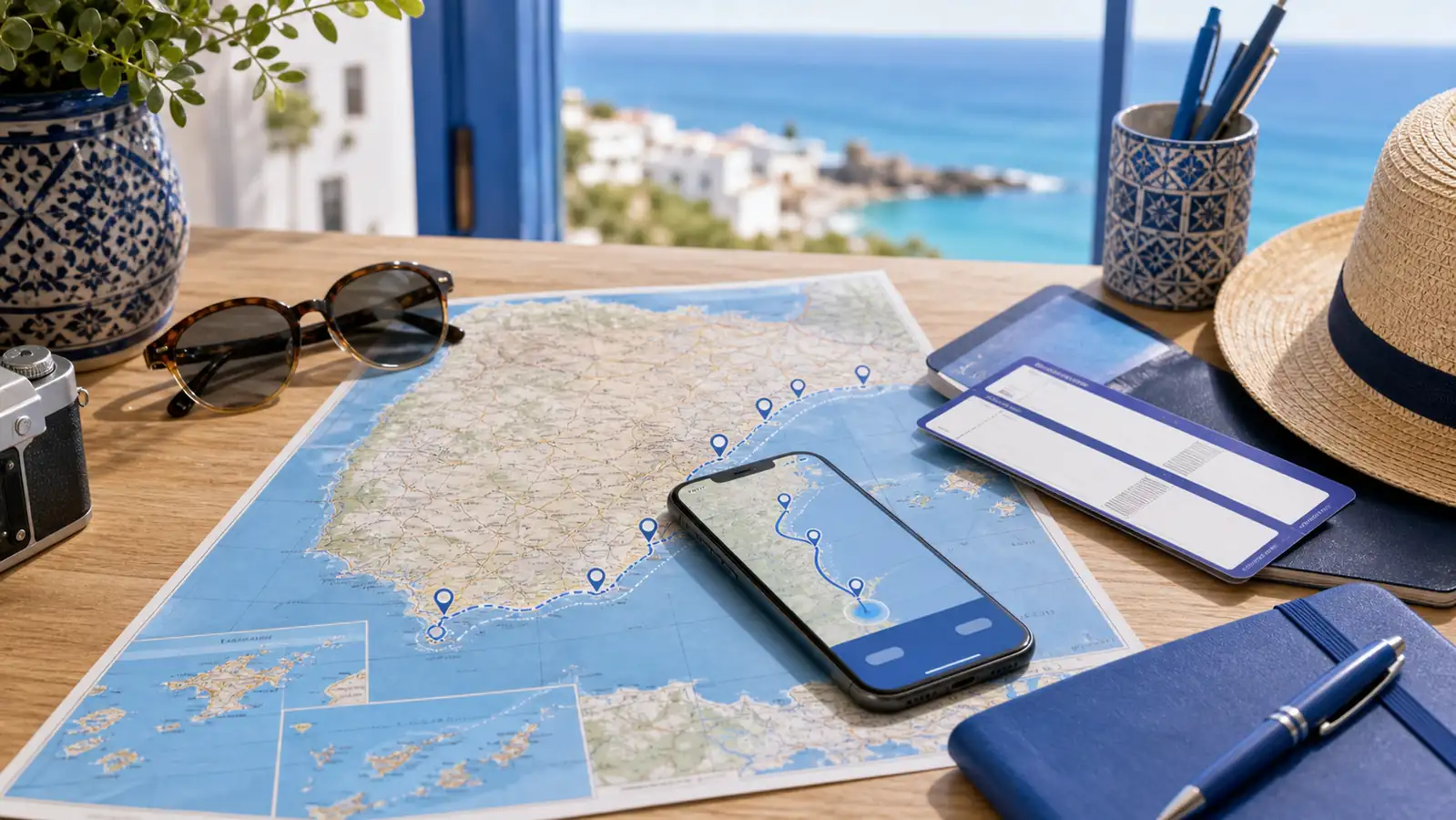
Some Spanish beach towns are easy by train, while others are much better with a car. This difference matters more than many travelers expect, because the prettiest coves are not always the easiest bases.
1. Train-Friendly Choices
Sitges, San Sebastian, Cadiz, and some larger coastal towns work well without a car. You can arrive, walk, use local transport, and avoid parking stress.
2. Car-Friendly Choices
Costa Brava villages, Javea coves, white villages near the coast, and rural beach routes are easier with a car. The tradeoff is parking, narrow streets, and higher summer demand.
3. Staying Connected Between Towns
Coastal trips often involve route checks, parking apps, ferry updates, restaurant bookings, and translation. A travel eSIM from iRoamly can help if you want mobile data ready for maps and bookings as soon as you land.
Budget saver: Stay one town inland or one beach away from the most famous name.
Comfort upgrade: Pay for walkable accommodation if you will not rent a car.
Common mistake: Booking a remote cove stay without checking evening dining or transport options.
Smart compromise: Use one train-friendly town and one car-friendly town instead of trying to do every coast the same way.
FAQ
1. What is the prettiest beach town in Spain?
It depends on your taste. Cadaques, San Sebastian, Nerja, Altea, Port de Soller, and Tossa de Mar are all strong contenders because they combine scenery with town atmosphere.
2. Which Spanish beach town is best without a car?
Sitges, San Sebastian, Cadiz, and larger coastal towns with train access are among the easier choices without a car. Remote coves and small villages usually need more planning.
3. Where should families stay?
Estepona, Sitges, Peniscola, and parts of Nerja work well for many families because they offer beach access, restaurants, and manageable town centers.
4. Which coast is best for surfing?
Look at the Atlantic and northern coasts, including Tarifa and towns along the Cantabrian coast. Conditions vary by season, so check local surf forecasts before building a trip around waves.
5. Are Spain's beach towns expensive?
They can be in peak summer, especially famous island and Costa Brava towns. Shoulder seasons, inland accommodation, and train-friendly bases can reduce costs without removing the coastal experience.
6. Should I choose mainland Spain or the islands?
Choose the mainland for easier multi-city travel and more route variety. Choose islands when you want a contained holiday with coves, boat trips, and a stronger vacation feel.
Final Thoughts
The best beach towns in Spain are the ones that match your rhythm. San Sebastian is brilliant for food and city-beach elegance, Cadaques and Tossa de Mar suit scenic Mediterranean escapes, and Nerja, Altea, and Port de Soller are strong for views and slower days.
If you want activity, look toward Tarifa or the north. If you want easy logistics, choose a train-friendly town. If you want hidden coves, accept that a car, early booking, or extra travel time may be part of the deal.
Spain's coast is too varied for one perfect answer, and that is a gift. Pick the town that fits your season, budget, and travel style, then leave enough unscheduled time for swims, seafood, evening walks, and the kind of coastal detours you only notice once you are there.