
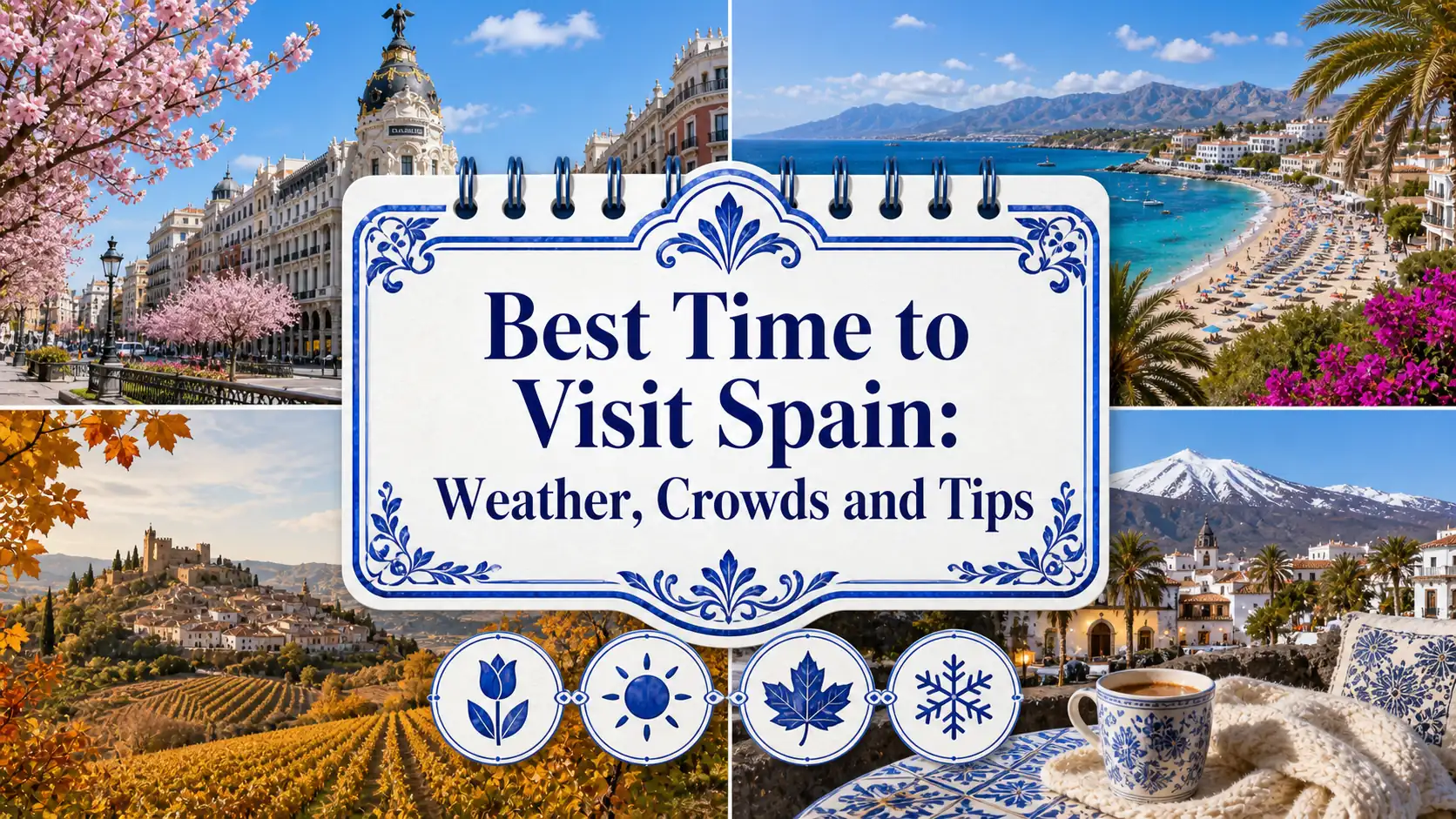
The best time to visit Spain depends on where you are going and what kind of trip you want. Spring and autumn are the safest choices for most city routes, while summer works better for beaches, islands, festivals, and northern Spain than for long inland sightseeing days.
Spain has several climates in one country, so one simple answer can be misleading. Barcelona, Madrid, Seville, San Sebastián, the Balearic Islands, the Canary Islands, and Galicia can feel very different in the same month.
This guide breaks the year into practical travel seasons, then shows how to choose the right month for cities, beaches, food, festivals, hiking, and quieter trips.
Best Months at a Glance
For many travelers, April, May, September, and October are the easiest months to recommend. They usually balance comfortable sightseeing weather, good daylight, and fewer extremes than peak summer or midwinter.
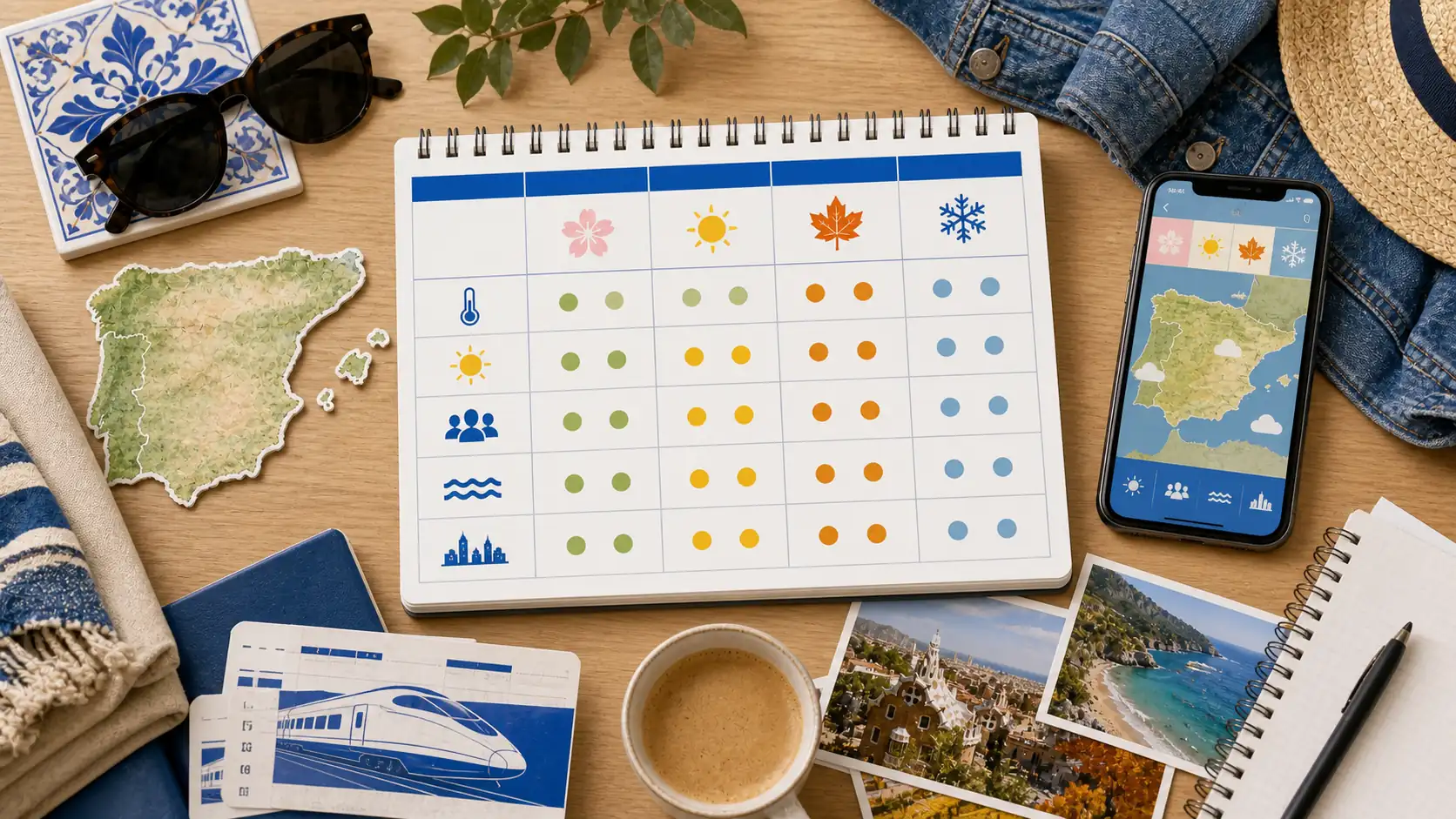
Weather changes by region and year, so check current conditions close to departure. Spain's official tourism site has a helpful weather overview for Spain, and local forecasts are still essential before outdoor days.
Here is a simple planning snapshot:
Period | Best For | Watch Out For |
|---|---|---|
March to May | Cities, gardens, food trips, Andalusia, walking | Holiday crowds around Easter and changing spring weather. |
June to August | Beaches, islands, festivals, northern Spain | Heat inland and in the south, higher demand, busier resorts. |
September to October | City routes, food, wine, beaches early in the season | Popular shoulder-season dates can still book up. |
November to February | Lower-crowd cities, museums, Canary Islands, budget travel | Shorter days, cooler weather, and some seasonal closures. |
This table should guide the first draft of your itinerary. Once your route is clearer, check local weather and event dates for the exact cities you plan to visit.
Spain by Season
Thinking season by season is more useful than looking for one perfect month. Spain's best travel window shifts depending on whether you are visiting cities, beaches, islands, mountains, or festivals.

1. Spring: March to May
Spring is one of the best seasons for Madrid, Barcelona, Seville, Córdoba, Granada, Valencia, and many smaller historic cities. Daytime walking is usually easier than in peak summer, and the season brings flowers, patios, parks, terraces, and more comfortable old-town exploring.
Best for: first-time city routes, Andalusia, food trips, museum days, gardens, and walking-heavy itineraries. Easter period travel can be beautiful but busy, so book lodging and transport early if Semana Santa overlaps your dates.
2. Summer: June to August
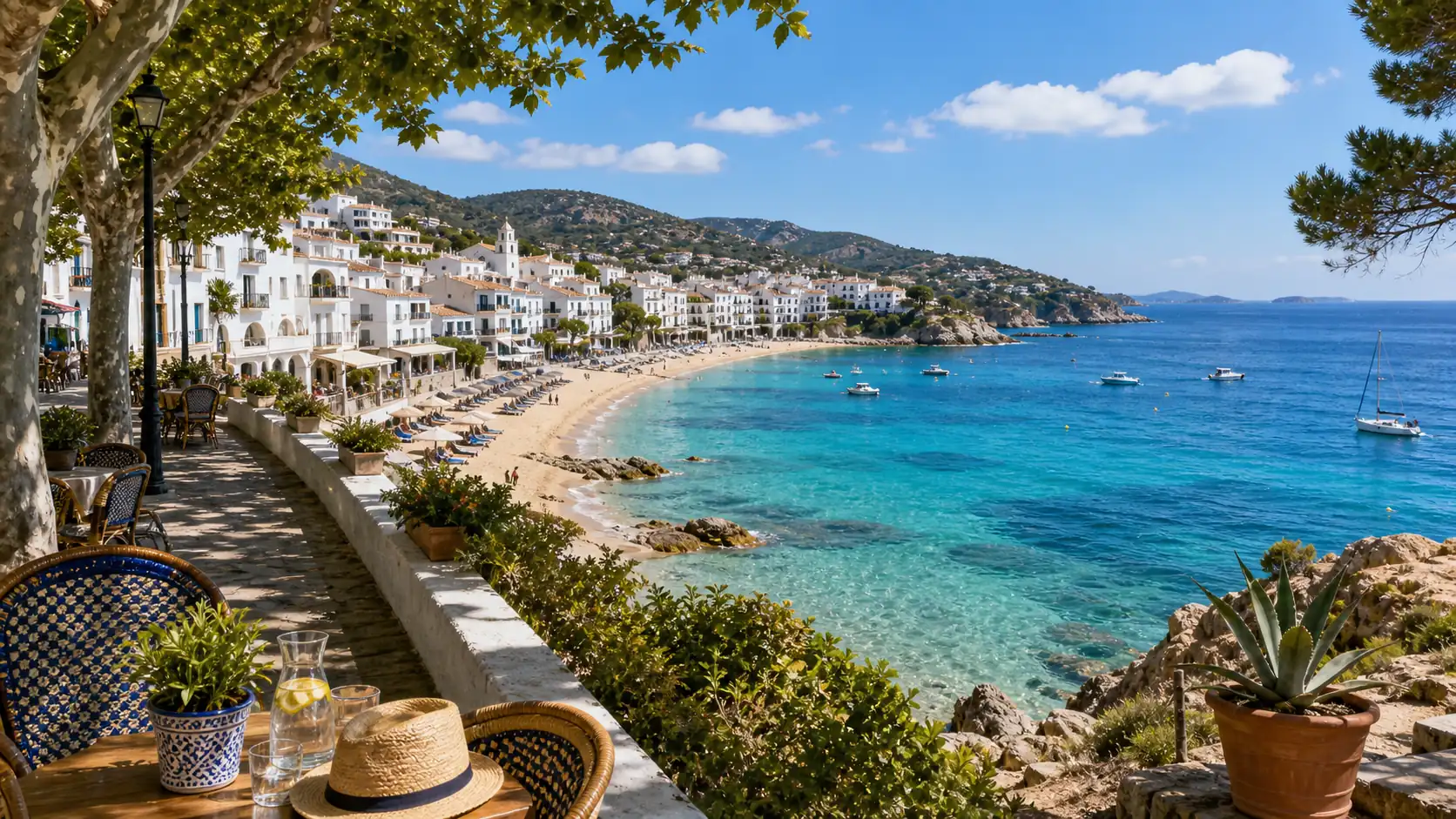
Summer is the right season if your priority is beaches, islands, festivals, nightlife, and long evenings. It is less ideal for packed sightseeing in hot inland or southern cities unless you plan early mornings, shaded afternoons, and slower days.
Best fit: the Balearic Islands, Mediterranean coasts, northern Spain, beach towns, and routes that allow midday breaks. If you choose Seville, Córdoba, or Granada in summer, plan around heat instead of pretending it will not affect you.
3. Autumn: September to November
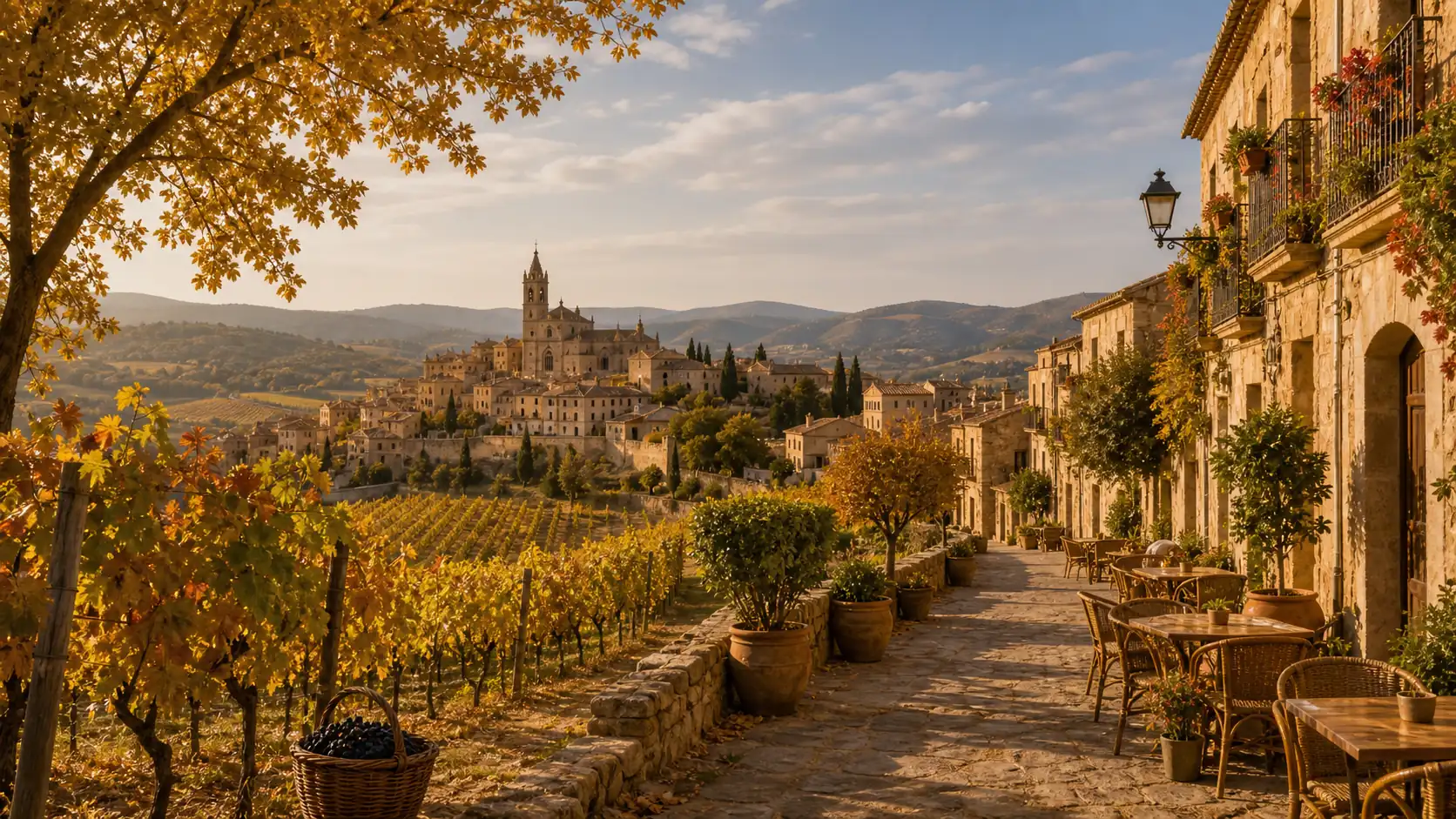
Autumn is another excellent season for Spain, especially September and October. Many cities become more comfortable after peak summer, beaches can still be appealing early in the season, and food and wine trips feel especially natural.
Travel mood: autumn suits travelers who want the range of Spain without the sharpest heat. It is good for Madrid, Barcelona, Valencia, Andalusia, northern food routes, and slower city-hopping.
4. Winter: December to February
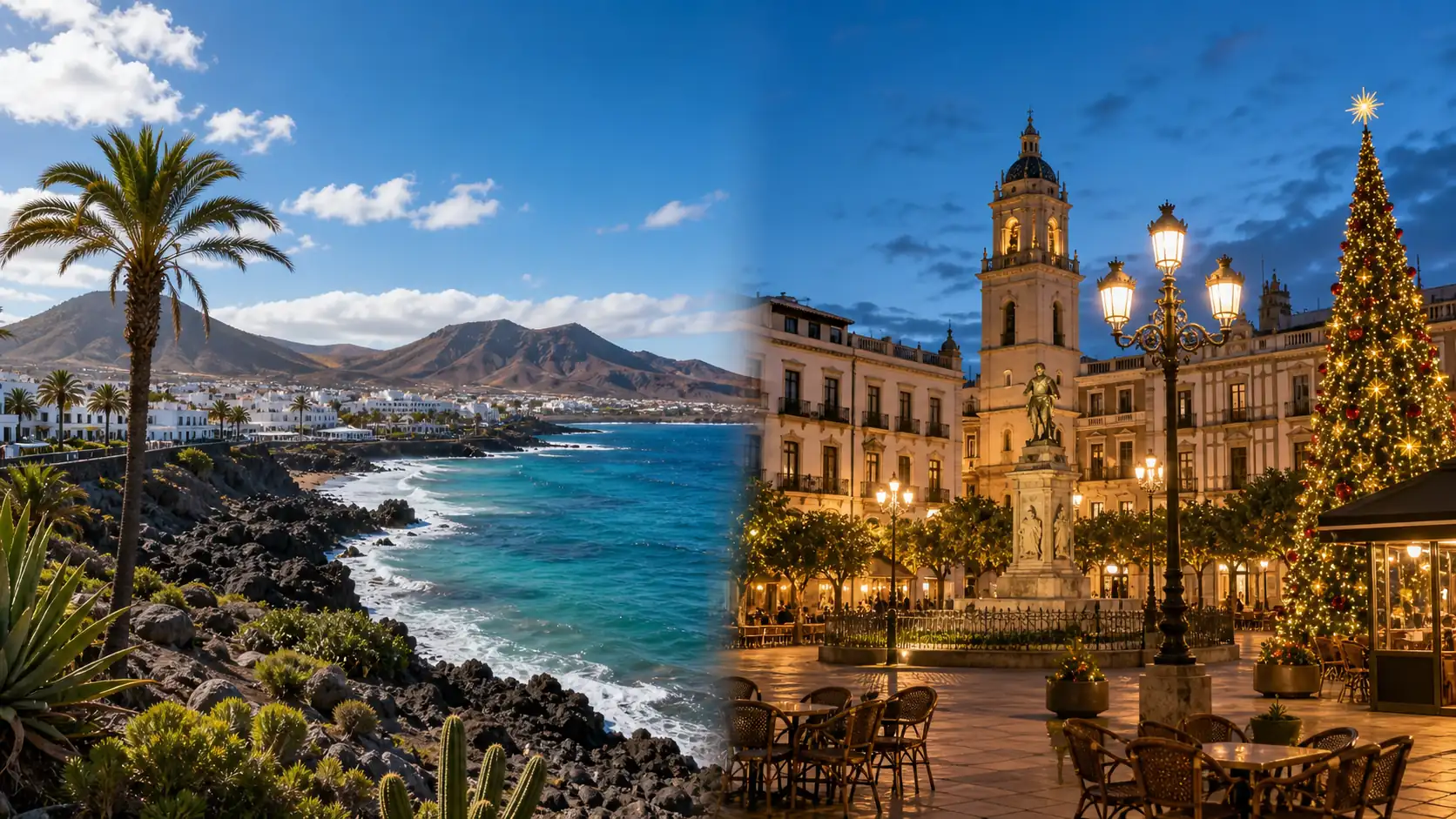
Winter is underrated if you like museums, lower crowds, lower prices in some places, and city breaks that do not require beach weather. Madrid and Barcelona can be chilly, Andalusia is generally milder than northern inland areas, and the Canary Islands are the strongest winter-sun option.
Who should choose winter: travelers focused on culture, food, museums, photography, festive lights, or the Canary Islands. It is less ideal if your dream trip depends on warm Mediterranean swimming.
How to Choose by Region and Trip Style
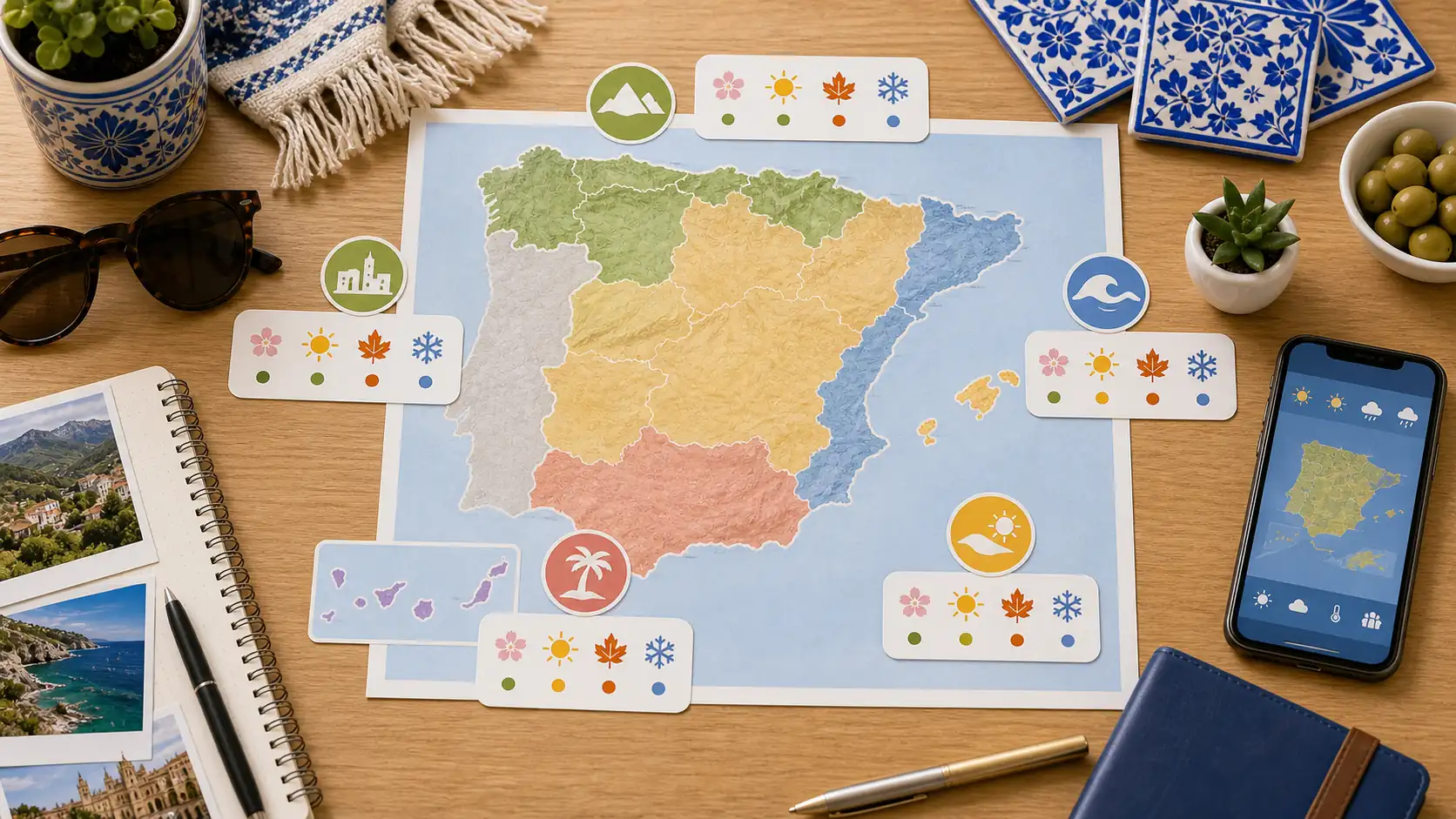
The month that works for Madrid may not be the best month for the Algarve side of an Iberia trip, the Basque coast, or the Canary Islands. Start with your route, then match your timing to the region.
1. Cities and Museums
Spring and autumn are best for city routes because you can walk more comfortably and still enjoy outdoor meals. Winter can also work well for museums and lower-crowd city breaks, especially if you do not mind cooler evenings.
2. Beaches and Islands
For mainland Mediterranean beaches and the Balearic Islands, late spring through early autumn is the natural window, with peak summer bringing the warmest beach mood and biggest demand. For winter sun, the Canary Islands are usually the better bet than mainland beaches.
3. Festivals and Special Events
Festivals can make a trip unforgettable, but they also change hotel prices, transport demand, and crowd levels. Check Spain's official events calendar before booking around a major celebration.
4. Hiking and Outdoor Days
Spring and autumn are often best for hiking, especially in warmer regions. Summer can work in northern Spain, high mountains, and coastal paths, but always check local weather and daylight. For current forecasts, Spain's meteorological agency, AEMET, is a useful official source.
5. Apps, Tickets, and Mobile Data
Timing decisions often happen while you are already traveling: checking heat, rain, beach wind, museum hours, train times, and restaurant availability. If your phone supports eSIM, setting up an iRoamly travel eSIM before arrival can keep those planning tools available across regions.
Best Time to Visit Spain FAQs
These answers cover the common timing questions travelers ask after narrowing down a season or route.
1. Is July or August too hot for Spain?
Not everywhere, but inland and southern cities can feel very hot for sightseeing. July and August are better for beaches, islands, northern Spain, and trips with slow afternoons than for packed city itineraries.
2. When is the cheapest time to visit Spain?
Late autumn and winter can be cheaper in many cities outside major holidays, but prices vary by destination, event, and school breaks. Beach and island pricing follows different demand patterns.
3. What is the best time for beaches in Spain?
June to September is the main beach window for many mainland and Balearic destinations. September can be especially appealing because the sea may still feel pleasant while crowds often soften after peak summer.
4. What is the best time for Andalusia?
Spring and autumn are usually best for Seville, Córdoba, Granada, and inland Andalusia. Summer can be intense, so plan carefully if you visit in July or August.
5. Is winter a bad time to visit Spain?
No. Winter can be excellent for museums, food, city breaks, lower crowds, and the Canary Islands. It is only a poor fit if your main goal is warm mainland beach weather.
Final Thoughts

The best time to visit Spain is usually spring or autumn if you want the easiest mix of weather, crowds, and sightseeing comfort. April, May, September, and October are especially strong for first-time routes that include cities and walking.
That said, Spain is not one-weather country. Summer can be perfect for beaches, islands, and northern routes, while winter can be smart for museums, city breaks, and the Canary Islands.
Choose your season based on your route, then verify local weather, events, and ticket needs before booking. With the right timing, Spain feels less rushed, less stressful, and much easier to enjoy day by day.