
How does Spain celebrate Christmas? The short answer is: slowly, warmly, and over more than one day. Spain's festive season stretches from early December lights and markets through Christmas Eve, Christmas Day, New Year's Eve, and the much-loved Three Kings celebrations in early January.
For travelers, that means Christmas in Spain feels less like a single event and more like a chain of meals, street traditions, family rituals, sweets, parades, and public holidays. Some customs are nationwide, while others change by region, city, and even household.
This guide explains the main dates, foods, regional traditions, and planning details so you can understand what locals are celebrating and how to enjoy the season respectfully as a visitor.
Key Christmas Dates in Spain
Spain's Christmas season has several important dates, and knowing the order helps you understand why shops, restaurants, transport, and family plans can feel different from one day to the next. Many cities turn on lights in late November or early December, but the core holiday rhythm runs from Christmas Eve to Three Kings Day.
The dates below are the ones travelers should keep in mind when building an itinerary. For the latest seasonal events and public-holiday travel ideas, Spain's tourism board keeps useful Spain winter travel information.
Date |
Spanish Name |
What Usually Happens |
Traveler Tip |
|---|---|---|---|
24 December |
Nochebuena |
Family dinner, late-night gatherings, and sometimes midnight Mass. |
Book dinner early or choose accommodation with kitchen access. |
25 December |
Navidad |
A quieter public holiday focused on family meals. |
Expect limited opening hours and fewer spontaneous restaurant choices. |
31 December |
Nochevieja |
Midnight countdowns, twelve grapes, cava, parties, and city-square crowds. |
Reserve restaurants and keep your return route simple. |
5 January |
Cabalgata de Reyes |
Three Kings parades with floats, music, lights, and sweets. |
Arrive early for a good viewing spot, especially with children. |
6 January |
Día de Reyes |
Gift-giving, family meals, and roscón de Reyes cake. |
Treat it like a major holiday, not an ordinary sightseeing day. |
The biggest planning mistake is assuming 25 December is the only date that matters. In Spain, the emotional peak often comes on Christmas Eve and again around 5-6 January, so leave room for both family-centered and public celebrations.
Christmas Eve Food and Family Traditions
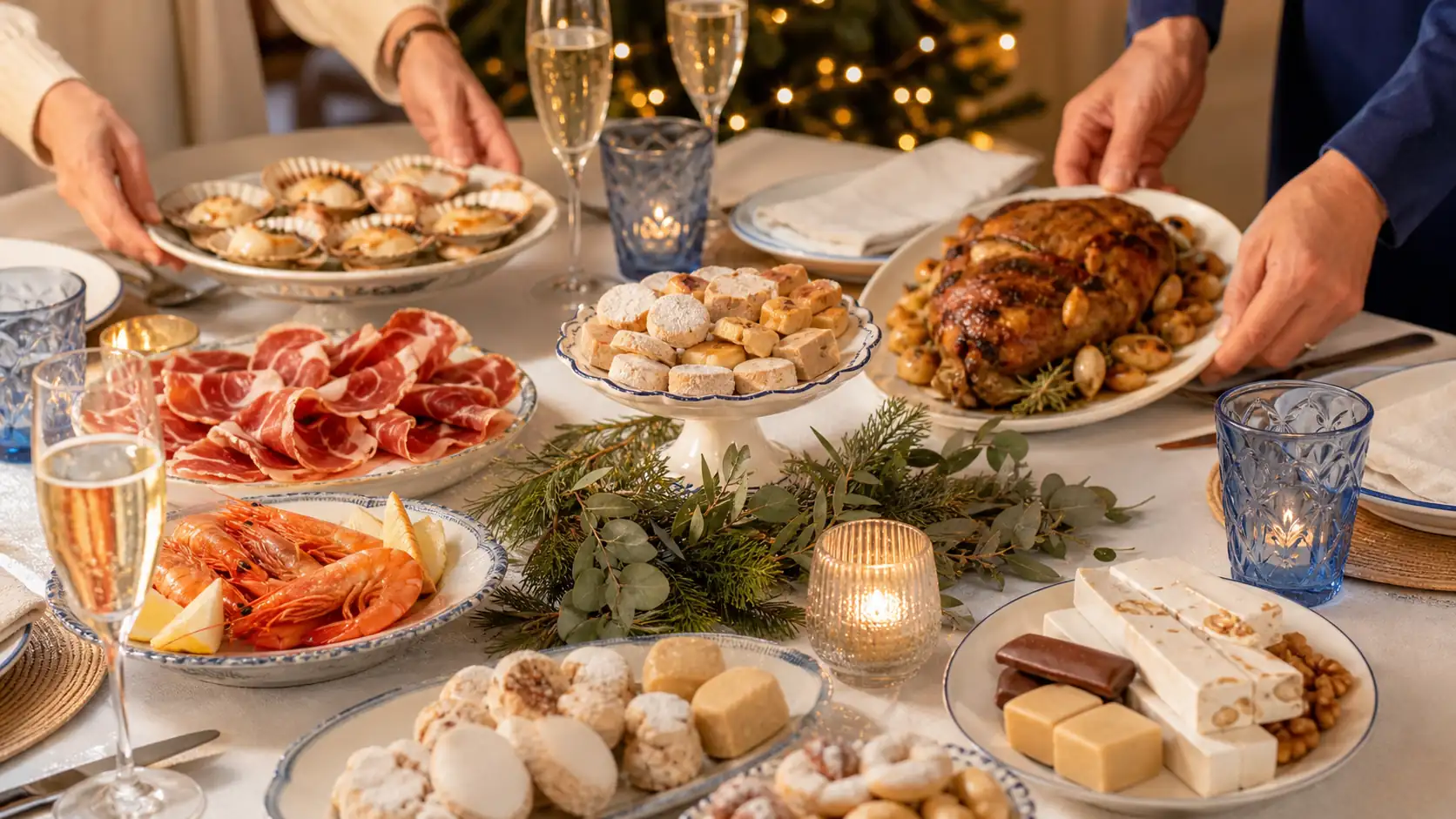
Nochebuena, Christmas Eve, is one of the most important family nights of the season. Many Spanish households gather for a long dinner rather than a quick meal, and the table can feel more ceremonial than restaurant-style: shared plates, seafood, cured meats, roast dishes, sweets, and plenty of conversation.
1. What People Eat
Menus vary by region and budget, but seafood is common in many homes, especially prawns, shellfish, or fish starters. You may also see jamón, cheeses, roast lamb, roast suckling pig, soups, or regional stews depending on the household.
Typical sweets: Turrón, polvorones, mantecados, marzipan, and candied fruits often appear after the main meal.
Drinks: Cava is common for toasts, though wine, beer, soft drinks, and non-alcoholic options are all normal.
Dining pace: Expect a slow evening. Food is part of the celebration, not a quick stop before the celebration.
2. Midnight Mass and Quiet Streets
Some families attend Misa del Gallo, the midnight Mass, though participation depends on family habit and local culture. Even if you do not attend, you may notice that streets become quieter while families are at dinner, then livelier again later in the night.
Travel tip: If you want a restaurant dinner on 24 December, book well ahead and confirm the exact menu, arrival time, and closing time. Many places either close, serve a special fixed menu, or prioritize reservations.
New Year's Eve and the Twelve Grapes
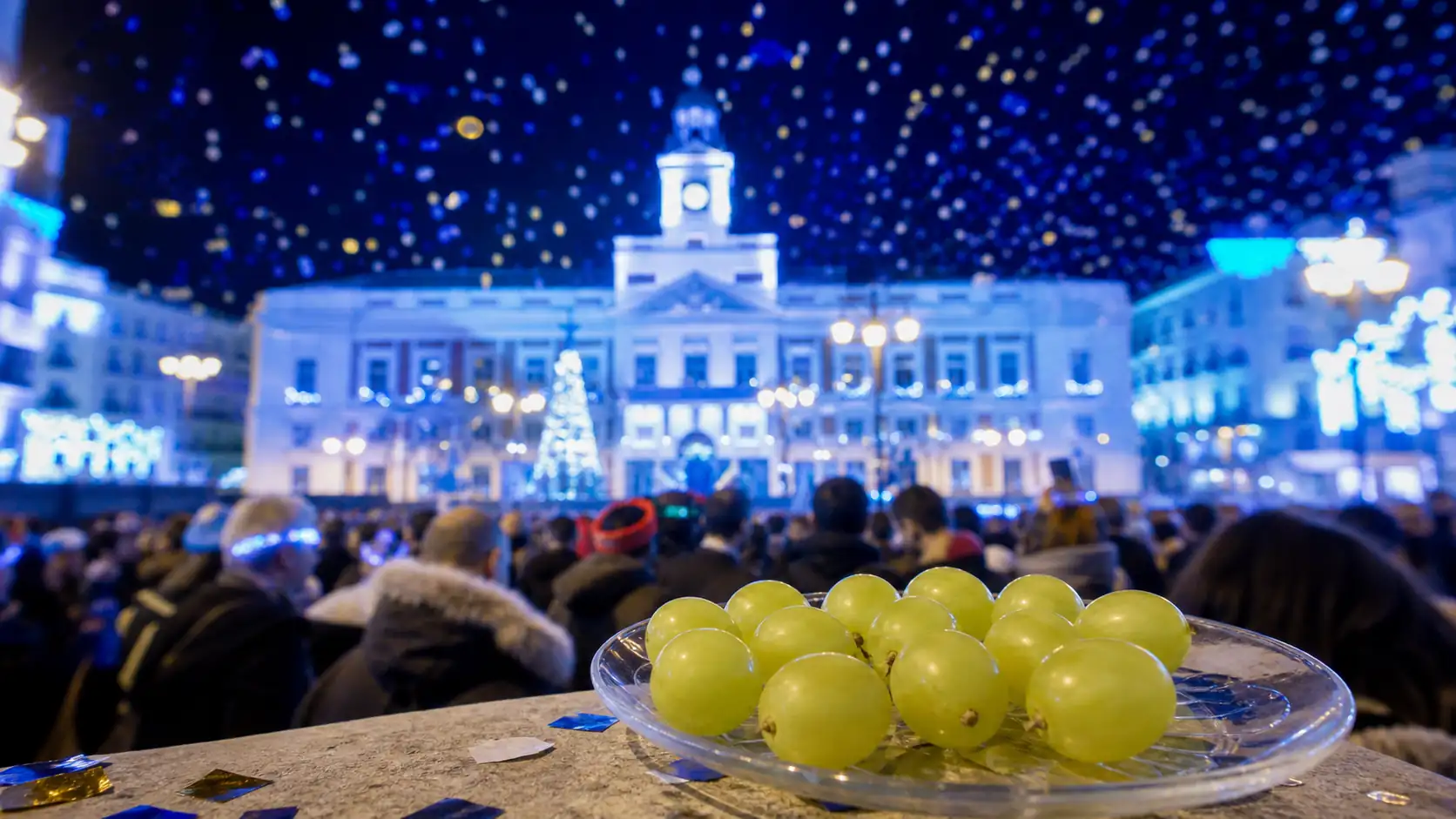
Spain's New Year's Eve tradition is one of the easiest customs for travelers to join. At midnight, people eat twelve grapes, one with each chime of the clock, to welcome the new year. Many families do this at home while watching the broadcast from Madrid's Puerta del Sol, while others gather in squares, restaurants, hotels, or clubs.
1. How the Grape Tradition Works
The idea is simple, but the execution is funnier than it sounds. The clock chimes quickly, so locals often buy seedless or peeled grapes, or prepare them in small cups before midnight. If you are celebrating outside, bring your grapes early rather than trying to buy them at the last minute.
2. Where to Celebrate
Large cities usually have public countdown spots, but smaller towns can be more comfortable if you dislike crowds. Restaurants and hotels may offer dinner-and-party packages, while many locals prefer a family dinner followed by late-night celebrations with friends.
Celebration Style |
Best For |
What to Watch |
|---|---|---|
Public square |
Atmosphere, photos, first-time visitors |
Crowds, cold weather, and limited taxis after midnight |
Restaurant dinner |
Comfort, couples, small groups |
Fixed menus, higher prices, and late dining times |
Hotel or apartment |
Families, slow travelers, early departures |
Buying grapes, snacks, and drinks before shops close |
After midnight, nightlife can continue very late, especially in Madrid, Barcelona, Valencia, Seville, and resort areas. If you need an early train or flight on 1 January, choose a celebration within easy walking distance of your accommodation.
Three Kings Day Is the Grand Finale
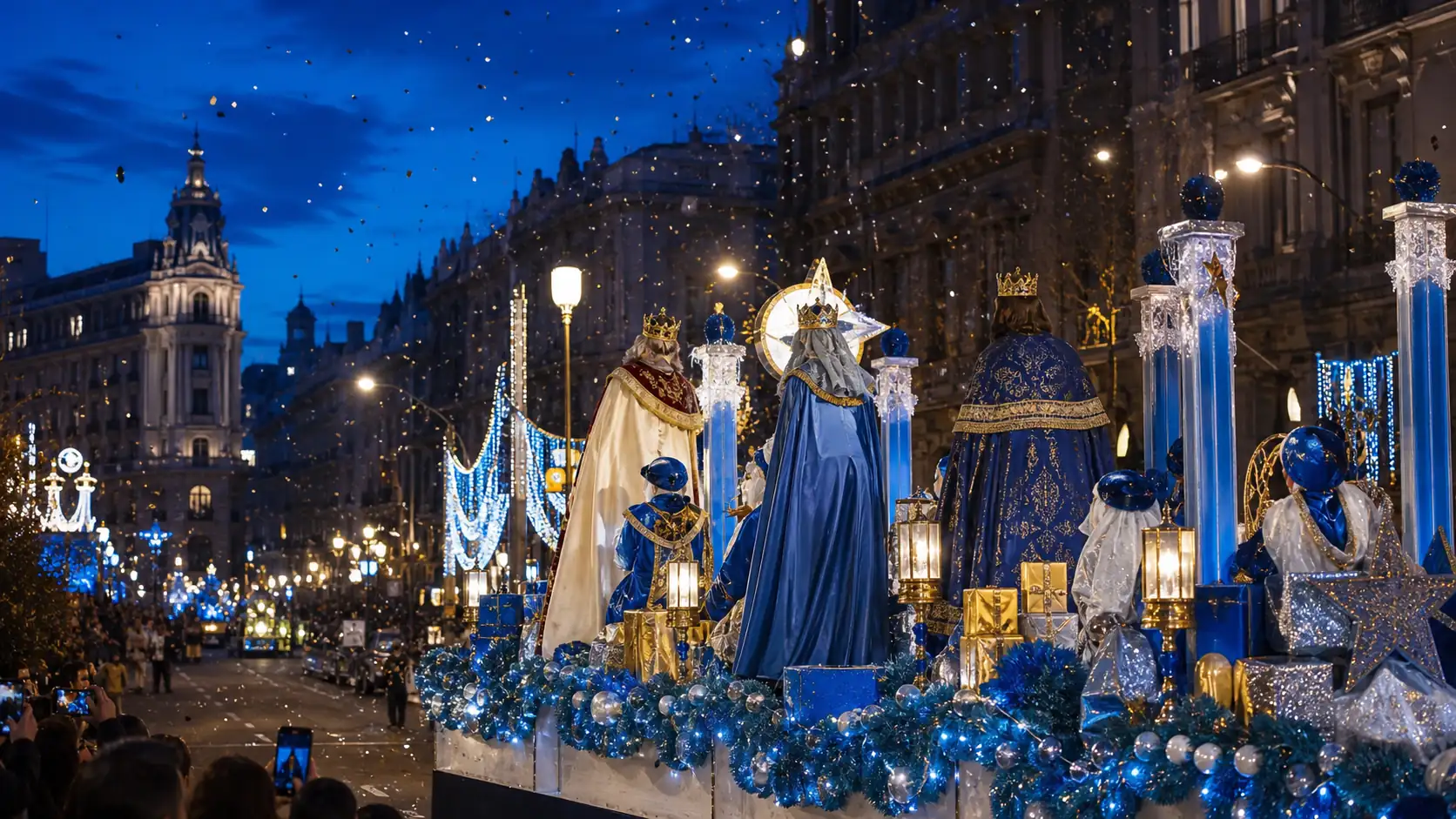
For many Spanish families, Día de Reyes on 6 January is as important as, or even more important than, Christmas Day. Children traditionally receive gifts from the Three Kings, and the previous evening brings cabalgatas, festive parades with floats, music, performers, and sweets tossed to children.
1. The 5 January Parade
Cabalgatas happen across Spain, from major cities to small towns. The exact route and schedule are local, but the mood is usually family-friendly and crowded. If you want good photos, stand where the route widens rather than at a narrow corner.
Arrive early: Families often claim spots well before the parade begins.
Dress warmly: Even mild Spanish cities can feel cold when you stand still at night.
Protect small children: Crowds can be dense, and sweets may be tossed from floats.
2. Roscón de Reyes
On 6 January, families often share roscón de Reyes, a ring-shaped sweet bread decorated with candied fruit and sometimes filled with cream. It commonly hides a small figure and a bean; local rules vary, but the person who finds the bean may be expected to pay for the next roscón.
For travelers, this is a good day to slow down. Many shops and attractions may run holiday schedules, so plan a relaxed walk, a special meal, or a train transfer only after checking the latest timetable.
Regional Customs Across Spain
Spain's Christmas traditions are not identical everywhere. The big dates are shared, but regional customs give the season much of its personality. This is especially true in Catalonia, the Basque Country, Galicia, Andalusia, and smaller communities with strong local identities.
1. Catalonia
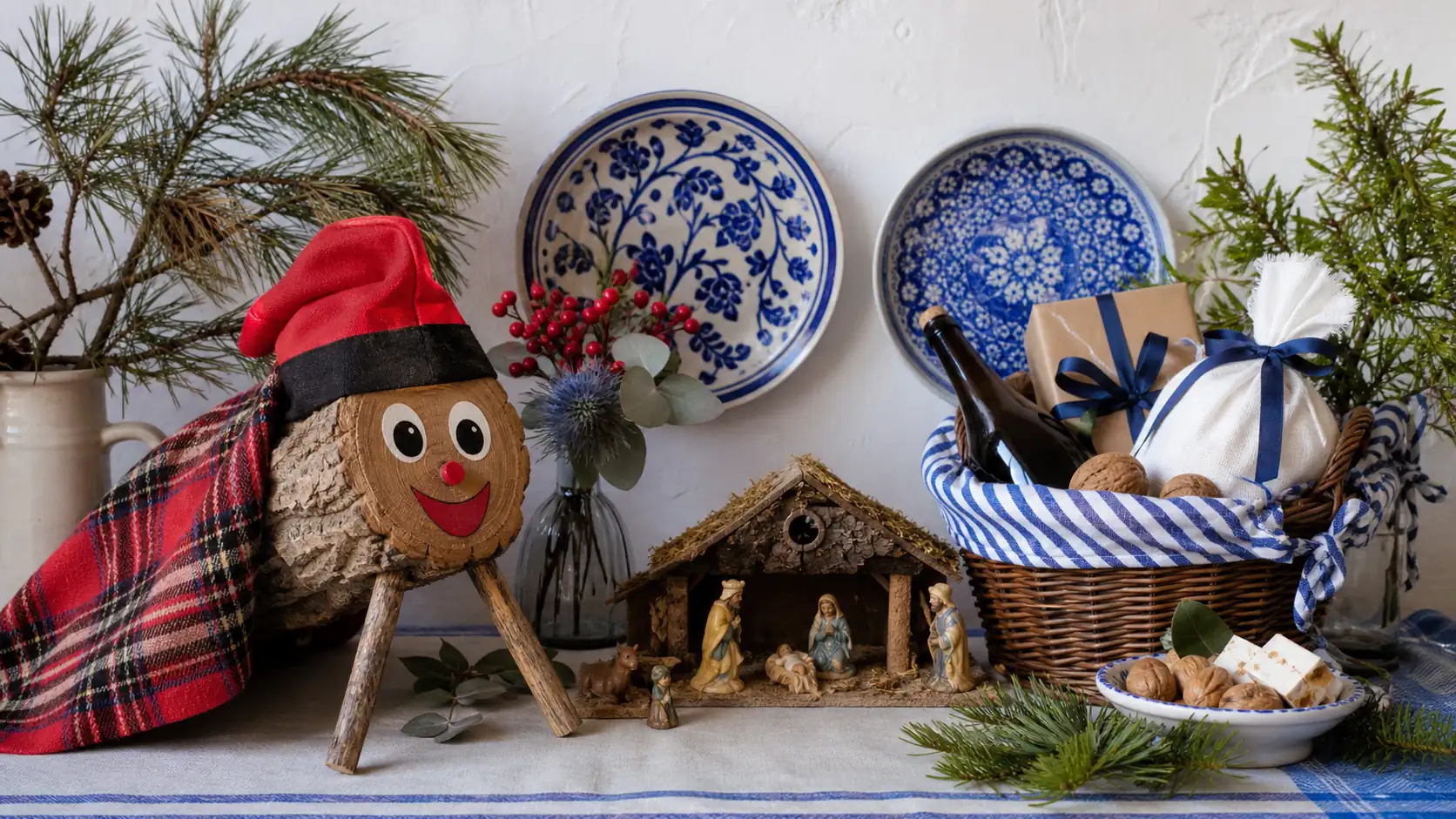
Catalonia is known for the caga tió, a decorated log that children care for before Christmas and then symbolically encourage to produce small gifts. Nativity scenes may also include the caganer figure, a humorous rural character that surprises many first-time visitors.
2. Basque Country
In the Basque Country, Olentzero is a beloved gift-bringing figure associated with local folklore. You may see processions, songs, or displays that look quite different from the Three Kings imagery found elsewhere.
3. Local Markets and Sweets
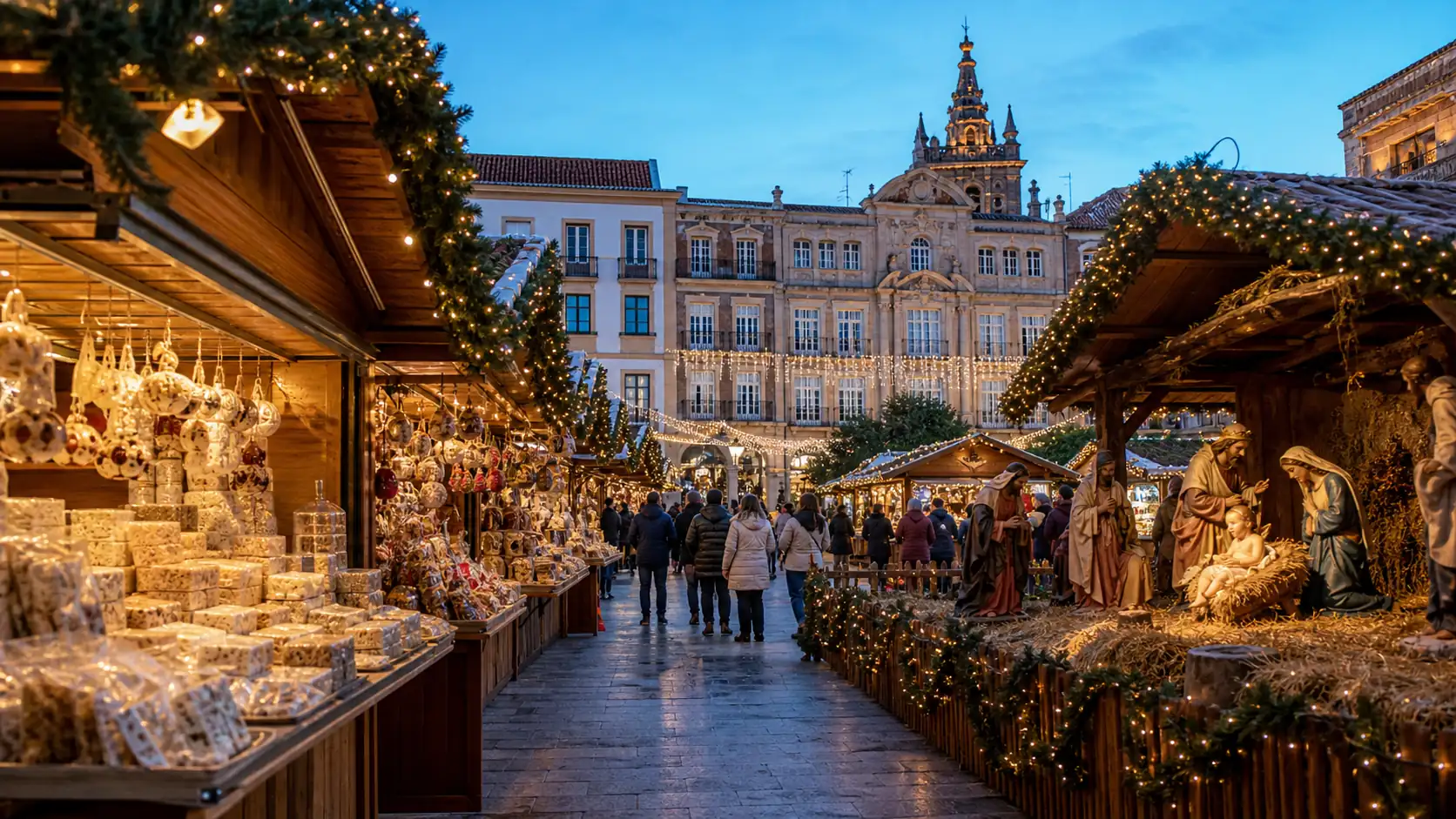
Regional Christmas markets often sell local pastries, handmade decorations, nativity pieces, and winter foods. Instead of trying to see every custom, choose one city or region and pay attention to what locals actually buy, cook, and display.
Best for culture lovers: Catalonia and the Basque Country offer highly distinctive local traditions.
Best for classic city lights: Madrid, Barcelona, Málaga, Valencia, and Seville are strong choices.
Best for slower holidays: Smaller towns can feel more intimate, especially around family-centered dates.
Planning a Christmas Trip to Spain
A Christmas trip to Spain works best when you accept the holiday rhythm instead of fighting it. Some days are lively and public; others are private and family-focused. Build your itinerary around that contrast and you will enjoy the season much more.
1. Book the Non-Negotiables Early
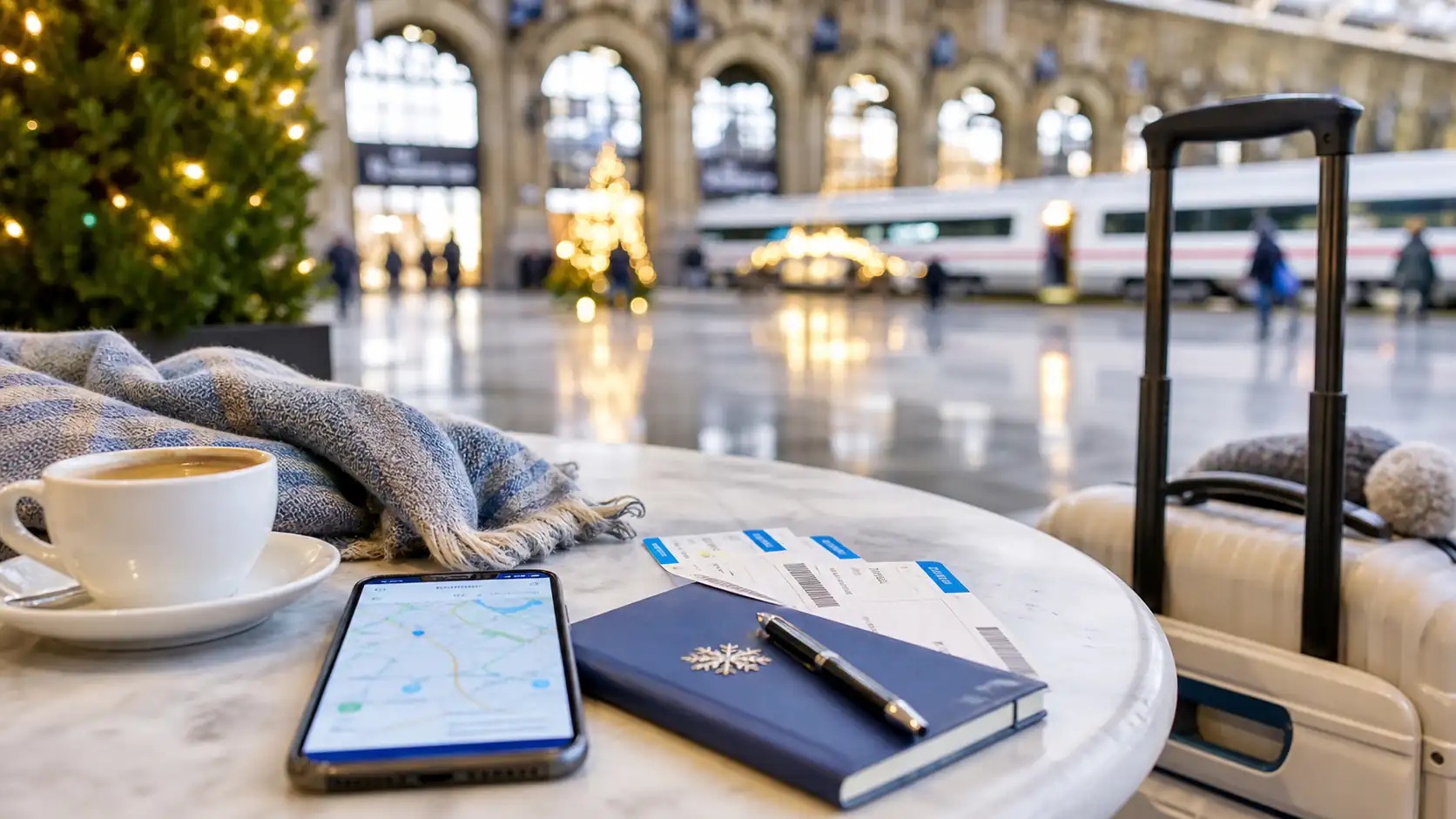
Trains, popular restaurants, central hotels, and special dinners can fill quickly around 24-25 December, 31 December, and 5-6 January. If your plan depends on a specific restaurant, rail route, or event, reserve it before you arrive.
2. Expect Holiday Opening Hours
Do not assume museums, supermarkets, attractions, and restaurants will follow normal hours. Check each place directly, and have a backup plan such as a scenic walk, a hotel meal, or groceries purchased the day before.
3. Keep Mobile Data Ready
Holiday travel often means changing hours, parade route updates, restaurant confirmations, and real-time transport checks. A connectivity option such as an iRoamly travel eSIM can be useful for maps, translation, train apps, and messaging your accommodation without relying on public Wi-Fi.
Good base cities: Madrid for classic New Year's energy, Barcelona for Catalan customs, Málaga for lights, and Seville or Granada for a softer winter pace.
Best packing choice: Layers. Spain is not one climate in winter, and evenings can feel colder than daytime photos suggest.
Common mistake: Over-scheduling Christmas Day or Three Kings Day as if they are ordinary sightseeing days.
FAQ About Christmas in Spain
These quick answers cover the practical questions travelers often still have after learning the main traditions.
1. Is Christmas Day or Three Kings Day more important in Spain?
Both matter, but Three Kings Day on 6 January remains especially important for gift-giving in many families. Christmas Eve is also a major family dinner night, so travelers should treat all three dates as important.
2. Do Spanish children get gifts on 25 December?
Some do, especially in families that combine modern Santa traditions with Spanish customs. Traditionally, however, the Three Kings bring gifts for children around 6 January.
3. Are restaurants open on Christmas Eve?
Some restaurants open with fixed menus, but many close or operate limited hours. Always reserve ahead and confirm the schedule directly.
4. What is the most famous Spanish Christmas sweet?
Turrón is one of the most recognizable Christmas sweets, especially in almond-based hard and soft styles. Polvorones, mantecados, marzipan, and roscón de Reyes are also seasonal favorites.
5. Can travelers join the Three Kings parade?
Yes, visitors can watch the parade like locals. Arrive early, stay aware of crowds, and check the city route and start time before heading out.
6. Is Spain expensive at Christmas?
Major cities and holiday dates can be pricier for hotels, special dinners, and trains. You can control costs by booking early, staying slightly outside the busiest center, and planning simple meals around public holidays.
Final Thoughts
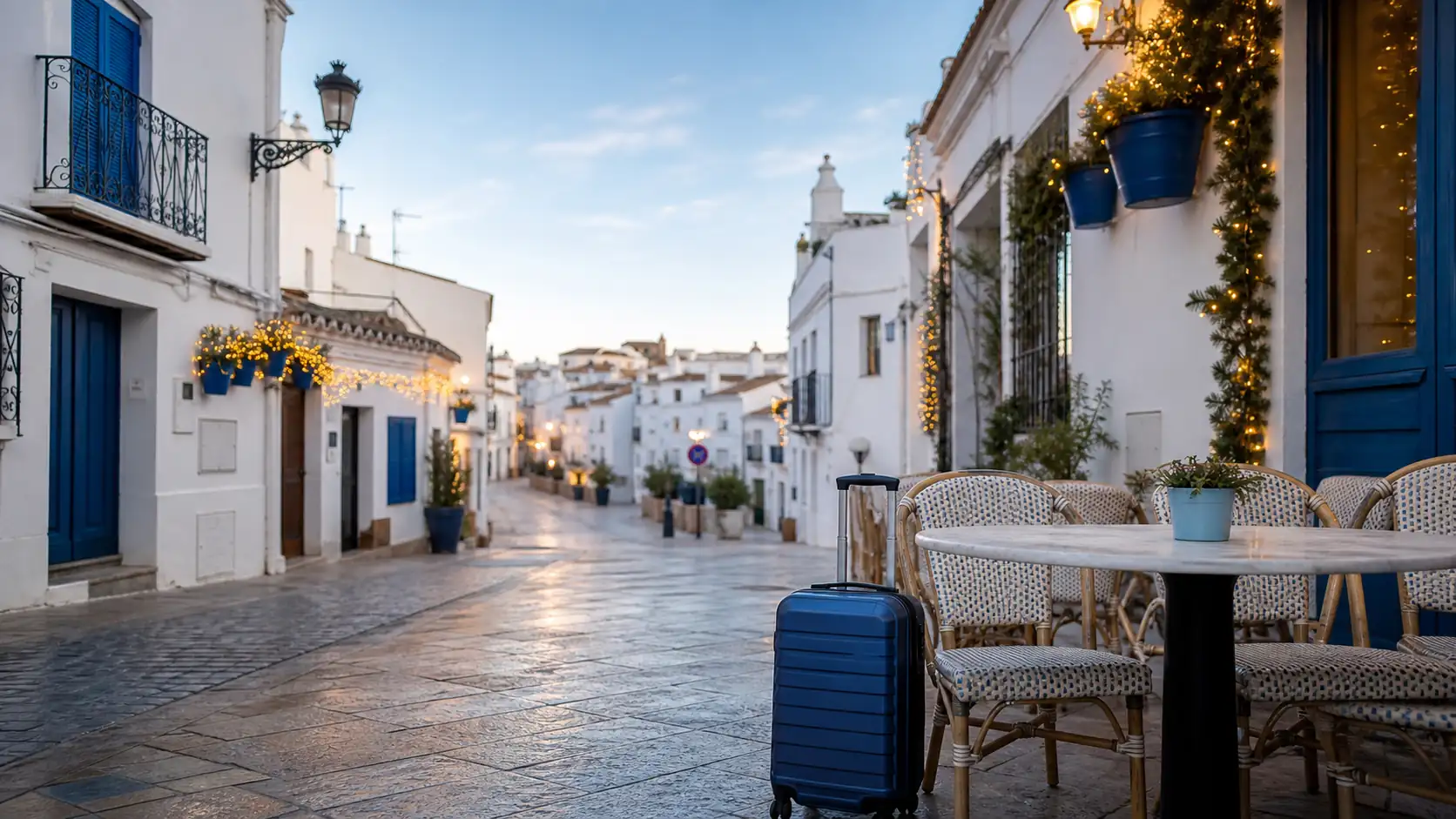
Spain celebrates Christmas through a long festive season rather than one single day. The heart of it is family, food, light, music, sweets, and the gradual build toward New Year's Eve and Three Kings Day.
If you are visiting, the best approach is to plan the fixed dates carefully and leave space for spontaneous moments: a market stall, a nativity scene, a parade, a bakery window, or a slow evening walk under city lights.
Once you understand the rhythm, Christmas in Spain becomes easy to appreciate. It is public and private at the same time, rooted in tradition but different from region to region, and full of small details that reward travelers who slow down and look closely.