
Things to do in Marbella Spain go well beyond beaches and luxury marinas. The city has a walkable old town, family-friendly seaside promenades, mountain views, Andalusian food, beach clubs, quiet residential areas, and easy day-trip access across the Costa del Sol.
Marbella works for very different travelers. A couple may want long lunches and sunset drinks, a family may care about beach access and parking, while a solo traveler may prefer Old Town streets, markets, cafes, and simple bus connections.
This guide brings those choices together with practical notes on where to spend time, what to skip if your trip is short, how to pace the city, and how to avoid the most common Marbella planning mistakes.

15 Best Things to Do
Marbella is compact enough for a relaxed weekend, but varied enough for a longer Costa del Sol base. The official Spain tourism profile for Marbella is a useful place to confirm the city’s broad destination context before you finalize your route.

1. Wander Marbella Old Town
The Old Town is the most rewarding place to start because it gives Marbella a sense of place beyond the resort image. White lanes, flower pots, small chapels, tiled details, and shaded squares make it easy to enjoy without a strict plan.
Best time to go: Morning for photos and cooler streets, or early evening when restaurants begin setting up. Midday can still be pleasant if you move slowly and use shaded lanes.
2. Pause in Plaza de los Naranjos
Plaza de los Naranjos is the Old Town’s classic square, framed by orange trees, terraces, and historic buildings. It is touristy, but it is still a useful orientation point and a good short break between lanes.
Travel tip: Have a drink here if you want the setting, but compare nearby side streets for better-value meals.
3. Walk Avenida del Mar
Avenida del Mar links the Old Town area toward the seafront and is known for its sculptures, open pedestrian layout, and easy route to the promenade. It is a simple but satisfying transition from town to beach.
Best for: First-time visitors, easy strolling, and low-effort sightseeing.
How long: About 20 to 40 minutes if you stop for photos.
4. Spend Time on the Seafront Promenade
Marbella’s promenade is one of its most useful features. You can walk, cycle, stop for coffee, compare beaches, and build a day that does not require complicated transport.

Good route: Start near the central beaches, walk west, and continue as far as your energy allows. Wear comfortable shoes because the distance feels shorter on the map than in the sun.
5. Choose a Beach That Matches Your Mood
Marbella has central beaches for convenience, quieter stretches for slower days, and more polished beach-club areas if you want a stylish lunch. The best choice depends less on “the best beach” and more on your trip style.
Beach tip: Families usually do better with easy access and facilities, while couples may prefer a longer walk to a calmer stretch. In summer, arrive early for space and shade.
6. Visit Puerto Banus
Puerto Banus is glossy, expensive, and not subtle, but that is part of the point. Go for yachts, marina views, designer-window browsing, car spotting, and a lively evening atmosphere.

Best for: First-time visitors who want the famous Marbella marina scene. If you dislike luxury-shopping districts, treat it as a short stroll rather than a half-day plan.
7. Try a Chiringuito Lunch
A chiringuito is a beach restaurant, and in Marbella it can turn a normal beach day into a slow Mediterranean afternoon. Grilled seafood, salads, cold soups, rice dishes, and long sea views are the main appeal.
Ordering tip: Check prices before sitting down on prime beachfront tables, especially in high season. A simple lunch can range from casual to luxury depending on the venue.
8. Hike or View La Concha
La Concha is the mountain backdrop that gives Marbella its dramatic shape. Experienced hikers may consider routes in suitable weather, but many travelers will simply enjoy the views from town, beach roads, and nearby viewpoints.

Safety note: Do not treat mountain routes as casual beach walks. Check weather, daylight, footwear, water, and route difficulty before going.
9. Take a Day Trip to Ronda
Ronda is one of the strongest day trips from Marbella if you want cliffs, history, and a very different inland Andalusian mood. The journey is winding, so it suits travelers comfortable with mountain roads or organized tours.
Best for: Repeat Costa del Sol visitors, culture-focused travelers, and anyone who wants contrast after beach days.
10. Explore San Pedro de Alcantara
San Pedro offers a more local, less showy alternative to central Marbella and Puerto Banus. It has beach access, restaurants, and a calmer rhythm that works well for families or longer stays.
Planning tip: Consider it if you want Marbella access without staying in the busiest or most expensive areas.
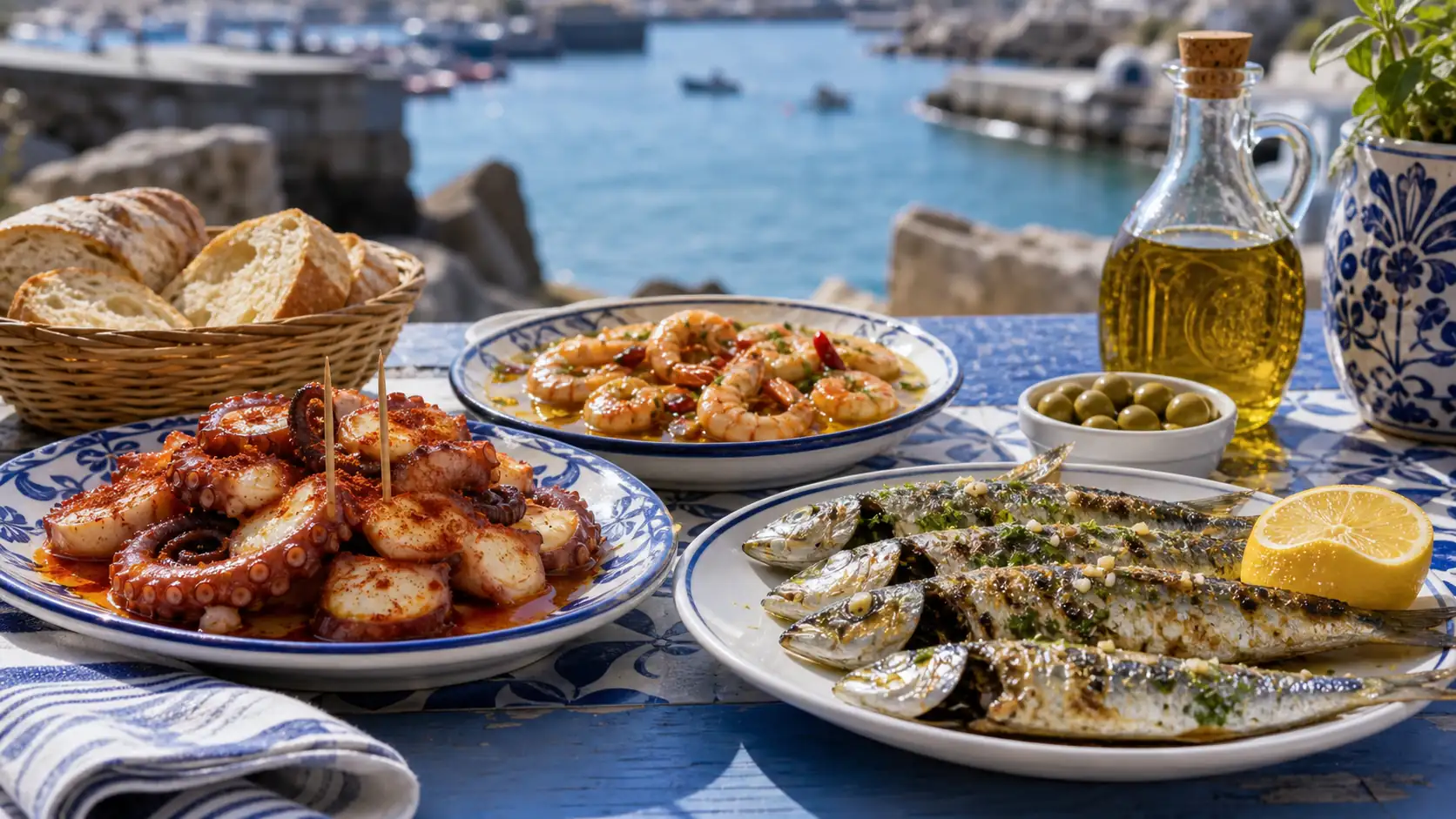
11. Enjoy Tapas and Seafood
Marbella’s food scene ranges from simple tapas bars to beach seafood and high-end restaurants. Do not make every meal a waterfront meal; some of the better-value experiences are tucked into lanes away from the first sea view.

Where to try it: Old Town for tapas atmosphere, beachfront for relaxed lunches, and Puerto Banus for polished but pricier dining.
12. Visit a Local Market or Food Shop
Markets and specialty food shops give you a break from resort dining. Look for olives, cheese, fruit, cured meats, local sweets, and picnic items if you are staying somewhere with a terrace or kitchen.
Budget idea: Build one casual picnic-style meal instead of paying for every lunch in a tourist zone.
13. Plan a Beach Club Day Carefully
Beach clubs are part of Marbella’s image, but they are not necessary for every traveler. They suit people who want music, reserved loungers, service, and a social scene more than a quiet beach day.
Common mistake: Booking a pricey club without checking the atmosphere. Some are calm and upscale, while others are louder and more party-focused.
14. Watch Sunset from the Coast
Marbella sunsets can be simple: a promenade walk, a marina view, or a drink near the water. You do not need a formal viewpoint to enjoy the evening, especially outside peak summer crowds.
Good pairing: Combine sunset with an Old Town dinner so you avoid moving back and forth across town too many times.
15. Use Marbella as a Costa del Sol Base
Marbella can be a base for Malaga, Estepona, Ronda, Mijas, and other nearby stops, especially if you have a car. Without a car, choose fewer day trips and check bus timing before assuming everything is easy.
Who it suits: Travelers who want beaches plus regional variety, not those trying to see every Andalusian highlight in two days.
Where to Stay
Where you stay changes your Marbella experience more than many visitors expect. A central Old Town stay feels different from a beachfront hotel, a Puerto Banus base, or a quieter area west of town.
Area | Best For | Watch Out For |
|---|---|---|
Old Town / Center | First timers, short stays, restaurants, walking. | Parking can be awkward and streets may be busy at night. |
Beachfront Marbella | Sea views, easy promenade walks, relaxed resort days. | Higher prices in peak season. |
Puerto Banus | Nightlife, marina atmosphere, shopping, luxury stays. | Less local-feeling and often expensive. |
San Pedro | Families, longer stays, calmer base. | You may rely more on taxis, buses, or a car. |
1. Short weekend
Stay near the Old Town or central beachfront so you can walk between food, beaches, and evening plans without losing time on transport.
2. Beach-first trip
Choose a hotel close to the promenade or a beach you genuinely like. Being “in Marbella” is less useful than being near the stretch of coast you will actually use.
3. Family or slow stay
Look for parking, kitchen facilities, quieter nights, and easy beach access. A slightly less central base may be more comfortable than the liveliest area.
Timing, Costs, and Booking Tips
Marbella is most expensive and crowded in the summer holiday period, especially when beach demand, nightlife, and school vacations overlap. Spring and early autumn often give a better balance of warm weather, open restaurants, and manageable crowds.
Best overall months: May, June, September, and early October for many travelers.
Best beach energy: July and August, if you accept heat, crowds, and higher prices.
Best value feel: Late spring, autumn weekdays, and winter city-style stays.
1. Book early for summer
If your trip depends on a specific beachfront hotel, beach club, restaurant, or family-size apartment, do not wait until the last minute for July or August.
2. Keep lunch flexible
Marbella rewards slow meals, but peak beachfront spots can be expensive. Mix planned meals with casual tapas, market snacks, and simple cafe breaks.
3. Avoid overpacking the day
The city is best with pauses. A strong day might include Old Town in the morning, beach time after lunch, and Puerto Banus or the promenade in the evening.
Common mistake: Treating Marbella as only a luxury destination. You can spend heavily here, but you can also enjoy a balanced trip by walking, choosing simpler meals, and staying slightly outside the highest-demand zones.
Best Day Trips from Marbella
Day trips work best when you choose one clear direction instead of trying to combine too many stops. Marbella can connect you with mountain towns, larger cities, quieter coastal areas, and classic Andalusian viewpoints, but each option has a different transport rhythm.
1. Ronda for cliffs and history
Ronda is the strongest choice if you want a dramatic inland contrast. It suits travelers who do not mind a longer journey and want bridges, viewpoints, old streets, and a break from the coast.
Best for: Culture-focused travelers, couples, photographers, and repeat Costa del Sol visitors.
2. Estepona for a calmer coast
Estepona is easier and more relaxed than a big inland day. Choose it if you want a seaside town feel, murals, flowers, beach time, and a change of scene without making the day too intense.
Good pairing: Morning town walk, lunch near the sea, then a slower afternoon beach stop.
3. Malaga for museums and transport
Malaga works well if your trip needs art museums, a larger city, the port area, or a convenient airport-linked final stop. It is less “hidden,” but it is practical and has more cultural depth than many travelers expect.
With a car: Start early and check parking before arrival.
Without a car: Check bus times both ways before committing.
Getting Around
Marbella does not have a train station, so transport planning matters. Most visitors arrive through Malaga Airport, then use a transfer, rental car, bus, or taxi depending on budget and route.
1. Walking works in the center
Old Town, central beaches, Avenida del Mar, and parts of the promenade are easy on foot. Choose walking when your day stays within central Marbella.
2. Use taxis or buses for wider movement
Puerto Banus, San Pedro, and some beach areas are easier with taxis, buses, or a car. Check return options before staying out late, especially outside the central zone.
3. Rent a car for day trips
A car is useful if you want Ronda, white villages, quieter beaches, or multiple Costa del Sol stops. It is less fun if your plan is mostly Old Town dinners and central beach days because parking can be a nuisance.
Mobile data makes local movement easier, especially for live maps, taxi apps, restaurant bookings, and translation. If you want data ready on arrival, a travel eSIM from iRoamly can be a practical part of your Marbella trip setup.
FAQ

1. How many days do you need in Marbella?
Two full days is enough for Old Town, the promenade, beaches, and Puerto Banus. Three to five days is better if you want beach time plus Ronda, San Pedro, or nearby Costa del Sol stops.
2. Is Marbella only for luxury travelers?
No. Marbella has luxury areas, but walking the Old Town, using the promenade, eating tapas, and choosing simpler beaches can make the trip more balanced.
3. Is Puerto Banus worth visiting?
Yes for a short visit if you want the famous marina scene. It may not be worth a full day unless you enjoy shopping, nightlife, and polished resort energy.
4. Can you visit Marbella without a car?
Yes, especially for a central stay. A car becomes more useful for day trips, quieter beaches, family logistics, and multi-town Costa del Sol routes.
5. What is the best free thing to do in Marbella?
Walk the Old Town and seafront promenade. Together they show both sides of Marbella and cost nothing unless you stop for food or drinks.
6. Is Marbella good for families?
Yes, if you choose the right area. Families usually benefit from beach access, parking, quieter nights, and accommodation with space rather than staying in the busiest nightlife zones.
Final Thoughts
The best things to do in Marbella Spain depend on the version of the city you want: old-town charm, beach relaxation, marina glamour, mountain views, food, or easy Costa del Sol day trips.
For a first visit, build your plan around Old Town, the promenade, one or two beaches, Puerto Banus, and a slow meal by the coast. Add Ronda or La Concha only if your schedule and energy make sense.
Marbella is easiest to enjoy when you do not rush it. Leave space for a long lunch, an unplanned lane, a sunset walk, and the simple pleasure of switching between Andalusian streets and the Mediterranean in the same day.