
There are enough things to do in Spain to fill several completely different trips. One route might focus on museums and cities, another on beaches and islands, and another on food, villages, hikes, and late-night plazas.
The best plan is not to chase every famous sight. Spain is more rewarding when you mix a few headline experiences with slower neighborhood time, regional meals, and places that match the season you are visiting.
This guide brings together classic highlights and practical ideas so you can choose what belongs in your own Spain itinerary.
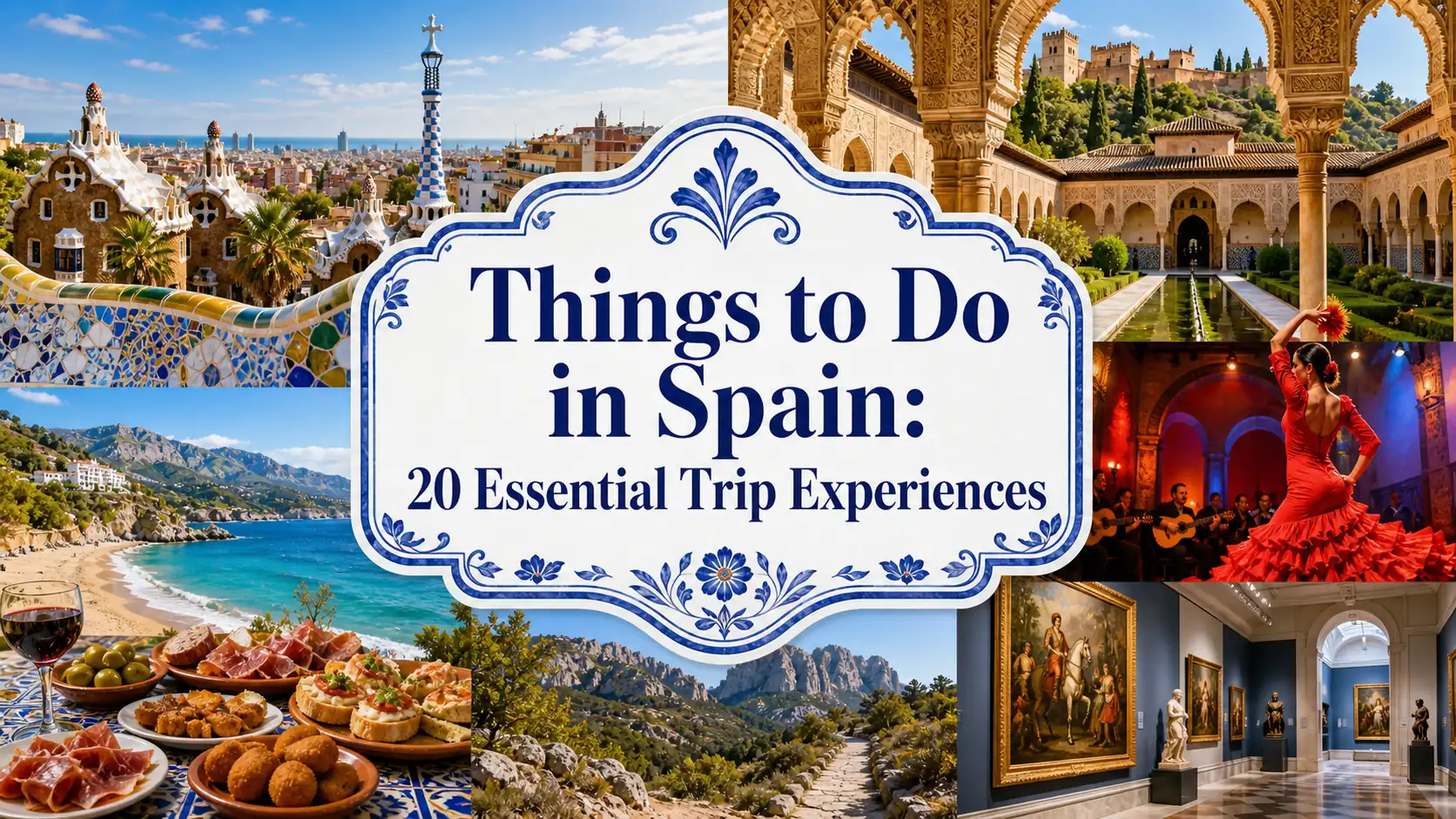
20 Essential Things to Do in Spain
Use this list as a menu, not a checklist. The strongest Spain trip usually combines city culture, regional food, one or two major monuments, and enough open time to enjoy each place without rushing.
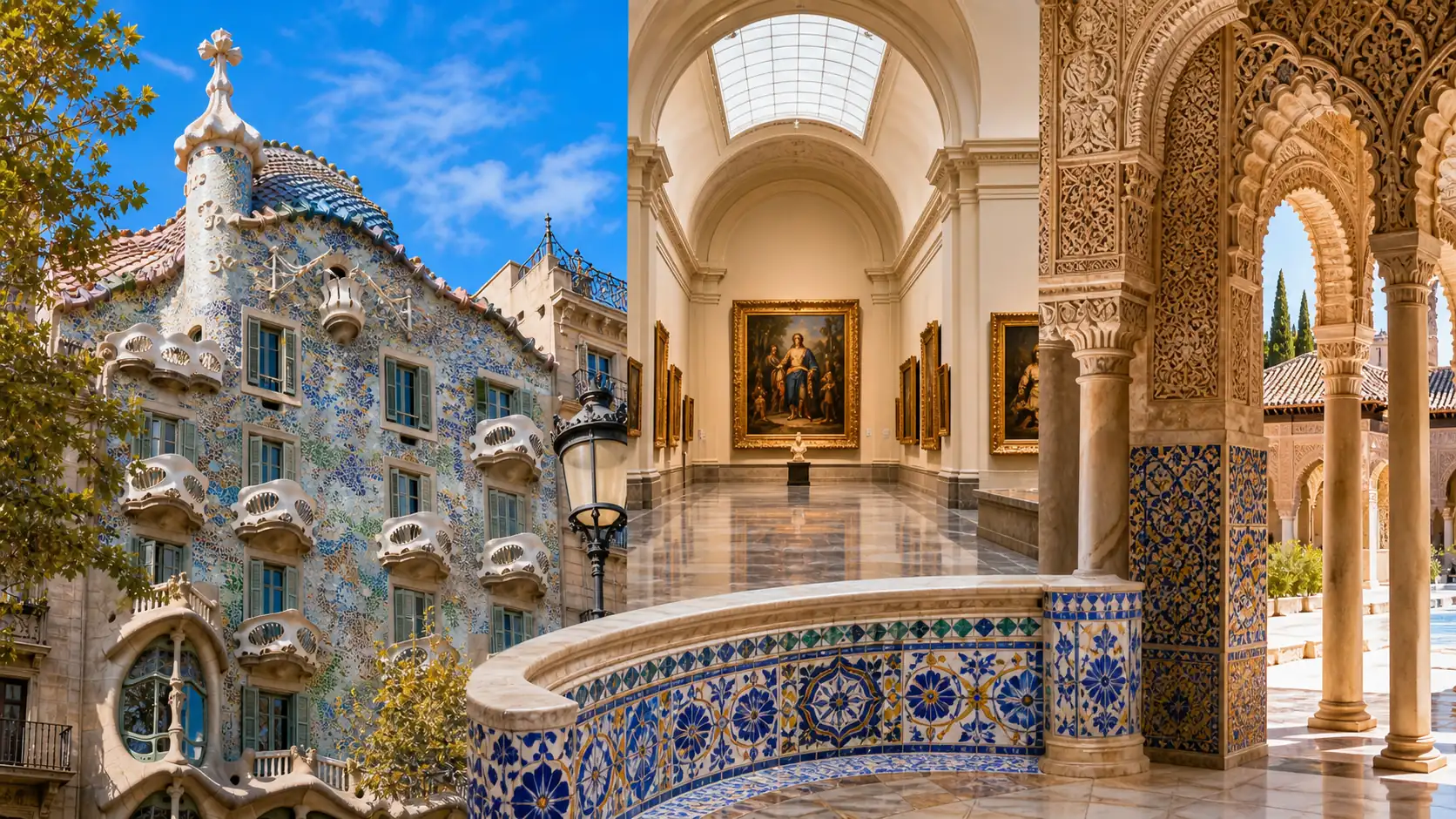
1. See Gaudí Architecture in Barcelona
Barcelona's modernist architecture is one of Spain's most recognizable experiences. Park Güell, Casa Batlló, La Pedrera, and the Sagrada Família show how bold the city can feel when architecture becomes part of the travel mood.
Book ahead: popular Gaudí sites can sell out on busy dates.
2. Visit the Alhambra in Granada
The Alhambra is one of Spain's great architectural and historical experiences, with palace rooms, courtyards, gardens, and views over Granada. It is not the kind of place to leave until the last minute.
Planning note: timed entry and availability matter. Use the official Alhambra ticket reservations site for current options.
3. Spend a Museum Day in Madrid
Madrid is one of Europe's best cities for art. The Prado is the classic anchor, while the Reina Sofía and Thyssen-Bornemisza help turn one museum visit into a full cultural day.
Best pacing: choose one main museum if you have limited time. Museum fatigue is real, and Madrid is better when you leave energy for dinner and a neighborhood walk.
4. Walk Through Seville's Old Center
Seville's cathedral area, Santa Cruz lanes, Triana, riverfront, tiled patios, and evening plazas make the city feel deeply atmospheric. It is especially good when you slow down instead of treating it as a monument sprint.
Best time of day: wander early or late in warm months, then use the hottest part of the afternoon for a long lunch, shade, or a hotel break.
5. Eat Tapas in Several Regions
Tapas are not identical across Spain. Madrid taverns, Andalusian bars, Basque pintxos counters, Galician seafood spots, and Catalan small plates all give the tradition a different accent.
How to do it: order a little, move around, and do not feel forced into one long meal. The fun is comparing places and neighborhoods.
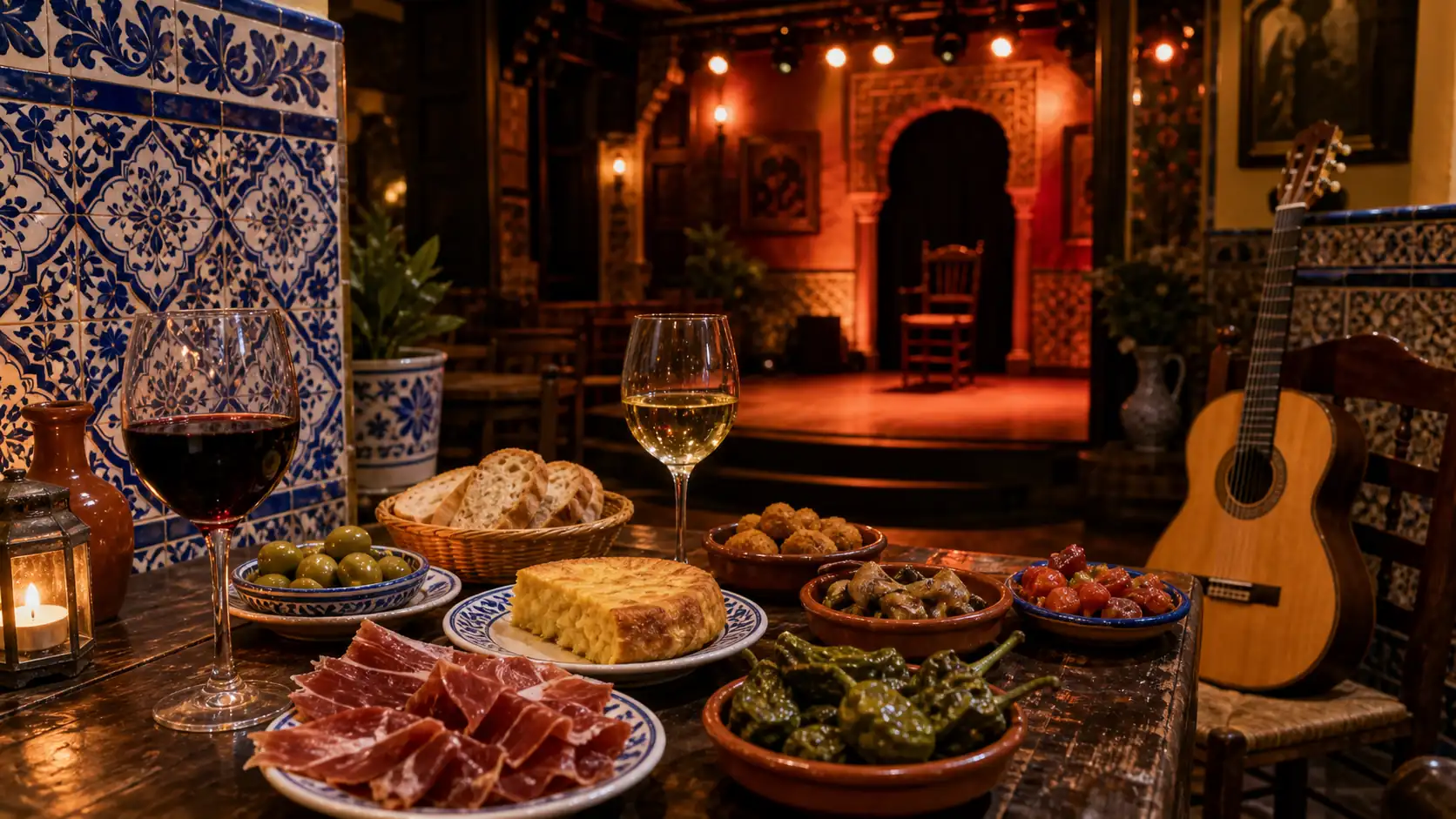
6. Watch Flamenco in Andalusia
Flamenco is most meaningful when you treat it as music and performance, not only as a tourist show. Seville, Granada, Córdoba, and Jerez are strong places to look for intimate venues.
Travel tip: smaller venues can feel more powerful than large staged productions. Read recent descriptions carefully and avoid places that feel like dinner entertainment first and music second.
7. Explore the Mosque-Cathedral of Córdoba
Córdoba's mosque-cathedral is one of the most striking buildings in Spain because it holds different historical layers inside one space. The surrounding old town, patios, and Roman bridge make the city worth more than a rushed stop.
Good add-on: stay overnight if your route allows it. The historic center feels calmer after day-trippers leave.
8. Try Paella in Valencia
Valencia is the best city for understanding paella as a regional dish, not just a tourist menu item. It also gives you beaches, markets, bike paths, and the City of Arts and Sciences.
Where to try it: look for restaurants that serve rice at lunch and avoid menus promising every Spanish dish at once. Paella is usually a midday meal, not a late-night snack.
9. Join a Pintxos Crawl in San Sebastián
San Sebastián turns eating into an evening walk. Pintxos bars let you taste small dishes across several stops, especially in the old town.
Local rhythm: order one or two bites and a drink, then continue to the next place. The point is variety and movement.
10. Relax on Mediterranean Beaches
Spain has city beaches, island coves, family resorts, wild coastlines, and calm swimming spots. Barcelona is convenient, Valencia is relaxed, the Balearic Islands are scenic, and Andalusia gives many warm-weather options.
Beach note: check local conditions, flags, and transport before choosing a beach day. A beautiful beach is less enjoyable if it takes too long to reach on a short city trip.
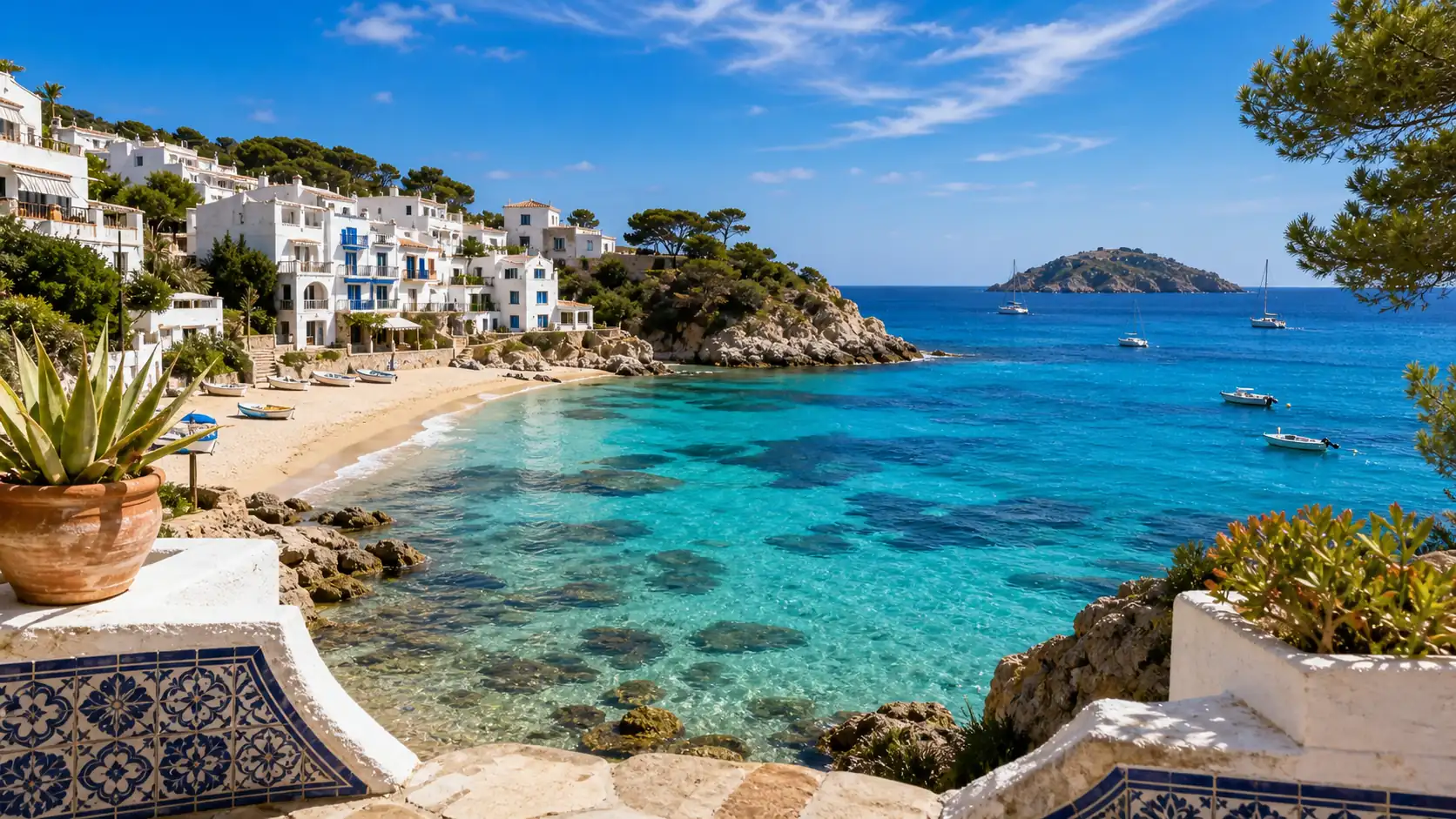
11. Spend Time in the Balearic or Canary Islands
The Balearic Islands suit Mediterranean beaches, coves, sailing, scenic drives, and old-town evenings. The Canary Islands feel different, with volcanic landscapes, year-round mild weather, and excellent hiking.
Who should add islands: travelers with at least 10 days in Spain or those building a slower beach-and-nature trip instead of a fast city circuit.
12. Take a Day Trip to Toledo or Segovia
Madrid's location makes historic day trips easy. Toledo is known for layered religious and cultural history, while Segovia has a dramatic Roman aqueduct, castle views, and a compact old town.
Route tip: choose one for a day, not both. Each deserves enough time for walking, lunch, and viewpoints.
13. Walk the Camino de Santiago, Even Briefly
You do not need weeks to experience the Camino atmosphere. Even a short walk near Santiago de Compostela or along another Camino route can give you a sense of the landscapes, villages, and pilgrim culture.
14. Explore Northern Spain's Coast
The north feels greener and moodier than Mediterranean Spain. Basque beaches, Cantabrian villages, Asturias scenery, and Galician seafood towns are ideal if you want food, views, and fewer summer heat concerns.
Best fit: choose the north if you like road trips, seafood, walking, and changeable weather more than guaranteed beach heat.
15. Hike a Mountain or Natural Park Trail
Spain's outdoor side is easy to underestimate. From the Picos de Europa and Pyrenees to Andalusian gorges, volcanic Canary landscapes, and coastal paths, hiking can become a highlight of the trip.
Safety note: choose trails for your fitness, season, daylight, and weather. Carry water and check local park or route conditions before remote hikes.
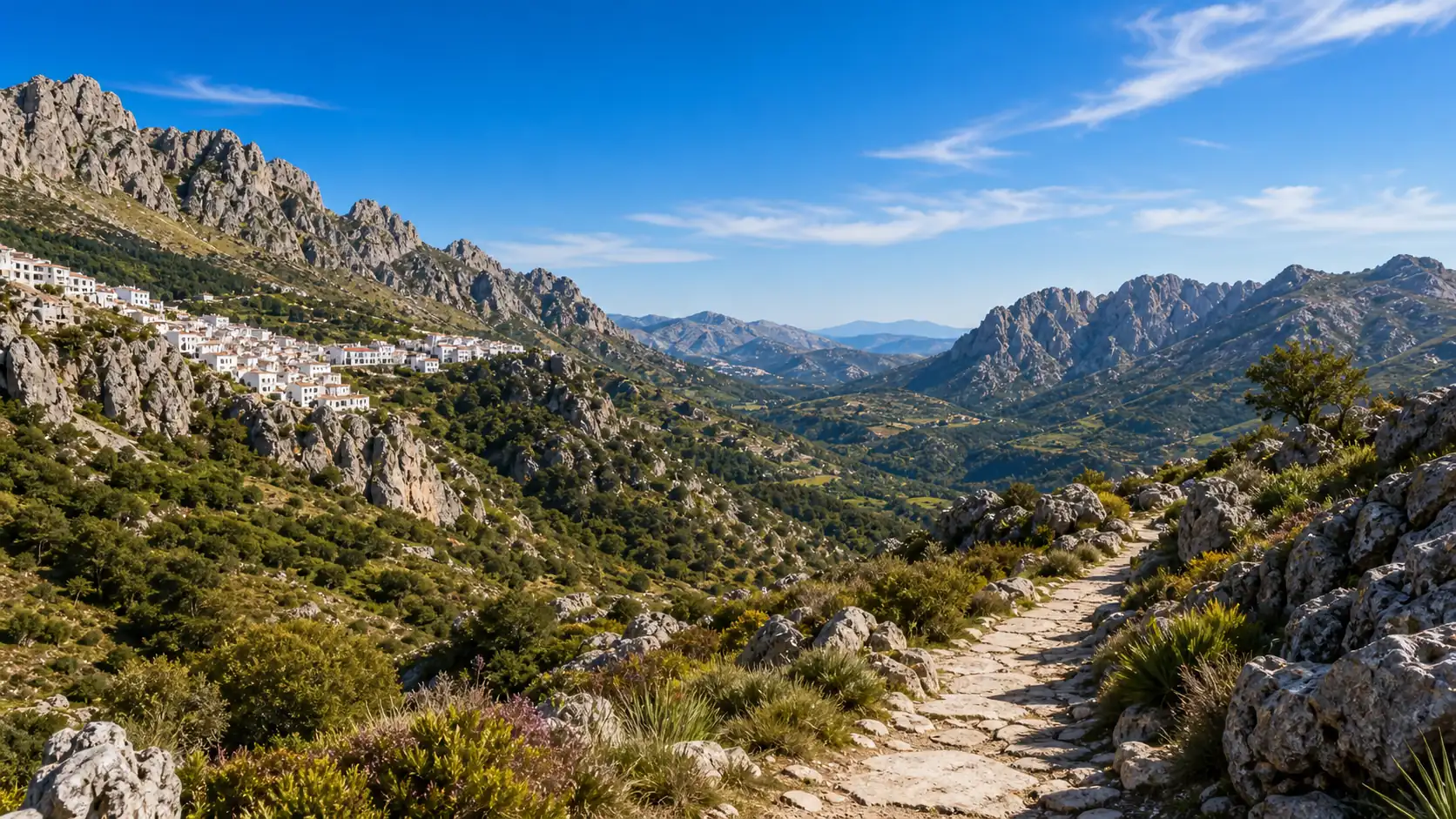
16. Visit White Villages in Andalusia
White villages add a slower rural contrast to Seville, Granada, or Málaga. Places around Cádiz, Ronda, and the hills of Andalusia work well if you want viewpoints, quiet streets, and scenic drives.
Transport tip: some villages are easier by car than by public transport, so group them carefully instead of adding one distant stop at random.
17. Shop Local Markets
Markets are good for quick meals, local ingredients, souvenirs, and neighborhood atmosphere. Madrid, Barcelona, Valencia, Seville, and Málaga all have markets that can fit naturally into a sightseeing day.
What to look for: olive oil, tinned seafood, saffron, ceramics, local sweets, cured meats, and regional snacks travel better than fragile souvenirs.
18. Experience a Spanish Festival
Spain's festival calendar is huge, from Holy Week processions and Seville's Feria to local food, music, and patron-saint celebrations. Festivals can be unforgettable, but they also affect prices and crowds.
Before booking: confirm dates, accommodation availability, transport, and local rules. A festival trip needs more planning than an ordinary city break.
19. Ride Scenic Trains Between Cities
Spain's trains make several classic city combinations easier than they look on a map. Madrid-Barcelona, Madrid-Seville, Madrid-Valencia, and Andalusian city links can save time compared with flying and airport transfers.
Pacing idea: avoid changing cities every night. Even fast trains become tiring if you keep packing, checking in, and finding new neighborhoods.
20. Spend One Evening Doing Almost Nothing
One of the best things to do in Spain is to leave a night open. Sit in a plaza, order something simple, walk without a strict route, and let the city settle around you.
Why it matters: Spain's best travel moments often happen between the planned sights, especially after sunset when neighborhoods become social again.
How to Plan Your Spain Activities
Spain rewards planning, but it also punishes overplanning. Use fixed bookings for major sights, then leave space around them for meals, heat, transport delays, and spontaneous neighborhood time.
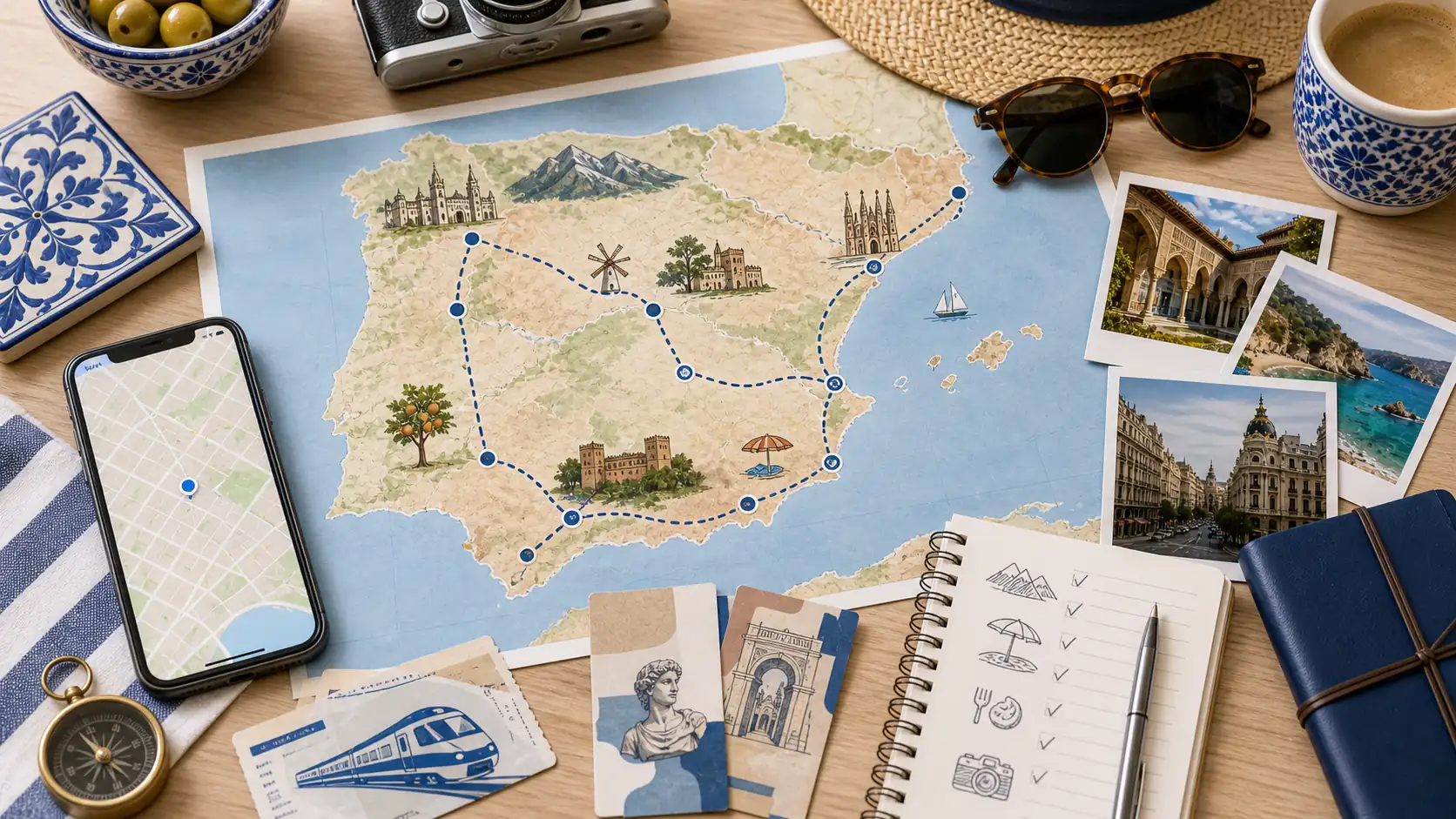
1. Match Activities to the Season
Hot summer afternoons are not ideal for inland sightseeing in places like Seville, Córdoba, or Granada. Spring and autumn suit cities and walking, while beach and island plans depend more on water temperature, wind, and local transport.
2. Build Around Regions
Group activities by region instead of pulling one famous sight from every corner of the country. Madrid plus Andalusia, Barcelona plus Valencia, or Basque Country plus Galicia will usually feel better than a route that zigzags constantly.
3. Keep Tickets and Connectivity Simple
Many activities rely on digital tickets, maps, train apps, restaurant searches, and translation. If your phone supports eSIM, setting up an iRoamly travel eSIM before arrival can keep those tools working across cities and regions.
This quick table can help you choose activities based on your travel style:
If You Like... | Prioritize | Good Bases |
|---|---|---|
Art and architecture | Prado, Gaudí sites, Alhambra, Córdoba | Madrid, Barcelona, Granada, Seville |
Food | Tapas, pintxos, markets, paella | Madrid, San Sebastián, Valencia, Seville |
Beaches | Coastal cities, islands, coves | Barcelona, Valencia, Málaga, Palma |
Nature | Hikes, national parks, scenic drives | Northern Spain, Canary Islands, Andalusia |
Once you choose your travel style, planning becomes easier. You can skip activities that sound famous but do not actually fit your trip.
Spain Things to Do FAQs
These quick answers cover the common activity-planning questions travelers usually have before booking their route.
1. What is the number one thing to do in Spain?
There is no single best answer, but first-time visitors often remember the Alhambra, Sagrada Família, Prado Museum, Seville evenings, and regional food experiences most strongly.
2. How many activities should I plan each day?
Plan one major activity and one flexible smaller activity per day. Spain's meals, heat, transport, and late evenings make overloaded schedules feel tiring quickly.
3. Do I need to book Spain attractions in advance?
Book ahead for major timed-entry sights such as the Alhambra and Sagrada Família. For ordinary neighborhood walks, markets, beaches, and tapas nights, flexibility is usually better.
4. Are Spain's best things to do mostly in cities?
No. Cities are important, but beaches, islands, hiking routes, villages, festivals, and northern coastal towns can be just as memorable depending on your interests.
5. What should I skip if I only have one week?
Skip far-apart regions that require too many travel days. Choose two or three bases and go deeper instead of trying to combine Madrid, Barcelona, Andalusia, the islands, and the north all at once.
6. Is Spain good for families?
Yes, especially with parks, beaches, markets, short museum visits, rail travel, and apartment-style lodging. The key is to avoid too many late nights and long sightseeing blocks in hot weather.
Conclusion
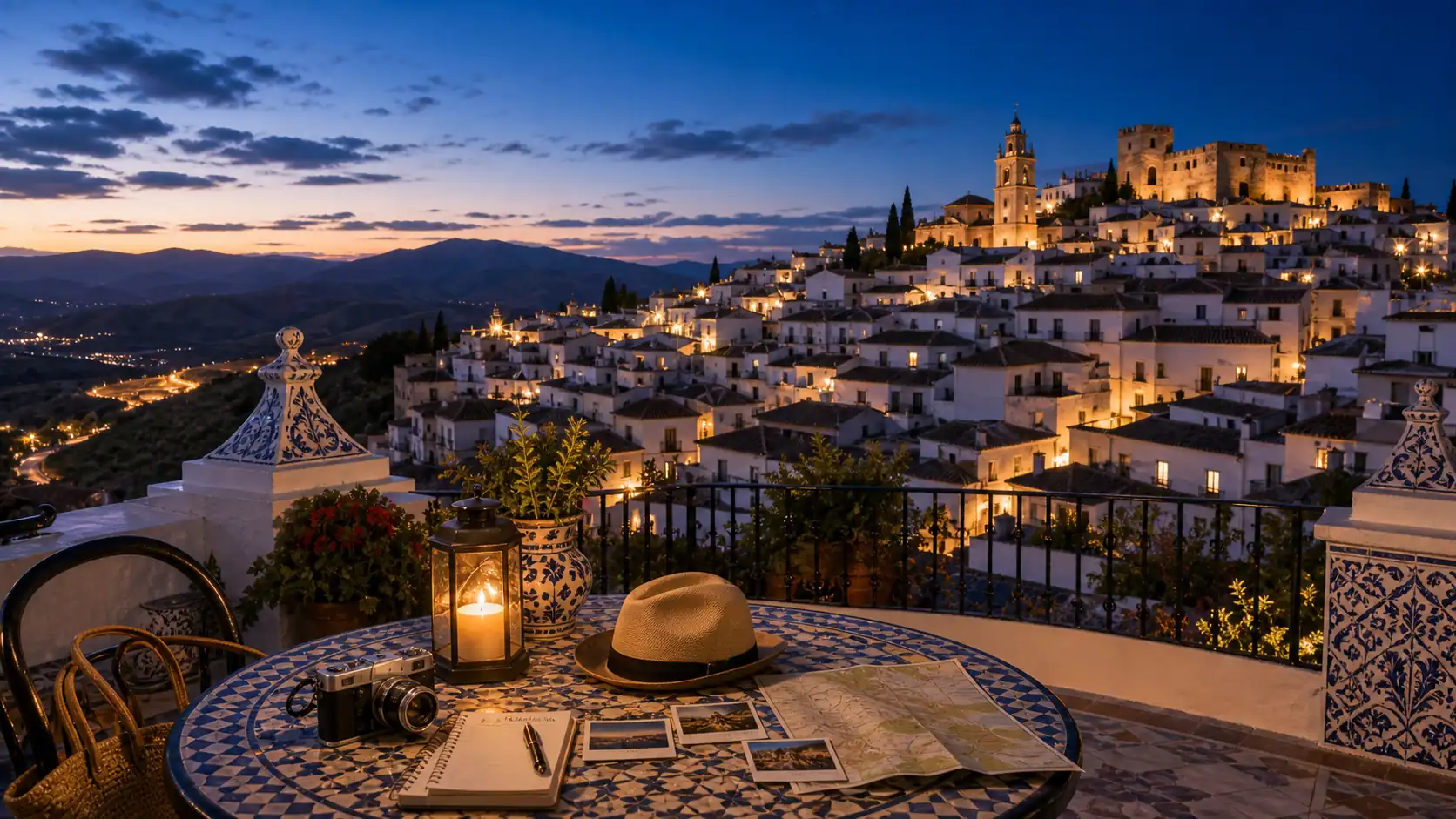
The best things to do in Spain depend on the version of the country you want to experience. Art, architecture, food, beaches, festivals, islands, hikes, and quiet plazas can all belong in the same trip if you pace it well.
Choose a few anchor experiences, book the ones that need timed entry, and keep enough open space for meals and neighborhoods. Spain feels richer when you stop trying to make every hour productive.
With a clear route, working mobile data, and realistic expectations, Spain becomes much easier to enjoy. The famous sights are worth seeing, but the slower moments often become the memories you talk about later.