
Weather in Spain in March is one of the main reasons travelers hesitate before booking: it can feel like spring in Seville, still chilly after sunset in Madrid, rainy on the northern coast, and pleasantly warm in the Canary Islands. The good news is that March is very workable for sightseeing if you plan by region instead of treating Spain as one forecast.
Across much of the country, daytime temperatures are mild enough for walking, city-hopping, and outdoor lunches, while mornings and evenings still call for layers. Rain is possible almost anywhere, but it is more persistent in the north and generally less disruptive in the drier central, eastern, and island destinations.
This guide breaks down weather in Spain in March by city and travel style, then turns the data into simple decisions: where to go, what to pack, and how to avoid being caught out by spring's quick changes.

Quick Answer: What Is Spain Like in March?
Spain in March is a shoulder-season trip with mild days, cool nights, and noticeable regional differences. It is usually better for culture, food, road trips, hiking at lower elevations, and city sightseeing than for classic beach holidays on the mainland.
Warmest reliable areas: Canary Islands, southern Andalusia, Malaga, Seville, and parts of the Mediterranean coast.
Best city weather balance: Madrid, Valencia, Barcelona, Seville, and Granada, with layers for evenings.
Wettest common route: Bilbao, San Sebastian, Galicia, and other northern Atlantic areas.
Biggest packing mistake: Bringing only spring clothes and forgetting a light waterproof layer.
Beach expectation: Coastal walks can be lovely, but mainland sea swimming still feels cool for many travelers.
Think of March as a flexible sightseeing month. You can get warm afternoons, rain showers, mountain chill, and sunny island weather in the same Spain itinerary.
March Weather by Region and City
The most useful way to understand March weather in Spain is to compare representative cities. Central Spain can swing between bright afternoons and cold evenings, the Mediterranean coast is generally moderate, Andalusia warms up faster, and the north stays greener and wetter.
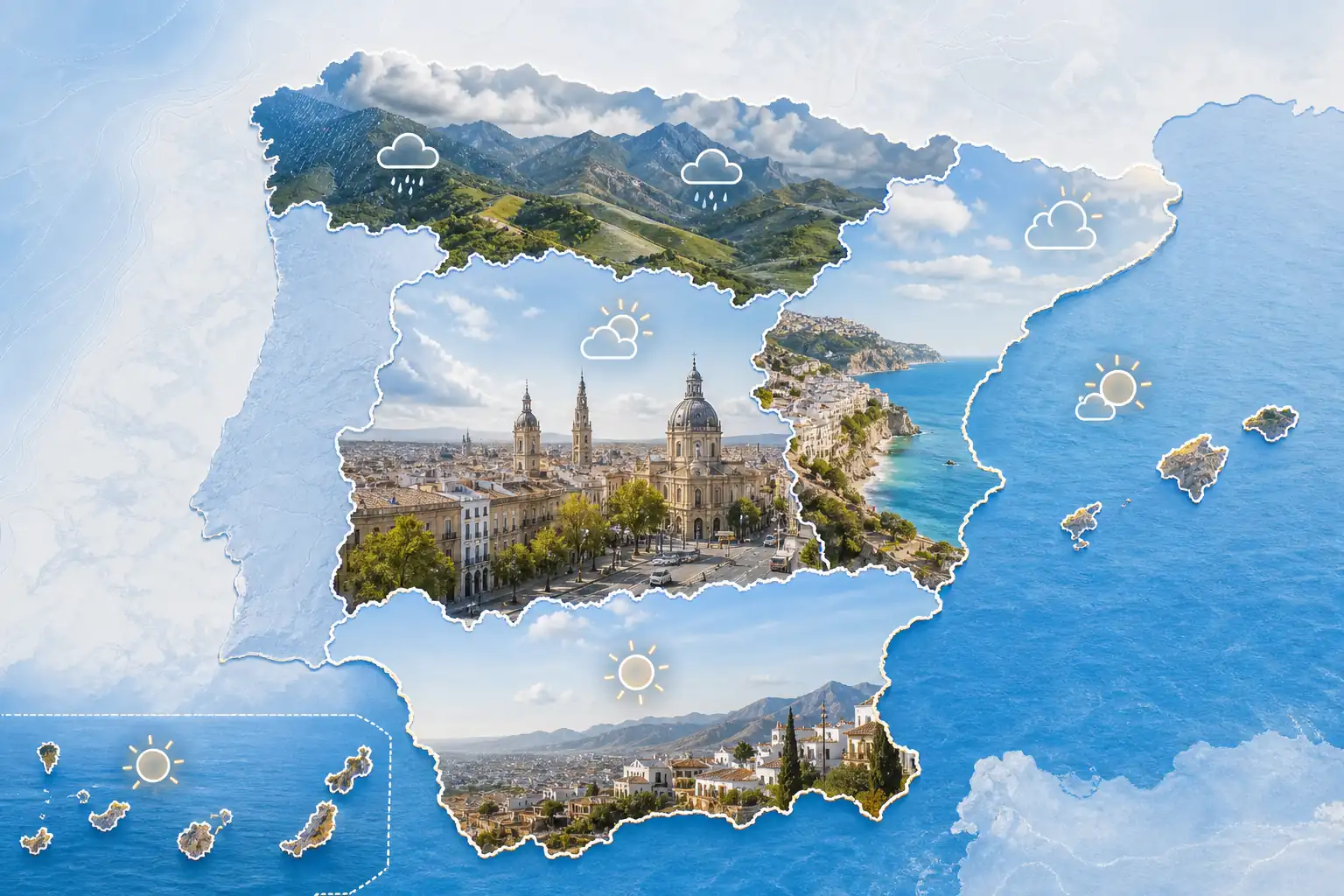
The table below uses rounded planning figures from AEMET standard climate values for selected stations. Treat these as climate averages, not a forecast for your exact dates.
Destination | Avg Temp | Avg High / Low | Rain | Trip Feel |
|---|---|---|---|---|
Madrid | 11 C / 52 F | 16 C / 61 F, 6 C / 43 F | 25 mm, about 4 rainy days | Sunny breaks, cool evenings, good museum and walking weather. |
Barcelona | 12 C / 53 F | 16 C / 61 F, 7 C / 45 F | 36 mm, about 5 rainy days | Mild coast, breezy waterfront, bring a jacket after sunset. |
Valencia | 14 C / 58 F | 19 C / 67 F, 10 C / 49 F | 33 mm, about 4 rainy days | Pleasant for markets, old town walks, and day trips. |
Seville | 16 C / 60 F | 22 C / 71 F, 9 C / 49 F | 36 mm, about 4 rainy days | One of the best March city choices, warm by afternoon. |
Malaga | 15 C / 58 F | 20 C / 67 F, 10 C / 50 F | 52 mm, about 4 rainy days | Good for coastal walks and mild city breaks, with shower risk. |
Bilbao | 12 C / 53 F | 17 C / 62 F, 6 C / 44 F | 90 mm, about 11 rainy days | Green, atmospheric, and often wet; plan indoor options. |
Granada | 11 C / 53 F | 19 C / 66 F, 4 C / 39 F | 32 mm, about 5 rainy days | Bright days can turn cold at night, especially near the Sierra Nevada. |
Mallorca | 13 C / 56 F | 17 C / 63 F, 10 C / 49 F | 28 mm, about 5 rainy days | Quiet island season, good for drives and walks, not hot beach weather. |
Gran Canaria | 19 C / 66 F | 22 C / 72 F, 16 C / 60 F | 12 mm, about 2 rainy days | Warmest, driest option for winter-sun style travel. |
Tenerife South | 19 C / 67 F | 23 C / 74 F, 16 C / 60 F | 15 mm, about 2 rainy days | Best fit if you want the highest chance of warm March sun. |
AEMET's climatological data is the best starting point for averages, but March weather can still shift quickly.
Before day trips, especially to mountains or the north coast, check the local AEMET forecast.
Best Places to Visit in March Weather
March rewards travelers who pick destinations for the type of weather they actually want. You can chase early warmth, choose classic city weather, or lean into the green north if you do not mind rain.
Seville and Andalusia for Early Warmth
Seville, Cordoba, Malaga, and nearby Andalusian towns are strong March choices because afternoons often feel springlike before the intense summer heat arrives. Seville's average March high is around 22 C / 71 F, which makes patios, gardens, and long walks more comfortable than in peak summer.

Pack a light jacket for evenings, but plan plenty of outdoor time. If rain appears, it usually works better to swap the order of your day than to cancel the plan entirely.
Madrid for Clear Days and Cultural Plans
Madrid is not hot in March, but it is often very practical. The city has cool mornings, brighter afternoons, and a deep indoor list if a shower rolls through: museums, markets, food halls, galleries, and cafes.
The key is timing. Schedule parks, rooftop views, and neighborhood walks for the warmest part of the day, then save long dinners and indoor sights for the evening chill.
Barcelona and Valencia for Mild Coastal Trips
Barcelona and Valencia are comfortable in March if you expect spring, not summer. Waterfront walks, old-town wandering, museums, food markets, and short train trips all fit the month well.
Coastal wind can make the air feel cooler than the thermometer suggests. A light jacket, scarf, and comfortable walking shoes matter more than beachwear.
Northern Spain for Green Landscapes
Bilbao, San Sebastian, Asturias, Cantabria, and Galicia can be beautiful in March, but this is where rain planning matters most. Bilbao's March rainfall is much higher than Madrid or Seville, so build your days around flexible windows.
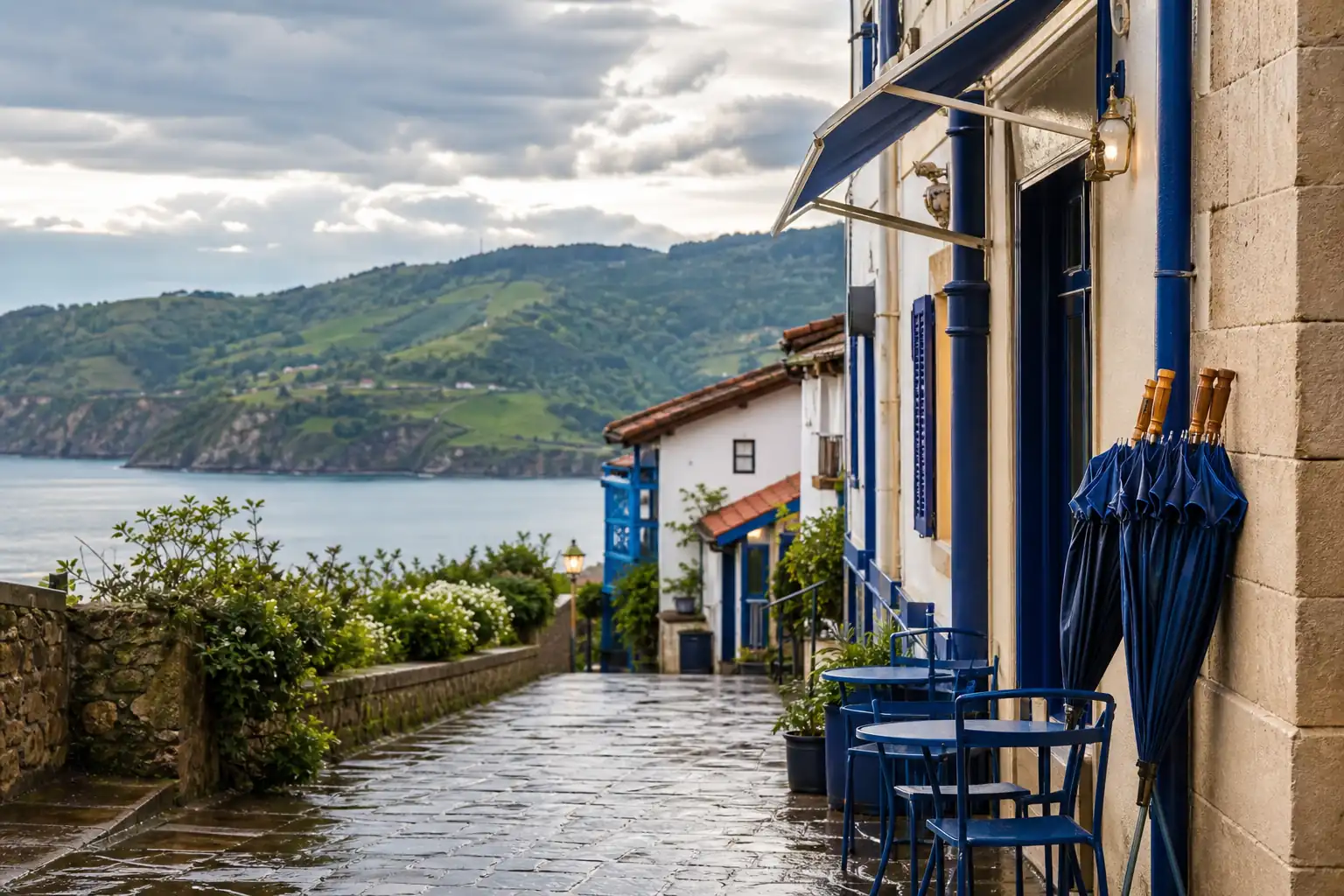
The reward is atmosphere: lush hills, dramatic skies, excellent food, and fewer warm-season crowds. A waterproof layer and a backup museum or pintxo route make the north easier to enjoy.
Canary Islands for the Warmest March Option
If your priority is warmth, the Canary Islands are the safest bet in Spain in March. Gran Canaria and Tenerife South average around 19 C / 66-67 F, with far less rain than northern Spain and many mainland cities.
Even there, microclimates matter. The south coasts tend to be warmer and drier, while higher elevations and northern slopes can be cooler, cloudier, and windier.
What to Pack for Spain in March
The best March packing strategy is light layering. You want enough warmth for a cool Madrid evening, enough rain protection for Bilbao, and enough flexibility for a sunny Andalusian afternoon.

Use this as a practical base, then adjust for your exact route.
Light waterproof jacket: More useful than a heavy coat for most city routes.
Warm layer: A thin sweater, fleece, or cardigan helps with evenings and early mornings.
Comfortable walking shoes: Choose shoes that can handle stone streets and occasional wet pavement.
Compact umbrella: Especially helpful for northern Spain, Barcelona, and spring showers.
Sunglasses and sunscreen: March sun can still be strong during long outdoor days.
Dressier casual outfit: Useful for dinners in Madrid, Barcelona, Seville, or hotel restaurants.
Swimwear only if relevant: Bring it for Canary Islands resorts or hotel pools, but do not rely on mainland beach swimming.
If your route includes Granada, inland villages, national parks, or mountain viewpoints, add a warmer jacket. Elevation changes can make the same March day feel like two different seasons.
How March Weather Affects Your Trip
March is friendly to flexible travelers. The weather is rarely extreme in major cities, but it can change plans at the edges: mountain roads, ferry days, coastal hikes, and long outdoor itineraries deserve a second look.
Book flexible outdoor days: Keep one or two swappable blocks in your itinerary for parks, viewpoints, beaches, and hikes.
Plan museums around rain windows: In Madrid, Bilbao, Barcelona, Malaga, and Valencia, indoor options make wet days easy to rescue.
Watch mountain conditions: The Sierra Nevada, Pyrenees, and higher inland areas can still feel wintry even when nearby cities are mild.
Expect cool nights: Outdoor dining can be pleasant, but bring a layer if you plan to stay out late.
Check event timing: If Holy Week overlaps with your dates, accommodation and transport can feel much busier in major religious and historic cities.
Stay connected for live changes: Weather apps, train updates, maps, and restaurant bookings are all easier with reliable mobile data.
For navigation, weather checks, and day-trip changes, a travel eSIM can be useful before you land. You can compare Spain eSIM options before departure so you are not hunting for airport Wi-Fi when plans shift.
Sample March Routes by Weather Preference
If you are still choosing where to go, match the route to your tolerance for cool nights and rain. These examples keep travel time realistic while giving you a better weather fit.
If you are comparing Spain with another Mediterranean spring trip, Italy's shoulder-season timing can be a useful benchmark because March often feels transitional there too, especially outside the warmest southern areas.
Warm City Break
Choose Seville, Cordoba, and Malaga. This route is best if you want historic streets, food, gardens, and comfortable daytime temperatures without summer heat.
Classic First Spain Trip
Choose Madrid, Barcelona, and Valencia. This route balances museums, architecture, food, and mild coastal weather, with enough indoor options if a spring shower arrives.
Green North Food Trip
Choose Bilbao, San Sebastian, and coastal Basque Country. This works best if you value scenery and food more than guaranteed sunshine, and you are happy to travel with rain gear.
Warmest Spain Escape
Choose Tenerife, Gran Canaria, or Lanzarote. This is the best March choice if your goal is warm sun, resorts, coastal walks, and a higher chance of dry days.
FAQ
1. Is March a good time to visit Spain?
Yes, March is a good time to visit Spain if you want fewer crowds than peak summer and mainly mild sightseeing weather. It is especially good for city trips, food travel, cultural routes, and southern Spain, but you should pack for cool evenings and possible rain.
2. Is Spain hot in March?
Most of Spain is not hot in March. Southern cities can feel warm in the afternoon, and the Canary Islands are the warmest option, but central and northern areas still feel cool in the morning and evening.
3. Can you swim in Spain in March?
You can swim if you are comfortable with cooler water or staying at a heated pool, but mainland Spain is not yet in full beach season. The Canary Islands are the better choice if swimming or resort weather matters.
4. Does it rain a lot in Spain in March?
It depends on the region. Northern Spain is often wet in March, while Madrid, Valencia, Seville, and the Canary Islands usually see fewer rainy days. Even in drier areas, a compact umbrella or light rain jacket is sensible.
5. What should I wear in Spain in March?
Wear layers: a light jacket, sweater, breathable tops, long trousers, and comfortable shoes. Add a scarf or warmer layer for Madrid, Granada, northern Spain, and mountain areas.
6. Is March cheaper than summer in Spain?
March is often better value than peak summer in many destinations, especially for city hotels and flights outside major holiday periods. Prices can rise if major events or Holy Week fall during your travel dates, so compare early if your schedule is fixed.
Conclusion
Weather in Spain in March is best understood as a mix of early spring and late winter. Seville may feel warm by afternoon, Madrid can be bright but crisp, Bilbao is often damp, and the Canary Islands offer the most dependable warmth.
If your route is mainly cities, March is a comfortable and rewarding month. Pack layers, keep your outdoor plans flexible, and use regional forecasts rather than one country-wide weather expectation.
For most travelers, the sweet spot is simple: choose southern Spain or the Canary Islands for warmth, Madrid and the Mediterranean cities for balanced sightseeing, and northern Spain if you are ready for rain and want lush landscapes.