
If you are wondering what food is Spain known for, start with this idea: Spanish food is not one single cuisine. It is a collection of regional habits shaped by coastlines, mountains, olive groves, rice fields, market cooking, and a love of eating slowly with other people.
The famous dishes are easy to name, such as paella, tapas, jamon, tortilla, gazpacho, churros, and pintxos. The better question is how to order them well, where they taste most natural, and which foods belong to which part of the country.
This guide gives you the classics, the regional context, and the small dining tips that make a Spain food trip smoother, whether you are planning a weekend in Madrid, a beach break in Andalusia, or a longer route through the Basque Country, Catalonia, Valencia, and Galicia.
Quick Answer
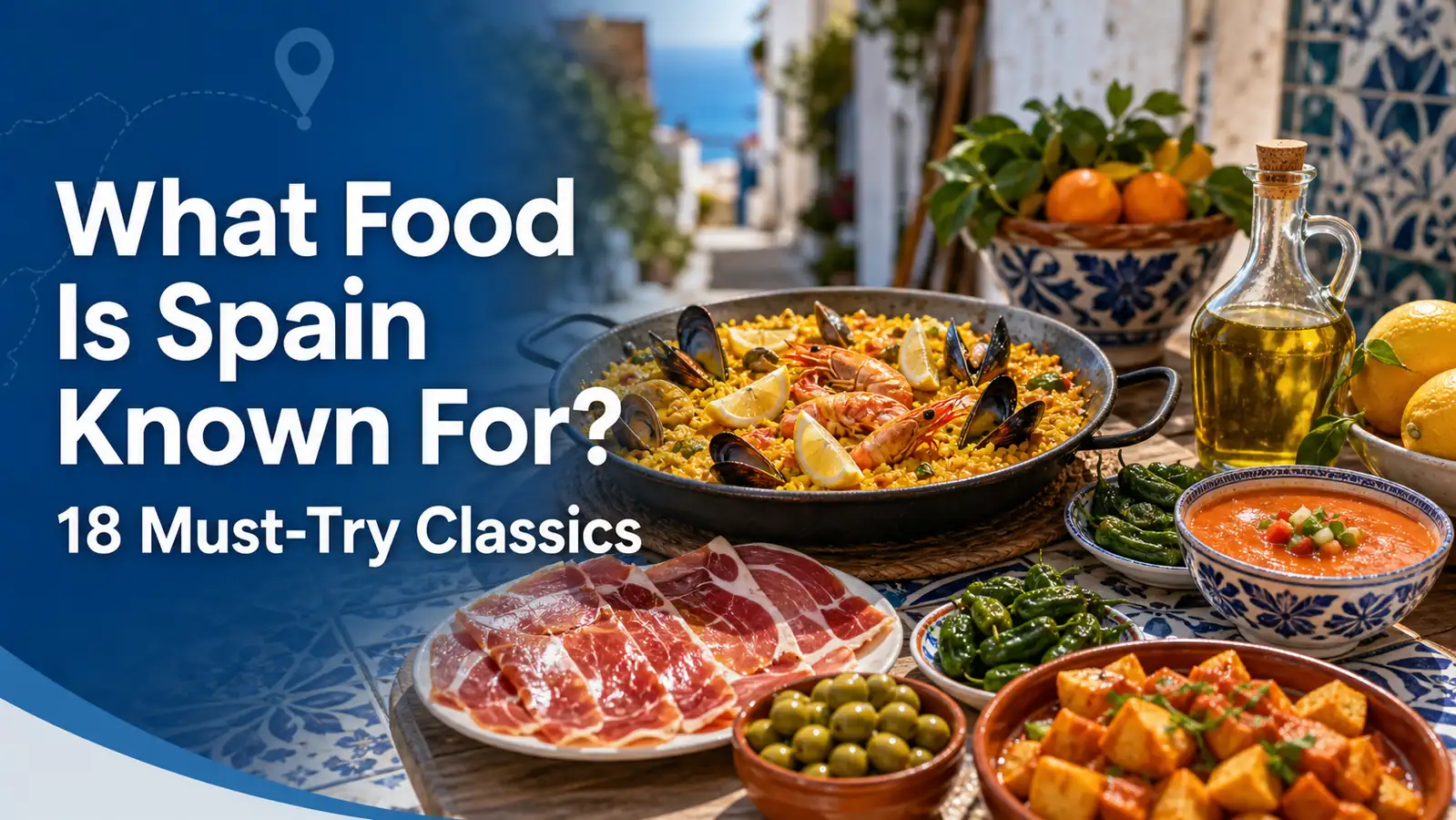
Spain is best known for relaxed, shareable food: tapas in many regions, pintxos in the Basque Country, rice dishes around Valencia, seafood along the coasts, cold soups in Andalusia, cured ham across the country, and simple market dishes built around olive oil, eggs, potatoes, tomatoes, peppers, and good bread.
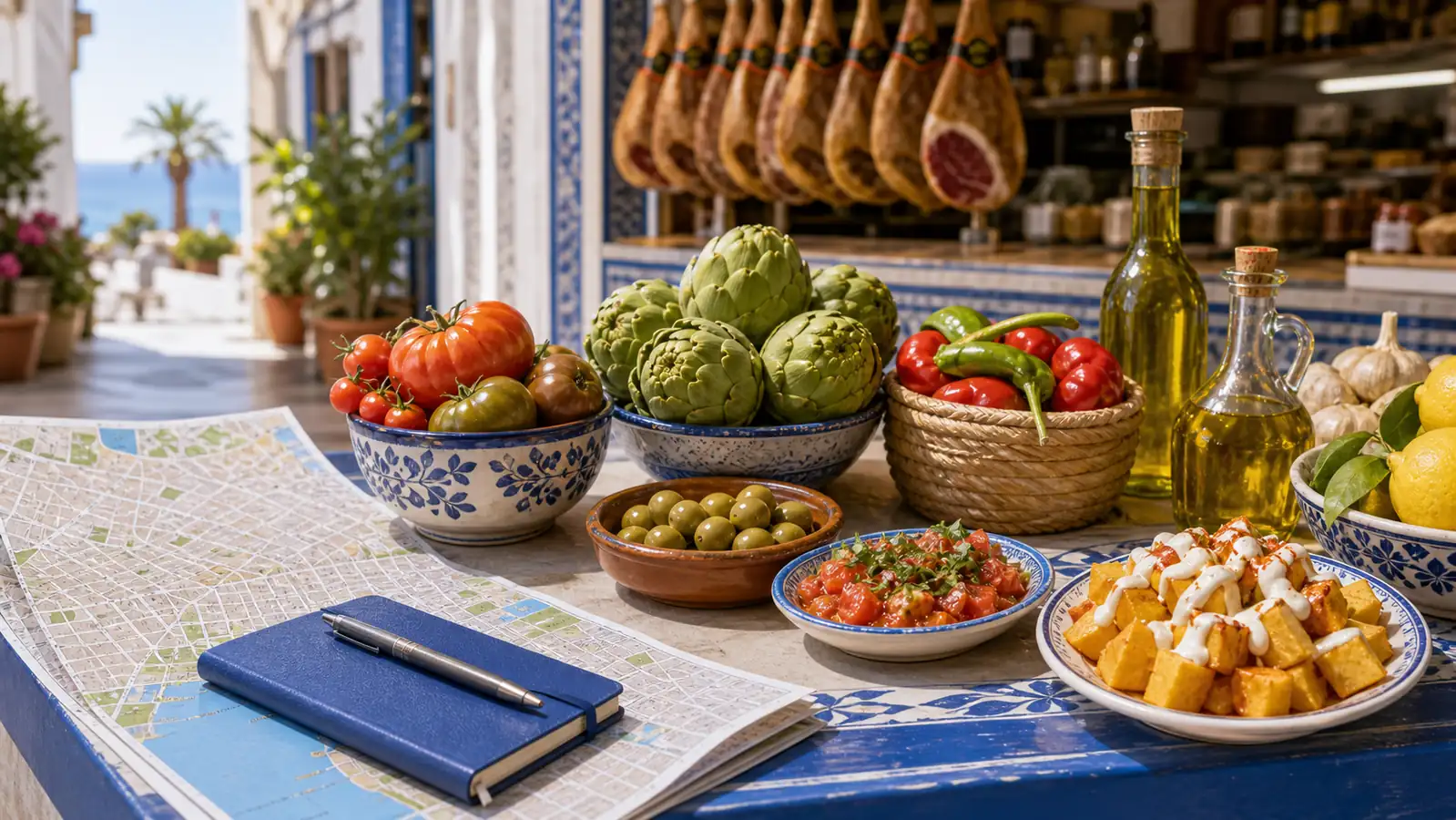
The most useful way to plan your eating is to connect dishes with places. Paella is strongest around Valencia, pintxos feel most natural in San Sebastian and Bilbao, fried fish is a Cadiz and Malaga pleasure, and octopus is a Galician classic. You can find many of these foods nationwide, but they usually make more sense when ordered close to their roots.
Most iconic dish: Paella, especially when cooked as a midday rice dish rather than a late dinner.
Best casual eating style: Tapas or pintxos, because you can taste several things without committing to one heavy plate.
Best first order: Tortilla espanola, croquetas, jamon, pan con tomate, and a seafood plate if you are near the coast.
Best sweet stop: Churros with thick hot chocolate, usually better as breakfast, late morning, or a late-night snack.
If you want a simple first-day strategy, choose one famous dish, one regional dish, and one local market snack. That keeps the meal fun without turning every order into a checklist.
18 Must-Try Spanish Foods
These are the dishes most travelers expect when asking what food Spain is known for. Some are full meals, some are bar snacks, and some are regional specialties that tell you exactly where you are.
1. Paella
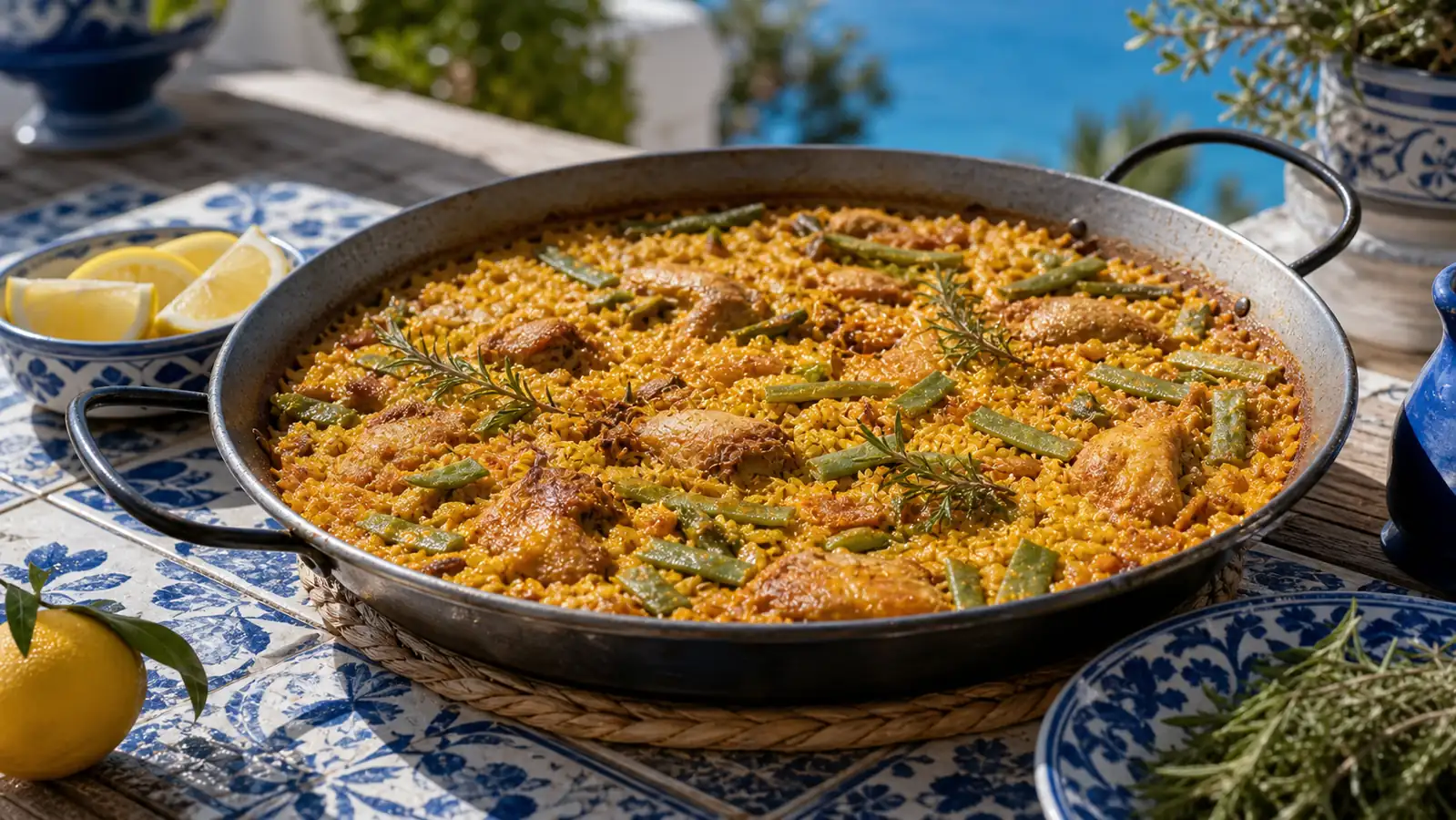
Paella is Spain's most famous rice dish, but it is often misunderstood. Traditional Valencian versions focus on rice, saffron-like aroma, vegetables, and meat such as chicken or rabbit, while seafood paellas are more common along tourist coastlines and in mixed modern restaurants.
Where to try it: Valencia is the natural home. Order it at lunch, look for restaurants that cook rice to order, and be cautious with places displaying many pre-made pans outside all day.
2. Tortilla Espanola
This thick potato and egg omelet looks simple until you taste a good one. Some versions are soft and slightly runny in the center, while others are firmer and slice neatly for sandwiches or tapas counters.
Travel tip: It is useful at almost any time of day: breakfast, snack, light lunch, or late-night bar food.
3. Jamon Iberico
Jamon Iberico is cured ham with deep, nutty flavor and a texture that melts more than it chews. Quality varies by pig breed, feed, curing time, and slicing skill, so a small plate from a good ham bar can be more satisfying than a large cheap portion.
Ordering note: Ask for a small tasting plate if you are curious. It pairs well with bread, tomato, olives, and a slow pace.
4. Tapas
Tapas are not one dish; they are a way of eating. A tapa can be olives, fried seafood, croquettes, potatoes, anchovies, cheese, a small stew, or a slice of tortilla. The joy is variety and movement from one bar to another.
Best for: First-time visitors, solo travelers, and groups who want to sample without over-ordering.
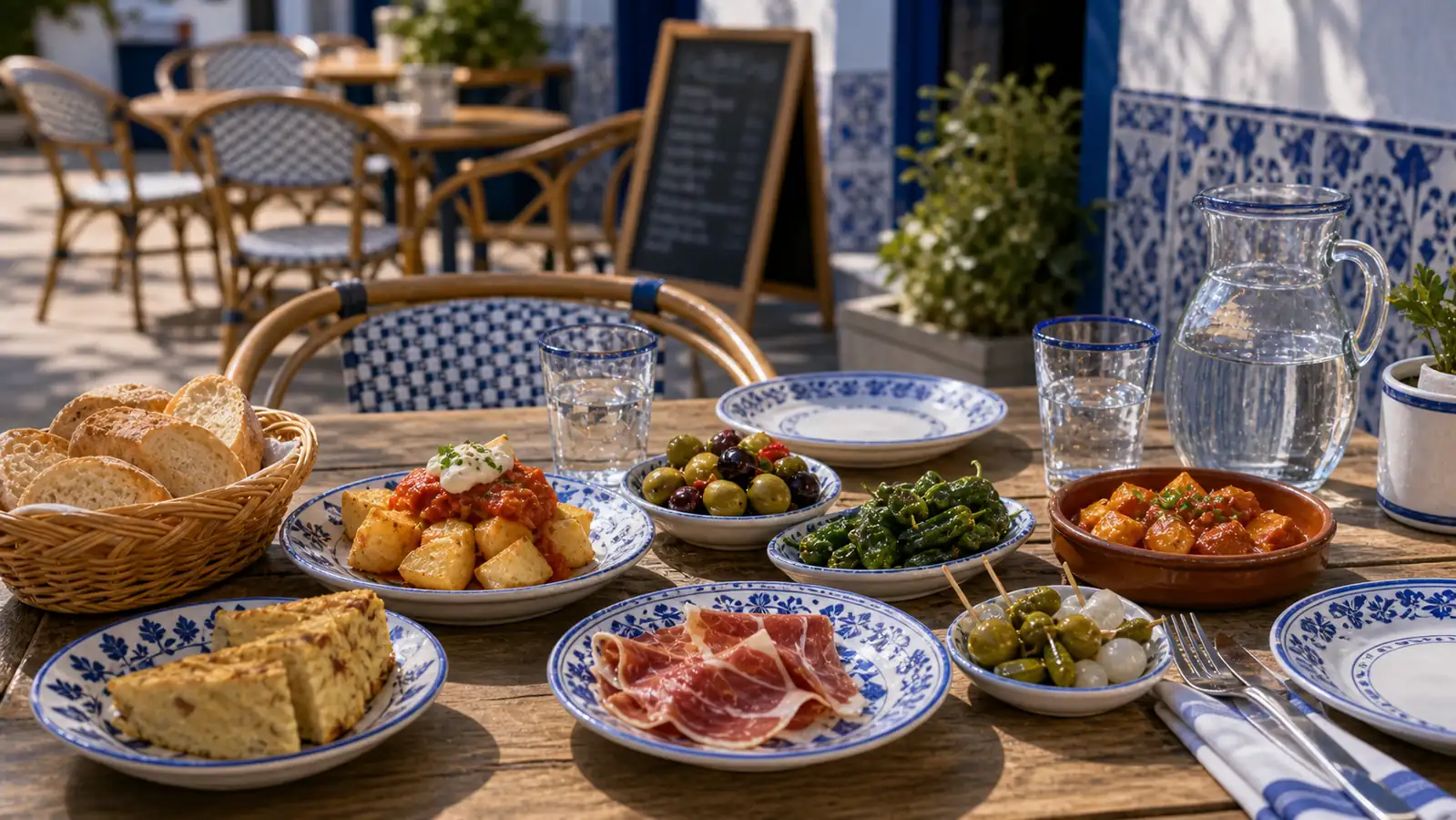
5. Patatas Bravas
Patatas bravas are fried potatoes served with a bold sauce that can be smoky, spicy, creamy, tomato-based, or aioli-driven depending on the city. They are a good test of a tapas bar because the dish depends on texture and sauce balance.
Mistake to avoid: Do not expect every version to be hot-spicy. In Spain, "bravas" often means lively rather than mouth-burning.
6. Pintxos
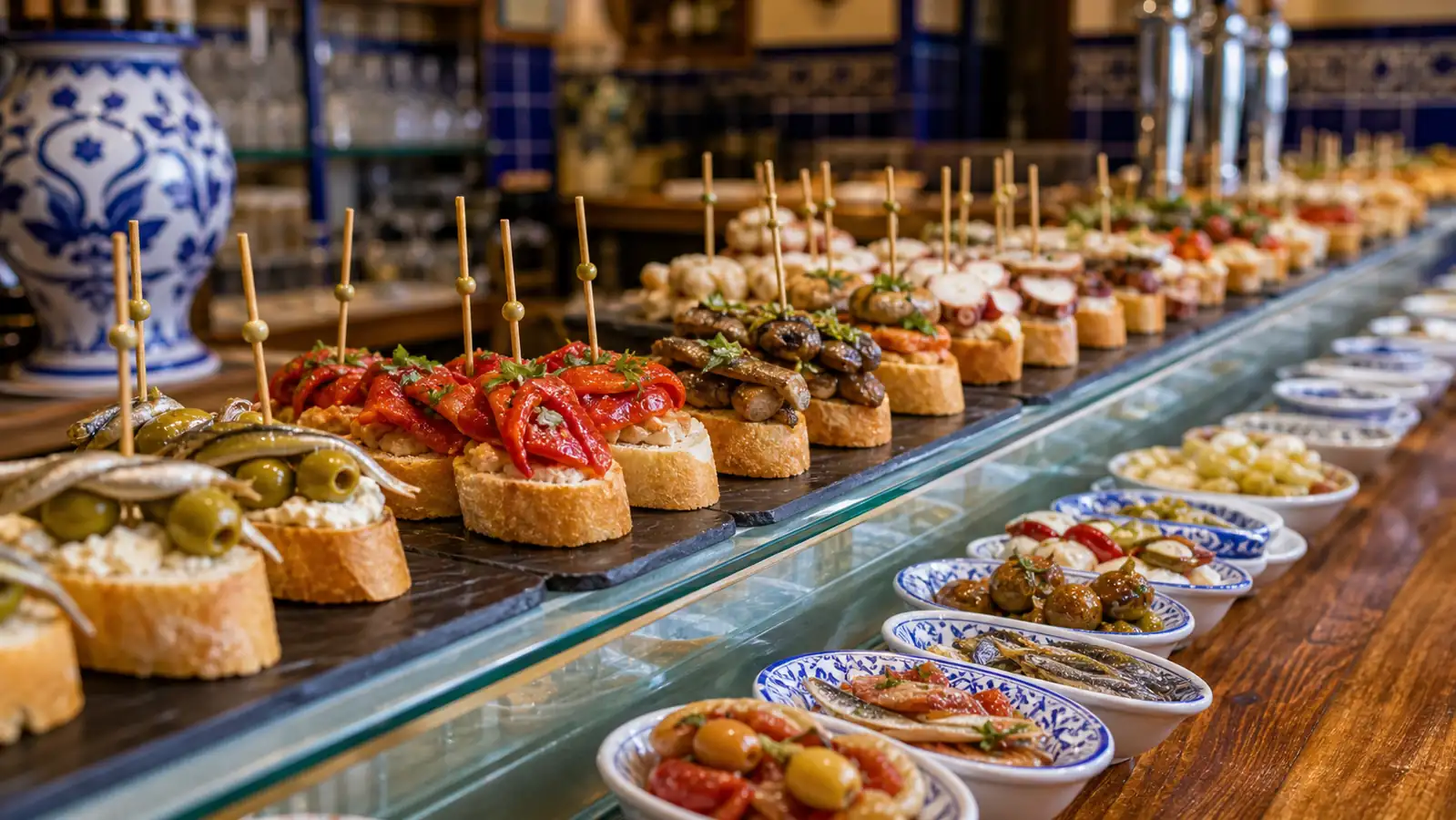
Pintxos are the Basque Country's small bites, often displayed on bar counters and built with seafood, peppers, mushrooms, anchovies, meats, or creative toppings. They are more than snacks; in places like San Sebastian, a pintxos crawl can become the evening plan.
How to do it: Order one or two items per bar, then move on. This keeps the night social and helps you compare styles.
7. Croquetas
Spanish croquetas are creamy inside and crisp outside, usually filled with ham, chicken, cod, mushrooms, or cheese. The best ones feel light despite being fried, with a silky bechamel center.
Where they shine: Traditional taverns, neighborhood bars, and restaurants that list a daily croqueta flavor.
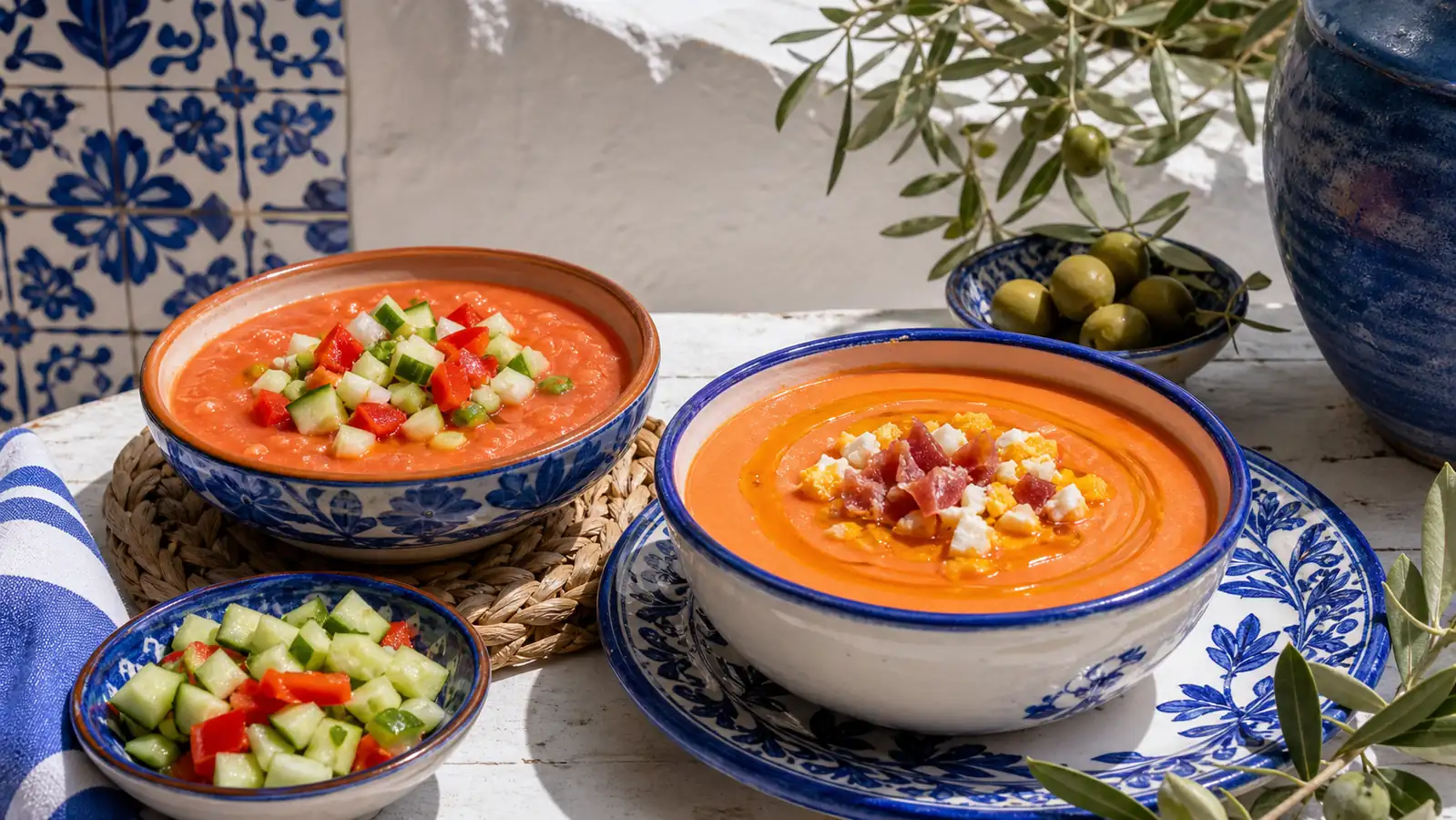
8. Gazpacho
Gazpacho is a chilled Andalusian tomato-based soup that makes perfect sense in hot weather. It is refreshing, light, and often served in a glass or bowl with crisp vegetable flavor.
Best season: Summer and warm spring days, especially in Andalusia, Madrid, and coastal cities.
9. Salmorejo
Salmorejo is thicker and creamier than gazpacho, usually associated with Cordoba. It is made with tomato, bread, olive oil, and garlic, then often topped with chopped egg and cured ham.
Good choice for: Travelers who want something cool but more filling than gazpacho.
10. Pulpo a la Gallega
This Galician octopus dish is served with olive oil, paprika, salt, and potatoes. It is direct, smoky, tender, and best when the octopus is cooked carefully rather than hidden under heavy sauces.
Where to try it: Galicia is ideal, but good seafood restaurants across Spain often serve a respectable version.
11. Pescaito Frito
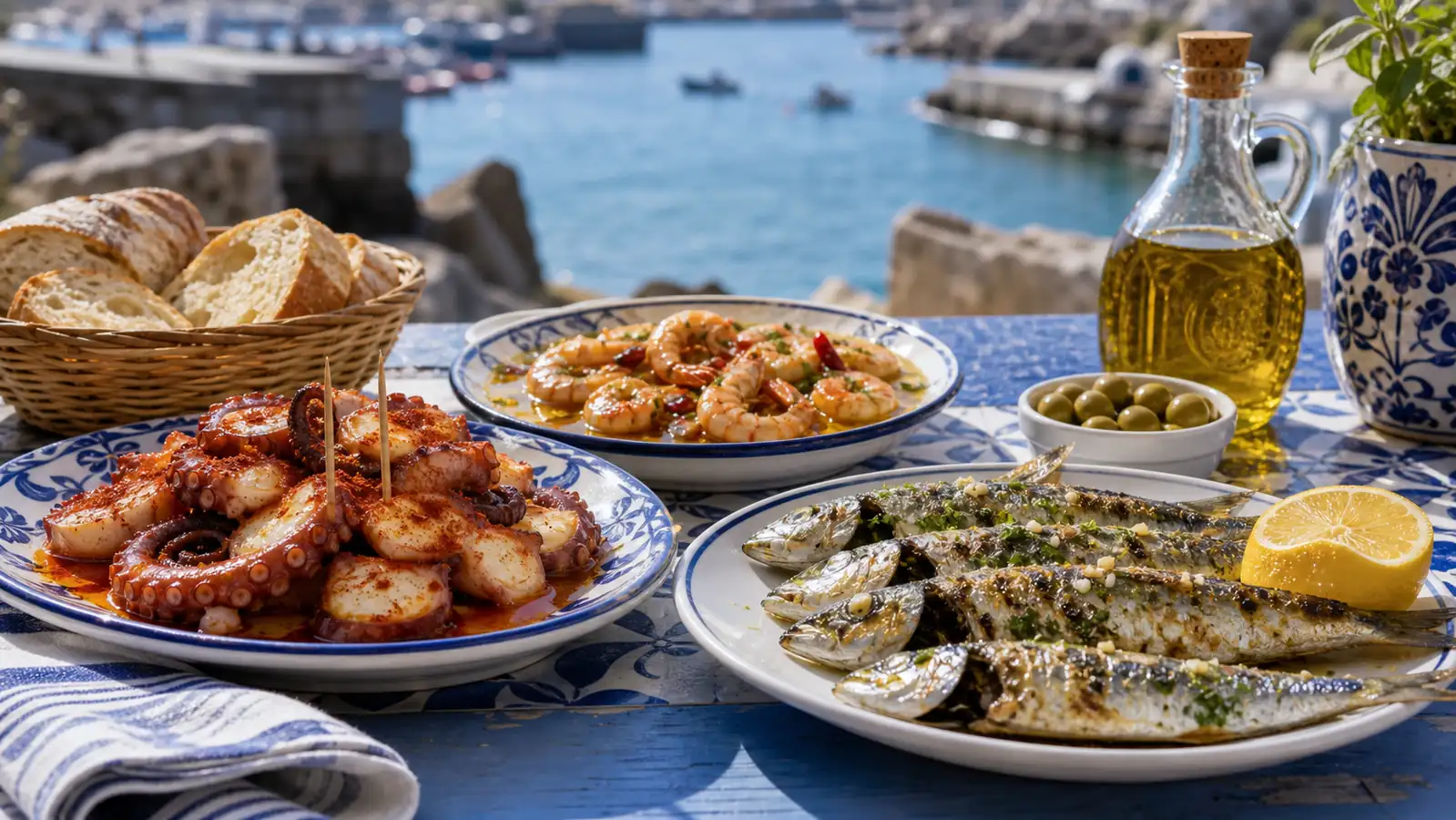
Fried fish is especially loved in Andalusian coastal cities such as Cadiz and Malaga. The best plates taste clean and crisp, not greasy, with small fish or seafood lightly coated and served simply with lemon.
Best setting: A casual seafood bar near the coast, preferably when the fish is moving quickly from fryer to table.
12. Gambas al Ajillo
Garlic shrimp arrive sizzling in olive oil with garlic and sometimes chili. The shrimp are good, but the oil left in the dish may be the real prize, so keep bread nearby.
Dining tip: Eat it hot. This is not a dish that improves while waiting for everyone to photograph the table.
13. Pan con Tomate
Pan con tomate is bread rubbed or topped with tomato, olive oil, and salt. It is common in Catalonia and beyond, and it proves how much Spanish cooking can do with excellent basics.
Pair it with: Jamon, cheese, anchovies, grilled vegetables, or a simple breakfast coffee.
14. Pimientos de Padron
These small green peppers from Galicia are blistered in oil and sprinkled with salt. Most are mild, while the occasional one is hotter, which makes the plate playful without being complicated.
Good for sharing: Order them with croquetas or tortilla when you want vegetables on a tapas table.
15. Churros con Chocolate
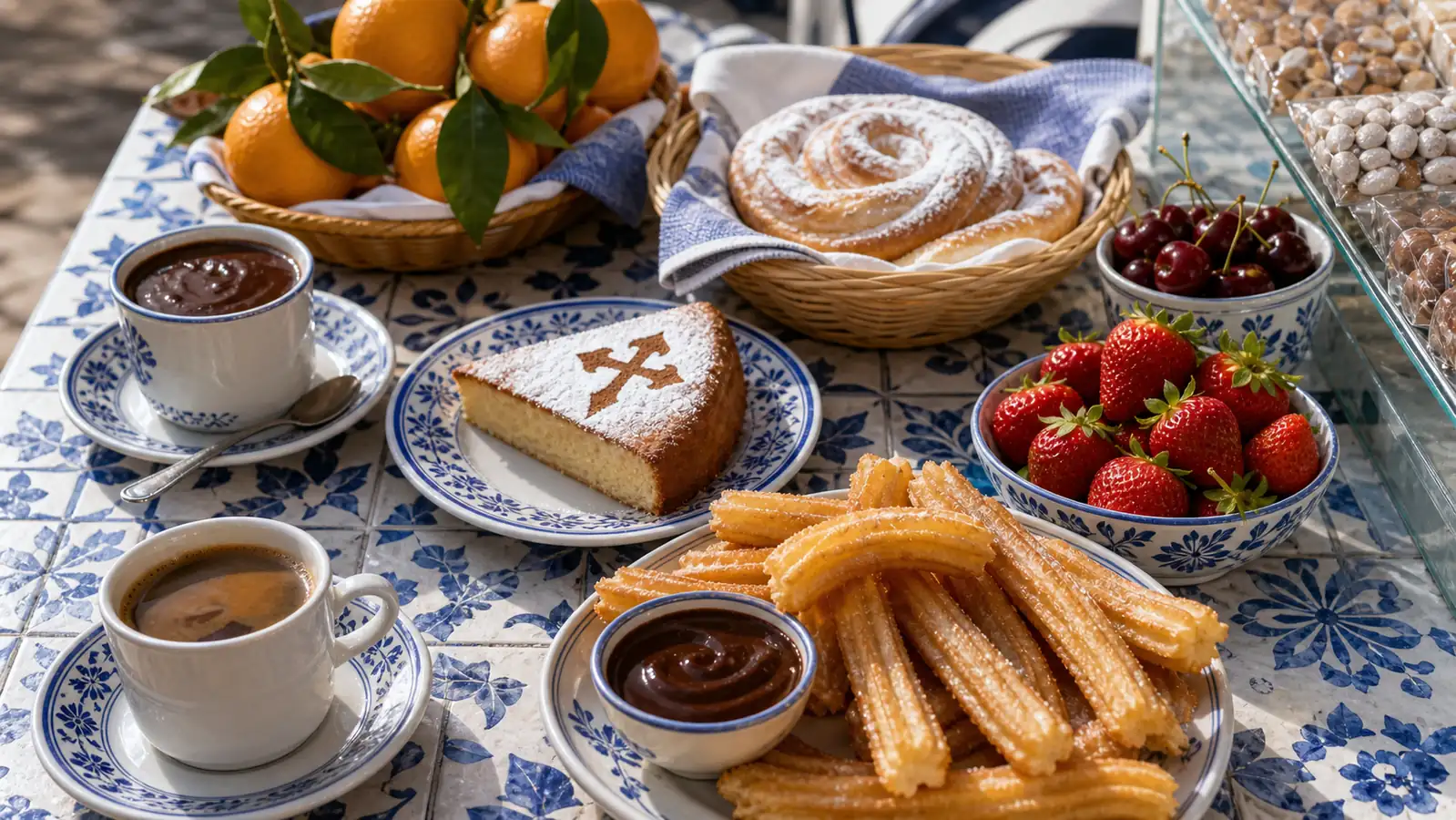
Churros with thick hot chocolate are famous for a reason: crisp dough, warm chocolate, and a ritual that works at breakfast or after a late night. The chocolate is usually for dipping, not sipping like a thin drink.
Ordering tip: Share one portion first. It is richer than it looks.
16. Bocadillo de Calamares
Madrid's famous squid sandwich is a lesson in simple street food: fried calamari tucked into bread, often with lemon or a little sauce. It is especially associated with bars around Plaza Mayor.
Best moment: A quick lunch between museums, markets, or a long walk through central Madrid.
17. Fabada Asturiana
Fabada is a rich Asturian bean stew with pork, sausage, and deep winter comfort. It is heavier than coastal tapas, so save it for cooler days or a slow lunch.
Who will like it: Travelers who enjoy rustic regional food and do not want every meal to be seafood or snacks.
18. Tarta de Santiago
This almond cake from Galicia is simple, fragrant, and often dusted with powdered sugar. It is a good dessert when you want something local but not overly creamy or heavy.
Where it fits: After seafood in Galicia, with coffee, or as a sweet souvenir if it is well packed.
Regional Food Styles
Spanish food gets much easier to understand when you think regionally. The same country can give you rice fields, Atlantic seafood, cold soups, mountain stews, cured meats, and tiny bar bites within one trip. For a broad official overview of food and drink themes, Spain's tourism board has a useful Spanish food and drink introduction.
Use this regional map as a practical ordering guide, not as a rigid rule. Big cities serve dishes from everywhere, but regional context helps you choose what is most likely to be fresh, proud, and cooked with confidence.
Region or area | Foods to look for | Best traveler approach |
|---|---|---|
Valencia | Paella, rice dishes, oranges, seafood rice | Plan a proper lunch and reserve ahead for popular rice restaurants. |
Basque Country | Pintxos, seafood, grilled meats, cheesecake | Try a pintxos crawl instead of one long dinner. |
Andalusia | Gazpacho, salmorejo, fried fish, tapas, olive oil | Eat lighter in the heat and make seafood part of a coastal stop. |
Galicia | Octopus, shellfish, empanada, almond cake | Prioritize seafood restaurants and market towns. |
Catalonia | Pan con tomate, seafood rice, escalivada, crema catalana | Mix Barcelona dining with smaller coastal towns for better value. |
The table is also a useful warning against ordering only the most famous national dishes. Spain rewards curiosity: a humble local stew or market snack can be more memorable than a touristy version of a famous plate.
How to Eat Like a Local
Spanish dining can feel late, social, and flexible. Lunch is often the bigger meal, dinner may start later than visitors expect, and a drink with one or two small plates can be a perfectly normal stop rather than a full meal.
1. Respect the Meal Rhythm
Do not schedule every day around an early dinner. In many places, kitchens open later, and the best atmosphere arrives when locals actually eat. If you get hungry early, use bakeries, markets, cafes, or tapas bars as a bridge.
2. Order in Rounds
When eating tapas, start small. Order two or three plates, see what the kitchen does well, then continue. This avoids a crowded table, keeps food hot, and lets you change direction if the first dishes are only average.
3. Use Connectivity for Better Food Decisions
Reliable data helps when checking opening times, translating menus, finding a nearby market, or booking a restaurant before a train. A iRoamly travel eSIM can be useful if you want maps, reviews, messaging, and translation ready as soon as you arrive in Spain.
For solo travelers: Sit at the bar and order small portions, which feels natural in many Spanish cities.
For families: Choose restaurants with rice dishes, tortilla, croquetas, grilled fish, or simple sandwiches for easier sharing.
For food-focused couples: Mix one reservation meal with one spontaneous tapas evening so the trip does not feel overplanned.
For budget travelers: Markets, bakeries, and lunch menus can stretch your food budget without making meals dull.
Budget, Timing, and Ordering Tips
You do not need a luxury budget to eat well in Spain, but you do need timing. A rushed meal in a tourist square often costs more and tastes less personal than a simple plate in a neighborhood bar two streets away.
1. Choose Lunch Carefully
Lunch is often the best moment for rice dishes, set menus, and longer regional meals. If you want paella, roast meats, or a proper seafood restaurant, lunch usually gives you better pacing than trying to force it late at night.
2. Save Snacks for Strategic Gaps
Churros, tortilla slices, sandwiches, pastries, and market fruit help bridge the gap between sightseeing and a late dinner. This is especially useful if you are traveling with children or adjusting from an earlier dining schedule.
3. Watch for Tourist Shortcuts
Menus with too many national classics in too many languages are not automatically bad, but they deserve caution. A restaurant promising paella, pizza, burgers, sangria, and every regional specialty at once may be built for convenience rather than cooking.
Situation | Smart order | Why it works |
|---|---|---|
First night | Tortilla, croquetas, pan con tomate, olives | Low-risk classics that show the bar's basics. |
Hot afternoon | Gazpacho, salmorejo, seafood, salad, fruit | Refreshing and easier before more walking. |
Coastal lunch | Grilled fish, fried fish, octopus, rice | Seafood is often the local strength. |
Late sweet stop | Churros, hot chocolate, almond cake | Simple, social, and easy to share. |
The safest rule is to eat what the place seems proud of. If everyone around you is ordering the same rice, seafood, sandwich, or stew, pay attention.
FAQ
1. What is Spain's national dish?
Spain does not have one universally agreed national dish, but paella is the dish many travelers associate most strongly with the country. Tortilla espanola, jamon, gazpacho, and tapas are also central to Spain's food identity.
2. Are tapas free in Spain?
Sometimes, but not everywhere. In some cities, a small tapa may come with a drink, while in others tapas are ordered and paid for separately. Check the local custom and the menu before assuming.
3. Is Spanish food spicy?
Most Spanish food is flavorful rather than very spicy. You will find paprika, garlic, peppers, and the occasional spicy sauce, but Spain is not generally a chili-heavy cuisine.
4. What should vegetarians eat in Spain?
Vegetarians can look for tortilla, pimientos de Padron, gazpacho, salmorejo without ham garnish, escalivada, mushroom dishes, vegetable paella, salads, cheeses, and market snacks. Always confirm whether ham, tuna, or stock is used.
5. What food should I bring home from Spain?
Good options include olive oil, saffron, paprika, tinned seafood, almond sweets, chocolate, and sealed market products. Check customs rules for meat and fresh foods before buying edible souvenirs.
6. How many Spanish dishes can I realistically try in one trip?
On a one-week trip, you can comfortably try 10 to 15 classics if you eat regionally and share plates. The goal should be variety, not forcing every famous dish into every day.
Final Thoughts
So, what food is Spain known for? The short answer is paella, tapas, jamon, tortilla, gazpacho, pintxos, seafood, churros, and deeply regional cooking built around excellent everyday ingredients.
The better travel answer is to eat with geography in mind. Choose rice in Valencia, pintxos in the Basque Country, fried fish in Andalusia, seafood in Galicia, and simple market plates wherever locals seem excited about them.
If you leave space for spontaneous bar stops, late dinners, market breakfasts, and one or two destination meals, Spanish food becomes more than a list of dishes. It becomes one of the easiest ways to understand the rhythm of the country.