
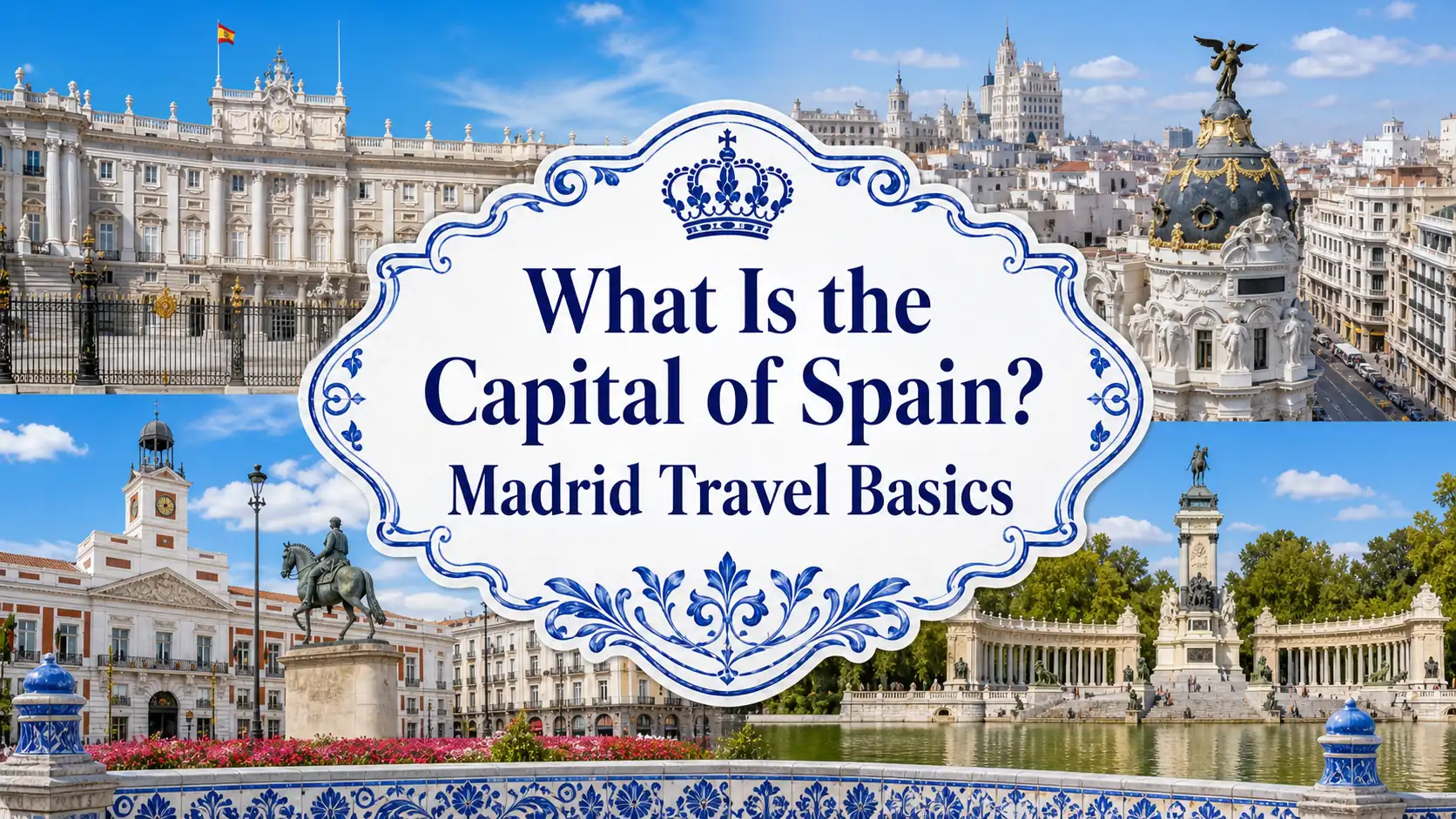
What is the capital of Spain? The answer is Madrid, the country's political center and one of the most useful cities for travelers starting a Spain itinerary.
Madrid is not just an administrative capital. It is a museum city, a royal city, a food city, a nightlife city, and a practical rail hub that connects easily with many other Spanish destinations.
If you are asking this question for travel planning, the better follow-up is what Madrid is like once you arrive. This guide explains why Madrid is the capital, what makes it different from other Spanish cities, and how to plan a first visit.
Madrid Is the Capital of Spain
Madrid is the capital of Spain and the seat of the national government. It sits near the center of the country, which helps explain why it is such a useful base for rail travel, domestic connections, and first-time Spain routes.
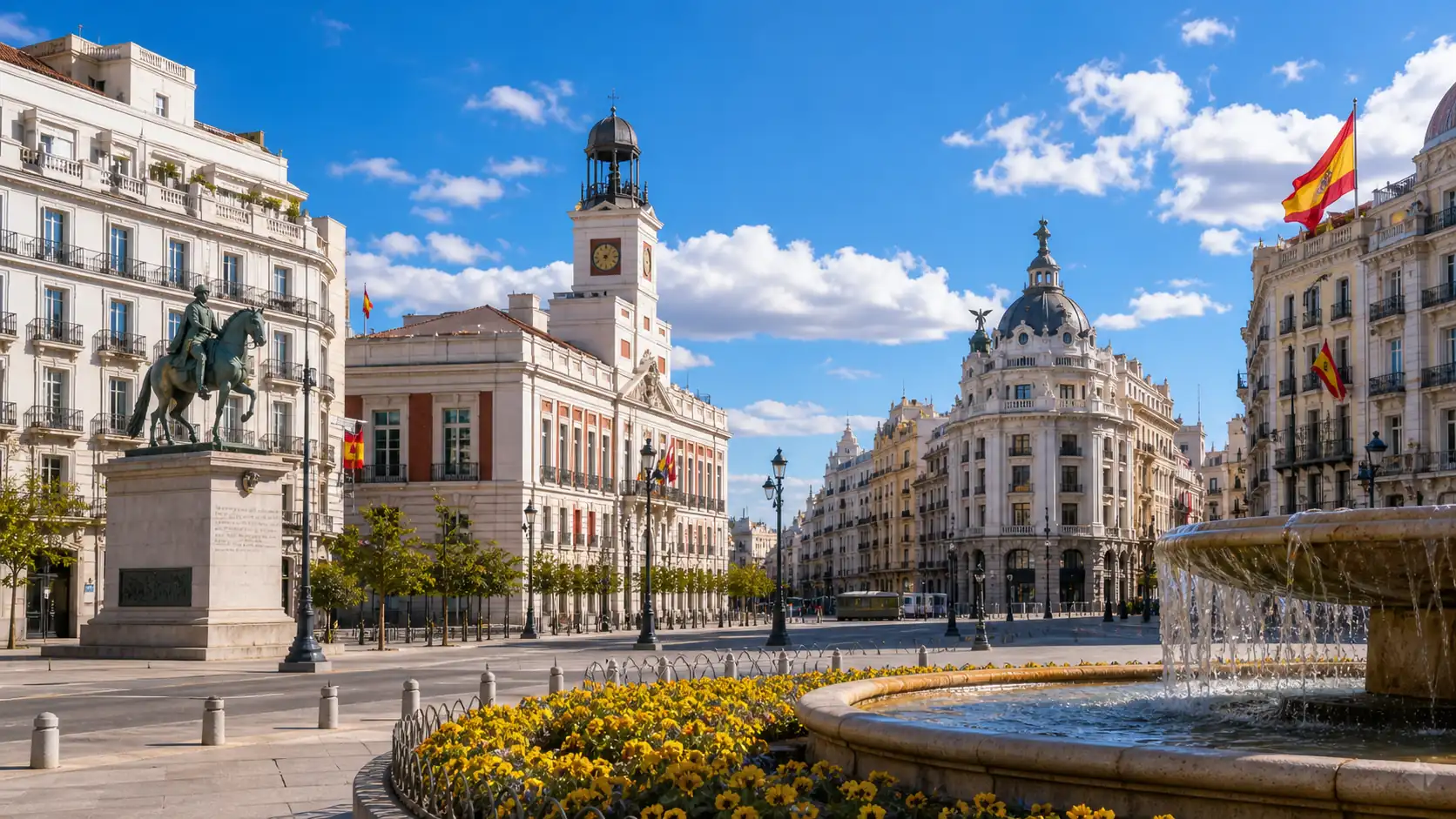
Unlike Barcelona, Valencia, or Málaga, Madrid is not a seaside city. Its appeal comes from plazas, museums, neighborhoods, royal landmarks, green parks, late dinners, and the rhythm of a capital that feels lived-in rather than resort-like.
Why Madrid Became Spain's Capital
Madrid's central location helped it grow into the natural administrative heart of Spain. The city became the permanent seat of the royal court in the 16th century, and over time its government, royal, cultural, and transport roles reinforced one another.
1. Central Position
Madrid's inland position makes it different from Spain's port cities. It is not the country's oldest city or biggest coastal gateway, but its central geography made it useful for administration, communication, and later rail links across the peninsula.
2. Royal and Government Presence
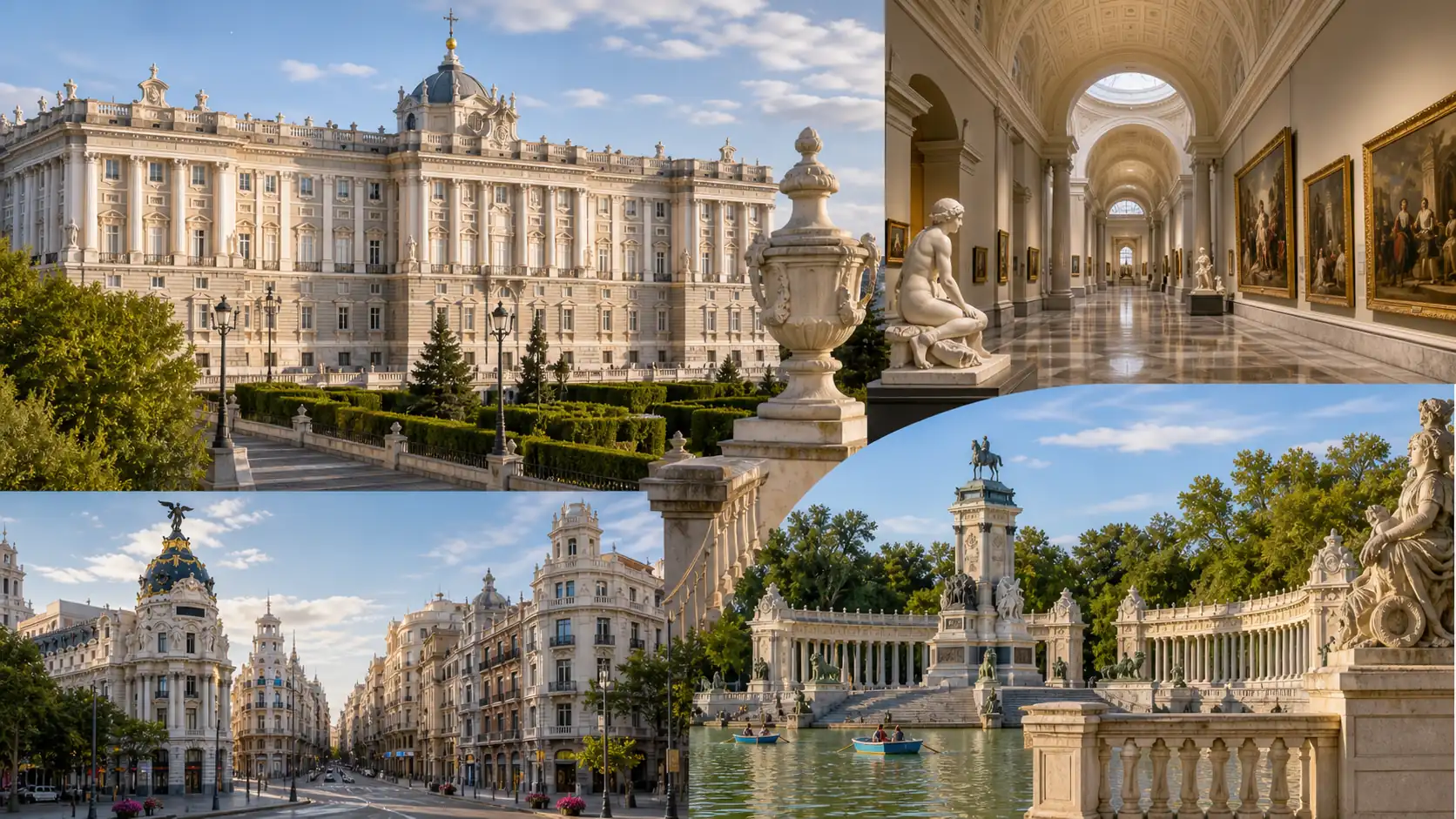
The Royal Palace area, official institutions, broad avenues, and historic squares all reflect Madrid's role as a capital. Even if you are visiting mainly for food or museums, the city's ceremonial scale is easy to feel around Plaza de Oriente, Gran Vía, and the central districts.
3. Cultural Gravity
Madrid became more than a political capital because it concentrated art collections, theaters, publishing, universities, and national cultural institutions. That is why many visitors find the city more rewarding on the second day than the first: its strength is depth, not only postcard views.
What to See in Madrid
Once you know Madrid is the answer, the city is worth treating as more than a trivia fact. A first visit should combine major sights with neighborhoods, parks, and meals that show how locals use the city.
1. Prado Museum and the Art Triangle
The Prado is one of Madrid's essential stops, especially if you care about Spanish and European painting. The surrounding art triangle also includes the Reina Sofía and Thyssen-Bornemisza, so it is easy to spend a full day in this part of the city.
Planning tip: check the Prado visitor information before you go, because opening times, ticket options, and entry rules can change.
2. Royal Palace and Plaza de Oriente
The Royal Palace is one of the clearest reminders that Madrid is Spain's capital. Even if you do not tour inside, the surrounding plazas, gardens, and cathedral area make a satisfying walk with strong city views.
3. Retiro Park
Retiro Park is where Madrid slows down. It is useful after museum time, especially on a sunny afternoon when you want shade, paths, gardens, and a break from traffic.
4. Gran Vía and Central Neighborhoods
Gran Vía gives you the big-city view, but Madrid becomes more personal in neighborhoods such as Las Letras, Chueca, Malasaña, Chamberí, and La Latina. Use the official Madrid tourism site when you want current event ideas, neighborhood guides, and practical visitor information.
5. Tapas, Markets, and Late Dinners
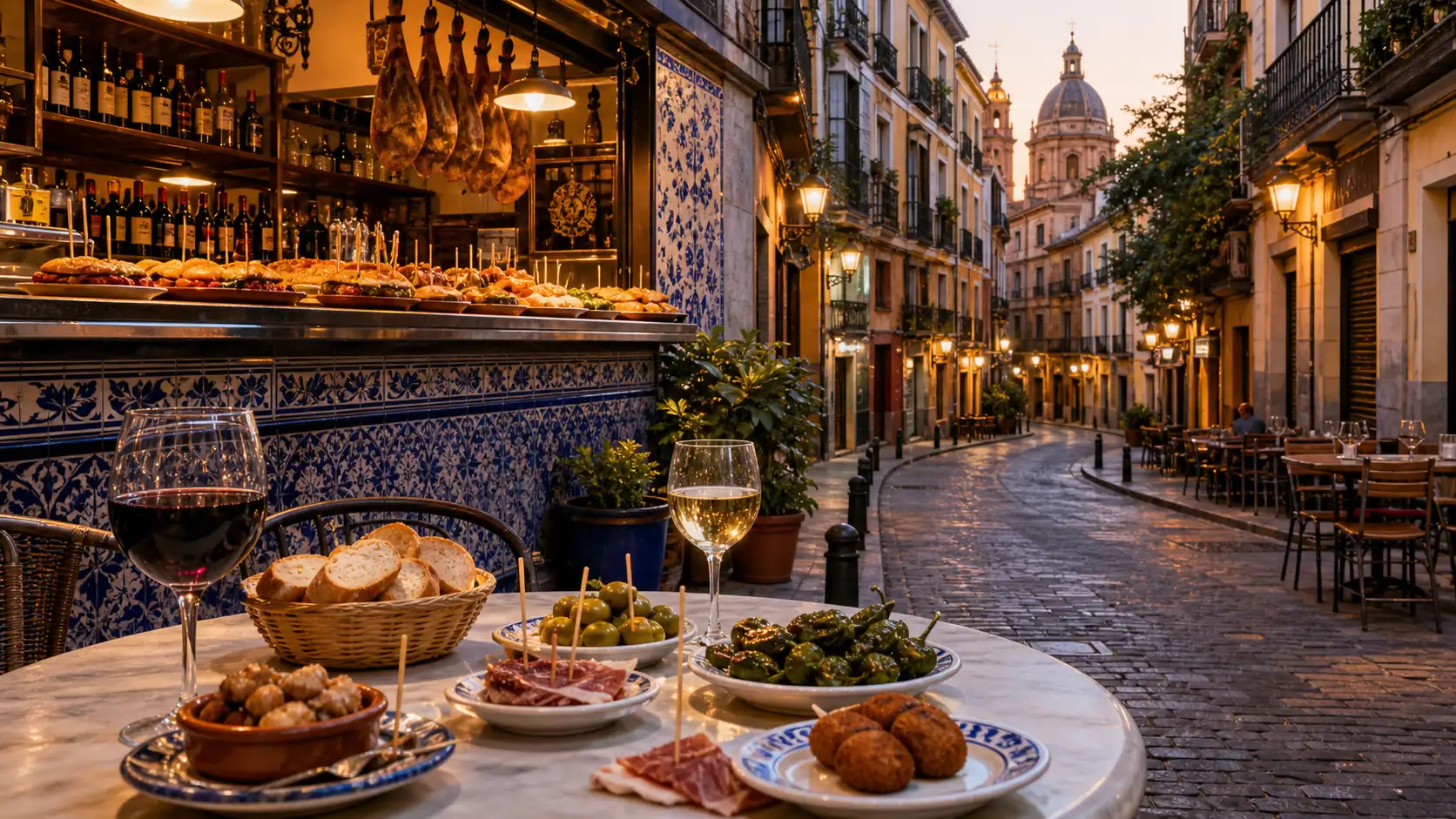
Madrid eating is often social and late. Markets, taverns, terrace tables, vermouth bars, and casual tapas streets can be just as memorable as the famous museums, especially if you leave your evenings flexible.
Practical Madrid Tips and FAQs
Madrid is generally straightforward to visit, but a few choices can make the capital feel much easier on arrival.
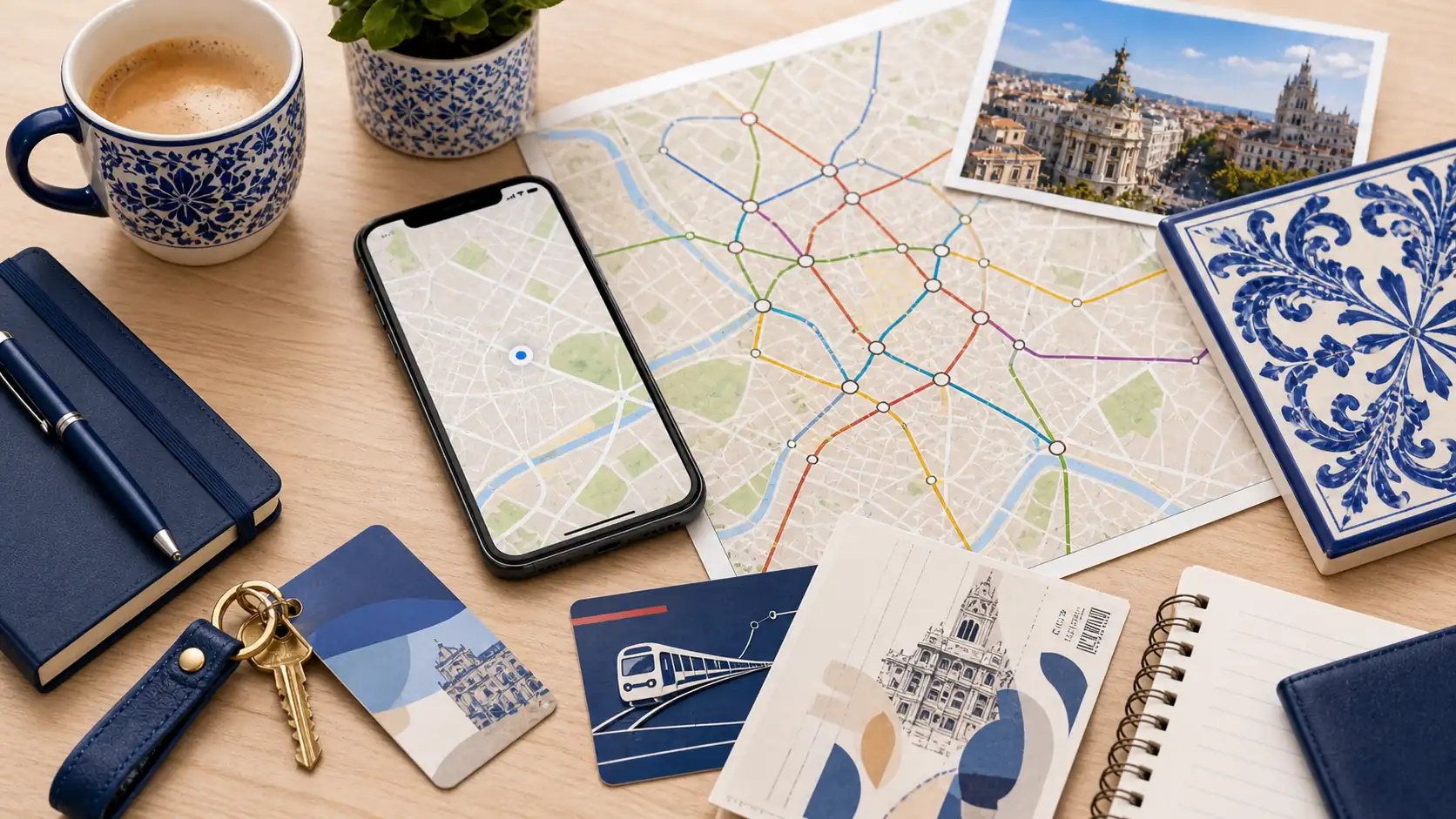
1. Stay Central for a Short Visit
For two or three nights, stay near Sol, Gran Vía, Las Letras, Retiro, Chamberí, or Salamanca depending on your style and budget. Central lodging saves time, especially if you plan museums, restaurants, and day trips.
2. Use Public Transport and Walking
Madrid's metro, commuter trains, buses, taxis, and walkable central neighborhoods mean most visitors do not need a rental car. A car is usually more trouble than help inside the capital.
3. Keep Data Ready for City Travel
Live maps, restaurant bookings, ticket confirmations, translation, and ride apps are part of modern Madrid travel. If your phone supports eSIM, arranging an iRoamly travel eSIM before arrival can help you stay connected from the airport to your hotel and onward train routes.
FAQ
1. Is Madrid the largest city in Spain?
Madrid is Spain's largest city by population within the municipality, while the wider metropolitan comparison depends on the measure used. For travelers, it feels like a major European capital with large museums, busy transport hubs, and many neighborhoods.
2. Is Barcelona ever considered Spain's capital?
No. Barcelona is the capital of Catalonia and one of Spain's most visited cities, but Madrid is the national capital of Spain.
3. How many days do you need in Madrid?
Two full days cover the highlights, but three or four days are better if you want museums, neighborhoods, food, and a day trip to Toledo or Segovia.
4. Is Madrid better than Barcelona?
Neither city is simply better. Madrid is stronger for museums, nightlife, central rail connections, and classic capital energy. Barcelona is stronger for beaches, Gaudí architecture, and Mediterranean scenery.
5. Can Madrid be a base for other Spain trips?
Yes. Madrid is one of Spain's best bases for day trips and onward travel because many rail routes pass through the capital.
Conclusion
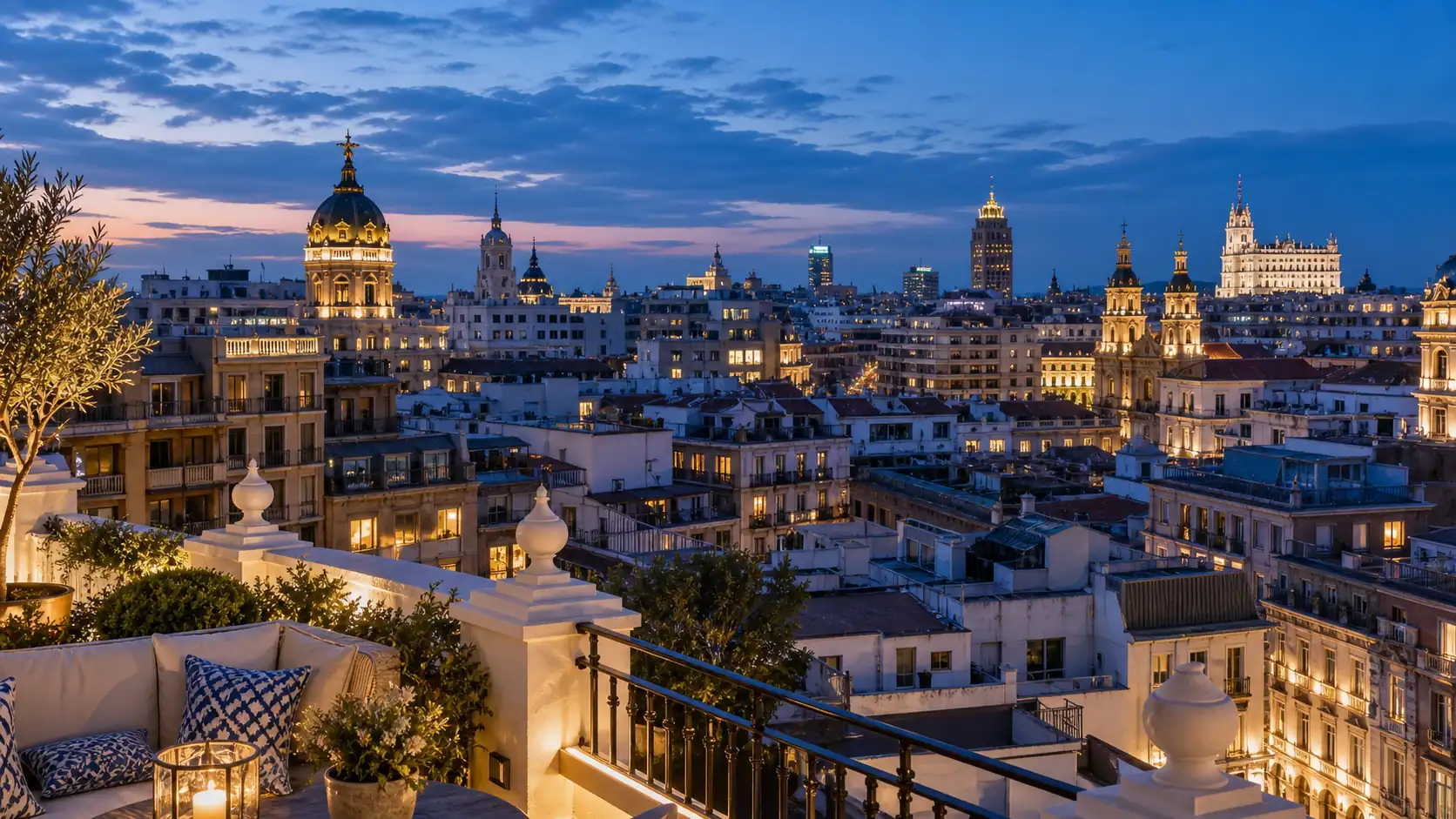
Madrid is the capital of Spain, but it is also much more useful to travelers than a simple fact answer. It gives you national institutions, major museums, royal landmarks, central neighborhoods, and easy connections to the rest of the country.
If you are building a Spain itinerary, Madrid deserves at least two full days and often works best near the beginning of the trip. It helps you understand Spain's scale before you move on to Barcelona, Andalusia, the coast, or northern regions.
Plan your major museum or palace visits in advance, leave evenings open for food and neighborhoods, and keep your phone ready for maps and transport. That is how Madrid shifts from "the capital" to one of the most enjoyable stops in Spain.