
Quebec combines historic French-speaking cities, St. Lawrence landscapes, national parks, regional food, and major festivals across a province far larger than a single city break.
The best trip depends on season and distance: Montréal and Québec City connect well by rail, while Charlevoix, Gaspésie, and the Magdalen Islands require more time and different transport planning. A short first visit works best with one urban base and one nearby nature or food region.
This guide groups 21 worthwhile experiences, then shows how to build a realistic route. A Canada eSIM can keep navigation, reservations, translation, and weather alerts available between Wi-Fi stops.
Historic Cities & Towns
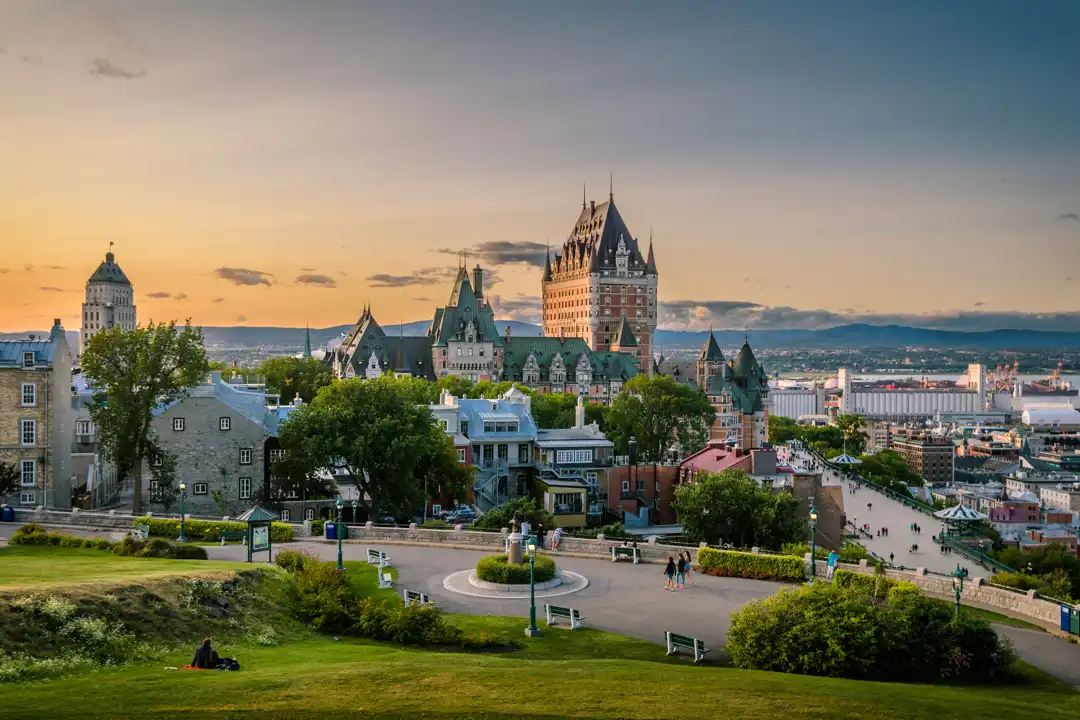
1. Old Quebec City
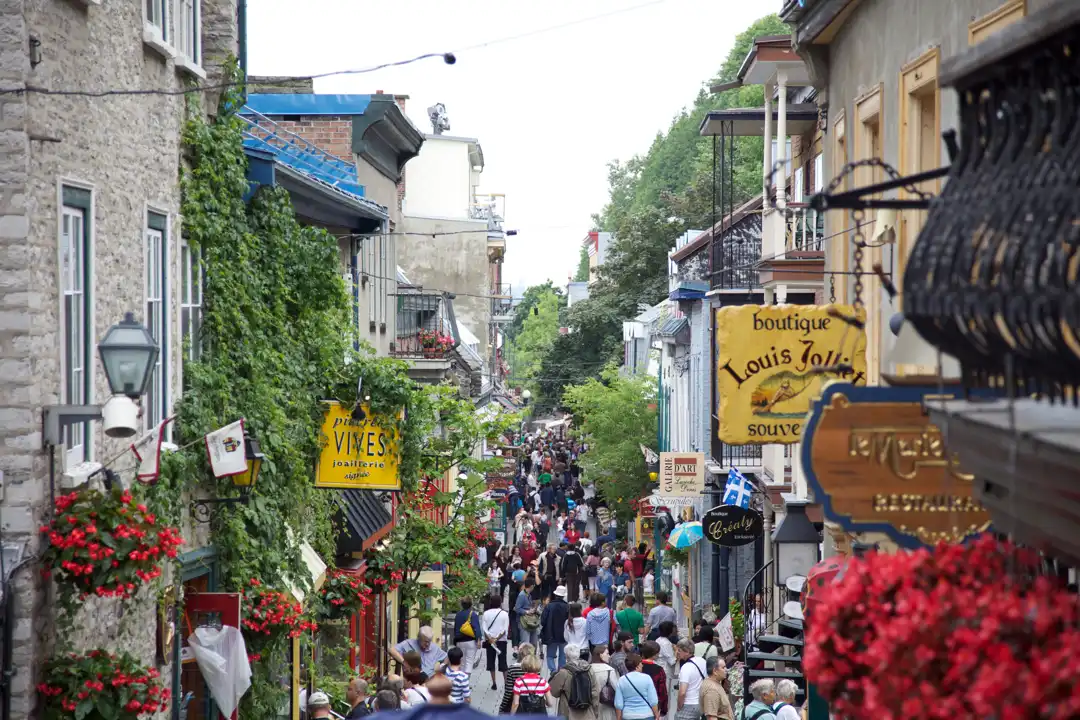
Exploring Old Quebec City is like stepping into a live-action museum. As a UNESCO World Heritage site, the city is historic, charming, and picturesque.
It’s easy to picture yourself wandering the cobblestone streets with the famous Château Frontenac on the horizon, like some giant fairy-tale castle.
Highlights
UNESCO World Heritage Site: Provides a window into history with its well-preserved architecture.
Château Frontenac: An iconic hotel that towers over the city skyline.
2. Montreal’s Old Port
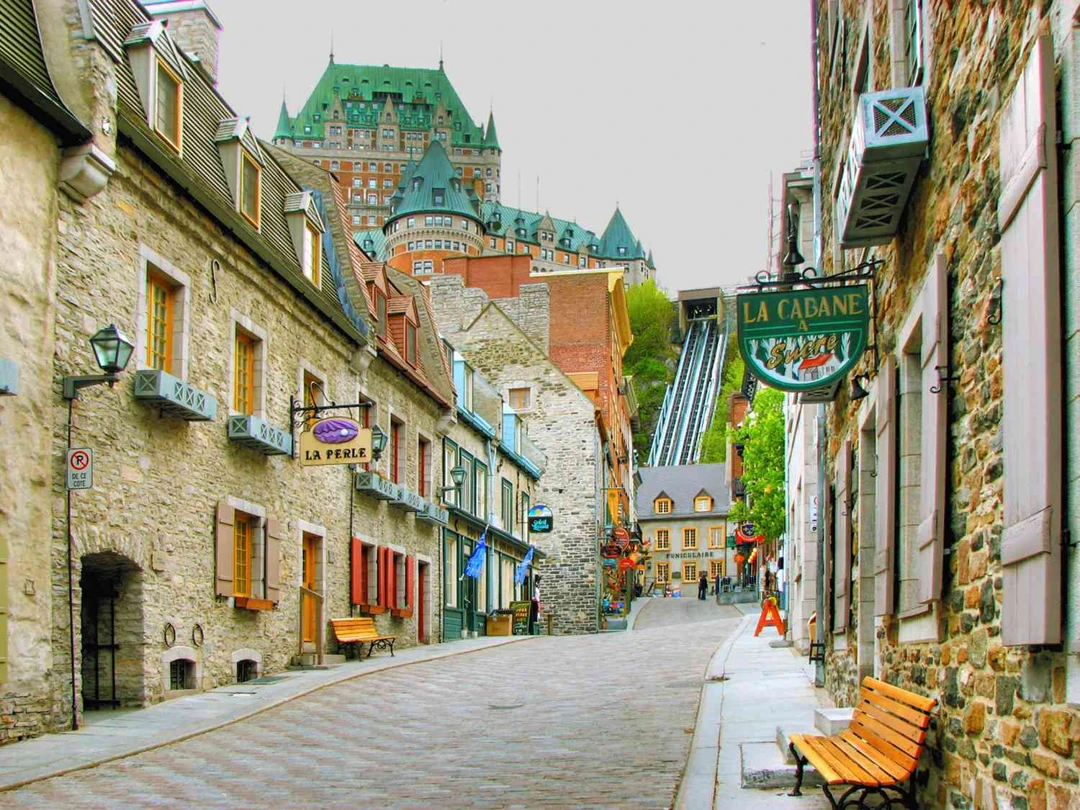
The Montreal Old Port is a walkable waterfront district where historic streets, museums, and seasonal events can fill half a day.
It’s the best example I’ve ever seen where historical isn’t separated from the present and where modern entertainment is woven with the past.
Just walk up and down the water, look at some old buildings, stop into the Notre-Dame Basilica, and just watch a street musician.
Highlights
Historic Architecture: Offers a journey through time with beautifully preserved buildings.
Notre-Dame Basilica: Its breathtaking interior is awe-inspiring.
3. Trois-Rivières
Trois-Rivières, located on the St. Lawrence River, is a great place to learn about the history of Quebec.The old town is packed with buildings and, well, history.
There’s plenty of museums and activities to entertain you in the city as well, which makes it really friendly.
Highlights
Historic Quarter: Step back in time with charming and well-preserved architectural treasures.
Cultural Festivals: Experience festive events showcasing local art and traditions.
4. Charlevoix Region
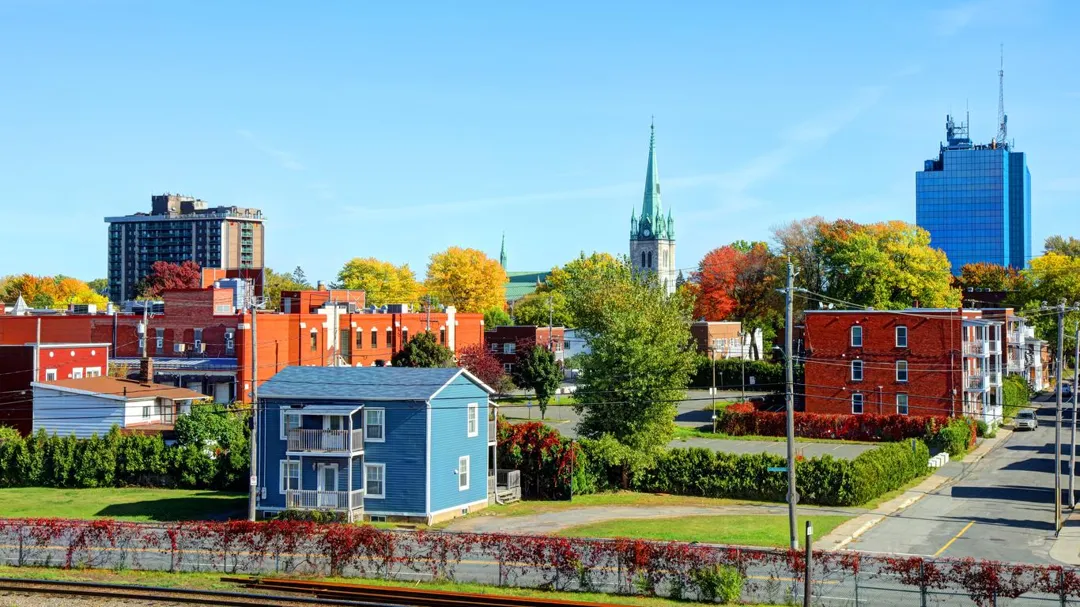
Charlevoix is a wonderful example of all the natural and cultural charm that you expect to find in Quebec.
It’s full of picturesque small communities, and being surrounded by the lush rivers just feels good. You’ll find plenty of galleries and workshops to explore.
Most importantly, don’t miss the food: Charlevoix is a culinary capital, and this is a great little getaway for all looking for some peace and creativity.
Highlights
Scenic Villages: Experience the charm of small-town Quebec with friendly locals.
Artist Studios: Explore creative spaces showcasing inspiring works by local artists.
Exploring Cultural Treasures in Quebec
5. Musée de la Civilisation (Quebec City)
Much as animatronics brings dinosaurs to life in museum exhibitions, the Musée de la Civilisation in Quebec City does the same for history and culture.
It’s not a dull museum of artifacts and wax figures, though, but rather an exploration of local and global culture.
It’s a place to learn about the history of the world, as well as get a glimpse into other cultures.
A visit here is like traveling back in time and the museum makes history come alive.
Highlights
Interactive Exhibits: Designed to engage visitors of all ages.
Cultural Diversity: Showcases a broad spectrum of cultures and historical stories.
Visit Tips: Allow two to three hours for the museum, then confirm current exhibitions, guided activities, admission, and opening days through the Musée de la civilisation schedule.
6. Montreal Museum of Fine Arts
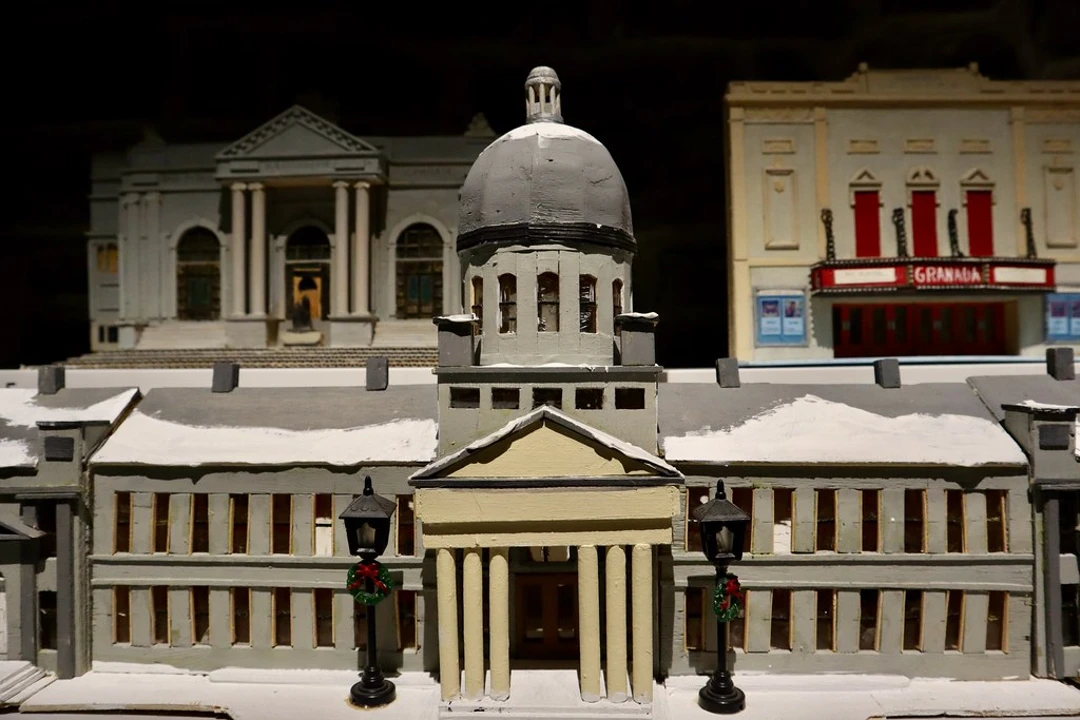
The Montreal Museum of Fine Arts is a paradise for art enthusiasts. And there’s a lot here: everything from local Quebec art to works to pieces from around the world.
It explores all mediums and is quite eclectic, making it almost certain that you’re going to find something that you love.
Highlights
Vast Art Collection: Features works by prominent artists from around the world.
Architectural Beauty: The museum’s design is an artistic masterpiece.
It can get busy. If you’re keen on seeing specific parts of the collection, head there right away prior to claim your spot in the line.
7. Quebec Winter Carnival
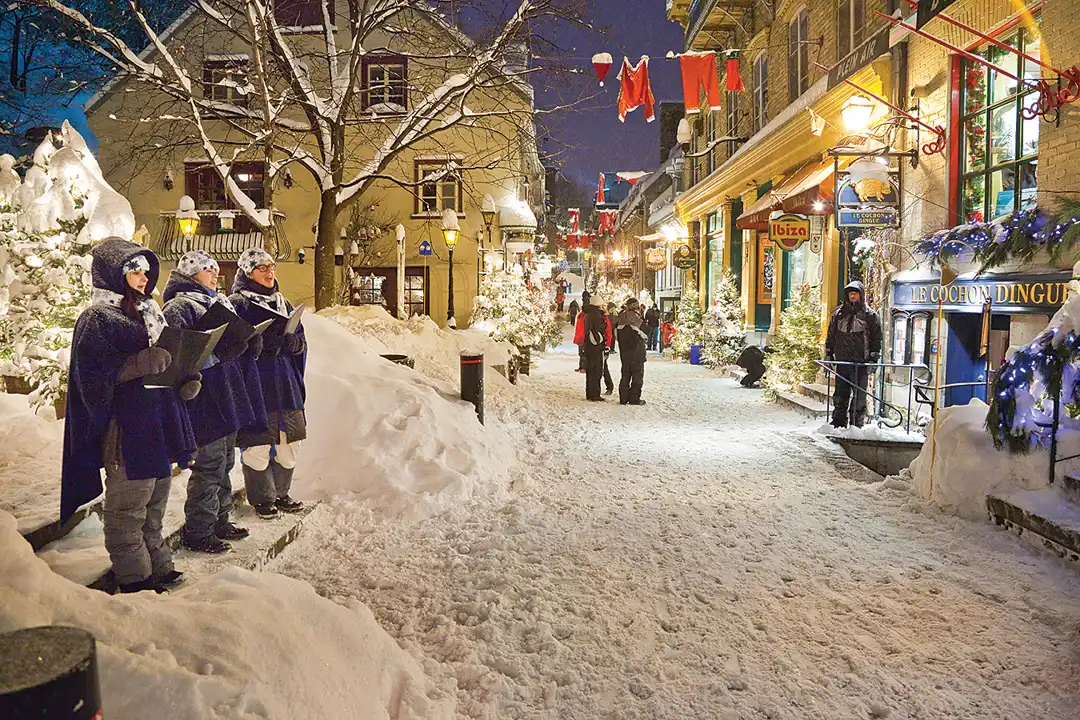
The Quebec Winter Carnival turns Québec City into a concentrated program of snow sculptures, parades, outdoor activities, and Nordic culture. Build the city days around the official program rather than assuming every activity runs throughout the festival.
Picture a winter wonderland brimming with ice sculptures and colorful parades, Bonhomme the snowman mascot in the middle.
The festive atmosphere is contagious and is sure to warm your heart on a chilly day.
Highlights
Ice Sculptures: Marvel at the intricate artistry carved from ice.
Bonhomme’s World: Discover the enchanting castle of the iconic snowman.
Visit Tips: Wear layers and water-resistant boots and expect substantial outdoor walking. The next Quebec Winter Carnival dates are February 5–14, 2027; confirm activity sites and ticket rules in the official program before booking.
8. Indigenous Cultural Centers (Wendake)
Get in touch with Quebec’s First Nations roots at the Indigenous Cultural Centers in Wendake.
These centers offer an eye-opening multi-sensory experience where you can learn about the history, customs, and artistic practices of First Nations people.
It’s also a chance to learn more about the stories and the objects that have had a huge impact on Quebec’s past.
Highlights
Cultural Exhibits: Discover artifacts and stories from local tribes.
Guided Tours: Community guides offer enriching insights.
Visit Tips: Pre-booking your tour is a good idea. Some centers are only open certain hours, so be sure to check in advance.
Outdoor Adventures in Quebec
Season changes the equipment, access, and daylight available for Quebec's parks and waterfalls. The province's snowshoeing, skiing, skating, and frozen-landscape experiences form a distinctive part of broader Canada winter activities, while summer favors hiking, cycling, and island routes.
Before setting out, confirm seasonal road access, trail closures, daylight, and whether the activity requires advance equipment rental or a guided departure.
9. Montmorency Falls
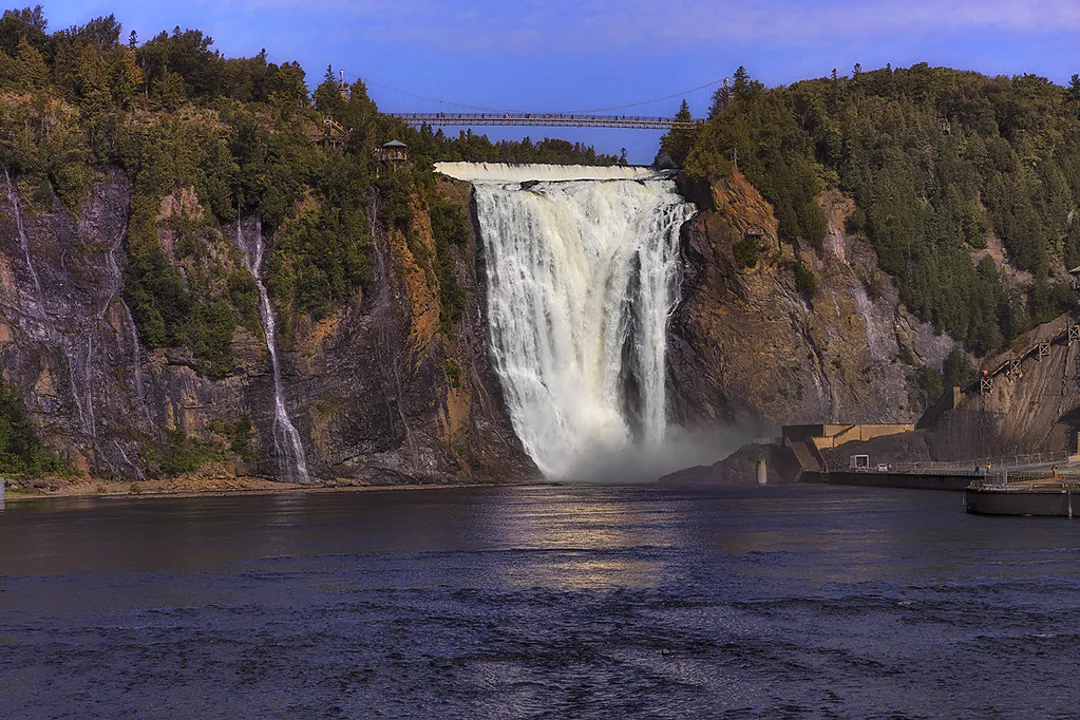
Montmorency Falls rises 83 metres, about 30 metres higher than Niagara Falls, and sits roughly 15 minutes from Old Québec. Seasonal access can include trails, viewpoints, a suspension bridge, stairs, and a cable car.
Picture yourself hiking alongside the roaring water or riding a cable car high above the falls. It’s a jaw-dropping experience and makes for a great day trip.
Best Time to Visit
The falls are accessible in multiple seasons, but summer offers the widest range of facilities and comfortable walking conditions. Winter creates dramatic ice formations, while spring runoff can make spray and paths wetter.
Precautions
The paths are slippery, especially when wet and during winter — so wear sensible footwear with grip.
10. Jacques-Cartier National Park
Jacques-Cartier National Park is wilderness at its best: If you enjoy canoeing, hiking, or wildlife-watching, you’re bound to fall in love with this park.
Towering mountains and steep valleys result in stunning scenery at every corner. It doesn’t matter if you’re an experienced explorer or a novice lover of all things nature.
Best Time to Visit
Head there in the autumn to see the stunning leaf colors or the summertime for mild weather for hiking.
Precautions
Bring plenty of water and snacks as services are sparse in this vast natural attraction.
11. Forillon National Park (Gaspé Peninsula)
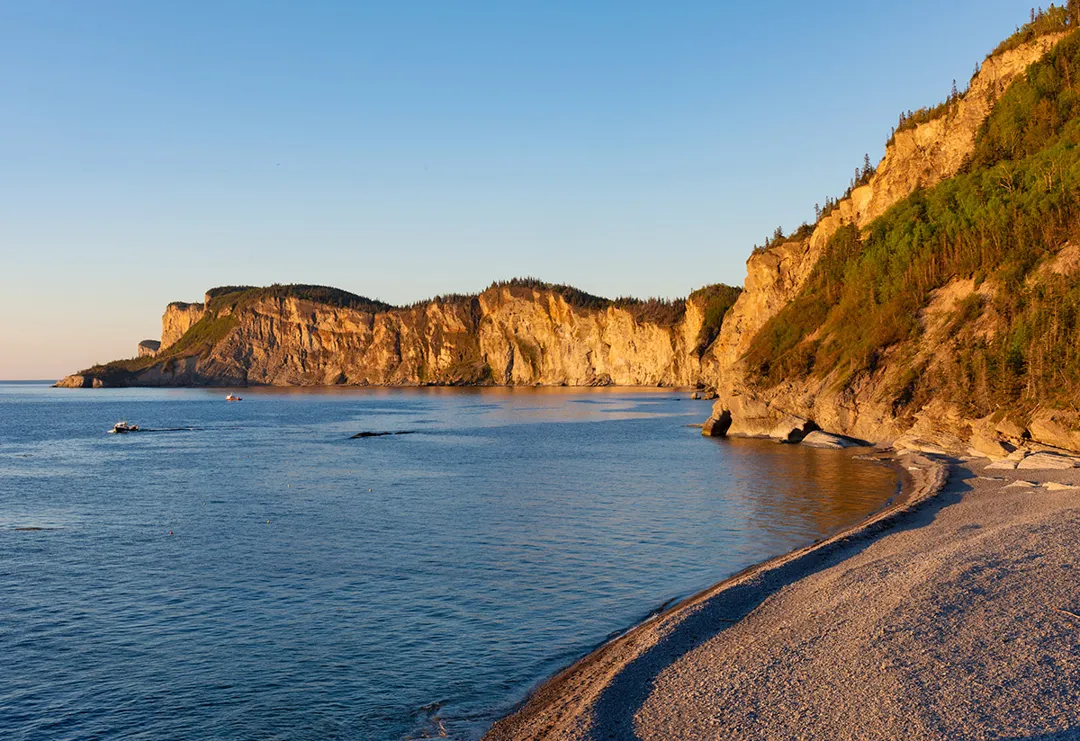
Forillon National Park is where the cliffs and the sea come together for dramatic effect. Its stunning views, not to mention whale-watching possibilities, will leave you spellbound.
You’ll get to kayak among massive whales, and hike on cliffs that have a way of putting you in your place and making you feel incredibly alive.
Best Time to Visit
Whale watching and hiking are best in summer through early fall.
Precautions
Be prepared for fast-changing weather and always keep a safe distance from the local animals.
12. Mont Tremblant
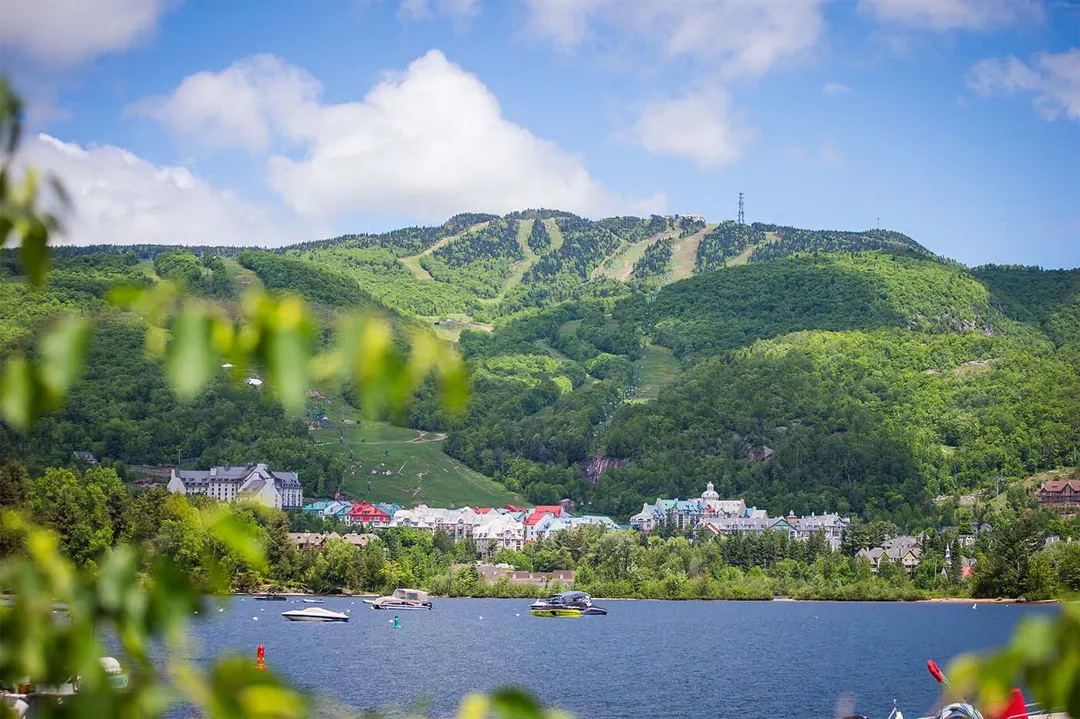
If skiing/hiking is your thing Mont Tremblant is the place to be. Situated in the Laurentians, it’s an outdoor playground for the entire year.
Winter offers world-class skiing and snowboarding while in summer, lush mountain trails open up for hiking and mountain biking.
Best Time to Visit
In the winter, there’s skiing. In the summer, hiking (and stunning green landscapes). In the fall, there’s a tapestry of stunning leaves.
Precautions
Ski slopes get busy on weekends; weekdays are quieter. If hiking, resort to marked trails and be mindful of the weather.
Culinary Experiences
13. Poutine in Montreal
Poutine is a defining Quebec comfort food rather than an official national dish of Canada. The classic version combines fries, fresh cheese curds, and hot brown gravy.
Montréal has many specialist counters and late-night restaurants, including La Banquise, but quality depends on crisp fries, squeaky curds, and gravy added close to serving.
Try a classic portion before heavily topped versions so you can judge the texture that makes the dish distinctive.

14. Sugar Shacks
In spring time in Quebec, it’s all about the sugar shacks! These are traditional institutions called cabanes à sucre where you learn about the magic that is maple syrup.
A trip here involves gorging on everything drizzled with (or made out of) maple syrup — from maple taffy on the snow to full meals with local specialties.
You can have a small meal or a huge feast and either way it’s an exciting and delicious way to understand the culture and history of Quebec!
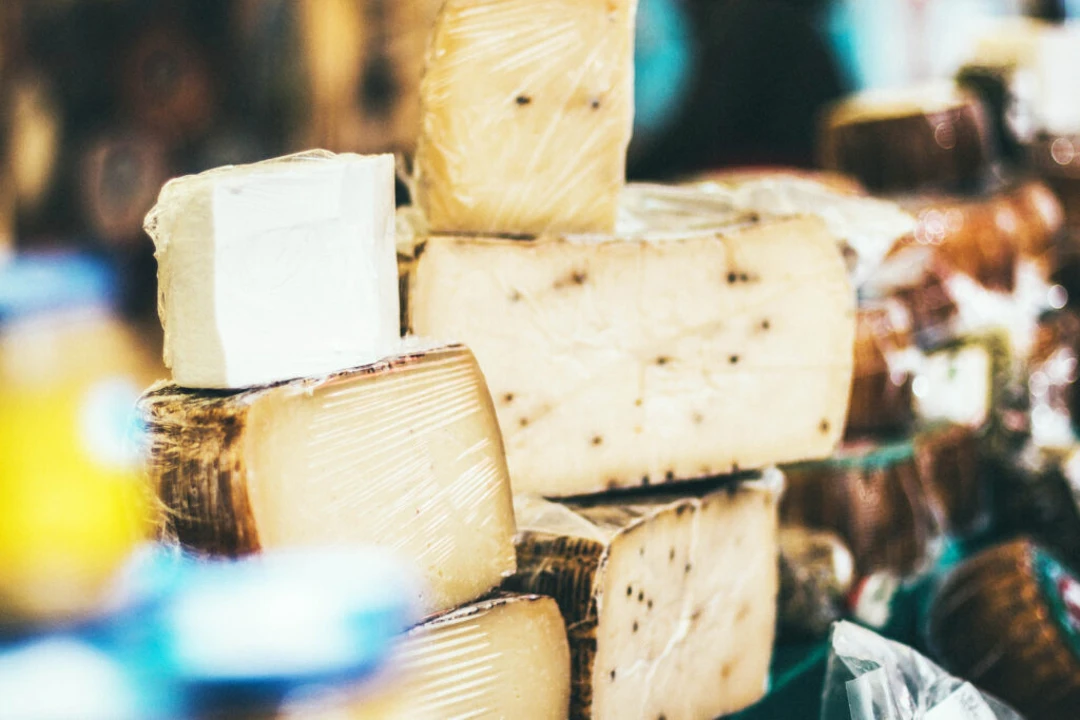
15. Cheese Route
But for cheese lovers, the list of places to visit in Quebec can basically be condensed to the picturesque Cheese Route.
Cheese aficionado or not, you’re in for a real treat with this road, as you’ll drive through rolling farmland and pastureland where all sorts of cheese are hand-made.
You’ll sample all kinds from brie to chèvre, and none will be like anything you’ve ever tried.
Festivals & Events in Quebec
16. Montreal Jazz Festival
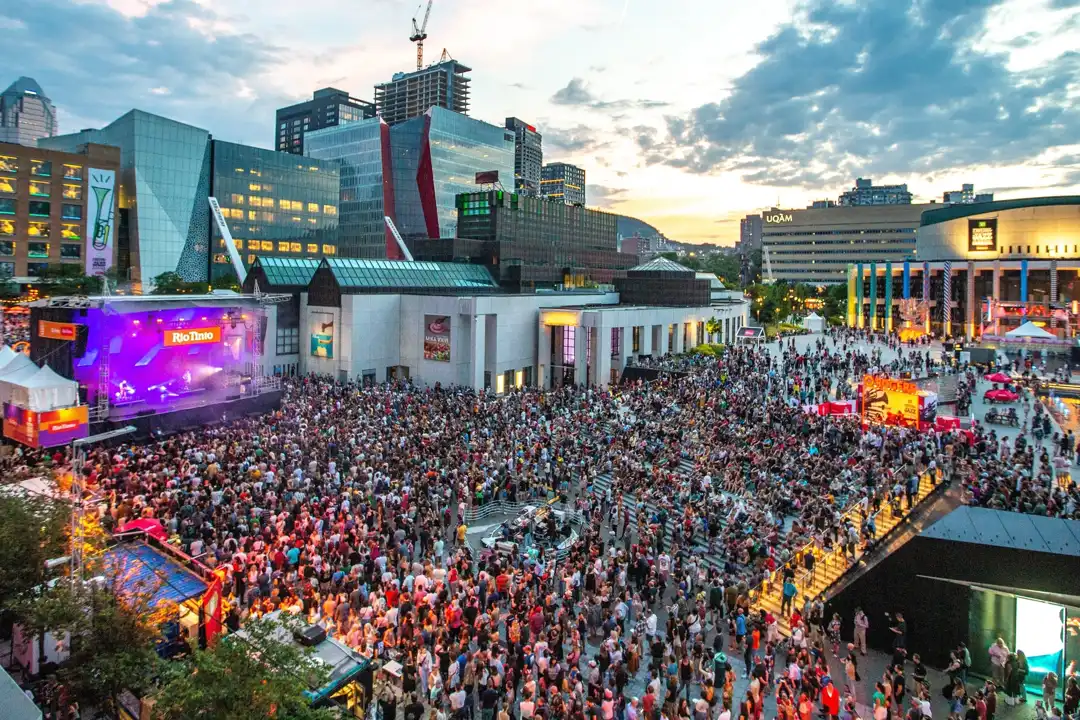
The Montréal International Jazz Festival fills downtown venues and outdoor stages with major acts, emerging performers, and free public programming.
Schedules, admission rules, and venue access vary each year, so choose priority performances first and leave time for outdoor stages rather than trying to cover the entire program.
Best Time to Visit
The festival normally starts at the end of June and lasts until the beginning of July, during the city’s summery peak.
Special Events
Check out the free outdoor shows (and indoor ones, too, for that matter). You could walk around all day — and listen to the entire festival — for free
Precautions
I suggest wearing comfortable shoes that you can stand and walk in a lot. Don’t forget to stay hydrated!
17. Festival d’été de Québec
The Festival d’été de Québec is the summer festival that transforms Quebec City into a music lover’s dream destination.
For 11 days in July, stages overflow with music of all kinds.
The energy is palpable as the streets come alive and the city plays host to international acts basking in the summer sun.
The music and the crowd are intoxicating, and it all feels like one big party celebrating music.
Best Time to Visit
The festival usually falls in July when the weather is just right for outdoor concerts.
Special Events
Headline shows and special programming vary by edition. Confirm the official schedule before relying on a particular closing-night event or production.
Working Group crowds are intense, so it’s best to decide on who you absolutely want to see before the festival begins.
18. Winterlude
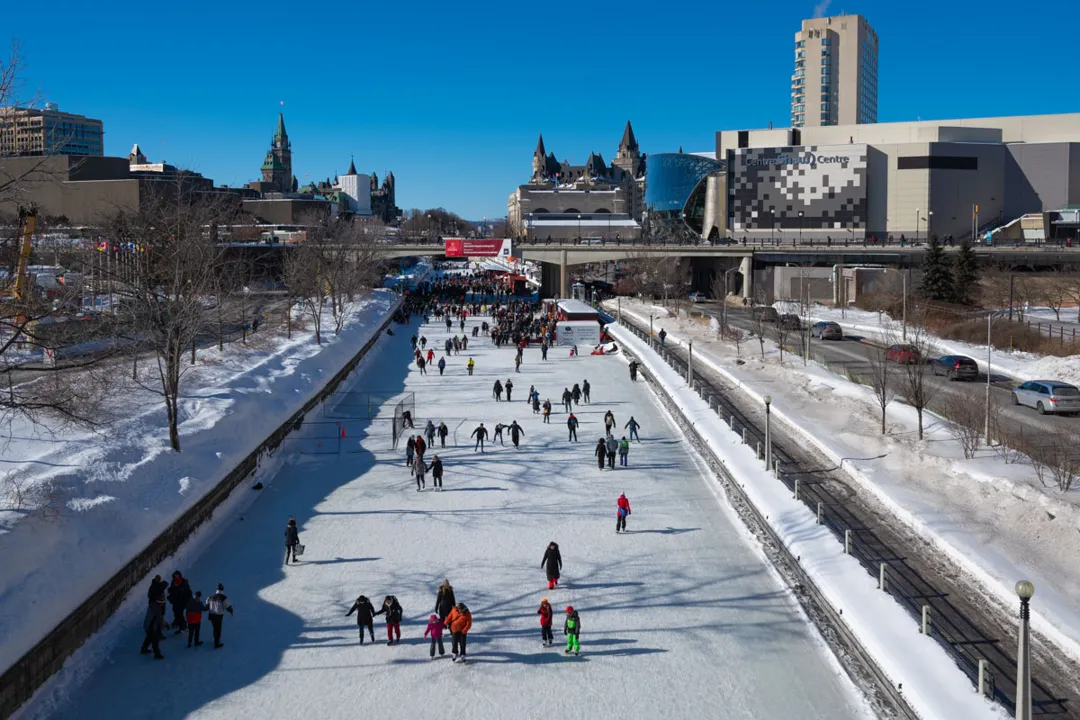
Winterlude is the flagship winter festival of Canada’s National Capital Region, with programming on both sides of the Ottawa River in Ottawa and Gatineau.
Winterlude spans Ottawa and Gatineau, so it works as a cross-river add-on rather than a Quebec-only event. Pairing it with winter attractions in Ottawa helps you plan museums and indoor stops around changing ice conditions.
Gatineau activities can include Snowflake Kingdom and other family programming, while Ottawa sites add museums, public art, and seasonal outdoor activities. Treat it as a two-city festival and allow time for cross-river transport.
Best Time to Visit
Winterlude is normally held in February, but exact dates, venues, and ice-dependent activities vary. The official Winterlude information should guide transport and event planning.
Special Events
The ice sculpting contests are a highlight. Artists transform ice into sculptures before your eyes. It’s impressive.
Precautions
Layer for Ottawa–Gatineau winter weather and wear warm, waterproof boots. Check wind chill, transit changes, and ice conditions before spending a full day outdoors.
Local Neighborhoods in Quebec
19. Plateau Mont-Royal (Montreal)
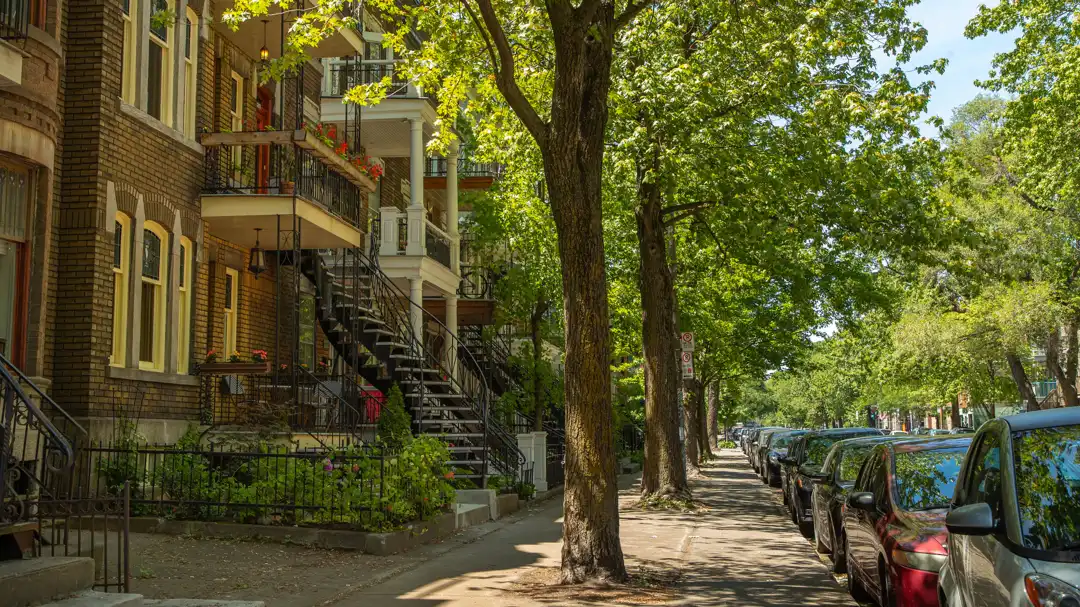
Plateau Mont-Royal rewards slow neighborhood walking, while a broader plan for Montreal city experiences can connect its food, art, markets, and Old Port without excessive backtracking.
This was a great area to just wander around and get lost in. It’s a very relaxed area too. Everywhere you look, something new is happening.
20. Île d’Orléans
Crossing the bridge to Île d’Orléans is like traveling to another time, even though it’s located just outside Quebec City.
Considered the “garden of Quebec,” this island is a great destination for foodies and anyone who loves craft products.
The island is dotted with farms, cideries, and farmers markets galore, giving you a chance to experience rural Quebec.
Go around the island and come full circle, and see this magical place where gastronomy mingles with beautiful scenery.
21. Magdalen Islands
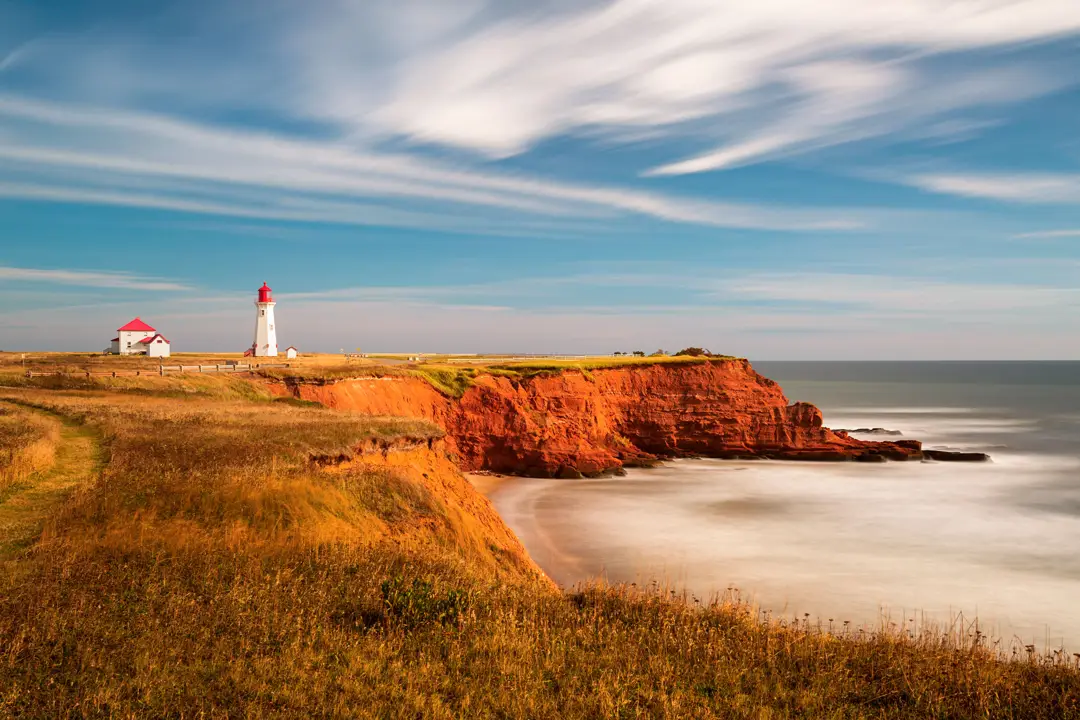
The Magdalen Islands are a remote Gulf of St. Lawrence archipelago where beaches, fishing communities, and Acadian and francophone culture shape the trip.
The vivid maritime hues, the tightly knit communities in and around the small coastal towns — the archipelago setting makes for great atmosphere.
If you like seafood, you’ll be in heaven: from the fish market to the hole-in-the-wall seafood shack, the local catches are delicious and unparalleled.
When you visit the islands you discover a way of life that is steeped in the ocean and its treasures.
Build a Realistic Quebec Route
A four-day trip is best kept to Montréal or Québec City plus one nearby excursion. With seven to ten days, you can connect both cities by rail and add Charlevoix, Île d’Orléans, Mont-Tremblant, or another region without spending every day in transit.
For current attraction schedules, regional transport, and seasonal announcements, use the official Quebec tourism planner before locking non-refundable bookings.
Trip length | Best scope | Pacing rule |
|---|---|---|
4 days | Montréal or Québec City plus one nearby excursion | Keep one hotel base and avoid a remote region. |
7 days | Montréal and Québec City plus a slower food or nature day | Use rail between the two cities and limit hotel changes. |
10+ days | Add Charlevoix, the Laurentians, Gaspésie, or the Magdalen Islands | Check drive time, ferry or flight schedules, and weather buffers first. |
A route that looks compact on a map can still become tiring after parking, check-in, weather delays, and seasonal opening hours. Protect at least one slower day instead of treating every transfer as sightseeing time.
Practical Visiting Tips
Language Tips
French is Quebec’s official language, while English availability varies by place and service. A quick overview of languages spoken in Canada helps set realistic expectations outside major tourism zones.
If you want to increase your cred with the locals, brush up on your “Bonjour” (Hello) and “Merci” (Thank you).
It’s a great way to engage with the culture and express your gratitude too.
Where to Stay
Selecting the appropriate accommodation can make your Quebec experience.
In the cities, hotels get you close to the action, while in the countryside, rural lodges and charming B&Bs get you close to nature.
Just be sure to book in advance — these places fill up fast.
Stay Safe & Comfortable
Use normal city precautions, secure valuables in busy festival areas, and prepare carefully for winter weather or remote drives. Safety conditions vary by neighborhood, season, road, and outdoor activity, so avoid treating the entire province as risk-free.
For nature trips, share the route, carry water and layers, follow closures, and leave enough daylight for the return. In cities, plan late-night transport and keep accommodation details available offline.
Money & Connectivity
Most places accept cards, but keep some cash for rural markets, small vendors, and tips. An iRoamly travel eSIM can keep reservation messages and mobile payment verification available, though offline payment backup is still wise.
You won’t struggle to get online, as there’s plenty of free Wi-Fi in the cities and towns.
FAQ
1. Is tipping expected in Quebec?
Yes, 15–20% in restaurants; rounding up taxi fares and small tips in cafes is also customary.
2. Are credit cards widely accepted?
Yes, most places accept Visa, Mastercard, and American Express. Carry some cash for small vendors or rural areas.
3. Are pets allowed in public spaces?
Dogs are generally allowed in parks, some outdoor trails, and pet-friendly accommodations, but check individual rules for restaurants and museums.
4. Is Quebec safe at night?
Major cities are generally safe, but take usual precautions in less busy neighborhoods or late-night streets.
5. Are there language-specific tours available?
Many major attractions offer French and English visits or materials, but availability varies by date and region. Confirm the language when reserving a timed tour.
6. How many days do you need for Quebec?
Four days suits one major city and a nearby excursion; seven to ten days allows Montréal, Québec City, and one additional region without turning every day into a transfer.
Conclusion
Quebec works best when the route matches the traveler’s time: focus on Montréal or Québec City for a short break, then add Charlevoix, the Laurentians, Gaspésie, or the Magdalen Islands only when transport time is realistic.
History, museums, food, festivals, and outdoor landscapes can fit one trip, but not all 21 experiences at once. Choose one or two themes, verify seasonal schedules, and keep weather and reservation flexibility in the plan.
With that pacing, the province feels varied rather than rushed, and each region has enough time to show its distinct culture and landscape.