
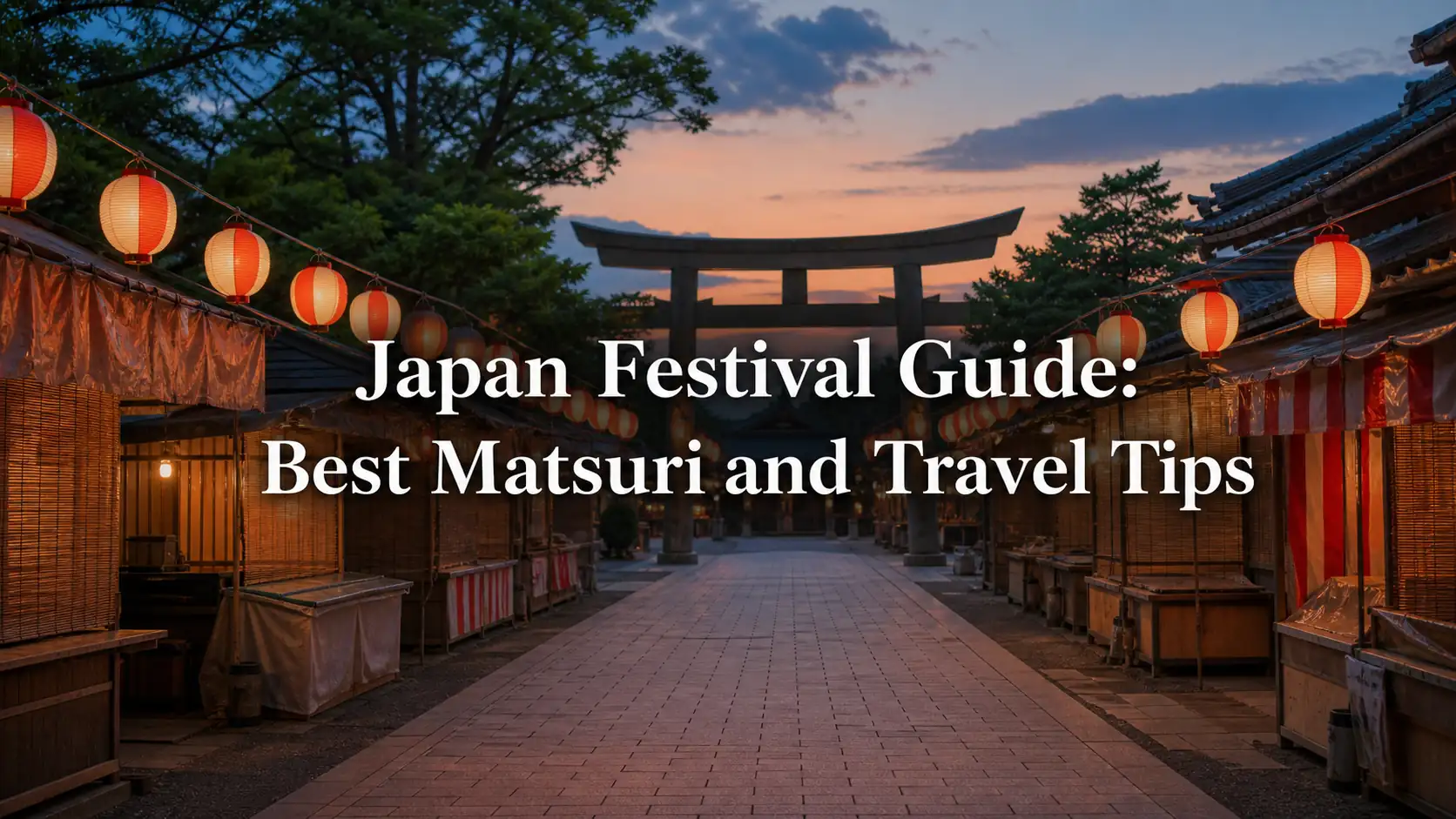
A Japan Festival trip is one of the easiest ways to feel the country shift from sightseeing mode into local life. Streets close, lanterns go up, food stalls appear near stations, and the best moments often happen just before or after the main parade.
Because festivals in Japan can be crowded, seasonal, and sometimes spread across several neighborhoods, a little planning matters. If you are moving between Kyoto, Aomori, Tokushima, Sapporo, or smaller festival towns, the Japan festival mobile data can provide mobile data in Japan while your chosen apps handle train updates, maps, translation, and accommodation messages.
This guide walks through the best matsuri seasons, classic festival picks, timing advice, transport habits, etiquette, food, and mobile connectivity so you can plan a Japan Festival day that feels lively rather than rushed.
What Makes a Japan Festival Worth Planning Around?
A good matsuri is more than a performance. It is a local calendar moment, often tied to a shrine, temple, harvest, historical event, seasonal flower, dance style, or community tradition.
Travelers usually notice three things first: the route changes, the sound, and the food. Streets that felt ordinary in the afternoon may turn into a parade corridor by evening, with drums, flutes, lanterns, festival carts, and temporary food stands reshaping the whole area.
Local identity: Gion Matsuri feels different from Aomori Nebuta because each city has its own history, materials, music, and pace.
Seasonal mood: Summer festivals often mean evening dances and lanterns, while winter events focus on snow, light, and warm food.
Public transport impact: Popular festivals can change bus routes, crowd station exits, and make taxis slower than walking.
Accommodation pressure: Small cities with famous events can sell out far earlier than a normal weekend.
The trick is to treat a festival as the center of the day, not as a quick stop between several attractions. That gives you room to arrive early, eat nearby, find a calm viewing spot, and leave without joining the biggest rush.
Best Japan Festival Seasons for Travelers
Japan has festivals throughout the year, but the travel feel changes sharply by season. Use the table below as a planning filter, then check the latest official festival page before booking transport or hotels.
Season | Best Festival Style | Good Examples | Planning Note |
|---|---|---|---|
Spring | Flower events, shrine processions, traditional town festivals | Fuji Shibazakura Festival, Takayama spring festival, Kyoto spring rituals | Book around cherry blossom and Golden Week demand with extra care. |
Summer | Lanterns, dances, float parades, fireworks, Obon events | Gion Matsuri, Aomori Nebuta, Awa Odori, Yamagata Hanagasa | Expect heat, late nights, street closures, and packed trains after the finale. |
Autumn | Harvest events, float displays, food festivals, shrine rituals | Takayama autumn festival, regional lantern and temple events | Weather is usually easier for walking, but mountain towns cool quickly after dark. |
Winter | Snow sculptures, illuminations, fire rituals, New Year customs | Sapporo Snow Festival, winter light events, local shrine celebrations | Pack for long standing time outdoors, especially in Hokkaido and mountain areas. |
Summer has the densest run of famous matsuri, but it is not automatically the easiest season. If you dislike humid evenings or shoulder-to-shoulder streets, spring and autumn can give you a gentler festival day.
Classic Japan Festival Picks for First-Time Visitors
If you only have one trip, choose a festival that matches your route rather than chasing the biggest name on the calendar. A great festival day is usually the one you can reach, understand, and enjoy without spending half the day in transit.
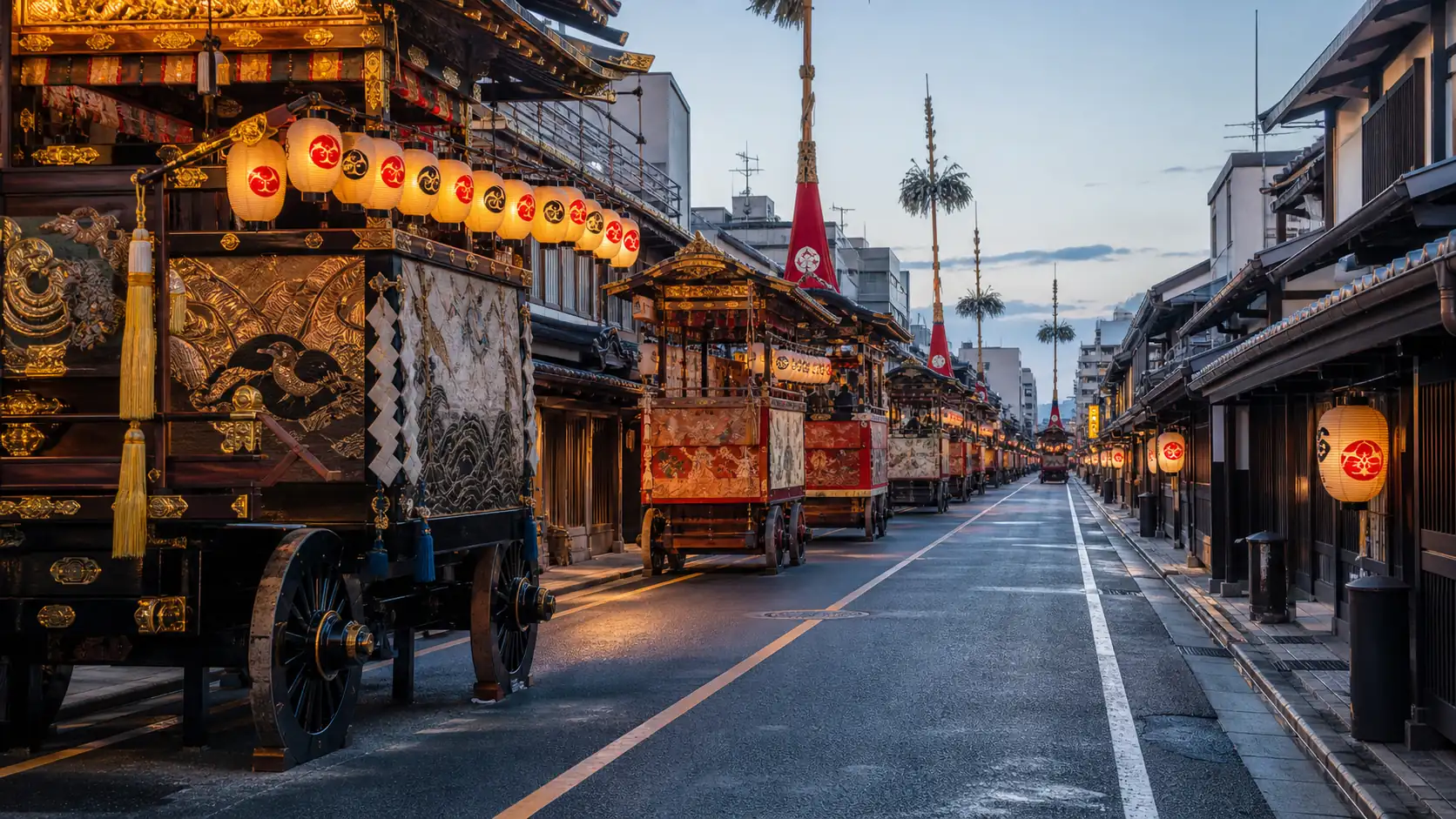
Gion Matsuri in Kyoto
Gion Matsuri is one of Kyoto's signature summer events, held across July with major processions on July 17 and July 24 according to Japan's official tourism information. The yamaboko floats are the draw, but the side streets, lanterns, and evening atmosphere are part of the memory.
Stay near a subway line rather than relying on buses through the parade area. Kyoto buses can be slow on ordinary days, and festival road closures make walking plus rail a calmer choice.
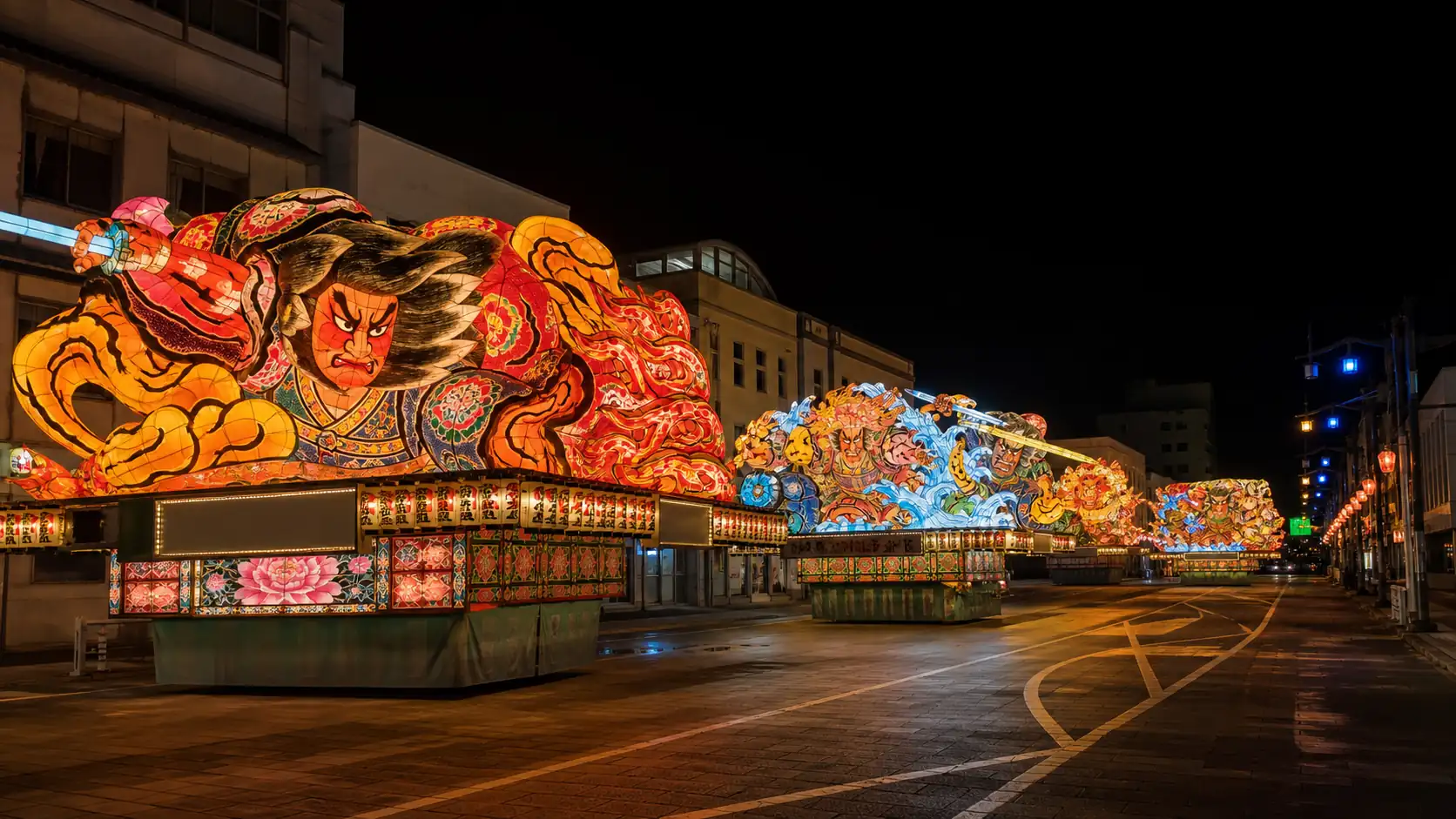
Aomori Nebuta Festival
Aomori Nebuta runs from August 2 to 7 and is known for huge illuminated papier-mache floats. It is a strong pick if your trip already includes Tohoku, or if you want a summer festival with bold night visuals rather than a quiet shrine atmosphere.
Hotels in central Aomori can book quickly, so compare train access from nearby areas before giving up on the trip. Staying one station away may be more comfortable than forcing an expensive central room.
Awa Odori in Tokushima
Awa Odori is Tokushima's famous dance festival, held from August 12 to 15. The energy is different from a float festival because the movement comes from dance groups, music, and the way the city center changes after dark.
If you want the easiest evening, stay within walking distance of Tokushima Station or your viewing area. It saves you from trying to solve a late-night transfer while the streets are still busy.
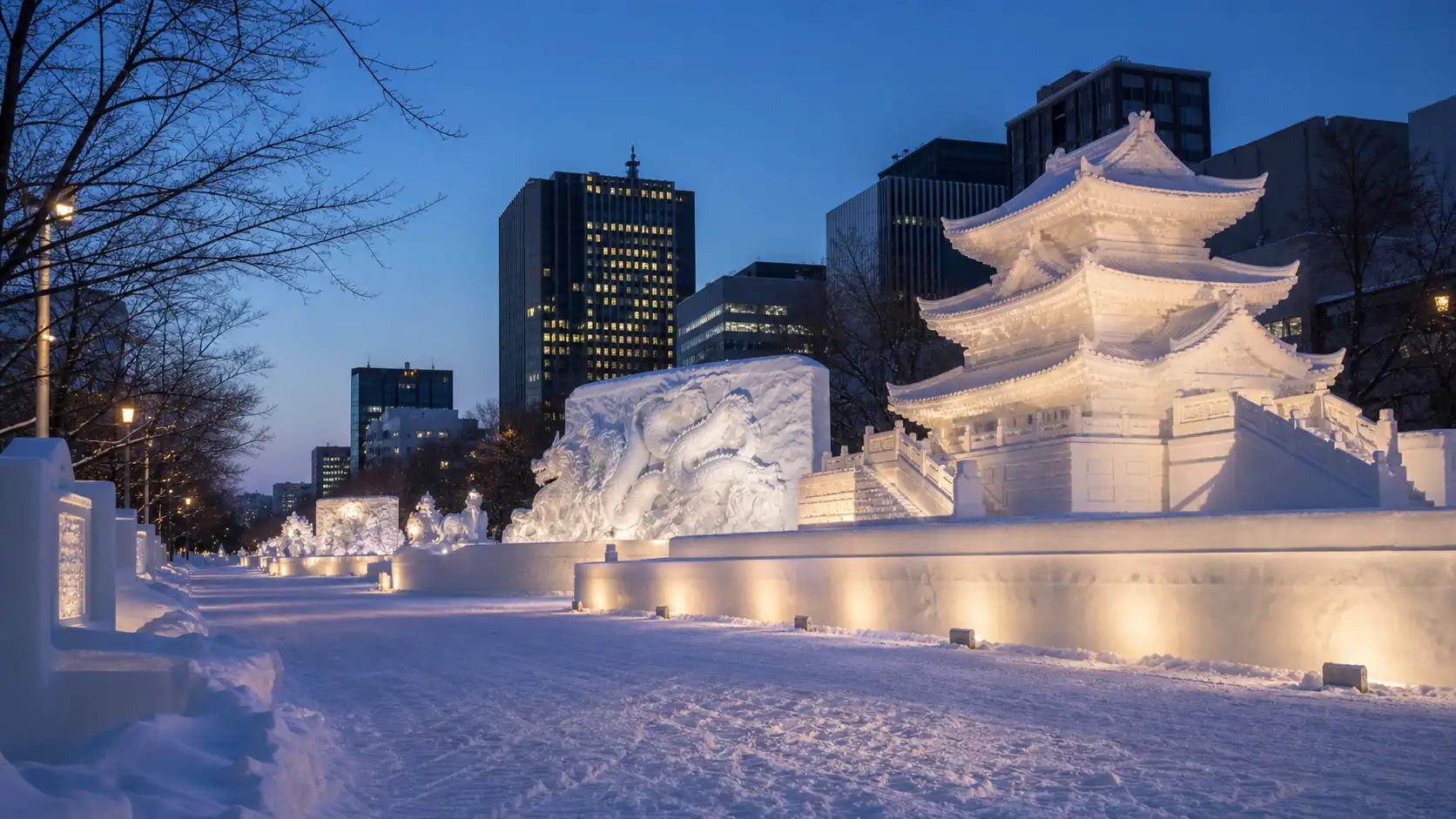
Sapporo Snow Festival
Sapporo Snow Festival usually takes place in early February, with official tourism pages listing Odori Park and other central venues for snow and ice sculptures. It suits travelers who enjoy winter cities, night lighting, and warm regional food between outdoor walks.
Do not underestimate standing time. Warm boots, gloves you can use with your phone, and a flexible dinner plan will make the evening feel much better.
How to Plan a Japan Festival Day
Festival planning is mostly about timing and exits. The main event may last only part of the day, but the crowds can shape your route for hours before and after it.
Choose the festival first, then build the city day around it instead of adding the festival at the end.
Check the official schedule for the exact date, route, ticketed seating, rain policy, and any venue changes.
Arrive early enough to see the area before the main crowd gathers.
Pick an exit station or side street before the finale so you are not deciding in a crush of people.
Keep dinner simple on the festival night, especially when restaurants near the route are full or closing early.
Save your hotel address in both English and Japanese so you can show it quickly if transport plans change.
This sequence may sound a little cautious, but it gives you freedom once you are there. You can stay longer if the mood is good, or leave early without feeling stranded.
Tip: If a festival has a paid viewing area, decide whether you want comfort or movement; reserved seating helps on crowded nights, while standing areas let you follow food streets and side events more freely.
Families, photographers, and solo travelers often need different rhythms. Families may prefer daylight events, photographers may want the blue hour before the lanterns dominate, and solo travelers usually benefit from choosing a clear meeting point even when traveling alone.
Food, Etiquette, and Small On-the-Ground Habits
Festival food is part of the fun, but the best stalls are not always the ones with the longest line. Watch what locals buy, look for quick turnover, and eat before you are too hungry to be patient.
Common festival foods include yakisoba, takoyaki, grilled skewers, kakigori shaved ice, taiyaki, local noodles, sweets, and regional snacks. Winter events lean more toward soups, ramen, hot drinks, and anything easy to eat with gloves off for a short time.
Etiquette is mostly practical. Do not block narrow lanes for photos, keep trash until you find the right bin or take it back to your hotel, and give float teams or dance groups room to pass.
Shrine and temple festivals may include rituals that are meaningful to local residents. Watch quietly when a ceremony begins, follow posted signs, and avoid stepping into roped-off areas just to get a better angle.
Festival Booking and Crowd Checks
Official event dates should be the final check because parade routes, paid seating, and rain handling can change by year. The national Japan festivals and events page is useful for discovering regions, but the city or festival organizer page should confirm the exact date.
Summer is dense with major matsuri, fireworks, and Obon travel. If your route already includes Kyoto, Osaka, or Tohoku, planning around summer festivals in Japan can help you decide whether to commit to one major event or keep the day flexible.
Etiquette is mostly about shared space: no tripod in a narrow lane, no pushing into rope areas, and no leaving trash beside food stalls. Those habits connect with broader festival etiquette in Japan, especially at shrine or temple events where local residents are participating rather than performing for tourists.
Staying Connected During Japan's Festival Crowds
Mobile data becomes especially useful during busy festival periods. You may need to check train delays, look up public transport changes, message your hotel, translate food stall menus, or find a quieter route after the crowds begin to disperse.
If you prefer to have your mobile data ready before you arrive, the iRoamly eSIM options can be convenient to compare before festival crowds start shaping the day. Whether you're attending one or two festivals or following celebrations across multiple cities, you can choose a Japan eSIM plan based on your trip length, data needs, hotspot requirements, IP preferences, device compatibility, and budget.
On festival days, don't rely solely on venue Wi-Fi or public hotspots. Before heading out, save festival maps, your hotel address, meeting points, the last train schedule, and any important screenshots. If you're splitting up with friends, agree on a meeting place in advance. That way, even if stations are crowded, streets are temporarily closed, or the signal becomes unstable for a while, you'll be able to adjust your plans with much less stress.
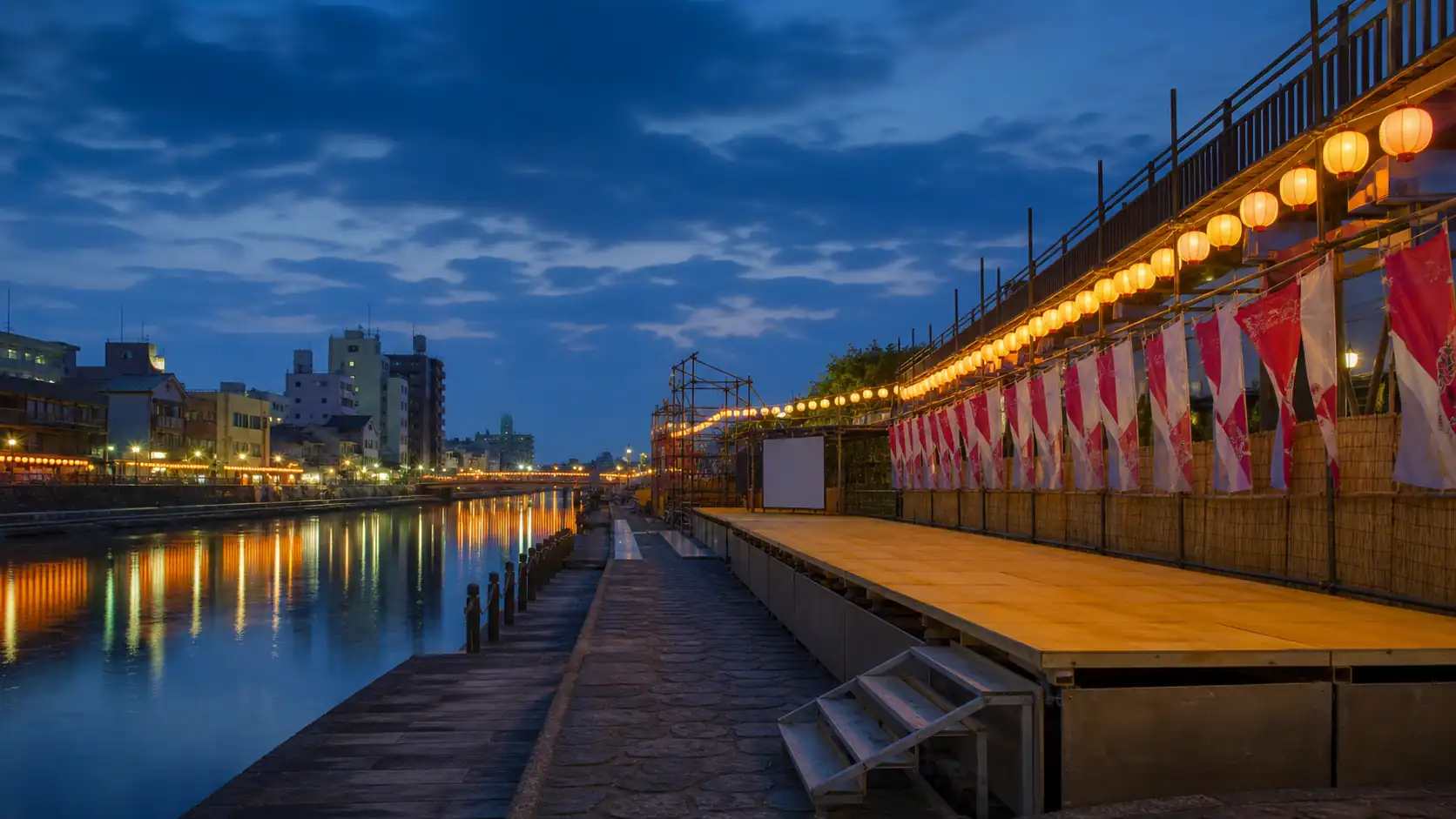
A Japan Festival trip works best when you choose the event around your route, leave space for crowds, and treat transport as part of the plan. The more famous matsuri are worth the effort, but smaller regional festivals can be just as rewarding when the timing fits naturally.
FAQ
1.What is the best month for a Japan Festival trip?
August has many famous summer matsuri, but July, October, and early February are also strong choices depending on the region and festival style you want.
2.Should I book hotels early for Japanese festivals?
Yes, book early for major festivals because central hotels in smaller cities can sell out long before normal travel dates.
3.Are Japan festivals good for first-time visitors?
Yes, they can be a great first-trip highlight if you check the official schedule, arrive early, and avoid planning too many other activities that day.
4.Can I attend a festival if it rains?
Sometimes you can, but outdoor processions, seating, and stage events may change, so check the official event notice before leaving your hotel.
5.Can I join a Japan festival parade as a tourist?
Some festivals allow visitor participation, while others are for registered local groups only. Check the organizer rules before joining a dance line, float team, or paid seating area.
6.How do I avoid crowds after a Japan festival?
Leave before the finale, walk to a secondary station, or wait nearby with food until the first wave clears. Booking a hotel on the same rail line also makes the exit easier.
Conclusion
A Japan Festival can turn a normal travel day into the part of the trip you remember most clearly. The best choice is not always the biggest event, but the one that fits your route, season, and patience for crowds.
Start with the festival calendar, then plan hotels, rail routes, meals, and exit points around the event. Leave yourself time to wander before the main performance, because the quieter side streets often show the local character best.
With official dates checked, comfortable shoes packed, and mobile data sorted before the busiest streets, you can enjoy the drums, lanterns, food, and floats without spending the whole day solving logistics.