
Japan's traditions are easiest to understand when they become more than scenery: the measured turn of a tea bowl, the pause before a kabuki actor's entrance, the weight of a calligraphy brush, or the rustle of a kimono chosen for the season.
What I find compelling is that these practices are not frozen exhibits. Some belong to formal schools, some return with the calendar, and some survive through performers, craftspeople, teachers, families, and visitors willing to participate respectfully.
This guide keeps the original nine experiences—tea ceremony, samurai heritage, hanami, ceramics, calligraphy and ikebana, kabuki, taiko, Noh, and kimono—while adding booking advice, etiquette, seasonality, and realistic ways to take part.
How to Choose a Cultural Experience
Decide whether you want to observe, learn, or perform. A Japan eSIM can be arranged before departure for workshop messages, venue maps, ticket changes, and translation, but good participation begins with reading the host's rules.
Experience style | Best choices | What to confirm |
|---|---|---|
Quiet, guided ritual | Tea ceremony, calligraphy, ikebana | Language, floor seating, duration |
Live performance | Kabuki, Noh, taiko | Program length, subtitles, photography |
Hands-on craft | Pottery, calligraphy, flower arranging | Shipping, drying time, materials |
Seasonal public custom | Hanami | Bloom forecast, park rules, crowd plan |
Dress and place | Kimono rental | Weather, return time, footwear |
Choose one deep experience rather than stacking several short “samplers” into the same day. Workshops and theater make more sense when the schedule leaves time to absorb what happened.
Cultural and Historical Traditions
1. Tea Ceremony
Sadō or chadō, the way of tea, brings together matcha preparation, utensils, architecture, seasonality, movement, and hospitality. The official Japanese tea ceremony guide provides useful background, but the host should lead the etiquette in the room.
Traveler tip: Ask whether chairs are available if kneeling is difficult, wear clean socks, avoid strong fragrance, and do not bring food for garden fish unless the venue explicitly allows it.
2. Samurai Heritage
Samurai were Japan's warrior class, with histories that extend beyond armor and sword demonstrations into governance, ethics, castle towns, art, and social change. Museums in Tokyo, Kanazawa, Nagoya, and other former domains can provide stronger context than a costume-only attraction.
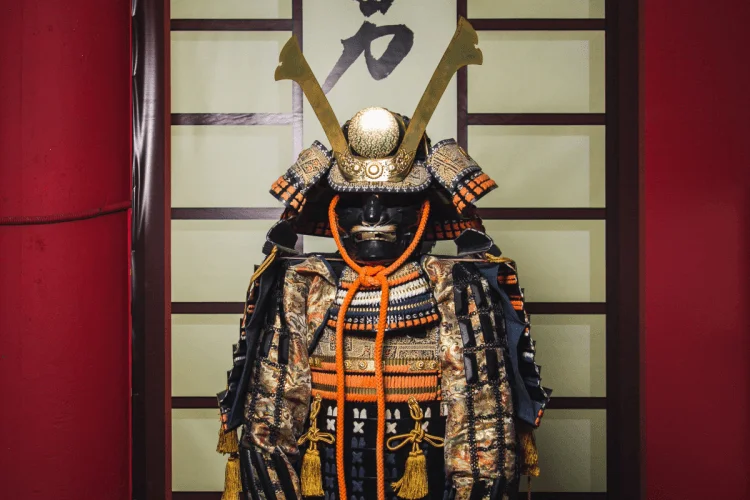
The samurai and Japanese ninja history should not be treated as interchangeable. Compare the venue's scholarly content, artifact provenance, and demonstration safety before booking.
3. Hanami
Hanami is seasonal flower viewing, most famously associated with cherry blossoms and their brief peak. Picnics, walks, evening illuminations, and temple gardens all create different experiences, while dates shift every year by region and weather.
A current guide to Japan cherry blossom season helps plan the region, but keep a backup garden and avoid reserving an entire trip around one forecast.
Traveler tip: Follow local rules on ground sheets, alcohol, rubbish, noise, and reserved spaces; never shake branches or step into planted areas for a photo.
Arts and Crafts
4. Pottery and Ceramics
Japanese ceramics range from everyday regional ware to highly formal tea utensils. Mashiko, Seto, Arita, Bizen, Mino, and other traditions differ in clay, glaze, firing, form, and history, so a workshop is more meaningful when it identifies the local style.
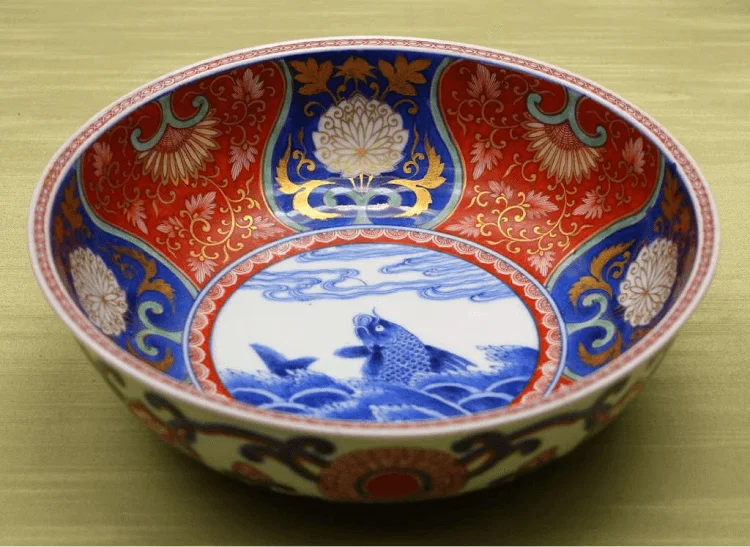
Wheel-thrown pieces may need drying and firing for weeks, making international shipping a real decision. A guide to Japanese souvenirs can help compare a workshop piece with professionally made ceramics that are easier to carry home.
5. Calligraphy and Ikebana
Shodō calligraphy uses posture, breath, brush pressure, and stroke order to create disciplined expression. Ikebana treats line, space, season, and material as part of the composition rather than simply filling a vase.
Traveler tip: Choose a class with translated instruction and enough time for correction. Ask before photographing the teacher's demonstration or finished work.
Performance Arts and Music
6. Kabuki Theatre
Kabuki developed in the early Edo period and is known for stylized acting, music, movement, costumes, makeup, and dramatic stagecraft. Kabukiza in Tokyo is a major venue, but current program length, single-act options, caption services, and ticket rules should be checked directly.
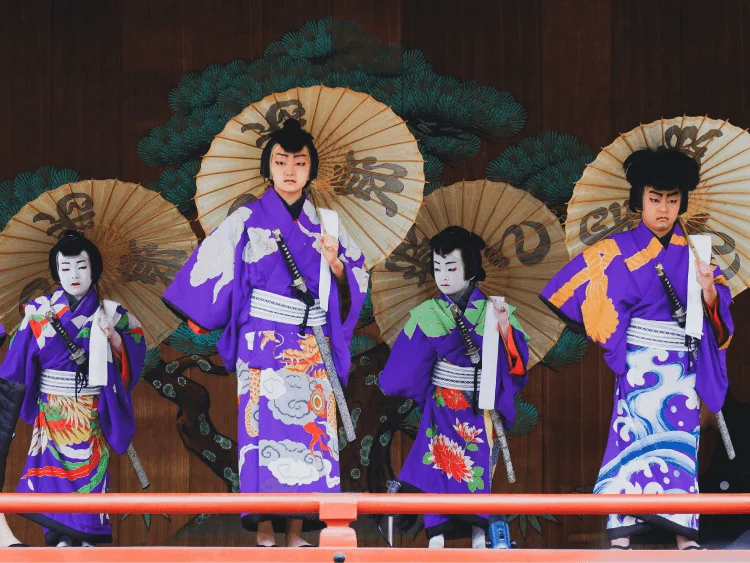
Traveler tip: Arrive early, silence devices, and follow the theater's photography policy. Translation support varies by performance and should not be assumed.
7. Taiko Drumming
Taiko refers to drums and the performance traditions built around them. Ensemble taiko can be athletic and communal, but styles vary between festival, temple, stage, and teaching contexts.
Traveler tip: A beginner workshop is better than imitating a festival performance. Tell the teacher about hearing sensitivity, injuries, or mobility limits before class.
8. Noh Theatre
Noh is a classical form shaped in the fourteenth century, combining masks, chant, dance, instruments, poetry, and highly controlled movement. Its slow pace and symbolic language differ sharply from kabuki's theatrical immediacy.
Traveler tip: Read a short synopsis or attend an explanatory program first; understanding the central spirit, memory, or transformation can make the minimal staging much more legible.
Traditional Attire
9. Kimono Wearing
Kimono are not one universal costume: fabric, lining, formality, obi, accessories, age, season, and occasion all matter. Visitor rental is common in Kyoto and other cities, and a reputable dresser can guide a respectful, weather-appropriate choice.
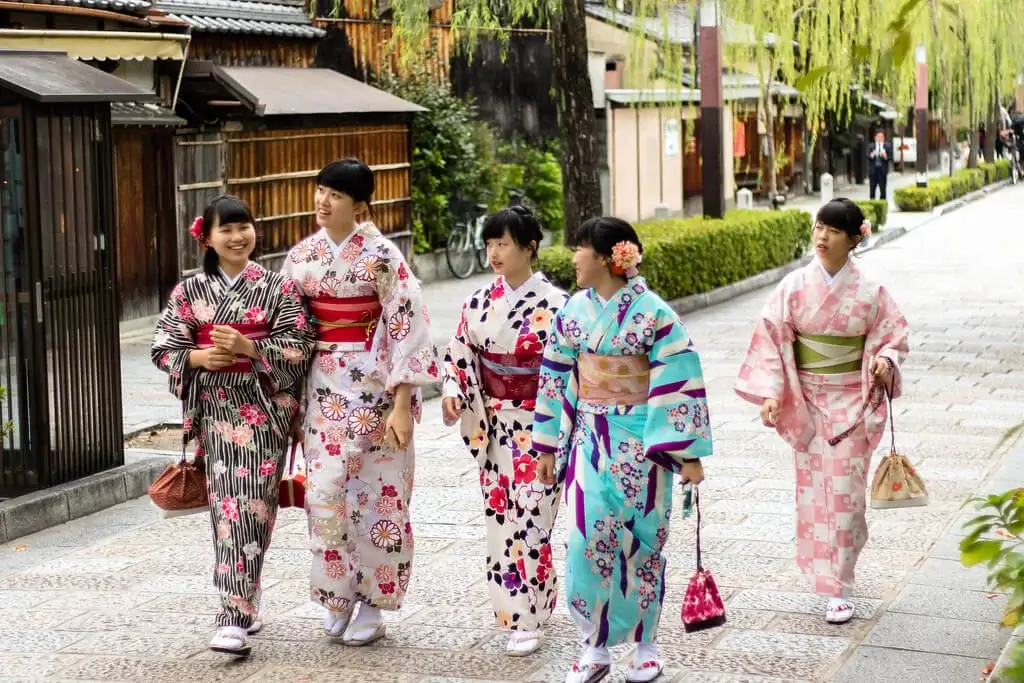
Traveler tip: In hot weather, a yukata may be more practical than a formal lined kimono. Confirm return time, hair styling, rain policy, footwear, and whether the route includes steep stairs.
Practical Tips for Respectful Participation
Hosts generally expect curiosity, not expertise. The iRoamly travel eSIM site can be used to compare current data plans, while offline booking screenshots and venue addresses protect the day if service drops.
Situation | Respectful choice |
|---|---|
Unsure about a ritual | Watch the host and ask quietly rather than copying another visitor |
Photography | Ask before photographing performers, craftspeople, guests, or private lanes |
Dress | Follow venue guidance and prioritize mobility and weather |
Buying crafts | Ask who made the item, how it should be packed, and whether tax or shipping applies |
Seasonal events | Verify dates and local rules instead of relying on an old annual schedule |
FAQ
1. Which Japanese tradition is easiest for a first-time visitor?
A guided tea ceremony, calligraphy class, or single theater act offers clear structure without requiring prior knowledge.
2. Is it respectful for tourists to wear kimono?
Yes when using a reputable rental service, following the dresser's guidance, and behaving respectfully at religious and residential sites.
3. Do I need to speak Japanese for a workshop?
No, but confirm English or translated instruction before booking and arrive with the reservation details saved.
4. When is hanami season?
Dates vary by region and year, usually moving from warmer southern areas toward northern Japan; follow current forecasts.
5. Is kabuki or Noh better for beginners?
Kabuki is often more immediately visual, while Noh rewards advance context and patience; a short program or synopsis helps with either.
6. Can I take home pottery made in a workshop?
Often yes, but firing may take weeks; confirm breakage, international shipping, address, and payment arrangements before class.
Conclusion
These nine traditions cover ritual, history, season, craft, performance, music, and clothing without reducing Japanese culture to a single visual style.
Choose experiences with credible hosts, read the practical conditions, and participate with enough time to understand the form rather than only collect a photograph.
Respectful curiosity turns a tea bowl, blossom picnic, drumbeat, stage, brushstroke, or kimono fitting into a more meaningful connection with living cultural practice.