
The best souvenirs from Japan are easy to pack, meaningful to the recipient, and sourced with enough context to distinguish regional craft from mass-market merchandise.
Store maps, translation, and product research are easier with reliable data. The iRoamly travel planning hub can help organize the practical side of a shopping trip.
This guide groups 22 ideas by traditional crafts, pop culture, technology, and food, then explains tax-free shopping and customs checks.
Traditional and Artistic Souvenirs
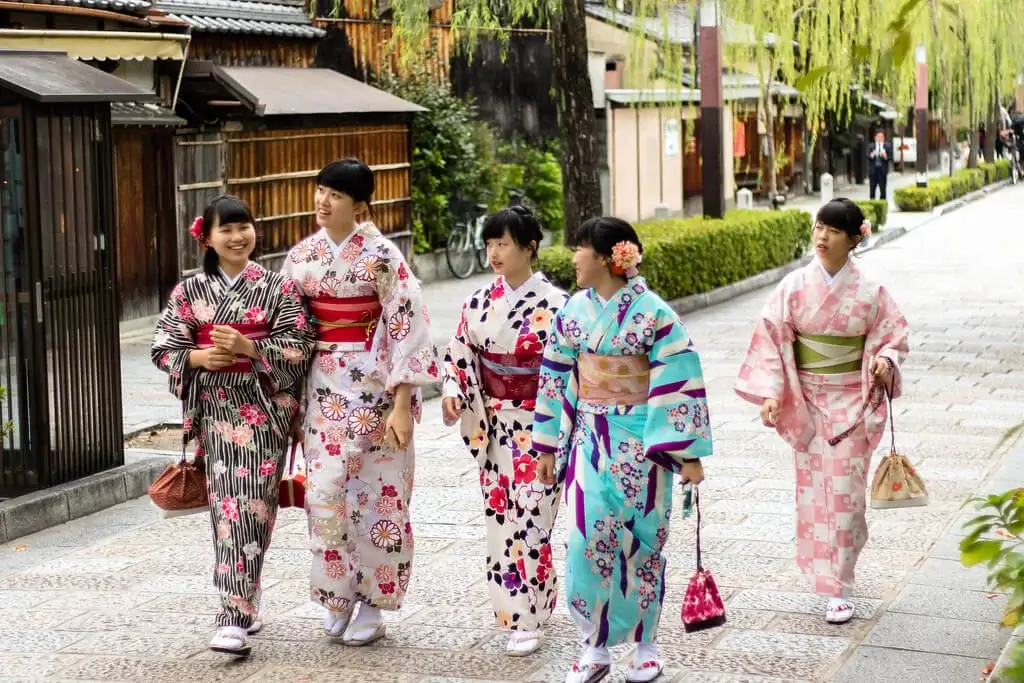
1. Kimonos and Yukatas:
These traditional garb are mainstays of Japanese culture, and can be as suited to wear at a festival or event as they are to being used as home decor.
Where: Asakusa markets are a good bet for authentic, affordable kimonos.
How much: From around ¥5,000-¥20,000
2. Lacquerware:
A technique that produces elegant, glossy coatings with extraordinary depth, lacquerware is almost as tough as it is beautiful.
Where: Kanazawa is famous for lacquerware.
How much: From around ¥3,000-¥15,000
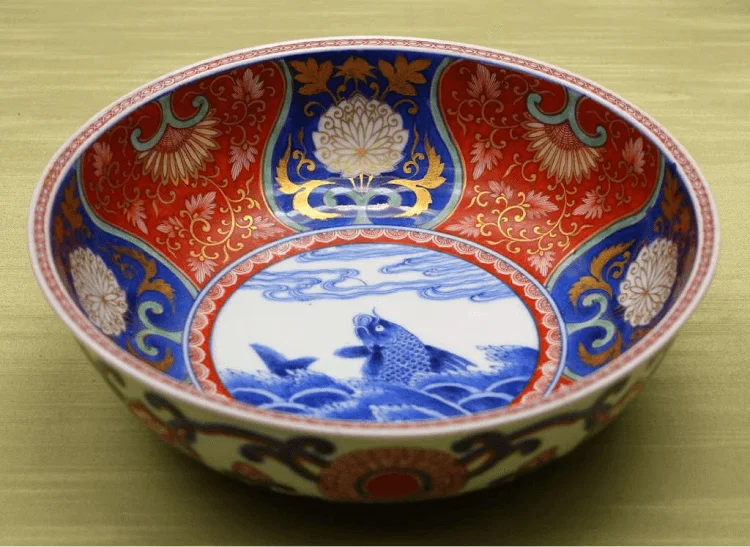
3. Ceramic and Pottery:
Japan is absolutely full of pottery, with different regions having their own distinct styles and glazes.
Where: Pop into the kilns in rising to see pieces being made.
How much: From around ¥2,000-¥20,000
4. Japanese Folding Fans (Sensu):
Practical, beautiful, and often season or nature-themed, sensu are lovely to collect.
Where: Pick up hand-painted fans in Kyoto.
How much: From around ¥1,000-¥10,000
5. Samurai and Ninja Gear:
It's not all culture: some samurai or Japanese ninja souvenirs are cool. Expect replicas, though.
Where: Find gift shops in tourist sites such as Tokyo or Kyoto.
How much: From around ¥2,500 ¥30,000
6. Noren Curtains:
Noren are fabric dividers used in homes and restaurants, often bearing beautiful designs and traditional Japanese motifs.
Where: You can buy them in home goods stores throughout Kyoto.
How much: ¥1,500-¥10,000
7. Japanese Calligraphy Sets:
Sets come with brushes, ink, and paper, making a perfect gift for anyone interested in Japanese arts.
Where: Seek out the best at art supply stores in Tokyo.
How much: ¥2,000-¥12,000
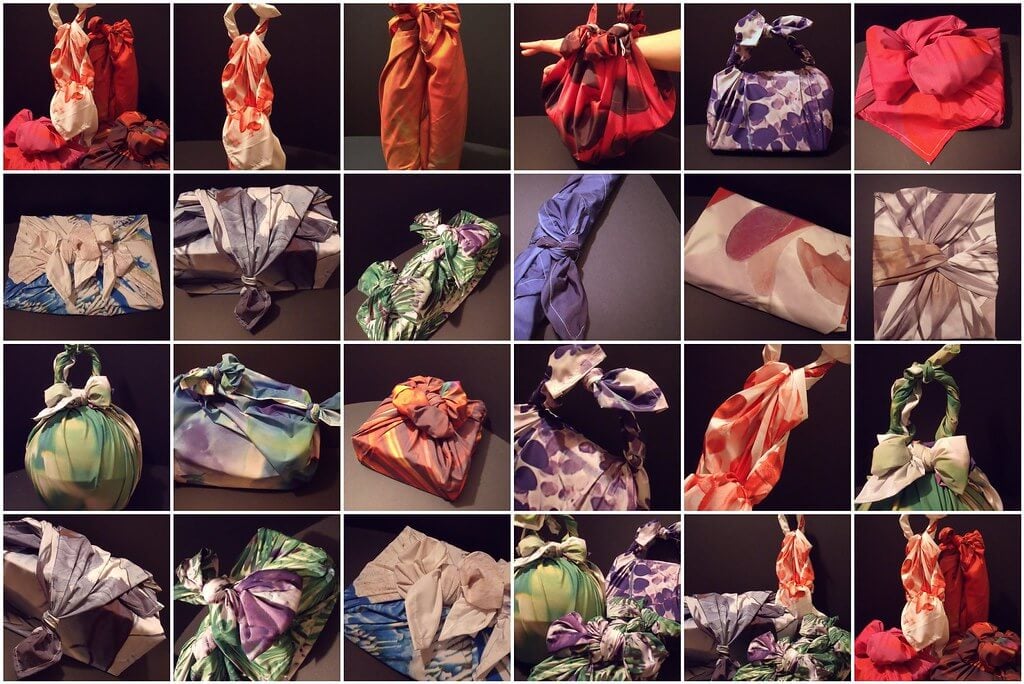
8. Furoshiki (Wrapping Cloth):
A reusable cloth that can be used to wrap anything: gifts, groceries. They often feature beautiful traditional designs and eliminate the need for wrapping paper.
Where: Seek them out in most department stores in Japan.
How much: ¥1,000-¥5,000
9. Japanese Stationery:
Renowned for its quality and innovative designs, Japanese stationary is perfect for anyone who loves fine writing materials.
Where: Itoya in Tokyo is famous for their selection.
How much: ¥500-¥5,000
10. Kabuki Masks:
Brightly colored masks representing characters from traditional Japanese theater; a favorite period drama souvenir.
Where: Find them at cultural souvenir shops close to theaters.
How much: ¥2,000-¥15,000
11. Japanese Knives:
World-famous for their craftsmanship and precision, Japanese kitchen knives are popular with chefs all over.
Where: Get engravings done in knife shops at Tsukiji market in Tokyo.
How much: ¥5,000-¥100,000+
Craft purchases are strongest when the shop can explain material, maker, and region.
Japan shopping guide broadens the comparison beyond souvenirs alone.
Ask for care instructions and travel-safe packing before paying.
East Asia Shopping Comparison
Cross-country shopping comparisons should focus on product type, provenance, logistics, and reader value.
Travelers combining countries can compare craft provenance, price structure, and packing limits before assigning shopping days.
China shopping guide provides a parallel product-focused view.
Return to the Japan list by prioritizing items whose regional origin and maker can be verified.
Pop Culture & Tech
12. Anime Figures and Manga:
Good for anime fans of any stripe, figures range from pocket money prices to collector's pieces.
Where: Akihabara is the best bet for rare treasures.
How much: ¥1,000-¥50,000
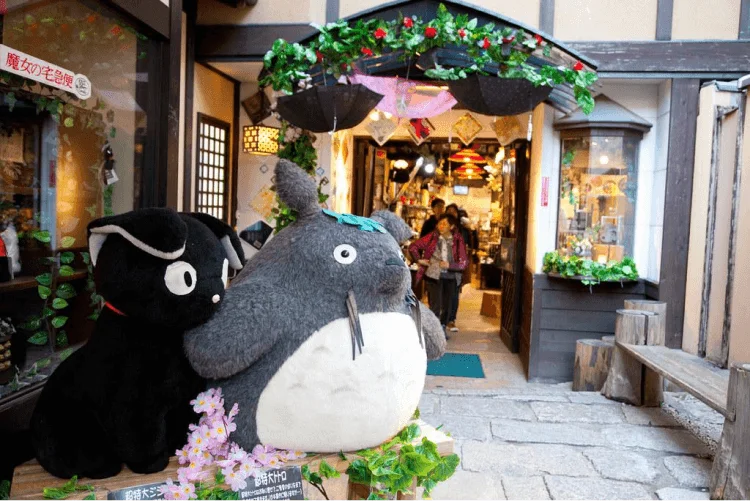
13. Studio Ghibli Merchandise:
Pick from exclusive toys, posters, and more from your favorite Ghibli films.
Where: most are only available at the museum’s shop.
How much: ¥1,000-¥20,000
14. Hello Kitty & Sanrio Goods:
From practical utensils to cuddly toys; if it has a mouthless cat on it, it probably exists.
Where: Stop by Sanrio’s flagship store in Tokyo.
How much: ¥500-¥10,000
15. Pokémon Merchandise:
Plushies, keychain figures, limited edition cards: Poke-goods are perennially popular, no matter your age!
Where: The Pokémon Centers in Tokyo and Osaka are the biggest stores.
How much: ¥500-¥30,000
16. Electronic Gadgets:
Stay ahead of the curve with cutting-edge Japanese tech.
Where: Akihabara is a hot-spot for both new and second hand gadgets.
How much: ¥1,000-¥100,000+
17. Harajuku Fashion Items:
Iconic for their bold and outlandish designs, these fashion items capture the youthful spirit of Japan.
Where: Takeshita Street is the heart of youth fashion.
How much: ¥1,000-¥30,000
18. Japanese Whisky:
Japanese whisky has a smooth taste and a distinctive flavor, which is quite different from the world-renowned Chinese spirits.
Where: Specialist liquor stores commonly hold whisky tasting events.
How much: ¥3,000-¥100,000
Tip: Want to check which stores have rare items or special events for the day? Stay connected with iRoamly Japan trip eSIM and easily get the latest updates.
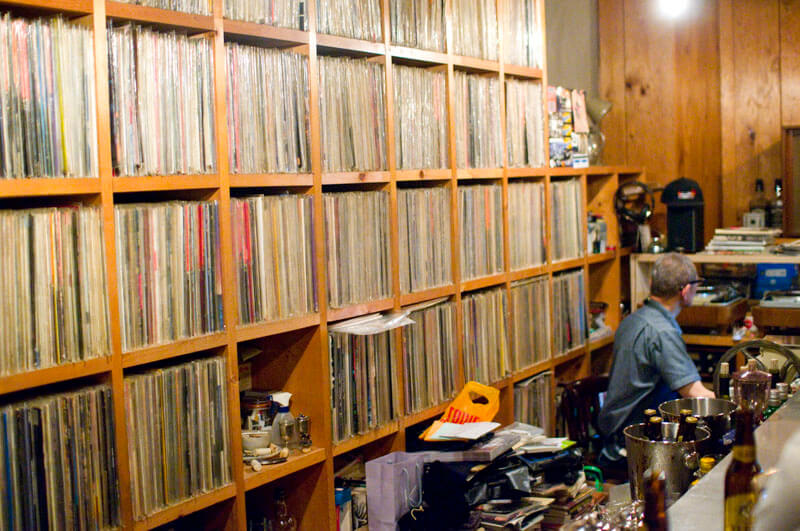
19. Vinyl Records:
Look for special edition Japanese pressings of your favorite albums.
Where: Seek out stores in Shibuya and Shinjuku.
How much: ¥2,000-¥30,000
Stock checks and store maps can save time in large districts such as Akihabara.
Japan eSIM plans can help keep those searches available between shops.
Save model numbers and warranty terms before comparing prices.
Alcohol and Import Checks
Whisky and sake purchases need separate legal, baggage, and customs checks.
Alcohol purchases need both packing space and an understanding of age and import rules.
Japan drinking-age guide explains the local legal context.
Your destination may apply separate duty-free allowances and age rules.
Edible Treats
20. Matcha Products:
Satisfy your taste for Japanese green tea with matcha snacks, drinks, and more.
Where: Uji matcha is particularly renowned for its quality.
How much: ¥500 - ¥5,000.
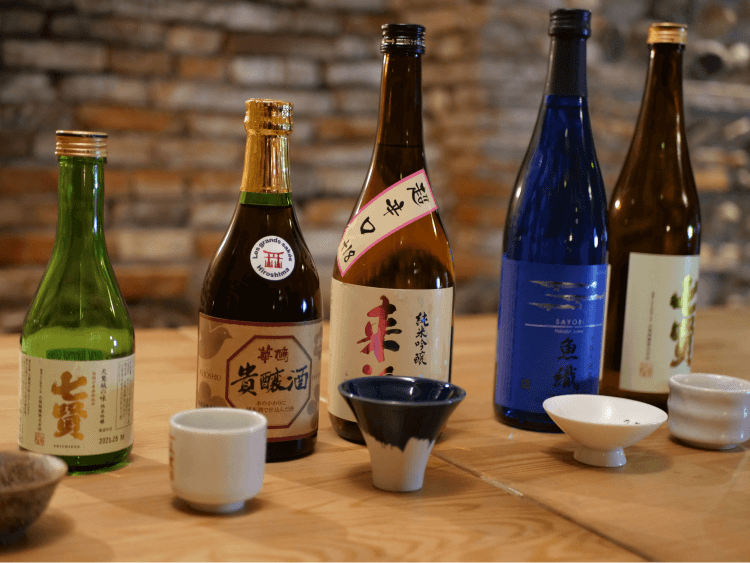
21. Japanese Sake:
Try regional sake during your visit, and bring home your favorite varieties.
Where: Purchase directly from a brewery, often along with guided tastings.
How much: ¥1,000 - ¥15,000.
22. Regional Snacks:
Sample distinct regional flavors with snacks such as limited edition KitKats or artisan mochi
Where: Supermarkets in the region usually have the best selection at lower prices.
How much: ¥300 - ¥2,000.
Food gifts work best when the ingredient label and shelf life are easy to understand.
Japanese sushi guide adds context for one of the country’s best-known food traditions.
Choose sealed products and check customs rules before departure.
Shopping Tax Free
Japan has many must-buy items. Don’t forget if you spend over 5,000 yen in one shop, you can benefit from tax-free shopping by showing your passport. Also look out for shops that offer discounts and even delivery services to make your shopping experience even easier while in Japan.
Planning point | Details |
|---|---|
At purchase | Bring the original passport and use a participating retailer under the current system. |
Before departure | Keep required records and goods available for customs checks. |
2026 transition | Check official guidance near travel because Japan is moving to a refund-based process in late 2026. |
Japan’s tax-free process is governed by official eligibility and purchase rules.
Japan Customs tax-free guidance should be checked close to travel because the system is changing in 2026.
Carry your passport and follow store instructions for handling exempt goods.
FAQ
1. What is the easiest Japan souvenir to pack?
Stationery, textiles, tea, packaged snacks, and small crafts are usually compact. Check destination-country rules before carrying food, plants, alcohol, or animal materials.
2. Where should I buy souvenirs in Japan?
Department stores, station malls, museum shops, craft districts, markets, and specialist stores all work. Regional shops generally provide better provenance.
3. How does tax-free shopping work?
Eligible temporary visitors can use participating stores when current purchase and passport rules are met. The process is changing in late 2026, so check official guidance near departure.
4. What gifts work for coworkers?
Individually wrapped regional sweets, tea, stationery, and small household items are practical for sharing.
5. How do I protect fragile purchases?
Ask for travel-safe wrapping, place rigid items in the center of checked luggage, and carry especially valuable ceramics by hand where airline rules permit.
Conclusion
A strong Japan souvenir reflects a place, maker, or shared experience rather than simply filling suitcase space.
Prioritize provenance, packability, customs rules, and the recipient’s tastes before comparing price.
That approach makes the 22 ideas in this guide easier to narrow into a small, memorable shopping list.