
The best things to buy in China range from region-specific tea and handmade silk to porcelain, calligraphy tools, packaged foods, and electronics. A worthwhile purchase should feel connected to the place, fit your luggage, and be legal to take home.
This guide covers 11 practical categories, where to shop, how to judge quality, and which purchases need extra customs or warranty checks. It also separates useful souvenirs from items that are cheap but difficult to authenticate.
Mobile maps, translation, price checks, and payment notifications make shopping easier. Set up a China eSIM before the trip so you are not trying to activate service at a crowded market.
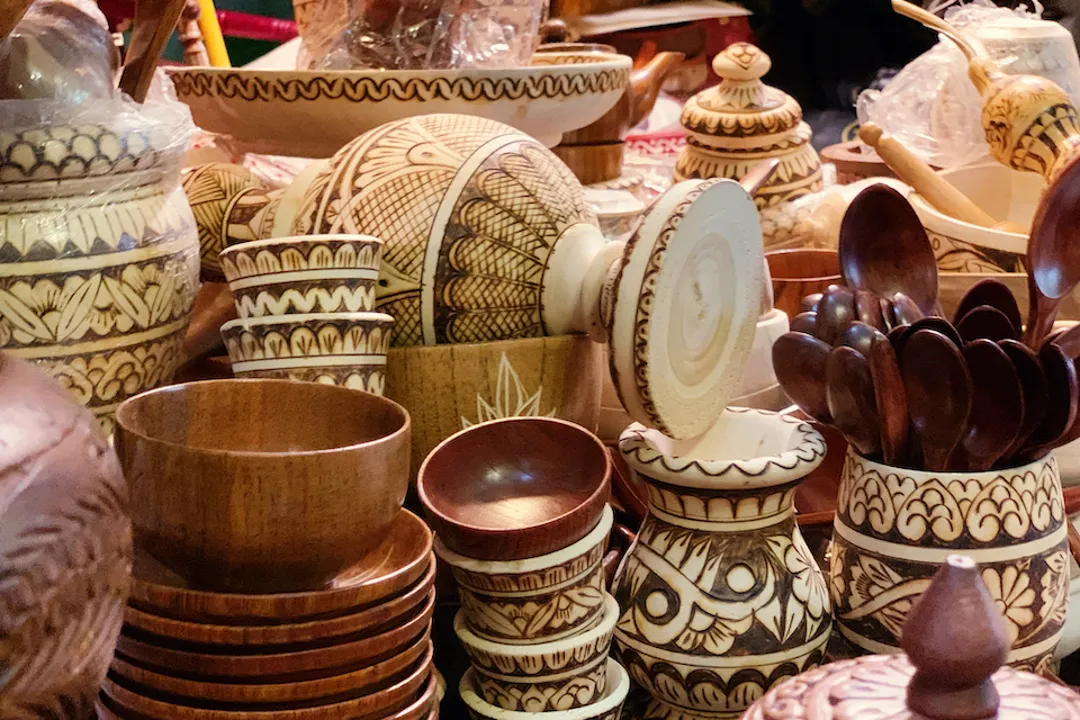
Quick Guide: What Should You Buy in China?
Start with the recipient, luggage space, and your home country’s import rules. Tea and paper crafts are easy to carry, while porcelain, alcohol, batteries, antiques, and animal-derived materials need more planning.
Shopper | Best choices | Check before paying |
|---|---|---|
Food lover | Tea, sealed snacks, hotpot base, regional sweets | Ingredients, expiry date, packaging, destination import rules |
Culture-focused traveler | Calligraphy tools, porcelain, silk, embroidery, jade | Maker, material, receipt, protective packing, export restrictions |
Tech shopper | Phone accessories, cameras, action cameras, chargers | Warranty region, language, plug, radio bands, airline battery limits |
Gift buyer | Tea tins, bookmarks, paper cuts, small ceramics, stationery | Weight, breakability, authenticity, recipient’s preferences |
Ask for a receipt and photograph any authenticity card or serial number. For valuable items, compare at least two reputable stores instead of making a pressured decision at the first tourist stop.
Traditional Chinese Souvenirs
1. Tea and Tea Sets
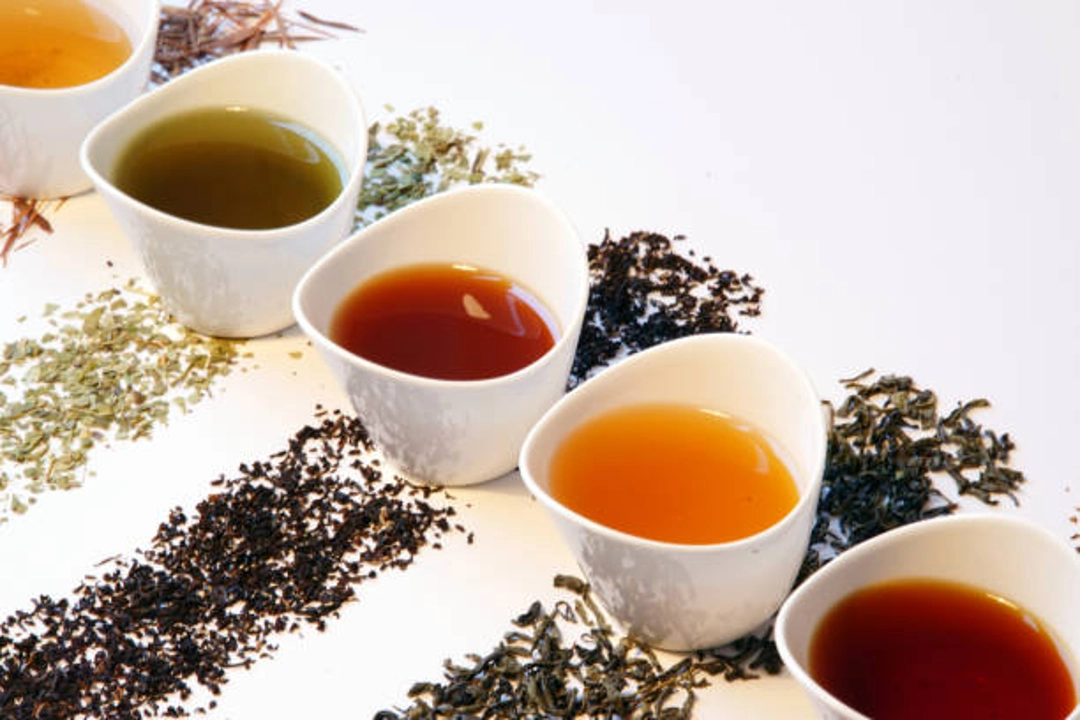
Tea is compact, region-specific, and easy to share. Longjing green tea is associated with Hangzhou, pu-erh with Yunnan, Wuyi rock tea with Fujian, and jasmine tea with several tea-producing regions.
Buy from a tea shop that labels origin, grade, harvest information, weight, and price. Taste before buying when possible, and be cautious of dramatic health claims or “rare” tea offered without traceable packaging.
A small gaiwan, cup set, or sealed tea tin travels more easily than a large clay pot. Pack ceramics in clothing and keep tea dry and away from strong odors.
2. Silk and Embroidery
Silk scarves, embroidered pouches, and small textile panels make light gifts. Suzhou and Hangzhou are well-known shopping bases, while regional embroidery traditions create very different motifs and techniques.
Ask what percentage of the fabric is silk and check the care label. A smooth feel alone does not prove fiber content, so choose a museum shop, established textile store, or named producer for a higher-value purchase.
Inspect seams, color consistency, and the reverse of embroidery. Fold textiles around acid-free tissue or clean paper rather than placing them directly beside toiletries.
3. Porcelain and Ceramics
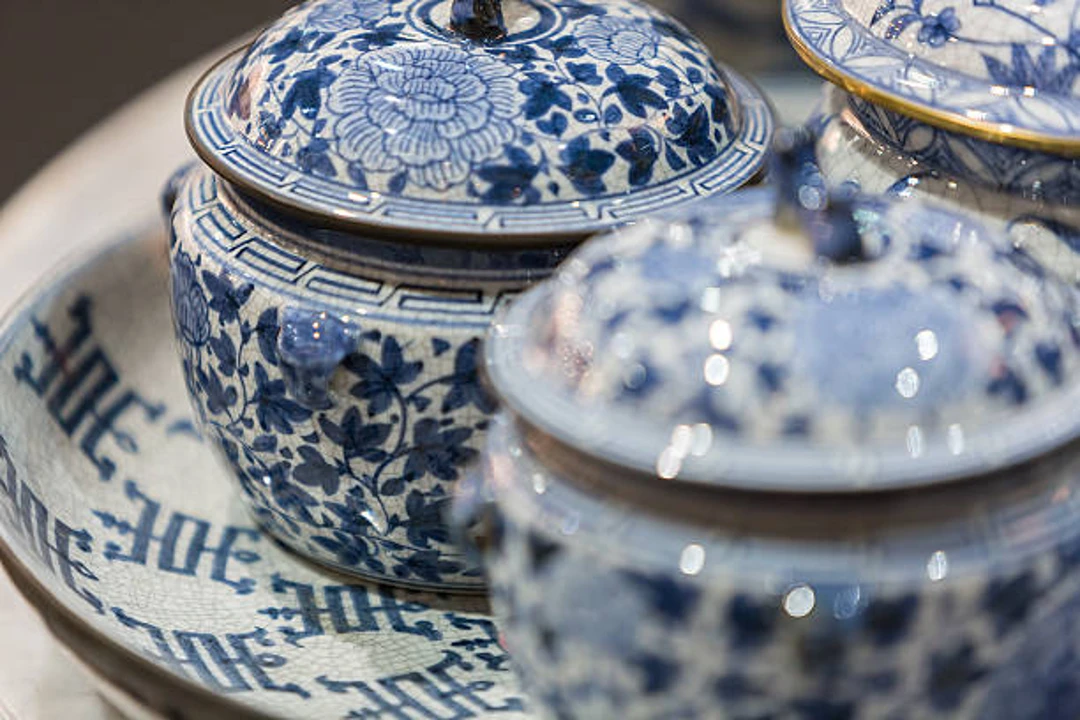
Jingdezhen porcelain, blue-and-white ware, tea cups, and contemporary studio ceramics offer choices from inexpensive to collectible. The best piece is one whose maker, material, and intended use the seller can explain clearly.
Check rims, handles, bases, and glaze for cracks or repairs. If you plan to use an item for food, ask whether it is food-safe rather than assuming every decorative piece is functional.
4. Calligraphy Tools, Paintings, and Paper Crafts
Brushes, ink sticks, paper, seals, fans, woodblock prints, and paper cuts can be meaningful without taking much luggage space. Fuzhou Road in Shanghai and specialist art-supply districts in major cities offer more useful choices than generic souvenir stalls.
For original artwork, ask for the artist’s name, medium, size, and receipt. Do not assume an aged-looking scroll is an antique; genuinely old cultural objects may require documentation and export review.
5. Jade and Jewelry
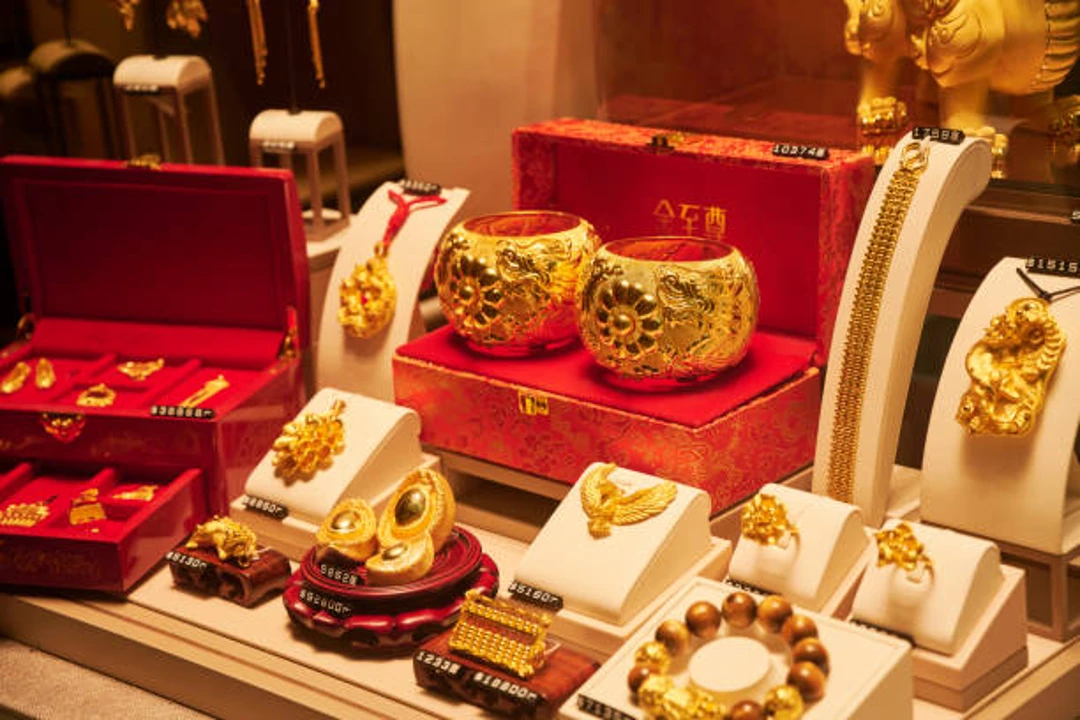
Jade has deep cultural significance, but color and price vary widely across jadeite, nephrite, treatments, and imitations. Read this China jade guide before shopping so the seller’s terminology is easier to evaluate.
For an expensive piece, use a reputable store and request an independent laboratory report that matches the item. Do not rely on scratch, sound, light, or “cold touch” tests as proof of authenticity.
Food and Drink Souvenirs
6. Packaged Snacks and Sweets
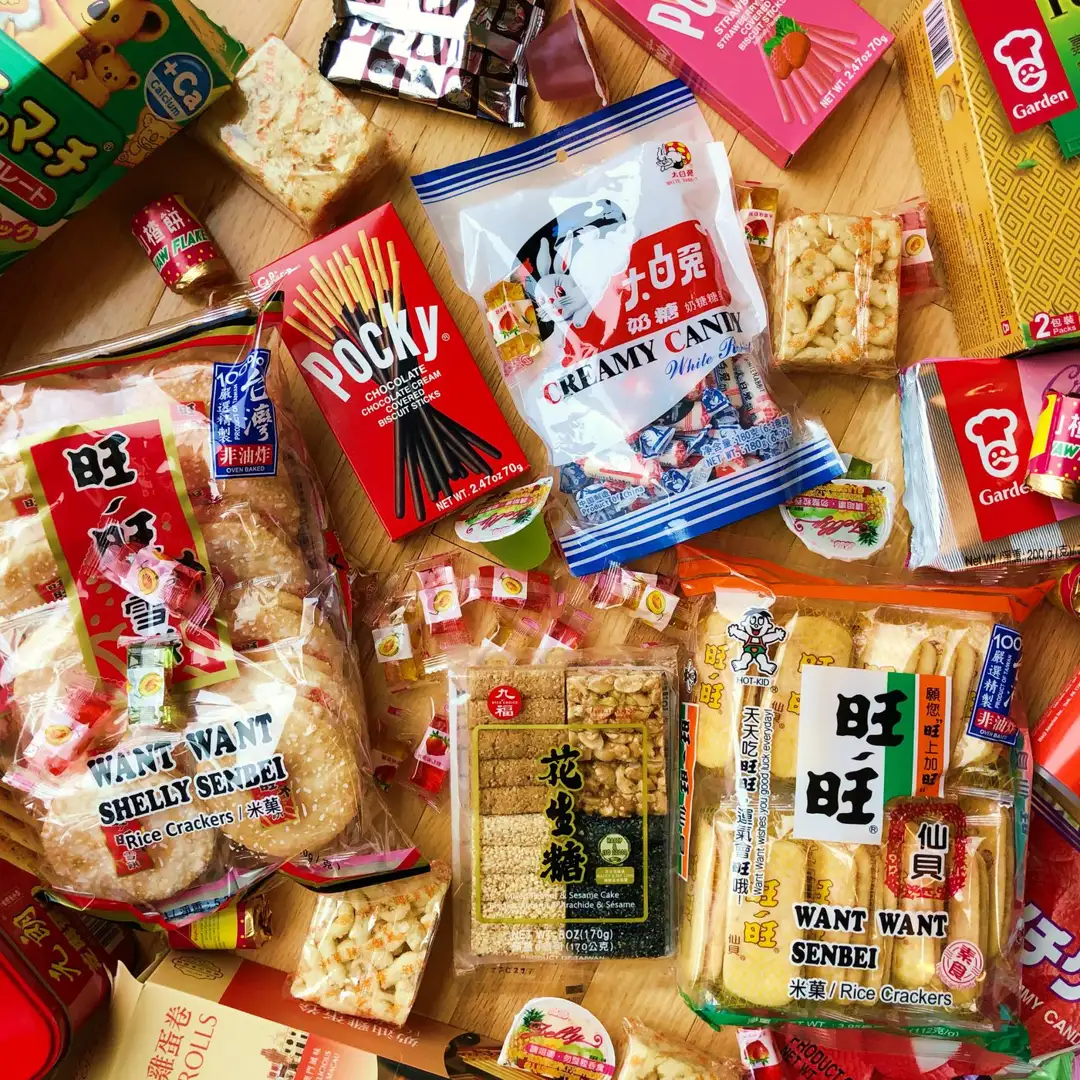
White Rabbit candy, hawthorn products, sesame sweets, nut snacks, and regional pastries are easy gifts when factory sealed. Supermarkets and established food stores usually provide clearer ingredients and expiry dates than loose market displays.
Check for allergens, meat fillings, dairy, and short shelf life. Fresh fruit, meat products, and homemade foods may be restricted by your destination even when they are legal to buy in China.
7. Baijiu and Shaoxing Wine
Baijiu and huangjiu are strongly tied to regional food culture, but they are not the easiest souvenirs. Review this introduction to Chinese alcohol before deciding whether the flavor, bottle size, and alcohol strength suit the recipient.
Buy sealed bottles from a licensed retailer, check the label, and keep the receipt. Airline liquid rules, checked-baggage limits, destination duty allowances, and legal drinking ages apply separately.
8. Regional Condiments and Cooking Ingredients
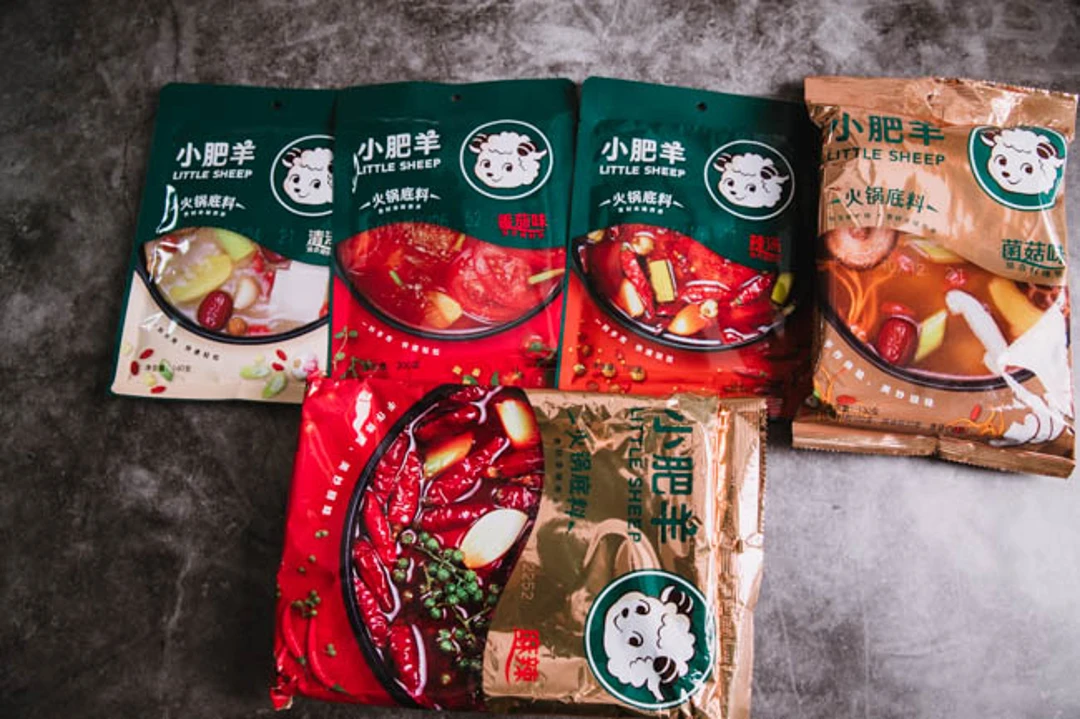
Hotpot base, chili crisp, bean paste, vinegar, spice mixes, and tea-smoked seasonings can recreate part of the trip at home. Choose intact commercial packaging with an ingredient list and a generous expiry window.
Oil can leak and glass can break, so place each package in a sealed bag and cushion it. Avoid meat-containing hotpot bases if your destination restricts animal products.
Electronics and Modern Gifts
9. Smartphones and Accessories
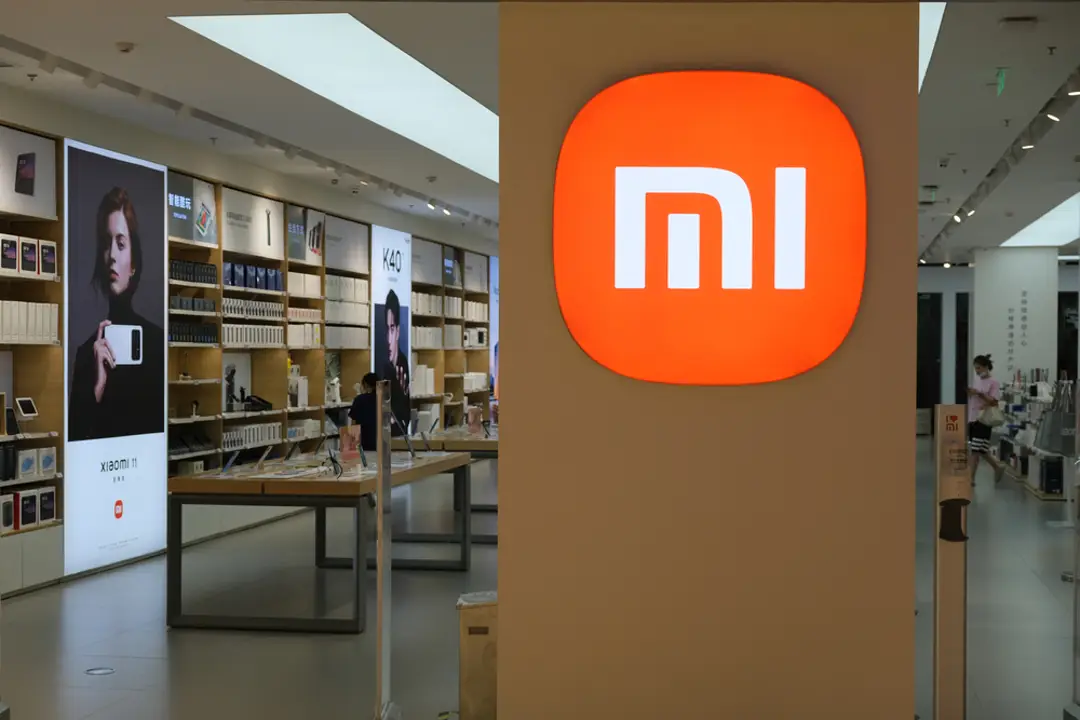
Chinese brands offer phones, earbuds, watches, chargers, and smart-home accessories across many price levels. An attractive domestic price does not guarantee that a phone supports your carrier’s bands, preferred language, app services, or overseas repair network.
Use an official brand store or authorized retailer, confirm the exact model number, and test basic functions before leaving. Keep the invoice and warranty terms with the packaging.
10. Cameras, Drones, and Portable Tech
Action cameras, gimbals, compact drones, microphones, and power banks may offer strong value, especially near an official store. Compare the domestic model with the version sold at home because software, maps, radio compliance, and warranty coverage can differ.
Lithium batteries must follow airline and airport rules. Check capacity markings, carry-on requirements, spare-battery protection, and drone regulations at both the destination and home country before buying.
11. Stationery and Designer Toys
Notebooks, brush pens, fountain pens, stamps, stickers, blind-box figures, and small design objects are affordable and packable. Bookstores, museum shops, art districts, and official brand stores provide a more curated selection than an anonymous bulk stall.
For collectible toys, inspect seals and seller reputation. A low price can signal an opened box, unofficial copy, or incomplete set rather than a bargain.
Where to Shop in China
Large department stores and official brand shops are best for warranties, fixed prices, receipts, and tax-refund eligibility. Specialty stores and museum shops are useful for crafts with clear cultural context.
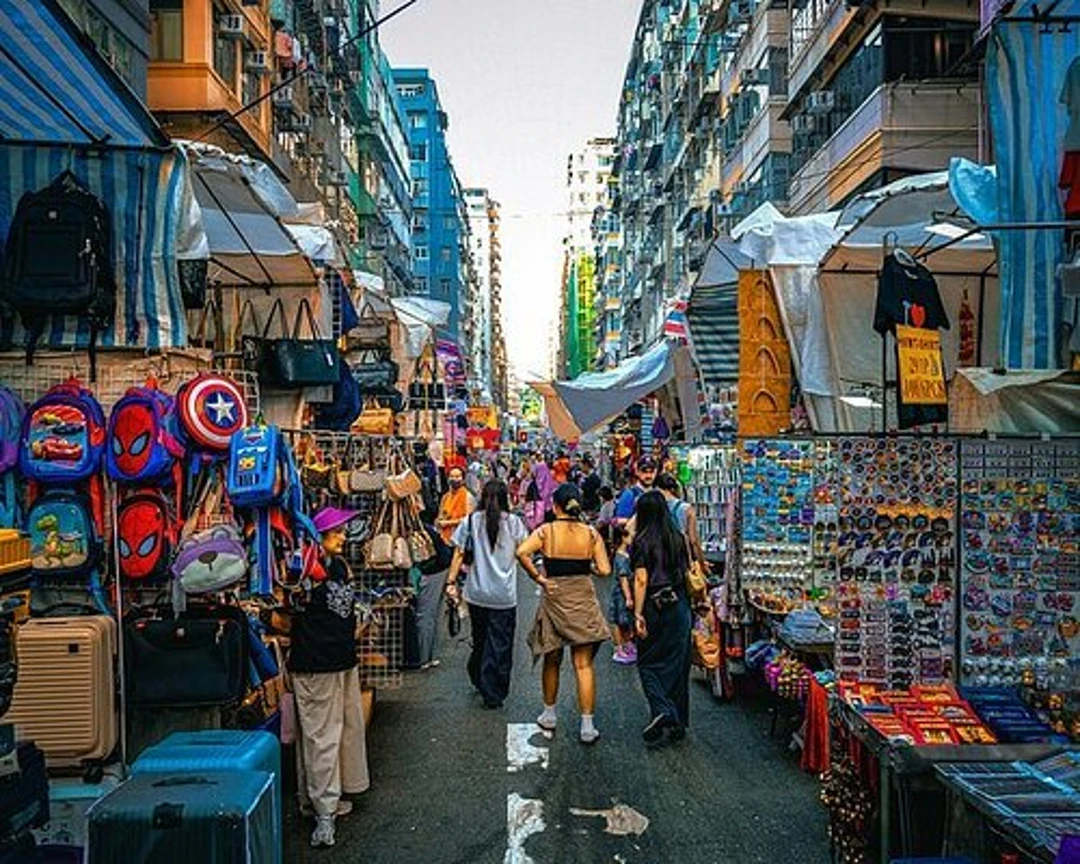
Wangfujing in Beijing, Nanjing Road in Shanghai, and Chunxi Road in Chengdu combine major retailers with local food and gift shops. Tourist markets can be fun for small purchases, but quality and bargaining expectations vary by stall.

Online platforms such as JD and Tmall can be convenient if you have a reliable delivery address and enough time for returns. Confirm that the listing is an official flagship store rather than judging only by the product image.
Use the iRoamly travel eSIM site to compare connectivity plans before shopping days that depend on live maps, translation, order messages, and mobile payment alerts.

Smart Shopping Tips for China
1. Know When Bargaining Is Appropriate
Bargaining may be expected at some open markets, but official stores, supermarkets, malls, and clearly labeled shops normally use fixed prices. Ask politely, compare total value, and walk away from high-pressure sales.
2. Prepare More Than One Payment Method
Mobile payments are widespread, while cards and cash remain useful backups. Review what currency China uses, then set up any supported wallet and bank-card verification before a busy shopping day.
Keep a small amount of RMB for situations where your international card or mobile wallet is not accepted. Never let an unknown person take your unlocked phone to “fix” a payment.
3. Check Authenticity, Returns, and Warranty
Ask whether an item can be returned, where warranty service is available, and what proof is required. Photograph the product, serial number, store sign, and receipt before discarding packaging.
For jade, art, antiques, luxury products, and high-value electronics, a detailed invoice is more useful than a verbal promise. Avoid sellers who refuse to state the material or model in writing.
4. Understand Departure Tax Refunds
Eligible overseas visitors may claim departure tax refunds on qualifying unused goods bought from designated stores. China upgraded the system in 2026, including wider service coverage and new procedures described by the State Taxation Administration.
Ask before paying whether the store participates, what documents it issues, and which departure port can process the claim. Keep the goods, passport information, and digital or paper records available for any required review.
5. Check Customs Before Buying
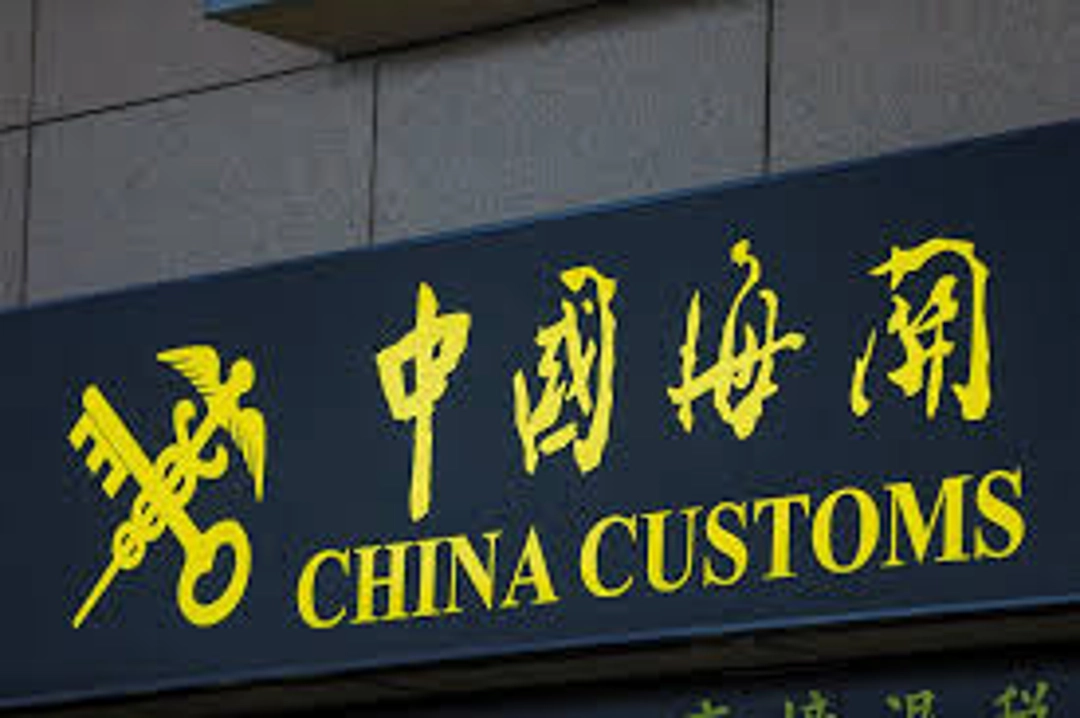
Rules apply both when leaving China and when entering your next country. China’s official passenger customs guide lists restricted or prohibited exports such as certain cultural relics and endangered animal or plant materials.
Your home customs authority decides whether food, alcohol, medicine, wood, plants, or animal products may enter. Check both sides before buying an item that cannot be returned.
6. Adjust Expectations on a Multi-Country Trip
Shopping customs are not universal. Restart price, payment, warranty, tax-refund, and customs checks in each destination instead of carrying one country’s market assumptions into the next.
FAQ
1. What is the most popular souvenir from China?
Tea is one of the easiest choices because it is light, regional, and available at many prices. Small porcelain pieces, silk accessories, calligraphy supplies, and packaged snacks are also popular.
2. How can I tell whether Chinese silk is real?
Use the fiber-content label, named producer, receipt, and store reputation. Texture alone is not reliable, so buy expensive silk from an established textile or museum shop.
3. Can tourists get a tax refund in China?
Yes, eligible overseas visitors can claim refunds on qualifying goods from participating stores. Confirm the current store, purchase, and departure-port conditions before paying.
4. What should I avoid buying in China?
Avoid unverified antiques, endangered-species products, unsupported electronics, unsealed food, counterfeit goods, and anything prohibited by your next destination. Skip any high-value purchase the seller refuses to document.
5. How does souvenir shopping compare with Japan?
A Japan souvenir guide features a similar mix of crafts, snacks, and electronics, but fixed-price and tax-free norms differ. Recheck payment and customs rules in each country.
Conclusion
The best things to buy in China are tea, well-documented crafts, regional foods, and modern products that match your luggage, budget, and home-country rules.
Shop at the right type of store, compare quality, request receipts, and confirm materials or model numbers before paying. Treat unusually cheap jade, antiques, branded goods, and electronics with extra caution.
Finally, check tax-refund, airline, and customs requirements while the item can still be returned. Careful buying turns a souvenir into a useful, legal, and lasting reminder of the trip.