
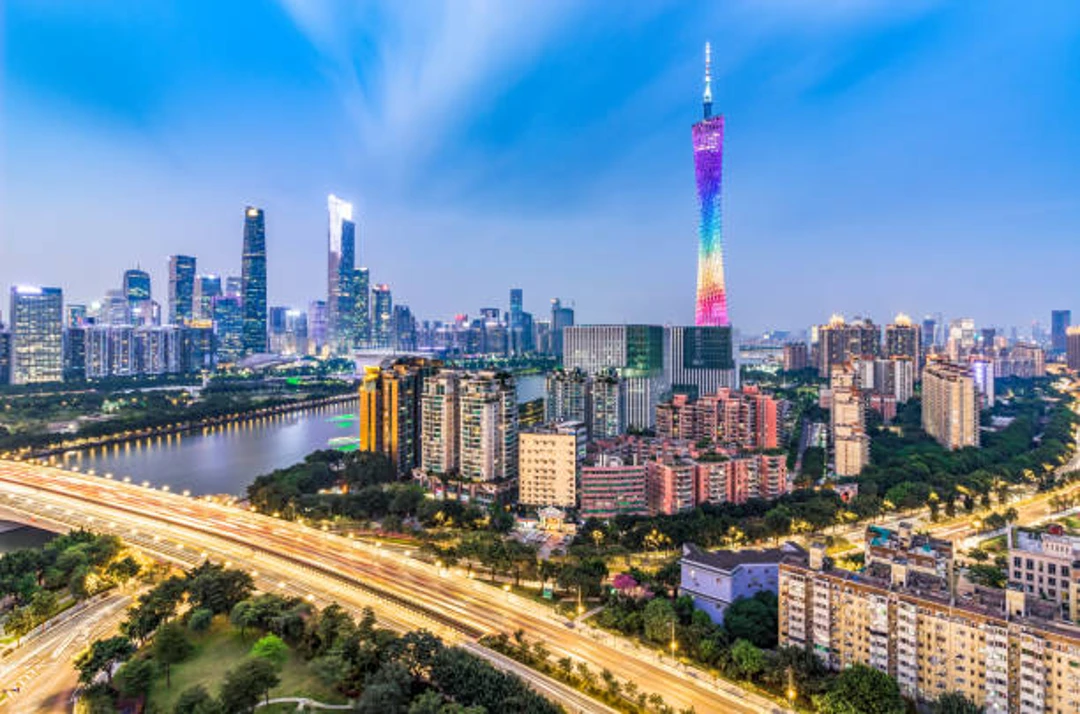
Guangzhou is the capital of Guangdong Province and one of China’s most exciting and culturally rich cities. It blends old Cantonese neighborhoods, modern riverfront skylines, and one of the country’s most distinctive food cultures.
From historic Liwan streets to Zhujiang New Town, the city offers much more than a typical urban stop.
For a first visit, two to three days is a good starting point, with extra time for places like Baiyun Mountain, Chimelong, or a slower food-focused day.
This guide covers the essentials for planning your trip, from where to go and what to eat to transport and practical travel tips. An iRoamly China travel eSIM can also help you stay connected for maps, payments, and ride-hailing along the way.
Best Time to Visit
Guangzhou has a humid subtropical climate. Autumn is generally the easiest season for long walking days, but every season can work if you match your plans and packing to the weather.
Spring: Comfortable, Then Wetter
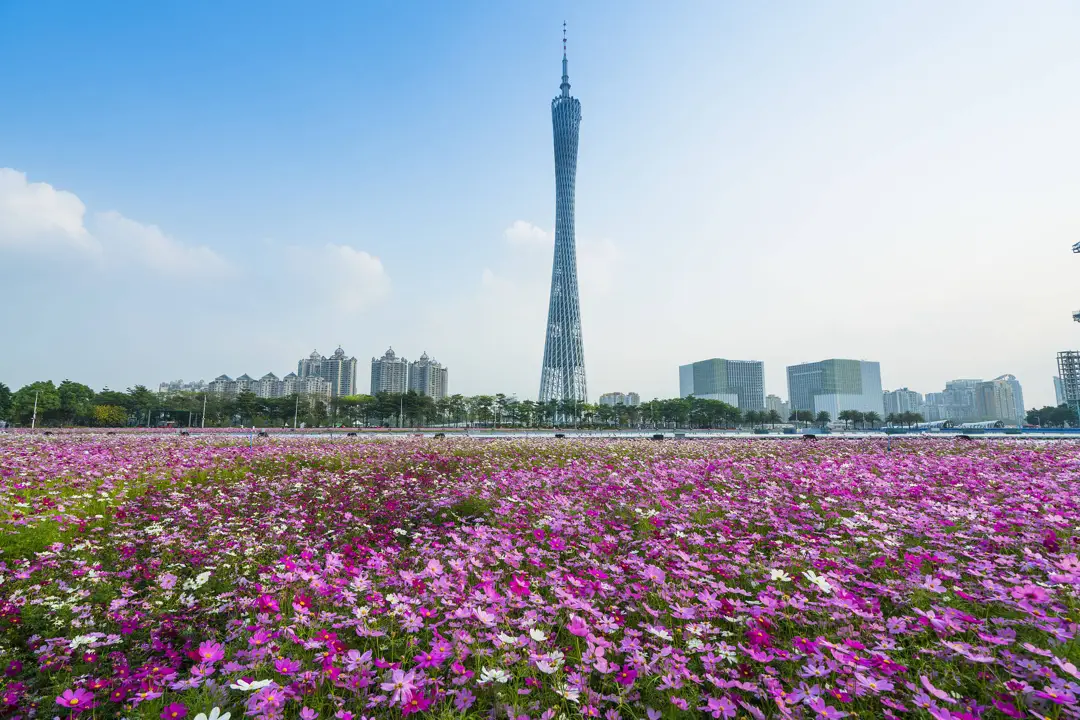
March and early April often suit city walks, gardens, and outdoor heritage areas. Humidity and rain usually build later in spring, so pack a compact umbrella and shoes that can handle wet pavements.
Guangzhou’s major trade-fair periods can sharply increase demand for hotels and transport. If your dates overlap a large exhibition, reserve accommodation early and check the official event calendar before committing to a district.
Summer: Hot, Humid, and Stormy
From June through September, heat, humidity, and sudden heavy rain can make an ambitious outdoor schedule tiring. Start early, place a museum or mall in the hottest part of the day, and leave extra time for weather-related delays.
Autumn: Best for Long Sightseeing Days
October and November often bring more comfortable temperatures and clearer walking weather. This is a strong period for Baiyun Mountain, Shamian Island, old-city lanes, and a Pearl River evening, although major fairs can still affect room prices and availability.
Winter: Mild Days and Cooler Evenings
December through February is usually pleasant for city sightseeing. Bring layers for cooler evenings and poorly heated interiors, and check holiday schedules if traveling around Lunar New Year.
Quick choice: Pick autumn for the most reliable walking weather, winter for a mild city break, spring for flowers with a rain backup, and summer only if you are comfortable planning around heat and downpours.
Top Attractions in Guangzhou
The best Guangzhou attractions are not all the same type. The twelve choices below cover skyline views, Lingnan heritage, religious architecture, museums, green space, river scenery, and a family-friendly whole-day option.
Skyline and River Highlights
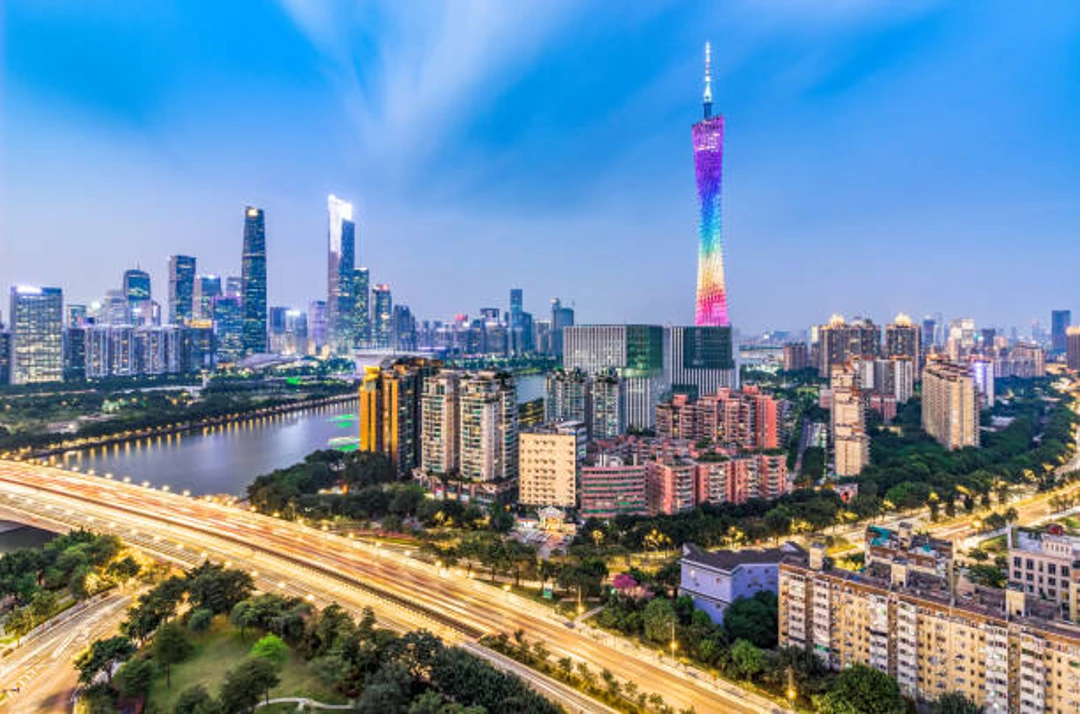
1. Canton Tower and Flower City Square
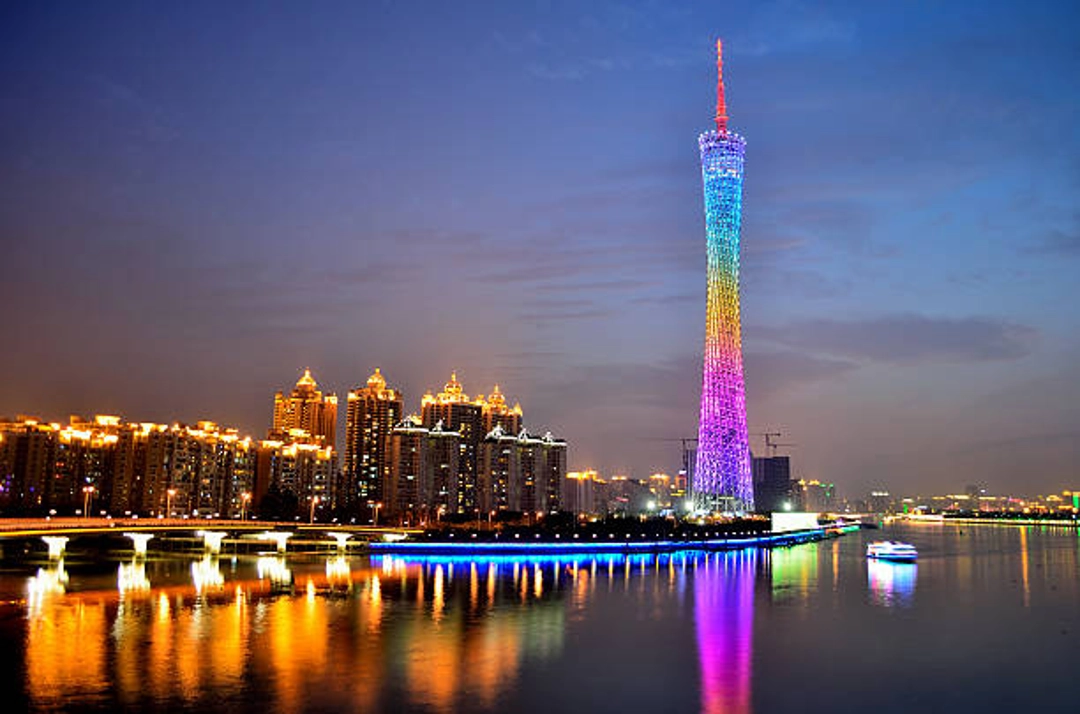
Why go: Canton Tower is the city’s defining landmark, while Flower City Square gives you a broad ground-level view of the tower and Zhujiang New Town skyline.
Plan: Allow two to three hours if you enter the tower, less if you only want exterior views. Late afternoon lets you see the city change from daylight to illuminated night, but sunset slots are popular.
Pair it with: Guangzhou Opera House, the library, Guangdong Museum, Haixin Bridge, or an evening river walk.
2. Pearl River Promenade and Night Cruise
Why go: Guangzhou’s skyline is at its most dramatic after dark, when the towers and bridges reflect across the river. A promenade walk is free and flexible; a cruise gives a moving panorama with less walking.
Plan: Cruise departure piers, routes, and schedules vary, so confirm the exact pier before leaving your hotel. Arrive early enough to find the boarding point and bring a light layer for the open deck.
3. Zhujiang New Town Cultural Landmarks
Why go: Flower City Square, Guangzhou Opera House, Guangzhou Library, and the city’s major museums show the futuristic, design-conscious side of Guangzhou.
Plan: Choose one indoor venue rather than treating every building as a box to tick. Museum reservations, entry rules, and closing days can change, so check the official venue before your visit.
Old Guangzhou and Lingnan Heritage
4. Shamian Island
Why go: This small, leafy island preserves European-influenced buildings and calm pedestrian streets from Guangzhou’s treaty-port era.
Plan: One to two hours is enough for a relaxed walk. Visit earlier in the day for quieter lanes, then continue into Liwan for food or heritage streets.
5. Chen Clan Ancestral Hall
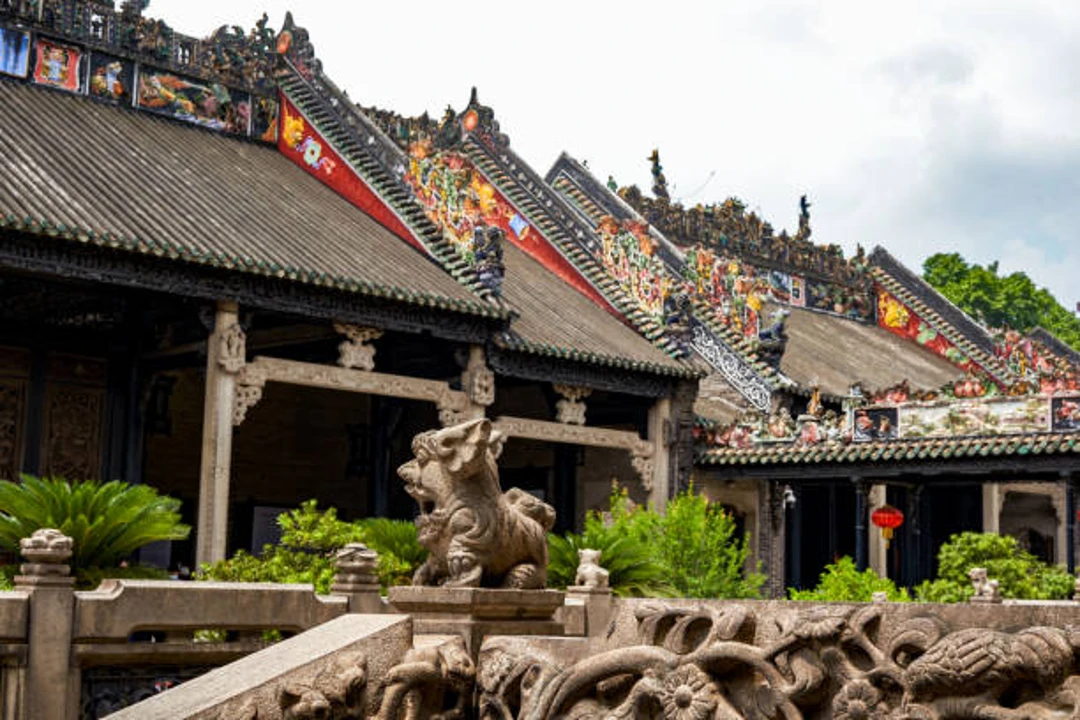
Why go: The complex is one of the strongest introductions to Lingnan architecture and decorative craft, with layered wood, stone, brick, and ceramic details.
Plan: Allow about 60–90 minutes and slow down around the roof ridges and carved panels. It pairs naturally with Yongqing Fang and Enning Road.
6. Yongqing Fang and Enning Road
Why go: This Liwan area mixes restored qilou arcades, Cantonese cultural spaces, crafts, cafés, and smaller lanes where old and new Guangzhou meet. The Bruce Lee ancestral residence is one of several points of interest inside the district.
Plan: Allow two hours, more if you stop for tea or food. Treat it as a neighborhood walk rather than a single photo stop, and combine it with Chen Clan Ancestral Hall or Shamian Island.
Parks, Temples, and Historic Icons
7. Yuexiu Park, Five Rams Statue, and Sun Yat-sen Memorial Hall
Why go: Yuexiu Park combines lakes, shaded paths, city history, and the Five Rams Statue, the best-known symbol of Guangzhou. Nearby Sun Yat-sen Memorial Hall adds a major civic landmark.
Plan: Set aside two to three hours for a purposeful park route, or half a day if you also visit a museum or the memorial hall. The park is large, so decide which entrance and landmarks matter before you arrive.
8. Baiyun Mountain and Yuntai Garden
Why go: Baiyun Mountain offers greenery and wide city views, while Yuntai Garden provides a more compact landscaped experience near the lower slopes.
Plan: Reserve at least half a day. Choose between hiking, sightseeing transport, and a garden-focused visit according to weather and mobility; do not schedule it after an already long walking day.
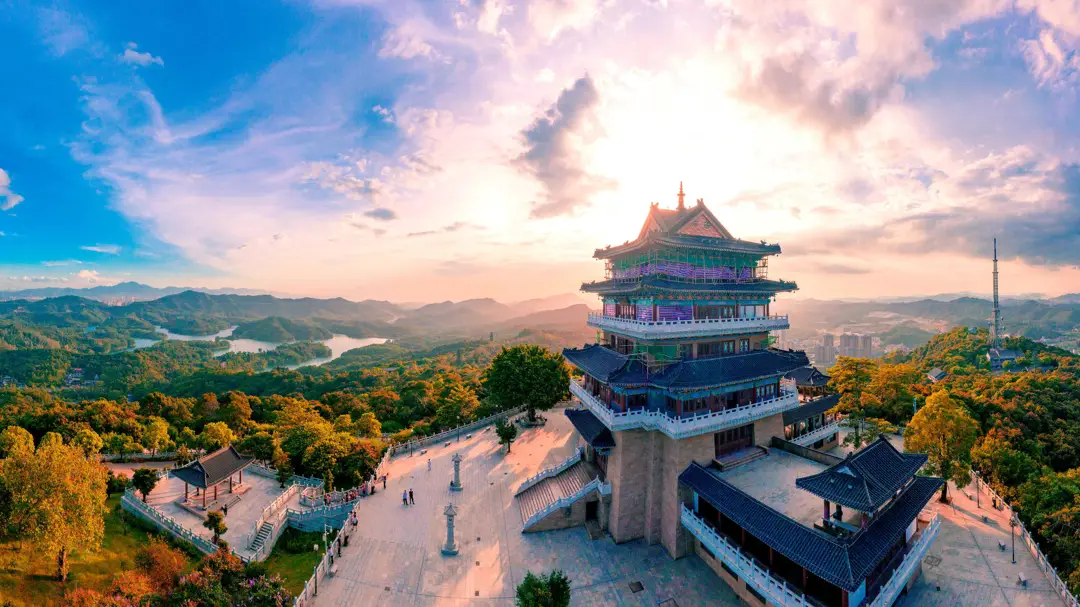
9. Temple of the Six Banyan Trees
Why go: This long-established Buddhist temple is known for its historic pagoda and provides a quieter counterpoint to central Guangzhou’s busy shopping streets.
Plan: A focused visit can take under an hour. Dress and behave respectfully, avoid obstructing worship, and verify current visitor access before going.
10. Dafo Temple and Beijing Road
Why go: Dafo Temple’s illuminated halls sit just off one of Guangzhou’s busiest pedestrian streets, making this an easy culture-and-city-life pairing.
Plan: Visit Beijing Road for historic pavement displays, snacks, and shopping, then see the temple toward evening.
Keep photography unobtrusive in active worship areas.
11. Sacred Heart Cathedral
Why go: The stone Gothic Revival cathedral is an architectural contrast to Guangzhou’s Lingnan halls, arcades, and modern towers.
Plan: Combine an exterior or respectful interior visit with the Haizhu Square or old-city route. Access can be restricted during services or maintenance, so keep a nearby alternative.
Family-Friendly Full-Day Option
12. Chimelong Safari Park
Why go: Families and wildlife enthusiasts get a clear full-day alternative to central-city sightseeing, with large grounds and multiple transport or viewing experiences.
Plan: Treat Chimelong as a whole-day outing in Panyu. Check current tickets, transport, show schedules, and animal-area arrangements directly before travel, and avoid placing another major attraction on the same day.

Must-Try Local Food
Cantonese cooking often emphasizes freshness, clarity, texture, and careful technique rather than heavy seasoning.
Start with morning tea, then explore noodles, roast meats, congee, and desserts throughout the day. Many of these local favorites are also among the most popular Chinese food choices worth trying during a trip to China.
Morning Tea Essentials
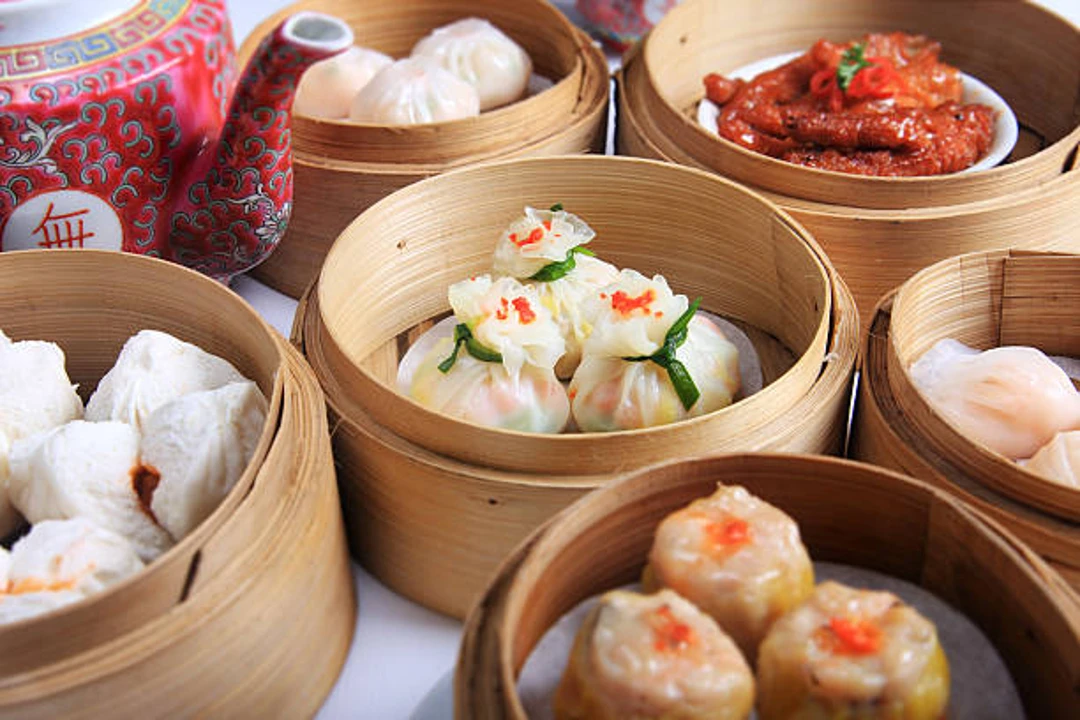
1. Dim Sum and Morning Tea
Dim sum is both a meal and a social ritual, making it one of the best ways to experience Cantonese food culture.
If it is your first time trying Taste of China dim sum, start with a few dishes to share, such as shrimp dumplings, siu mai, steamed buns, turnip cake, and rice noodle rolls. Arrive early on weekends, as popular teahouses can get busy.
2. Rice Noodle Rolls
Known as cheong fun, these soft steamed sheets may wrap shrimp, beef, egg, or pork and arrive with a light soy-based sauce. They are ideal at breakfast and help broaden a dim sum order beyond dumplings.
3. Boat Congee
This smooth Cantonese rice porridge traditionally combines several savory ingredients for contrasting textures. It is gentle, filling, and especially useful when you want a warm breakfast or a break from richer roast dishes.
Cantonese Savory Classics
4. Roast Goose
Good Cantonese roast goose balances crisp, lacquered skin with juicy meat and a savory-sweet glaze. Order a portion rather than a whole bird if you are eating alone, and pair it with rice or noodles.
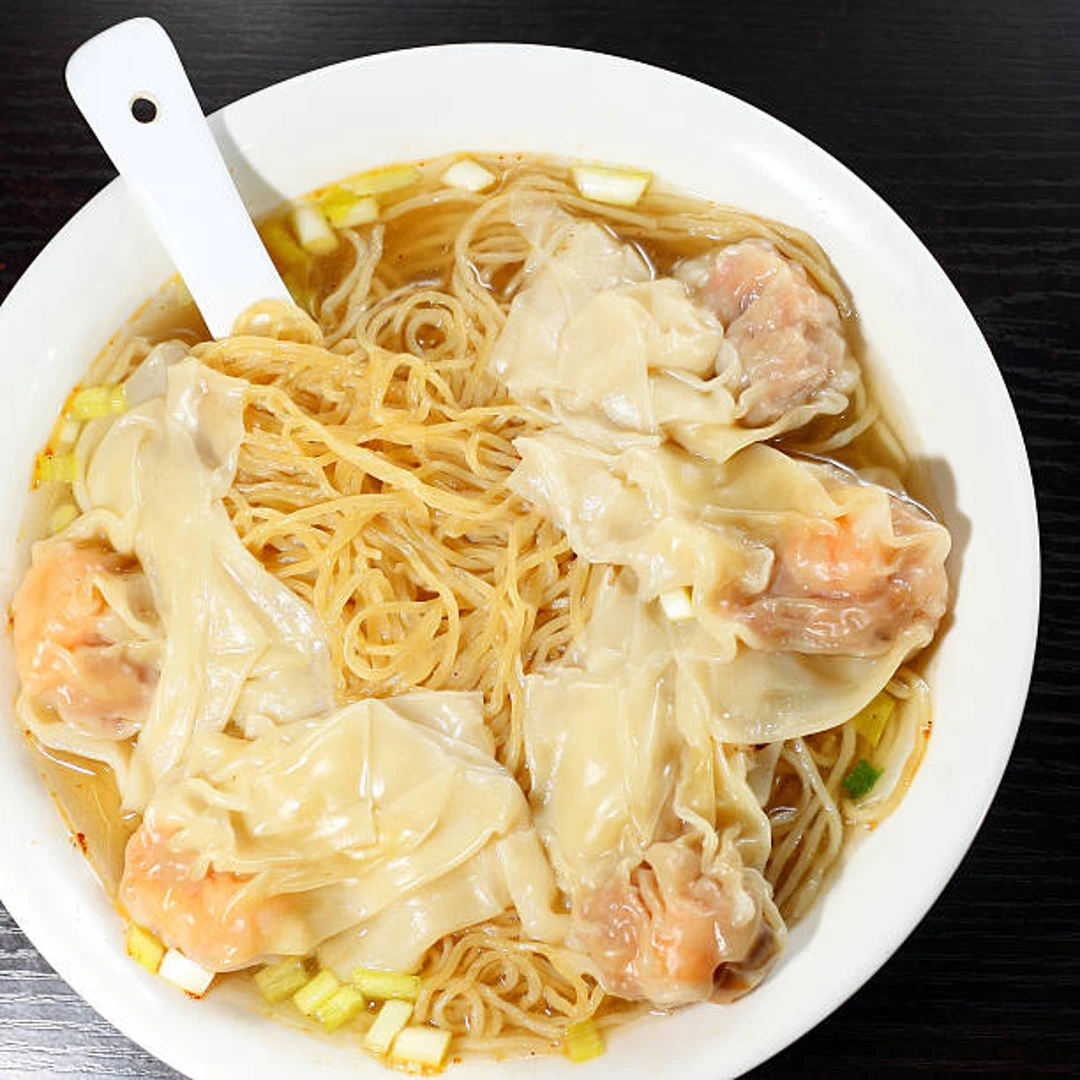
5. Wonton Noodles
Guangzhou-style wonton noodles usually combine springy egg noodles, a clear aromatic broth, and shrimp-rich wontons. This is a practical light lunch or late meal when a banquet-sized spread would be too much.
6. White-Cut Chicken
This deceptively simple dish depends on tender poached chicken and a bright ginger-scallion dip. It is a good test of Cantonese technique and works best as part of a shared meal.
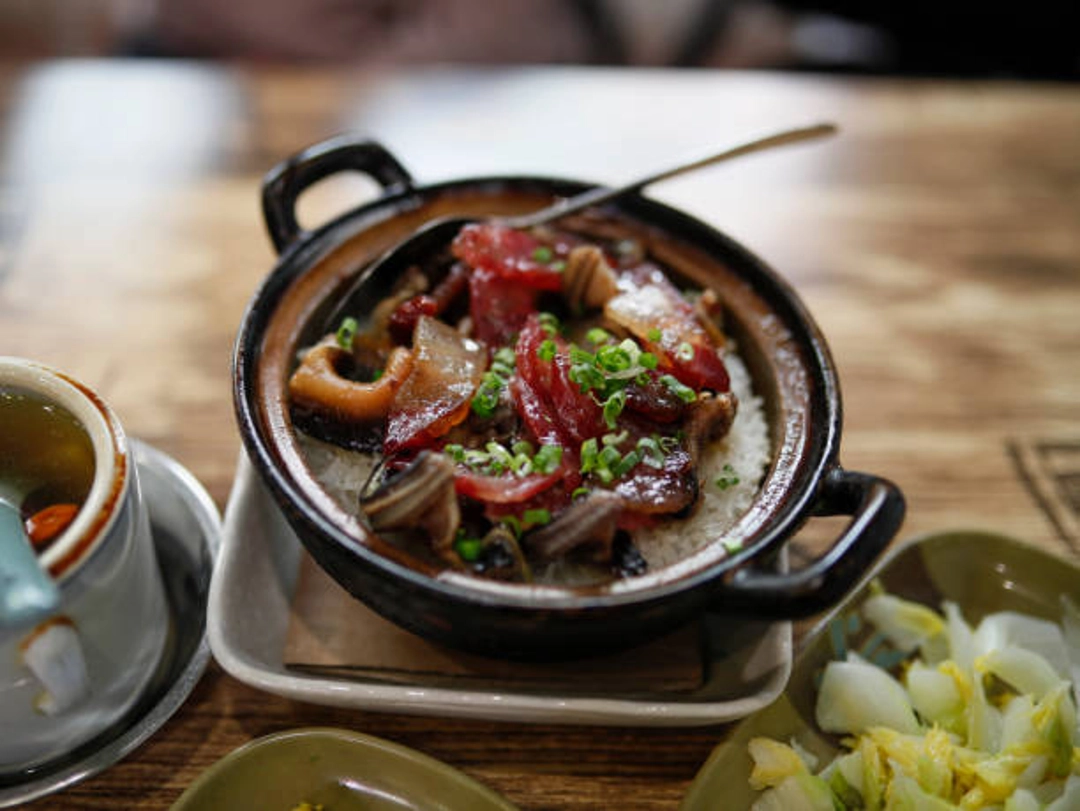
7. Claypot Rice
Rice cooks directly in a clay pot with toppings such as Chinese sausage, chicken, or preserved meat. The prize is the crisp rice crust at the bottom; mix the sauce through the rice, but save some crust for texture.
Classic Cantonese Dessert
8. Black Sesame Soup
This warm dessert soup is made from finely ground black sesame, giving it a rich, nutty flavor and smooth texture. It is a classic choice at traditional Cantonese dessert shops.
9. Double-Skin Milk
This smooth milk pudding can be served warm or chilled and is known for its delicate texture and mild sweetness. It is one of the Pearl River Delta’s best-known traditional desserts.
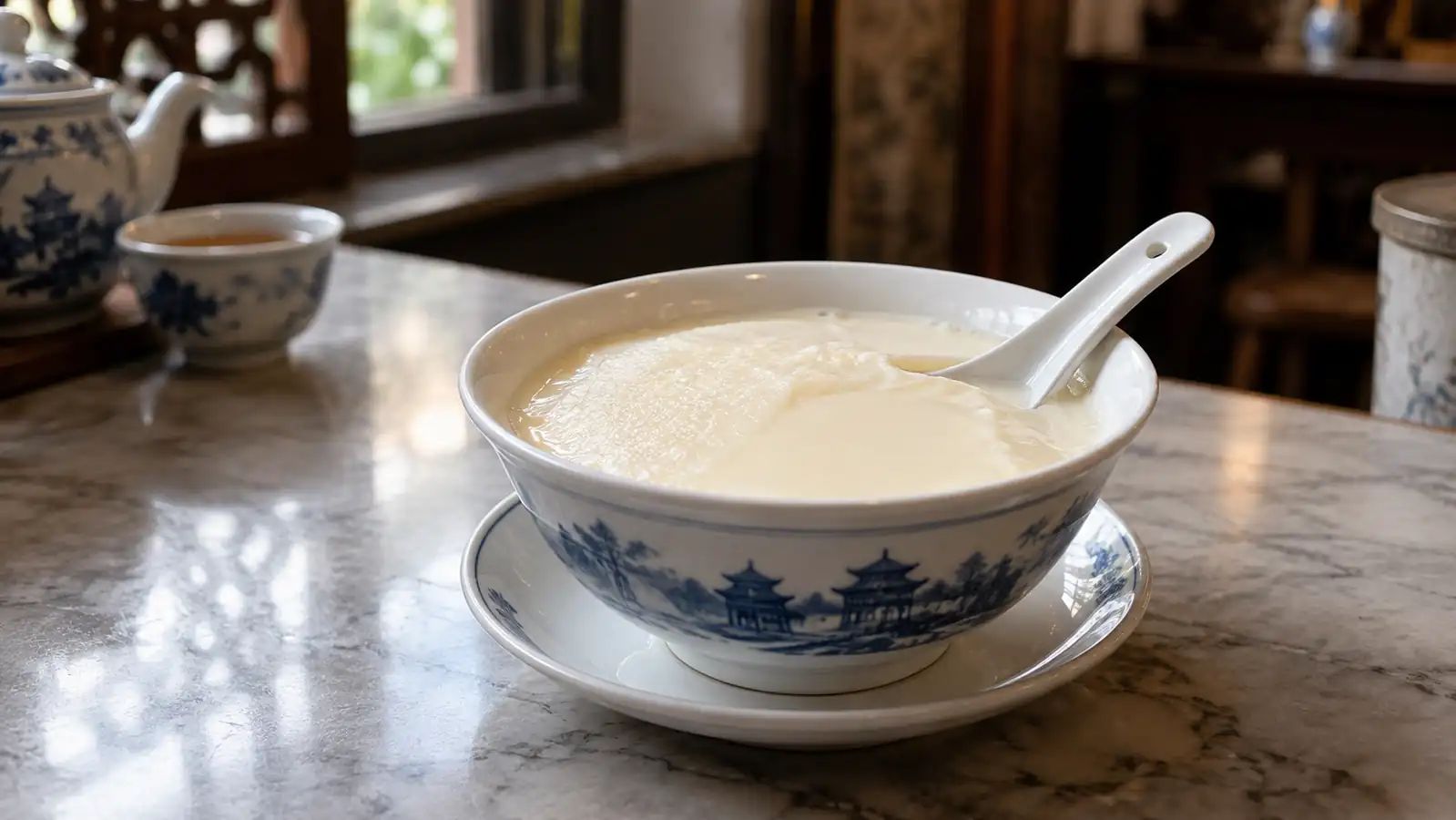
10. Ginger Milk Curd
Made by setting warm milk with fresh ginger juice, this traditional dessert has a silky, custard-like texture with a gentle ginger kick. It is especially associated with the Pearl River Delta.
Best Souvenirs to Buy in Guangzhou
Guangzhou is a good place to shop for gifts that reflect Cantonese food culture, Lingnan traditions, and the city’s long history as a trading hub.
Instead of choosing a shopping district first, decide what you want to bring home, then head to the area that suits it best.
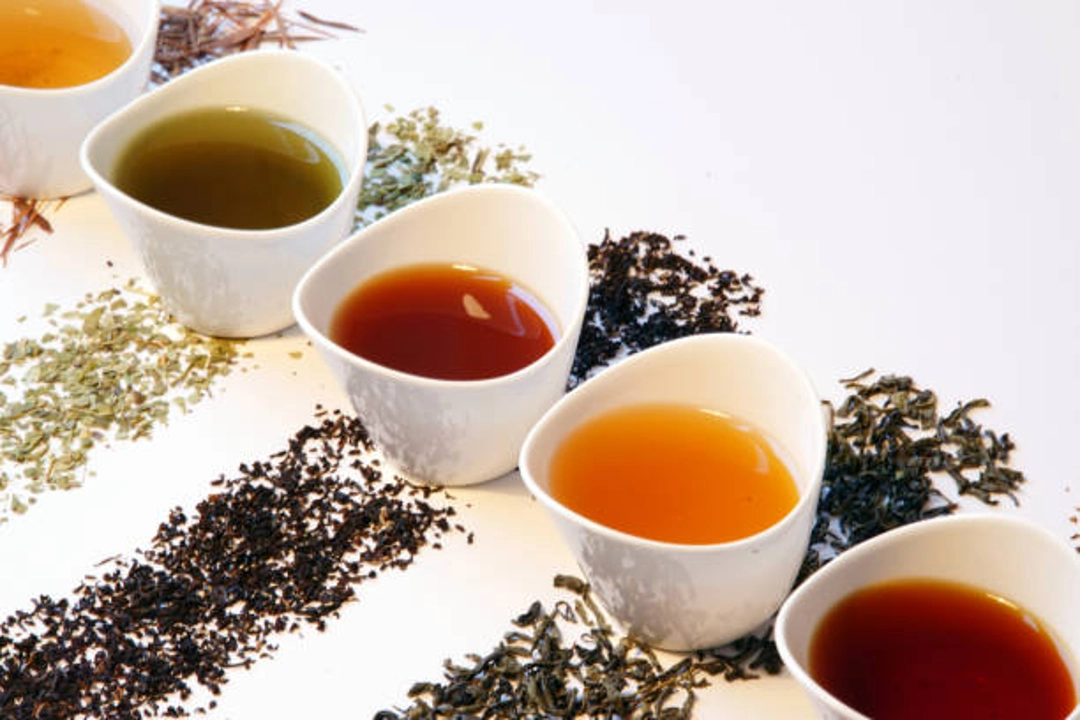
1. Cantonese Tea
Tea is an easy gift to pack and a natural choice in a city where yum cha is part of everyday food culture. Look for loose-leaf varieties, gift boxes, or smaller packages that are easier to carry home.
Where to buy: Tea shops around Liwan and established stores in central shopping areas are convenient for travelers. For a simpler retail experience, larger malls and supermarkets usually offer clearly packaged options.
2. Cantonese Pastries and Snacks
Traditional pastries, cookies, preserved fruits, and other packaged snacks make practical souvenirs, especially if you want something easy to share after your trip.
Where to buy: Beijing Road and Shangxiajiu are convenient places to browse local food shops while sightseeing. Check expiration dates and packaging before buying items for a long journey.
3. Lingnan-Style Crafts
Traditional crafts and decorative items can make a more distinctive souvenir than standard tourist merchandise. Look for designs inspired by Lingnan architecture, Cantonese culture, or local artistic traditions.
Historic areas such as Liwan are a good starting point, especially around cultural attractions and restored neighborhoods where small gift and craft shops are easier to find.
4. Guangzhou-Themed Gifts and Stationery
Postcards, magnets, notebooks, small ornaments, and city-themed gifts are inexpensive and easy to pack. They are also useful if you need several small souvenirs rather than one expensive purchase.
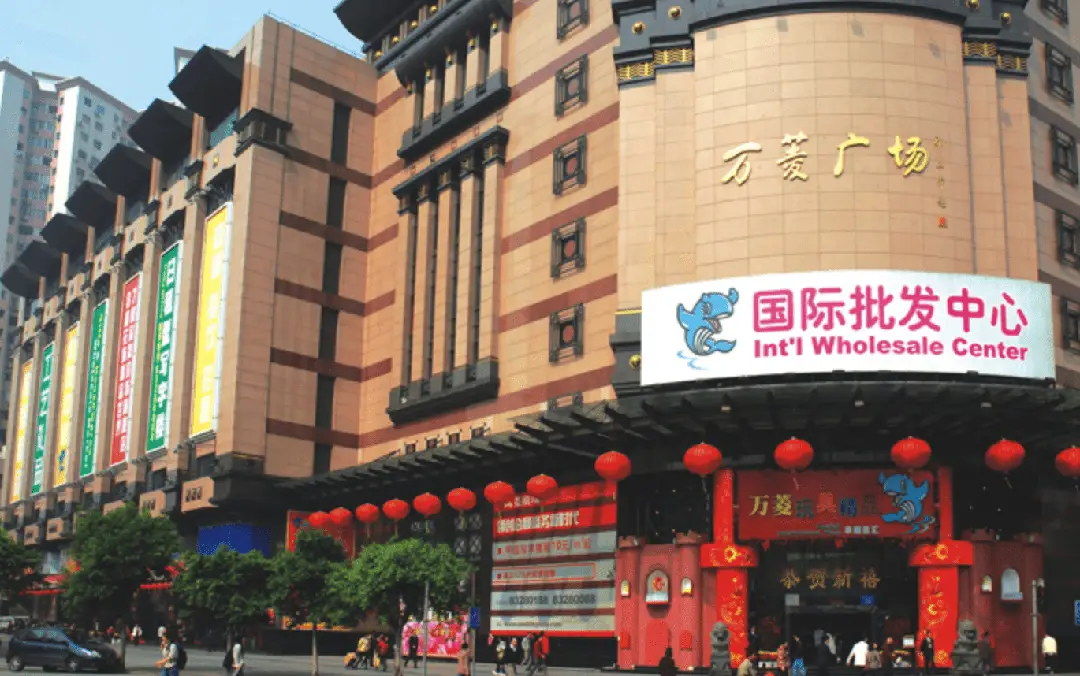
Where to buy: Beijing Road is convenient for general souvenir shopping, while OneLink Plaza has a much wider selection of gifts, accessories, stationery, toys, and small household items. At OneLink, check whether displayed prices assume bulk purchases.
5. Clothing and Accessories
Guangzhou is a major commercial and wholesale center, so clothing, bags, accessories, and small fashion items are another option for travelers interested in shopping rather than traditional souvenirs.
Where to buy: Taikoo Hui is better for international brands and a comfortable retail experience, while specialized wholesale markets offer much more variety for serious shoppers.
Where to Stay in Guangzhou
The best area to stay is the one that reduces cross-city travel for your priority sights. Metro proximity matters more than choosing the most famous district name.
Area | Best for | Main trade-off |
|---|---|---|
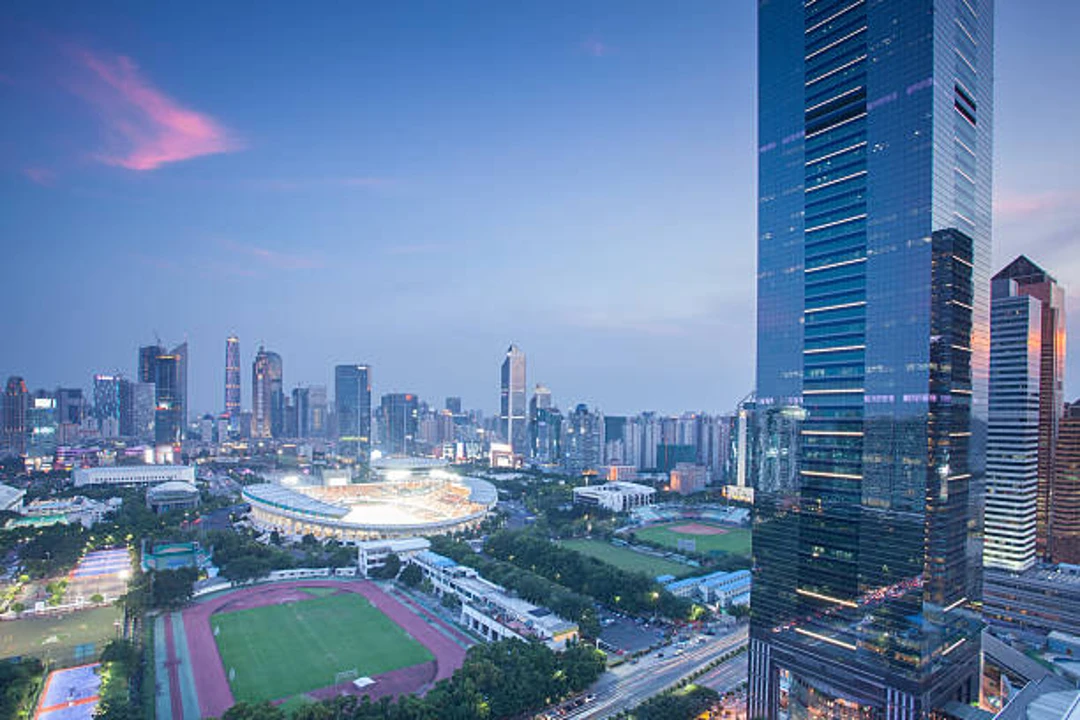
Tianhe | Modern city, business trips, malls, convenient transport | Less old-city atmosphere |
Yuexiu | First-time sightseeing and central access | Busy roads and uneven street character |
Liwan | Heritage lanes, food, slower evenings | Farther from Zhujiang New Town |
Haizhu | Canton Tower views, exhibition access, riverfront locations | Suitability varies widely by exact metro stop |
Tianhe District
Choose Tianhe if: You value newer hotels, malls, dining, rail or metro connections, and quick access to Zhujiang New Town. It suits business travelers and visitors who prefer a modern base.
Consider: You will commute west for Liwan’s heritage sights. Check the exact station, because “Tianhe” covers a large area.
Yuexiu District
Choose Yuexiu if: You want a central first-timer base near parks, historic sites, Beijing Road, and multiple metro lines. It is a practical compromise between east and west Guangzhou.
Consider: Some blocks are hectic and hotel quality varies, so read recent reviews and inspect the walking route from the nearest station.
Liwan District
Choose Liwan if: Morning tea, arcades, Yongqing Fang, Shamian Island, and neighborhood atmosphere are priorities. Evenings can feel calmer than Tianhe.
Consider: Modern skyline sights require a longer metro ride, and not every old lane is convenient with heavy luggage.
Haizhu District
Choose Haizhu if: You want Canton Tower and Pearl River access or need to be near the Canton Fair complex. It can work well for repeat visitors and event travelers.
Consider: Haizhu is extensive; confirm the metro stop and travel time rather than relying on the district name alone. During major fairs, book early and expect higher demand.
How Long to Stay and Plan Your Days
Guangzhou is spread across several large districts, so a good plan groups nearby places instead of chasing a checklist.
The following framework is flexible: swap indoor and outdoor stops according to weather, opening arrangements, and your energy level.
Two Days: The Essential Introduction
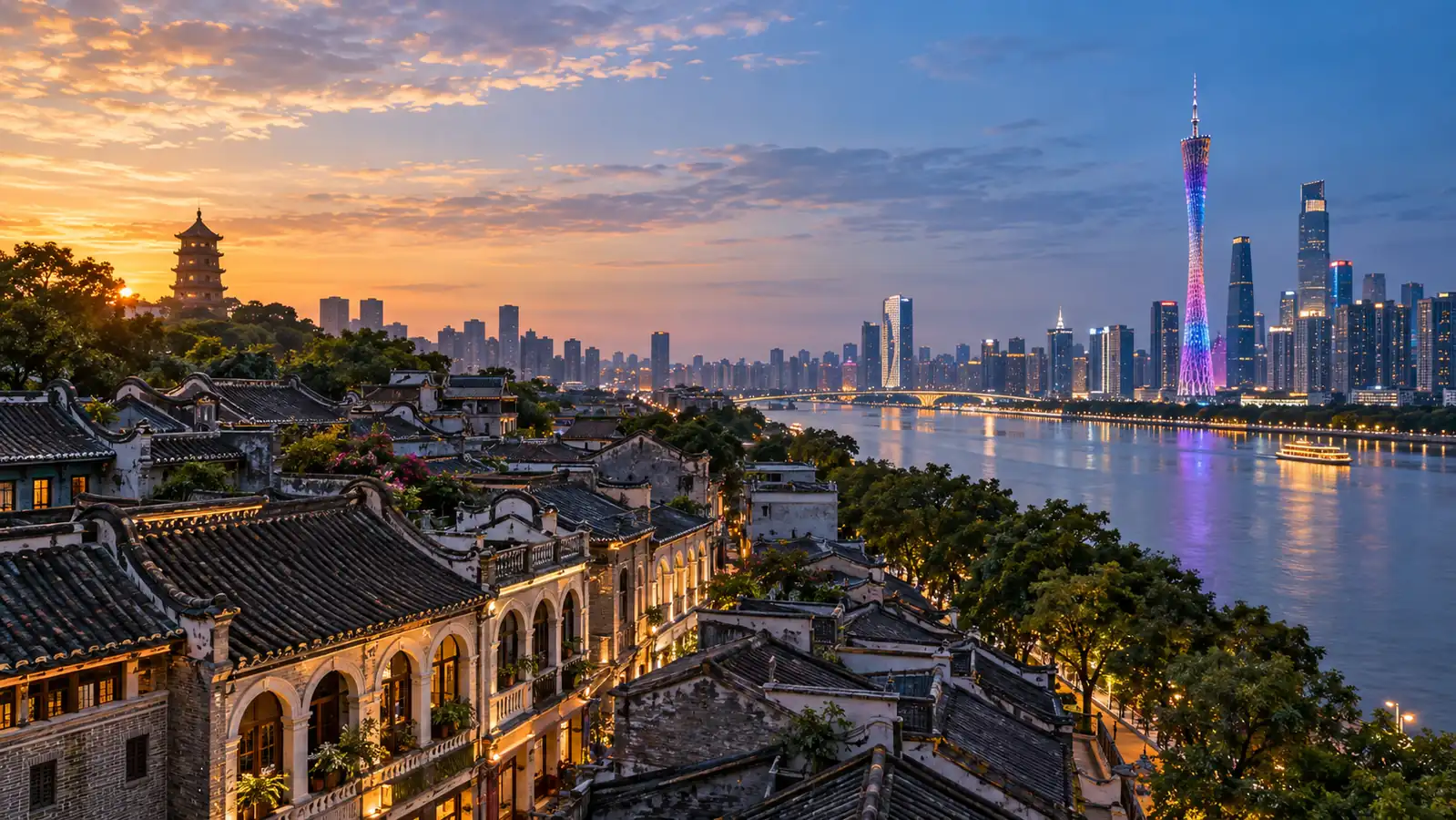
Use one day for the old city: begin at Chen Clan Ancestral Hall, continue through Yongqing Fang and Enning Road, and finish around Shamian Island. Fit dim sum or roast goose into Liwan rather than crossing town for a single restaurant.
Use the second day for modern Guangzhou. Explore Flower City Square and the cultural buildings of Zhujiang New Town, see Canton Tower from both sides of the river, then take a Pearl River night cruise or enjoy the illuminated promenade.
Three Days: A Balanced First Trip
Keep the two core days, then devote the third to Yuexiu and central Guangzhou.
Yuexiu Park, the Five Rams Statue, Sun Yat-sen Memorial Hall, the Temple of the Six Banyan Trees, Beijing Road, and Dafo Temple can be combined selectively; do not try to enter every attraction in one day.
Four Days or More: Add One Priority
Choose one whole-day or half-day priority rather than stretching every city day.
Baiyun Mountain suits walkers and garden lovers, Chimelong Safari Park works best for families, and Shawan Ancient Town appeals to travelers who want a slower heritage excursion.
Food-focused visitors can instead keep the extra day in the center for markets, morning tea, and neighborhood restaurants.
Getting Around and Travel Essentials
Guangzhou’s transport system is efficient, but the city’s size makes preparation important. Save destination names in Chinese, allow transfer time, and avoid assuming two places in the same district are close.
Arriving by Air or Train
Guangzhou Baiyun International Airport connects to the metro network, while taxis and ride-hailing are useful with heavy luggage or late arrivals. Confirm your terminal and hotel address before departure.
Guangzhou has several major railway stations serving different routes. Check the full station name on your ticket—Guangzhou South, Guangzhou East, Guangzhou, and Guangzhou Baiyun are not interchangeable—and plan the correct metro or car transfer.
Getting Around the City
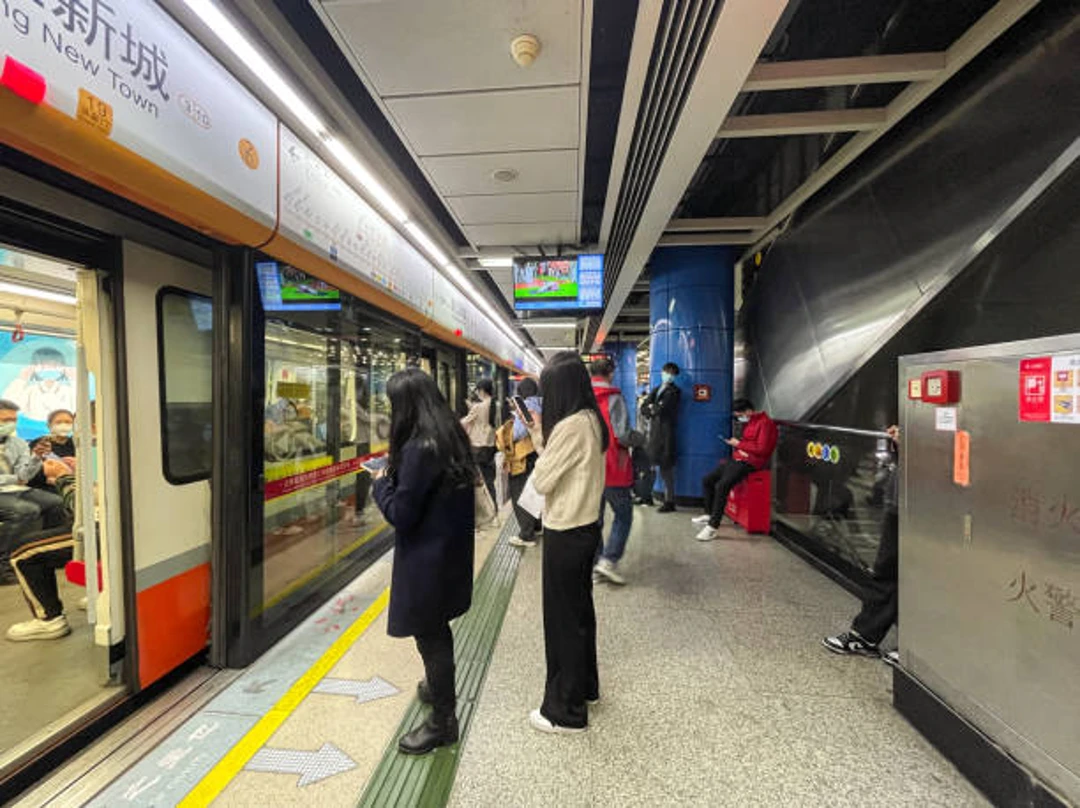
The metro is usually the best default for long cross-city journeys: signs and announcements are traveler-friendly, and it avoids road congestion.
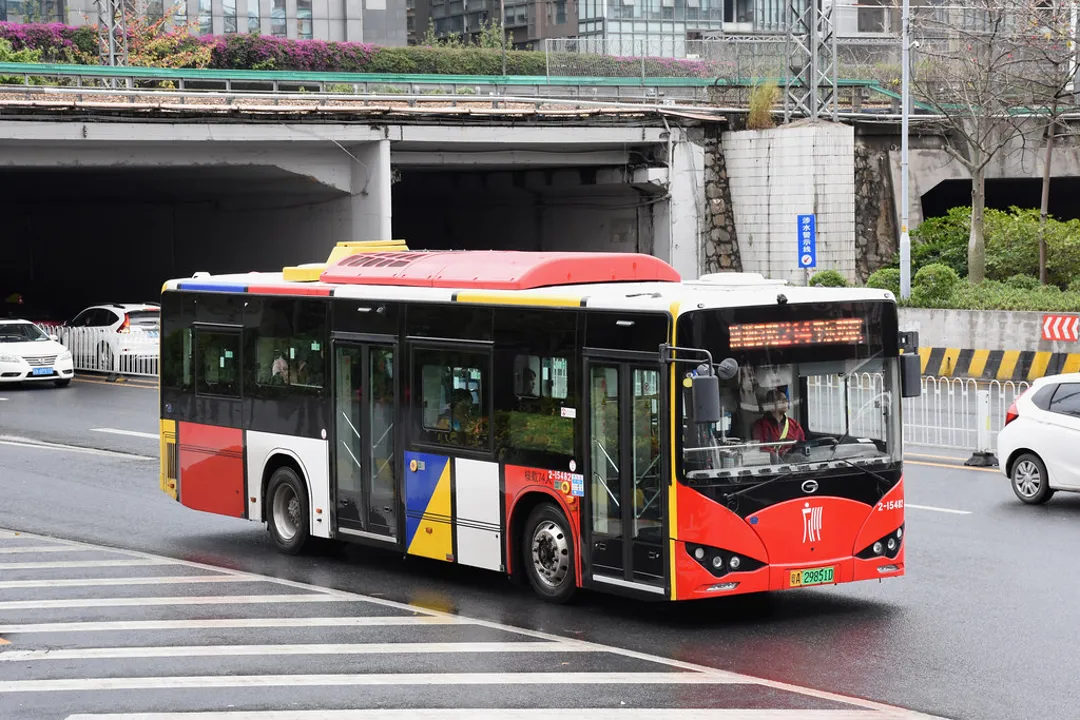
Taxis and DiDi are useful for short point-to-point trips, luggage, or destinations far from a station. Buses can fill local gaps but are less intuitive for a first visit.
Shared bikes are practical on suitable riverside or neighborhood routes, but use designated parking and avoid unfamiliar high-traffic roads. During commuter peaks, allow extra platform and transfer time.
Maps, Payments, Language, and Mobile Data
Maps: Install a China-compatible map such as AMap or Baidu Maps before arrival. Save your hotel and key sights in both English and Chinese.
Payments: Alipay and WeChat Pay are widely used. International-card linking and verification rules can change, so complete setup before travel and keep a small amount of renminbi as backup.
Language: Cantonese and Mandarin are both heard in Guangzhou. English is not universal; screenshot addresses and use a translation app with offline or camera features.
Connectivity: Arrange roaming, a local SIM, or an iRoamly travel eSIM before you depend on maps, payments, or ride-hailing.
Entry rules: Visa and transit policies depend on passport and itinerary and can change. Verify them with an official Chinese embassy, consulate, or immigration source before booking.

FAQ
1. Is Guangzhou worth visiting for tourists?
Yes. Guangzhou is worth visiting for its Cantonese food, Lingnan culture, historic neighborhoods, and Pearl River views.
2. Is Guangzhou good for foreigners?
Yes. Guangzhou has an extensive metro system and English signage at many major locations, making it relatively easy for international visitors to explore.
3. What Is Guangzhou Famous For?
Guangzhou is famous for Cantonese cuisine, Lingnan culture, and its long history as a major trading hub. It is also home to the Canton Fair, China’s largest and longest-running trade fair.
Conclusion
Guangzhou is a city best experienced through its contrasts, from the historic streets and Cantonese traditions of the old districts to the modern skyline along the Pearl River.
Take time to explore its neighborhoods, enjoy a proper morning tea, and experience the city beyond its major landmarks. A well-paced itinerary will reveal much more of Guangzhou than simply moving from one attraction to the next.
Whether you stay for a weekend or several days, leave some flexibility in your plans. Guangzhou rewards travelers who slow down, explore, and make room for the food and everyday city life along the way.