
Chinese food is far more than one cuisine. Regional traditions vary widely, from Xi’an lamb skewers to Cantonese seafood and the bold, spicy flavors of Chengdu.
For a first trip, it helps to know the main regional styles, a few signature dishes, and the basics of ordering and sharing food. This guide covers key flavors, 15 dishes to try, street food, and dining etiquette.
Staying connected also makes menus, maps, and translation tools easier to use. An iRoamly China travel eSIM can help you check ingredients, translate dish names, and stay online while exploring.
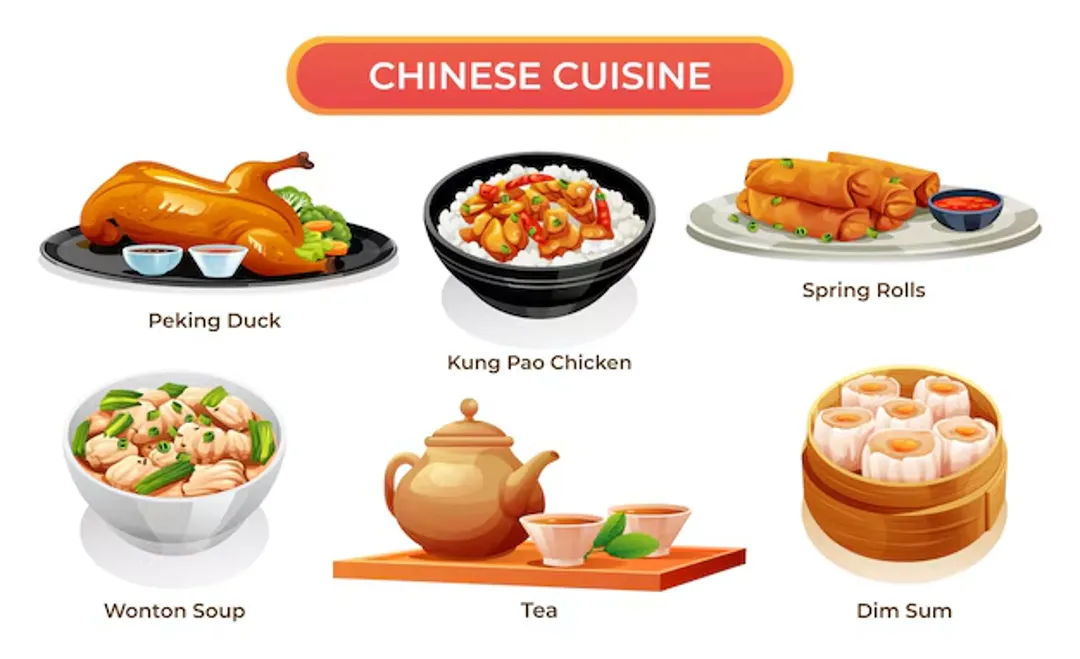
Chinese Regional Cuisines Explained
China’s “Eight Great Cuisines” are a practical starting point, although real food culture extends far beyond eight labels. City, province, ethnicity, season, and even individual restaurants all shape what arrives at the table.
Use the comparison below to choose a region by flavor rather than expecting every Chinese menu to offer the same dishes.
Cuisine | Flavor profile | Good first order | Where to try it |
|---|---|---|---|
Sichuan | Chile heat, citrusy peppercorn, bold aromatics | Mapo tofu | Chengdu or Chongqing |
Cantonese | Fresh, clean, gently seasoned | Dim sum | Guangzhou or Hong Kong |
Shandong | Savory, crisp, seafood-forward | Braised chicken | Jinan or Qingdao |
Jiangsu | Refined, balanced, subtly sweet | Lion’s head meatballs | Nanjing, Suzhou, or Yangzhou |
Zhejiang | Light, seasonal, gently aromatic | Dongpo pork | Hangzhou or Ningbo |
Hunan | Fresh chile heat, smoke, sour notes | Steamed fish head with chile | Changsha |
Fujian | Umami-rich broths, seafood, sweet-sour accents | Fish ball soup | Fuzhou or Xiamen |
Anhui | Rustic braises, preserved foods, mountain produce | Smelly mandarin fish | Huangshan or Hefei |
1. Sichuan Cuisine
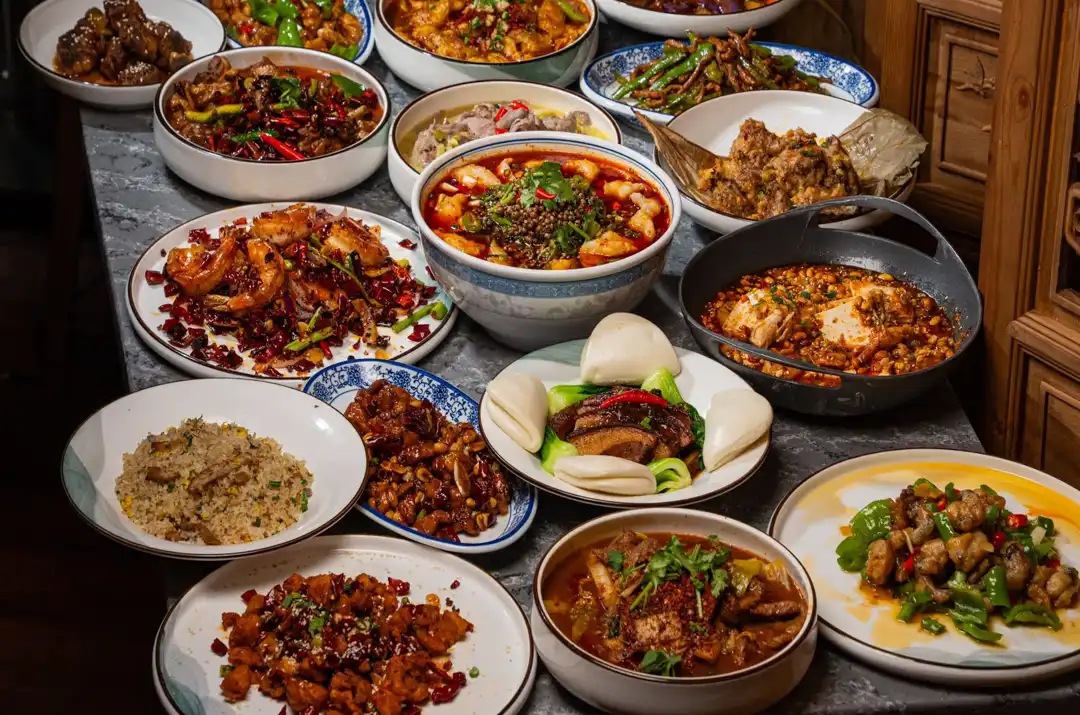
Sichuan cooking layers heat rather than simply maximizing it.
Dried and fresh chiles bring different flavors, while Sichuan peppercorn creates the fragrant, tingling sensation called málà. Fermented bean paste, garlic, ginger, vinegar, and preserved vegetables add depth.
Begin with mapo tofu or gong bao chicken; then try twice-cooked pork, fish-fragrant eggplant, or a hot pot whose broth can be adjusted to your preferred spice level.
2. Cantonese Cuisine
Cantonese cuisine prizes freshness, careful steaming, clear flavors, seafood, and glossy roasted meats.
Morning or lunchtime dim sum is the easiest introduction: order several baskets with tea and share. Char siu, har gow, steamed fish, and wonton noodles show how precise cooking and restrained seasoning can make simple ingredients shine.
3. Shandong Cuisine
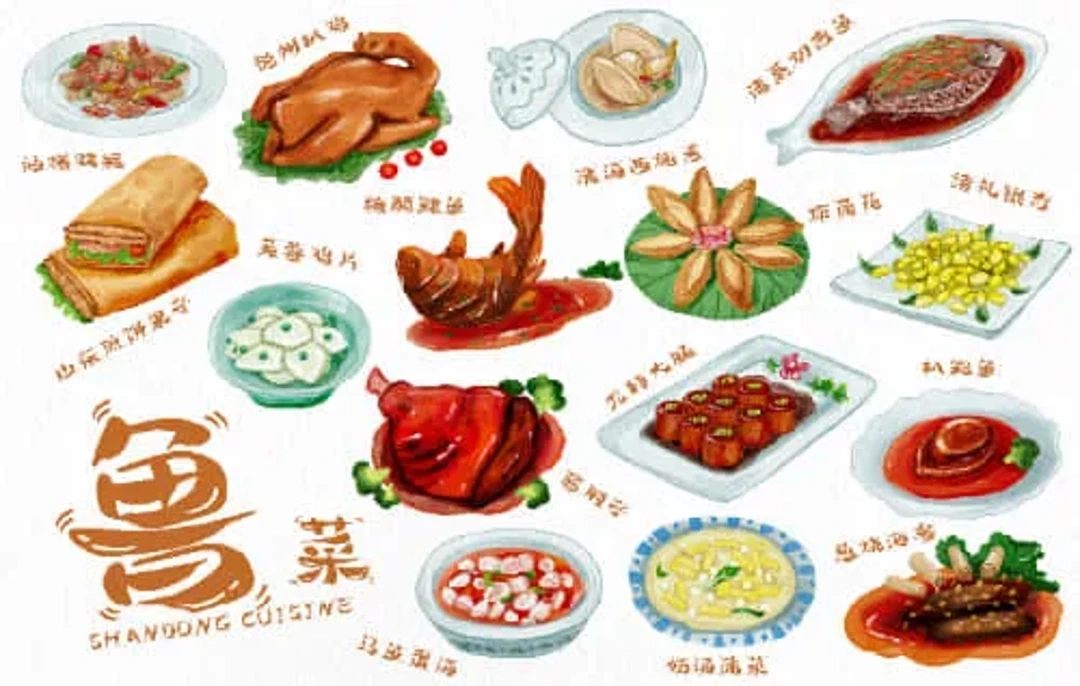
Shandong is an influential northern tradition known for wheat foods, seafood, crisp frying, clear soups, and assertive salty-sour flavors.
Coastal Qingdao is a natural place for clams, prawns, and fish, while inland menus feature braises and breads.
Dezhou braised chicken or sweet-and-sour carp makes a more representative introduction than a generic takeaway-style dish.
4. Jiangsu Cuisine
Jiangsu dishes are often elegant, softly textured, and gently sweet, with knife work and presentation treated as part of the craft.
Different cities have distinct specialties: Yangzhou is associated with refined fried rice, while Nanjing and Suzhou offer excellent braised and river-fish dishes.
Lion’s head meatballs and sweet-and-sour mandarin fish are approachable first choices.
5. Zhejiang Cuisine
Zhejiang cooking follows the seasons and favors fresh vegetables, bamboo shoots, seafood, and light sauces. Hangzhou specialties such as Dongpo pork and West Lake fish in vinegar sauce balance richness with aromatic or sour notes.
Shaoxing wine also appears in marinades and braises, so travelers avoiding alcohol should ask whether it is used in the dish.
6. Hunan Cuisine
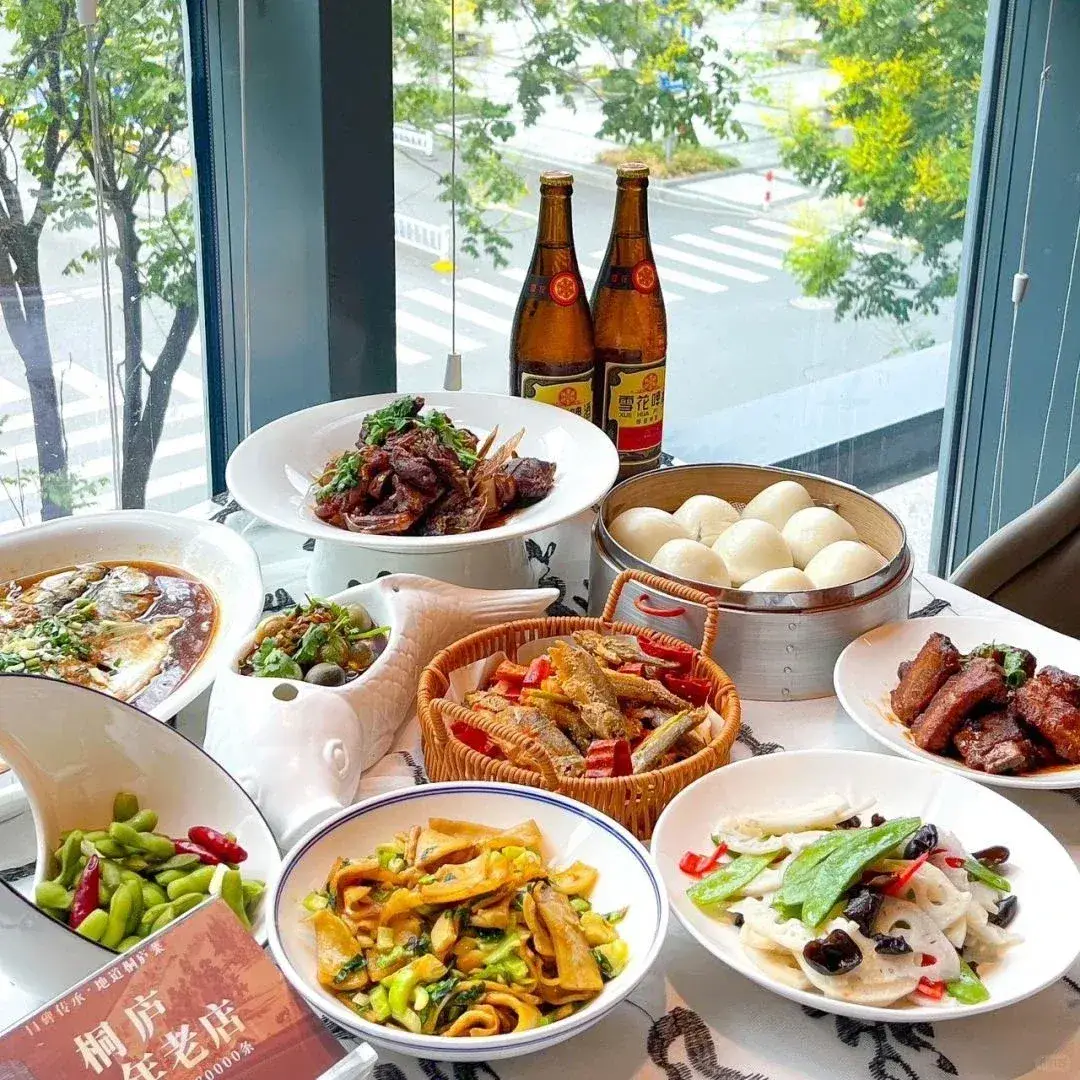
Hunan food is hot, fragrant, and often smoky or sour. Unlike the numbing heat associated with Sichuan, it leans heavily on fresh and pickled chiles.
Chairman Mao’s red-braised pork offers a rich counterpoint, while steamed fish head with chopped chile and spicy stir-fries show the region’s brighter heat. Order plain rice and a mild vegetable dish alongside a spicy main.
7. Fujian Cuisine
Fujian’s mountains and long coastline produce an abundance of mushrooms, seafood, soups, and broths. The seasoning can be subtle but deeply savory, sometimes with a gentle sweet-and-sour edge.
Fish ball soup is an accessible everyday order; oyster omelette reflects the coastal influence, while Buddha Jumps Over the Wall is an elaborate banquet dish rather than a casual meal.
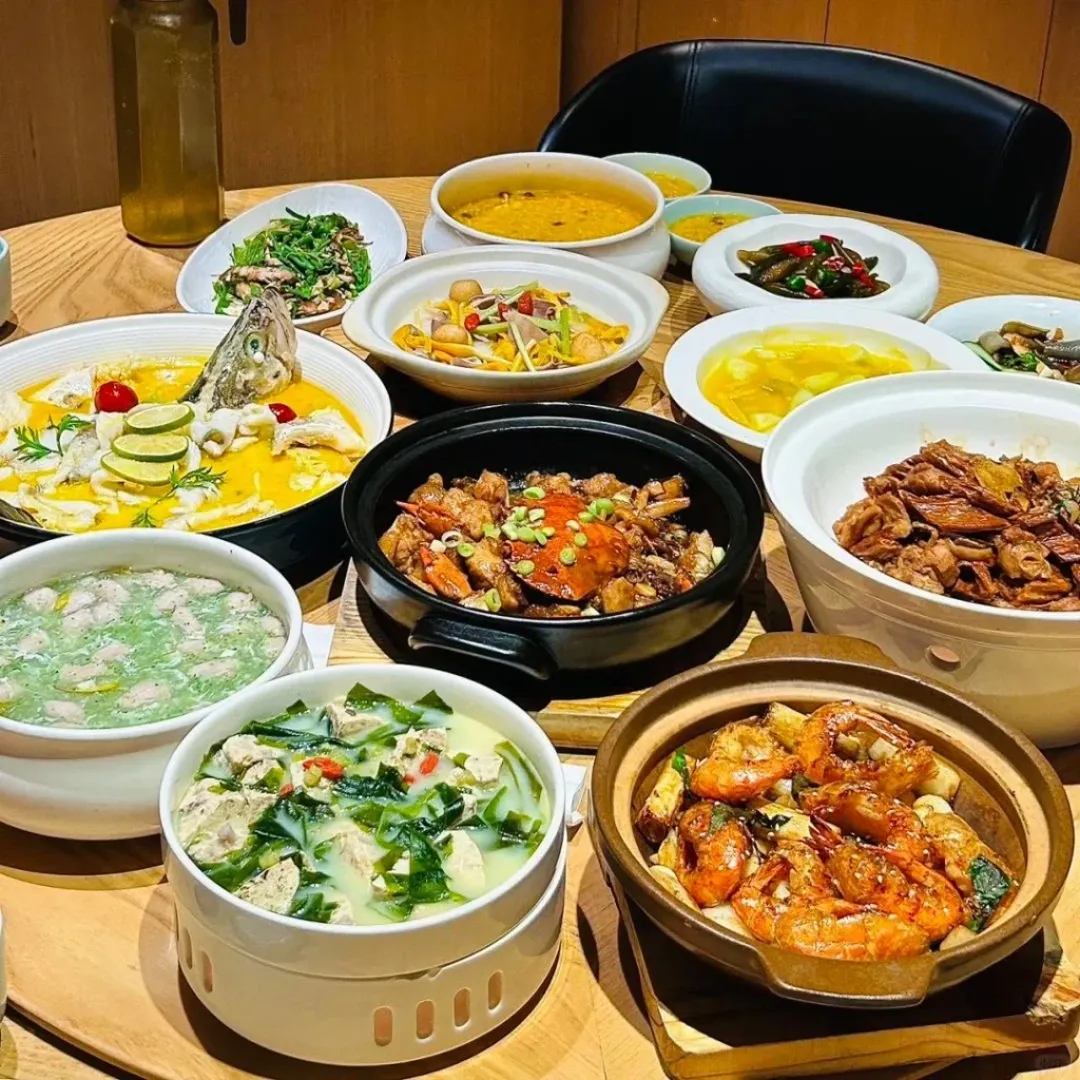
8. Anhui Cuisine
Anhui cuisine grew from mountain communities and makes expressive use of wild herbs, bamboo shoots, preserved ingredients, and slow braising.
Smelly mandarin fish has a pronounced fermented aroma but a tender, savory flavor. Bamboo shoots cooked with chicken or local ham are a gentler entry point.
Seek it in Anhui-focused restaurants; it is less common on general menus outside the province.
15 Must-Try Chinese Dishes
No list can represent every Chinese food tradition, but these 15 dishes give a first-time visitor a useful range of roasts, dumplings, noodles, shared dishes, and everyday staples.
Look for restaurants specializing in the dish or its home region rather than trying to order the entire list from one menu.
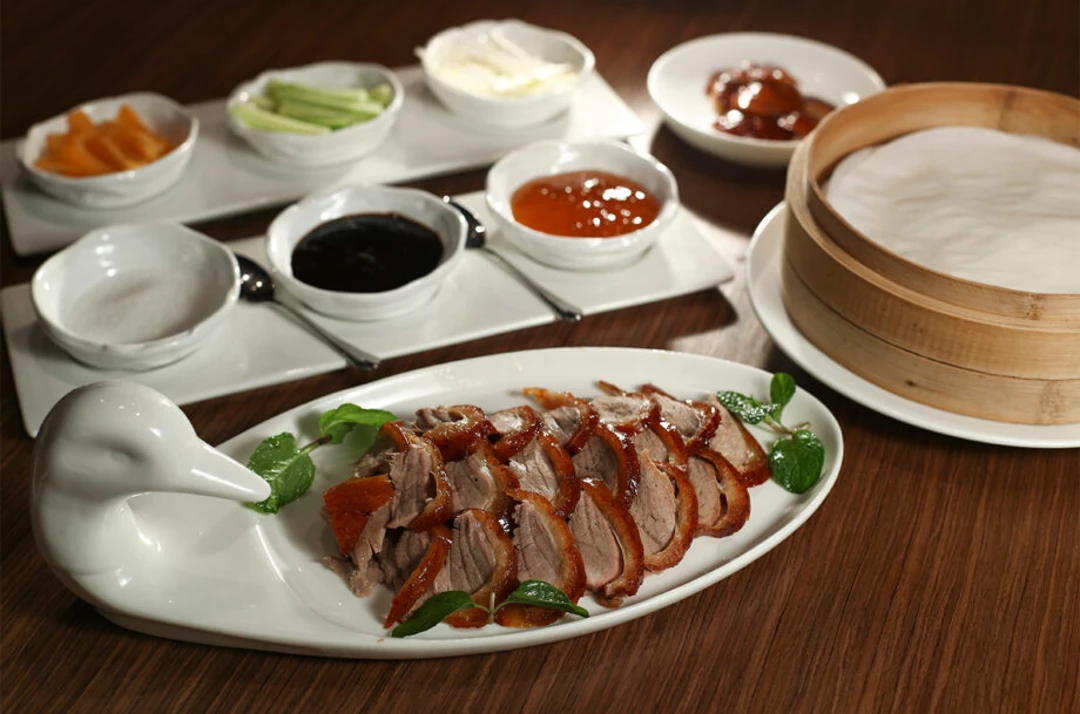
1. Peking Duck
This Beijing specialty is prized for lacquered, crisp skin and tender roast meat. A server usually carves the duck tableside, and diners wrap slices in thin pancakes with scallion, cucumber, and sweet bean sauce.
Reserve at a specialist restaurant when possible; a whole duck works best for a group, while some venues offer half portions.
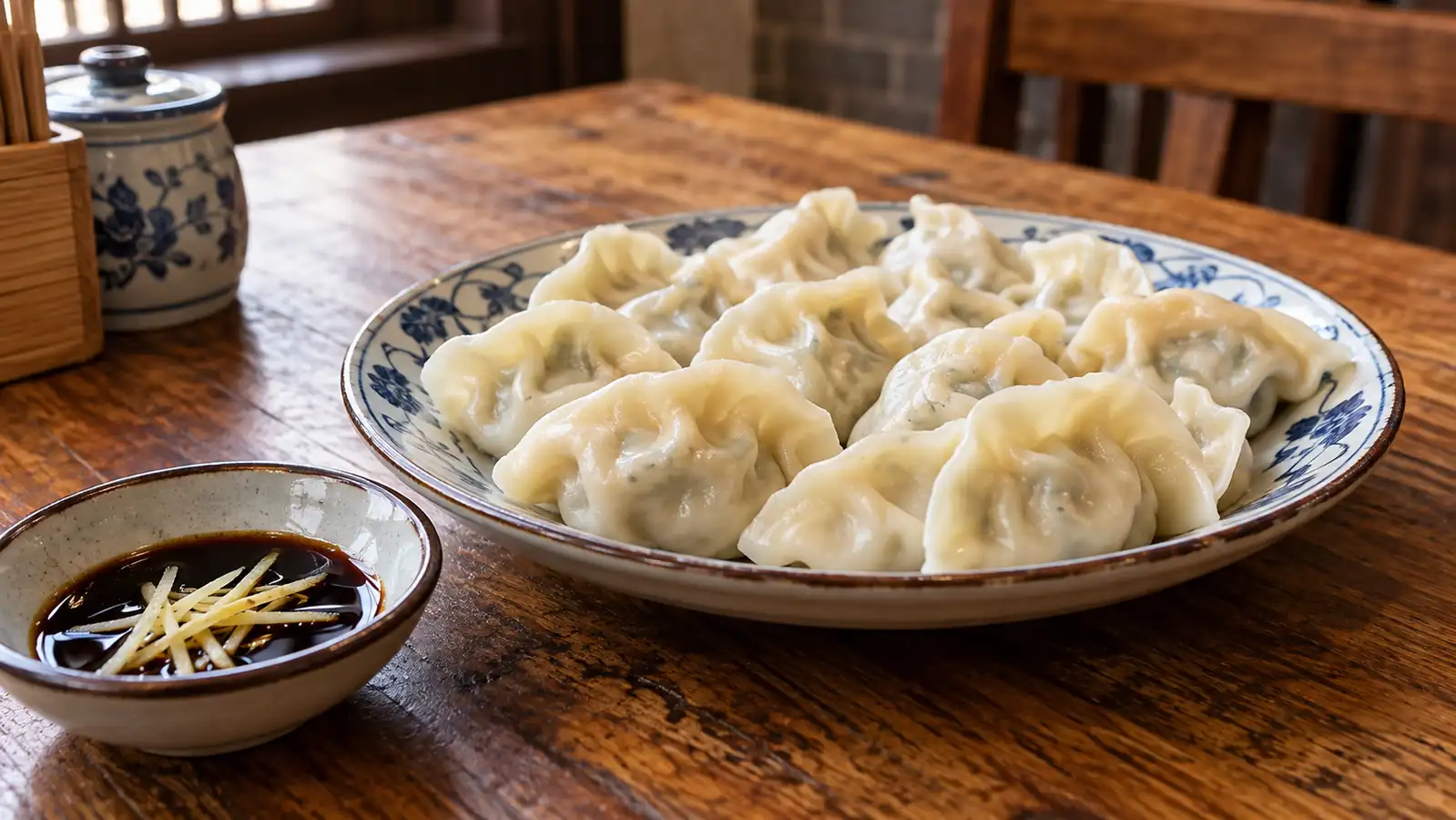
2. Dumplings (Jiaozi)
Jiaozi are crescent-shaped dumplings commonly filled with pork and cabbage, chive and egg, beef, lamb, or vegetables.
They may be boiled, steamed, or pan-fried, and northern families often eat them during Lunar New Year.
A dumpling shop usually sells them by portion, so choose two fillings to compare and dip them lightly in black vinegar.
3. Zha Jiang Mian (Fried Sauce Noodles)
Beijing’s zha jiang mian combines chewy wheat noodles with a deeply savory fermented soybean-and-meat sauce. Fresh cucumber and other shredded vegetables add crunch.
Mix everything thoroughly before eating; the sauce is concentrated, so noodles and vegetables are meant to soften its saltiness.
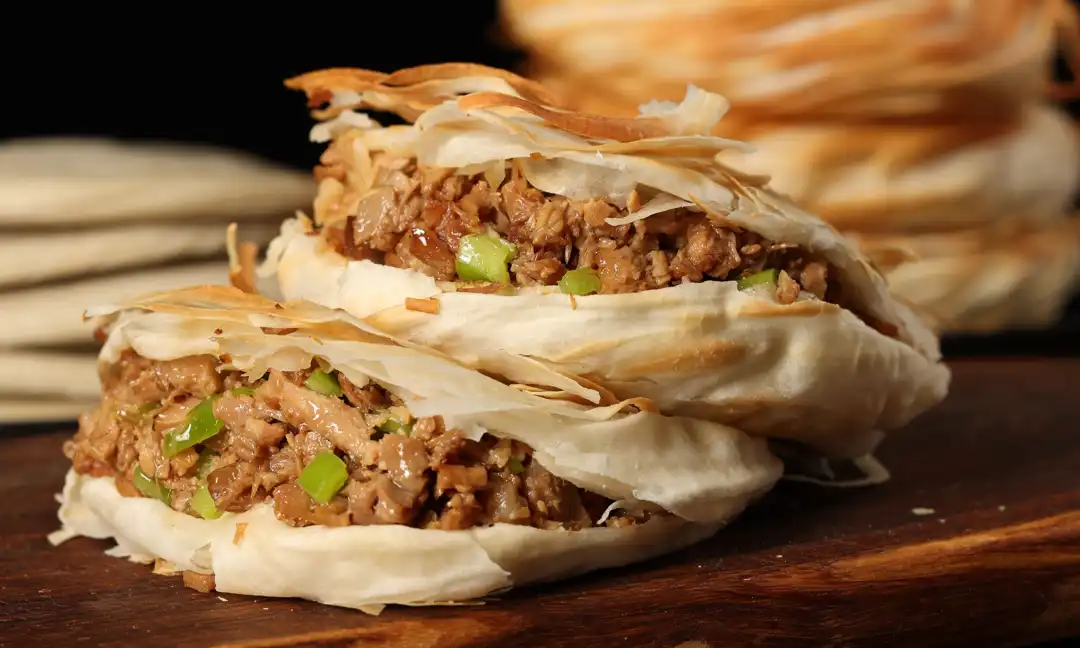
4. Roujiamo (Chinese Burger)
Roujiamo stuffs chopped, long-braised meat into a crisp-edged flatbread.
The Shaanxi version commonly uses pork scented with warm spices, while halal shops may offer beef or lamb. It is portable, filling, and especially good from a busy stall where the bread is toasted to order.
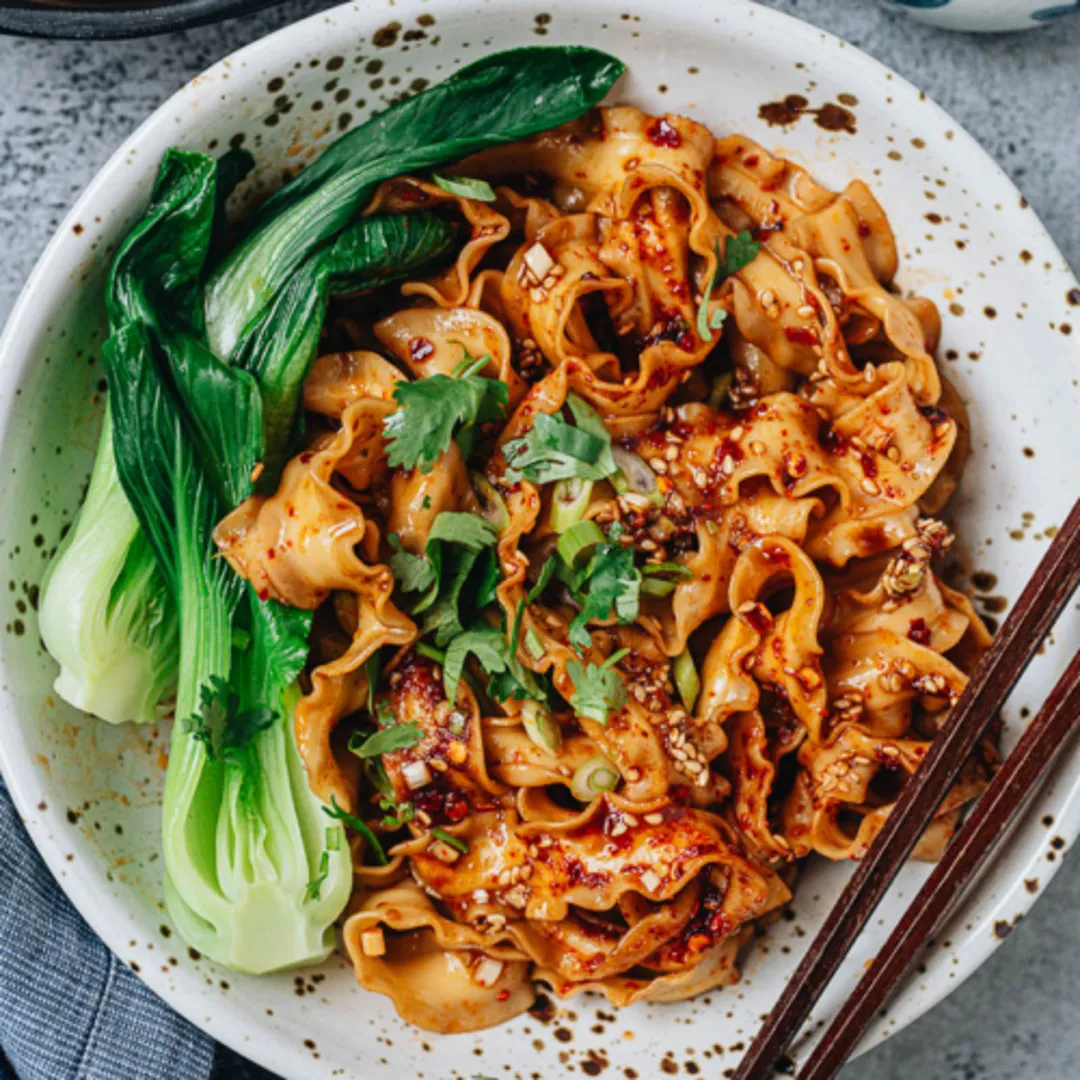
5. Biang Biang Noodles
These broad, hand-pulled Shaanxi noodles are thick enough to retain a satisfying chew. They are commonly topped with chile, garlic, vinegar, vegetables, and sometimes meat, then finished with hot oil.
Stir before eating so the aromatics coat every ribbon; ask for less chile if you want the wheat flavor to lead.
6. Hot Pot
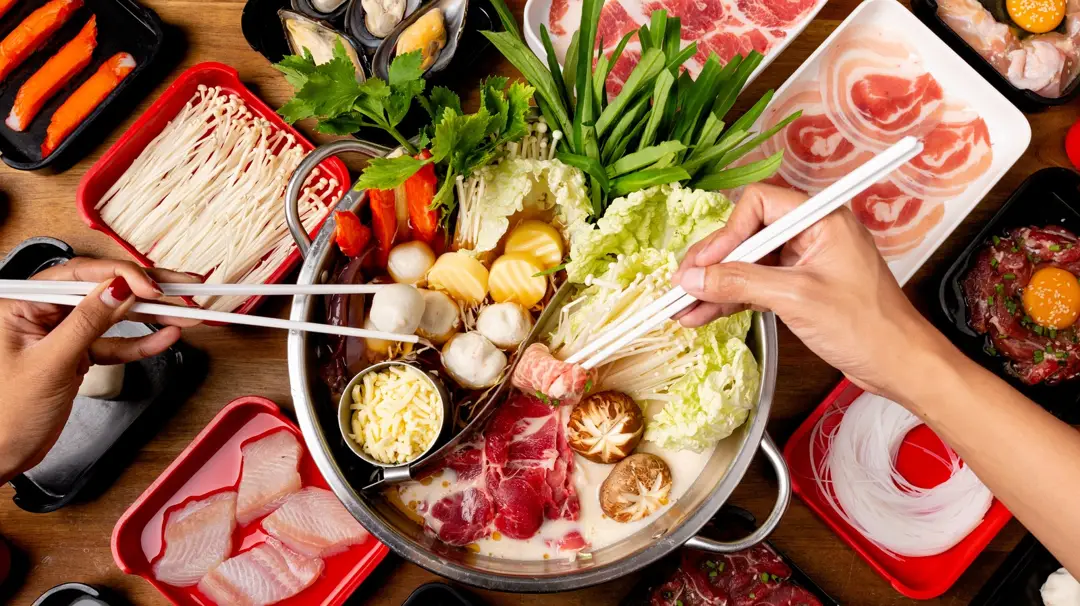
Hot pot is both dinner and an activity: diners cook thin meat, mushrooms, tofu, vegetables, and noodles in simmering broth.
Chongqing and Sichuan versions can be intensely spicy and numbing, but split pots let a group choose both a chile broth and a mild mushroom or tomato broth.
Cook raw ingredients fully, use the serving utensils provided, and add noodles near the end.
7. Mapo Tofu
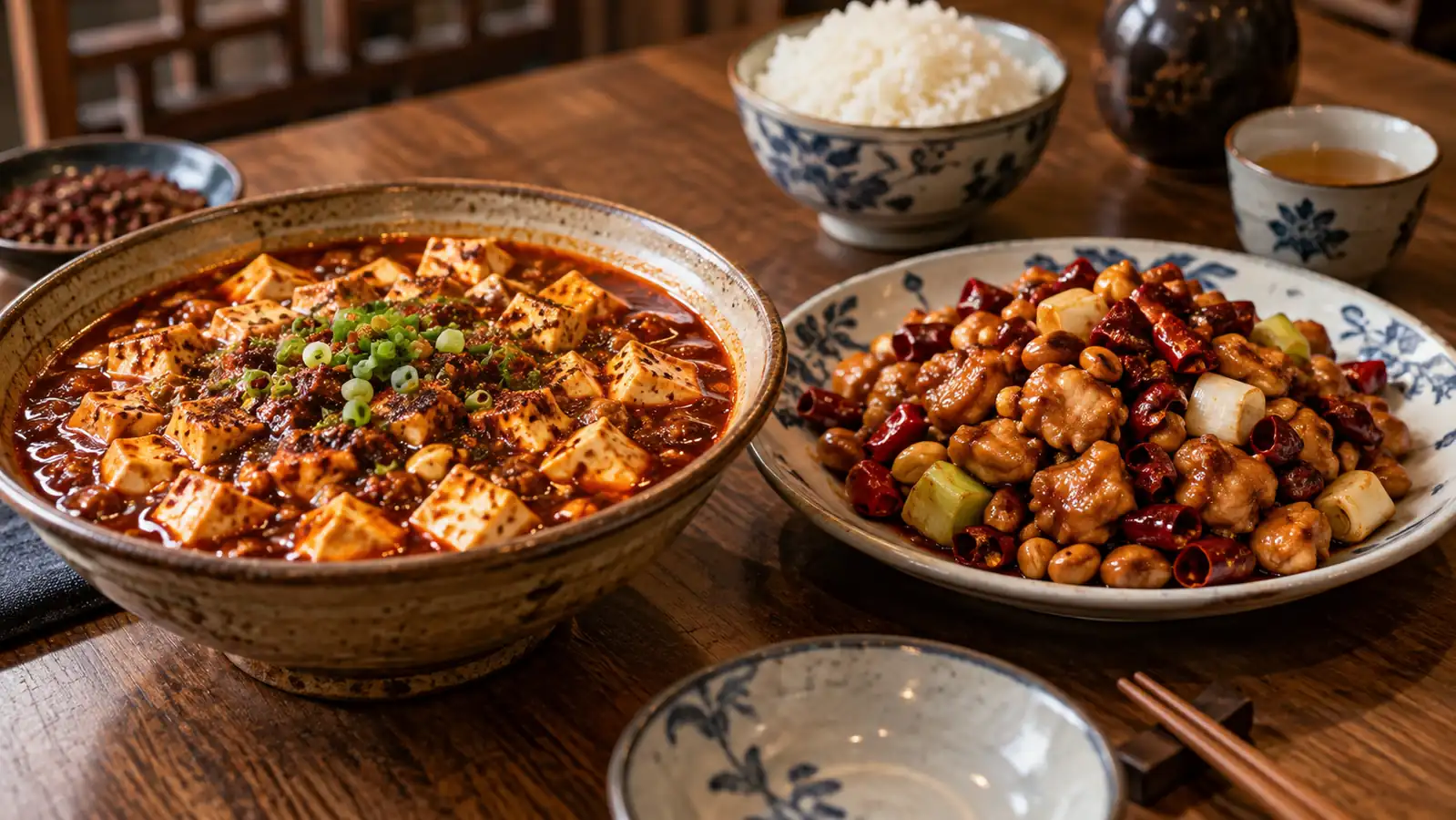
Mapo tofu pairs silky tofu with a glossy sauce of fermented bean paste, chile, Sichuan peppercorn, aromatics, and usually minced beef or pork. The best versions balance heat, fragrance, savoriness, and the cooling texture of tofu.
It is not automatically vegetarian, so ask specifically for a meat-free preparation if needed.
8. Gong Bao Chicken
Often called Kung Pao chicken abroad, the Sichuan original stir-fries diced chicken with dried chiles, peanuts, scallion, and a sauce that balances savory, sweet, and sour. It should be aromatic rather than syrupy.
Together, mapo tofu and gong bao chicken make a useful introduction to two very different expressions of Sichuan flavor.
9. Dim Sum
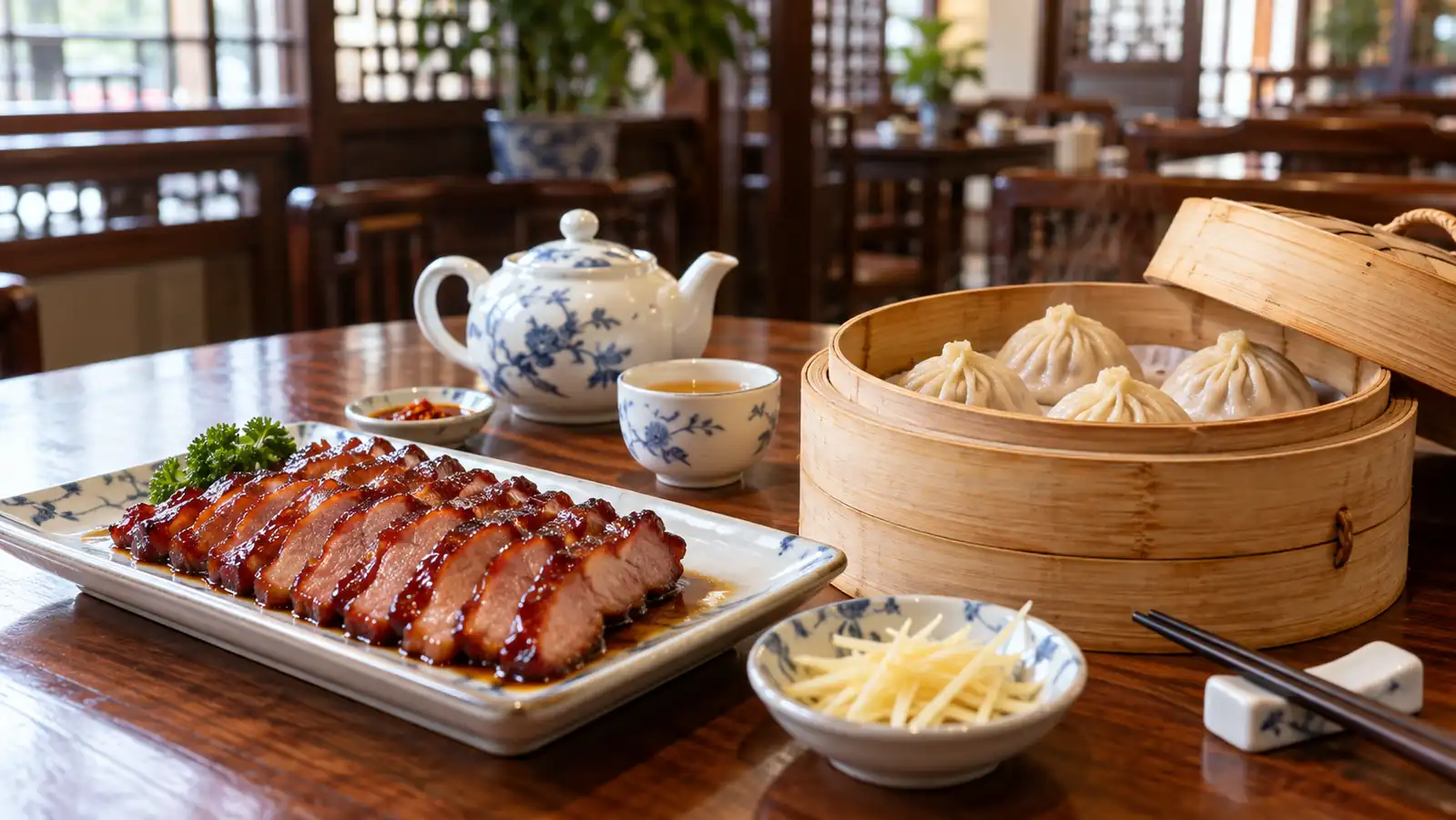
Dim sum is a Cantonese tea meal made up of small steamed, baked, or fried dishes. Har gow shrimp dumplings, siu mai, rice-noodle rolls, turnip cake, and buns are common choices.
Go before mid-afternoon, order several items for the table, and add dishes gradually; baskets are designed for sharing rather than as individual courses.
10. Char Siu
Char siu is Cantonese barbecued pork with a caramelized, savory-sweet exterior. It may appear over rice, inside a bun, or as part of a roast-meat platter.
Choose a shop with meats hanging in the window and ask for a mix of lean and fatty slices for the fullest texture.
11. Xiaolongbao (Soup Dumplings)
Xiaolongbao are delicate steamed dumplings filled with meat and hot broth, closely associated with Jiangnan and Shanghai.
Lift one onto a spoon, nibble a small opening, let the steam escape, and sip the broth before eating the rest with ginger and vinegar. This prevents burns and keeps the wrapper from tearing.
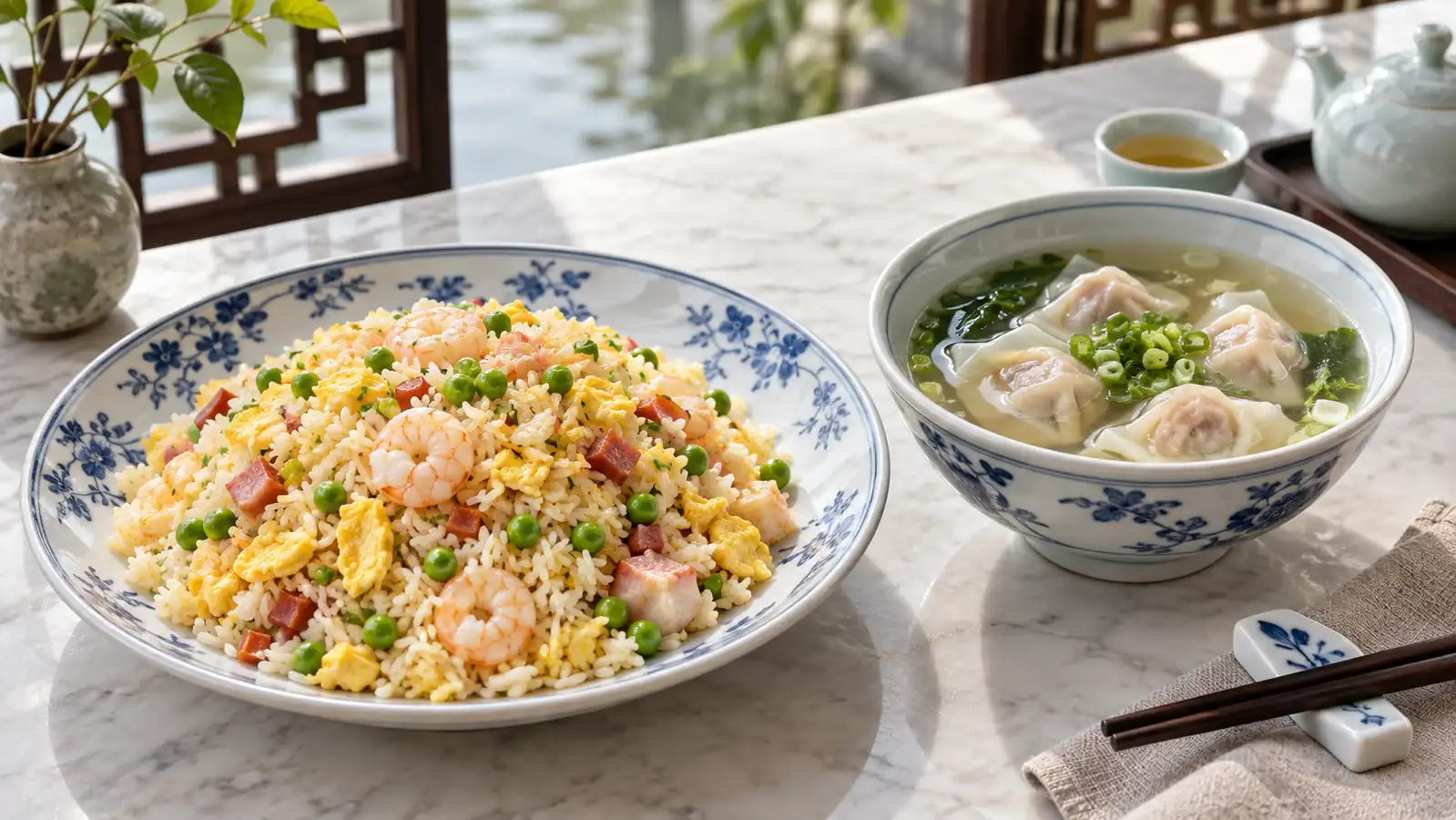
12. Yangzhou Fried Rice
Yangzhou fried rice is a Jiangsu classic of separate, lightly seasoned rice grains tossed with egg, scallion, vegetables, and small pieces of meat or shrimp.
It is more restrained than many overseas versions and works well as part of a shared meal. Because recipes vary, confirm the ingredients if you avoid pork or shellfish.
13. Wonton Soup
Wontons are thin-skinned dumplings served in broth, with regional fillings and shapes. Cantonese wontons often contain shrimp and pork, while Shanghai versions may feature pork and shepherd’s purse.
A bowl makes a gentle breakfast or light lunch and is useful when you want a break from fried or chile-heavy food.
14. Stinky Tofu
Fermented stinky tofu announces itself through its aroma, but the flavor is milder and deeply savory.
Night-market versions are often fried until crisp and served with chile sauce, pickles, or herbs. Share a small portion first: freshness, frying oil, and toppings have a large effect on the experience.
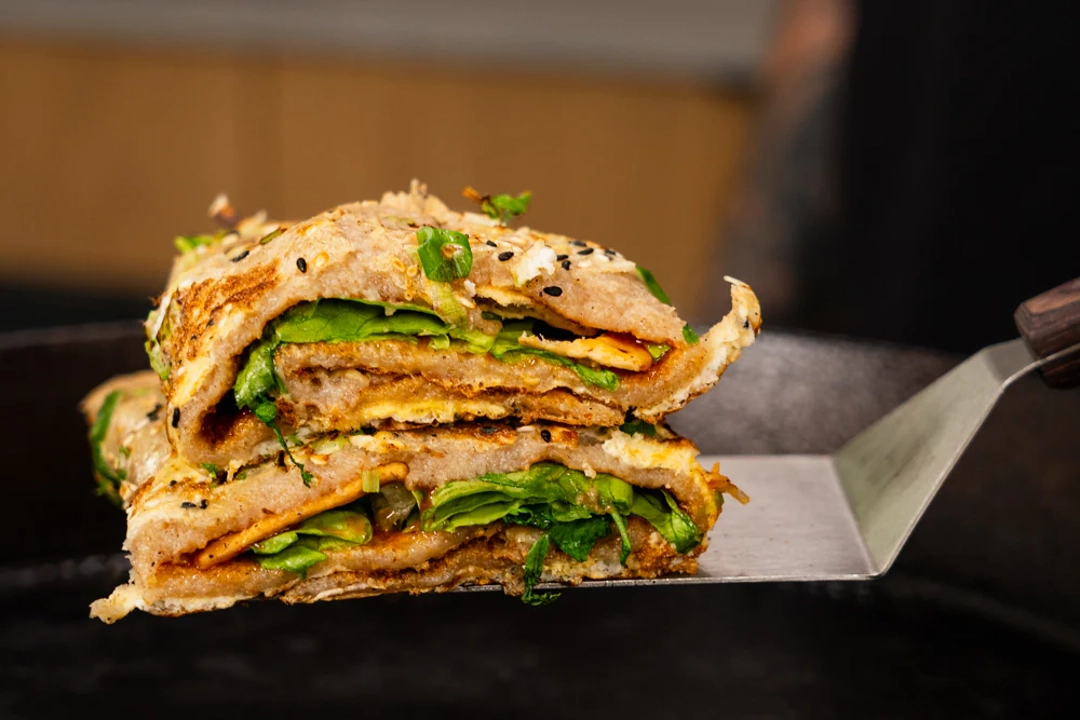
15. Jianbing (Chinese Crepe)
Jianbing is a quick breakfast crepe cooked on a griddle with egg, scallion, sauce, and a brittle cracker folded inside. Regional and vendor variations may add sausage, vegetables, or extra chile.
Order it in the morning, eat it immediately, and enjoy the contrast between the soft crepe and crisp center.
Chinese Street Food and Snacks
Street food changes by city and time of day. Commuter stalls serve breakfast early, snack windows stay busy through the afternoon, and night markets favor skewers, fried foods, sweets, and dishes made for grazing.
Choose active stalls with high turnover, watch for food cooked to order, and keep small digital-payment or cash options available.
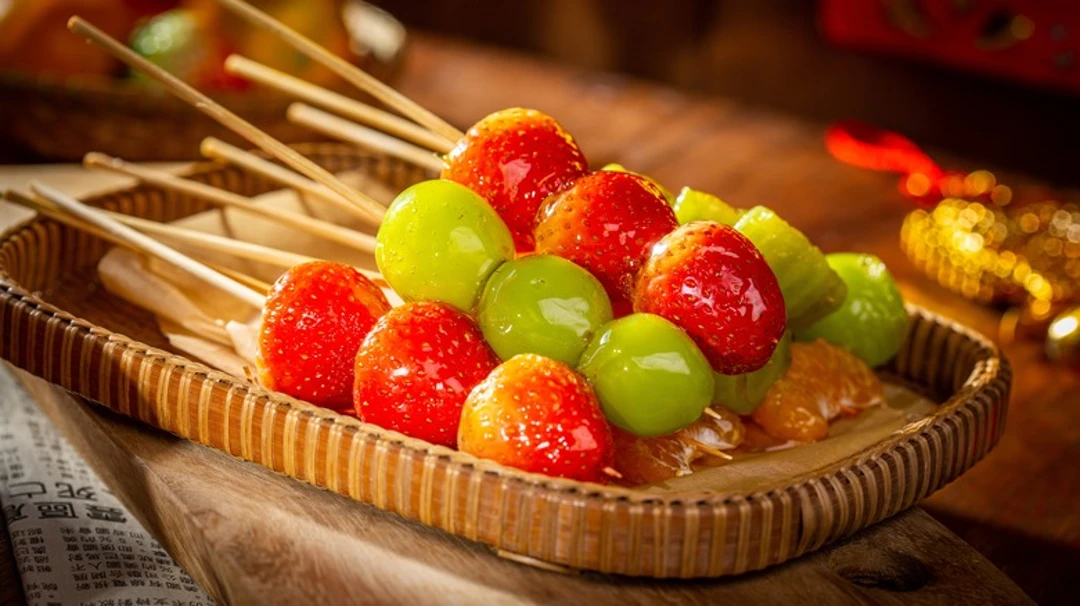
1. Tanghulu
Tanghulu coats skewered hawthorn berries in a brittle sugar shell, creating a sharp sweet-sour contrast. It is especially common in northern cities and cooler weather.
The coating should look clear and crisp rather than sticky; eat it carefully because the hardened sugar can be sharp.
2. Scallion Pancakes
Scallion pancakes are laminated rounds of dough fried until the surface is crisp and the inside remains chewy.
They make a savory breakfast or afternoon snack and may be served plain, with egg, or wrapped around other fillings. A busy griddle stall offers the best chance of getting one hot rather than reheated.
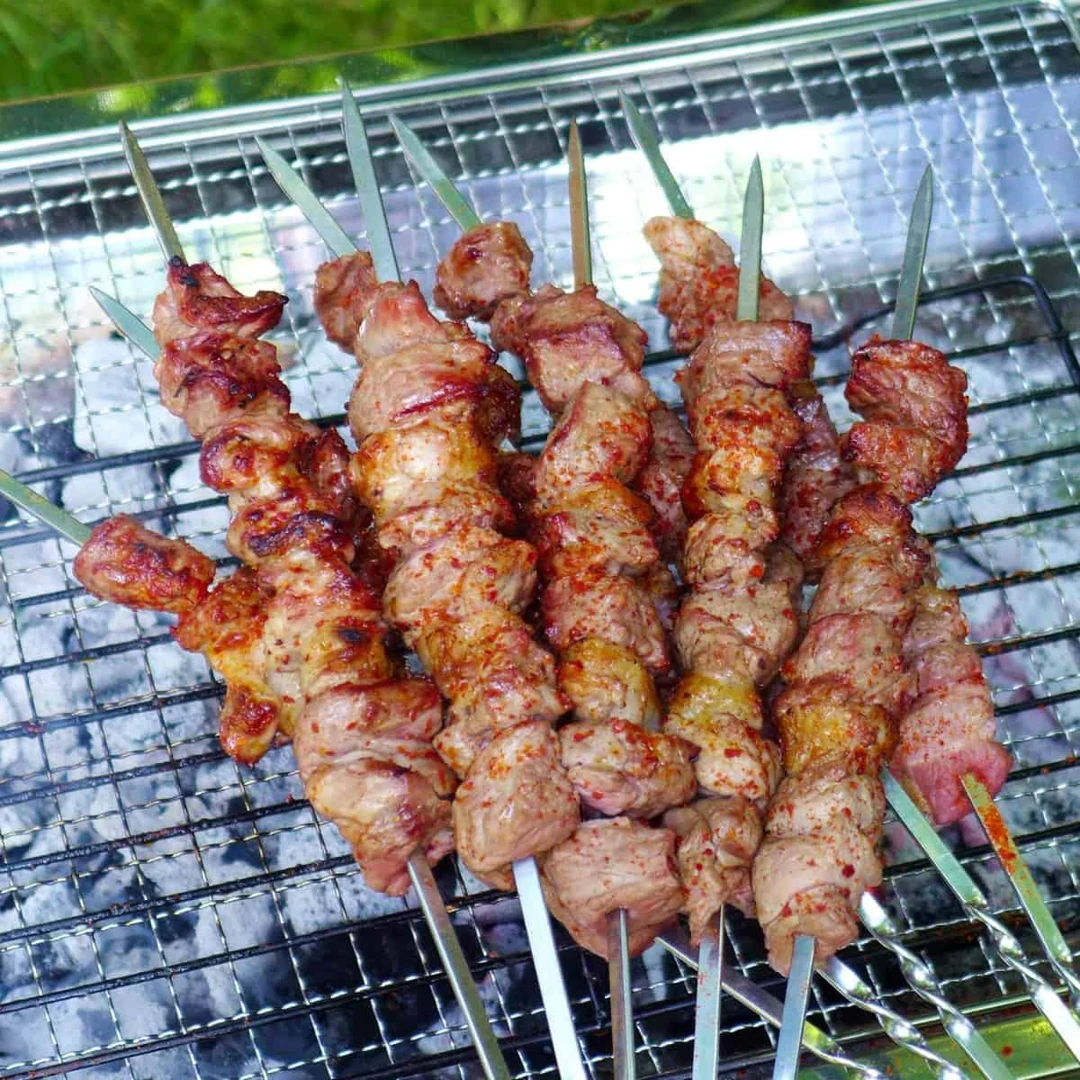
3. Chuan’r (Grilled Skewers)
Chuan’r are charcoal-grilled skewers seasoned with cumin, chile, and salt. Lamb is strongly associated with northern and northwestern China, though vegetables, chicken, and seafood are also common.
Order a few rounds rather than everything at once so each batch arrives hot, and confirm the price per skewer before ordering.
4. Mala Tang
Mala tang is a customizable bowl built from vegetables, tofu, mushrooms, noodles, and meats selected from a display. The ingredients are cooked in broth, weighed or counted, and served with a numbing-spicy sauce.
Keep raw meat separate from ready-to-eat items, ask how pricing works, and choose a modest basket the first time.
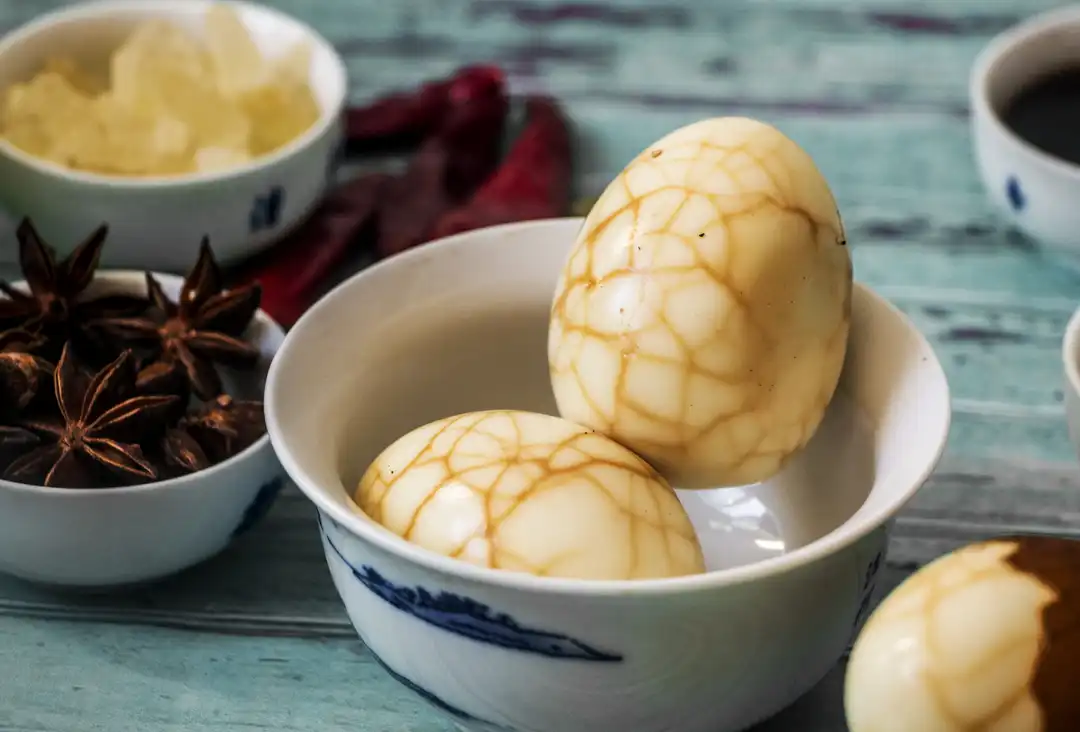
5. Tea Eggs
Tea eggs are simmered in tea, soy sauce, and warm spices after their shells have been cracked, creating a marbled pattern and a gently savory flavor. Convenience stores, station kiosks, and breakfast vendors often keep them warm.
They are an inexpensive portable snack and a milder choice for spice-sensitive travelers.
How to Order Food in China
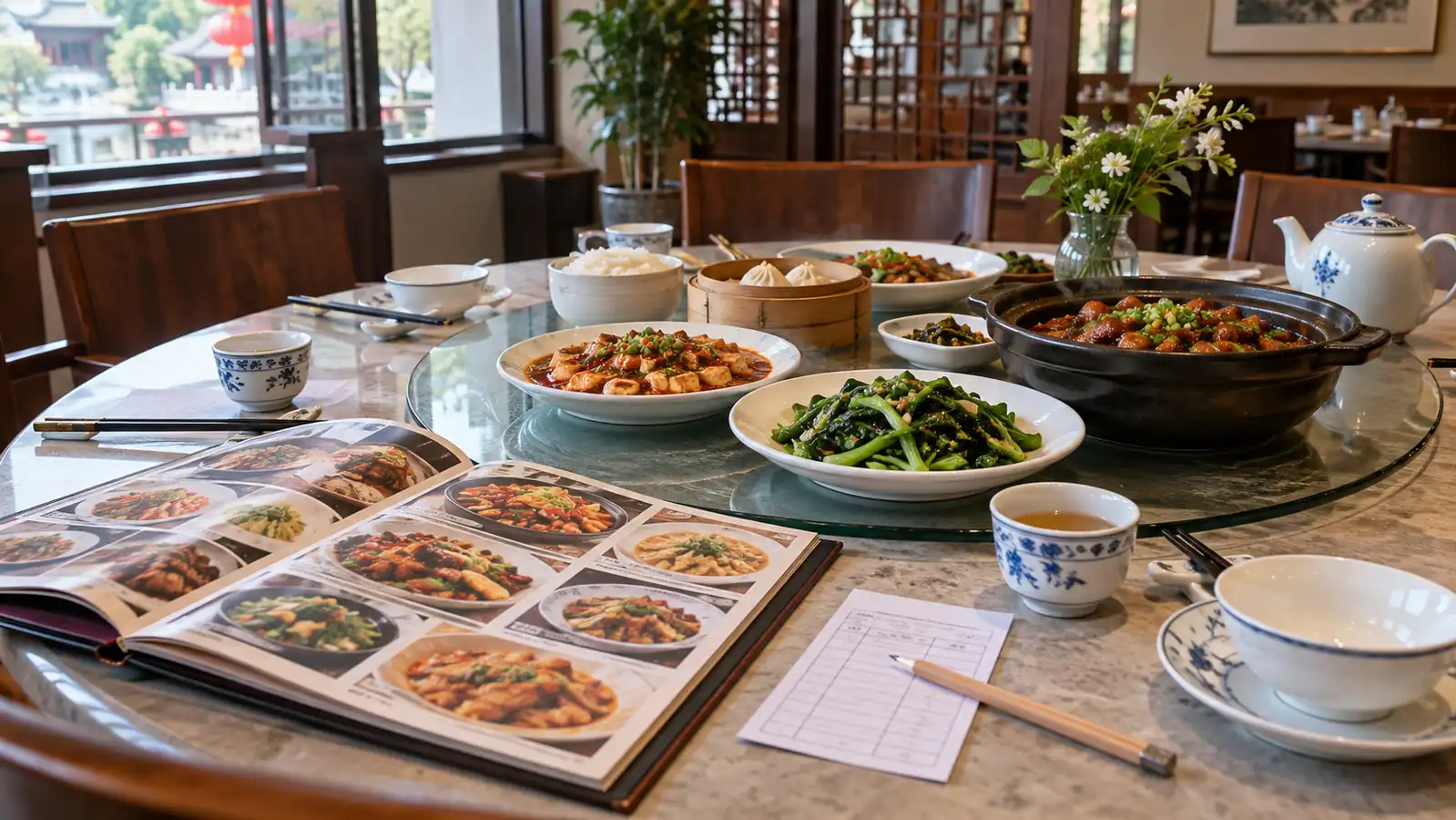
A good meal is easier when you know the restaurant’s specialty and build the order around the table. Many Chinese meals are shared, so portions, textures, and cooking methods matter as much as choosing famous names.
Reading Menus Without Chinese
Picture menus can help, but an image may not reveal the meat, stock, or level of heat.
Save the Chinese characters for a dish in advance, use an offline translation or camera tool, and point to what you want.
When a restaurant has no English menu, asking for the house specialty is often more reliable than translating every item literally.
Handling Vegetarian and Allergy Needs
“Vegetable” does not necessarily mean vegetarian: lard, meat stock, oyster sauce, dried shrimp, or minced pork may be used for flavor. State what you cannot eat, not just the name of a dietary category, and show the request in written Chinese.
Severe allergies require extra caution because shared woks, broths, oils, and utensils make cross-contact possible.
Matching the Dish to the Venue
Specialists are usually the best choice for technique-dependent foods.
Reserve Peking duck at a duck restaurant, eat dim sum at a Cantonese teahouse, choose hand-pulled noodles at a noodle shop, and sample small snacks at a busy market.
A focused menu is often a positive sign; it lets the kitchen repeat its signature dishes throughout the day.
Dining Etiquette in China
Dining customs vary by region, generation, and formality, so follow the lead of your host. These broad practices will help at both family-style restaurants and more formal banquets.
1. Chopstick Etiquette
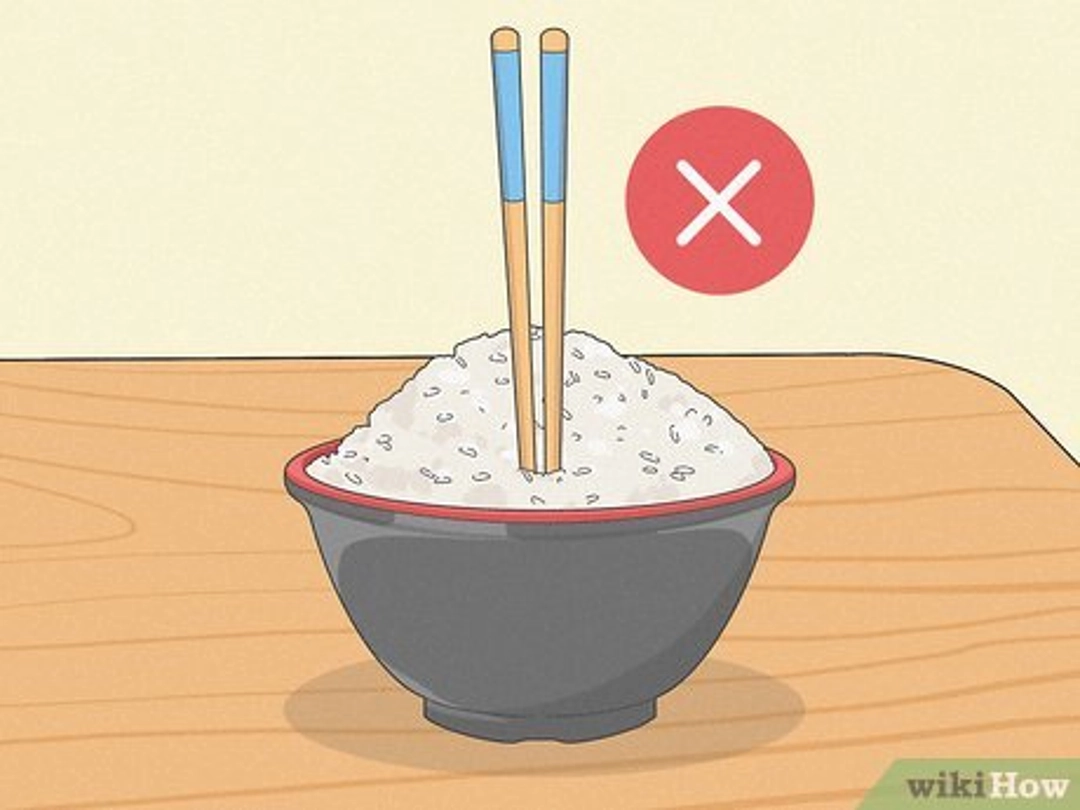
Do not leave chopsticks standing upright in rice, point them at another person, or spear food at a formal meal.
Rest them across the holder or bowl when pausing. If communal serving chopsticks or spoons are provided, use them to move food to your own plate.
2. Toasting and Drinking
At a formal toast, holding your glass slightly lower can show respect to a senior person, but visitors are not expected to compete over the gesture. You can decline alcohol politely and toast with tea or another drink.
If you want context before a banquet, explore Chinese alcohol and the customs surrounding baijiu, beer, and shared toasts.
3. Sharing Dishes
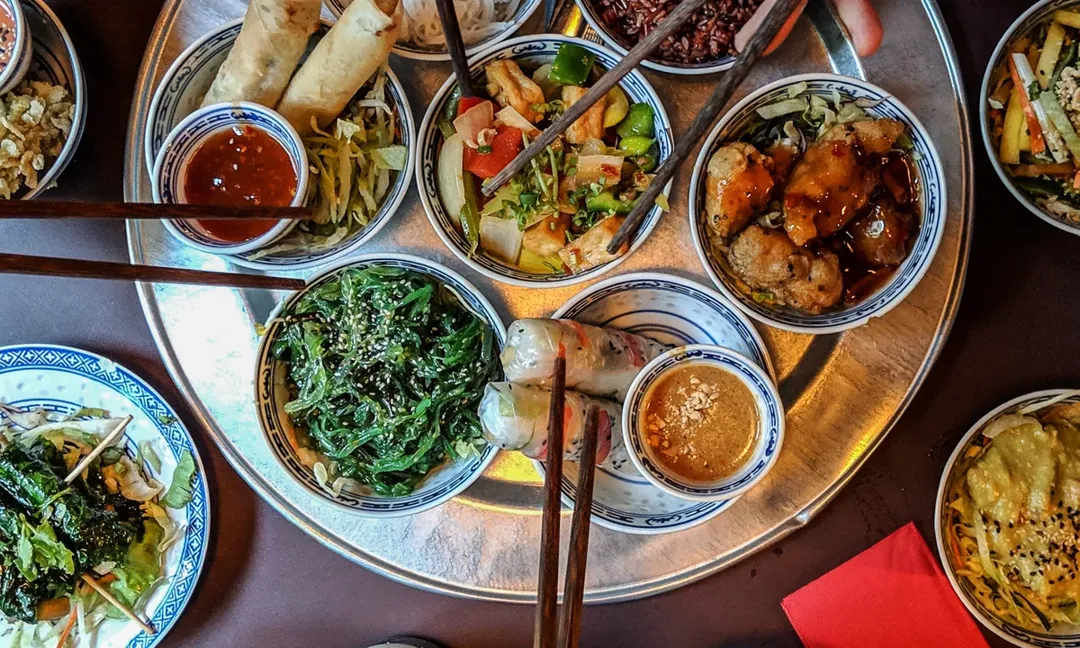
Most dishes sit in the center for everyone to share. Take a modest portion, move a lazy Susan slowly, and check that nobody is serving themselves before turning it.
At formal meals, wait for the host or eldest guest to begin; in casual restaurants, a simple invitation to start is enough.
4. Slurping and Burping
Quietly slurping noodles is accepted in many casual settings and can make hot noodles easier to eat. Deliberate burping is not a standard compliment and is better avoided.
Restaurant volume can be lively, but observe the room rather than relying on a single rule about what is considered polite.
5. Tea Pouring
Pour tea for nearby diners before refilling your own cup. A light two-finger tap on the table is a common way to thank the person pouring without interrupting conversation.
Leave the teapot lid ajar or ask staff for water when the pot needs refilling; practices differ between teahouses.
FAQ
1. What is a typical Chinese breakfast?
Breakfast varies by city, but common choices include congee, steamed buns, soy milk with fried dough, noodles, dumplings, and jianbing. Morning markets and neighborhood shops are often more representative than hotel buffets.
2. Should you tip in restaurants in China?
Tipping is generally not expected in mainland Chinese restaurants, and a service charge may already be included at upscale venues. Check the bill rather than leaving money automatically; international hotels are the main exception.
3. Is Chinese street food safe to eat?
Reduce risk by choosing busy vendors, watching for food cooked thoroughly in front of you, and avoiding ingredients that have been sitting warm or uncovered. Drink sealed or properly treated water and use extra care if you have a sensitive stomach.
4. Can travelers find halal food in China?
Yes. Look for restaurants marked qingzhen, especially in cities with Hui or Uyghur communities and across northwestern China. Lanzhou-style beef noodles and Xinjiang restaurants are common options, but travelers with strict requirements should still confirm preparation practices.
Conclusion
The best way to understand Chinese food is region by region. From Sichuan spice to Cantonese steaming and northern wheat dishes, each style reflects local geography and everyday habits.
Start with familiar flavors, then try one new dish or texture at each meal. Choose restaurants known for a few specialties, share dishes when possible, and keep dietary requests clear.
There is no need to taste everything. One memorable dumpling breakfast, hot pot dinner, or fresh market snack can reveal more about a place than any broad definition of “Chinese cuisine.”