
Shanghai is a city best understood through its contrasts. Futuristic towers rise across the Huangpu River from the stately buildings of the Bund, while quiet residential lanes, traditional gardens, and neighborhood restaurants reveal a slower side of China’s largest city.
A first trip can comfortably combine headline landmarks with local food, historic streets, museums, and a water-town day trip.
The key is to group places by area: explore the Bund and Nanjing Road together, give the Old City its own half-day, and leave time to wander beyond the observation decks and shopping streets.
Reliable mobile data makes navigating the metro, translating menus, and using travel apps much easier. An iRoamly China travel eSIM can help you stay connected from arrival without searching for a physical SIM card.

Top Attractions in Shanghai
Shanghai’s essential sights are spread across both sides of the Huangpu River, but many can be linked into efficient walking and metro routes.
Start with the classic waterfront, then balance the modern skyline with gardens, old streets, and a day trip beyond the city center.
1. The Bund and Huangpu River
The Bund is Shanghai’s defining view. On the west bank, early-20th-century buildings recall the city’s history as an international trading port; across the water, the towers of Lujiazui create one of Asia’s most recognizable skylines.
Walk the waterfront promenade slowly rather than treating it as a single photo stop. The view changes as you move north, and the side streets behind the Bund contain historic architecture, small galleries, and quieter cafés.
Travel Tip: Visit shortly after sunrise for space to walk and photograph the skyline. Return after dark if you want to see the towers illuminated, or take an evening Huangpu River cruise for views of both banks.

2. Shanghai Tower and the Lujiazui Skyline
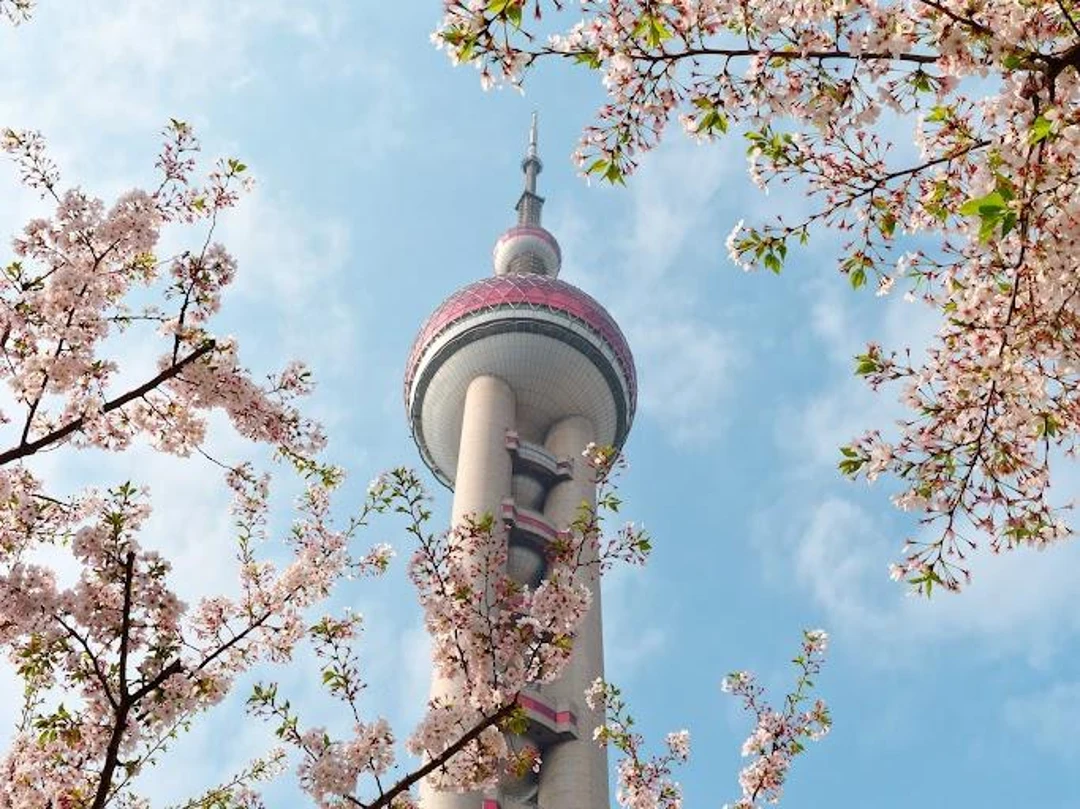
Lujiazui presents the Shanghai seen on postcards: Shanghai Tower, Jin Mao Tower, the Shanghai World Financial Center, and the Oriental Pearl Tower clustered beside the river.
Looking up from street level conveys the district’s scale, while an observation deck provides a broader view of the city’s dense neighborhoods and winding river.
Choose one observation deck rather than trying to visit several.
Shanghai Tower suits travelers who want the highest viewpoint, while the Oriental Pearl Tower offers the most distinctive landmark experience. Visibility matters more than the specific building, so keep your plans flexible on hazy or rainy days.
For the clearest view: Check the weather before buying a timed ticket and aim for a dry day.
For skyline photographs: The Bund gives a better exterior view of Lujiazui than the financial district itself.
For sunset: Reserve ahead and arrive early enough to see the city in daylight and after dark.
3. Yu Garden and the Old City Bazaar
Yu Garden brings together classical pavilions, ponds, rockeries, and covered corridors in a compact space.
Immediately outside, the Old City bazaar is louder and more commercial, with traditional-style buildings, snack shops, and souvenir stalls. Seeing both areas makes the contrast part of the experience.
The garden rewards an early start, before tour groups fill its narrow passages. Afterward, cross the zigzag bridge near Huxinting Teahouse, sample a local snack, and continue into the surrounding Old City streets rather than leaving as soon as the garden visit ends.
Travel Tip: Treat Yu Garden and the bazaar as one half-day area. The garden is the quieter cultural attraction; the surrounding streets provide atmosphere, food, and people-watching.

4. Nanjing Road and People’s Square
Nanjing Road is Shanghai’s best-known shopping street, running west from the Bund toward People’s Square. Its large department stores, illuminated signs, and steady crowds make it a useful introduction to the city’s commercial energy, even if shopping is not your priority.
Walk from People’s Square toward the Bund so the waterfront becomes the natural finish. Allow time for a museum, park, or meal near the square rather than rushing the entire avenue. The route works especially well in late afternoon, ending at the river around sunset.
5. Zhujiajiao Water Town
Zhujiajiao offers canals, stone bridges, old residences, teahouses, and boat rides without requiring an overnight trip from Shanghai. It is more visitor-friendly than remote, but its narrow waterside lanes still provide a welcome change from central Shanghai’s scale and speed.
Go in the morning and explore on foot before deciding whether to take a short boat ride. Weekdays are generally calmer than weekends, and comfortable shoes are useful on the uneven lanes and bridges.
Zhujiajiao deserves at least half a day. Add it only if you have three or more days in Shanghai; on a shorter visit, keep your time for the Bund, Old City, and central neighborhoods.
Shanghai Neighborhoods and Local Culture
Landmarks explain Shanghai’s scale, but its neighborhoods reveal how the city feels at street level. This is where tree-lined avenues, lane houses, markets, temples, parks, and contemporary design begin to connect the city’s past with everyday life.
Former French Concession, Wukang Road, and Tianzifang
The Former French Concession is not a single attraction but a broad area best explored on foot. Plane trees shade streets lined with historic villas, local shops, restaurants, and cafés.
Wukang Road is one of the most popular starting points, although nearby side streets are often more rewarding than the busiest photo locations.
Tianzifang has a different character. Its compact lane network is filled with studios, gift shops, bars, and snack counters. It can feel crowded and commercial, yet the preserved scale of the lanes makes it worth a short visit, especially when paired with a longer neighborhood walk.
Choose Wukang Road for architecture, leafy streets, and a relaxed walk.
Choose Tianzifang for dense lanes, small shops, and an energetic atmosphere.
Choose both if you have half a day and want to compare two very different versions of historic Shanghai.
Museums, Parks, and Everyday Shanghai
A museum visit adds context to the buildings and neighborhoods you see outside. Select one collection that matches your interests—Chinese art, city history, contemporary art, or science—and check its official reservation requirements before visiting.
Parks offer another window into local life. In the morning, you may see residents walking, dancing, practicing tai chi, or playing traditional games.
Observe respectfully, avoid photographing people at close range without permission, and leave enough unscheduled time to sit, watch, and absorb the pace of the city.
Local Experience Tip: Shanghai becomes more memorable when every hour is not assigned to a major sight. A neighborhood breakfast, a park walk, or a quiet residential lane can provide as much insight as another observation deck.

Plan Your Shanghai Itinerary
Once you know what you want to see, organize the trip geographically. Crossing Shanghai repeatedly wastes time, while grouping the Bund, Old City, Lujiazui, and western neighborhoods into separate blocks creates a smoother route.
How Many Days Do You Need in Shanghai?
Trip Length | Best For | Suggested Focus |
|---|---|---|
2 days | A short first visit | The Bund, Lujiazui, Yu Garden, Nanjing Road, and one neighborhood walk |
3 days | Most first-time travelers | Add museums, more local food, and a slower Former French Concession visit |
4 days | Travelers who prefer a relaxed pace | Add Zhujiajiao, deeper neighborhood exploration, or a specialist museum |
Three full days provide the best balance for a first visit. Two days can cover the essentials, but the schedule will be tighter and a water-town excursion will usually displace something more central.
Where to Stay in Shanghai
Your choice of neighborhood should reflect how you plan to spend the evenings as well as which sights you want to reach during the day.
People’s Square and Nanjing Road: A practical first-visit base with strong metro connections and easy access to the Bund.
The Bund: Best for waterfront atmosphere and skyline views, though hotels can be more expensive and some metro stations require a longer walk.
Jing’an: Convenient for dining, shopping, and access to both central sights and western neighborhoods.
Former French Concession: Ideal for cafés, historic streets, and evening walks; choose a hotel near a metro station to simplify longer journeys.
Lujiazui: Suitable for modern hotels, business travel, and Pudong views, but less atmospheric for travelers who want to step directly into older neighborhoods.
A Practical Three-Day Shanghai Route
Day 1 — Classic waterfront Shanghai: Begin at People’s Square, walk east along Nanjing Road, explore the Bund, and cross to Lujiazui for an observation deck or riverside walk. Return to the Bund after dark if you still have energy.
Day 2 — Old City and local food: Visit Yu Garden early, explore the surrounding Old City, stop for xiao long bao, and spend the afternoon at a museum or nearby riverside art area.
Day 3 — Neighborhood Shanghai: Walk through the Former French Concession and Wukang Road, visit Tianzifang if it interests you, and finish with dinner in Jing’an or another well-connected central district. Substitute Zhujiajiao for this day if a water town is a higher priority.
Shanghai involves more walking than its metro map suggests. Plan one major area for the morning and one for the afternoon, then leave the evening flexible for food, skyline views, or rest.
What to Eat in Shanghai and Where to Find It
Shanghai cooking often combines savory flavors with a subtle sweetness. Dumplings, noodles, river and lake produce, and soy-braised dishes are central to the city’s food identity. Busy local restaurants may have fast service and shared tables, so decide what you want before reaching the counter.
1. Xiao Long Bao (Shanghai Soup Dumplings)
Xiao long bao are thin-skinned steamed dumplings filled with pork and hot broth. Lift one carefully into a spoon, bite a small opening to release the steam, and add black vinegar and ginger according to taste. Eating it whole immediately is the quickest way to burn your mouth.
Where to Try Xiao Long Bao in Shanghai
Jia Jia Tang Bao: A casual, popular option for a local-style meal; arrive outside peak hours if possible.
Din Tai Fung: A polished, consistent introduction for travelers who prefer a more comfortable restaurant setting.

2. Sheng Jian Bao (Pan-Fried Buns)
Sheng jian bao have a fluffy upper surface, a crisp fried base, and a juicy pork filling. They are heavier than xiao long bao and work well for breakfast or a quick lunch. The filling can also be extremely hot, so open the bun carefully before taking a full bite.
Where to Try Sheng Jian Bao in Shanghai
Yang’s Fried Dumplings is a convenient first stop with multiple branches. Smaller neighborhood shops can be excellent too; look for buns being cooked continuously and a steady local queue.
Start with a small portion. Sheng jian bao are filling, and ordering fewer leaves room to try noodles or another snack nearby.
3. Hairy Crab in Autumn
Hairy crab is a seasonal delicacy valued for its rich roe and sweet meat. It is most closely associated with autumn, and prices vary considerably by origin, size, and restaurant. Because the crab takes time to eat, it is better treated as a planned meal than a quick street-food stop.
Where to Try Hairy Crab in Shanghai
Choose an established Shanghainese restaurant that clearly lists seasonal pricing and ask what is included before ordering. If you do not want to dismantle a whole crab, look for crab roe noodles or dumplings as a more approachable alternative.

4. Scallion Oil Noodles
Scallion oil noodles are simple but deeply aromatic: wheat noodles are coated with soy sauce and oil infused with fried scallions. The dish is useful between richer meals and shows how Shanghai cooking can build flavor from a small number of ingredients.
Where to Try Scallion Oil Noodles in Shanghai
A Niang Mian is known for noodles and is a practical choice if you want a dedicated noodle-shop experience. At neighborhood restaurants, look for cong you ban mian on the menu.
5. Shanghai-Style Braised Pork (Hong Shao Rou)
Hong shao rou is pork belly slowly cooked in a glossy soy-based sauce with sugar and aromatics. The result is rich, tender, and gently sweet, so it is best shared with rice and one or two lighter vegetable dishes.
Where to Try Hong Shao Rou in Shanghai
Jesse Restaurant is a well-known place for classic Shanghainese cooking. Reservations can be useful, and sharing several dishes gives a better introduction to the cuisine than ordering braised pork alone.

Essential Travel Tips for Shanghai
Shanghai is straightforward to explore once your phone, payment methods, and transport plan are ready. Complete those practical steps before arrival so your first day can focus on the city rather than setup.
Best Time to Visit Shanghai
Spring and autumn usually offer the most comfortable conditions for walking, with milder temperatures than midsummer and midwinter. Summer can be hot, humid, and rainy, while winter is often cold and damp despite limited snowfall.
Before packing, check the expected weather in Shanghai for your specific dates. Public holidays can also bring heavy domestic travel, so reserve popular attractions and intercity trains early if your visit overlaps a major holiday period.
Payments, Apps, and Connectivity
Mobile payment is common throughout Shanghai.
International visitors can generally register for Alipay or WeChat Pay and link supported overseas bank cards, although availability and verification can depend on the card issuer and account. Complete registration before the trip if possible.
Prepare two payment methods: Set up a mobile wallet, then carry a physical bank card and some cash as backups.
Enable mobile data: Mapping, translation, attraction reservations, and ride-hailing are much easier with a dependable connection.
Save essential details: Keep your hotel name, address, and phone number in Chinese in case an app fails.
Check app access: Install and sign in to the services you expect to use before departure rather than waiting until you arrive.
Getting Around Shanghai
The metro is usually the fastest way to cover long distances. Station signs and announcements commonly include English, and route-planning apps can help identify the correct exit—an important detail at large stations.
Metro: Best for most sightseeing journeys; avoid carrying large bags during rush hour.
Taxi or ride-hailing: Useful late at night, in bad weather, or when traveling with luggage. Keep your destination written in Chinese.
Walking: Best within the Bund, Old City, and Former French Concession, but distances between districts are too large to rely on walking alone.
From Pudong Airport: The metro reaches central districts directly. The Maglev is faster for the section to Longyang Road, where you must transfer to the metro or a taxi.

Language and Local Etiquette
Mandarin is the most useful language for visitors, while Shanghainese is also spoken locally.
English is available at many major hotels and attractions but is less dependable in neighborhood restaurants and taxis. A translation app and screenshots of important addresses can bridge most gaps.
Tipping is not a routine expectation in mainland China. Be patient in crowded public spaces, queue where a line is established, speak quietly in temples and museums, and ask before taking close photographs of people.
FAQ
1. Do I Need a Visa for Shanghai?
Visa requirements depend on your nationality, route, and length of stay. Eligible travelers may use China’s 240-hour visa-free transit policy when passing through approved regions on the way to a third country or region, but a simple return trip to the same country does not meet the transit condition. Confirm eligibility, permitted ports, and current documentation on the official Shanghai government visa-free transit page before booking.
2. What Is the Best Area to Stay in Shanghai?
People’s Square or Nanjing Road is the most convenient choice for many first-time visitors because the area combines central transport with easy access to the Bund. Choose Jing’an for restaurants and city life, the Former French Concession for atmospheric streets, or Lujiazui for modern hotels and Pudong skyline views.
3. Is Shanghai Safe for Tourists?
Shanghai is generally considered a safe city for visitors, but normal urban precautions still apply. Watch your belongings in crowds, use licensed transport, ignore unsolicited invitations from strangers around major tourist areas, and keep digital and paper copies of essential travel documents.
4. How Do I Get From Pudong Airport to Central Shanghai?
The metro is the simplest budget option and connects the airport with central Shanghai. The Maglev reaches Longyang Road quickly but does not continue to the city center, so a transfer is required. A taxi or prearranged transfer is more convenient with heavy luggage or after a long flight. Compare the operating hours and your hotel’s location before choosing.
Conclusion
Shanghai is a city where historic streets, modern skylines, local food, and everyday neighborhoods come together.
Beyond landmarks like the Bund and Yu Garden, some of the best experiences come from simply exploring the city at your own pace.
With a little planning, it’s easy to experience different sides of Shanghai in one trip—and still leave with plenty of reasons to come back.