
China’s cities can feel like different countries joined by one remarkably fast transport network. Imperial capitals, glass-tower megacities, subtropical food hubs, mountain towns, and winter destinations all compete for limited days on the same trip.
This guide compares 20 of the best cities in China by what each does best, how long it deserves, and where it fits in a practical route. The goal is not to collect names, but to choose a combination that gives you real contrast without spending half the journey in transit.
To ensure you're always connected and able to share your experiences, bring along an iRoamly China travel eSIM for fast and reliable data throughout your trip.
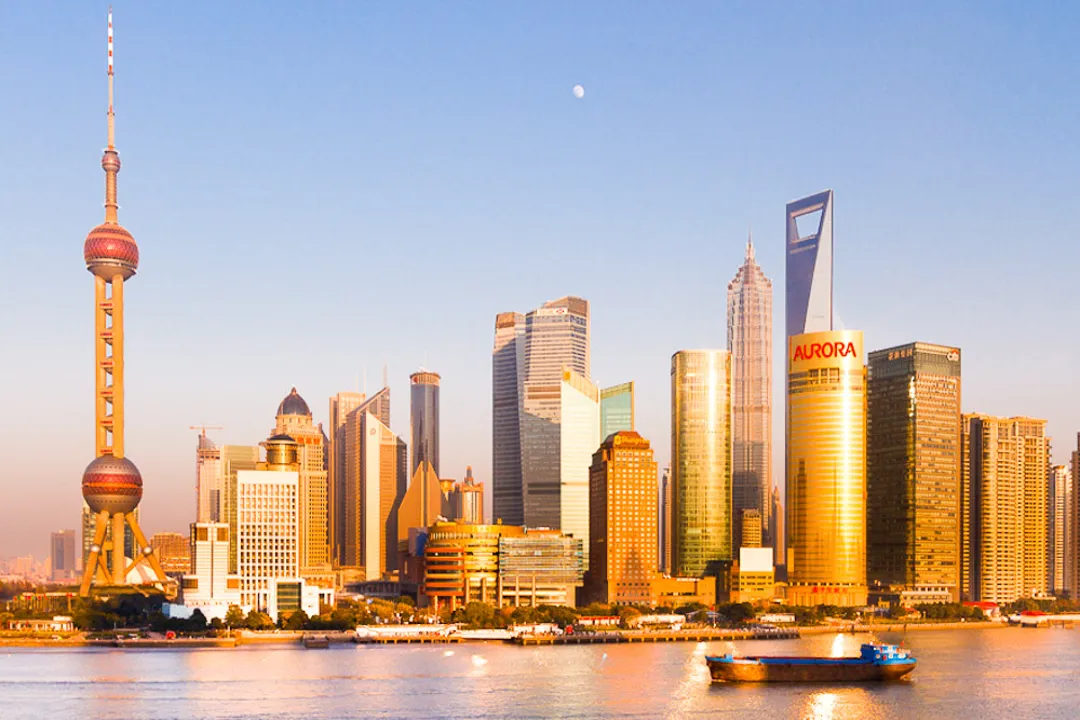
Choose the Right China Cities
China’s best cities offer very different travel experiences. Some are defined by imperial history and architecture, others by food and modern city life, while destinations such as Guilin and Zhangjiajie work best for travelers who want nature alongside urban stops.
The key is to choose cities that add something different to your route. Consider your interests, available time, and how easily each stop connects to the next before building your itinerary.
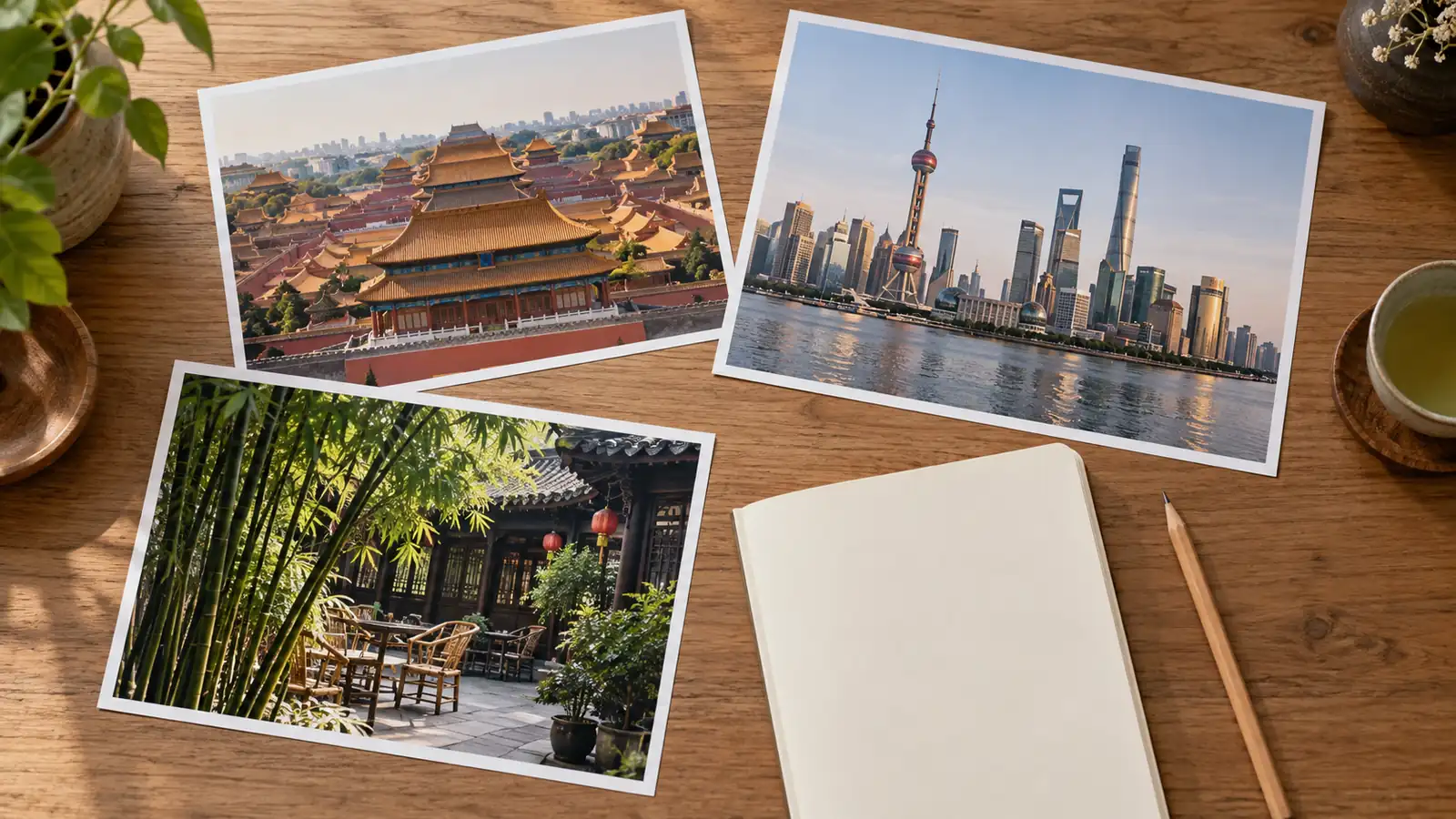
Best Cities for First Trips
Beijing, Xi’an, and Shanghai make a strong introduction to China. Beijing brings imperial landmarks and Great Wall access, Xi’an adds ancient history and archaeology, while Shanghai offers a very different view of modern urban China.
With about a week, focus on two or three major cities rather than trying to cover too much ground.
Cities for Food and Culture
Chengdu, Chongqing, and Guangzhou stand out for travelers who want local food and distinctive city culture.
Chengdu is known for Sichuan cuisine and a slower pace, Chongqing for hotpot and its dramatic hillside setting, and Guangzhou for Cantonese food and Lingnan heritage.
Shenzhen can add contemporary design and technology to a southern China route, while Harbin offers a very different cultural experience during its winter season.
Cities for Nature and Scenery
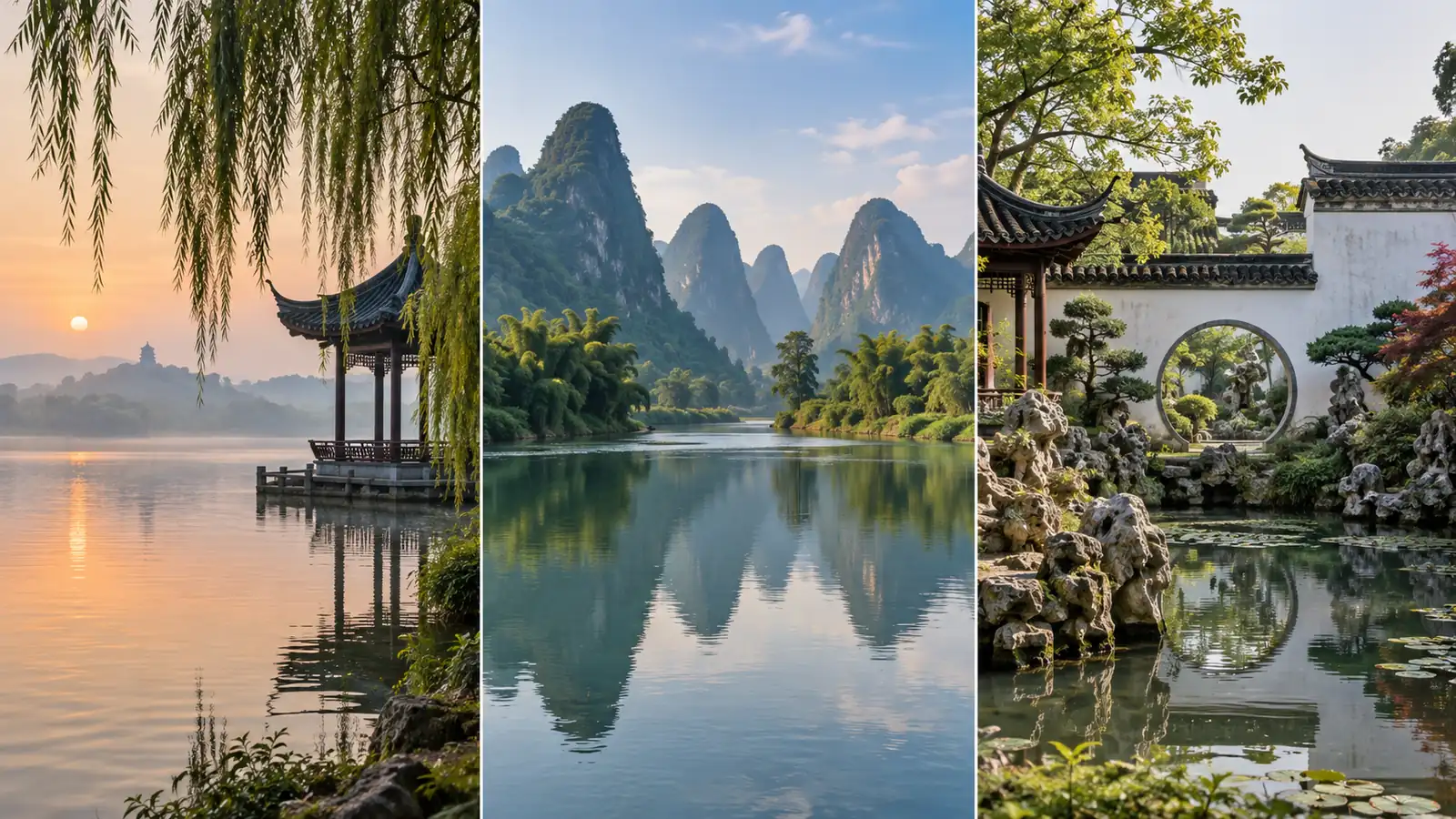
Some cities work especially well as gateways to China’s natural landscapes. Guilin connects easily with the Li River and Yangshuo, Zhangjiajie is centered on dramatic sandstone peaks, and Lijiang combines an old town with nearby mountain scenery.
Hangzhou and Suzhou offer a gentler alternative, with lakes, gardens, canals, and traditional landscapes that are easy to combine with Shanghai.
Travel Priority | Strong City Choices | Useful Time Range |
|---|---|---|
First China trip | Beijing, Xi’an, Shanghai | 7–10 days for the core route |
Food and urban energy | Chengdu, Chongqing, Guangzhou | 2–4 days per city |
Classical scenery | Hangzhou, Suzhou, Guilin, Yangshuo | 1–3 days per stop |
Seasonal or specialist trip | Harbin, Lhasa, Zhangjiajie | 3–5 days plus weather buffer |
20 Best Cities in China
With these different travel styles in mind, it is easier to see what each destination can add to your trip.
From the history of Beijing and Xi’an to the modern city life of Shanghai and Shenzhen, and the natural scenery around Guilin and Zhangjiajie, these 20 cities offer distinctly different ways to experience China.
1. Beijing – China’s Imperial Capital
Beijing is the strongest first stop for understanding China’s imperial scale.
The Forbidden City and Temple of Heaven anchor the historic center, while the hutongs reveal a more intimate pattern of courtyards, lanes, neighborhood restaurants, and daily life.
The city also provides the easiest base for choosing a Great Wall section that matches your time and walking ability.
Allow enough time for security checks, long walking distances, and advance reservations at major monuments. Beijing suits history-focused travelers, families, and first-time visitors who want a broad foundation before moving to another region.
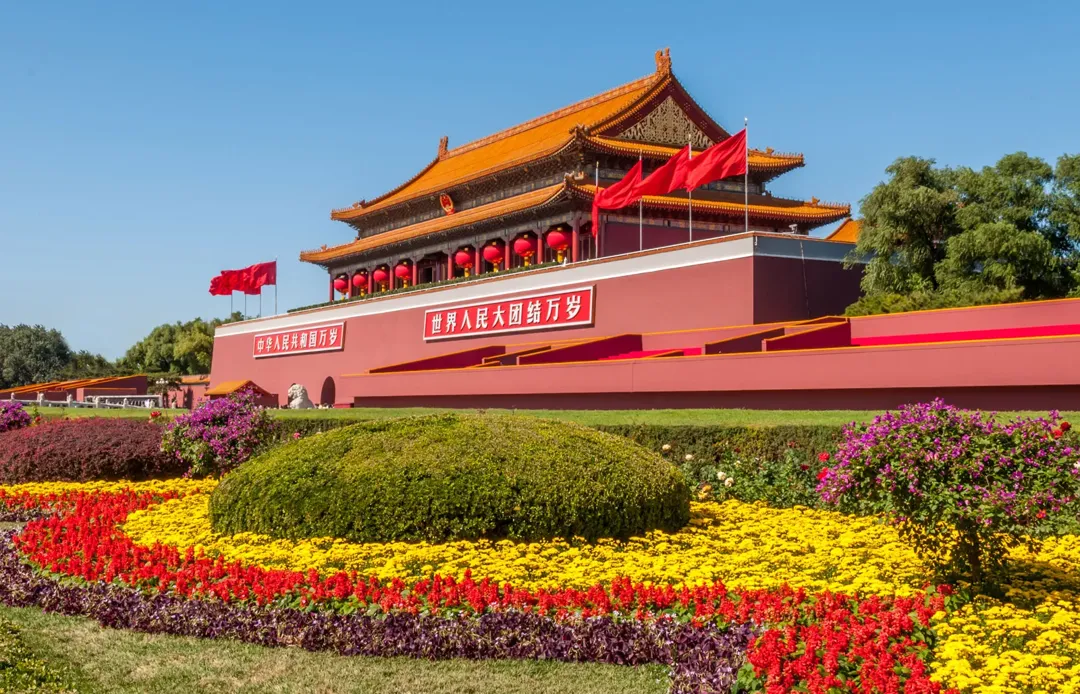
Scenic Spot Recommendations:
The Great Wall: Mutianyu is a practical first choice for many visitors; other sections reward stronger hikers or repeat travelers.
The Forbidden City: Reserve ahead and pair the north exit with Jingshan Park for an elevated view over the palace roofs.
Temple of Heaven: Visit the ceremonial complex and leave time for the surrounding park, especially in the morning.
Best Travel Time:
Spring and autumn usually bring the most comfortable sightseeing weather. Plan four to five days including a Great Wall day; pair Beijing with Xi’an by high-speed rail.
2. Shanghai – Past Meets Future
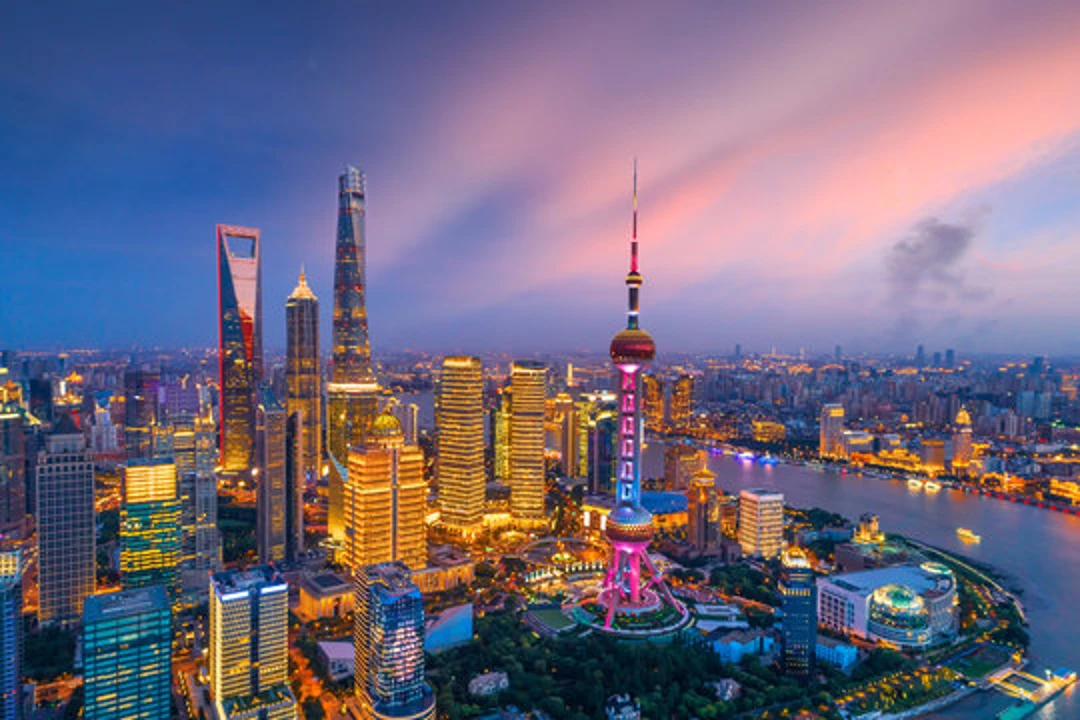
Shanghai in China is the country’s clearest showcase of international history, contemporary design, and big-city energy.
The Bund frames early twentieth-century architecture against Pudong’s skyline, while the former French Concession, museums, galleries, and neighborhood food streets reward slower exploration.
Shanghai is easy to combine with Hangzhou, Suzhou, and Nanjing, so it works both as a major destination and as the gateway to a lower-Yangtze route.
It is especially suitable for architecture, nightlife, art, and travelers easing into China’s largest urban systems.
Scenic Spot Recommendations:
The Bund: Walk once in daylight for the architecture and again after dark for the Pudong skyline.
Shanghai Tower or another observation deck: Choose one high viewpoint rather than paying for several similar panoramas.
Yu Garden: Explore its classical pavilions and rockeries, then continue into nearby old-city lanes.
Best Travel Time:
Spring and autumn are generally comfortable. Three to four days cover the main neighborhoods; add one or two days for Suzhou or Hangzhou.
3. Xi’an – Silk Road History
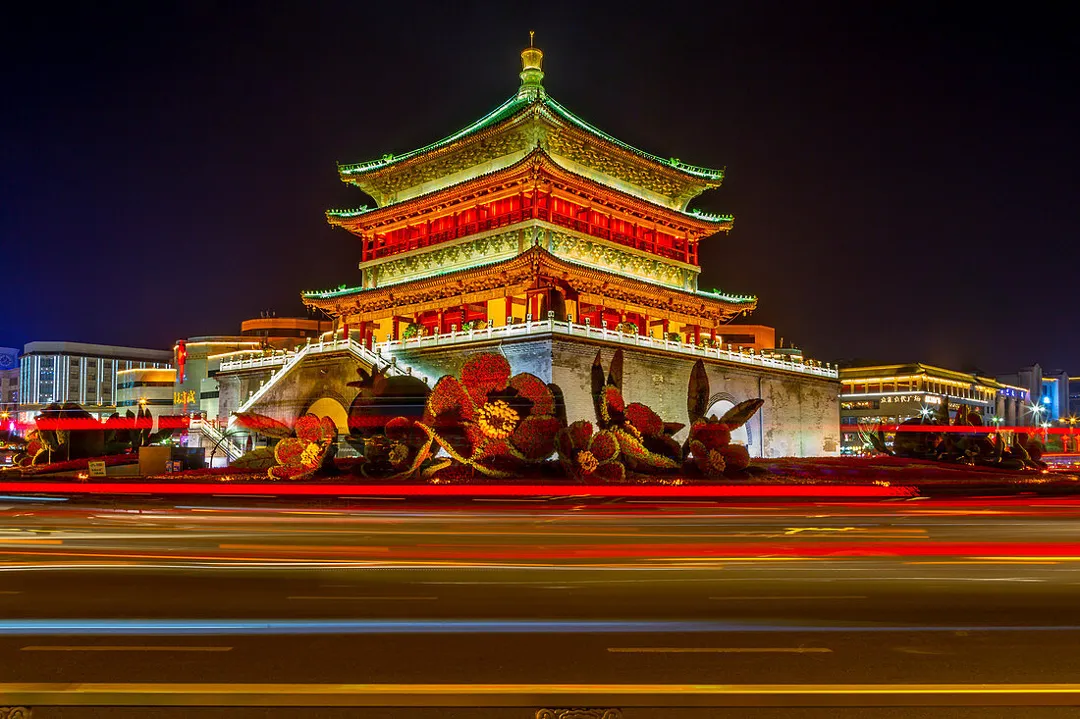
Xi’an combines one world-famous archaeological site with a walkable historic core.
The Terracotta Army explains the power of China’s first emperor, while the city wall, mosques, temples, and food traditions show how the eastern end of the Silk Road shaped the city.
For those looking to explore more, top activities in Xi'an include visiting historic sites, experiencing local culture, and discovering hidden gems around the city.
The city is a natural middle stop between Beijing and western or southwestern China.
Scenic Spot Recommendations:
Terracotta Warriors and Horses: Give the site most of a day once transfers and the museum complex are included.
Ancient City Wall: Walk or cycle a manageable section rather than treating the full circuit as compulsory.
Muslim Quarter and Great Mosque: Explore beyond the busiest food street to see the district’s deeper cultural layers.
Best Travel Time:
Spring and autumn are usually mild. Two to three full days work well; add time if you plan a separate mountain excursion.
4. Chengdu – Pandas and Teahouses
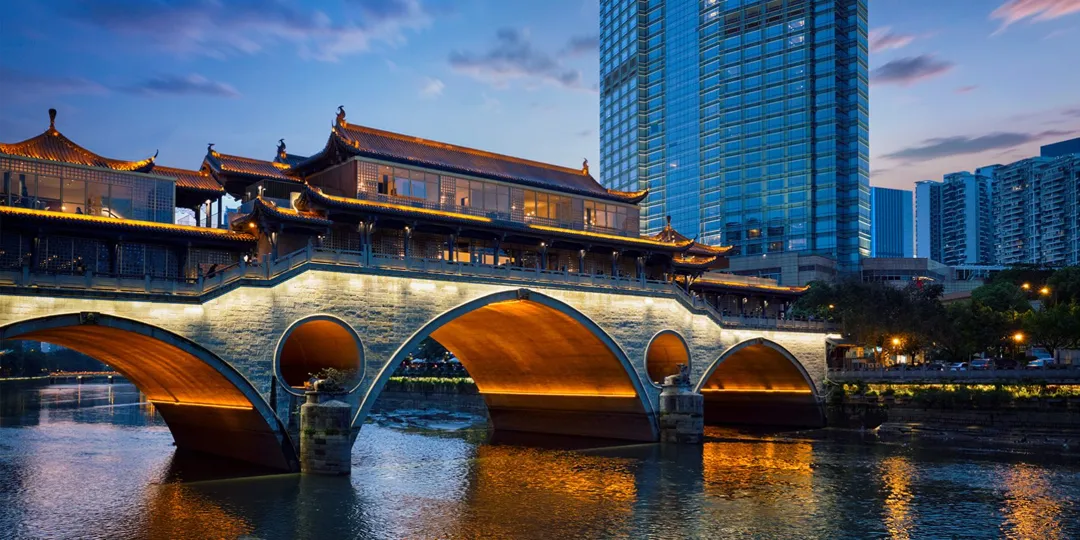
Chengdu is a rewarding counterpoint to China’s faster megacities.
Giant pandas draw most first-time visitors, but the lasting appeal comes from neighborhood teahouses, Sichuan opera, markets, temples, and a food culture built around far more than heat alone.
Visit the panda base early, then slow down rather than scheduling the entire city as a checklist. Chengdu is also the best hub for Leshan and works naturally with Chongqing for a southwest city pair.
Scenic Spot Recommendations:
Chengdu Research Base of Giant Panda Breeding: Arrive early when the animals are more active and allow several hours for the large grounds.
People’s Park: Sit in a teahouse to understand the city’s social pace instead of only passing through.
Wuhou Shrine and Jinli: Pair the historic complex with the adjacent pedestrian area, while expecting crowds at peak times.
Best Travel Time:
Spring and autumn are comfortable, though Chengdu can be cloudy year-round. Allow three to four days, plus a separate Leshan day if desired.
5. Guangzhou – Cantonese Culture and Food
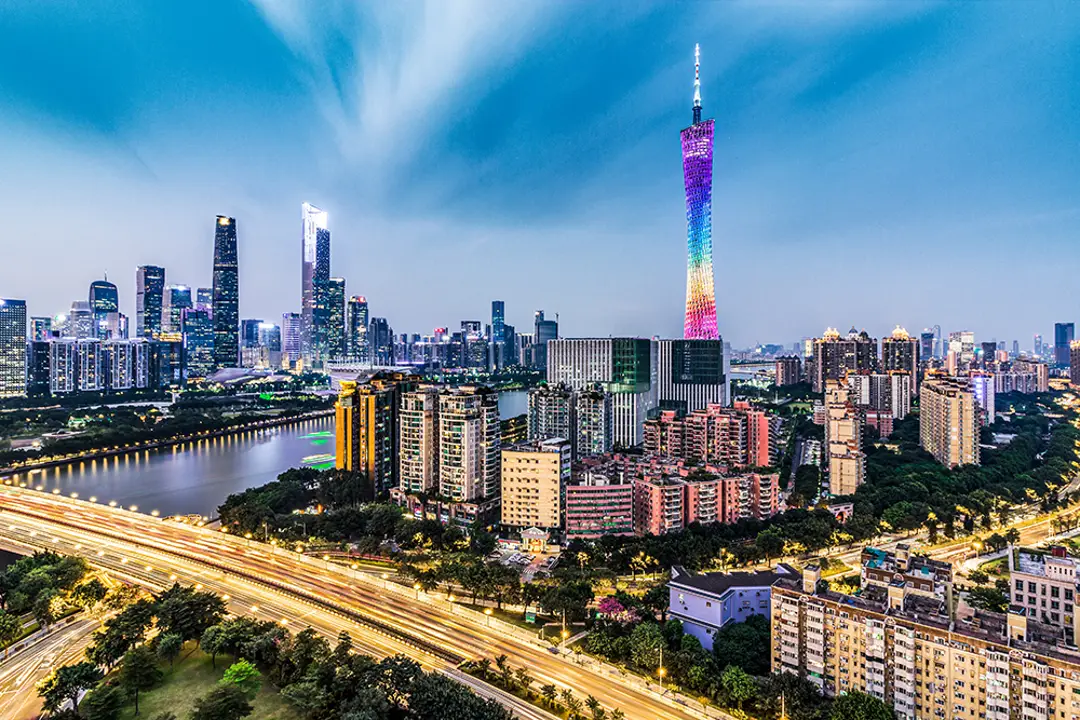
Guangzhou is the place to experience Lingnan architecture, Cantonese food, and the commercial history of the Pearl River Delta.
Its appeal is spread across different districts: old arcades and ancestral halls in the west, civic landmarks in Yuexiu, and a contemporary skyline around Zhujiang New Town.
Come for dim sum, roast meats, markets, and layered neighborhoods rather than a single blockbuster monument.
Guangzhou pairs easily with Shenzhen, Hong Kong, and Macau, but border and entry arrangements differ between the mainland and the two special administrative regions.
Scenic Spot Recommendations:
Chen Clan Ancestral Hall: Look closely at the roofline carvings and interior craftwork that define Lingnan design.
Shamian Island: Walk the shaded streets for a quieter look at Guangzhou’s trading-era architecture.
Canton Tower and Pearl River: Choose a riverside walk or evening cruise for the modern skyline.
Best Travel Time:
Late autumn through early winter often brings milder conditions. Two to three days give enough time for food and several districts.
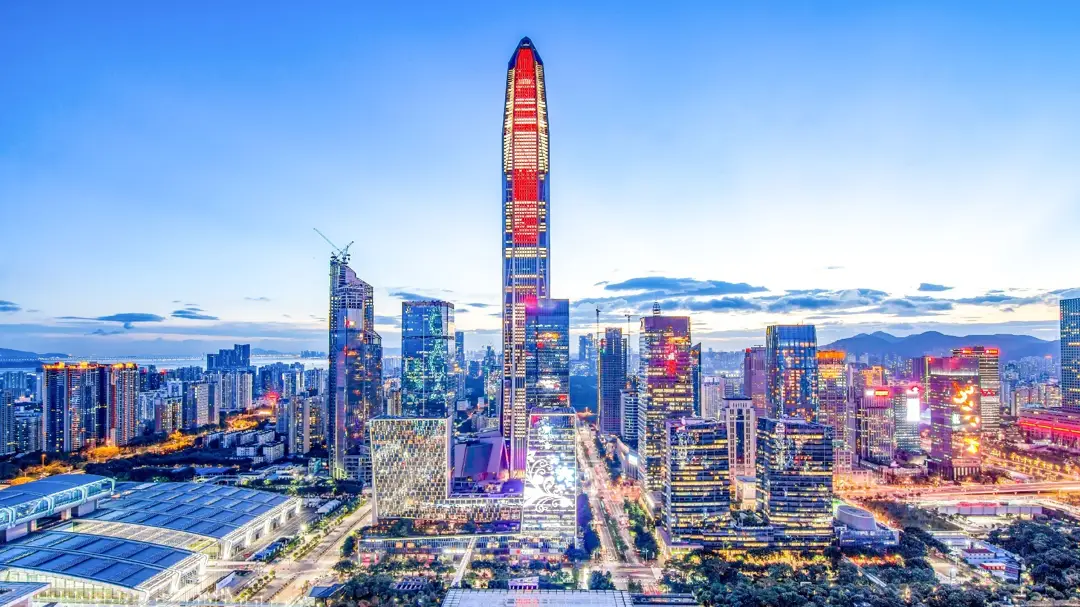
6. Shenzhen – Design and Coastal Energy
Shenzhen makes sense for travelers interested in contemporary China.
The city grew rapidly, but its experience is not limited to office towers: design districts, museums, expansive parks, urban villages, and beaches along the eastern coast give it several distinct personalities.
It is most useful as a one- or two-day Pearl River Delta stop, especially when linked with Hong Kong or Guangzhou. Choose it for modern urbanism, technology, and creative culture rather than for imperial history.
Scenic Spot Recommendations:
OCT-Loft Creative Culture Park: Browse galleries, design spaces, cafes, and converted industrial buildings.
Shenzhen Museum or a design museum: Use a museum visit to understand how quickly the city changed.
Dameisha and the eastern coast: Treat the beach area as a separate excursion and check conditions before swimming.
Best Travel Time:
Autumn into early winter is usually more comfortable for walking. Allow one to two days in the center, plus extra time for the coast.
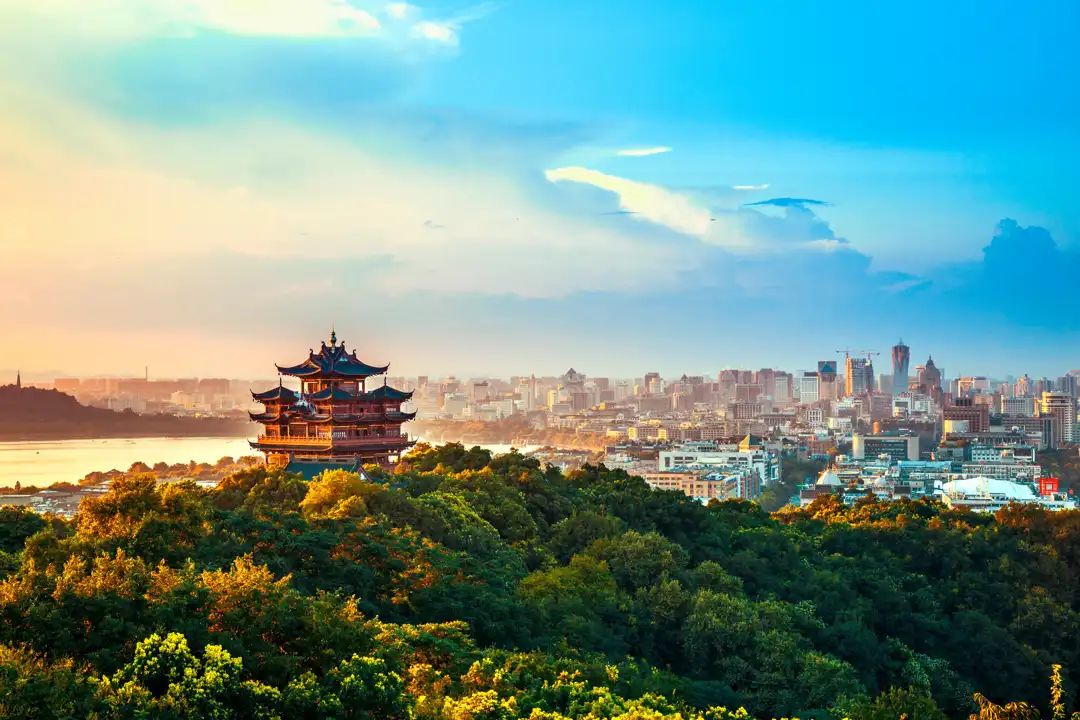
7. Hangzhou – West Lake and Tea
Hangzhou offers a softer landscape than nearby Shanghai.
West Lake is not one isolated sight but a network of causeways, temples, gardens, hills, and viewpoints that changes with weather and season. Longjing tea villages add a rural edge without requiring a long transfer.
Although Hangzhou can be visited as a day trip, staying two nights gives the lake time to breathe and lets you see it early or after day visitors leave. Pair the city with Shanghai and Suzhou for an efficient rail route.
Scenic Spot Recommendations:
West Lake: Walk one shore, cross a causeway, and use a boat only if it adds a different viewpoint.
Lingyin Temple: Combine the temple with the surrounding wooded paths and stone carvings.
Longjing Tea Fields: Visit for landscape and tea culture, while treating aggressive sales pitches cautiously.
Best Travel Time:
Spring and autumn are popular for scenery and comfortable walking. Two to three days are more rewarding than a rushed day trip.
8. Lijiang – Naxi Heritage and Mountains
Lijiang is known for its old town, Naxi culture, canals, and the dramatic backdrop of Jade Dragon Snow Mountain.
The UNESCO-listed center is beautiful but heavily visited, so the city is most satisfying when you balance the busiest lanes with quieter neighborhoods and nearby villages.
The elevation and mountain excursion can make the first day feel slower than expected. Use Lijiang as part of a Yunnan route rather than an isolated long-distance detour unless the old town and highland scenery are central to your trip.

Scenic Spot Recommendations:
Lijiang Old Town: Explore early and extend into less crowded lanes beyond the central squares.
Jade Dragon Snow Mountain: Reserve the correct ticket package and avoid stacking a demanding excursion immediately after arrival.
Black Dragon Pool: Visit in clear weather for mountain views reflected beyond the traditional pavilions.
Best Travel Time:
Spring and autumn often balance clear views with manageable temperatures. Allow two to three days, more if continuing through Yunnan.
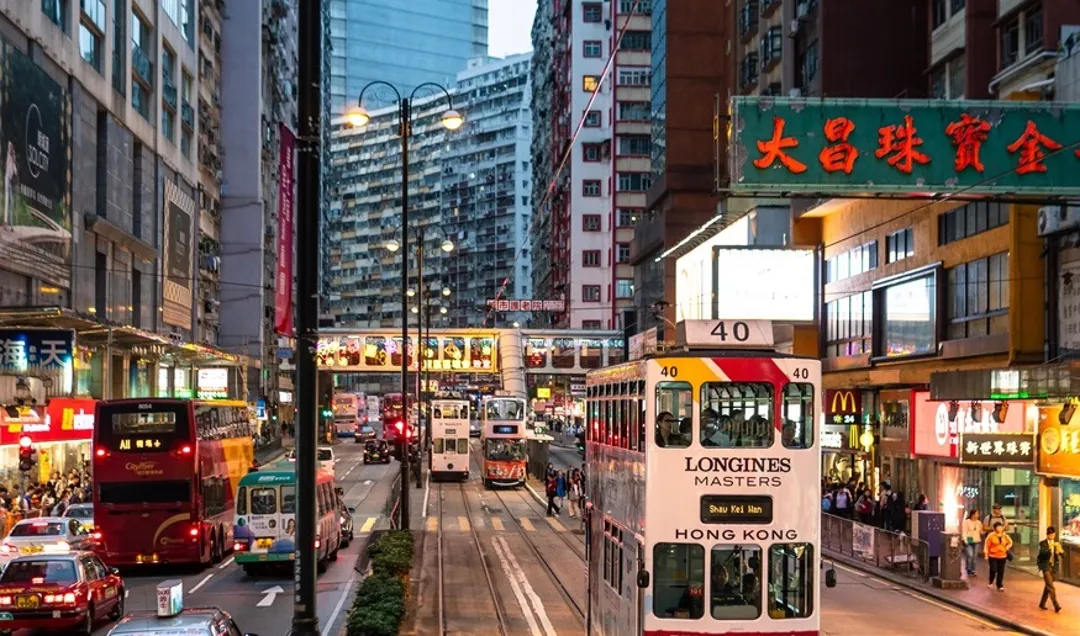
9. Hong Kong – Harbor, Hills, and Neighborhoods
Hong Kong compresses harbor views, steep hiking trails, Cantonese food, islands, dense markets, and efficient transit into a compact destination.
The skyline matters, but the city becomes more interesting when Central, Kowloon, Lantau, and a neighborhood or trail are treated as different experiences.
Hong Kong uses separate immigration and customs arrangements from mainland China and has its own currency. Confirm how your documents and onward route affect entry before treating it as a simple domestic rail stop.
Scenic Spot Recommendations:
Victoria Peak: Pair the viewpoint with a short walk rather than only visiting the crowded terrace.
Star Ferry and harborfront: The short crossing gives one of the city’s best-value skyline views.
Lantau Island: Combine the Tian Tan Buddha with a village, trail, or coastal stop if time allows.
Best Travel Time:
Autumn through early winter is often comfortable and less humid. Three to four days allow the harbor, neighborhoods, and one outdoor excursion.
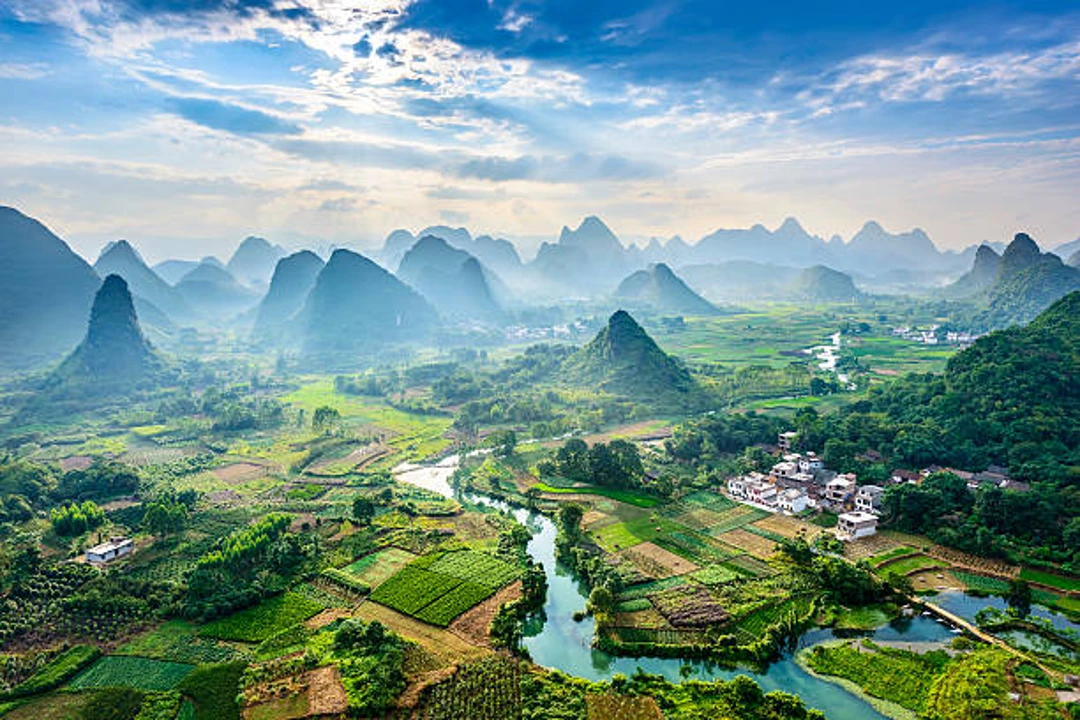
10. Guilin – Gateway to Karst Country
Guilin is the transport and cultural gateway to northern Guangxi’s limestone scenery.
The city has its own lakes, caves, and riverfront landmarks, but its greatest value is connecting travelers with the Li River, Yangshuo, Longji rice terraces, and surrounding countryside.
Do not treat every regional attraction as a quick Guilin day trip. A stronger plan gives Guilin one or two days, then moves to Yangshuo for outdoor activities or adds an overnight near the rice terraces.
Scenic Spot Recommendations:
Li River: Choose the cruise or transfer that fits where you will stay next instead of returning automatically to Guilin.
Reed Flute Cave: Expect theatrical colored lighting inside the limestone cave.
City lakes and riverfront: Use an evening walk to see Guilin itself rather than treating it only as a station.
Best Travel Time:
Spring through autumn supports most outdoor plans, though rain and heat vary. Allow one to two city days plus separate Yangshuo or Longji time.
11. Qingdao – Seaside Streets and Laoshan
Qingdao combines a working port, beaches, early twentieth-century architecture, seafood, and the nearby sacred landscapes of Laoshan.
Its old city is best explored on foot, where steep streets reveal red roofs, former concession-era buildings, markets, and changing sea views.
The city is a good warm-season alternative to China’s inland megacities, but summer weekends can be busy. Give Laoshan its own day rather than squeezing mountain paths into an urban sightseeing schedule.
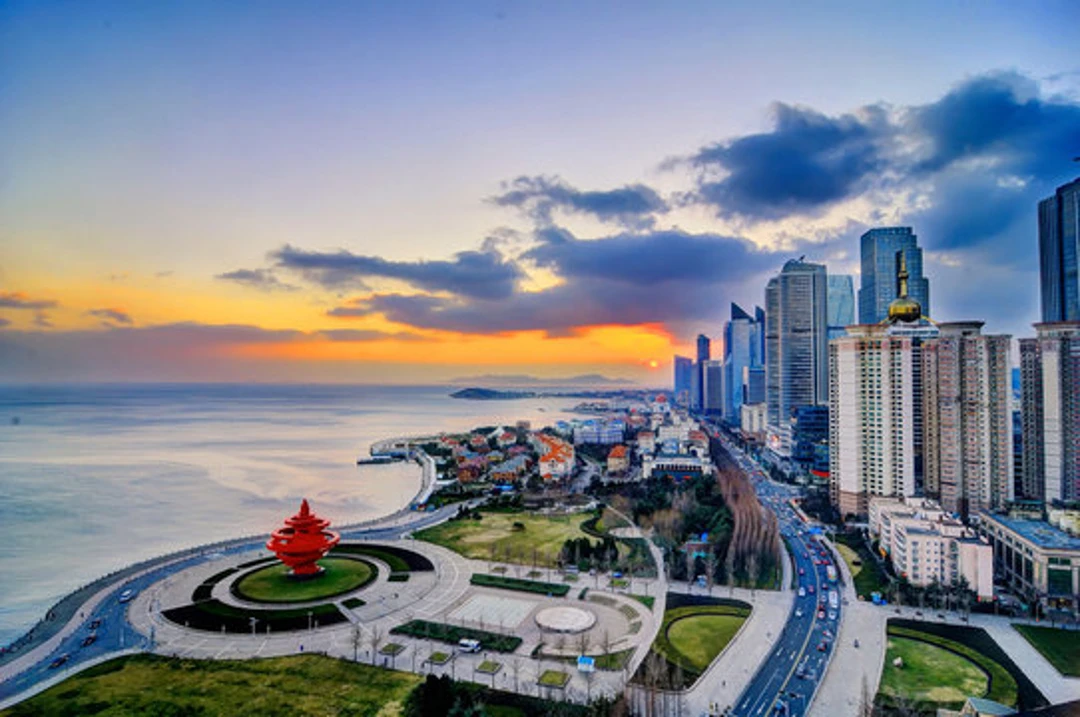
Scenic Spot Recommendations:
Zhanqiao Pier: Start here for a classic harbor view, then continue into the old city.
Badaguan Scenic Area: Walk its leafy streets for varied architecture and access to the coast.
Mount Laoshan: Select a route before departure because the scenic area is large and entrances serve different trails.
Best Travel Time:
Late spring and early autumn usually balance outdoor weather with fewer peak-summer crowds. Allow two to three days including Laoshan.
12. Harbin – China’s Winter City
Harbin is a seasonal destination with a strong identity: monumental ice and snow displays, frozen-river activities, and architecture shaped by the city’s Russian and northeastern Chinese history.
It deserves inclusion when winter is the purpose of the trip, not merely another stop on a nationwide list.
Festival opening dates and individual venues can change with weather and annual scheduling, so verify the current season before buying nonrefundable travel.
Proper boots, face protection, layered clothing, and short outdoor sessions matter more here than in other cities on this list.
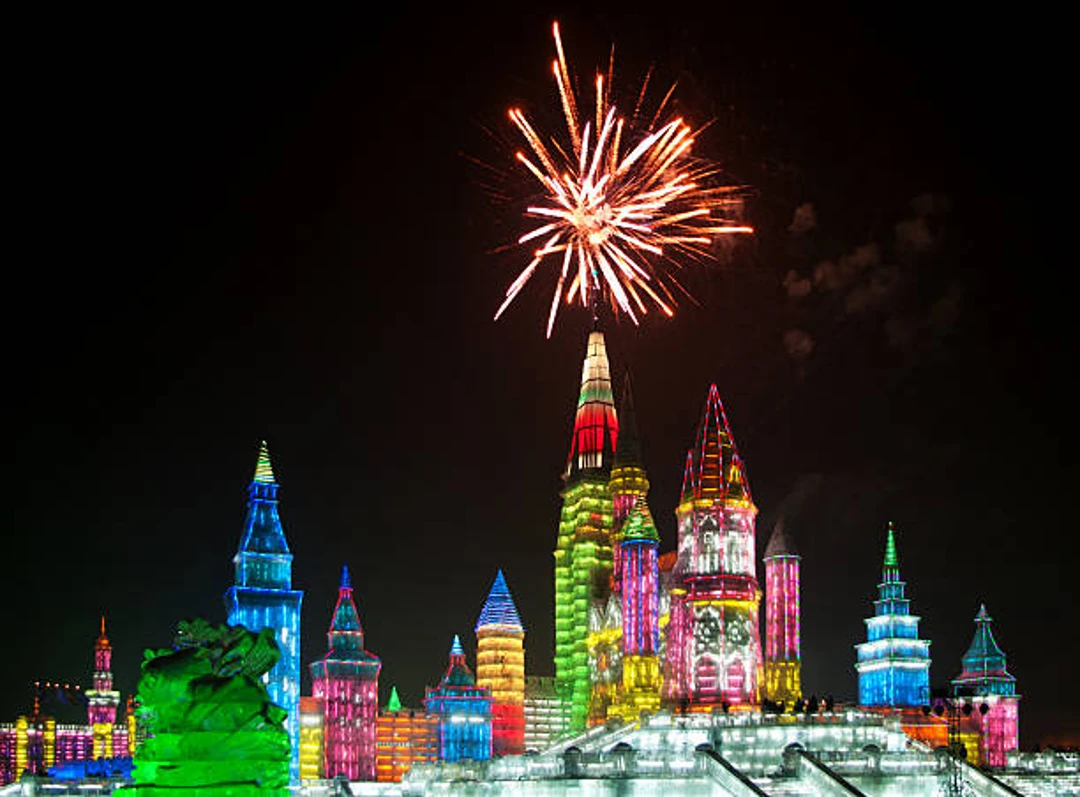
Scenic Spot Recommendations:
Ice and Snow World: Visit after dark for lighting, but plan warming breaks and transport afterward.
St. Sophia Cathedral area: Use the central landmark as a starting point for the historic district.
Sun Island: Its snow-sculpture displays complement the illuminated ice venues.
Best Travel Time:
Midwinter is the core season, subject to annual event dates and weather. Two to three days are usually enough for the main winter venues.
13. Lhasa – High-Altitude Tibetan Culture
Lhasa is a spiritual and high-altitude destination, not a city to insert casually between lowland stops.
The Potala Palace, Jokhang Temple, Barkhor circuit, monasteries, and surrounding mountains require both cultural sensitivity and a slower physical pace.
Check current Tibet entry and permit requirements before making nonrefundable bookings, and leave room to acclimatize after arrival.
Lhasa best suits travelers willing to trade a fast checklist for careful planning and several unhurried days.
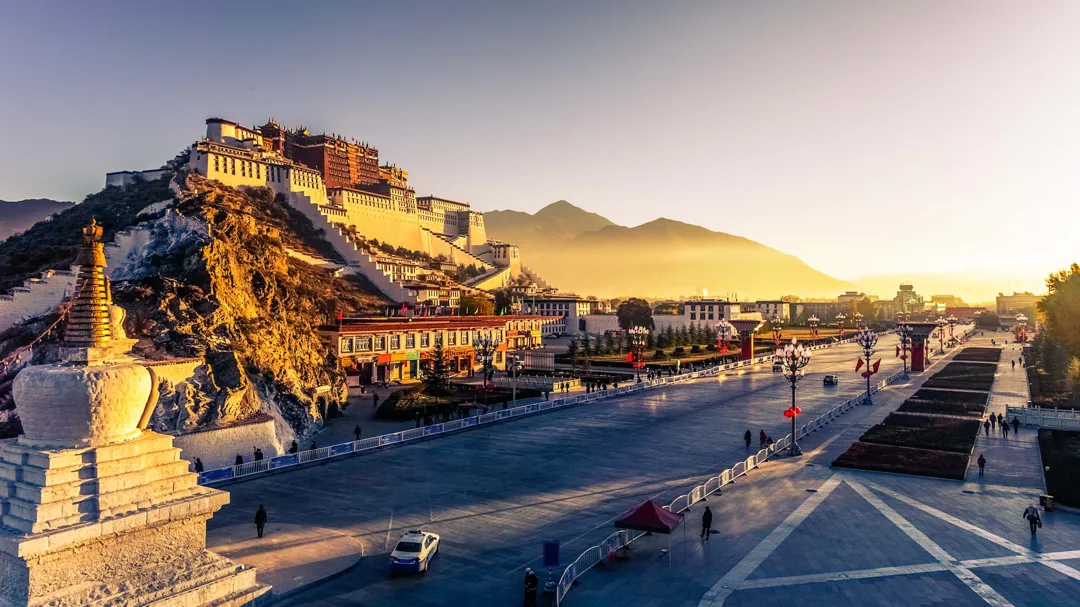
Scenic Spot Recommendations:
Potala Palace: Reserve through the required current process and expect stairs at elevation.
Jokhang Temple: Observe pilgrimage etiquette and avoid blocking worshippers for photographs.
Barkhor Street: Walk the circuit respectfully and distinguish devotional movement from a shopping street.
Best Travel Time:
Late spring through autumn is a common travel window, but conditions and access rules must be checked. Allow at least three to four days after arrival.
14. Zhangjiajie – Sandstone Peaks and Trails
Zhangjiajie is built around scenery rather than the urban center.
The wider area includes Zhangjiajie National Forest Park, Tianmen Mountain, and Zhangjiajie Grand Canyon, each with separate routes, tickets, and transport. Mist can make the pillars atmospheric or hide them completely.
Stay long enough to absorb one poor-weather period and avoid treating distant scenic areas as interchangeable.
The destination suits hikers and landscape-focused travelers who are comfortable with cable cars, shuttle systems, stairs, and early starts.
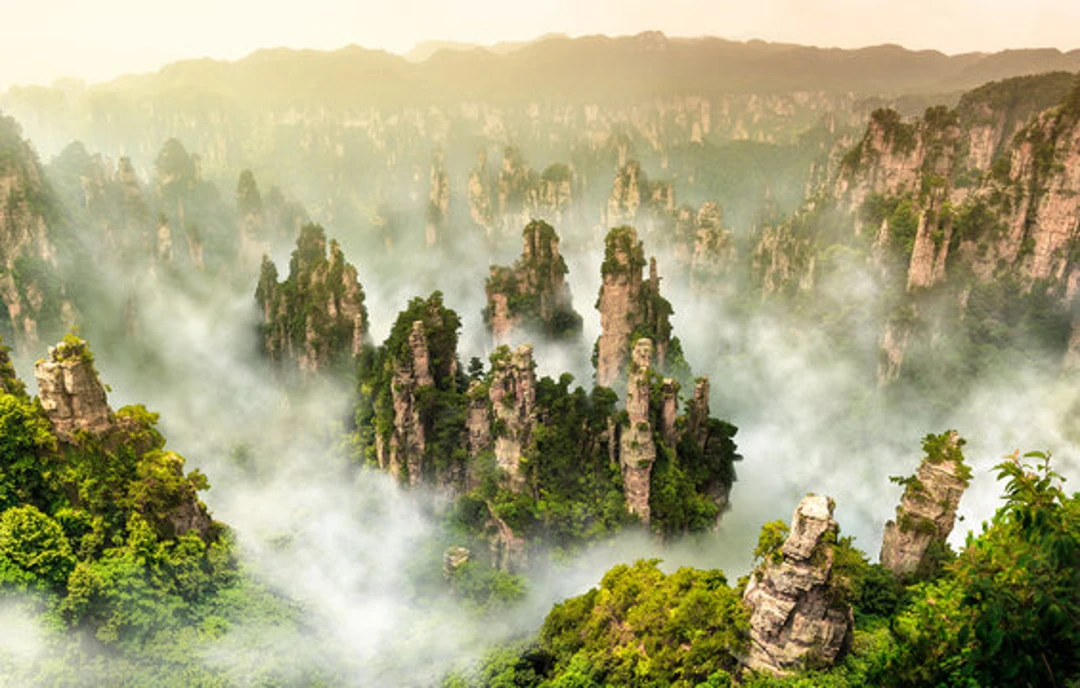
Scenic Spot Recommendations:
Zhangjiajie National Forest Park: Plan one area at a time instead of zigzagging across the large shuttle network.
Tianmen Mountain: Treat the cableway, cliff paths, and natural arch as a separate day.
Zhangjiajie Grand Canyon: The glass bridge belongs to this separate scenic area, not the national forest park.
Best Travel Time:
Spring and autumn often suit hiking, but visibility can change quickly. Allow three to four days with a weather buffer.
15. Chongqing – Rivers and Vertical Streets
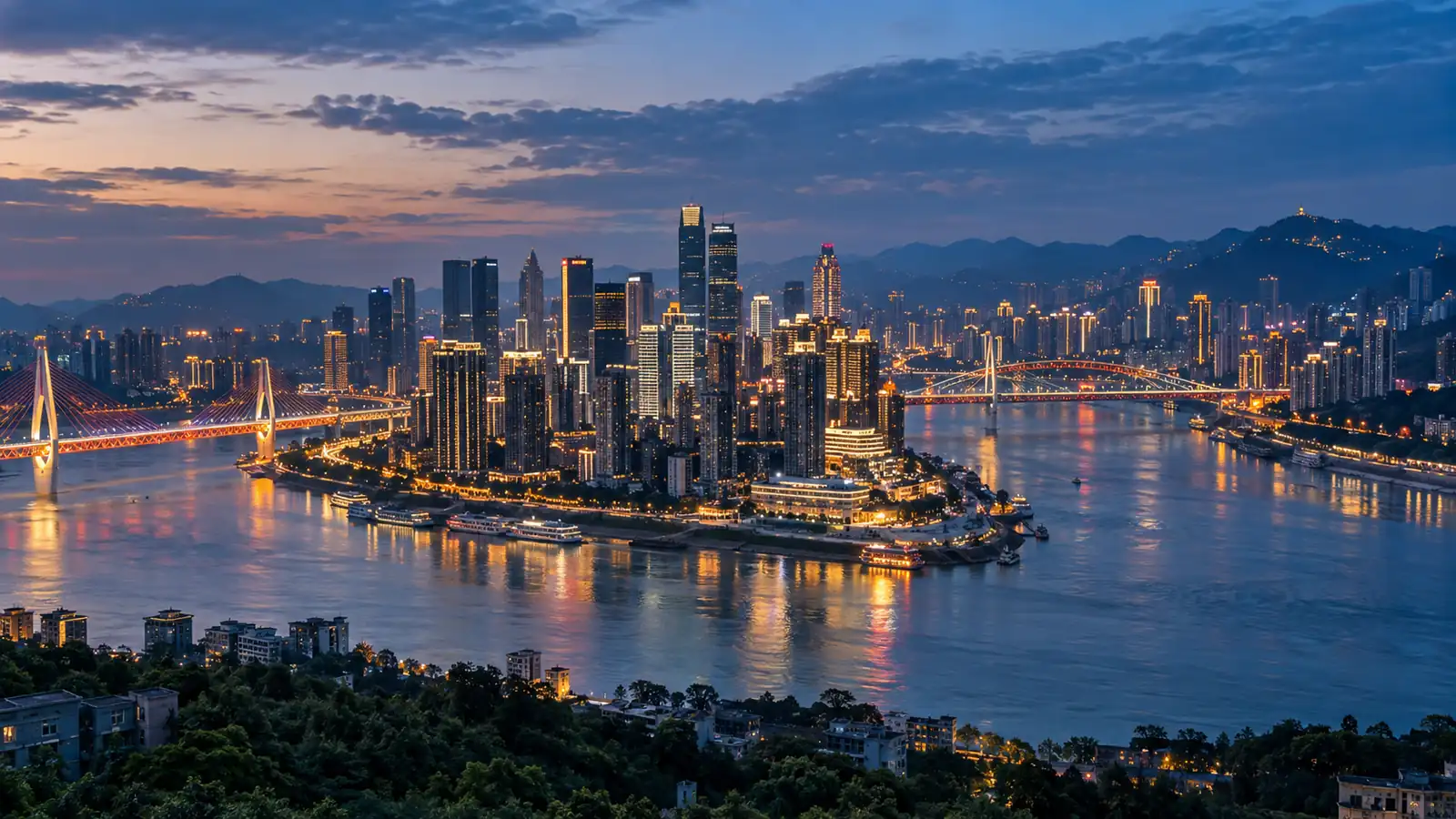
Chongqing’s center rises across steep hills where roads, rail lines, towers, and pedestrian levels overlap.
River viewpoints and night lighting create its best-known images, while hotpot, hillside neighborhoods, and everyday transit make the city more than a social-media backdrop.
Walking distances can be deceptive because a short map line may hide stairs or several vertical levels. Two or three days reveal the core; high-speed rail makes Chengdu the obvious partner, but the two cities feel very different.
Scenic Spot Recommendations:
Yangtze River Cableway: This aerial cable car crosses the river; queue times can matter more than the short ride itself.
Hongya Cave: View the illuminated complex from across the road or riverfront before entering its crowded interior.
Ciqikou Ancient Town: Explore side lanes if the central commercial street feels too congested.
Best Travel Time:
Spring and autumn are generally easier for steep outdoor walking. Allow two to three days and pair with Chengdu if continuing through Sichuan.
16. Suzhou – Gardens and Canals
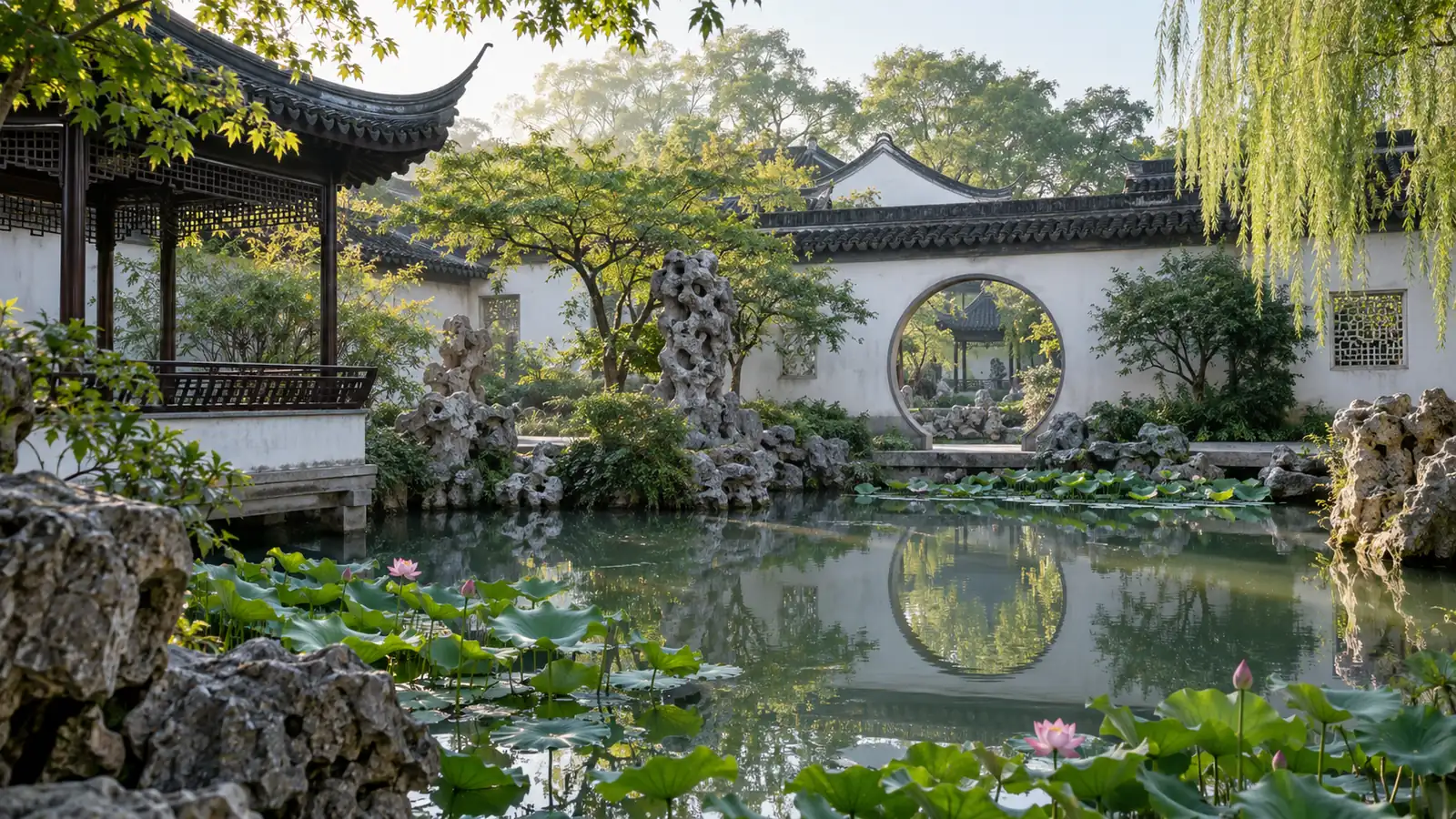
Suzhou earns its place through classical garden design, canals, silk history, and a compact old-city atmosphere that contrasts with nearby Shanghai.
The city is easy to reach by rail, but a day trip often compresses several subtle places into a rushed circuit.
Stay overnight if gardens and traditional urban form matter to you. Suzhou suits architecture, photography, and slower cultural travel; it also links naturally with Shanghai, Hangzhou, and Nanjing.
Scenic Spot Recommendations:
Humble Administrator’s Garden: Arrive early and focus on the relationship among rooms, water, rocks, and borrowed views.
Suzhou Museum: Its contemporary design provides a useful bridge between old-garden principles and modern architecture.
Pingjiang Road or Shantang Street: Choose one canal district in the quieter morning or evening hours.
Best Travel Time:
Spring and autumn are comfortable, though popular gardens remain busy. Allow one to two days, with an overnight preferable to a checklist day trip.
17. Nanjing – Walls, Republic, and Memory
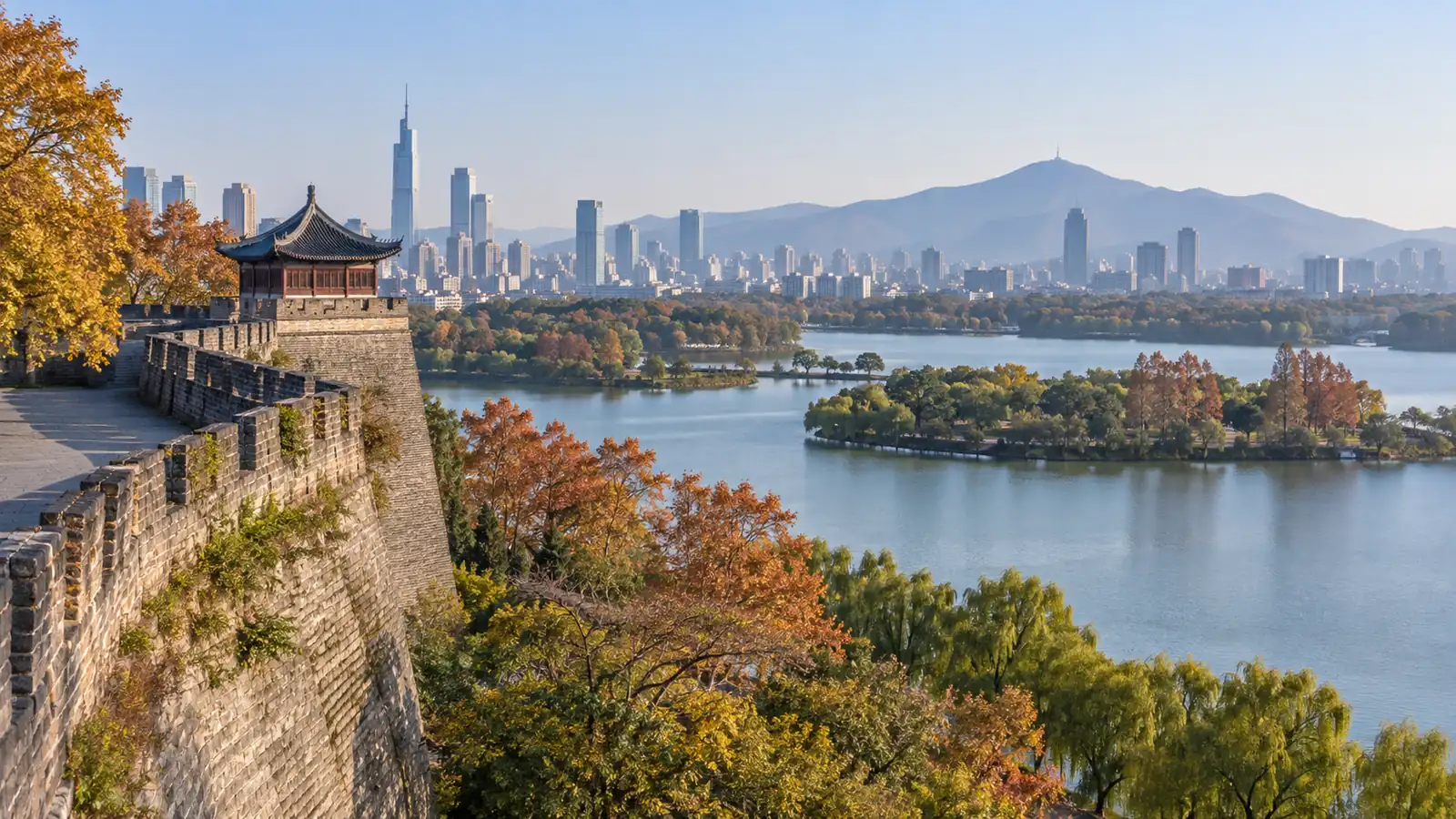
Nanjing brings together Ming imperial history, Republican-era architecture, long city walls, lakes, universities, and important sites of modern memory.
It adds historical depth without repeating Xi’an: the emphasis is less on ancient archaeology and more on successive capitals and twentieth-century China.
The city sits on the main lower-Yangtze rail corridor, so it fits comfortably between Shanghai and destinations farther inland.
Travelers interested in history should allow enough time for both Purple Mountain and the central museums and memorials.
Scenic Spot Recommendations:
Purple Mountain: Combine selected mausoleums and paths rather than attempting every site in one visit.
Ming City Wall and Xuanwu Lake: Walk a wall section for views over the lake and modern city.
Nanjing Massacre Memorial Hall: Approach this major historical site with adequate time and respect.
Best Travel Time:
Spring and autumn suit outdoor sites best. Two to three days let the city’s different historical layers register.
18. Yangshuo – Karst Landscapes Up Close
Yangshuo is not simply another name for Guilin.
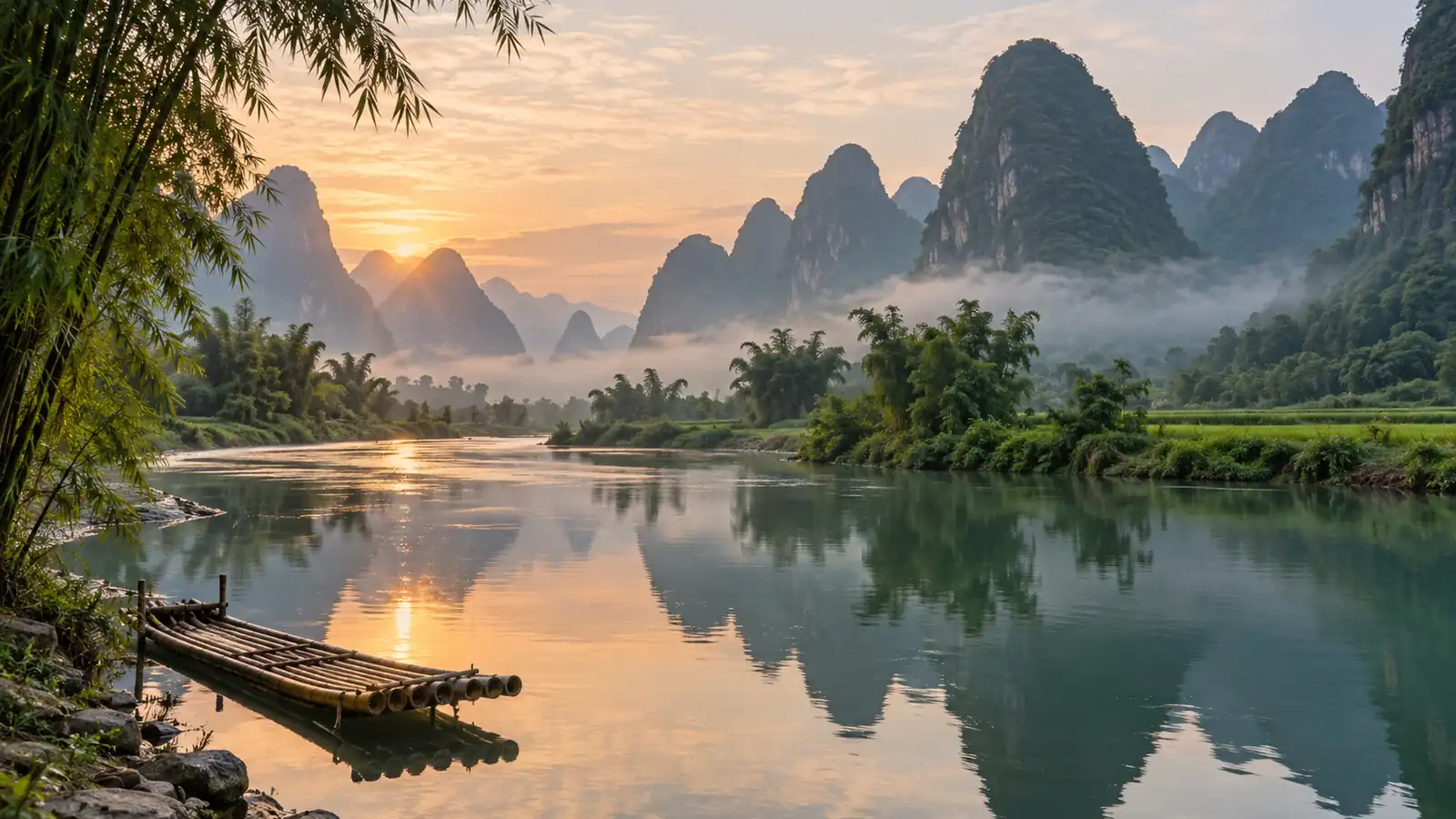
The smaller town places travelers closer to the Yulong River, limestone peaks, cycling routes, climbing areas, and villages, making it the better base for active countryside time. Xingping, near the high-speed rail station, adds Li River scenery and an older riverside center.
Choose accommodation outside the busiest nightlife streets if quiet matters. Yangshuo is strongest as a two- or three-night stay after Guilin, not as a rushed photo stop between trains.
Scenic Spot Recommendations:
Yulong River countryside: Cycle or walk a manageable section and leave time for unplanned village stops.
Xingping: Combine the old town with a river viewpoint while accounting for crowds around the famous banknote scene.
Moon Hill or another local hike: Check trail conditions and heat before committing to a midday climb.
Best Travel Time:
Spring and autumn often suit outdoor activity, while rain can transform river plans. Allow two to three days after a Guilin arrival.
19. Macau – Portuguese-Chinese Layers
Macau is much more than its casino skyline. The historic center mixes Portuguese civic buildings, Chinese temples, narrow residential streets, and Macanese food traditions within a compact walking area.
Taipa and Coloane reveal quieter village and coastal settings beyond the central peninsula.
Macau has separate immigration and customs arrangements from mainland China and uses its own currency. It combines easily with Hong Kong or the wider Pearl River Delta, but travelers should verify entry conditions and allow border time.

Scenic Spot Recommendations:
Historic Centre of Macau: Walk from Senado Square through side streets rather than treating the Ruins of St. Paul’s as the only stop.
Taipa Village: Explore Macanese food and lower-rise streets away from the largest resorts.
Coloane: Add a coastal walk or village visit for a slower final half-day.
Best Travel Time:
Autumn through early winter is often comfortable. One full day covers the core; two days allow Taipa or Coloane without rushing.
20. Leshan – Giant Buddha and River City
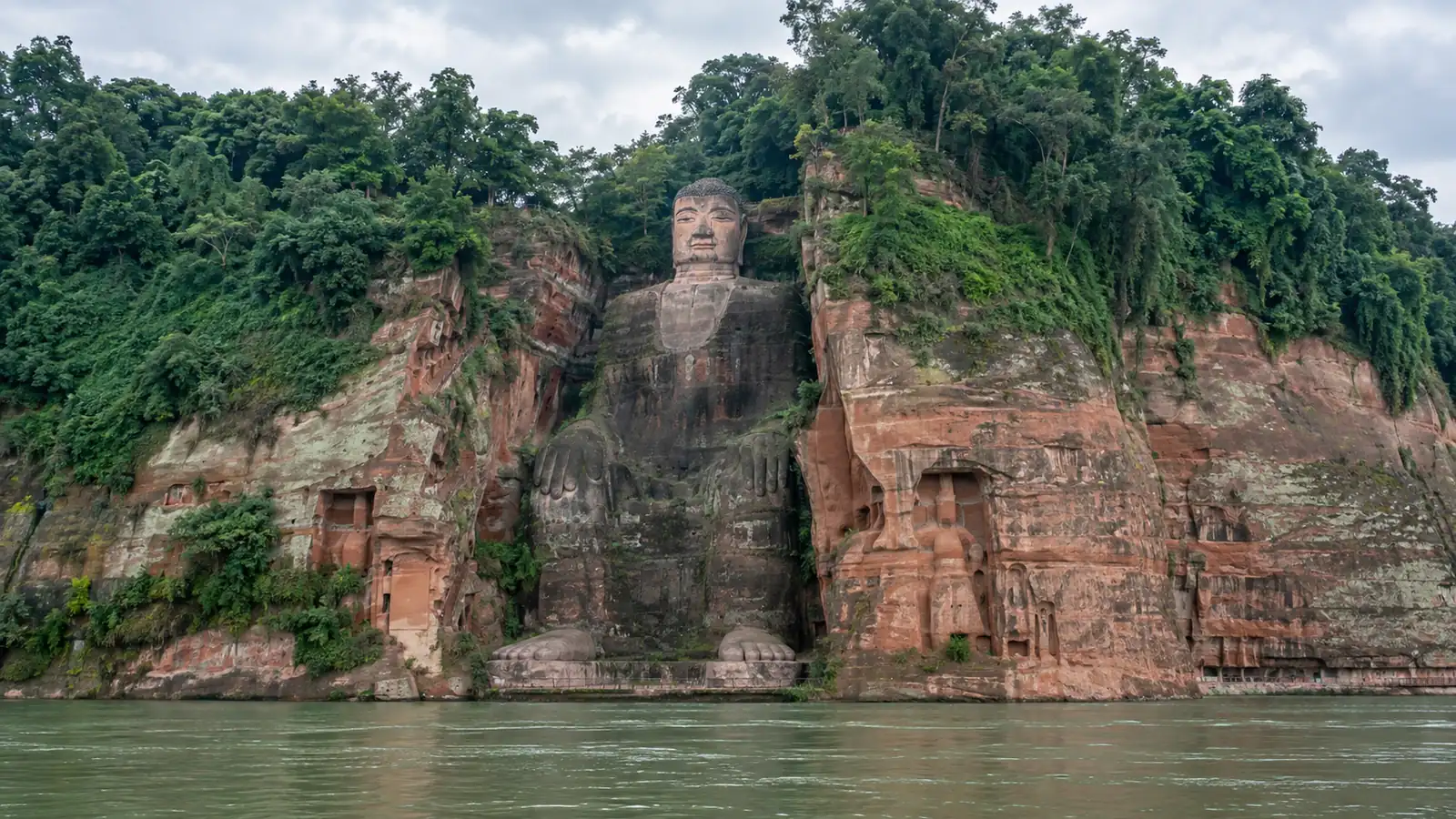
Leshan is best known for the monumental Buddha carved into a cliff above the river confluence, but the visit also introduces Sichuan’s religious landscape and a smaller-city food scene.
It is close enough to Chengdu for a day trip, yet an overnight reduces transfer pressure and creates time for Mount Emei or the old riverside districts.
Choose between the boat view and the steep walking route based on mobility, queues, and weather; they reveal different aspects of the site. Leshan is a focused cultural stop rather than a replacement for Chengdu.
Scenic Spot Recommendations:
Leshan Giant Buddha: See the full scale from the river or descend the cliff path for close detail, subject to current access.
Lingyun Temple area: Continue through the hilltop complex instead of leaving immediately after the main viewpoint.
Local food streets: Leave time for regional snacks and dishes that differ from Chengdu’s most famous staples.
Best Travel Time:
Spring and autumn are generally comfortable for stairs and outdoor viewing. Use one day from Chengdu or stay one night when combining Mount Emei.
Build Your China City Route
After choosing the cities that interest you most, the next step is to connect them into a route that avoids unnecessary backtracking. Start with two or three major stops, then add nearby destinations only when your schedule allows.
7–10 Days in China
For a first trip, Beijing → Xi’an → Shanghai is a practical route. Beijing introduces imperial China and the Great Wall, Xi’an adds ancient history and archaeology, and Shanghai provides a contrasting modern finish.
Spend about 3–4 days in Beijing, 2 days in Xi’an, and 2–3 days in Shanghai.
Two Weeks in China
With two weeks, keep the core route and add one regional extension. Choose the option that best matches what you want from the trip:
Culture and food: Beijing → Xi’an → Chengdu → Shanghai
Classical scenery: Beijing → Xi’an → Shanghai → Suzhou → Hangzhou
Karst landscapes: Beijing → Xi’an → Guilin → Yangshuo → Shanghai
Keeping the extra stops within one region makes the itinerary easier to manage.

Keep Your Route Efficient
Avoid adding a distant city simply because it appears on your wish list.
Nearby destinations such as Shanghai, Suzhou, and Hangzhou or Guilin and Yangshuo are easier to combine, while places such as Harbin, Lhasa, and Zhangjiajie often make more sense when they are a major focus of the trip.
Once your city order is clear, check the transport time between each stop before finalizing your itinerary.
Prepare for Your China Trip
Once your route is set, prepare the practical details that can affect your trip, from intercity transport and payments to advance bookings, weather, and local travel requirements.
1. Travel Between China Cities
High-speed rail is a convenient option for many well-connected city pairs, especially when traveling between major destinations such as Beijing, Xi’an, Shanghai, Hangzhou, and Suzhou.
Foreign travelers can book real-name tickets using their passports through China Railway’s official 12306 website or app. For longer distances, compare rail and air travel based on the total journey time.
2. Set Up Payments and Apps
Set up Alipay or Weixin Pay before arrival and check whether your international card can be linked. Keeping a physical bank card and some renminbi as backups can also be useful.
Install the mapping, translation, and transport apps you plan to use in advance, and save your hotel names and addresses in Chinese.

3. Book Ahead for Peak Periods
Trains, flights, hotels, and major attractions can become especially busy around Chinese New Year, the Labor Day holiday, and the National Day holiday.
Check the dates for the year you are traveling and book important transport and timed-entry attractions early when your trip overlaps with these periods.
4. Pack for Different Climates
Weather can vary significantly between destinations on the same trip. Harbin can require serious winter clothing, while Guangzhou and Shenzhen may be warm and humid, and mountain or high-altitude destinations often need extra layers.
Check the forecast for each stop shortly before departure and pack for the most demanding conditions on your route.

5. Check Local Travel Requirements
Keep the passport used for transport and attraction bookings available when required, and check current access or reservation rules for destinations with special entry procedures.
At temples, mosques, memorials, and other cultural sites, follow local photography rules and respect areas used for worship or remembrance.
FAQ
1. Do I Need a Visa for China?
Visa requirements depend on your nationality, route, destination, and length of stay. Check the latest requirements with China’s National Immigration Administration or the Chinese embassy or consulate responsible for your passport before booking.
2. Can I Use My Phone in China?
Yes, but some overseas services may work differently on mainland networks. Set up your mobile data before arrival; an iRoamly travel eSIM can help you stay connected for maps, transport, translation, and other travel needs.
3. Do I Need to Speak Mandarin?
No. Save important addresses in Chinese, download a translation app, and keep hotel or destination names ready to show when needed.
Conclusion
The best cities in China offer very different experiences, from imperial history and modern skylines to regional food, classical landscapes, and mountain scenery.
Rather than trying to visit as many places as possible, choose cities that match your interests and connect naturally within your available time. A well-planned route gives each destination enough time to feel distinct.
Once your route is set, prepare transport, bookings, payments, and connectivity in advance. With the right mix of cities and a realistic pace, you can experience more of what makes traveling across China so rewarding.