
Golden Week is one of China’s busiest holiday periods, bringing festive celebrations, family reunions, and a surge in domestic travel.
For visitors, it offers a lively atmosphere alongside crowded attractions and high demand for transport and hotels. Knowing when it falls and what to expect makes planning easier.
Find out how to make the most of your trip, and stay connected with an iRoamly travel eSIM for maps, transport updates, and travel essentials.

What Is Golden Week in China?
“Golden Week” is an informal name for an extended holiday created by joining statutory public-holiday days with weekends and, in some years, adjusted working days.
The arrangement gives many people a continuous break even though not every day in the sequence is a separate statutory holiday.
In modern travel planning, the two periods most often discussed as Golden Weeks are National Day and Spring Festival.
Labor Day has also been called a Golden Week historically, but its current break may be shorter and varies with the annual calendar.
National Day Golden Week
National Day is October 1 and commemorates the founding of the People’s Republic of China in 1949.
The holiday period typically runs through the first week of October, when cities display flags and decorations and many residents take long-distance trips.
National Day Golden Week has a strong tourism focus. Famous city centers, heritage sites, mountain parks, and theme parks can reach peak capacity, while transport demand rises across the country.

Spring Festival Golden Week
Spring Festival follows the lunar calendar and falls in January or February. It is the most important traditional Chinese holiday, centered on family reunions, meals, temple fairs, and New Year customs.
The travel pattern differs from October. A large share of the movement is reunion travel toward hometowns before the holiday and back to major employment centers afterward.
Tourist destinations can still be busy, but transport pressure is shaped by the wider Spring Festival travel season, not only the official days off.

How make-up workdays create a longer break
China sometimes designates a nearby Saturday or Sunday as a working day so that public holidays and normal rest days can be combined into one uninterrupted break.
This is why a seven-day holiday does not necessarily mean seven additional paid statutory days.
Travelers should check the official annual calendar rather than assuming every weekend follows a normal schedule.
Adjusted workdays can affect offices, schools, commuter traffic, and the availability of local contacts before and after the holiday.

When Is Golden Week in China in 2026?
The State Council’s official 2026 schedule sets out the following extended holiday periods and adjusted workdays:
Holiday period | 2026 dates | Adjusted working days | Main travel pattern |
|---|---|---|---|
Spring Festival | February 15–23 | February 14 and 28 | Family-reunion travel before and after Lunar New Year |
Labor Day | May 1–5 | May 9 | Shorter domestic leisure trips |
National Day Golden Week | October 1–7 | September 20 and October 10 | Nationwide tourism and family visits |
These dates are specific to 2026. Holiday lengths and make-up workdays can change from year to year, so check the official calendar again before buying nonrefundable tickets for a future trip.
How Golden Week Affects Travel
Golden Week makes travel in China busier, more expensive, and less flexible. The biggest changes are competition for transport tickets, higher accommodation costs, and longer waits at popular attractions.
Transport Demand and Traffic Delays
Popular train services and flights can sell out quickly, leaving fewer choices for departure times and routes.
Stations and airports also become busier, so allow extra time for security checks, boarding, and transfers.
On the roads, congestion can build around expressways, scenic-area entrances, and parking facilities.
The beginning and end of the holiday are particularly busy as travelers depart and return, making tightly scheduled connections harder to manage.

Higher Accommodation and Flight Costs
Hotel rates and airfares often rise as holiday demand increases, especially in well-known destinations.
Affordable rooms in convenient locations tend to book up early, and last-minute options may be more expensive or farther from the places you want to visit.
This can increase costs beyond the room itself. Staying farther away may mean spending more on transport and losing additional time each day. Travelers with flexible dates will usually find better value outside the holiday.
Crowded Attractions and Limited Tickets
At major sights, queues for admission, shuttle buses, cable cars, and restaurants can take up a substantial part of the visit. Busy viewpoints and narrow walkways also make it harder to explore at your own pace.
Attractions with daily visitor limits may sell out in advance. Even with a ticket, allow more time for the visit and avoid scheduling several major sights back to back.

Celebrations and family travel
Major attractions, shopping malls, and tourist restaurants generally remain open during Golden Week.
However, some smaller businesses adjust their hours, particularly during Spring Festival when owners and staff travel home.
Offices, administrative counters, and some banking or logistics services may close or operate with reduced staffing.
If your trip includes collecting documents, attending a business meeting, or arranging a shipment, confirm availability directly before the holiday.

Together, these changes can leave you paying more while seeing less each day. If your dates are flexible, they are good reasons to consider visiting outside Golden Week.
Should You Avoid China’s Golden Week?
If your travel dates are flexible, it is generally better to visit China outside Golden Week.
Higher hotel rates, limited transport availability, and crowded attractions can make the trip more expensive and tiring, especially if you want to visit several famous sights.
Why Most Visitors Should Avoid It
During Golden Week, you may spend more time queuing, traveling through congestion, and working around unavailable tickets. A sightseeing day that normally feels comfortable can become rushed, even with advance bookings.
First-time visitors with a short itinerary are particularly affected. Missing a train or failing to reserve a major attraction can disrupt a large part of the trip.
Traveling outside the holiday usually gives you more choice over accommodation, departures, and daily activities.
When Traveling Still Makes Sense
Travel during Golden Week may be unavoidable because of work schedules, family visits, or fixed flights.
It can also appeal to visitors specifically interested in the holiday atmosphere, provided they accept the crowds and additional costs.
In that case, focus on fewer destinations and secure essential bookings before finalizing the itinerary. The following tips can help you manage a trip when changing dates is not an option.
Choosing Destinations During China’s Golden Week
No destination is guaranteed to be quiet during Golden Week. The most practical choice is somewhere you can secure accommodation and transport, limit daily travel, and find alternatives close to your main sights.
Plan Carefully for Popular Destinations
Beijing, Shanghai, Xi’an, Zhangjiajie, and Huangshan remain appealing, but their best-known attractions can be particularly crowded.
If one is central to your trip, confirm the essential reservations before committing to the visit.
Stay near convenient public transport or your main attraction, and avoid combining several major sights in one day. Balance a reserved landmark with a neighborhood walk, park, or other activity that allows more flexibility.

Consider Alternative Great Wall Sections
If the Great Wall is a priority, compare Jinshanling, Simatai, Juyongguan, and Huanghuacheng alongside the most familiar visitor sections. Each offers a different setting and route, although all can attract holiday crowds.
Choose according to transport, walking difficulty, and confirmed access rather than an expectation of solitude.
A farther section may have fewer visitors but require a longer journey or more complicated return arrangements.

Explore Heritage and Coastal Destinations
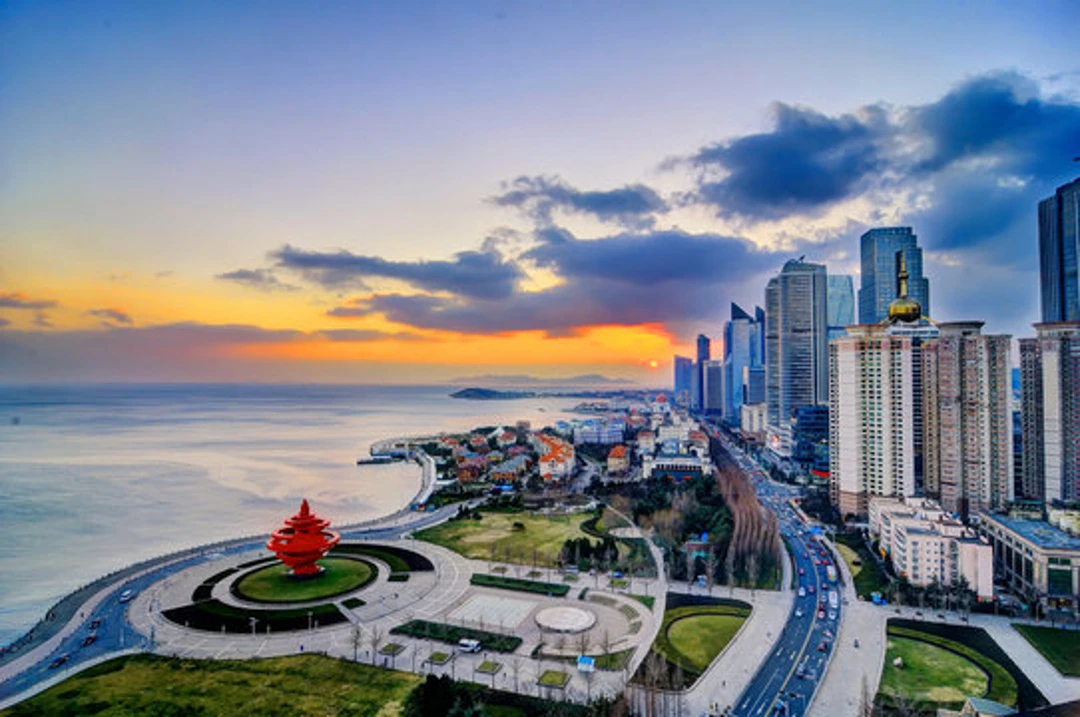
Travelers interested in history can consider Pingyao or the Yungang Grottoes in Shanxi. Coastal options include Beihai, Yantai, Qinhuangdao, Fuzhou, and Lianyungang.
These places should be chosen for their attractions and suitability for your itinerary, rather than assumed to be uncrowded.
Check local demand and hotel availability, then combine major sights with less concentrated activities such as neighborhood walks or waterfront visits.
Allow More Time for Remote Regions
Jiayuguan, Zhangye, parts of Xinjiang, Gannan, Qinghai, and western or northern Sichuan offer different landscapes and cultural experiences.
They are better suited to travelers with enough time for longer transfers and a carefully planned route.
Distance, weather, and limited transport options can make these trips demanding even away from crowded landmarks. Choose a manageable area to explore instead of trying to cover an entire region during one holiday.
Look Beyond the Main Attractions
You do not always need to change destinations to find a more comfortable pace. Within a popular city, smaller museums, local parks, and neighborhoods outside the main sightseeing circuit can provide worthwhile alternatives.
Keep these options near your accommodation or confirmed attractions. Spending less time crossing the city gives you more flexibility—and more time to enjoy the places you came to see.

Travel Tips for China’s Golden Week
If your dates overlap with Golden Week, treat the holiday as a planning constraint rather than a surprise. These steps make the trip more resilient.
1. Check Holiday Dates and Working Days
Check the official holiday calendar for your travel year, including the surrounding weekends designated as working days. National Day dates are relatively predictable, while Spring Festival moves with the lunar calendar.
If you need business or administrative services, confirm their opening schedules directly. Complete time-sensitive tasks before the holiday whenever possible.
2. Book Transport and Accommodation Early
Reserve essential intercity journeys as soon as the relevant booking window opens. Popular departures can sell out, so consider alternative times before committing to hotels or attraction tickets.
Choose accommodation with convenient access to your main activities. A cheaper room far from the center may offer little savings if it adds lengthy journeys and taxi costs.
Where practical, select flexible cancellation terms and save booking details offline.

3. Avoid the Busiest Travel Days
The beginning and end of the holiday often bring heavy departure and return traffic. If possible, arrive before the break or delay your next intercity journey until the initial rush has eased.
For sightseeing, start early and allow extra time to reach the entrance. Avoid tight connections after long road journeys, particularly when traveling from a scenic area to an airport or railway station.
4. Stay Longer in Fewer Places
Frequent changes of city and hotel add more opportunities for delays. Spending several nights in one base reduces packing, check-ins, and dependence on limited transport tickets.
Plan one main attraction each day, with optional activities nearby. This makes it easier to adjust the pace when queues are longer than expected.
5. Prepare Payments, Maps, and Identification
Set up the payment methods you plan to use before departure. Save Chinese addresses, booking screenshots, and essential routes, and carry the passport used for reservations.
Reliable mobile data helps with navigation and last-minute arrangements. An iRoamly China travel eSIM can help you access maps and transport updates without relying on public Wi-Fi.
Pack clothing suitable for your destination, especially for mountain areas or colder northern regions.

6. Choose one base and lower-pressure alternatives
Changing hotels every night multiplies the chance of a missed train, traffic delay, or unavailable room.
A stable base lets you visit secondary neighborhoods and day-trip alternatives while keeping the same accommodation and local transport routine.
7. Allow Extra Time and Budget
Leave room in your budget for unexpected transport or accommodation costs. Build generous transfer times into your itinerary, especially before an international departure.
When traveling with others, agree on a meeting point in case you become separated. Follow crowd-control instructions and keep entrances, stairs, and escalator exits clear.

These preparations make holiday travel easier to manage, but your destination choice also matters. Look beyond popularity and consider how easily you can get around once you arrive.
FAQ
1. What Is the Golden Week in Chinese?
Golden Week is called 黄金周 (Huángjīn Zhōu) in Chinese. The October holiday is commonly known as 国庆黄金周, meaning “National Day Golden Week.”
2. What Is the Cheapest Month to Go to China?
January is often among the cheapest months, provided you avoid Chinese New Year. November and early December can also offer good value, though prices vary by destination and flight route.
3. Is $1,000 Enough for a Week in China?
Yes, US$1,000 per person can cover a week with modest hotels, local meals, public transport, and sightseeing, excluding international flights. Golden Week prices and frequent intercity travel can stretch that budget.
4. Is China Friendly to American Tourists?
American tourists can visit China, and experiences vary by destination and individual interactions. Respect local customs, prepare for language barriers, and review the current U.S. travel advisory before departure.
5. Can I Take Ibuprofen to China?
Generally, yes—plain ibuprofen in a reasonable quantity for personal use is normally permitted. Keep it in its original labeled packaging, and check any combination products separately because additional ingredients may have different restrictions.
Conclusion
Golden Week brings China’s holiday celebrations and travel rush together, with crowded sights and higher costs shaping the experience.
For most visitors, choosing another week means more time to enjoy the destinations and less time spent queuing or navigating congestion.
If your dates overlap with the holiday, plan ahead and keep your itinerary simple to make the trip more manageable.