
China can feel less like a single destination than an entire continent: imperial capitals, desert cave temples, tropical karst rivers, high-altitude monasteries, and some of the world’s fastest-changing cities all fit within one journey.
The best things to do in China depend on the story you want your trip to tell. First-time visitors can build around Beijing, Xi’an, Shanghai, and a Great Wall day trip, while longer routes open the door to Yunnan, Gansu, Tibet, Sichuan, and the country’s dramatic national parks.
This guide brings together 18 memorable experiences, with practical pointers for choosing the right places and linking them into a realistic route. Don’t forget to bring your iRoamly China travel eSIM so maps, bookings, translations, and messages stay within reach as you travel.
China’s Unmissable Historic Landmarks
China’s landmark sites are spread across several regions, so choose a few that fit naturally into the same route. Beijing and Xi’an form the easiest historic pairing, while Dunhuang, Lhasa, and Lijiang reward travelers who can devote more time to the west and southwest.
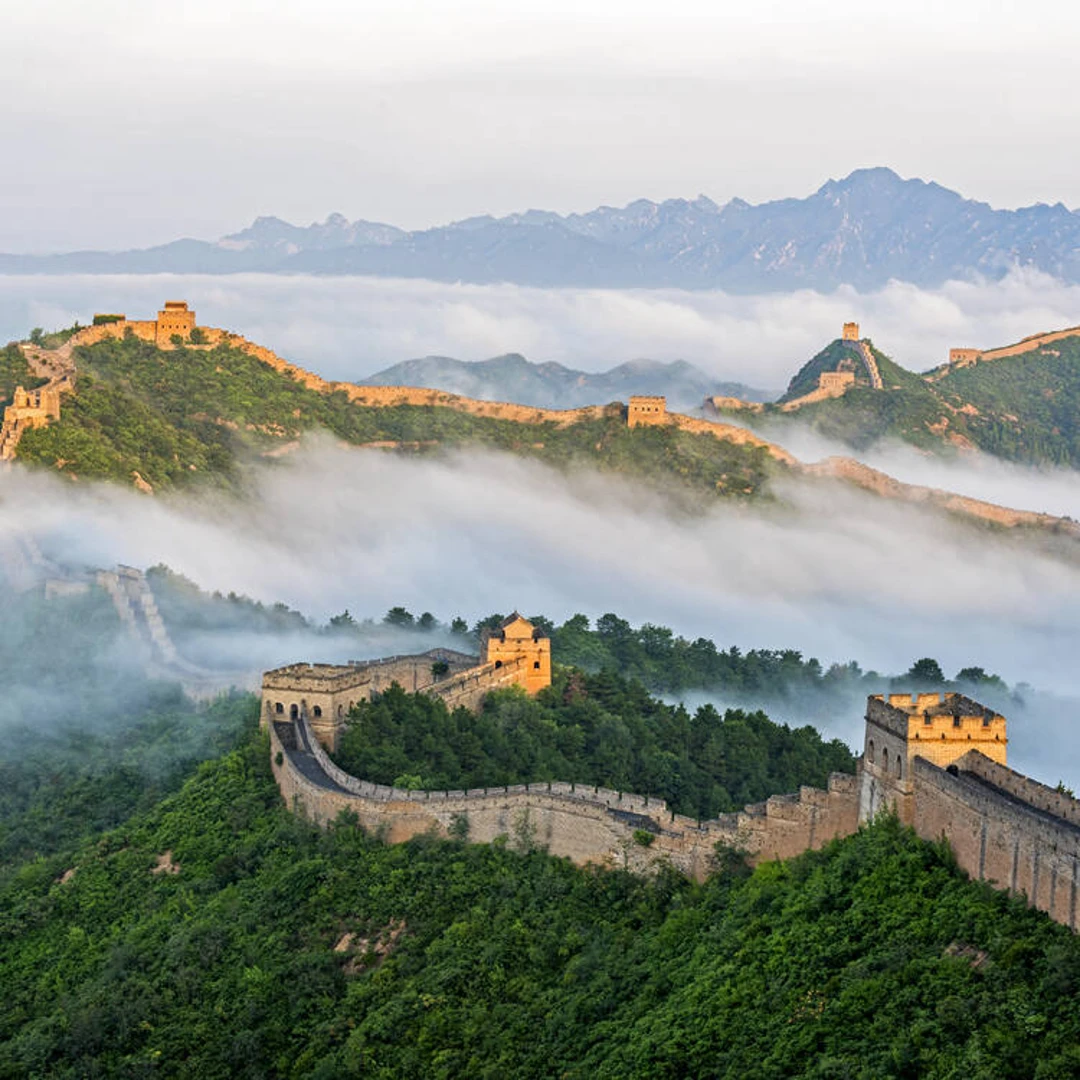
1. Walk the Great Wall
The Great Wall is not one continuous walkway but a vast system of fortifications extending for more than 20,000 kilometers.
Near Beijing, Mutianyu balances restored architecture, mountain views, and easier crowd management, while Jinshanling appeals to stronger hikers who want a longer ridge walk.
Plan it well: Start early, wear shoes with reliable grip, and check how you will return from your chosen section before setting out. Cable cars reduce the climb but do not remove the wall’s steep steps and uneven surfaces.
2. Meet Xi’an’s Terracotta Army
Discovered in 1974, the terracotta warriors guard the mausoleum complex of Qin Shi Huang, the first emperor to unify China.
Thousands of life-size figures, horses, and chariots reveal differences in rank, dress, and military organization, making the site far more than a single photogenic excavation pit.
Arrive near opening time and allow at least half a day. A knowledgeable guide or museum audio guide helps explain what you are seeing, and the site remains one of the must-see spots in Xi'an for travelers interested in Chinese history.
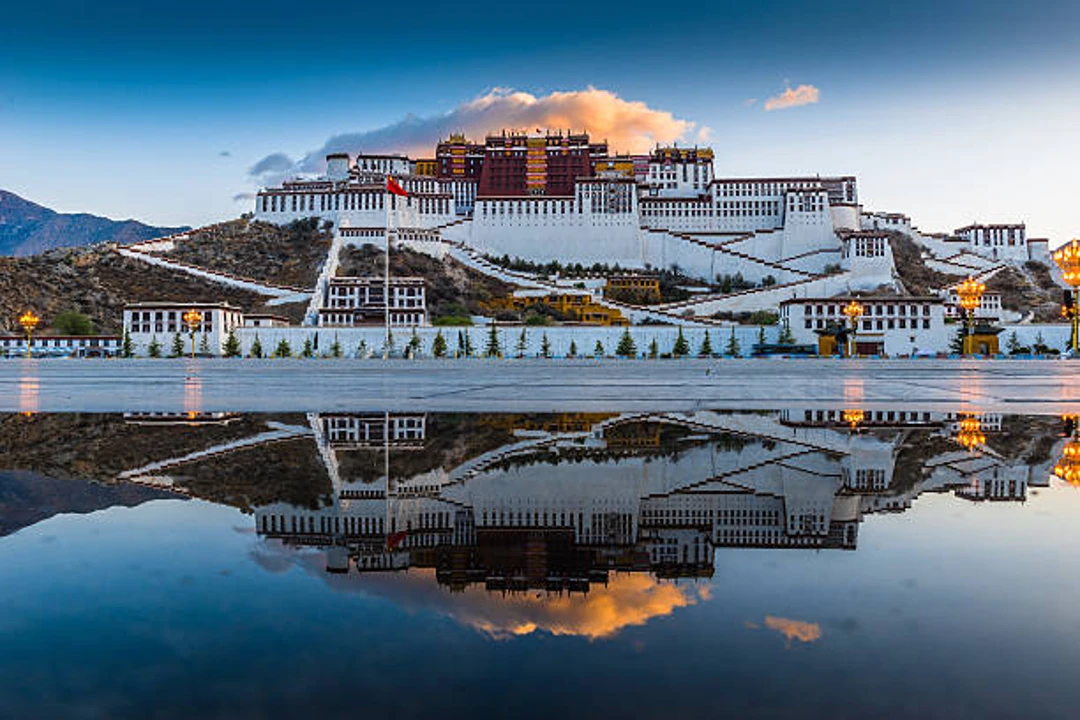
3. Discover Lhasa’s Potala Palace
Rising above Lhasa, the Potala Palace was both a seat of government and a center of Tibetan Buddhist life. Its white and red structures contain chapels, assembly rooms, murals, and sacred objects that make the visit as culturally significant as the mountain setting is dramatic.
Before you go: Lhasa sits at high altitude, so build in time to acclimatize and keep the first days gentle. Entry arrangements for Tibet differ from ordinary travel elsewhere in China; verify current permits, transport, and booking requirements well before departure.
4. Wander Beijing’s Summer Palace
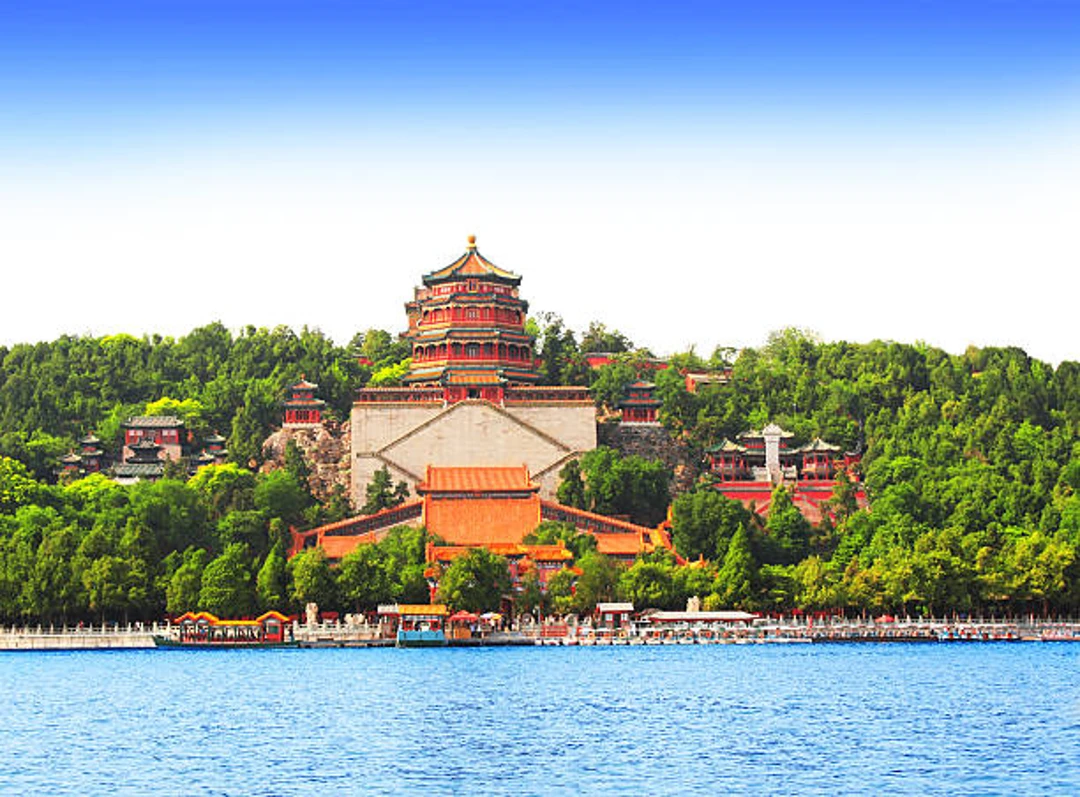
The Summer Palace combines imperial halls, landscaped gardens, Kunming Lake, and the wooded slopes of Longevity Hill. Its scale makes it a welcome change from the dense palace courtyards of central Beijing, especially when you slow down along the Long Corridor and lakeside paths.
Allow several hours and enter with a simple route in mind. A boat crossing can save energy and reveal the garden’s carefully composed views, but services vary by season and weather.
5. Visit Chengdu’s Wuhou Shrine
Wuhou Shrine commemorates Zhuge Liang and other figures associated with the Three Kingdoms period. Red walls, cypress-shaded paths, historic tablets, and quiet courtyards give the complex a reflective atmosphere that contrasts with nearby Jinli Street.
Spend time with the historical displays before heading into the gardens. The visit becomes much more rewarding when you understand why Zhuge Liang remains such an admired strategist and statesman.
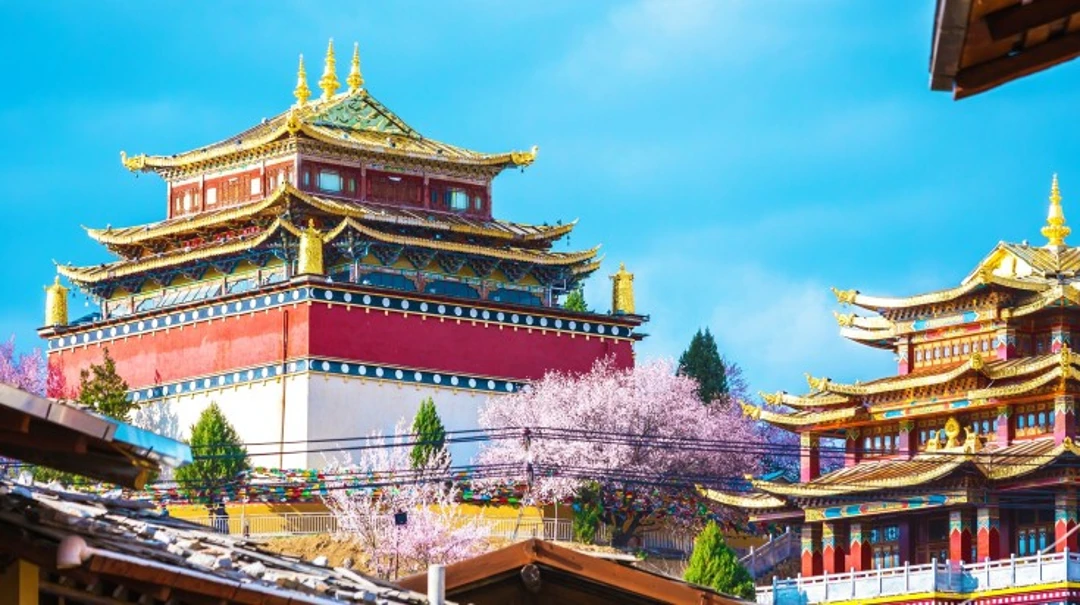
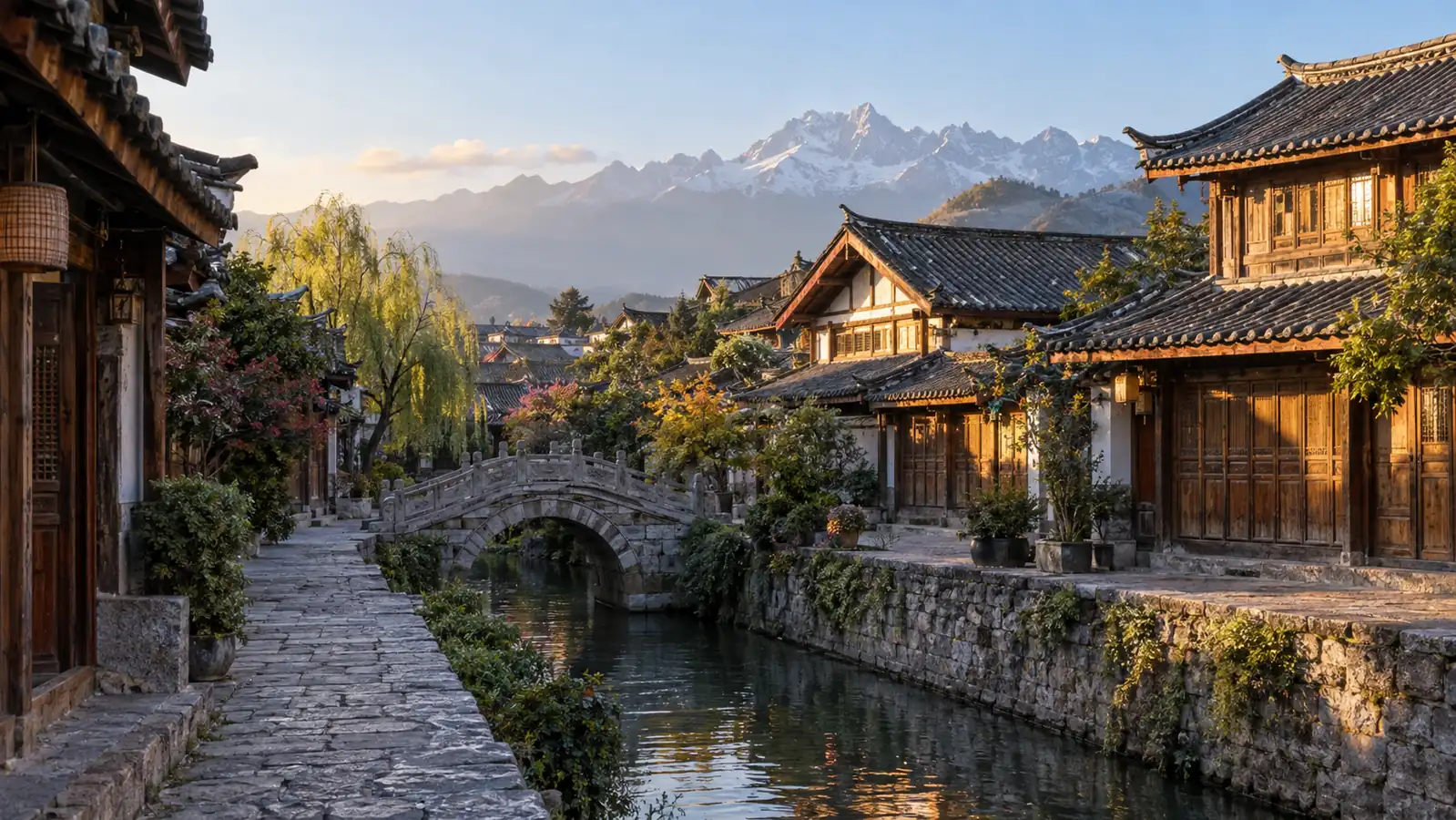
6. Explore Lijiang Old Town
Lijiang’s old town is a maze of stone lanes, canals, timber houses, and small bridges shaped by the traditions of the Naxi people.
The busiest streets can feel commercial, but early mornings and quieter lanes still reveal the water system and courtyard architecture that define the town.
Stay overnight rather than treating Lijiang as a quick stop. That gives you time for Black Dragon Pool, local Naxi food, and a slower walk before day-trip crowds arrive.
7. See Dunhuang’s Mogao Caves
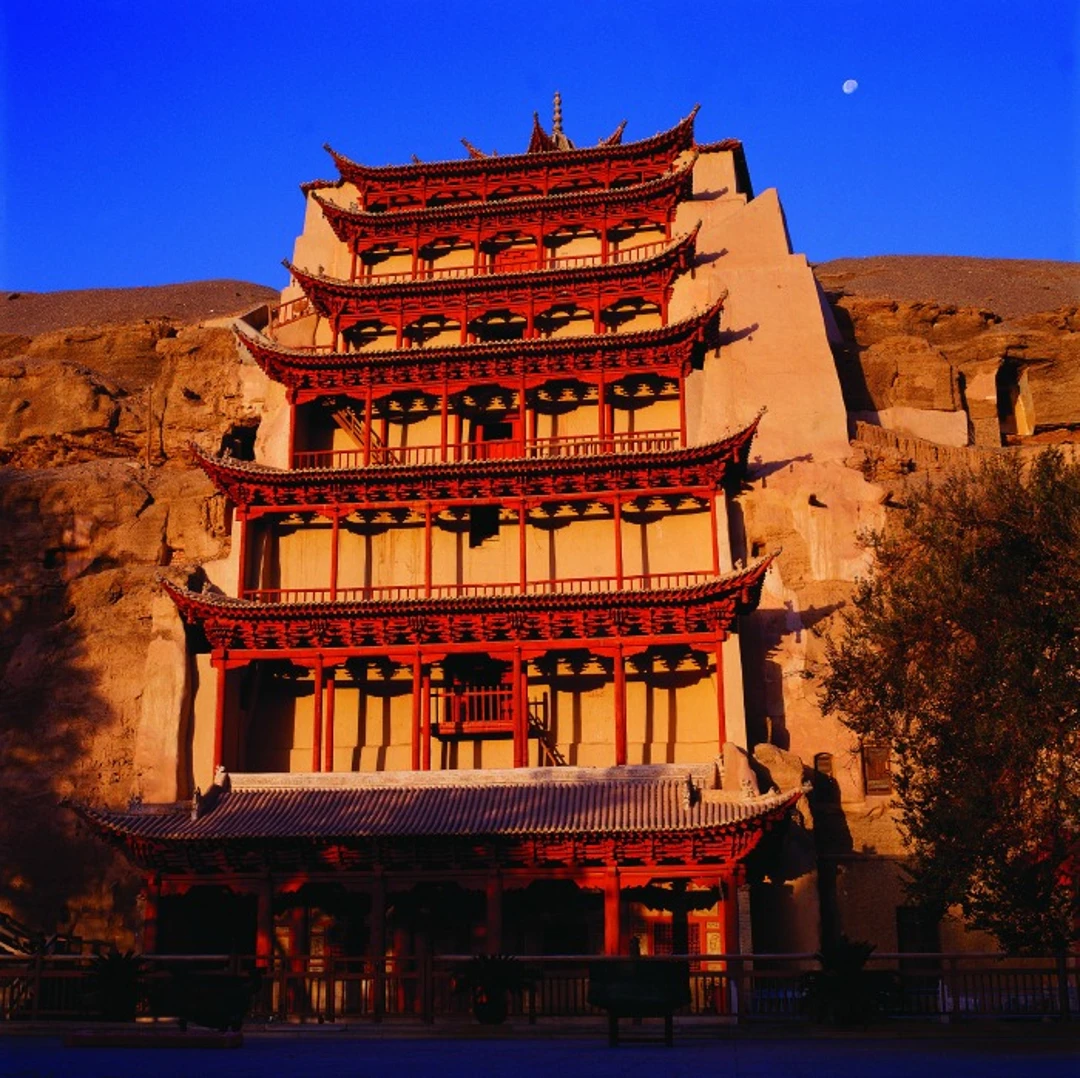
The Mogao Caves preserve a millennium of Buddhist murals and sculpture along the ancient Silk Road. Their art records religious devotion as well as the movement of people, ideas, and styles between China, Central Asia, and India.
Visitor numbers and cave access are controlled, and the caves shown can rotate. Reserve ahead through the official system, allow time for the introductory exhibitions, and follow photography restrictions inside the grottoes.
8. Visit Beijing’s Temple of Heaven
The Temple of Heaven is one of Beijing’s clearest expressions of Ming ceremonial architecture. Emperors came here to perform rites connected with good harvests, while today the surrounding park is also part of everyday city life.
Go early to see local residents exercising, singing, and practicing tai chi before tour groups peak. The Hall of Prayer for Good Harvests is the visual centerpiece, but the circular mound altar and long processional route complete the story.
China’s Most Dramatic Landscapes
China’s natural scenery ranges from subtropical limestone valleys to misty granite summits and the dry river corridor of the northwest. Weather and transport matter as much as distance, so match each landscape to the season and to the physical pace you enjoy.
9. Cruise Guilin’s Li River
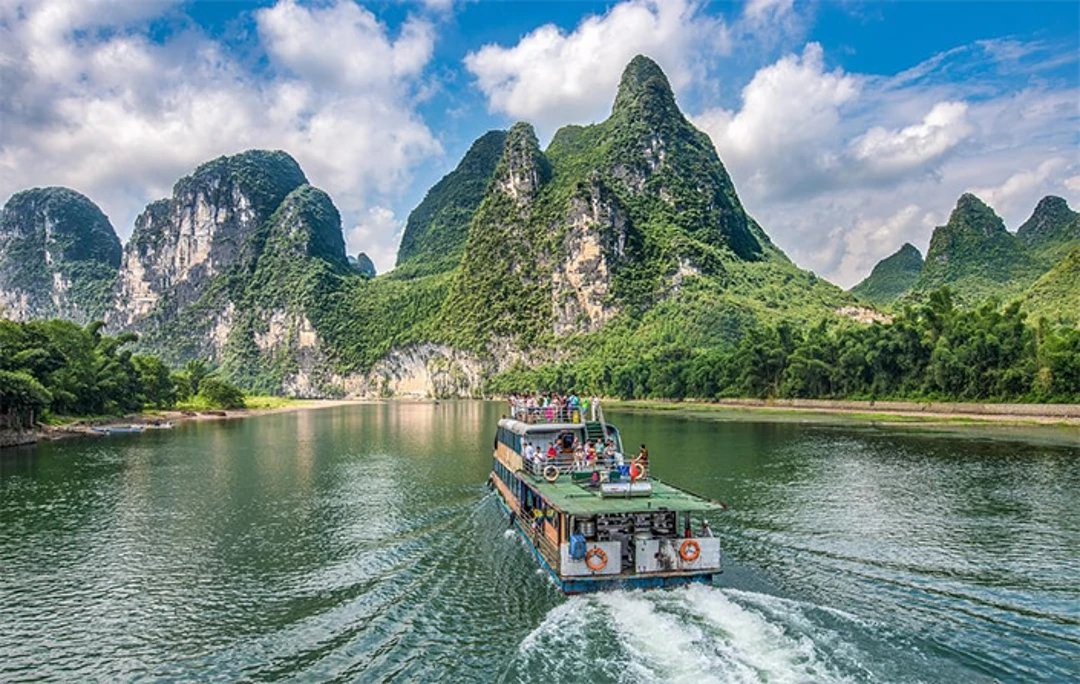
The Li River journey between Guilin and Yangshuo passes limestone karst peaks, cultivated fields, and riverside villages.
A full cruise gives the broadest view of the landscape, while smaller boats and bamboo-style rafts around Yangshuo create a closer, quieter experience.
Morning mist can be beautiful, but visibility changes with rain and season. Stay in Yangshuo after the cruise so you can cycle or walk through the surrounding countryside instead of returning immediately to the city.
10. Hike Through Zhangjiajie
Zhangjiajie National Forest Park is known for tall quartz-sandstone pillars, forested ravines, and viewpoints linked by trails, shuttle buses, lifts, and cableways. The scale is impressive, but the park is large enough that a rushed day trip can become mostly transit and queues.
Give the area at least two days if possible. Choose one upper-level scenic route and one valley walk, check visibility before committing to the highest viewpoints, and avoid treating the glass bridge as a substitute for the national park itself.
11. Climb Huangshan’s Granite Peaks
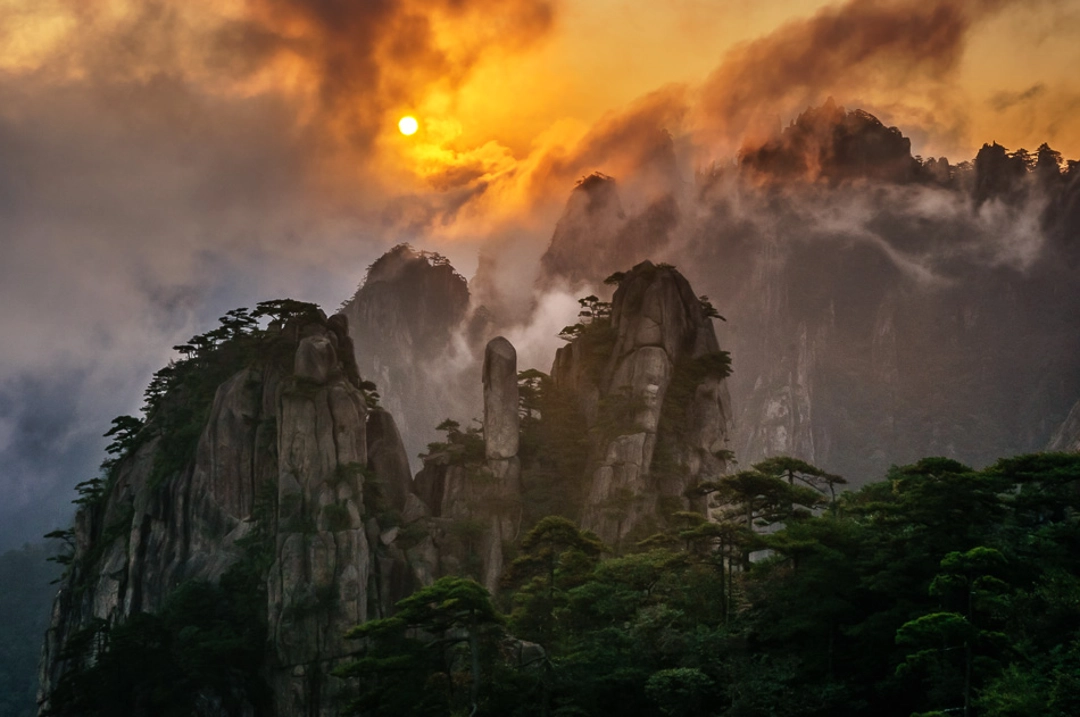
Huangshan combines granite pinnacles, wind-shaped pines, steep stairways, and shifting layers of cloud. The scenery inspired generations of painters and still feels most atmospheric in the quieter hours around sunrise and sunset.
A cable car shortens the ascent, but substantial walking remains on the summit paths. An overnight stay provides the best chance to experience the mountain without racing the last descent, although weather can hide the views at any time.
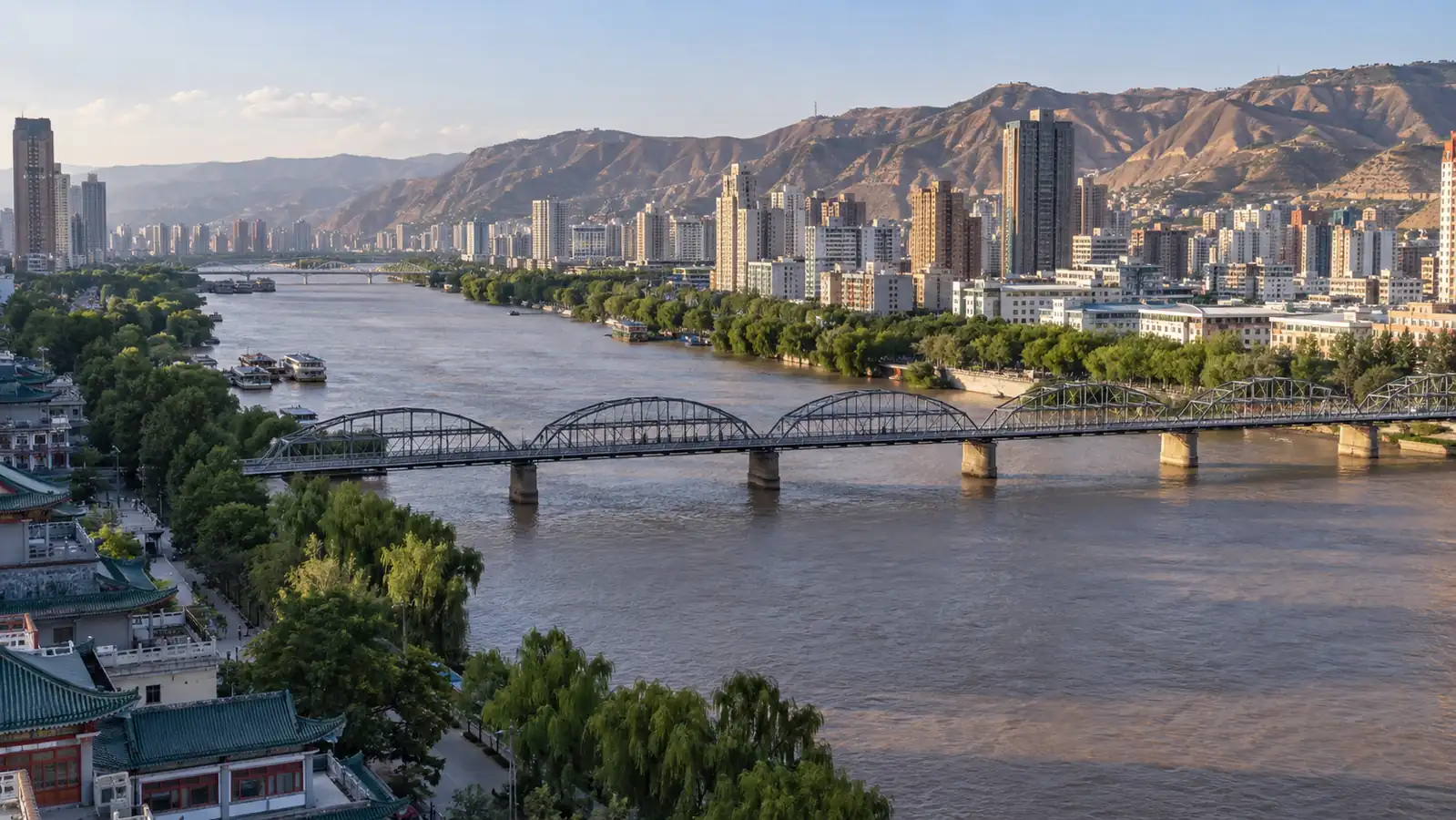
12. Follow Lanzhou’s Yellow River
The Yellow River cuts through Lanzhou and gives the northwestern city its defining axis. Walk the riverfront, cross the historic Zhongshan Bridge, and look toward the dry hills to understand how water, trade, and settlement meet in this part of China.
The city is also an excellent place to try Lanzhou beef noodles, traditionally served as a fresh, quick meal. A riverfront visit and a bowl of hand-pulled noodles make a compact introduction before continuing west toward Gansu’s Silk Road sites.
City Life and Living Traditions
Monuments explain part of China, but daily routines, regional food, tea culture, wildlife conservation, and modern transport make the country feel immediate. These experiences also add breathing room between major heritage sites.
13. Drift Through Jiangnan Water Towns
Canal towns near Shanghai and Suzhou preserve stone bridges, whitewashed houses, narrow lanes, and waterside neighborhoods associated with the Jiangnan region. Zhujiajiao works as an easy Shanghai day trip, while Wuzhen and Zhouzhuang reward travelers who can stay into the evening.
Explore on foot before taking a short boat ride. The most popular lanes can be crowded, so arrive early or sleep locally to see the canals after day visitors leave.
14. Watch Chengdu’s Giant Pandas
Chengdu’s panda research base combines public viewing areas with conservation education and breeding work. Pandas are usually liveliest during cooler morning hours, when they are more likely to feed, climb, and interact with their surroundings.
Enter close to opening time and follow the quieter outer paths before the central enclosures fill. Keep expectations realistic: animal locations and activity vary, and a responsible visit should prioritize observation over staged encounters.

15. Taste Longjing Tea in Hangzhou
Hangzhou’s West Lake landscape extends into nearby hills planted with Longjing, or Dragon Well, tea. A village or plantation visit can show how leaves are picked, pan-fired, and brewed, while a quiet tasting turns an everyday drink into a lesson in season, aroma, and craft.
Spring harvest time is especially interesting, though it is also busy and premium teas can be expensive. Ask about origin and grade, taste before buying, and avoid assuming every packet sold beside West Lake comes from the most prized fields.
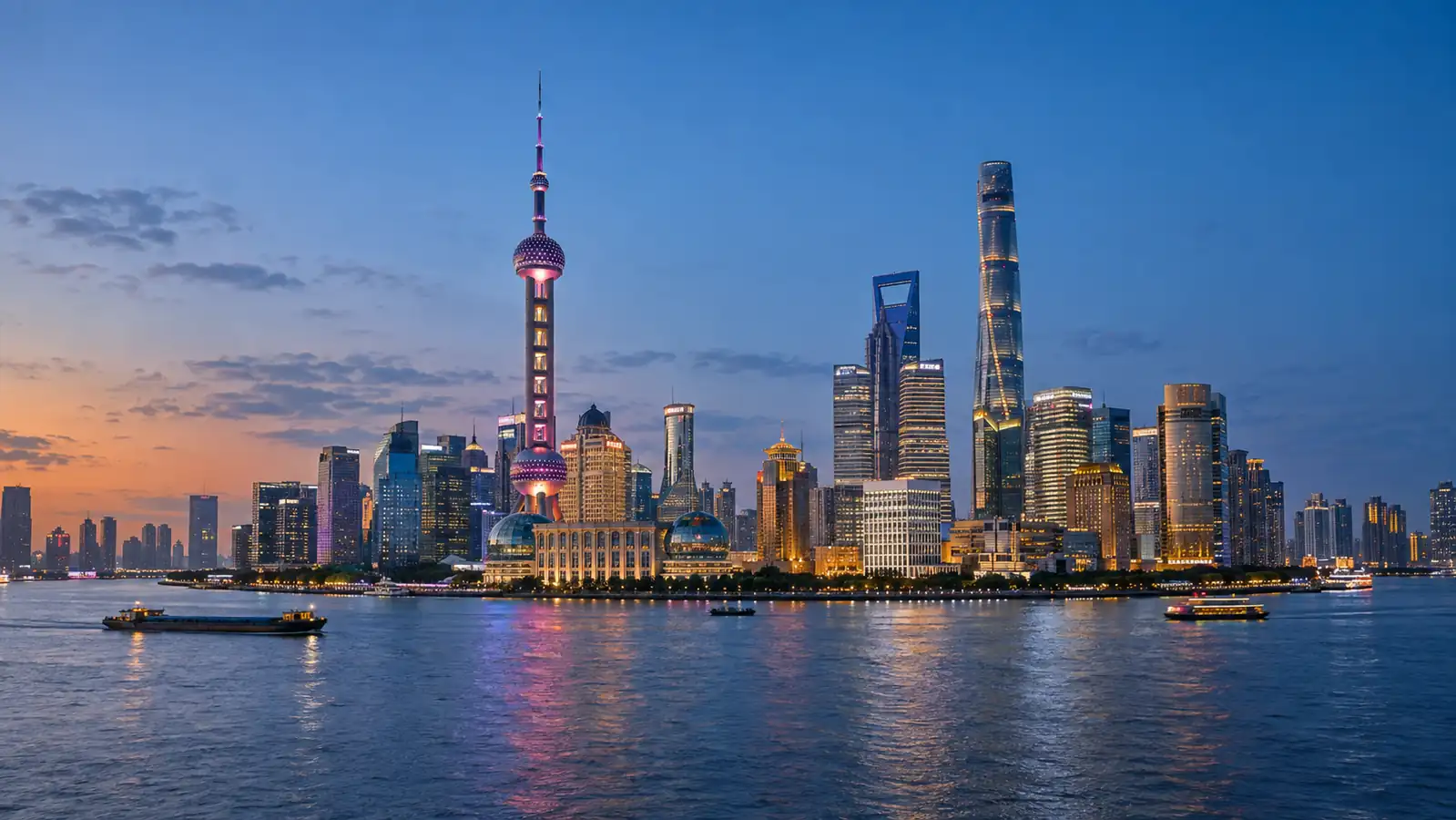
16. See Shanghai from the Bund
The Bund frames Shanghai’s contrast in a single view: early twentieth-century waterfront buildings face the towers of Pudong across the Huangpu River. Walk the promenade in daylight to notice the architecture, then return around blue hour as the skyline begins to glow.
Continue into nearby neighborhoods rather than treating the view as the whole city. Shikumen lanes, contemporary art museums, traditional gardens, and local food streets reveal layers that the skyline alone cannot show.
17. Eat Across China’s Regions
Chinese food changes dramatically from one region to another. Beijing roast duck, Xi’an noodles and breads, Sichuan hotpot, Cantonese dim sum, Shanghai soup dumplings, and Yunnan mushrooms each express a different climate, history, and pantry.
Choose busy specialist restaurants, ask hotel staff what a place is known for, and learn a few dish names before you arrive. Night markets can be fun, but some of the most memorable meals come from modest breakfast shops and single-dish neighborhood kitchens.
18. Ride China’s High-Speed Trains
High-speed rail turns travel between major cities into part of the experience. Beijing, Xi’an, Shanghai, Hangzhou, Chengdu, Guilin, and many other destinations connect through comfortable services that often make more sense than flying once airport transfers are included.
Book with the passenger name shown on your passport, arrive with time for security, and confirm the station because large cities may have several. Popular routes and holiday dates sell quickly, so reserve early when your itinerary is fixed.
FAQ
1. When Is China Best Visited?
China's best visiting season depends on the region. Spring and autumn are often comfortable for Beijing, Xi’an, and much of central China, but Tibet, the northwest, tropical Hainan, and winter destinations such as Harbin follow very different patterns. Check local weather and national holiday dates for every stop.
2. Do You Need a Visa?
Entry rules depend on nationality, passport, purpose, route, and length of stay. China also operates visa-free entry and 240-hour transit arrangements for eligible travelers under specific conditions. Check the National Immigration Administration’s current entry rules and the Chinese embassy or visa center serving your place of residence before booking nonrefundable travel.
3. How Do Payments and Maps Work?
Mobile payment is widely used, while international cards and cash acceptance vary by business. Set up a supported payment method before arrival, carry a modest cash backup, and download an offline translation tool. Confirm which map and communication services work on your devices in mainland China rather than assuming the apps you use at home will function normally.
4. What Should You Book Ahead?
Passport-linked tickets, major museums, high-speed trains, popular mountain areas, and limited-entry sites can require advance reservations. The Forbidden City, Mogao Caves, and holiday-period trains deserve particular attention. Keep passport details consistent across every booking and avoid building a tight same-day connection around an unconfirmed ticket.
5. Is China Safe for Travelers?
Many visitors find daily travel orderly and comfortable, but ordinary precautions still matter. Protect passports and phones, use licensed transport, watch for tourist-area overcharging, obey local laws, and take extra care around traffic and mountain weather. Review current official travel advice for your nationality and buy insurance that matches your activities.
Conclusion
China’s rich past and picturesque vistas create the perfect setting for an incredible travel experience. From ancient wonders to modern metropolises, you’ll never run out of things to see and do.
No matter where you go in China, you’ll find something different, which is why it’s one epic travel wish list item.