
With such a huge country, China offers a wide variety of landscapes, from urban to rural, mountain to sea. When you choose to visit really depends on what you’re most interested in: comfortable temperatures, local festivals, or just fewer travelers.
In this post, I’ll cover the best times to visit, the most popular festivals, and provide some additional tips to get you started on planning your trip to China!
To make sure you stay connected throughout your journey, consider using the iRoamly China travel eSIM, which offers fast speeds and reliable service no matter where you are.

Best Months for Most Travelers
April, May, September, and the second half of October are the most dependable months for a broad China itinerary.
Spring brings flowers and mild temperatures, while autumn is generally drier and works especially well for walking, city sightseeing, and mountain scenery.

The choice is not simply spring versus autumn.
April can be wet in southern and eastern China, the first days of May are busy around the Labor Day holiday, and the first week of October is National Day Golden Week.
September is often the easiest all-round option, while November rewards travelers who accept cooler evenings in exchange for lighter crowds.
If your itinerary also includes Japan, compare the best time to travel to Japan before fixing your dates: blossom timing and holiday crowds can affect which country you visit first.
Choose Your Priority First
Best balance of weather and sightseeing: April to May or September to late October.
Best for fewer crowds: March, November, and much of winter outside Lunar New Year.
Best for highlands and western routes: Late spring through early autumn, depending on altitude and access.
Best for winter experiences: January for Harbin, or December to February for quieter northern landmarks if you can handle the cold.
Spring (March – May)
Why Visit in Spring?
Temperatures become comfortable across much of the country, often ranging from roughly 10°C to 25°C, although altitude and latitude create large differences.
Blossoms, rapeseed fields, fresh greenery, and water-filled rice terraces make spring especially rewarding for gardens, photography, and countryside trips.
March is relatively quiet, while April and May offer a wider range of outdoor activities before summer heat and humidity arrive.
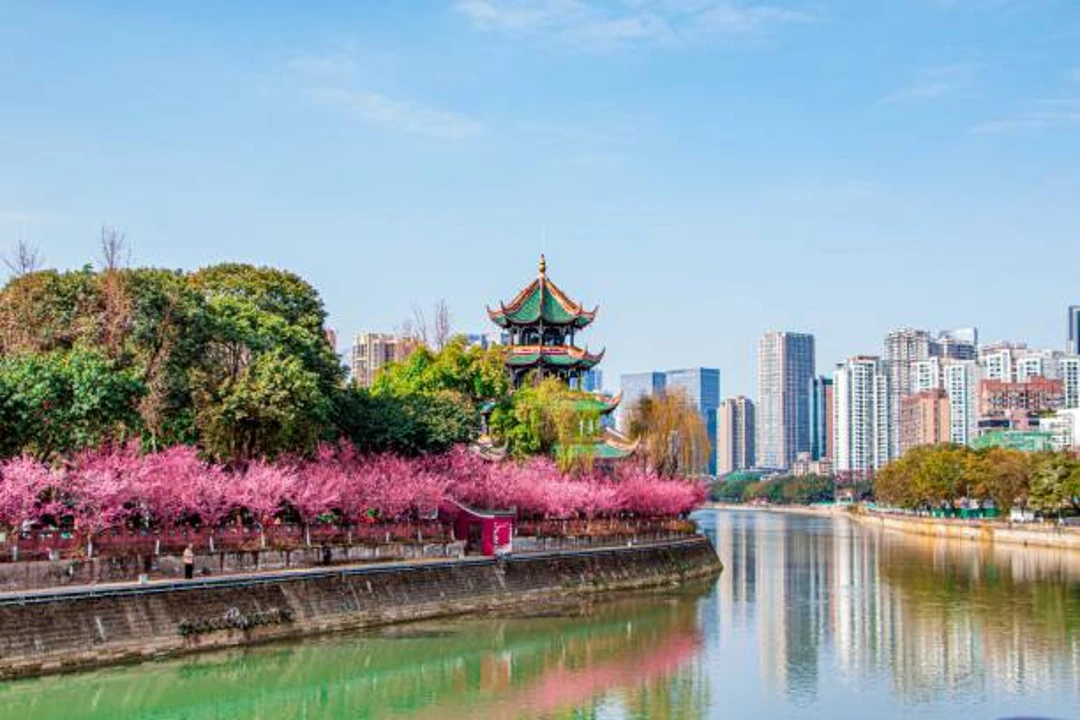
Best Places to Visit in Spring
Beijing and Xi’an: Mild days make the Great Wall, Forbidden City, and Terracotta Warriors easier to explore on foot. March can bring dust and sharp temperature changes, so April or May is usually more comfortable.
Hangzhou and Suzhou: West Lake, classical gardens, and canal towns look especially fresh in spring, though showers are common.
Huangshan (Yellow Mountains): Mist, new foliage, and blooming rhododendrons add atmosphere, but wet steps and changing mountain weather require good footwear.
Yunnan Province: Dali, Lijiang, and the surrounding highlands combine flowers with cooler, drier conditions than many eastern cities.

Spring Travel Tips
Pack layers because mornings, afternoons, and mountain areas can feel like different seasons.
Carry a light waterproof layer for southern and eastern routes, where spring rain is more frequent.
Expect local congestion around the Qingming holiday in early April and heavier nationwide demand around the Labor Day break at the beginning of May.
Summer (June – August)
Why Visit in Summer?
Long daylight hours support full sightseeing days, late river cruises, and evening food markets.
The Dragon Boat Festival and regional cultural events can make the season memorable when your dates align.
High-altitude areas, northern grasslands, and some western routes are more accessible than they are in winter.

Best Places to Visit in Summer
Tibet and Qinghai: Summer brings relatively mild highland temperatures and greener scenery, though rain, altitude, and local access requirements still need planning.
Inner Mongolia: The grasslands are at their greenest, and seasonal events add cultural interest. Distances are large, so allow time between stops.
Guilin and Yangshuo: High river levels enhance the karst scenery, but heat, humidity, and rain make early starts valuable.
Zhangjiajie: Dense greenery and dramatic clouds suit the landscape, while summer crowds and wet paths reward careful timing.

Summer Travel Tips
Expect intense heat and humidity in cities such as Beijing, Shanghai, Chongqing, and Wuhan. Schedule exposed sights for morning or late afternoon and carry water.
Rainfall increases across many southern and eastern areas, while tropical systems can disrupt the southeast coast. Keep transport plans flexible rather than assuming one national rainy-season pattern.
School holidays increase demand at major attractions. Reserve intercity trains, popular hotels, and timed-entry sights earlier than you would in March or November.
Autumn (September – November)
Why Visit in Autumn?
Many regions settle into clear, comfortable weather, and the lower humidity makes long walking days easier.
Rice terraces, northern parks, and mountain areas shift from green to gold and red as the season progresses.
September remains warm, late October is often mild and dry, and November offers quieter sights with cooler evenings.

Best Places to Visit in Autumn
Beijing and the Great Wall: September and late October pair comfortable hiking weather with clearer skies. Avoid the National Day rush in early October.
Jiuzhaigou Valley: Lakes and forests become especially colorful in October, making advance accommodation and park planning worthwhile.
Yangtze River routes: Cooler conditions suit deck views and shore excursions better than peak summer heat.
Huangshan (Yellow Mountains): Autumn color, crisp air, and mist can combine beautifully, although mountain temperatures fall quickly after sunset.

Autumn Travel Tips
Treat the first week of October as a separate travel season: transport and major attractions can be extremely busy during National Day Golden Week.
September works well for wide-ranging routes, while November is better for travelers who prioritize space and value over warm evenings.
Bring a light jacket for cities and a warmer layer for mountains, northern China, and late-autumn mornings.
Winter (December – February)
Why Visit in Winter?
Outside major holidays, lower visitor numbers can mean shorter queues and better-value hotels or flights.
Snow, frozen lakes, hot springs, and seasonal festivals create experiences that do not exist at other times of year.
Dry northern days can be beautifully clear, while parts of southern China remain suitable for city and cultural trips.
Best Places to Visit in Winter
Harbin: January is the classic time for the Ice and Snow Festival, but extreme cold demands serious winter clothing and protected electronics.
Beijing: The Forbidden City and Great Wall are quieter, with the tradeoff of freezing temperatures, wind, and occasional snow.
Yunnan: Kunming, Dali, and Lijiang can offer brighter, milder days than northern China, though nights at elevation remain cold.
Sichuan: Chengdu's food, teahouses, museums, and panda sites make a practical winter city break, even when the weather is damp and gray.

Winter Travel Tips
Northern temperatures can fall well below freezing, especially in Harbin and high-altitude areas. Pack insulated layers, gloves, and shoes with good grip.
Allow extra time when snow or ice affects road and rail connections, but do not assume all of China experiences the same winter conditions.
Lunar New Year changes the low-season equation. Transport demand surges, some businesses close, and desirable tickets can become difficult to secure.
Best Time by Region
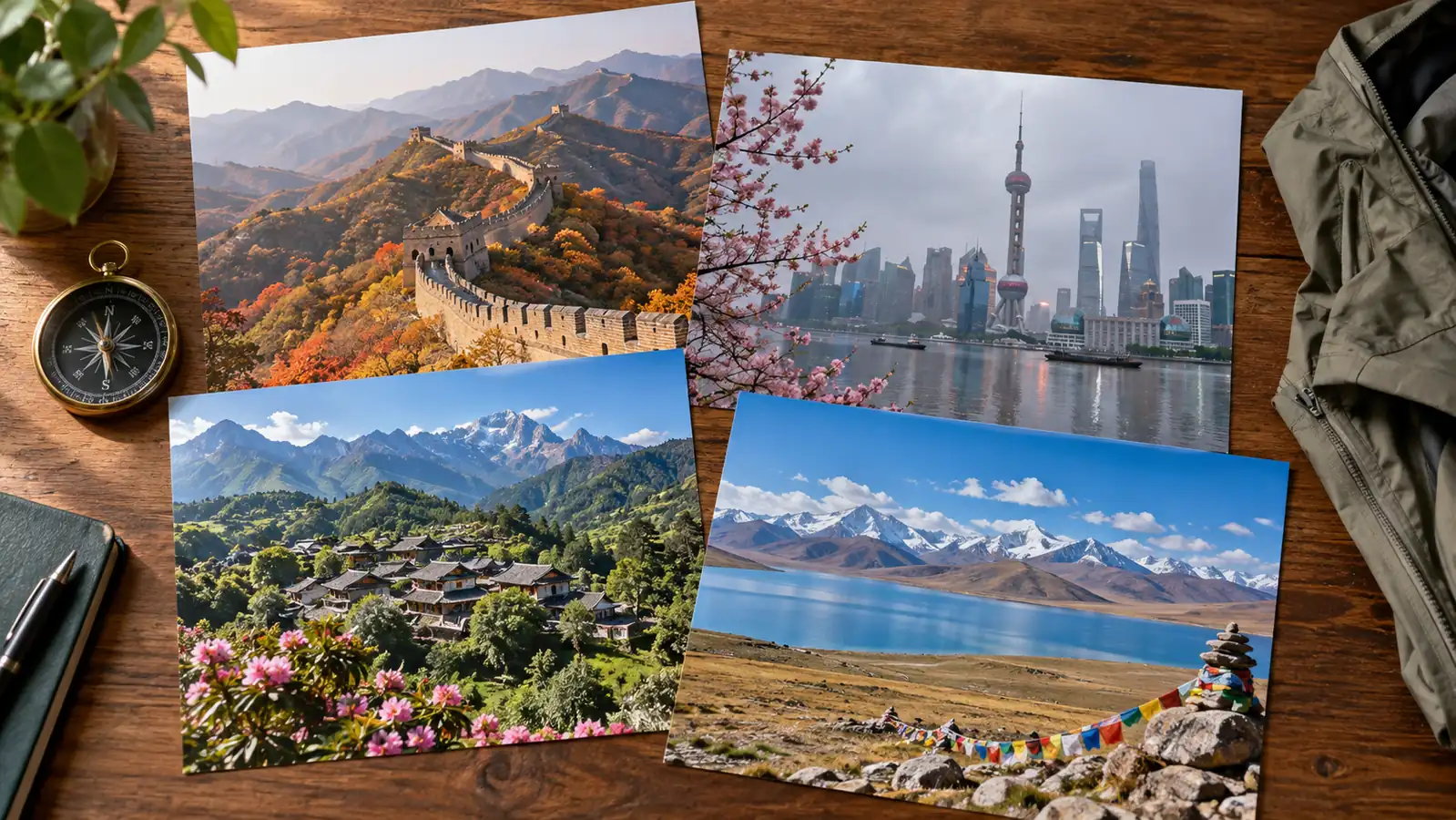
China’s size means the best time to visit can vary widely by destination.
Regional differences in weather in China can shape everything from sightseeing conditions to what you pack, so consider your route first and use the comparison below to choose the right season.
Region | Strong Travel Window | Main Tradeoff | Best For |
|---|---|---|---|
North and Northeast | April–May; September–October | Hot summers and very cold winters | Beijing, the Great Wall, Xi’an, and autumn foliage |
East Coast | April–May; October–November | Humid summers and spring rain | Shanghai, Hangzhou, Suzhou, and water towns |
South and Southeast | October–March | Summer heat, humidity, heavy rain, and coastal storms | Guangzhou, Fujian, Hong Kong, and Hainan |
Southwest | March–May; September–November | Rainy summers and rapid altitude changes | Yunnan, Sichuan, Guilin, and Guizhou |
Western Highlands | May–October | Altitude, cold nights, and seasonal access conditions | Tibet, Qinghai, hiking, and highland scenery |
Plan Around China's Busiest Holidays
Holiday timing can matter as much as weather. During nationwide breaks, domestic travel demand rises quickly, popular attractions fill, and transport choices narrow.
If the holiday itself is not the purpose of your trip, shifting the route by several days can improve the experience more than changing seasons.
Dates That Need Extra Planning

Lunar New Year: Dates change each year. The extended travel period brings intense demand for trains and flights, while some independent businesses close for family celebrations.
Labor Day holiday: The beginning of May can interrupt an otherwise excellent spring window with heavier crowds and higher demand.
National Day Golden Week: The first week of October is one of the busiest periods for domestic tourism, especially at nationally famous sights.
Qingming and Mid-Autumn Festival: These shorter breaks can create regional traffic and fuller attractions, though the effect is usually less nationwide than the major travel weeks.
Book the Hardest Parts First
Start with scarce intercity train tickets, timed-entry attractions, and hotels in the most popular destinations. Build flexibility around arrival days and avoid connecting several nonrefundable bookings too tightly.
Save ticket confirmations and hotel addresses offline, and arrange mobile data through iRoamly’s eSIM service so you can check route changes between stops.
If your dates overlap a major holiday, consider a quieter neighborhood, a less famous Great Wall section, or a slower regional stay instead of trying to cover several headline cities at peak demand.
FAQ
1. What Should I Pack for China's Different Seasons?
Spring and autumn: Light layers, a compact rain shell, and comfortable walking shoes.
Summer: Breathable clothing, sun protection, an umbrella, and quick-drying footwear.
Winter: Insulated layers, gloves, and warm shoes for the north; lighter rain-ready layers for milder southern cities.
2. When Is China's Rainy Season?
There is no single rainy season for the whole country. Rain generally increases from late spring through summer in southern and eastern China, while western plateaus, northern deserts, and high-altitude regions follow different patterns. Check each stop rather than relying on a national average.
3. What Is the Cheapest Time to Visit China?
Winter outside Lunar New Year often brings the lowest demand, especially in colder northern cities. March and November can also offer a useful balance of lower prices and manageable weather. Costs still vary sharply by destination, festival, and transport demand.
Conclusion
The best time to visit China depends on where you plan to go. For a first trip covering several major cities, April to May and September to late October generally offer a comfortable balance of weather and travel conditions.
March and November can suit travelers hoping for fewer crowds, while festivals, mountain scenery, and winter landscapes may make other seasons worth considering. Each time of year brings different advantages.
Plan your route first, then check the weather and holiday calendar for each stop. With China’s size and variety, the right season is ultimately the one that best matches the trip you want to take.