
Harbin, China’s “Ice City,” is best known for enormous illuminated ice structures, but the city rewards a closer look. Russian-influenced streets, Northeast Chinese food, riverside parks, museums, and summer festivals make it more than a single-season stop.
This guide helps you choose the right season, build a realistic stay, and decide which Harbin attractions deserve your time.
Winter is the headline experience, but the practical details—short daylight, long transfers, and serious cold—matter just as much as the postcard views.
To stay connected throughout your adventure, make sure to bring an iRoamly China travel eSIM, offering reliable service for maps, translations, ride-hailing, and sharing those unforgettable moments.
Top Attractions in Harbin
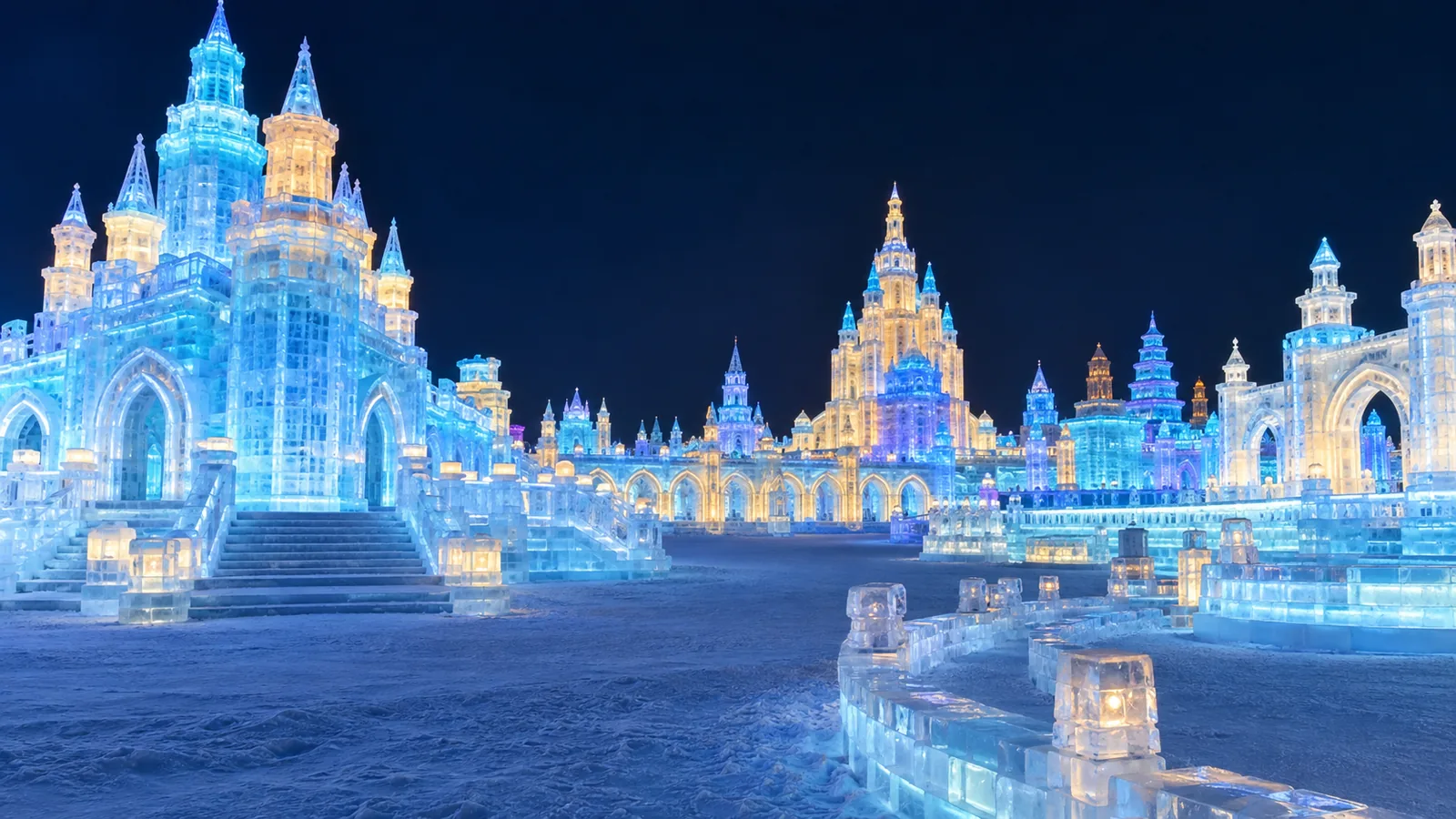
1. Harbin Ice and Snow World
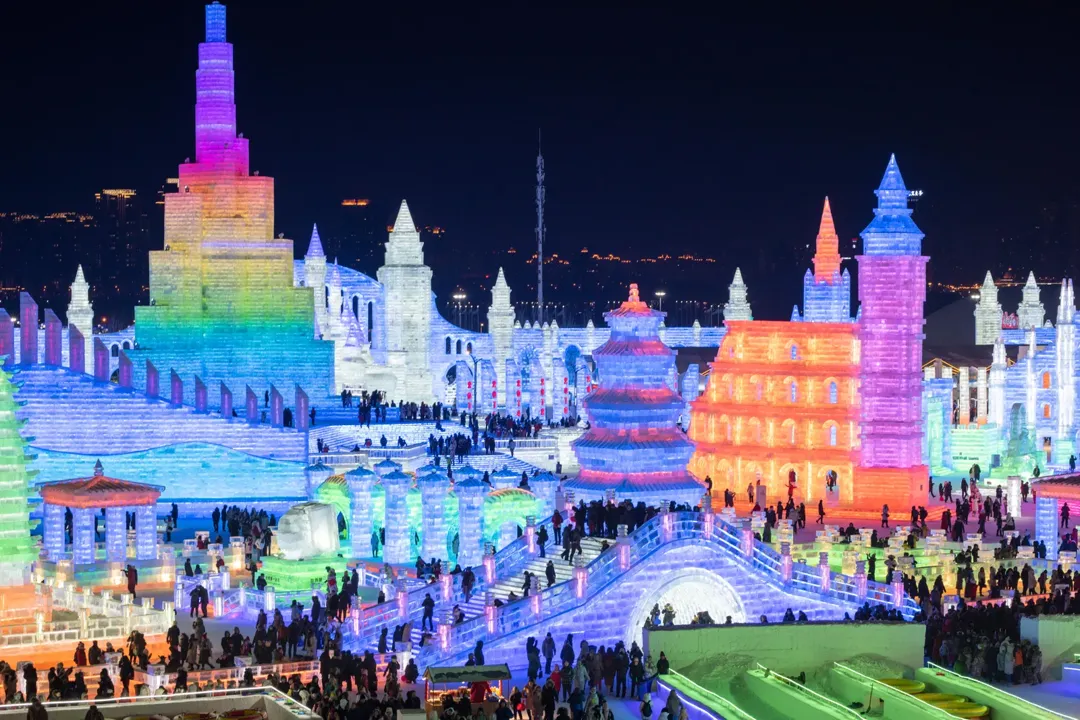
Harbin Ice and Snow World is the city’s headline winter attraction: a vast seasonal park of ice architecture, illuminated sculptures, slides, and performances.
The exact opening and closing dates depend on weather, so treat any evergreen date as a guide and confirm the current season before booking.
Travel Tip: Arrive before sunset if you want to see the ice in daylight and after dark. Keep several hours free, build in warm-up breaks, and check the latest reservation rules rather than assuming tickets will be available at the gate.
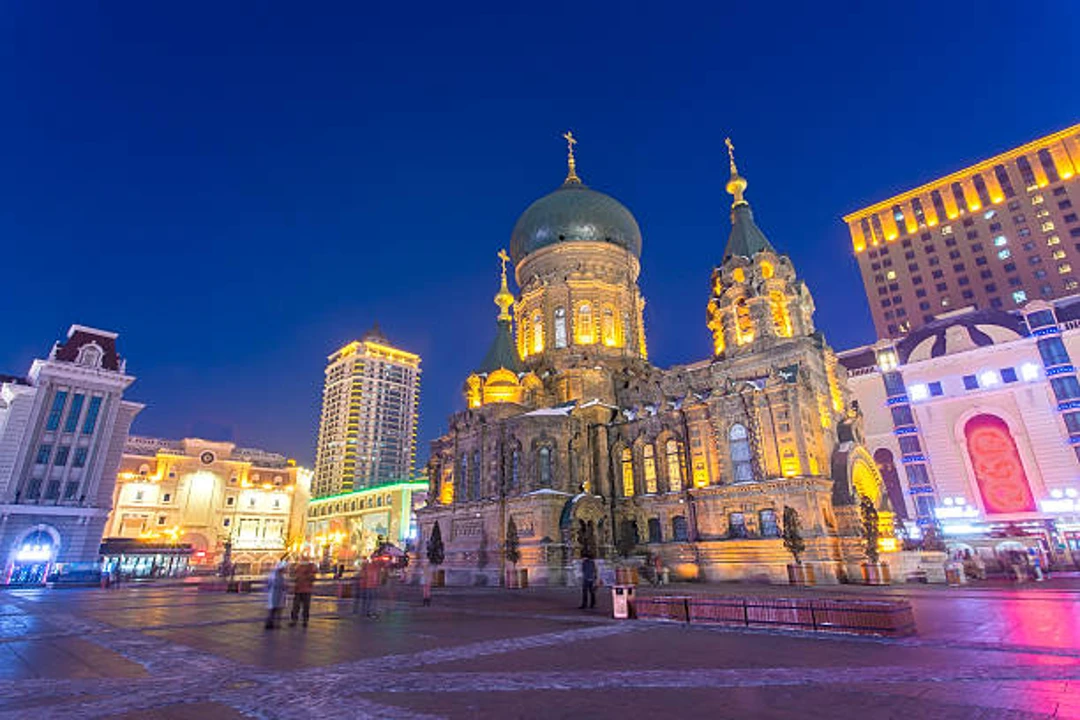
2. Saint Sophia Cathedral
This landmark former Russian Orthodox church, recognizable by its green dome and red-brick exterior, reflects Harbin’s cross-cultural past.
Its central location makes it easy to combine with Daoli Market and Central Street.
Travel Tip: Go early for a quieter exterior view, then return after dark if you want a different atmosphere around the illuminated square.
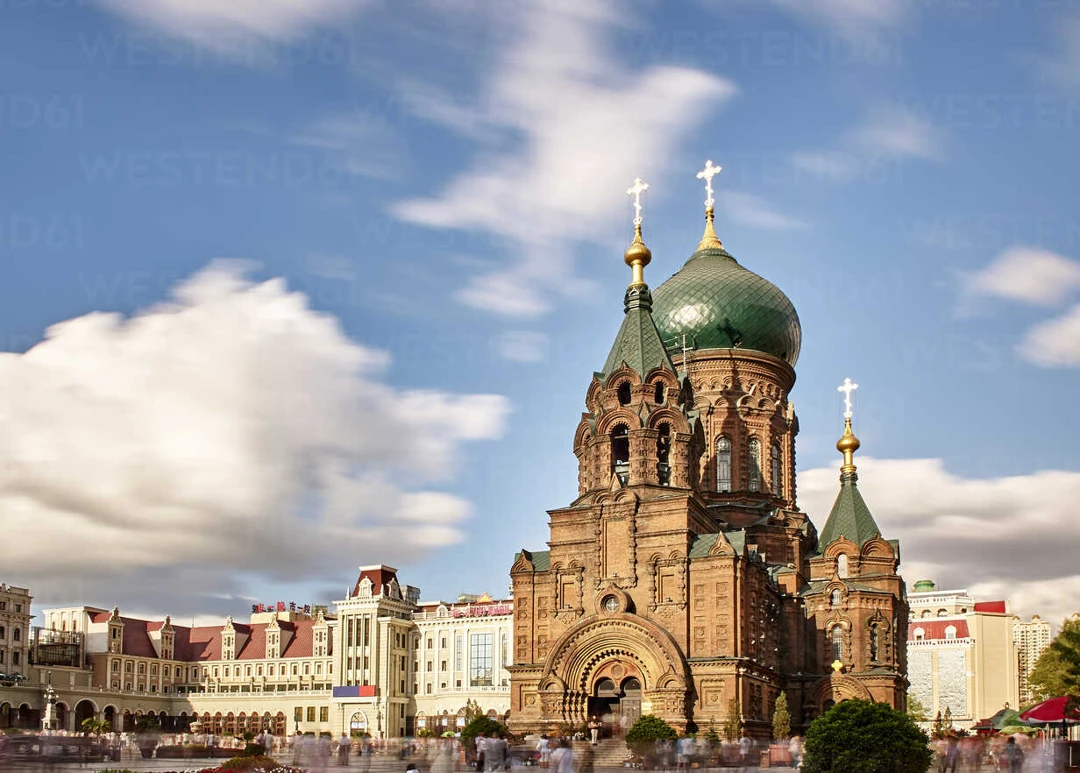
3. Zhongyang Pedestrian Street
Also called Central Street or Zhongyang Dajie, this long pedestrian avenue combines early-20th-century European-style façades with shops, bakeries, restaurants, and street snacks. It works well as an evening walk after Saint Sophia Cathedral.
Try a local ice cream bar even in winter, but step indoors regularly rather than treating the cold as a challenge.
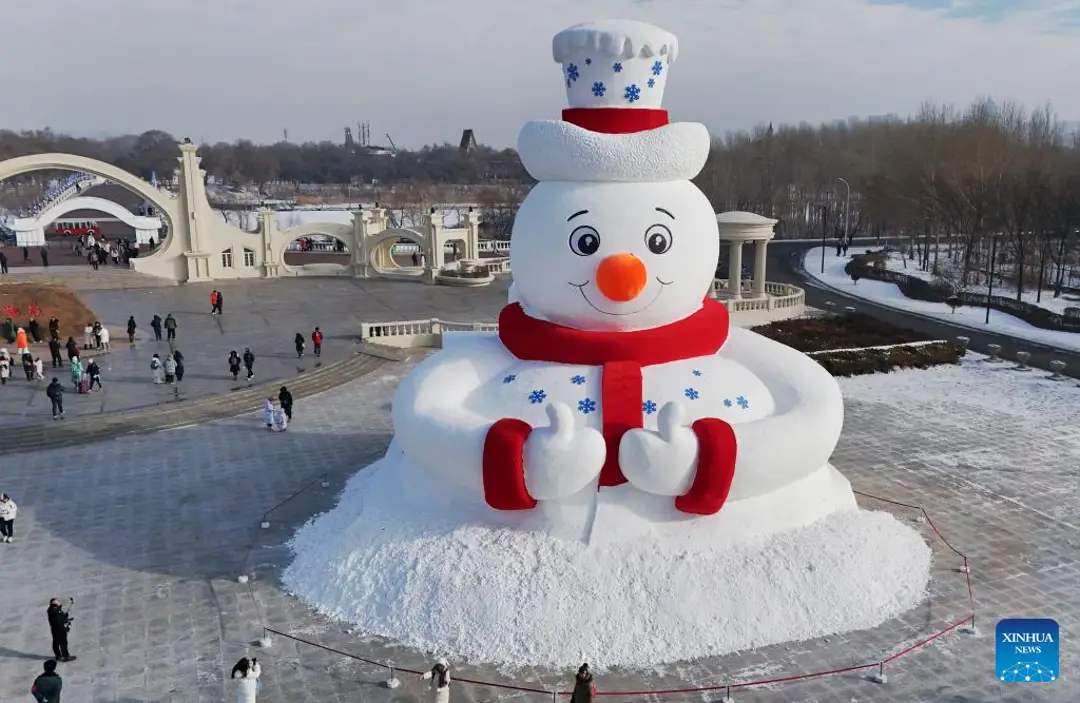
4. Sun Island Scenic Area
Sun Island changes character with the season. In winter, its Snow Sculpture Art Expo focuses on large white snow works; in summer, the same area becomes a green park of paths, lakes, and relaxed riverside scenery.
Travel Tip: Do not confuse the snow expo with Ice and Snow World. They are separate experiences, and visiting both properly can consume much of a winter day.
5. Zhaolin Park
Zhaolin Park is associated with Harbin’s ice-lantern tradition.
Its seasonal displays are smaller and more central than the city’s giant winter venues, which can make it a convenient choice for travelers who want an atmospheric evening stop without committing most of a day.
Travel Tip: Exhibition scale and opening status vary by winter. Check current local notices before arranging your evening around it.
6. Siberian Tiger Park
Near the Sun Island cluster, this wildlife park is commonly paired with the snow expo or Ice and Snow World.
It offers vehicle-based viewing of Siberian tigers and can appeal to families or wildlife-focused visitors, although travelers should make their own decision about animal attractions.
Travel Tip: Allow extra transfer time between the park and other Songbei sights during peak winter traffic, and avoid planning three major outdoor attractions back to back.

7. Harbin Polarland
Harbin Polarland is an indoor family option near Sun Island, with polar and marine-animal exhibits and scheduled performances. It is especially useful when children need a break from long periods outdoors.
Check the day’s show schedule on arrival; performance times and operating arrangements can change.
8. Songhua River and Stalin Park
Stalin Park follows the south bank of the Songhua River and offers an easy waterfront walk near the northern end of Central Street.
Summer brings river views and leisure activity; winter transforms the area into a frozen landscape with seasonal recreation.
Travel Tip: Use only clearly managed winter activity areas. Ice conditions and access can change, so never assume an unmarked frozen section is safe to enter.
9. Laodaowai Chinese Baroque District
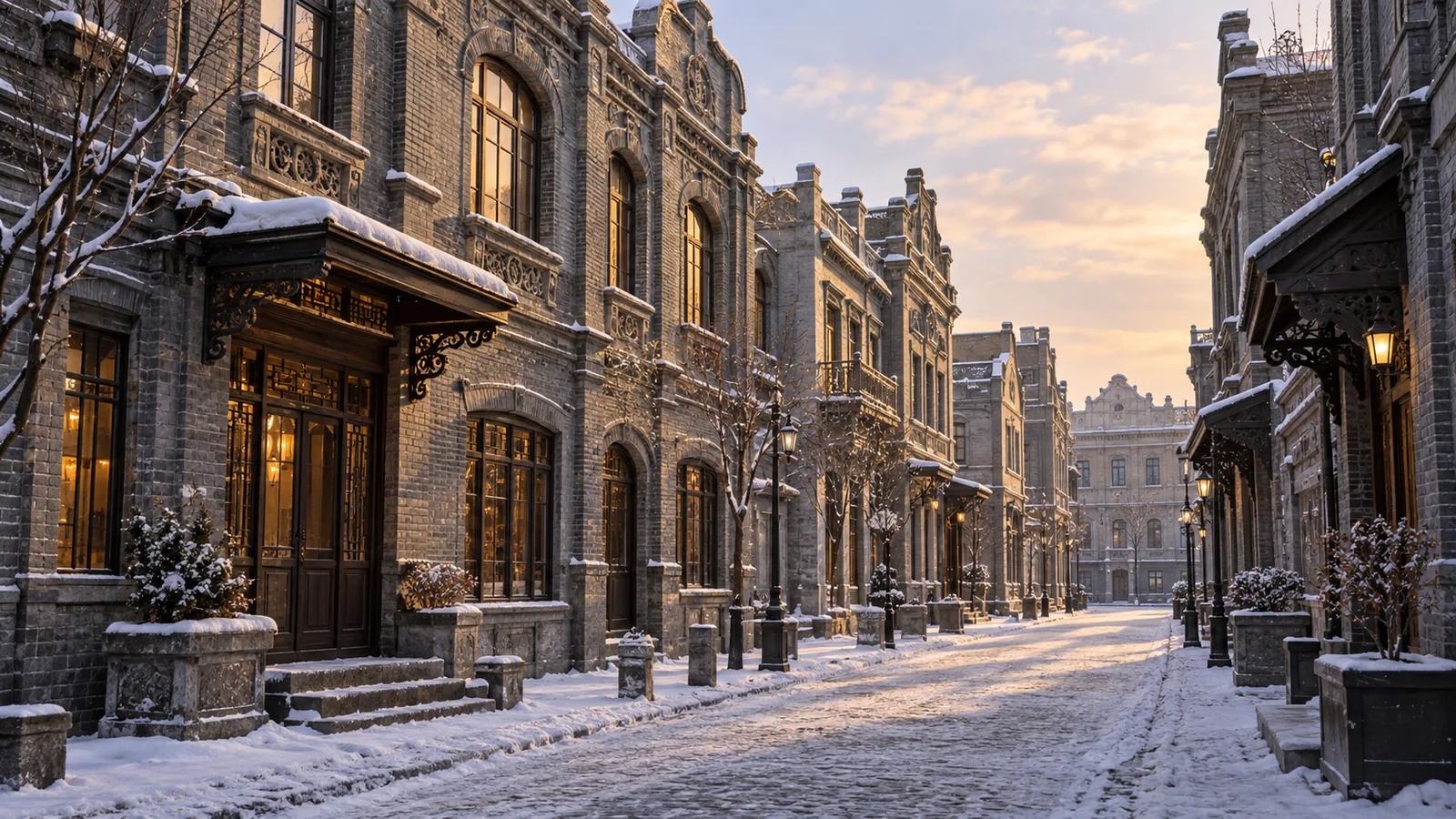
Laodaowai gives Harbin’s architecture a different perspective. Its “Chinese Baroque” streets blend decorative European forms with traditional Chinese courtyard life, while nearby lanes and restaurants offer a more local contrast to Central Street.
Travel Tip: Visit in daylight for architectural details, then stay for an early Northeast Chinese dinner rather than rushing through as a photo stop.
10. Volga Manor
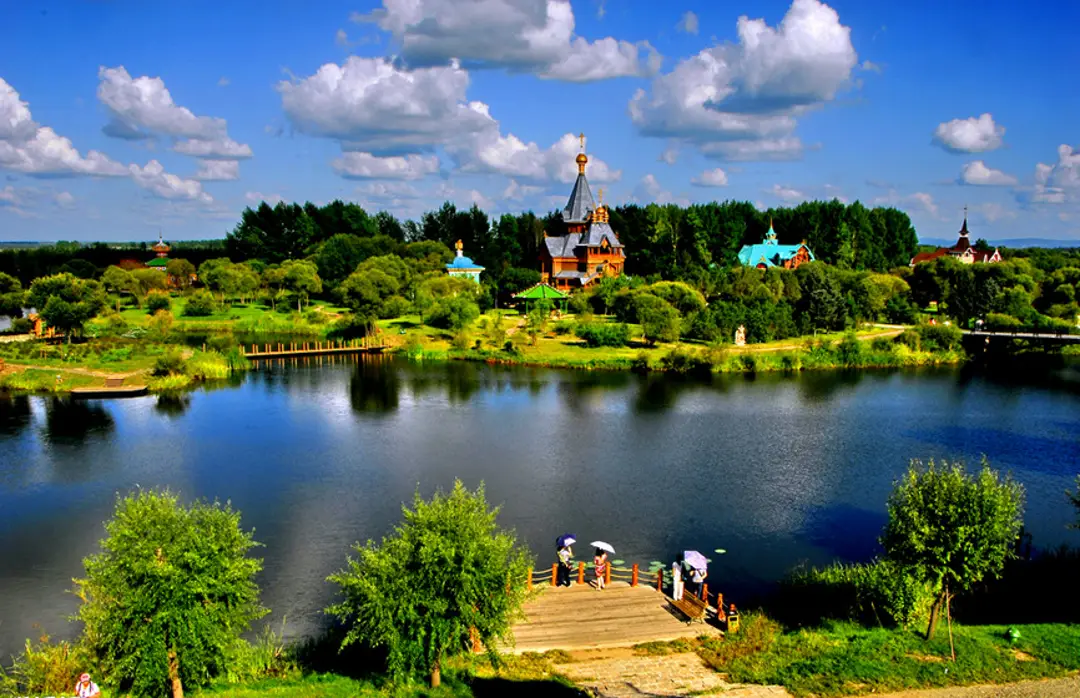
Volga Manor is a Russian-style cultural and landscape park outside central Harbin. Its churches, wooden buildings, and open grounds are visually striking in snow, but the transfer means it works better as a half-day or full-day outing than a quick stop.
Travel Tip: Confirm transport before leaving the city. An overnight stay is optional, not necessary, unless you want a slower resort experience.

11. Exhibition Hall of Evidence of Crime Committed by Unit 731
This museum in Pingfang District documents the crimes and human experimentation carried out by the Imperial Japanese Army’s Unit 731.
It is a sobering historical site, not a casual attraction, and its location away from the central sightseeing cluster requires dedicated time.
Travel Tip: Approach the visit respectfully and allow time to process the material. It is better suited to travelers seeking historical context than to very young children.
12. Yabuli International Ski Resort
Yabuli is a ski destination outside Harbin rather than a city attraction. It has terrain for different ability levels, but transport, equipment rental, lift access, and lodging should be planned as a separate winter module.
Add Yabuli only if skiing is a trip priority. Trying to fit it into a short two-day city break usually sacrifices Harbin’s core sights.
Must-Try Food in Harbin
1. Harbin Red Sausage
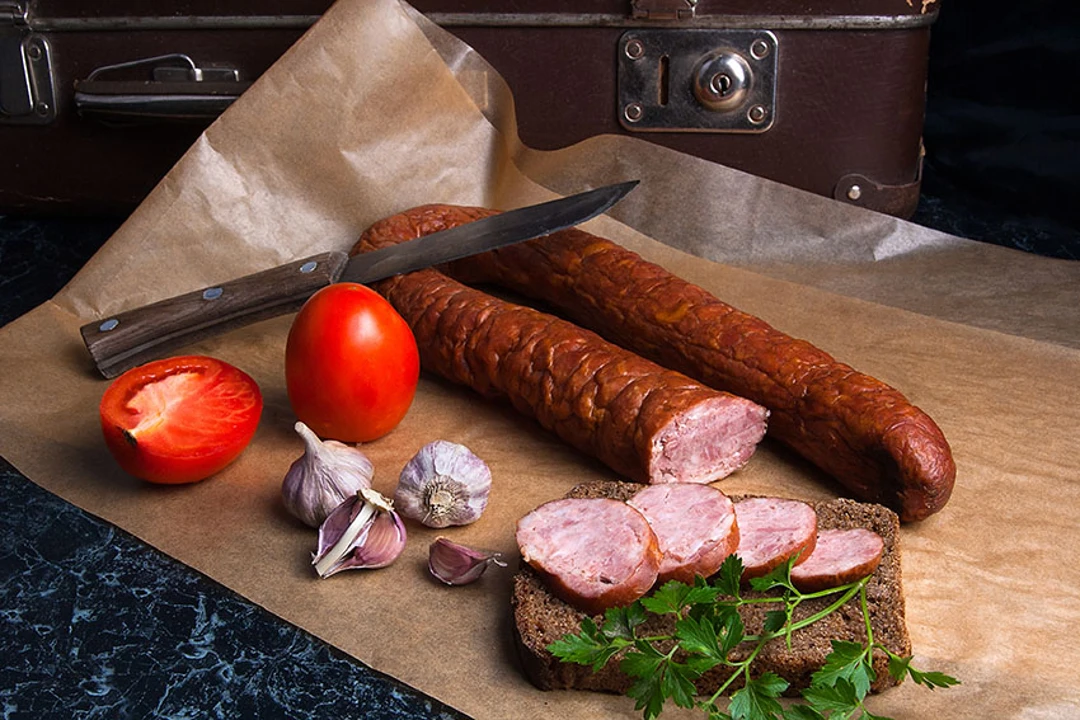
This smoky sausage is one of Harbin’s best-known foods. Its seasoning and preparation reflect the city’s Russian influence while remaining firmly part of local Chinese cuisine.
Where to Try It:
Look in established food shops, bakeries, and markets around Daoli and Central Street. Vacuum-packed versions are easy to carry, while freshly sliced sausage is better for tasting immediately.
2. Hot Pot
A bubbling hot pot is a natural fit for Harbin’s winter. Diners cook sliced meat, mushrooms, tofu, and vegetables at the table, making it a flexible choice for groups with different preferences.
Where to Try It:
Choose a busy local restaurant with a clear menu and strong recent reviews rather than relying on one supposedly definitive venue. Ask about broth spice level before ordering.
3. Frozen Pear and Other Frozen Fruit
Deep-frozen pears are a classic Northeast China winter treat. After thawing slightly, the dark-skinned fruit becomes soft, cold, and juicy; other frozen fruits also appear at markets and festival areas.
Where to Try It:
Browse morning markets and winter food stalls. Buy a small portion first—the icy texture is memorable, but it is not for everyone.

4. Madieer-Style Ice Cream
Dense, milky ice cream bars are a Central Street ritual, even when the air is well below freezing. The experience is as much about Harbin’s winter culture as the flavor itself.
Where to Try It:
Central Street is the easiest place to find the well-known style. Eat it near a warm indoor stop so the novelty does not turn into an uncomfortable cold-weather break.
5. Guo Bao Rou
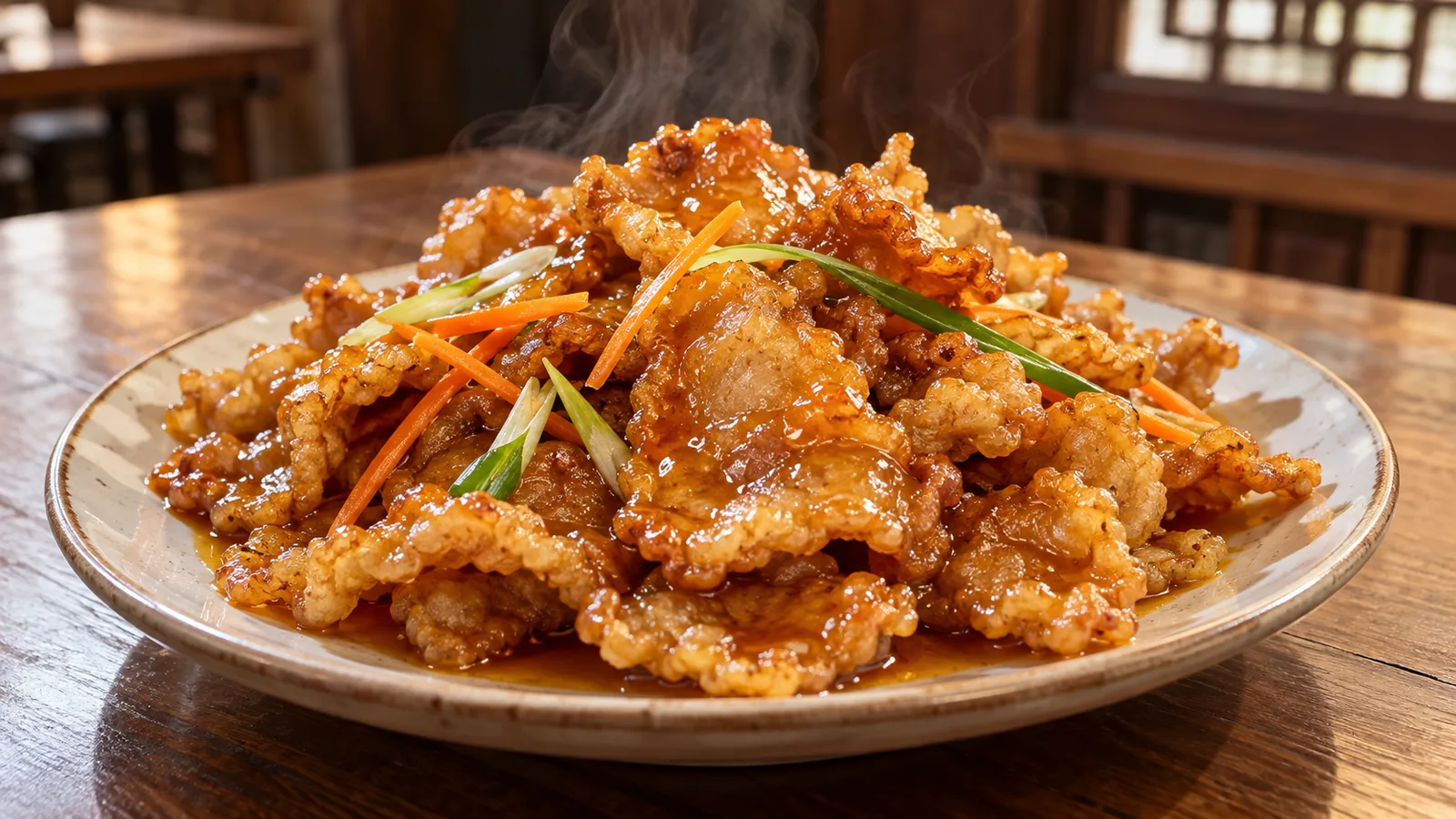
Guo bao rou is a Northeast Chinese dish of crisp pork in a bright sweet-and-sour glaze. A good version balances a brittle coating with tender meat and enough acidity to keep the dish from feeling heavy.
Where to Try It:
Order it at a Northeast Chinese restaurant and share it with other dishes. Portions are often designed for the table rather than one diner.
6. Da Lieba Bread
This large Russian-influenced loaf is a durable symbol of Harbin’s bakery culture. The dense bread may include a slightly sour or malty flavor and pairs well with sausage, butter, or jam.
Where to Try It:
Look for long-running bakeries and food halls in the city center. A whole loaf can be very large, so solo travelers may prefer a slice or a smaller version.
7. Northeast Iron-Pot Stew
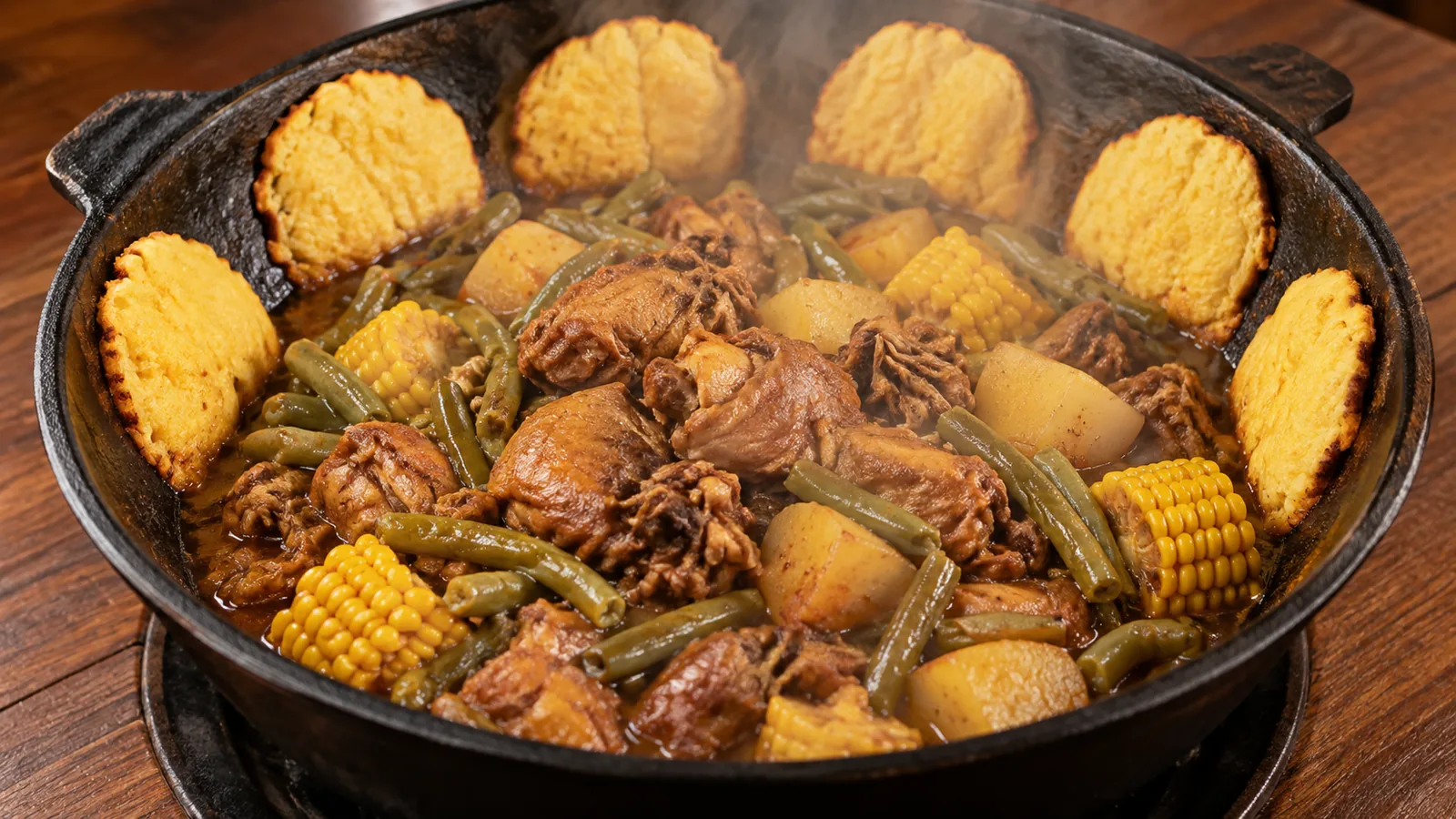
Iron-pot stew is a slow, communal meal built around meat or fish, vegetables, potatoes, and sometimes corn-bread pieces cooked around the edge of the pot. It is different from hot pot: the kitchen or table cooks one composed stew rather than individual ingredients in broth.
Where to Try It:
Choose it when you have time for a relaxed meal and at least one companion. Cooking takes time, so avoid ordering it when you need to reach a timed attraction soon afterward.
Festival Activities in Harbin
1. Harbin International Ice and Snow Festival
Time: The wider winter season generally builds from late December and continues into February, but individual venues open and close on different dates depending on construction and weather.
Highlights: Ice and Snow World emphasizes illuminated ice architecture and rides; Sun Island is known for monumental snow sculpture; Zhaolin Park traditionally offers a smaller ice-lantern experience.
Festival Tips:
Confirm current opening dates, ticket rules, and early closures through official notices.
See Ice and Snow World after dark, but arrive early enough to avoid spending your entire visit in queues.
Wear insulated boots, windproof outer layers, a face covering, and gloves that still let you use your phone.
2. Harbin Summer Music Festival
Time: Program dates and edition schedules vary, usually within the warmer season.
Highlights: Concerts and cultural performances draw on Harbin’s long musical tradition and offer a different reason to visit beyond snow.
Check the current program before arranging a trip around one performance, and keep a light layer for cooler evenings.
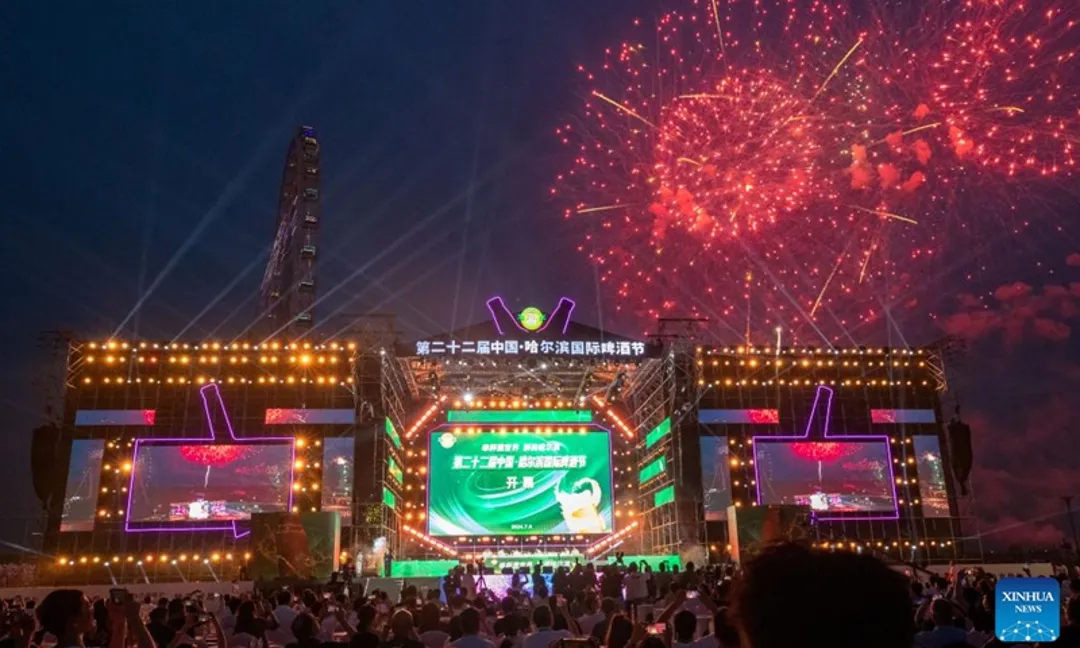
3. Harbin Beer Festival
Time: Usually a summer event, with dates announced for each edition.
Highlights: Local and international beer, food stalls, and live entertainment create a lively outdoor atmosphere.
Festival Tips:
Try Harbin’s local beer alongside Northeast dishes rather than drinking on an empty stomach.
Use public transport or ride-hailing after drinking.
Verify the year’s venue and operating dates before going.
Best Time to Visit Harbin
Winter: Late December to February
Choose winter for the full ice-and-snow experience, skiing, and frozen river scenery. January often offers the most dependable festival atmosphere, but it also brings severe cold, peak demand, and heavier crowds around major holidays.
Best for: First-time winter visitors, photographers, ice-art fans, and skiers.
Spring: March to May
Spring is a transition season. Ice installations may be closed or melting, and weather can change quickly, but accommodation pressure is lower and city sights are quieter.
Best for: Travelers focused on architecture, museums, and lower crowds rather than winter spectacle.
Summer: June to August
Summer brings green parks, riverside walks, music, and a cooler escape from many parts of China. It is the best time to see Sun Island as a park and explore on foot without deep-winter gear.
Best for: Slow city exploration, family trips, music and beer events, and travelers who dislike extreme cold.
Fall: September to November
Fall is crisp and less crowded, with good walking weather early in the season. By late fall the city becomes much colder, but the major winter installations may not yet be open.
Best for: Architecture, food, and urban photography without peak-season pressure.
Where to Stay in Harbin
Daoli for a First Visit
Daoli is the easiest base for most first-time visitors because Central Street, Saint Sophia Cathedral, markets, restaurants, and the riverfront are close together. It also offers a broad range of hotels and practical evening dining.
Best for: Walkable sightseeing, food, and a short first visit.
Songbei for Winter Festival Access
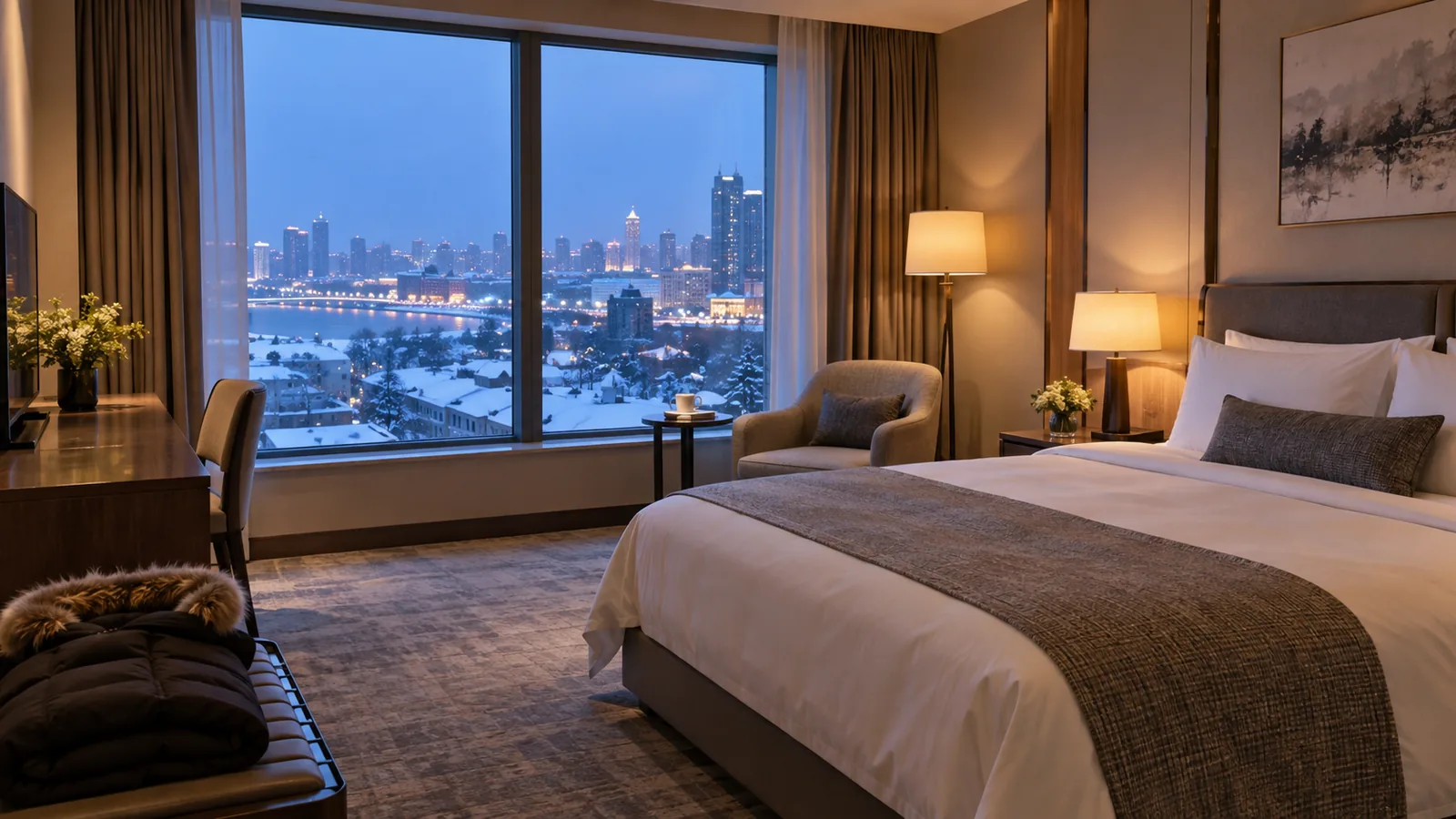
Songbei, north of the river, can reduce transfers to Sun Island and Ice and Snow World. The tradeoff is less spontaneous access to the historic center, so it suits travelers whose trip is built mainly around the winter venues.
Best for: Festival-focused trips, families who want shorter late-night returns, and repeat visitors.
Near a Transport Hub for an Early Departure
Staying near Harbin West Station or the airport can make sense before an early train or flight, but it is usually less convenient for a full sightseeing stay. Use a split stay only when the departure timing genuinely offsets the cost and effort of changing hotels.
Best for: Overnight connections and early departures, not a first-time city base.
How Long to Stay in Harbin
Two Days for the Essential City Highlights
With two full days, focus on one central cluster and one Songbei cluster. Pair Saint Sophia Cathedral, Central Street, and the Songhua riverfront on one day; reserve the other for Sun Island and Ice and Snow World in winter.
This is a highlights trip, not a complete one. Leave Polarland, Volga Manor, museums, and skiing for another visit rather than compressing every stop into the coldest hours.
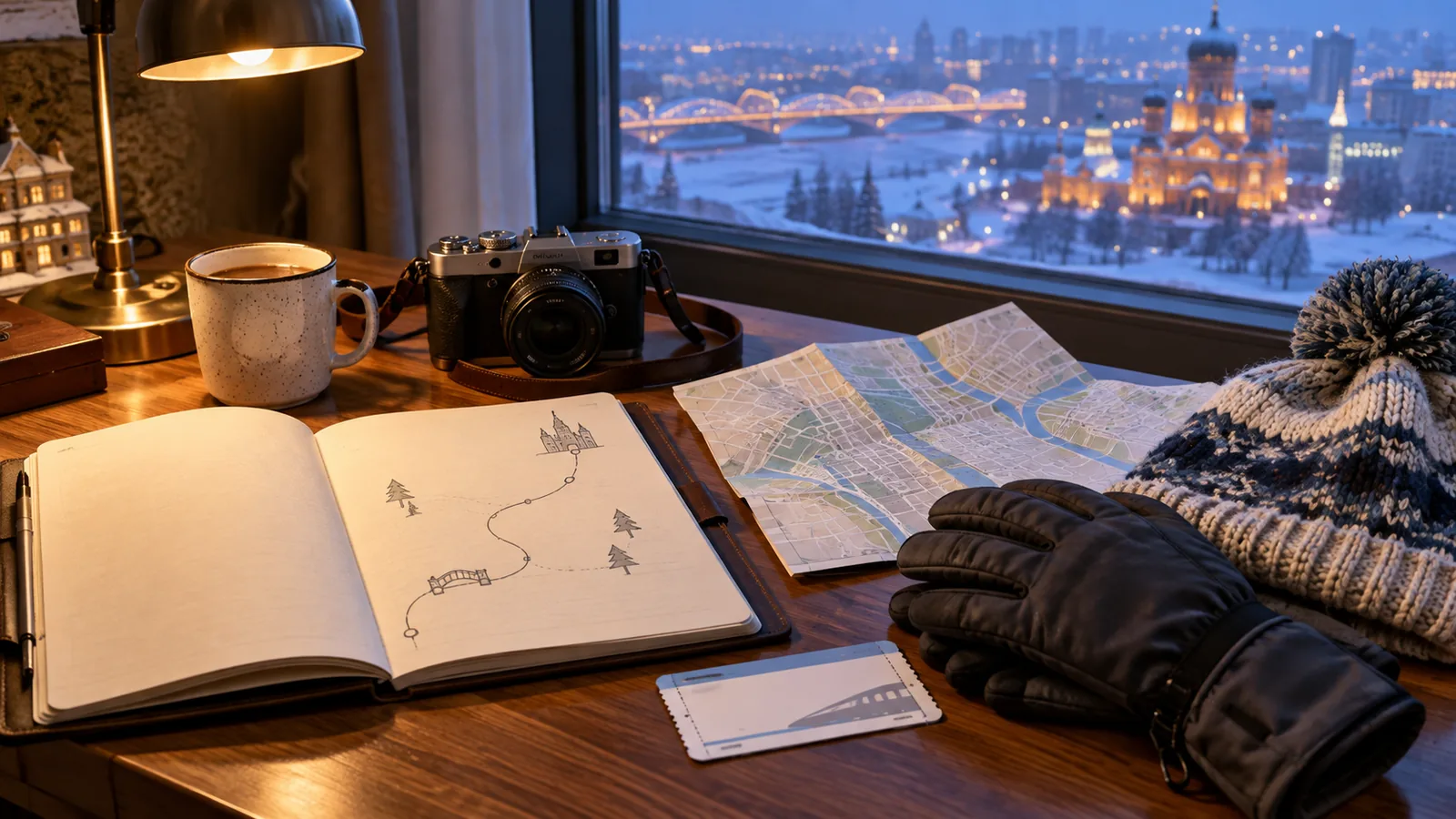
Three to Four Days for a Balanced First Visit
Three or four days let you add Tiger Park or Polarland, Laodaowai, a market meal, and either Volga Manor or the Unit 731 exhibition. The extra time also creates room for warm-up breaks and weather disruption.
In summer, use the same span more slowly: spend longer on Sun Island, the riverfront, food markets, and architectural neighborhoods.
Add an Excursion Only with Extra Time
Add Yabuli if skiing is a priority. Choose China Snow Town if you specifically want a snow-village landscape and are prepared for a much longer road journey, ideally with an overnight stay. Treat either as an extension, not a quick Harbin add-on.
The most common planning mistake is counting a distant excursion as if it were another city-center attraction.
How to Get to and Around Harbin
Arriving by High-Speed Train
High-speed rail is a practical choice from Beijing and other northern cities. Many fast services use Harbin West Station, while Harbin Railway Station is closer to the historic center; always check the arrival station before choosing a hotel or pickup point.
Book early for peak winter dates, and allow more time than the map suggests for the station transfer when roads are snowy.
Flying into Harbin
Harbin Taiping International Airport (HRB) is the main air gateway and sits outside the city center. Airport buses, official taxis, and ride-hailing are common onward options, but journey times vary with traffic and winter weather.
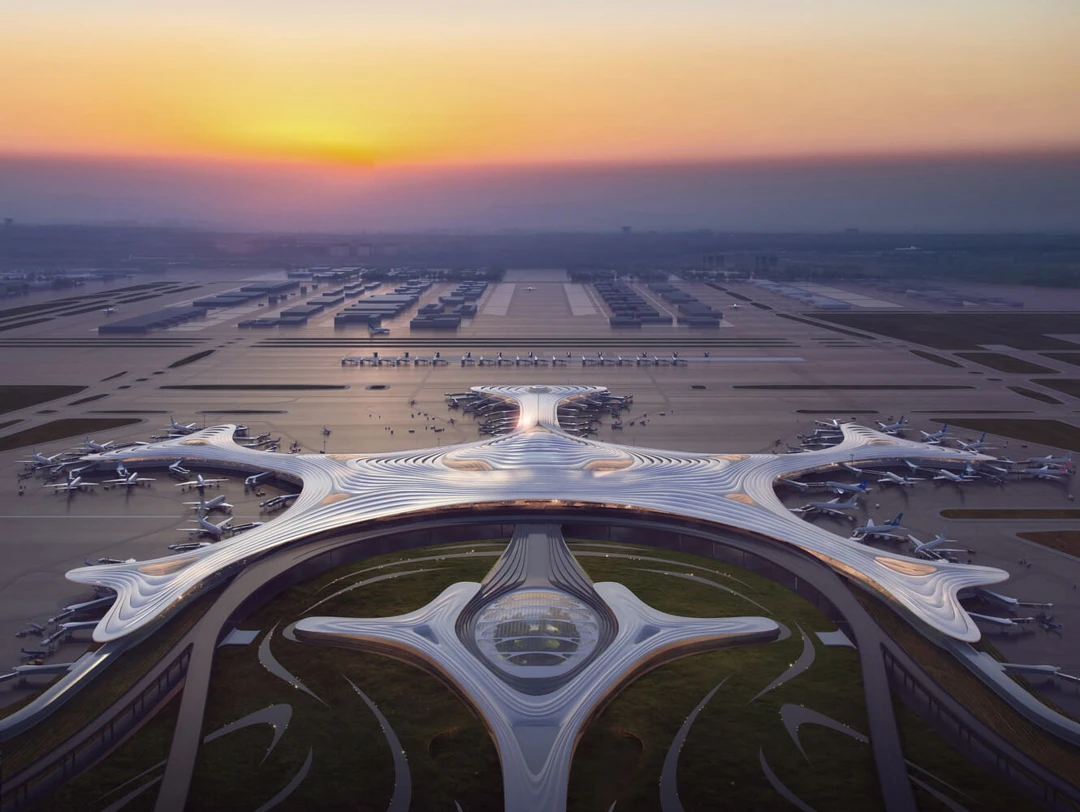
Travel Tip: Save your hotel name and address in Chinese before landing, and follow official pickup signs instead of accepting unsolicited transport offers.
Using the Metro, Buses, and Ride-Hailing
The metro is often the most predictable way to cross Harbin in winter because it avoids road traffic and limits time outdoors. Buses extend coverage, while taxis and ride-hailing are useful for outlying attractions or travelers carrying heavy cold-weather gear.
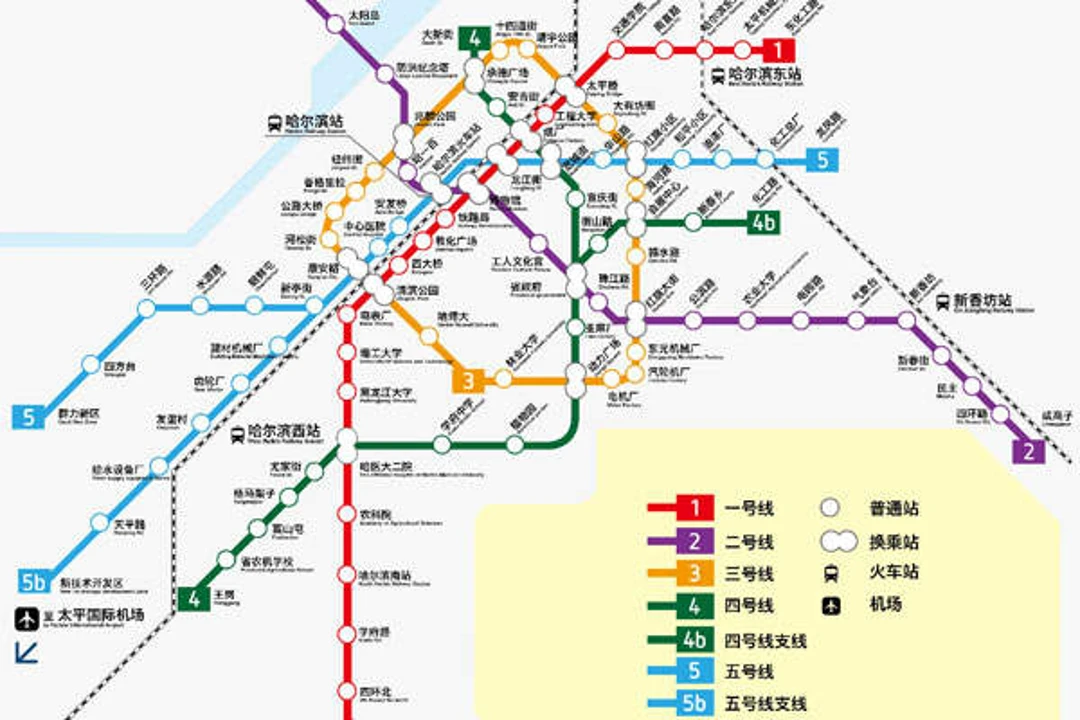
Cluster nearby sights instead of zigzagging across the city. Saint Sophia, Central Street, and the riverfront fit naturally together; Sun Island, Tiger Park, Polarland, and Ice and Snow World form a second broad cluster.
Travel Tips for Harbin
1. Dress for Wind, Ice, and Long Outdoor Stops
In deep winter, use a warm base layer, insulating mid-layer, windproof outer layer, hat, face covering, insulated gloves, thick socks, and boots with good grip.
Warm footwear matters as much as a heavy coat because many festival visits involve standing on snow or ice.

2. Protect Your Phone and Build in Warm-Up Breaks
Cold drains batteries quickly. Carry a charged power bank inside an inner pocket, keep your phone close to your body, and move indoors before your hands become numb.
A realistic winter schedule includes cafés, museums, or hotel breaks between long outdoor sessions.
3. Book the Peak Winter Essentials Early
Hotels, popular trains, flights, and major attractions can tighten around the festival and public holidays. Reserve the high-impact pieces first, but keep daily plans flexible enough for weather-related changes or early seasonal closures.
4. Set Up Maps, Translation, Payment, and Data
Download a China-compatible map and translation tool before arrival. Mobile payment is widely used, but it is still helpful to carry some China currency for small purchases or backup.
Save attraction names and hotel addresses in Chinese. A working data connection makes route changes, ride-hailing, and live translation far easier.
5. Do Not Overpack a Winter Day
Two substantial outdoor attractions may be enough when temperatures are severe. Prioritize one major day venue and one evening venue, then add an indoor stop or meal between them instead of chasing a long checklist.
FAQ
1. Is Harbin worth visiting outside winter?
Yes. Summer is comfortable for parks, architecture, riverfront walks, and cultural events, while spring and fall bring fewer crowds. What you lose outside winter is the city’s large seasonal ice-and-snow installations.
2. Is Harbin safe for tourists?
Harbin is generally manageable for visitors using normal city precautions. The most distinctive risks are winter-related: slippery surfaces, frostbite, weather disruption, and unsafe assumptions about frozen waterways. Use managed activity areas and watch official weather and venue notices.
3. Is Harbin expensive?
Daily food and local transport can be moderate, but peak winter lodging, festival tickets, and excursions raise the total quickly. The biggest savings come from avoiding major holiday dates, choosing a central base, and limiting long private transfers.
Conclusion
Harbin is at its most dramatic in winter, but the best trip is not simply the one with the most icy attractions. It is the one that matches the season to your interests and gives each major experience enough time.
For a first visit, combine the historic center with the Songbei winter cluster, then add food, a museum, or a quieter neighborhood to understand the city beyond its festival image.
Pack for the conditions, verify seasonal dates, and resist overloading each day. With that preparation, Harbin’s ice, architecture, food, and layered history feel connected rather than like a checklist.