
China uses the renminbi, abbreviated RMB. The yuan is its main unit, and CNY is the international currency code travelers see on exchange screens, bank statements, and card transactions.
In everyday speech, a price of “100 yuan” means RMB 100. The symbol ¥ may also represent Japanese yen in another context, so look for CNY or RMB when an app or exchange board could be ambiguous.
China supports cash, bank cards, and mobile payments, but acceptance varies by merchant. Install a China eSIM before arrival for wallet setup and bank alerts, then keep a second payment method in case an app or foreign card fails.
Renminbi, Yuan, RMB, and CNY Explained
Renminbi means “people’s currency” and is the official name of the currency. Yuan is the unit used to state prices, similar to the relationship between sterling and the pound.
RMB is a common abbreviation, while CNY is the ISO currency code used for the onshore Chinese yuan. CNH is a market convention for renminbi traded offshore; it is not a second set of tourist cash.

Term | Meaning | Where travelers see it |
|---|---|---|
Renminbi | Official name of China’s currency | Formal information and bank materials |
RMB | Common abbreviation for renminbi | Exchange counters, invoices, and travel guides |
Yuan | Main unit used to quote prices | Menus, taxis, shops, and conversation |
CNY | International code for Chinese yuan | Cards, exchange apps, and bank statements |
¥ | Currency symbol for yuan | Price labels; check the currency context because yen can use the same symbol |
One yuan equals 10 jiao, and one jiao equals 10 fen. Jiao and fen are legal subunits, although very small values appear less often in day-to-day tourist purchases.
Chinese Banknotes and Coins
Banknotes
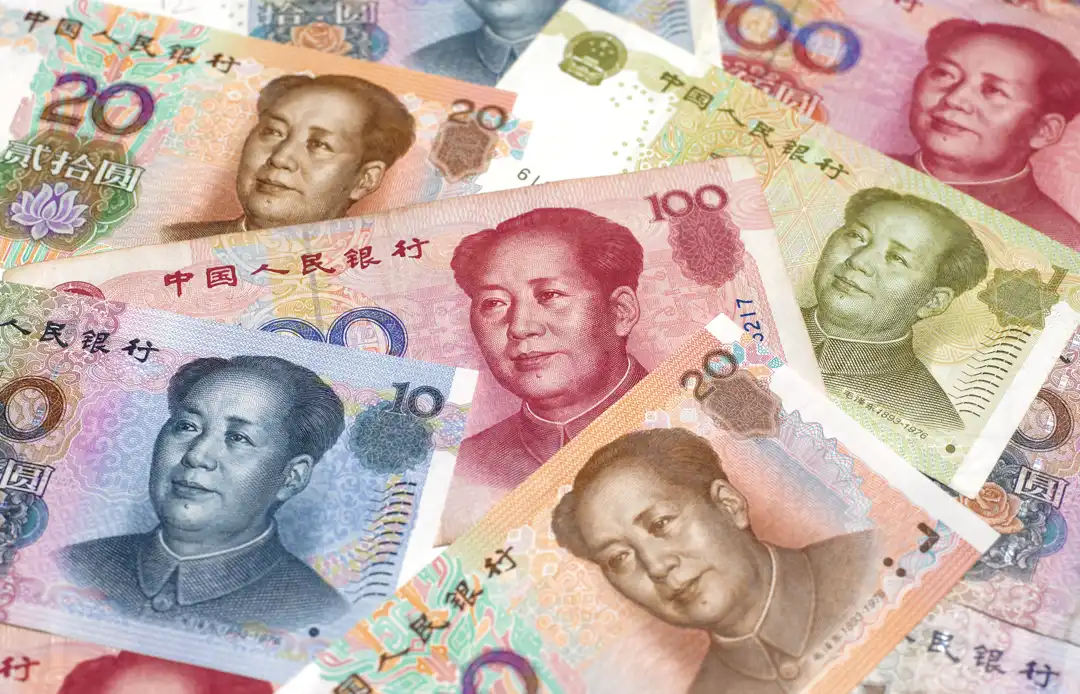
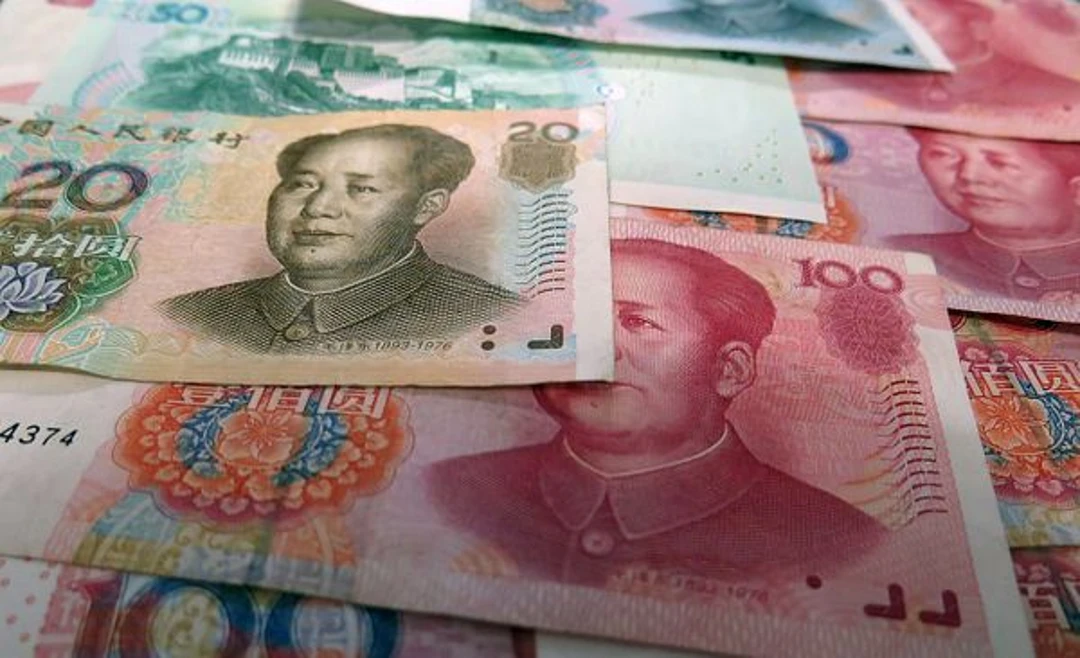
Common yuan banknotes are ¥1, ¥5, ¥10, ¥20, ¥50, and ¥100. Smaller jiao notes may still circulate, but visitors are more likely to encounter the main yuan denominations.
¥100 is the largest commonly used banknote, not an unusually high-value note. Break large notes at a hotel, bank, supermarket, or other established business if a small vendor lacks change.
Coins
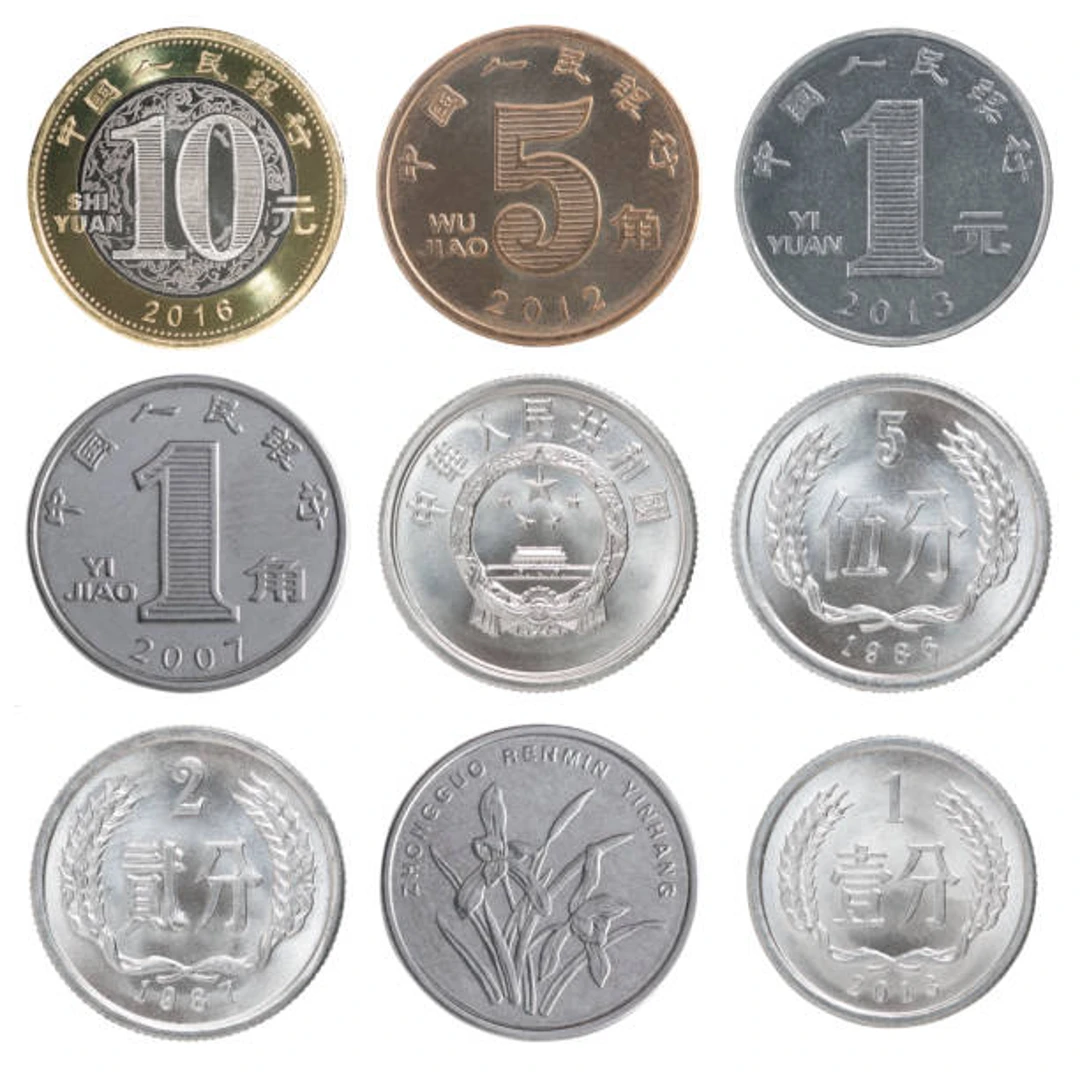
Travelers may receive ¥1, 5-jiao, and 1-jiao coins. Fen coins exist but are uncommon in ordinary visitor transactions, especially where totals are rounded or paid digitally.
Keep a few small denominations for buses, vending machines, markets, or change. Include that cash backup in your China packing list rather than assuming every machine or merchant accepts one payment method.
How to Get and Exchange Chinese Yuan
Carry a small arrival amount if it reduces stress, then use licensed exchange channels or compatible ATMs in China. There is no universal “best” method because rates, card fees, access, and convenience depend on your bank and location.
Banks and Licensed Exchange Services
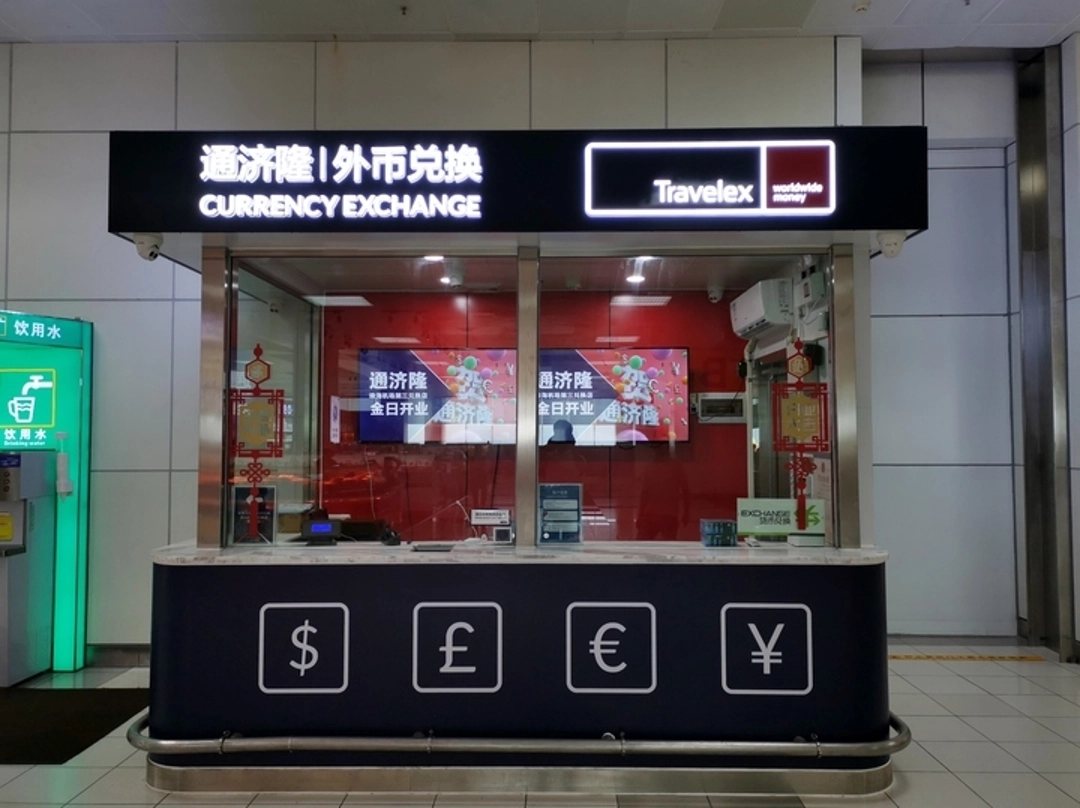
Commercial banks and authorized exchange outlets can convert supported foreign currencies into RMB. Bring your passport and allow time for identity checks, forms, queues, and branch-specific currency availability.
Airport counters are convenient for arrival cash but may include a less favorable rate or service fee. Compare the final RMB amount, not only a prominent headline rate.
ATMs
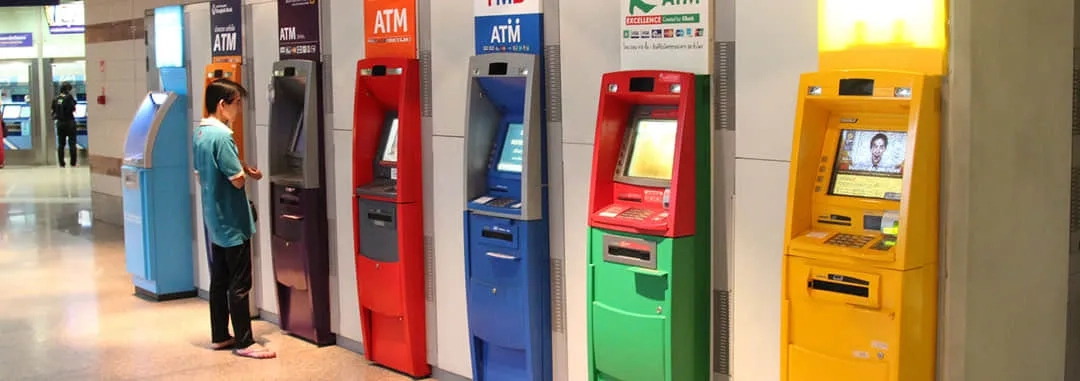
Use an ATM displaying your card network’s logo and preferably located inside a bank or secure public area. Compatibility is not guaranteed, so bring a second card from another network if possible.
Your home bank, the ATM operator, and the exchange process may each add fees or markups. If the screen offers to convert the withdrawal into your home currency, compare that rate carefully before accepting.
Exchange Rates and Receipts
Exchange rates move constantly, so fixed examples become outdated quickly. Check the CNY rate near the transaction time, then compare the bank’s actual rate and all fees.
Keep bank, ATM, and exchange receipts until the trip ends. They help with budgeting, disputed transactions, and questions about where cash was obtained.
Reliable data is useful for bank alerts and account checks. The iRoamly travel eSIM site lets you compare destination and regional plans before relying on hotel or airport Wi-Fi for financial notifications.
How Tourists Can Pay in China
Official guidance lists bank cards, mobile payment, cash, bank accounts, and e-CNY as available payment methods. The China payment service guide gives current setup principles for overseas visitors.
Method | Where it works best | Main limitation |
|---|---|---|
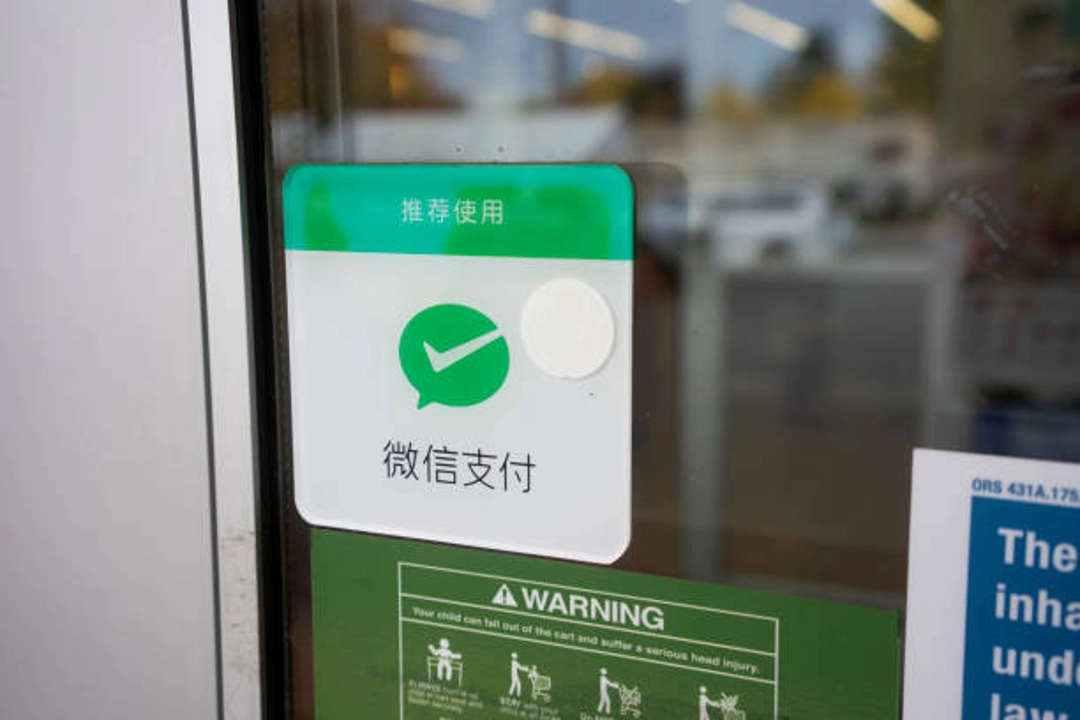
Alipay or Weixin Pay | Everyday purchases, transport, restaurants, and many small merchants | Card binding, verification, limits, or issuer approval may fail |
International bank card | Hotels, major stores, larger restaurants, and merchants showing the network logo | Acceptance is less consistent at small businesses |
RMB cash | Backup, taxis, markets, rural areas, and app outages | Some merchants may have limited change |
e-CNY | Optional supported digital-payment scenarios | Not necessary for most short visitors and setup may be less familiar |
Alipay and Weixin Pay
Many foreign visitors can register with an international phone number and link a supported overseas card. Card brands, identity checks, fees, limits, and app functions can change, so follow the current in-app agreement.
Set up both the wallet and bank authentication before a critical travel day. Test a small purchase, enable transaction alerts, and keep the issuing bank’s contact method available.
International Credit and Debit Cards
Cards work where the merchant displays the corresponding network logo, especially at larger hotels, attractions, malls, and restaurants. Acceptance is not universal, and an overseas issuer may still decline a legitimate transaction.
Card use is often easier in major visitor hubs. If you plan to travel to Beijing, bring the physical card, know its PIN, and keep a mobile-wallet or cash backup for smaller venues.
RMB Cash
Cash remains a valid and useful option even though mobile payments dominate many daily transactions. Carry smaller notes because a merchant may not have enough change for ¥100.
Store a small RMB backup separately from your main wallet so one lost bag does not remove every payment option. Refill it through secure, documented channels.
Money Safety and Budgeting Tips
Use More Than One Payment Method
Bring at least two of the following: mobile wallet, international card, and RMB cash. A backup protects against phone battery loss, app verification problems, network outages, card blocks, or a merchant’s limited acceptance.
Keep emergency cash, a second card, and bank contact details in separate secure places. Never share a payment code, PIN, or one-time verification message with a stranger.
Avoid Counterfeit and Exchange Scams
Obtain cash from banks, licensed exchange counters, or secure compatible ATMs. Do not use an unknown person offering a better street rate, and do not rely on an unverified phone app to declare a note genuine.
If a note is questioned, ask a bank or established business for help. Record exchange and ATM details instead of arguing with an individual seller.

Understand Cash Declaration Limits
China Customs states that travelers may bring in or take out up to RMB 20,000. It also requires declaration of foreign cash worth more than USD 5,000 on entry, with documentation affecting later departure.
Read the current official passenger customs guide before carrying large amounts. Rules for leaving your home country or entering the next destination apply separately.
Track the Real Cost
Budget in yuan, then convert totals into your home currency for context. Record accommodation, transport, food, tickets, shopping, and a contingency amount instead of watching only the daily cash balance.
A practical China shopping guide can help identify purchases that need extra room for customs, tax-refund, warranty, or packing costs.

FAQ
1. Is China’s currency RMB or yuan?
Both terms are correct. Renminbi or RMB is the currency name, while yuan is the main unit used to state prices.
2. Can I pay with US dollars or euros in China?
Ordinary purchases should be paid in RMB through cash, an accepted card, or a supported mobile wallet. Exchange foreign currency through licensed channels.
3. Can foreign tourists use Alipay or WeChat Pay?
Many can link supported international cards, subject to app, card-brand, identity, issuer, fee, and transaction-limit rules. Test the setup and keep a backup.
4. Should I exchange money before arriving?
A small arrival amount can be useful, but banks and compatible ATMs in China provide additional options. Compare the complete rate and fees rather than assuming one method is cheapest.
5. Does China work like a euro destination?
No. An Italy currency centers on euros and broad card use, whereas China uses RMB and relies heavily on mobile wallets; prepare payment methods separately for each country.
Conclusion
China’s currency is the renminbi, the main unit is the yuan, and CNY is the international code travelers usually see on financial systems.
Mobile wallets are convenient, international cards work at participating merchants, and RMB cash remains an important backup. No single method is reliable in every situation.
Set up payments early, compare exchange fees, keep receipts, separate backup funds, and check customs rules before carrying large amounts. That preparation makes day-to-day spending far smoother.