
Planning a trip to China? Thanks to China’s huge size, its climate is pretty diverse, from below-freezing in winter in Harbin to hot and humid summer in Guangzhou.
This guide can teach you how to pack smart and make sure you’ve got everything you need, including all the necessary travel documents, useful tech, and everyday items!
Wherever your adventure takes you, don't forget to bring an iRoamly eSIM to stay connected with reliable, stable internet wherever you go.
Let's make your China trip smooth and stress-free!

Quick China Packing Checklist
If you only have time for one pass through your suitcase, start with the essentials below. They cover the documents, digital setup, and daily items that cause the most friction for first-time visitors.
Category | Pack or set up | Why it matters in China |
|---|---|---|
Documents | Passport, visa or visa-free proof, travel insurance, hotel addresses in Chinese, document copies | Hotels, train stations, airports, and some attractions may ask for passport details. |
Payments | Alipay, WeChat Pay, bank cards, and some RMB cash | Mobile payments are common, but a cash backup helps in small shops, markets, or rural areas. |
Tech | Unlocked phone, eSIM or roaming, VPN if needed, charger, adapter, compliant power bank | Maps, translation, ride-hailing, and payment apps are much easier when prepared before arrival. |
Clothing | Seasonal layers, walking shoes, rain protection, temple-appropriate outfits | China’s climate changes sharply between north, south, mountains, and coast. |
Health | Prescription medicine, first-aid basics, masks, sanitizer, tissues, wet wipes | Specific brands and personal-care items can be harder to find when you need them quickly. |
Essential Travel Documents
1. Passport & Visa
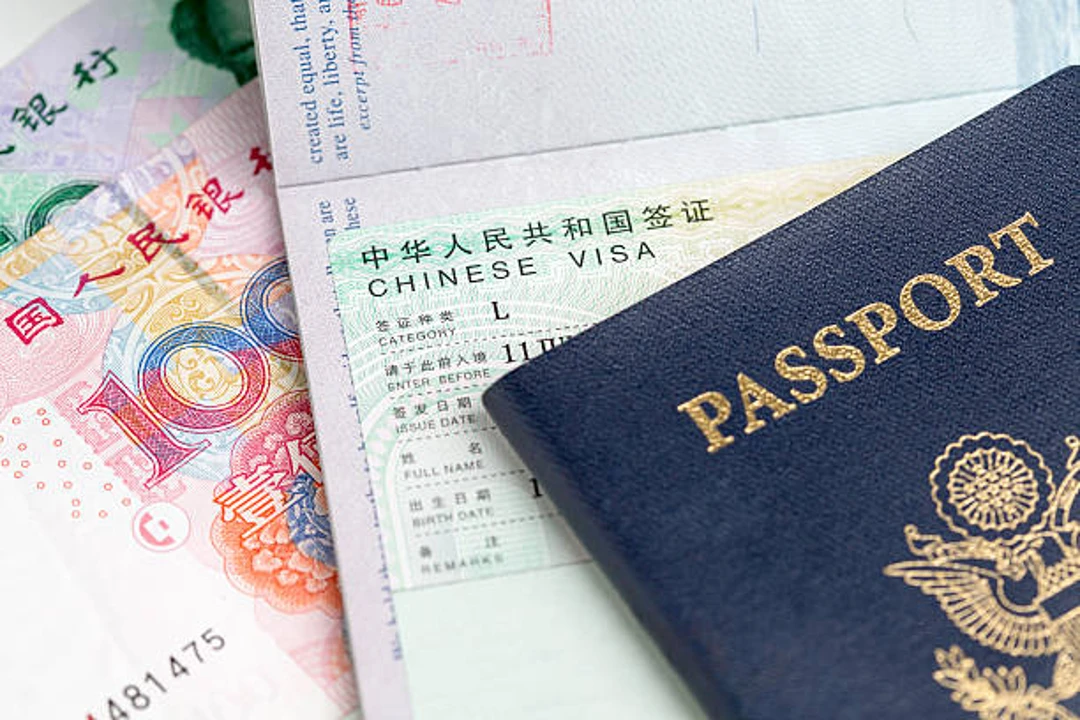
Your passport, visa status, and route should be checked before you book. Many travelers still need a tourist visa, while some nationalities or transit itineraries may qualify for visa-free entry or 240-hour visa-free transit. Requirements change, so confirm through your local Chinese embassy, consulate, visa center, or airline before departure.
As a practical rule, keep your passport valid well beyond your travel dates, carry proof of onward travel when required, and save copies of your visa, hotel bookings, and return ticket both online and offline.
Some routes through cities such as Beijing and Shanghai may allow visa-free transit, but the rules depend on nationality, entry port, destination, and confirmed onward travel. It's also worth checking visa-free countries for China before you apply for a visa or finalize flights.
Always consult the most recent regulations before your trip.
2. Copies of Important Documents
Bring a digital and hard copy of your passport, visa, and travel insurance policy. Keep one copy separate in case of loss.
Hotels and transportation providers may require a physical copy of your passport, so it’s a good idea to have several copies on hand.
3. Travel Insurance
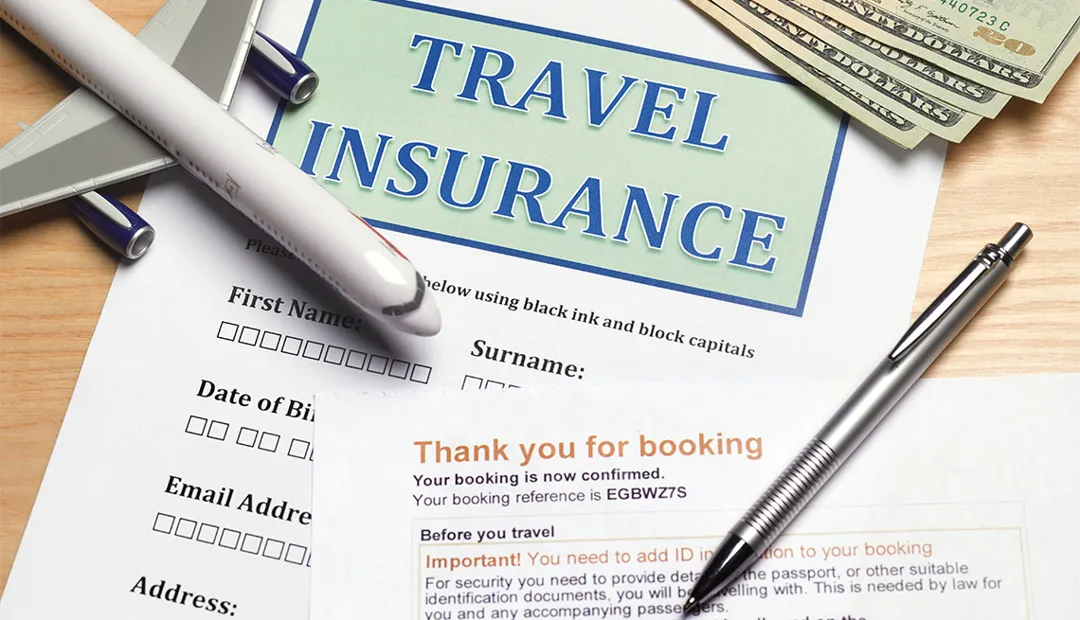
While you don’t need it, travel insurance is still a good idea.
Medical care for foreign travelers visiting China is costly and having insurance for your trip in case of an emergency, disaster, cancellations, or theft will save you a lot of money in the long run.
4. Local Address in Chinese
English is not widely spoken by taxi drivers and locals, so a card with your hotel’s name and address written in Chinese is invaluable.
You can either have your hotel write out their address in Chinese in advance or save a screenshot of where it’s located in Baidu Maps or Google Maps.
Clothing & Footwear
1. Seasonal Packing
When it comes to packing clothes for your trip to China, you have to plan by season and region rather than by countrywide averages. Check the weather in China for each city on your route: Harbin, Beijing, Shanghai, Chengdu, Guilin, and Guangzhou can feel like different trips.
During the spring and fall, bring lightweight layers. They’ll keep you warm during the cool mornings and nights yet won’t have you overheating during the day.
Summers can be sweltering, so light and breathable clothing as well as sun protection (like a hat or sunglasses) is essential.

If you visit during the winter, bring a heavy coat if you’re going north, and a lighter one if you’re going south.
Use this seasonal guide as a starting point, then adjust for your exact cities and altitude.
Season | Useful clothing | Extra note |
|---|---|---|
Spring | Light jacket, breathable layers, comfortable shoes | Weather can change quickly; pollen and dust may bother sensitive travelers. |
Summer | Breathable shirts, quick-dry clothing, hat, sunglasses, sunscreen | Southern and eastern cities can be hot, humid, and rainy. |
Autumn | Layers, light sweater, windbreaker, walking shoes | One of the easiest seasons to pack for, but mountain areas cool down fast. |
Winter | Down jacket for the north, thermal layers, gloves, scarf, warm socks | Remember to dress in layers. It can be very cold outdoors in northern areas, while indoor spaces are often warm. |
2. Comfortable Walking Shoes
From strolling around big cities to spending the day on your feet as you tour through history, you will be amazed at how many steps you take each day. Make sure you have good walking shoes.
3. Modest Outfits for Temples
Additionally, be aware that some places have restrictions about what you can wear, especially religious centers like temples. If you plan on visiting these locations, dress appropriately in something modest that covers your shoulders and your knees.

4. Rain Gear
China can experience spur-of-the-moment rain showers based on region and season, particularly in the south during the summer. Packing a small rain jacket or an umbrella isn’t a bad idea, especially if you’re visiting a city like Shanghai, which sees a lot of rain each year.
Tech & Gadgets
If you’re traveling to China, there are two pieces of tech you won’t want to leave home without.
1. Universal Adapter
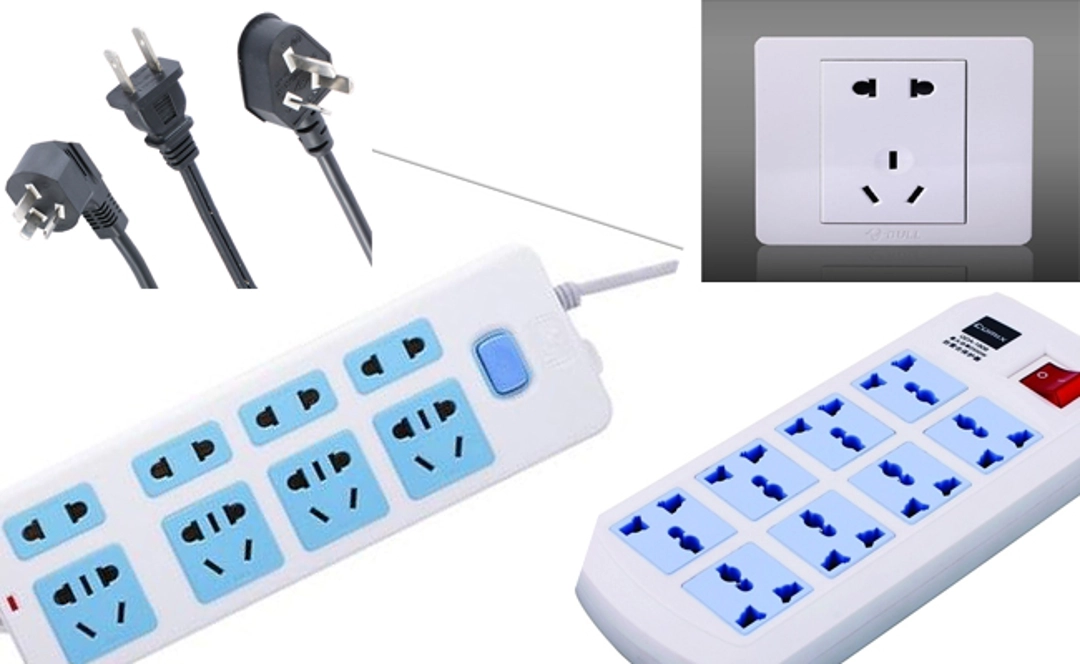
First, be sure to pack a universal adapter. Mainland China commonly uses 220V/50Hz electricity and several outlet shapes, including Type A, Type C, and Type I, so a compact universal adapter is safer than packing for only one plug.
If you bring hair tools or specialty devices, check whether they support 220V before using them. For a deeper breakdown, review the power plugs in China before departure.
2. Power Bank
Power banks are another essential. Your phone loses its charge quickly when you’re out all day and being used for photos, maps, payments, translation, and reservations.
For flights within mainland China, power banks must be carried in hand luggage, not checked baggage. Since June 28, 2025, China’s civil aviation authority has also prohibited power banks without clear CCC markings or from recalled batches on domestic flights, so check the label before packing.
3. VPN Subscription
Don’t forget to set up a VPN subscription before you leave if you need access to services that may be restricted in mainland China.
Compare VPN options for China, then install, log in, and test your choice before arrival, because downloading or troubleshooting after landing can be difficult.
4. Translation Apps
Make sure to download a translation app, such as Baidu Translate or Pleco, unless you speak fluent Chinese. It will make talking to locals much easier.

5. Offline Maps & Apps
Remember to download offline maps and useful apps. WeChat is essential for messaging and many daily services, Alipay and WeChat Pay are widely used for payments, and Didi is useful for getting around. Add a translation app and save your hotel address in Chinese.
Set these up before departure where possible. Some apps need identity verification, SMS codes, or card linking, and it is much easier to solve that while you still have your regular phone service and banking access.
Money & Payments
When it comes to handling money on your vacation to China, you’ll see that contactless apps rule the day, particularly in urban areas.
Most transactions are done by the amazing apps WeChat Pay and Alipay, and they’re both incredibly easy to use. You’ll be able to use them for everything, whether you’re shopping or dining out.
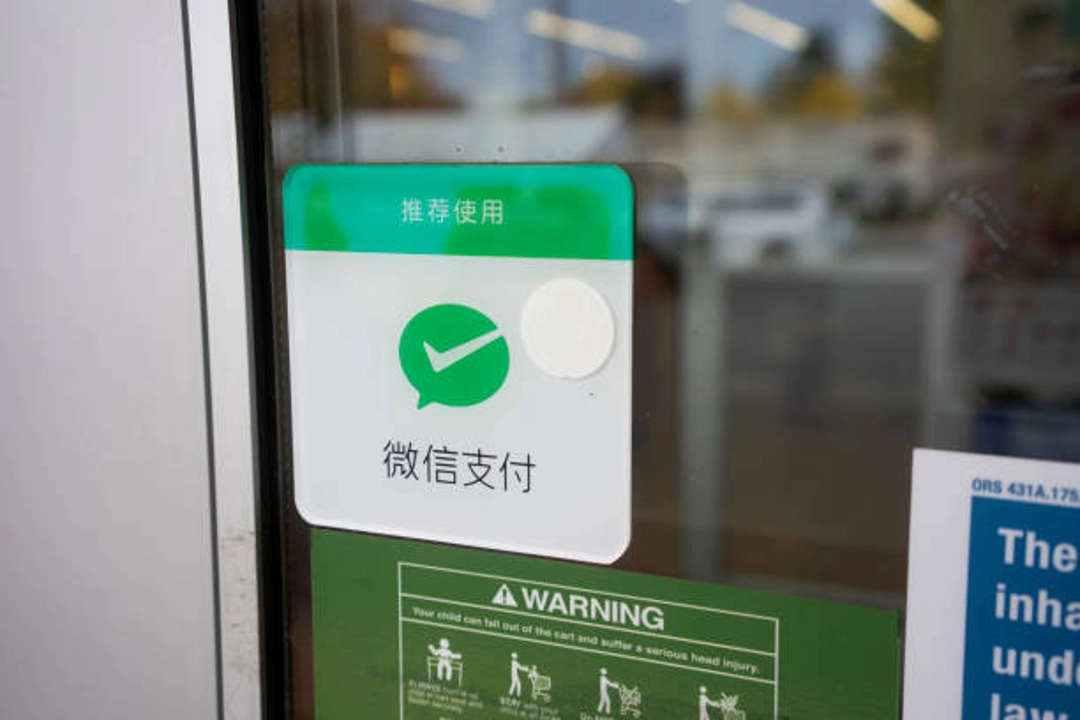
Foreign travelers can often link supported international cards to Alipay or WeChat Pay, but card support, verification, limits, and fees can vary. Test a small payment after setup and keep at least one backup card plus some cash in RMB.
Reliable mobile data is essential in China, as QR code payments, ride-hailing, food delivery, maps, and translation apps all depend on your phone.
Whether you choose a China eSIM, an international roaming plan, or a local SIM card, staying connected makes payments and navigation much easier.
But it’s still a good idea to carry some cash. In rural areas ATMs are less commonplace and might not accept foreign cards or a specific card, so having some cash will prevent any unwanted surprises.
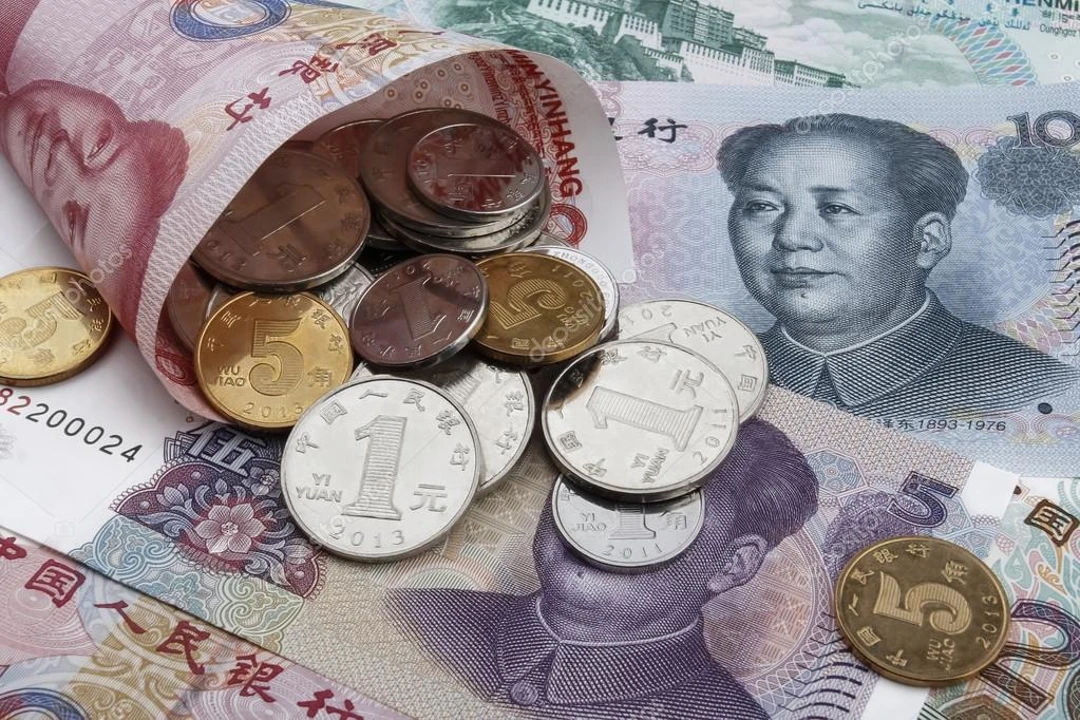
It’s a great idea to have some small bills for markets, street food, taxis in smaller places, or backup situations. With just a bit of preparation, you can handle payments with fewer surprises.
Health & Safety Essentials
Traveling to China is an exciting experience, but it's important to be prepared for any health or safety concerns along the way. Here’s a guide to help ensure that your trip is both safe and enjoyable:
1. Emergency Numbers
Keep emergency contact numbers handy, including the contact information for your insurance provider and the nearest embassy or consulate.
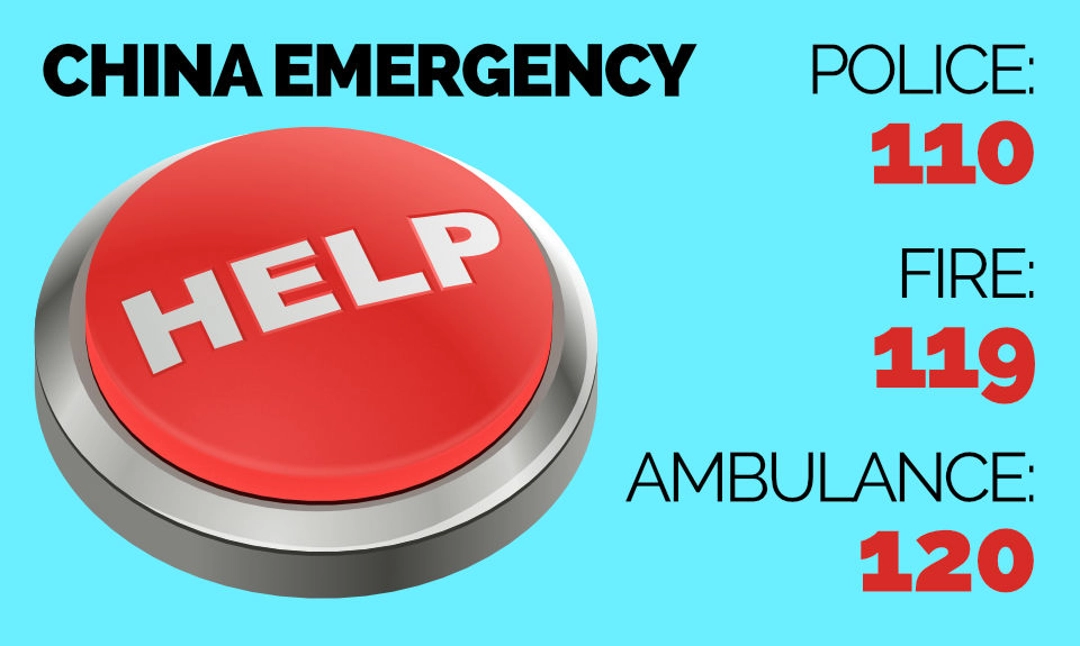
It’s also helpful to know the emergency numbers in China, such as 110 for police, 120 for an ambulance, and 119 for fire emergencies.
2. Vaccinations & Health Precautions
Check with your doctor before your trip to ensure you’re up to date on recommended vaccines for travel to China.
Carry a basic first aid kit with essentials like pain relievers, band-aids, hand sanitizer, and any personal medications you may need.
If you take prescription medications, be sure to bring enough for your entire stay, along with a copy of your prescription.
3. Air Quality & Pollution
In some major Chinese cities like Beijing and Shanghai, air quality can be poor, particularly during winter months. This can affect those with respiratory issues or sensitive health conditions.
While China has made efforts to improve air quality, it's still a good idea to carry a high-quality mask (N95), especially if you’re traveling during times of high pollution.

4. Tips for Personal Care in China
Public restrooms in China can vary, with some offering squat toilets instead of Western-style ones.
It's recommended to carry toilet paper or wet wipes, especially in rural areas or older public restrooms, as they may not be provided.
What Not to Pack for China
A good packing list is also about leaving out items that create problems at security, customs, hotels, or train stations.
Oversized or unclear power banks: Avoid models with no visible capacity, no clear safety markings, or questionable recall status.
Too many heavy toiletries: Most basics are easy to buy in cities, but bring personal must-have brands, contact lens supplies, deodorant, and skin products you rely on.
Single-use shoes: Pack one comfortable walking pair and one backup if needed, rather than filling your suitcase with shoes for every outfit.
Unverified medications: Keep prescriptions in original packaging and check rules for controlled medicines before you travel.
Only digital copies of documents: Phone batteries die and apps fail, so carry at least one paper backup of key details.
FAQ
1. What do I do if my passport is lost or stolen in China?
If you misplace your passport, report it to the local police and contact your nearest embassy or consulate. They can advise on emergency travel documents and the next steps for replacing visas or exit paperwork.
2. Are there safety issues for travelers in China?
China is generally safe for travelers, but you should still watch your valuables in crowded places, follow local laws, respect security rules at transport hubs, and keep copies of your documents. In large cities, the biggest practical issues are usually crowds, language barriers, payments, and app setup rather than violent crime.
3. Can I bargain when shopping in China?
In markets and some small shops you can bargain, especially in tourist areas, but fixed-price malls, restaurants, supermarkets, and chain stores usually do not negotiate. Keep it polite and be ready to walk away if the price does not work for you.
4. Do I need cash in China?
Yes, bring some RMB cash as a backup even if you plan to use mobile payments. Alipay and WeChat Pay are widely used, but small vendors, rural areas, app verification problems, or card issues can still make cash useful.
5. Should I pack a power bank for China?
Yes, but choose carefully. Keep it in your carry-on, make sure the capacity label is clear, stay within airline limits, and check for CCC marking if you plan to take domestic flights in mainland China.
Conclusion
Packing for China doesn’t have to be stressful.
Just pack for where you’re headed, how you’ll pay, how you’ll stay connected, and what the season will feel like in each city. If your documents, apps, payment setup, adapter, power bank, walking shoes, and health basics are ready, the rest of the trip becomes much easier.
Safe travels and enjoy your adventure!