
China’s weather cannot be summed up with one temperature or one best month. A winter day in Harbin, a humid summer afternoon in Guangzhou, and a cool high-altitude evening in Tibet can feel like different countries.
This guide explains China weather by season, month, and region, then turns those patterns into practical advice on when to travel, what to pack, and which disruptions to watch for.
Weather can change plans quickly, so an iRoamly China travel eSIM can help you check local forecasts, transport notices, and ticket updates while moving between destinations.
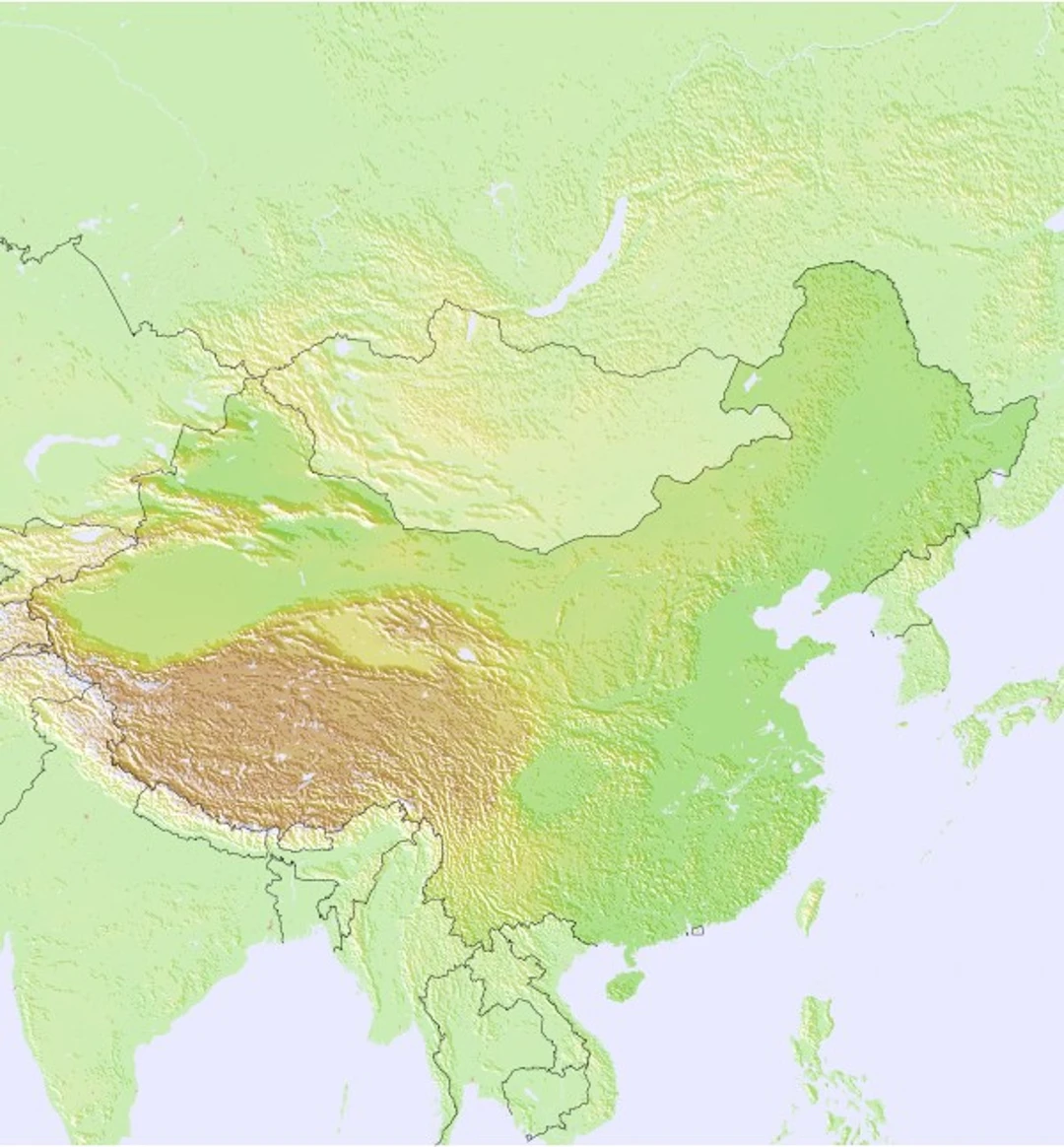
China Weather at a Glance
Much of China has four recognizable seasons, but latitude, altitude, distance from the sea, and monsoon systems create major regional differences.
Northern and inland areas tend to have colder, drier winters and hotter summers. The south and southeast are generally warmer and more humid, while the Tibetan Plateau and high mountains stay cooler because of elevation.
Season | General pattern | Strong choices | Main cautions |
|---|---|---|---|
Spring | Rapid warming; changeable rain | Beijing, Xi’an, Yunnan, eastern cities | Cool nights, southern rain, northern dust |
Summer | Hot and rainy across many regions | Highlands, grasslands, mountain areas | Heat, humidity, downpours, coastal typhoons |
Autumn | Cooling temperatures and often clearer weather | Great Wall, Xi’an, Shanghai, Huangshan, Jiuzhaigou | National-holiday crowds and early cold in the north |
Winter | Cold and dry in the north; milder farther south | Harbin, Yunnan, Hainan, major cultural cities | Freezing conditions, snow disruption, holiday travel demand |
Spring and autumn suit many multi-city routes, but they are not automatically best everywhere.
Summer can be the practical season for high plateaus, and winter can be excellent for Harbin, Hainan, or lower-crowd city sightseeing.
Match the month to the route rather than choosing a season first and forcing every destination into it.
China Weather by Month
A national month-by-month guide is most useful as a planning filter, not a forecast. Use it to shortlist regions, then check the climate and current forecast for each city on your itinerary.
Month | What to expect | Travel planning note |
|---|---|---|
January | Deep winter in the north; mild to warm far south | Choose Harbin for snow or Hainan and Yunnan for a gentler climate. |
February | Cold in most northern areas; early spring signs in the south | Holiday dates vary, so check transport and attraction demand. |
March | Fast warming with large day-to-day swings | Carry layers; northern wind and dust can affect outdoor plans. |
April | Mild in many central and eastern destinations | A strong month for cities and hiking, with increasing rain in the south. |
May | Warm across much of the country | Good for broad itineraries; reserve early around the May holiday period. |
June | Summer heat and rain build | Plan indoor alternatives and expect wet spells in central and southern areas. |
July | Hot, humid, and often rainy in many lowland cities | Consider Yunnan, Qinghai, Inner Mongolia, or higher mountains. |
August | Continued heat; storm risk along parts of the coast | Monitor local warnings and allow flexibility for flights and outdoor sites. |
September | Heat eases in many regions | Often rewarding for mixed city-and-nature routes, though coastal storms remain possible. |
October | Comfortable autumn weather in many popular areas | Excellent after the National Day holiday; northern nights become cool quickly. |
November | Cool and comparatively dry in many places | Good for lower crowds, with winter arriving early in the north and at altitude. |
December | Winter conditions spread; the far south stays milder | Pack for sharp regional contrasts if your route spans north and south. |
What Each Season Feels Like
Spring: March to May
Spring moves north gradually. Southern cities warm early and become wetter, while Beijing and Xi’an can still have cool mornings, dry wind, and occasional dust.
Temperature swings make a light jacket and flexible layers more useful than a single heavy coat.
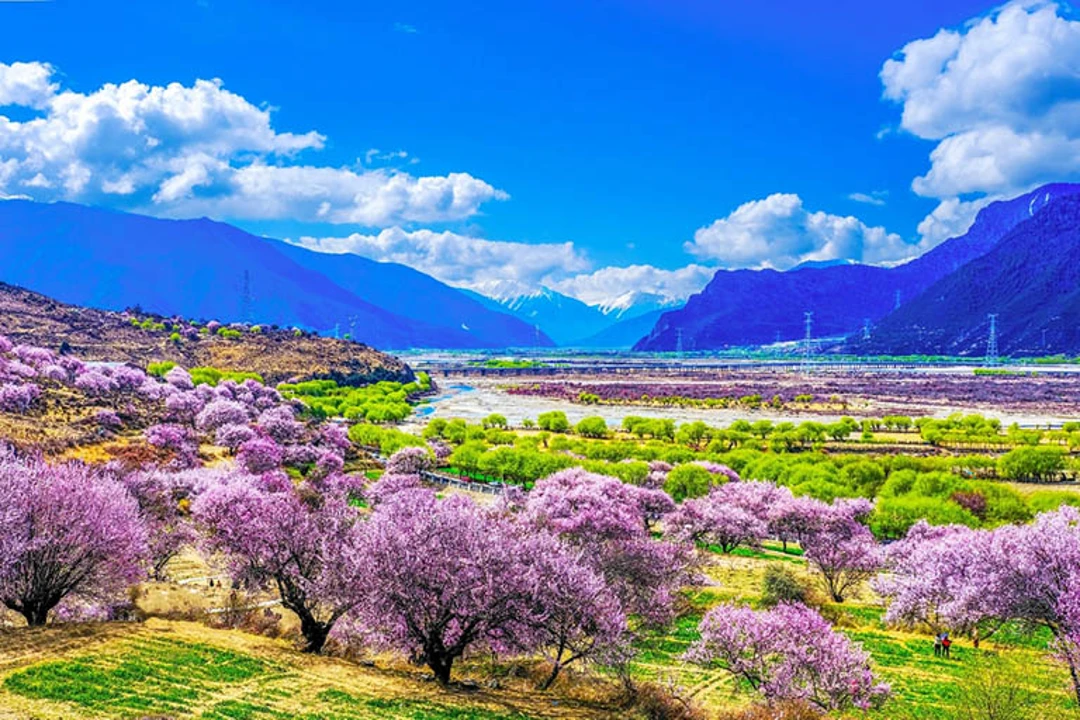
April and May are often comfortable for cultural sightseeing and outdoor routes, but rain becomes more frequent in parts of the south. Build a museum, teahouse, or food-market alternative into days that depend on views or long walks.
Summer: June to August
Summer is hot across many lowland regions and humid in much of eastern, central, and southern China.
Rain often falls in intense bursts, and coastal provinces can be affected by tropical systems. Heat also increases the effort required for exposed sites such as city walls and Great Wall sections.

Summer still has advantages. High-altitude regions and northern grasslands can be more accessible, vegetation is lush, and long daylight supports outdoor travel.
Start early, rest during the hottest hours, and leave space to rearrange a day when heavy rain is forecast.
Autumn: September to November
Autumn is the perfect time to explore China for many classic routes. Humidity often falls, skies can be clearer, and daytime temperatures become more comfortable for walking.
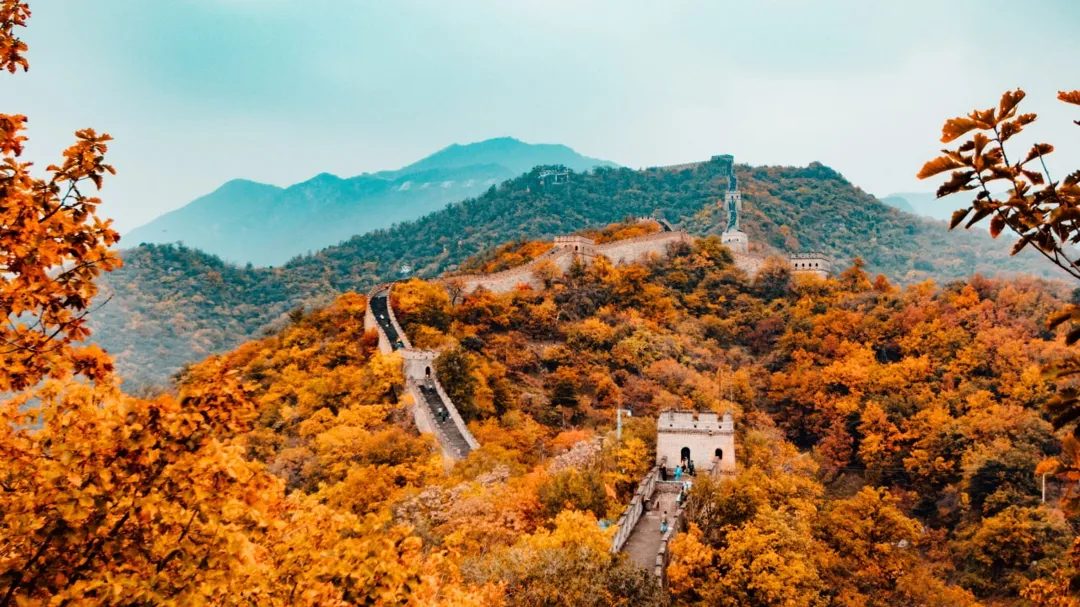
The season changes quickly. September may still feel summery in the south, while November can already be wintry in the northeast and on high ground.
The National Day holiday period creates heavy demand, so distinguish good weather from good availability.
Winter: December to February
Northern winters are generally cold and dry, with severe conditions in the northeast.
Central and eastern cities can feel damp even when temperatures look moderate, while Hainan and parts of southern Yunnan offer much milder escapes.

Winter suits snow festivals, skiing, photography, and quieter visits to major cultural attractions.
Pack for indoor heating differences as well as outdoor cold, and check Lunar New Year dates because transport demand can be more disruptive than the weather itself.
China Weather by Region
Northern and Northeastern China
Beijing and Xi’an have pronounced seasons: cold, dry winters; short transitional seasons; and hot summers with much of the year’s rain. Harbin and the far northeast have longer, colder winters and a shorter warm season.

Spring wind and dust can affect visibility, while summer storms may be brief but intense. For a Beijing–Xi’an route, late spring or autumn often offers the easiest balance, provided you avoid the busiest national-holiday dates.
Eastern and Lower-Yangtze China
Shanghai, Hangzhou, Suzhou, and nearby destinations have hot, humid summers and cool winters that may feel colder because of damp air.
Early-summer plum rains can bring persistent wet weather, and late summer into early autumn can include typhoon-related disruption.
Spring and autumn are popular for city walks and garden visits. In summer, schedule major outdoor sights for morning and keep flexible indoor options such as museums, galleries, and shopping streets.
Southern and Coastal China
Guangzhou, Shenzhen, Fujian, Guangxi, and Hainan are generally warmer and more humid than the north. The wet season is long, summers can be oppressive, and coastal areas may face typhoons and transport changes.

Autumn and winter are often more comfortable for city sightseeing in the deep south, but Guilin can still feel cool and damp in winter. Hainan is warmer, yet beach conditions vary with wind, rain, and which side of the island you choose.
Southwestern China
Chengdu and the Sichuan Basin are humid and frequently cloudy, with hot summers and cool winters.
Yunnan’s highlands have milder daytime temperatures but strong local variation caused by elevation; wet and dry seasons often matter more than the standard four-season calendar.
For Yunnan, pack sun protection and a warm layer even when the forecast looks mild. A route that moves between Kunming, Dali, Lijiang, and higher areas can cross several temperature bands in one week.
Northwestern China
Xinjiang, Gansu, and other inland northwestern regions are generally drier, with strong sunshine and large differences between day and night. Deserts and basins can become extremely hot in summer, while winters are severe in many northern locations.
Sun protection, hydration, and layered clothing are essential. Spring wind and dust, long road distances, and mountain passes can be as important to the itinerary as temperature.
The Tibetan Plateau and High Mountains
Altitude keeps temperatures lower and makes sunlight intense. Lhasa can have pleasant daytime sun while nights remain cold; higher passes and mountain areas can change rapidly even in the warmer months.

Summer improves access in many areas but also overlaps with the wetter season. Acclimatization, permits, road conditions, and local forecasts should shape the plan. Never treat a city forecast as a guarantee for a high pass or remote valley.
Seasonal Packing and Safety Tips
Pack a layering system: a breathable base, light insulating layer, and rain or wind shell work across more regions than one bulky item.
Prepare for sun: elevation and dry inland air can intensify exposure even when temperatures are cool.
Carry rain protection: a compact umbrella or light waterproof jacket is useful in spring and summer, especially in the east and south.
Check air quality: conditions vary by city and day, so consult a current local source if you are sensitive to pollution or dust.
Respect official warnings: typhoons, floods, heat, snow, and mountain weather can change transport and attraction operations.

Weather is only one source of pressure on an itinerary. Public holidays, school vacations, and major festivals can affect reservations and crowds, so review the calendar before locking in weather-sensitive things to do in China.
FAQ
1. Does China have four seasons?
Many regions do, especially in the north and east, but the timing and intensity differ widely. Tropical southern areas, high plateaus, and desert regions are better understood through local wet, dry, hot, cold, or altitude patterns.
2. What is the coldest month in China?
January is generally the coldest month across much of the country, but the actual conditions vary dramatically. Harbin can experience deep winter cold while Hainan remains mild.
3. What is the rainy season in China?
There is no single nationwide rainy season. Much of southern, central, and eastern China receives more rain from late spring through summer, while western and northern patterns differ. Coastal storm risk also varies during the warm season.
4. When are typhoons most likely?
Typhoon risk is concentrated in the warmer months and mainly affects southern and eastern coastal regions. Timing and tracks change each year, so check current official warnings rather than relying only on historical averages.
Conclusion
China’s huge range of climates is part of what makes the country rewarding to explore. The same month can support a snow-focused trip in the northeast, a mild city break in the south, or a highland journey in the west.
Before departure and again each morning, check local forecasts and official warnings, keep one flexible activity in reserve, and adjust early when conditions change.
Good weather planning is less about finding a perfect month than staying prepared for the country’s regional contrasts.