
Beijing weather changes sharply across four seasons, so the month you choose affects walking comfort, Great Wall conditions, rain risk, and what belongs in your suitcase.
The city has a monsoon-influenced continental climate: summers are hot and wetter, winters are cold and dry, while spring and autumn can shift quickly between warm days and cool evenings.
This guide helps you choose a travel window, compare every month, pack for the season, and adjust outdoor plans when conditions change. Once you arrive, an iRoamly China eSIM can keep forecasts, maps, and transport updates available away from hotel Wi-Fi.

When Is the Best Time to Visit Beijing?
For most first-time visitors, May, September, and October offer the easiest balance of mild temperatures, manageable rain, and long outdoor sightseeing days. Late April can also be comfortable, while late October adds autumn color but cooler evenings.
Best Months for Comfortable Sightseeing
Choose May for warm spring weather and green parks, September for cooler and drier days after the summer rain peak, or mid-to-late October for crisp air and autumn scenery.
September and October are especially comfortable for outdoor sightseeing and Great Wall hikes, with less heat and humidity than summer.
Keep in mind that exposed sections of the Great Wall can feel noticeably cooler and windier than central Beijing, particularly in the morning and evening.
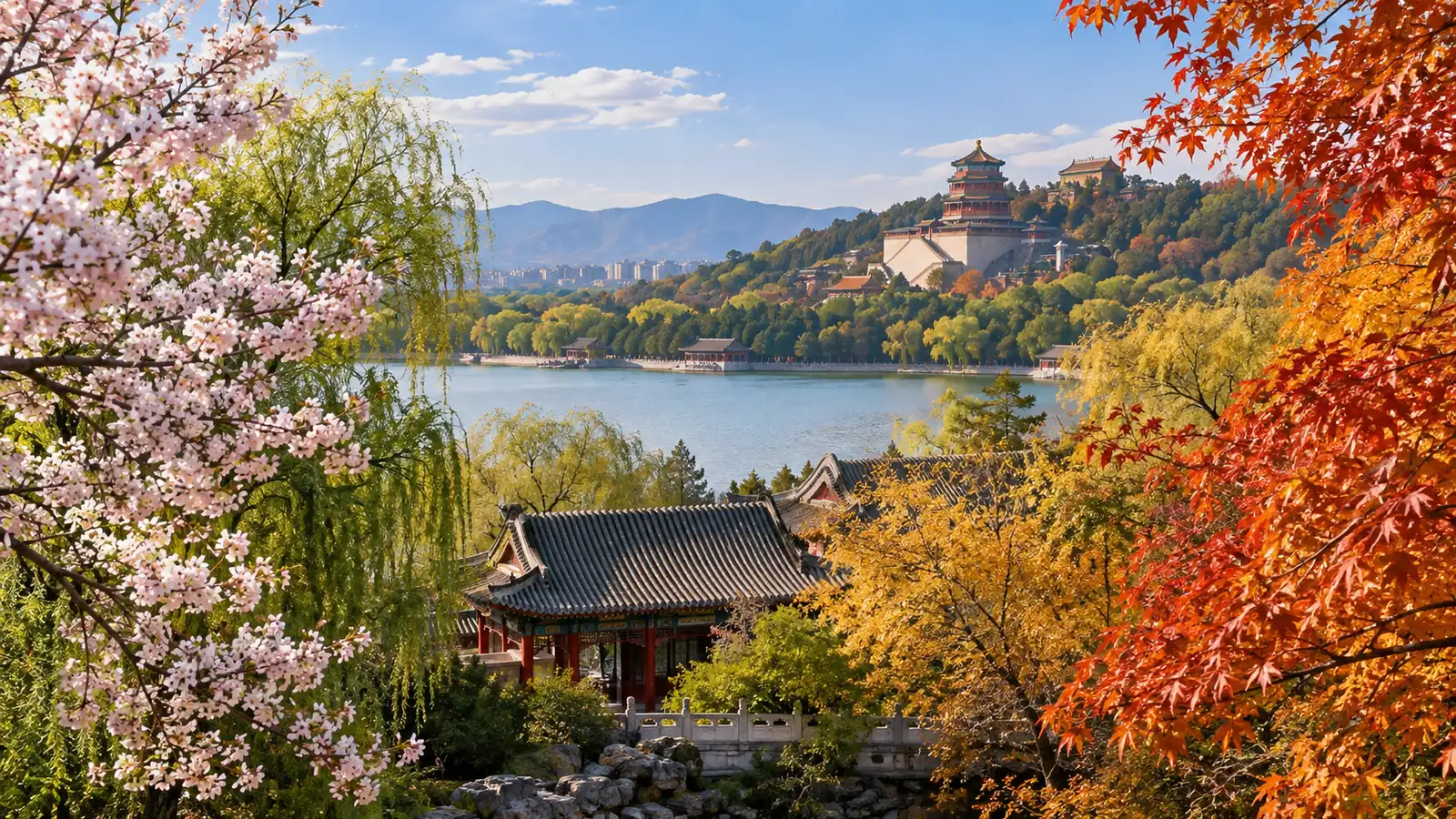
Balance Weather, Crowds, and Cost
The month with the mildest weather is not always the quietest or best value. Use the trade-offs below before fixing flights and timed-entry attractions.
Travel window | Main advantage | Main trade-off | Best for |
|---|---|---|---|
Late April to May | Mild days and spring scenery | Wind, temperature swings, and May holiday demand | Gardens, parks, and full city days |
September to late October | Drier air and comfortable walking weather | National Day crowds in early October | Great Wall hikes and autumn color |
March or November | Lower demand than peak spring or autumn | Cold mornings, wind, and possible dust in March | Flexible travelers seeking value |
June to August | Long daylight and lush parks | Heat, humidity, storms, and school-holiday crowds | Heat-tolerant travelers who can start early |
December to February | Quieter outdoor sights outside holidays | Freezing temperatures, wind, and short daylight | Museums, winter atmosphere, and lower-season travel |
No window removes every compromise. If your dates are fixed, the better strategy is to match outdoor plans to the best part of each day and keep one indoor alternative ready.
Beijing Weather by Season
Beijing's four seasons feel distinct. Spring and autumn usually offer the easiest sightseeing conditions, while summer and winter require more deliberate daily timing.
If your route continues beyond the capital, compare weather in China by region before packing for the whole trip.
Season | Typical pattern | Best suited to | Pack first |
|---|---|---|---|
Spring | Dry, windy, and changeable | Parks, city walks, and blossoms | Layers and a windproof outer layer |
Summer | Hot, humid, with heavy showers | Early starts and mixed indoor-outdoor days | Breathable clothes and rain protection |
Autumn | Mild, drier, and often clear | Great Wall hikes and long walking days | A light jacket and comfortable shoes |
Winter | Cold, dry, and windy | Quieter sights, skating, and museums | Insulated layers, gloves, and lip balm |
Spring (March to May)
Early spring can be windy and dry, with abrupt temperature changes and occasional dust events. By May, afternoons are usually warmer and more comfortable for extended sightseeing, though mornings and evenings still reward layering.
Good choices: Temple of Heaven, Summer Palace, hutong walks, and spring flowers at Yuyuantan Park.
Daily timing: Carry a light layer even when the afternoon forecast looks warm.
Weather caution: On dusty or very windy days, shorten exposed routes and favor museums or palace interiors.

Summer (June to August)
Summer is Beijing's hottest and wettest season. Humidity can make midday sightseeing tiring, while thunderstorms and short, intense downpours may slow road traffic and disrupt exposed attractions.
The official Beijing climate overview identifies July as the warmest month and notes that summer brings most of the city's annual precipitation.
Good choices: Start Great Wall visits early, then use museums, shaded gardens, or a long lunch during peak heat.
Daily timing: Avoid a tightly timed afternoon transfer when storms are likely.
Weather caution: Carry water, sun protection, quick-drying clothes, and a compact rain layer rather than relying only on an umbrella.

Autumn (September to November)
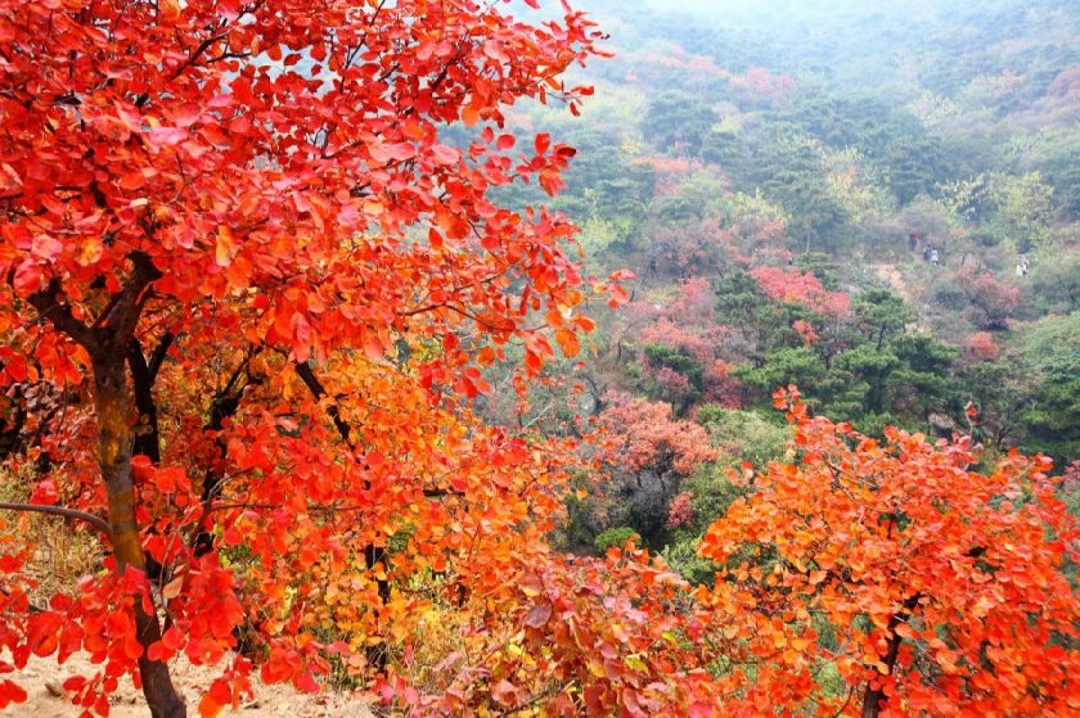
September and October usually provide some of Beijing’s best conditions for sightseeing. The air is often drier, daytime temperatures are comfortable, and autumn colors begin to appear across the hills around the city.
With fewer interruptions from summer heat and heavy rain, autumn is especially well suited to Great Wall hikes, parks, and longer days of outdoor sightseeing.
Good choices: Mutianyu or Badaling, the Forbidden City, Fragrant Hills, and parks around the Summer Palace.
Daily timing: Keep a light jacket for evenings and higher, windier sections of the Great Wall.
Weather caution: Pleasant conditions do not prevent heavy holiday crowds, especially in early October.
Winter (December to February)
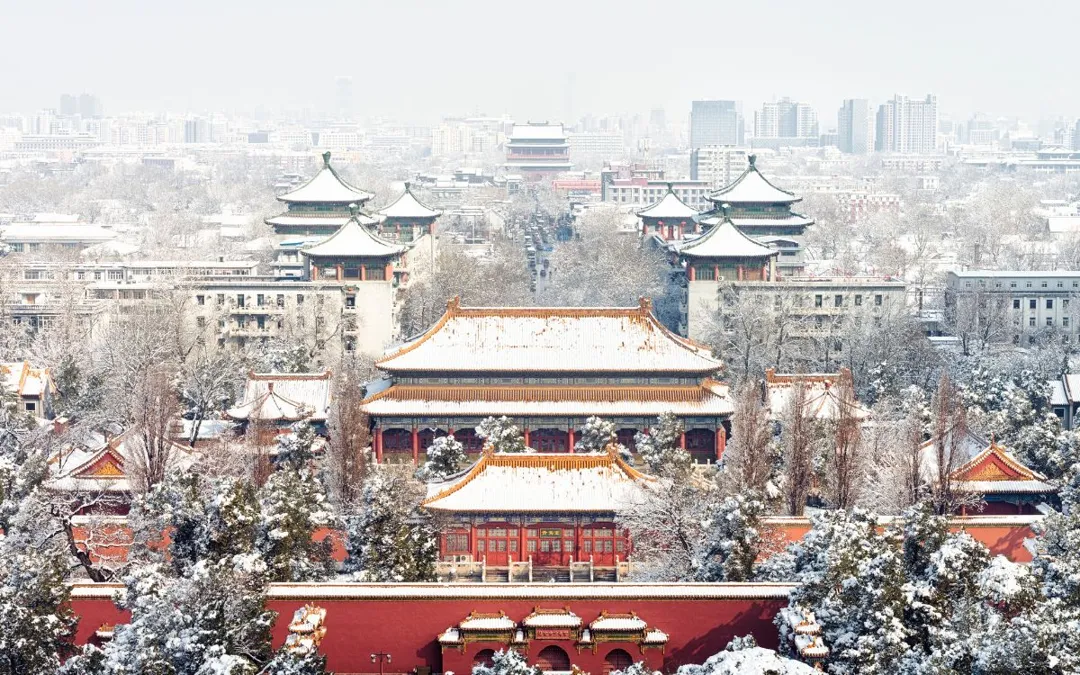
Winter is cold, dry, and often windy. Snow is possible but not dependable, so plan for frozen ground and wind chill rather than building a trip around a guaranteed snowy cityscape.
Good choices: Quieter palace complexes, museums, hotpot meals, skating when official venues are open, and clear-day Great Wall visits.
Daily timing: Use the warmest middle part of the day for exposed attractions and keep an indoor alternative nearby.
Weather caution: Insulated footwear, gloves, a hat, moisturizer, and lip balm are more useful than one very heavy top layer.
Seasonal Events in Beijing
Beijing’s seasons bring different festivals, public events, and outdoor experiences. If your travel dates are flexible, these seasonal highlights can give you another reason to choose one time of year over another.
Spring Blossoms and Temple Fairs
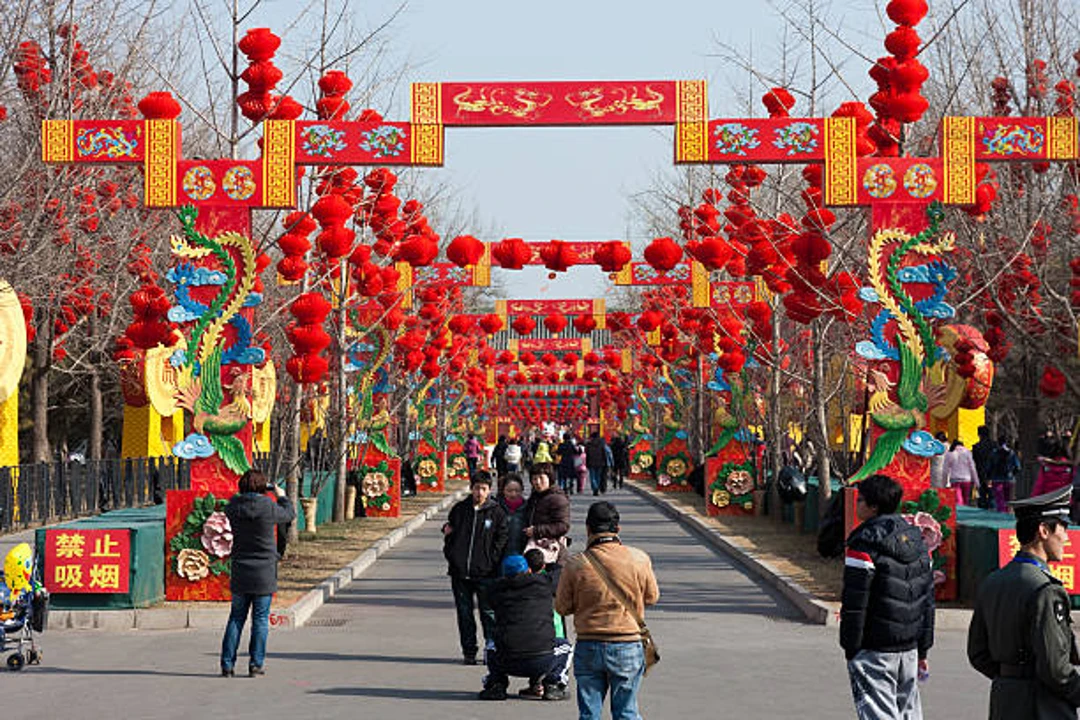
Spring brings some of Beijing’s most colorful seasonal experiences. Around Lunar New Year, traditional temple fairs may feature folk performances, festive decorations, local snacks, and cultural activities.
As temperatures rise, flower viewing becomes another reason to explore the city’s parks. Yuyuantan Park is especially popular for cherry blossoms, which typically appear from late March into April depending on the weather.
Summer Festivals and Evening Events
Summer brings more outdoor activity to Beijing’s parks and public spaces. The Dragon Boat Festival, usually held in May or June according to the lunar calendar, can include traditional celebrations and public cultural events.
Warm evenings are also a good time for park walks, outdoor performances, and other seasonal activities after the strongest daytime heat has passed.
Autumn Festivals and Foliage
Autumn combines comfortable weather with some of Beijing’s most popular seasonal experiences. Mid-Autumn Festival usually falls in September or October and brings traditional celebrations centered on family gatherings, lanterns, and mooncakes.
Later in the season, autumn foliage becomes a major attraction. Fragrant Hills is one of Beijing’s best-known places for fall colors, especially when the leaves begin turning red in October.
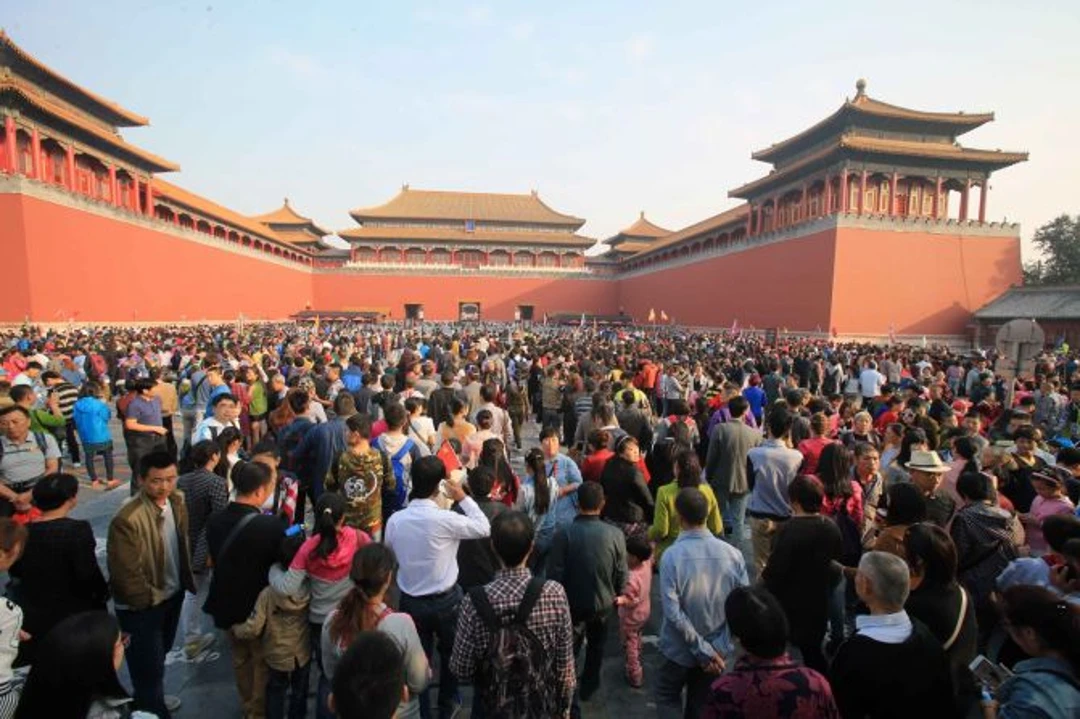
Winter Ice and Snow Activities
Winter brings a different side of Beijing. When conditions allow, frozen lakes and designated venues may open for skating and other ice activities, while seasonal lantern and winter events can add atmosphere during the colder months.
These activities depend on weather and annual schedules, so check current opening information before planning a day around them.
Beijing Weather by Month
The figures below are rounded historical climate averages, not a forecast. They show the normal seasonal curve, but a particular day can be substantially hotter, colder, wetter, or windier.
Month | Average high / low | Typical precipitation | Planning note |
|---|---|---|---|
January | 2°C / −9°C (36°F / 16°F) | About 3 mm | Coldest period; dry air and wind chill matter. |
February | 5°C / −6°C (41°F / 21°F) | About 6 mm | Still wintry; Lunar New Year dates can affect demand. |
March | 12°C / 0°C (54°F / 32°F) | About 11 mm | Large day-night range, wind, and possible dust. |
April | 20°C / 8°C (68°F / 46°F) | About 21 mm | Good walking weather, but layers remain useful. |
May | 26°C / 14°C (79°F / 57°F) | About 26 mm | One of the easiest months for an outdoor itinerary. |
June | 30°C / 19°C (86°F / 66°F) | About 50 mm | Heat builds and summer rain becomes more likely. |
July | 31°C / 22°C (88°F / 72°F) | About 100 mm | Hottest, wettest conditions; plan midday breaks. |
August | 30°C / 21°C (86°F / 70°F) | About 92 mm | Hot and storm-prone, with school-holiday demand. |
September | 26°C / 15°C (79°F / 59°F) | About 41 mm | Cooling, drier weather supports long sightseeing days. |
October | 19°C / 8°C (66°F / 46°F) | About 23 mm | Excellent conditions after the National Day rush. |
November | 10°C / 0°C (50°F / 32°F) | About 12 mm | Cool, dry, and quieter; winter layers begin to matter. |
December | 4°C / −6°C (39°F / 21°F) | About 3 mm | Cold and dry, with short daylight and no guaranteed snow. |
Use these averages to choose a travel window, then switch to current readings for daily decisions. Forecast confidence drops with time, while rainfall, wind, and air quality can vary sharply within the same month.
What to Pack for Beijing Weather
Beijing rewards adjustable packing. Temperature can change quickly between a sunny courtyard, a shaded hutong, an exposed Great Wall ridge, and a heated or air-conditioned interior.
Start With a Year-Round Core
Bring broken-in walking shoes, a light layer that fits in a day bag, sun protection, a refillable water bottle, and a small rain layer.
Moisturizer and lip balm help in Beijing's dry air beyond winter, while a compact mask can be useful during dusty spring conditions.
Save tickets, hotel details, and important addresses offline before a long outdoor day. An iRoamly travel eSIM plan can keep maps, translation, forecast alerts, and transport updates available when hotel Wi-Fi is out of reach.
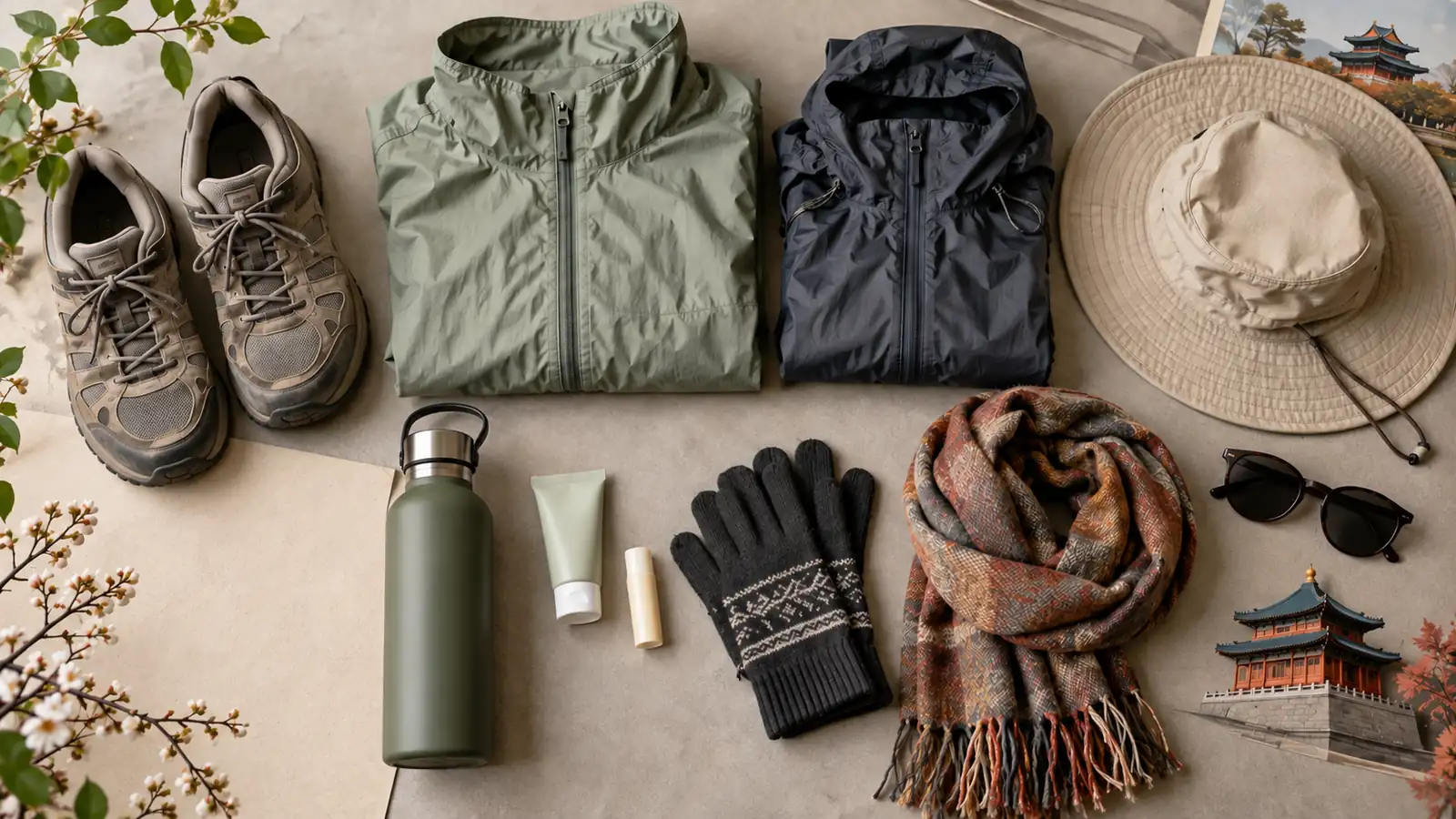
Swap Gear With the Season
Season | Clothing | Useful extras | Avoid relying on |
|---|---|---|---|
Spring | Layered tops and a wind-resistant jacket | Sunglasses, moisturizer, and dust protection | One warm afternoon forecast |
Summer | Breathable, quick-drying clothes | Sun hat, sunscreen, and compact rain shell | An umbrella alone in wind or heavy rain |
Autumn | Light layers and a jacket for evenings | Comfortable hiking or walking shoes | Daytime temperature for a late return |
Winter | Thermal base, insulating mid-layer, and wind-blocking coat | Warm socks, gloves, hat, and lip balm | One bulky layer without wind protection |
Pack for your most exposed activity, not only for central-city temperatures. A calm museum day and a windy wall section can demand very different clothing even on the same date.
How Weather Changes Your Beijing Plans
Seasonal averages help with booking, but the latest forecast, active warnings, air-quality readings, and attraction notices determine how each day should run.
Check Forecasts Before Long Outdoor Days
The National Meteorological Centre forecast provides current Beijing conditions, precipitation, wind, and multi-day outlooks. Check it again the evening before a Great Wall, park, or long walking day.
In summer, a storm may justify moving an exposed attraction earlier. In winter, strong wind can matter more than the headline temperature. In spring, dust or gusts may make a museum-first day more comfortable.
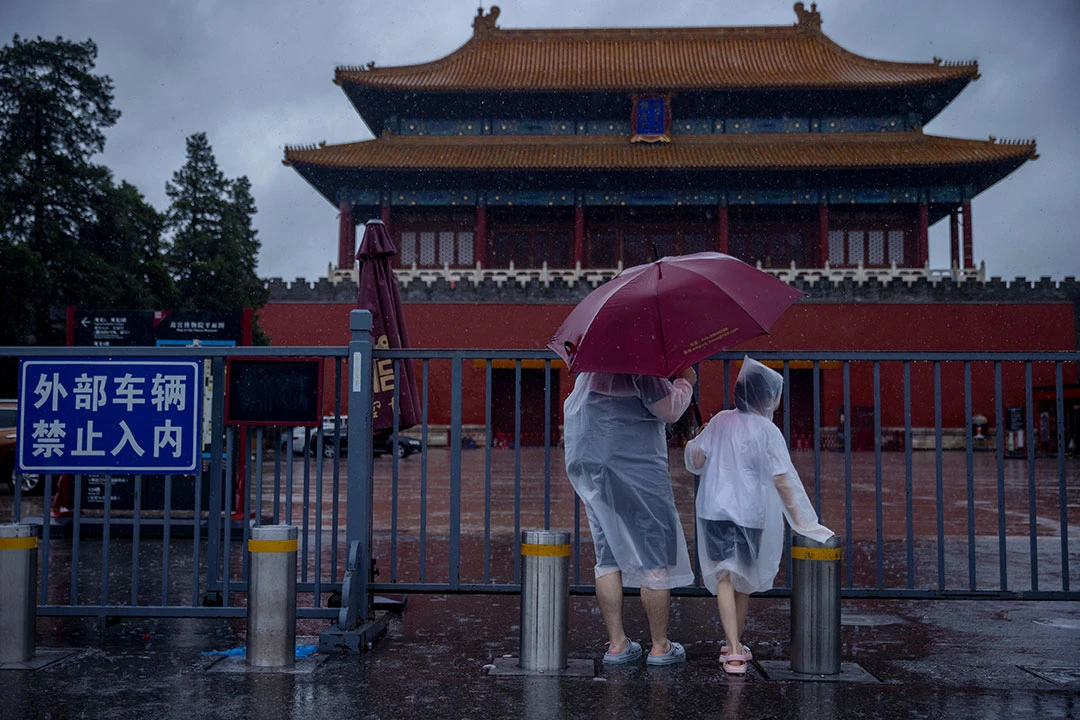
Compare City and Great Wall Conditions
Central Beijing, Mutianyu in Huairou, and Badaling in Yanqing sit in different districts and terrain. A downtown forecast is useful for the city, but it is not enough for an exposed ridge where wind, visibility, rain, or ice can be more disruptive.
Check the wall section's district forecast, any active weather warning, and the attraction's official operating notice. Cable cars and other outdoor services can change independently of the city forecast.

Separate Air Quality From Visibility
Air quality can vary from day to day, and spring dust can affect outdoor comfort. The official national air-quality monitoring service publishes current city readings.
Visibility and air quality are separate checks. Fog, humidity, rain, snow, or dust can reduce views, while a clear-looking sky does not prove low pollution. Use the forecast for visibility and hazards, and the monitoring reading for air quality.
Keep One Outdoor Day Movable
Avoid locking every outdoor attraction to an immovable day. If possible, reserve one city day that can swap with the Great Wall or a large park when rain, wind, heat, or poor visibility appears in the short-range forecast.
Place long transfers and timed-entry reservations with realistic buffers. Save addresses and tickets offline, and confirm attraction notices before leaving the hotel rather than after reaching the gate.
FAQ
1. Does it snow often in Beijing?
Snow is possible in winter but is not frequent or dependable enough to plan a trip around. Expect cold, dry, windy conditions first, and treat snow as a bonus rather than a promise.
2. Are Beijing hotels and indoor attractions heated in winter?
Most established hotels, malls, and major museums are heated, but room controls and comfort levels vary. Wear removable layers for the sharp transition between cold outdoor waits and warm interiors.
3. Can I use the central Beijing forecast for the Great Wall?
Use it as a starting point, then check the forecast and operating notice for the wall section's district. Wind, visibility, rain, or ice can affect an exposed ridge differently from the city center.
Conclusion
Beijing is a year-round destination, but each season offers a different experience. Spring and autumn are generally the most comfortable for sightseeing, summer brings long days and greener landscapes, while winter offers a quieter side of the city.
Choose your travel dates based on the weather and activities that matter most to you, whether that means hiking the Great Wall, enjoying autumn foliage, seeing spring blossoms, or experiencing Beijing’s winter atmosphere.
Before your trip, check the latest forecast, pack for seasonal conditions, and leave some flexibility for outdoor plans. With a little preparation, you can make the most of Beijing in any season.