
The best time to visit Japan depends on the experience you want and the region you plan to see. For the easiest balance of mild weather and outdoor sightseeing, many first-time visitors choose late spring after Golden Week or autumn from October into November. Cherry blossom weeks and peak foliage dates are beautiful but busier and often more expensive.
Japan stretches from snowy Hokkaido to subtropical Okinawa, so a national seasonal label is only a starting point. Match the month to the region, then check current forecasts, holidays, and local events before locking in hotels.
Weather alerts, train changes, and reservations are easier to manage with mobile access. An Japan eSIM can be arranged before departure, while offline copies protect essential bookings.
Japan Seasons at a Glance
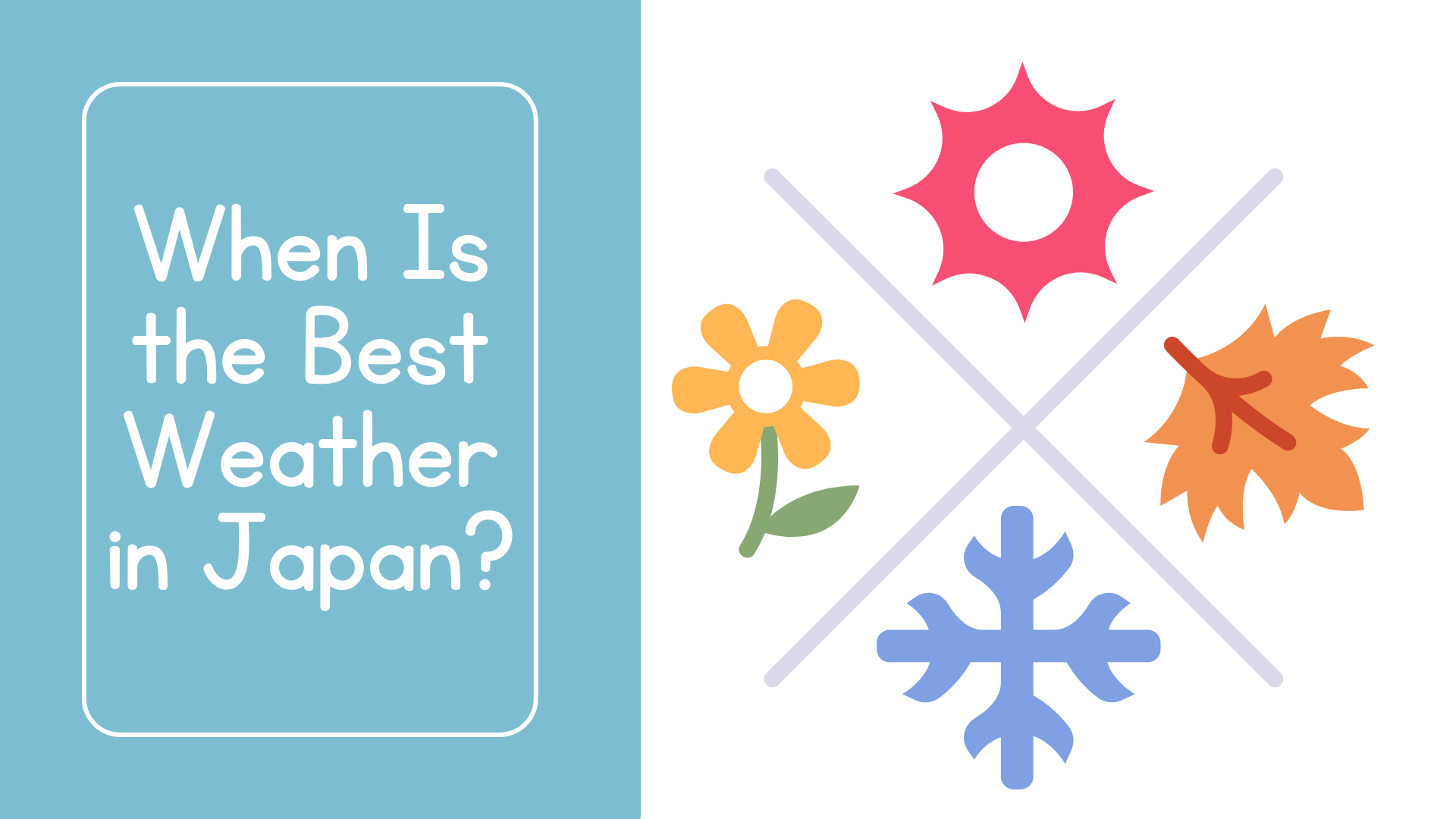
Use this table to narrow the choice, then adjust for the exact destination and year.
Season | Best For | Main Trade-Off |
|---|---|---|
Spring, March to May | Cherry blossoms, gardens, mild city walks | Peak blossom dates and Golden Week can be crowded and expensive |
Summer, June to August | Festivals, alpine hiking, Hokkaido, beaches | Rainy season in many regions, then heat and humidity |
Autumn, September to November | Foliage, food, comfortable sightseeing | Early autumn typhoons and late-autumn crowd pressure |
Winter, December to February | Skiing, snow scenery, hot springs, clearer city days | Short daylight, holiday closures, snow disruption |
Across large East Asian destinations, a single national season can hide major regional differences. The best time to visit China raises the same region-first decision, while Japan usually rewards a tighter route built around one climate zone and one seasonal goal.
Spring: Cherry Blossoms and Peak Demand
Cherry blossoms generally move from warmer southern regions toward northern Japan, but exact dates vary every year. Late March and early April are common planning windows for Tokyo, Kyoto, and Osaka, while Hokkaido blooms later.
The Japan cherry blossom season requires flexible expectations. Book accommodation early, follow current forecasts, and plan alternatives such as gardens, museums, and neighborhoods in case wind or rain shortens the peak.
Avoid treating all of May as a quiet shoulder season. Golden Week, usually spanning late April into early May, creates heavy domestic travel. The second half of May is often calmer in central Japan, although Okinawa may already be in its rainy season.
Region | Spring Focus | Main Planning Risk |
|---|---|---|
Tokyo, Kyoto, Osaka | Blossoms and mild walks | Peak demand and Golden Week |
Hokkaido and northern Japan | Later blossoms | Cooler conditions and later timing |
Okinawa | Warm early-season travel | Rain increases toward early summer |
Summer: Festivals, Mountains, and Heat
June brings the rainy season to much of Japan, although timing and intensity differ and Hokkaido is less affected. July and August are hot and humid in Tokyo, Kyoto, and Osaka, but they also bring fireworks, festivals, and mountain access.
Summer works best when the itinerary includes early starts, indoor breaks, hydration, and fewer long midday walks. Hokkaido, higher alpine areas, and northern Tohoku can offer a cooler alternative to the main cities.
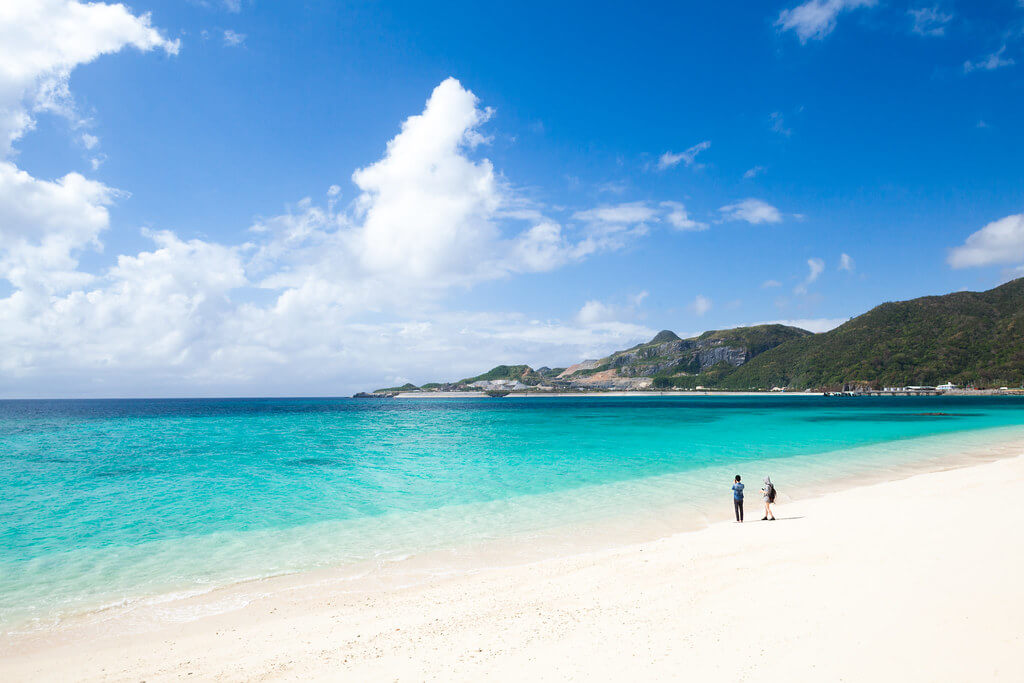
Okinawa is not automatically ideal from April through June: the rainy season often affects May and June, and tropical systems can disrupt later summer travel. Choose beach dates with weather flexibility and travel insurance rather than relying on a fixed national rule.
Area | Best Summer Use | Main Caution |
|---|---|---|
Hokkaido and Tohoku | Cooler outdoor routes | Festival and holiday demand |
Alpine regions | High-elevation hiking | Weather and trail conditions |
Central cities | Festivals with indoor breaks | Heat and humidity |
Okinawa | Beaches when conditions allow | Rain and tropical weather |
Autumn: Mild Weather and Foliage
October and November are strong choices for city walking, food-focused trips, and autumn color. Foliage begins earlier in high-elevation and northern areas, then moves toward Tokyo, Kyoto, and warmer lowlands.
November travel in Japan often provides comfortable conditions, but famous temples and foliage sites can be very busy. Use early mornings, timed reservations, and less concentrated routes instead of assuming autumn is uncrowded.
September and early October can still bring typhoon disruptions, particularly in southern and coastal regions. Keep a flexible day and monitor operator notices before long transfers.
Area | Autumn Timing | Planning Note |
|---|---|---|
Hokkaido and high elevations | Earlier color | Cooler weather arrives sooner |
Tokyo and Kyoto | Later-season color | Popular weekends become crowded |
Southern and coastal routes | Warm early autumn | Keep a typhoon buffer |
Winter: Snow, Onsen, and Lower-Crowd City Days
December through February is the best period for skiing and snow experiences in Hokkaido, Nagano, Niigata, and Tohoku. A guide to Japan in winter helps match snow destinations with shorter daylight and transport conditions.
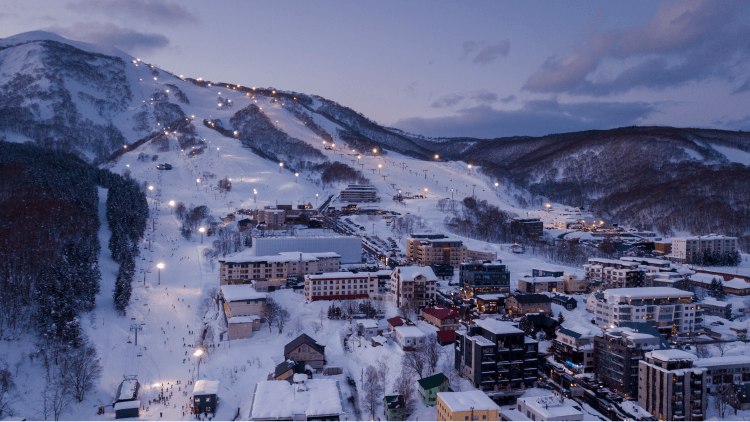
Tokyo and other Pacific-side cities can have crisp, clear winter days, while mountain and Sea of Japan routes may face heavy snow. New Year is not a low-demand period: transport fills, accommodation prices rise, and some attractions or businesses close.
Best Time by Travel Goal
Choose the month by priority rather than chasing one universal answer.
Best overall city weather: late May after Golden Week, October, and November, depending on region.
Cherry blossoms: follow the current bloom forecast and keep several viewing options.
Autumn color: September for high Hokkaido, October for northern and mountain areas, and November into early December for many central-city locations.
Skiing and snow: January and February are usually the most reliable core months, with resort-specific variation.
Lower prices: parts of late winter outside ski areas and rainy-season periods can be cheaper, excluding holidays and events.
Okinawa beaches: use local rainy-season and typhoon information instead of mainland timing.
For weather alerts, ticket releases, and route changes across these goals, iRoamly travel eSIM plans can sit alongside offline bookings and operator apps.
Japan's Busiest Travel Periods
Season alone does not predict crowds. Domestic holidays and short natural events can matter more than the month.
Busy Period | Main Pressure | Planning Response |
|---|---|---|
New Year | Transport and closures | Confirm operating days |
Peak blossoms | Hotels and viewing sites | Book early and keep alternatives |
Golden Week | Nationwide domestic travel | Avoid tight transfers |
Obon | Transport demand and heat | Reserve seats and slow the pace |
Peak foliage weekends | Temples, roads, and buses | Start early or use quieter routes |
The official Japan travel FAQ is a useful starting point for seasonal and holiday planning, but always confirm exact annual dates.
When Japan May Not Suit Your Plan
Avoiding a season is less useful than identifying its risk. June can work for museums and food trips despite rain; August can work for festivals despite heat; winter can work for Tokyo despite short daylight.
Reconsider the dates when the main purpose conflicts with the likely conditions. The Japan Meteorological Agency climate overview shows why regional conditions matter more than a single national label.
Examples include an outdoor-heavy Kyoto schedule in peak summer heat, an inflexible Okinawa beach trip during unsettled weather, or a short ski trip before reliable snow has developed.
FAQ
1. What is the overall best month to visit Japan?
October, November, and late May suit many first-time visitors, but the best month depends on the region and trip goal.
2. When is Japan least crowded?
Parts of January and February outside ski destinations, and some rainy-season periods, can be quieter. New Year, festivals, and major events are exceptions.
3. Is summer a bad time to visit?
No, but heat, humidity, and rain require a different pace. Summer is valuable for festivals, Hokkaido, alpine routes, beaches, and fireworks.
4. When is Japan cheapest?
Late winter outside ski areas and parts of the rainy season may offer lower rates, but airfares and hotels change by route, holiday, and event.
5. When should I visit Okinawa?
Choose around local rainfall, sea conditions, and tropical-weather risk rather than copying the Tokyo calendar. Keep beach plans flexible.
6. How far ahead should I book?
Book early for cherry blossoms, Golden Week, New Year, ski resorts, and peak autumn weekends. Quieter periods usually allow more flexibility.
Conclusion
For many travelers, late May, October, or November offers the easiest sightseeing conditions. Spring blossoms and winter snow can be even more rewarding when the trip is built around their narrow timing and higher demand.
Choose the region and travel goal first, check the current forecast and holiday calendar second, and keep one flexible day for weather. That approach is more reliable than selecting a month from a national average alone.
When timing, route, and tolerance for crowds all point in the same direction, the best season becomes a practical choice rather than a universal month.