
Choosing the right airport to land at can greatly enhance your journey.
Here, we present the major airports in several regions of Japan, to ensure you descend practically on the doorstep of your explorations.
By the way, using an iRoamly travel eSIM allows you to conveniently access information as soon as you land. Now, let’s explore Japan’s main aerial gateways and make your trip as enjoyable as it is exciting!

Hokkaido Region
New Chitose Airport (CTS)
It's the first stop for travellers destined for the snowy plains and urban life of Hokkaido, and conveniently close to city center Sapporo. Perfect for visiting attractions such as the annual Sapporo Snow Festival or gorging on locally-caught seafood washed down with a Sapporo beer or two.
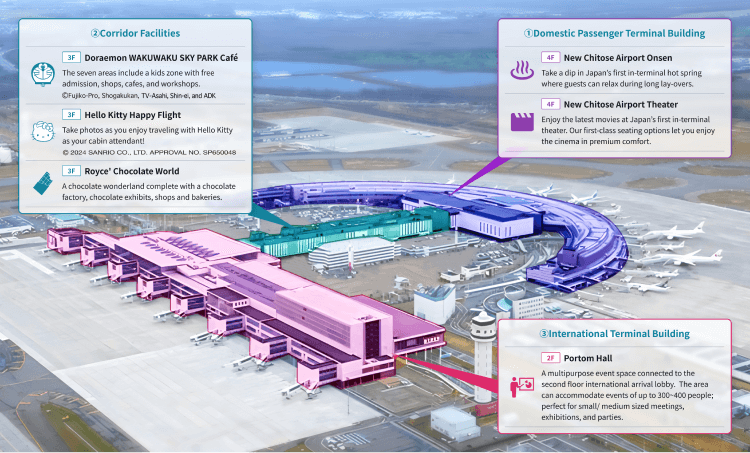
Transport: Take a JR rapid train into central Sapporo in around 36 minutes.
Asahikawa Airport (AKJ)
The major airport in central Hokkaido, connect here if you're heading for the famous Asahikawa Winter Festival or the penguin walks at Asahiyama Zoo.
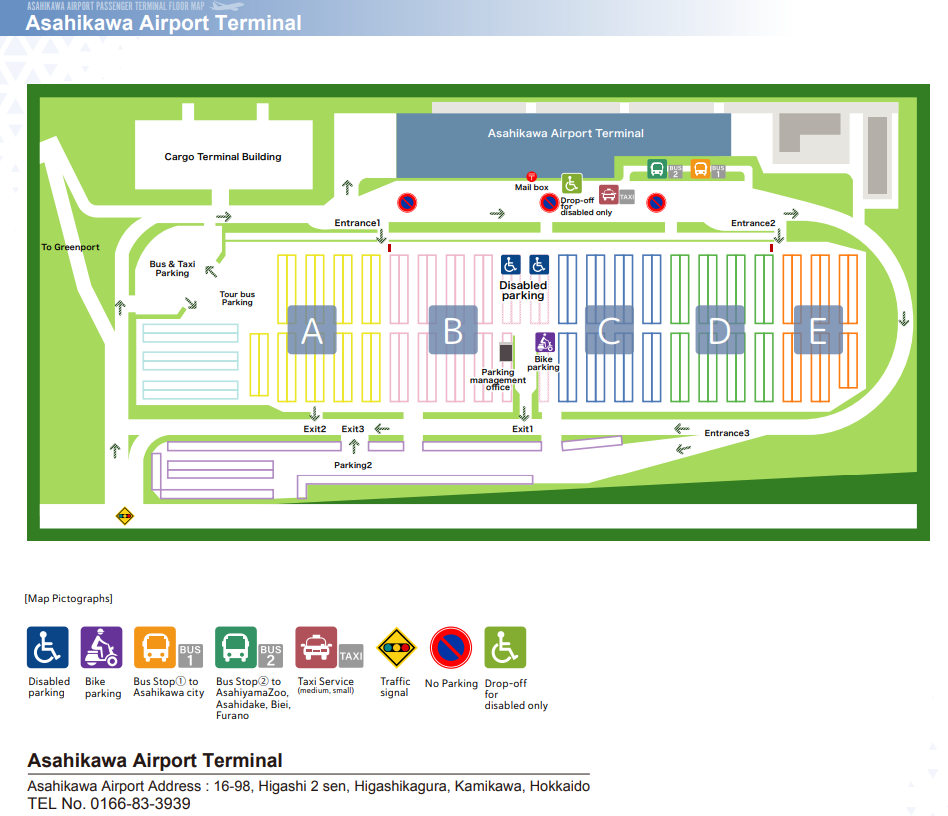
Transport: A bus runs to the city in approximately 40 minutes.
Hakodate Airport (HKD)
In the south of Hokkaido, Hakodate Airport is your door to a picturesque city scapes, famed for its night view and historical sites like the star-shaped Goryokaku fort.
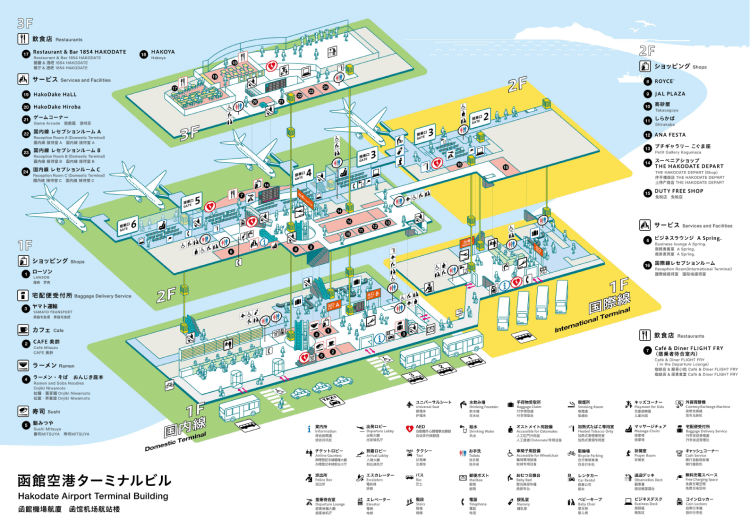
Transport: A bus reaches Hakodate City in around 20 minutes.
Wakkanai Airport (WKJ)
The northernmost Japanese airport, Wakkanai Airport brings visitors to the untouched reaches of northern Hokkaido and the quiet Rishiri and Rebun Islands.
Transport: Local buses and car rental services are available to get you started.
Tohoku Region
Sendai Airport (SDJ)
The main airport serving Miyagi Prefecture, accessible to the lively city of Sendai and its many festivals, such as Tanabata, as well as its natural greenery.
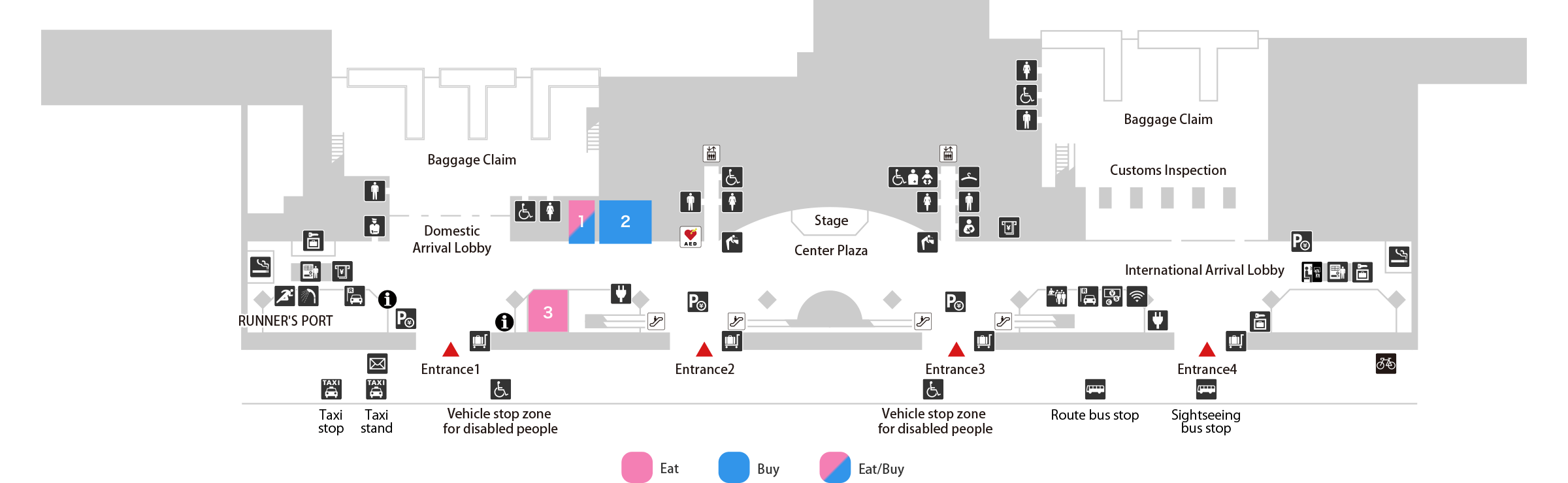
Transport: Reach the city by train in less than 30 minutes.
Akita Airport (AXT)
Located in picturesque Akita Prefecture, this airport provides access to scenic sites such as Lake Tazawa and Akita's cultural offerings, like the Kanto Matsuri festival.
Transport: Buses connect the airport with Akita city centre.
Aomori Airport (AOJ)
If your itinerary focuses on exploring Tokyo, Narita Airport is also an excellent starting point.
Transport: Bus services to Aomori city center are available.
Kanto/Chubu Region
Narita International Airport (NRT)
A major entry point into Japan, Narita airport provides swift access to both the sprawling city of Tokyo and historic Narita town, home to an ancient temple and cobblestone streets.
If your itinerary focuses on Tokyo's major attractions, Narita is also an excellent starting point.
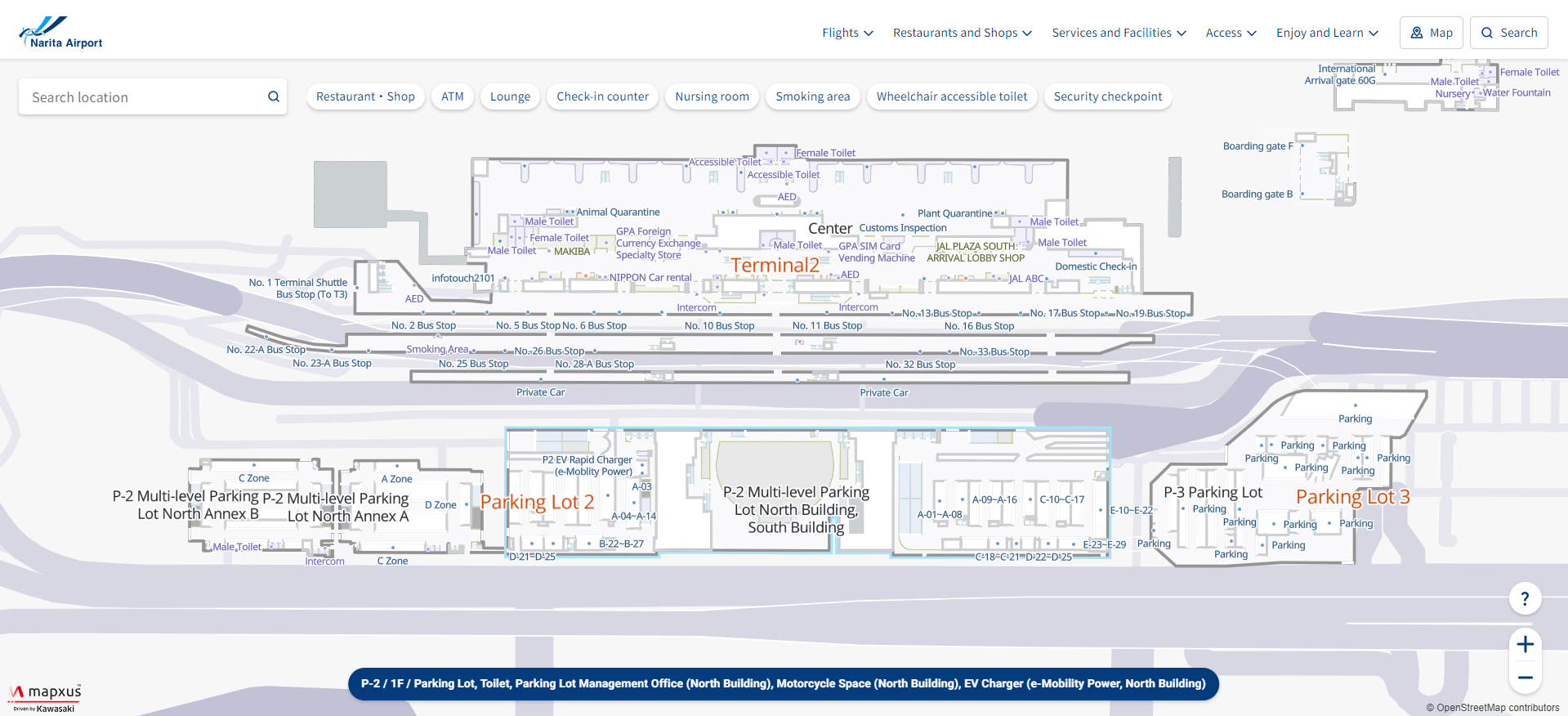
Transport: Direct transportation to Tokyo and surrounding areas by Narita Express, limousine bus, or local train.
Haneda Airport (HND)
With so many of Tokyo's highlights right on its doorstep, Haneda is the best access point for enjoying the urban wonders of the metropolis—be that shopping in Shibuya or strolling the grounds of Hamarikyu Gardens.
Transport: Switch to the monorail or Keikyu Line for quick trips into central Tokyo.
Chubu Centrair International Airport (NGO)
Located on an artificial island, this airport is a central travel hub for central Japan, with Nagoya – one of Japan's oldest cities – and the Ise Grand Shrine (Ise Jingu) in Ise City within reach.
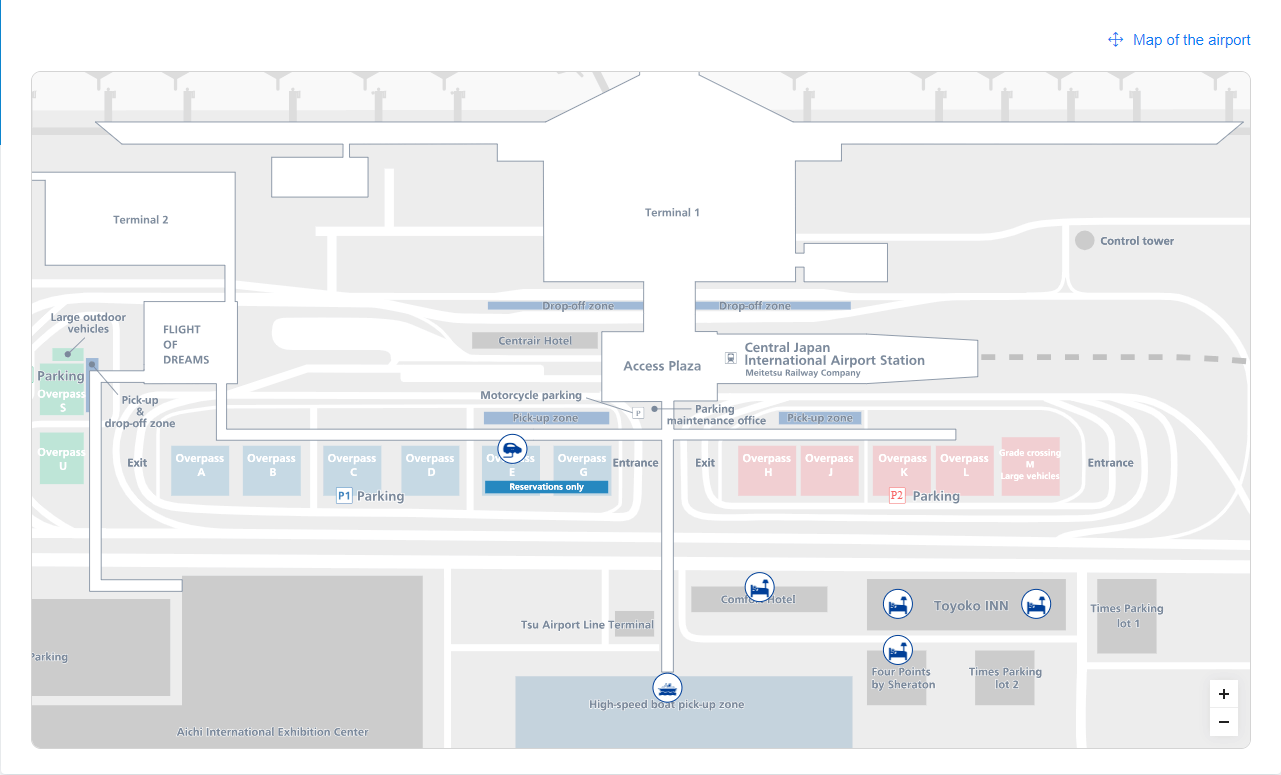
Transport: The Meitetsu rail line can get you to central Nagoya in less than half an hour.
Kansai / Chugoku / Shikoku Area
Kansai International Airport (KIX)
Sitting on a man-made island, KIX is the gateway to the Kansai region, including Osaka, Kyoto, and Kobe, famous for their history and food cultures.
Transport: This airport connects to many points in Kansai by train, high-speed ferry, and bus services.
Hiroshima Airport (HIJ)
The airport for Hiroshima, which you might want to visit for its poignant historical sites, such as Peace Memorial Park and Miyajima Island.
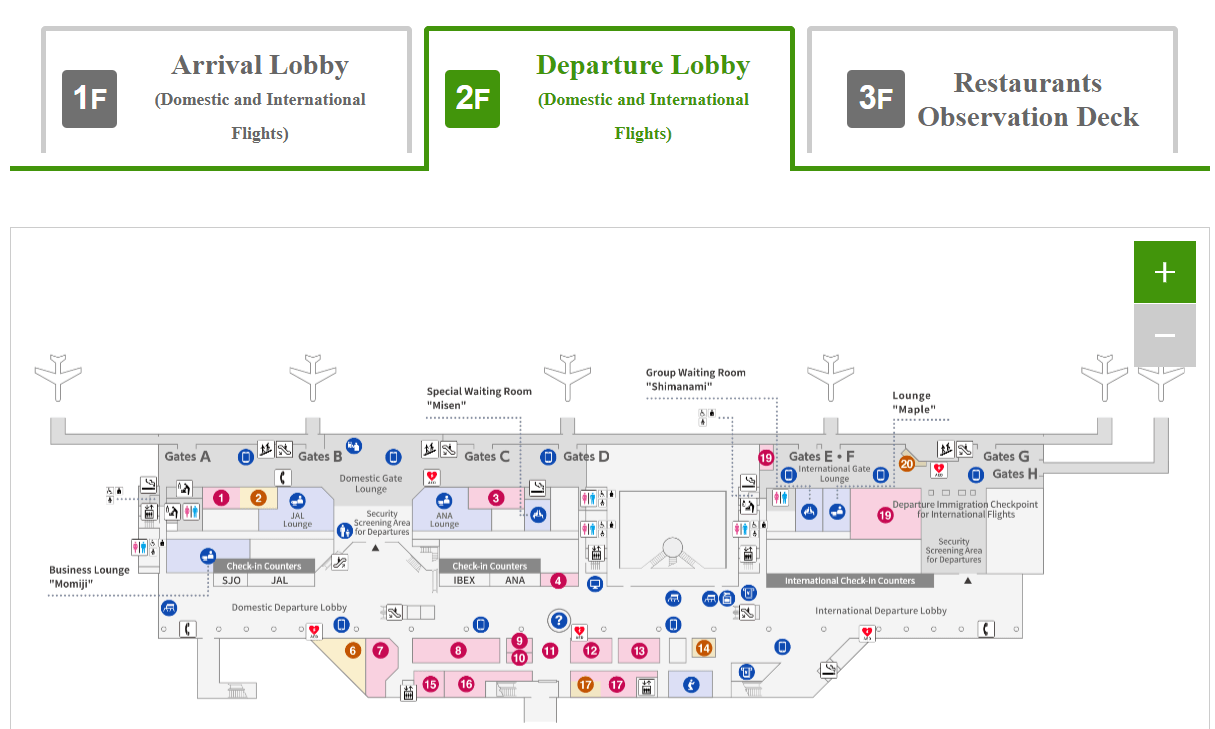
Transport: Shuttle services will have you in central Hiroshima within an hour.
Takamatsu Airport (TAK)
Use this airport to get to Shikoku Island, where you can visit the stunning Ritsurin Garden and explore fun Japanese islands like Naoshima, known for their vibrant art scenes.
Transport: Buses and trains can move you from the airport to central Takamatsu.
Kyushu Area
Fukuoka Airport (FUK)
Fukuoka is the urban core of Kyushu and its airport is unusually close to the city center. Check out the temples, modern shopping districts, and the Hakata Gion Yamakasa festival.
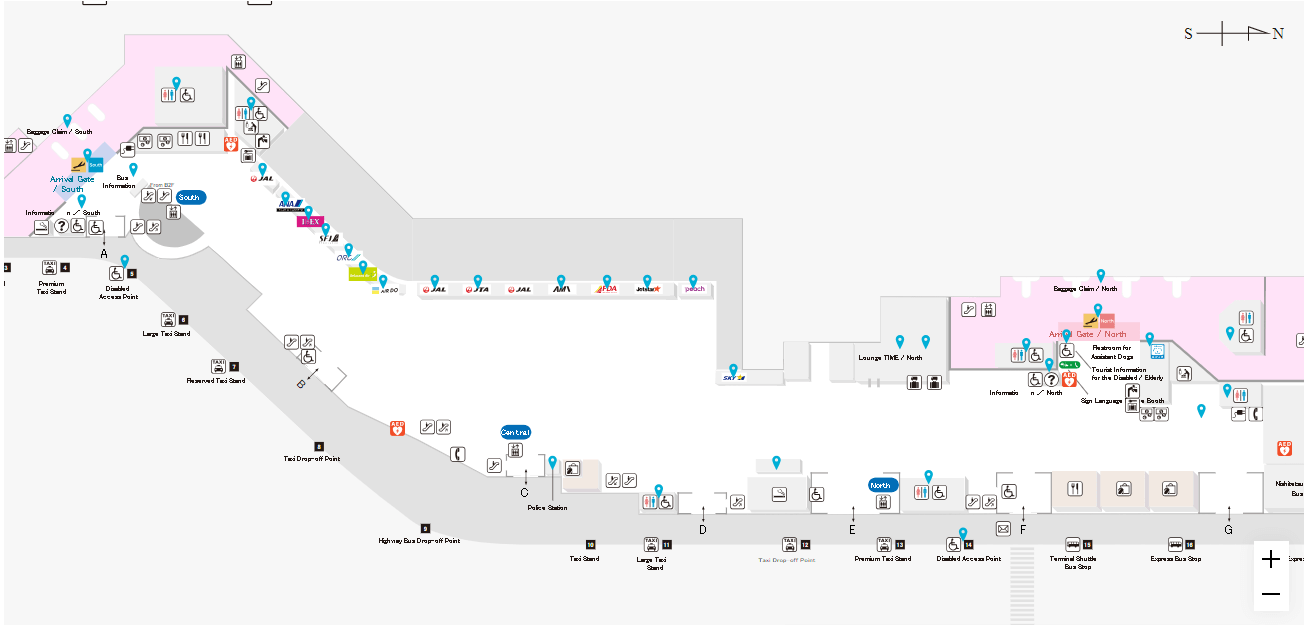
Transport: A short subway trip will bring you to the city center.
Kagoshima Airport (KOJ)
Fancy a volcano? Kagoshima Airport is your gateway to the volcanic region of southern Kyushu, including Sakurajima.
Transport: Buses regularly serve the airport to link travelers with the city of Kagoshima.
Nagasaki Airport (NGS)
The airport serving Nagasaki sits on its own island and is perfect for exploring the city's historical sites, such as the Atomic Bomb Museum or Glover Garden.
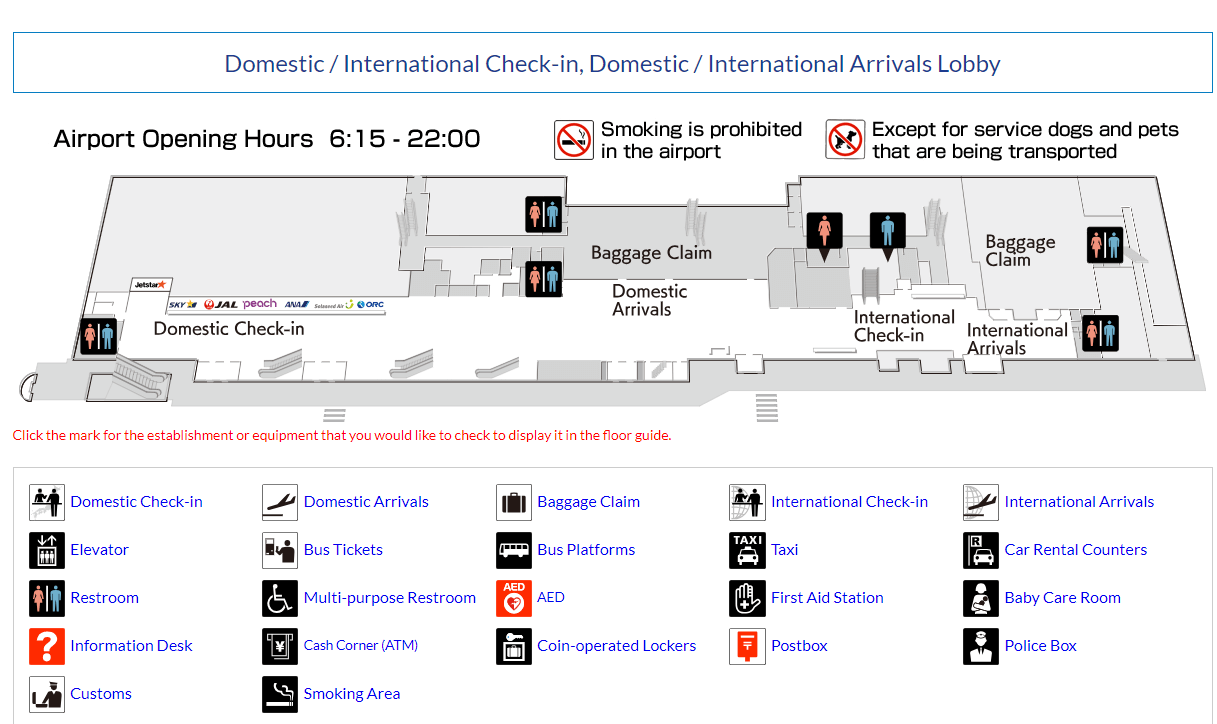
Transport: Buses and ferries can take people to the city.
Okinawa Area
Naha Airport (OKA)
On Okinawa Island itself, Naha Airport provides access to the cultural and beach delights of Okinawa, which is excellent for exploring sites like Shuri Castle or taking part in water sports.
Transport: Yui Rail, Okinawa’s monorail system, will have you in the city center quickly.
How to Fly Cheaper?

Alternatively, flying to Japan doesn't have to cost a fortune and here are a few tips to help you save on airfares.
Avoid the High Season: Although spring cherry blossom season and summer Obon Festival are great times to visit Japan, airfare is also at its highest during these periods.
Hunt for Bargains: Watch out for promotions and discounts on tour agency websites, in newspapers, on online travel portals, and on airlines' own websites.
Use Frequent Flyer Programs: Sign up for frequent flyer programs on airlines to earn points that can go towards flights or an upgrade.
Go Indirect: If it's no inconvenience, an indirect flight with a layover can work out cheaper than a direct flight.
FAQ
What is Japan's main airport?
The main airport is Tokyo Haneda Airport (HND), with multiple international and domestic connections and closer proximity to central Tokyo.
What's the best airport to fly to for budget flights to Japan?
Narita International Airport (NRT) is often a more affordable choice, hosting many foreign airlines such as Delta, one of the safest US carriers. Additionally, since the airport is located farther from central Tokyo and handles a large number of passengers, it typically offers lower ticket prices.
Is Narita Haneda near Disneyland?
Tokyo Disneyland is practically around the corner from Haneda Airport (HND), with car rides taking 15-20 minutes, and public transit around 30 minutes. Travel from Narita International Airport is significantly longer.
How far are Narita and Haneda airports?
The two airports are around 60km separated. Transportation between the two can take 1.5-2 hours via the direct Keisei Bus, or around an hour by car under normal traffic conditions.
Can I buy a SIM card at the airport after arriving in Japan?
Most airports in Japan sell SIM cards at counters or vending machines. However, it’s better to get Japan travel data before you leave so you can connect to the network as soon as you land.
Summary
Japan's airports aren't simply about flying in and out. They're perfect gateways to regions filled with unique cultures, sights, and histories.
Each airport offers access to the best the surrounding area has to offer, ensuring your travel is not only smooth but uniquely memorable.
So get packing – your journey will be smooth and magical!