
Price is a weighty factor to consider when visiting Japan.
And we're here to help walk you through all the essentials – food, clothing, lodgings, travel, insurance, visas, sightseeing – so you can gauge how much you need to save.
First up, here's an easy money-saving tip. Get an iRoamly Japan travel eSIM , and you can stay connected as you explore, making planning, getting around, and sharing your discoveries online a breeze!

7-Day Japan Trip Cost from the U.S.
Taking all of the above into account, let’s plan for a weeklong trip to Japan, flying in from the USA. Here’s how potential costs may stack up:
Cost Categories | Estimated Cost Range (USD) |
Flights (round trip) | $600 - $1,500 |
Accommodation (total for one week) | $350 - $1,500 |
Public Transportation (total for one week) | $50 - $150 |
Food (total for one week) | $140 - $700 |
Activities and Travel (total for one week) | $100 - $500 |
Total Cost for One Week | $1,240 - $4,350 |
Next, we will introduce you to the specific factors that may affect travel expenses.
How Much to Budget for a Trip to Japan?
1. Flight
Getting to Japan is the biggest cost for most travelers.
Return economy flights from major cities in North America – think New York, Los Angeles, or Toronto – will usually set you back anywhere from $600 to $1,500. Prices can fluctuate greatly depending on where you flying from, the time of year, the airline you fly with, and when you book.
Here's an idea of average prices from around the globe:
US: $600 - $1,500
Canada: $700 - $1,200
UK: $500 - $1,200
Australia: $500 - $1,100
Brazil: $900 - $2,000
Booking well in advance or snapping up tickets during an airline sale can help you secure lower prices.
2. Accommodation

Prices for a bed in Japan vary based on location, time of year, and level of luxury. Consider some typical rates:
Budget hotels: $50 - $100 per night
Mid-range hotels: $100 - $250 per night
Luxury hotels: $250+ per night
In Tokyo and Kyoto in particular, you can expect to pay upwards of $300 a night if you're really splashing out, especially in peak seasons or particularly popular areas. However, in smaller towns or less-visited spots, rates can be much lower.
If you’re on a tight budget in Japanyou can use a few trusted volunteer websites where you can work in exchange for free accommodation.
3. Attraction Tickets
Japan is home to an array of experiences, from ancient ruins to modern art installations. Here's a rough guide to costs for various activities:
Temples and shrines: $0 - $10 (many are donation entry)
Museums and galleries: $5 - $20
Parks and gardens: $0 - $10
Hot springs: $10 - $30
Many popular landmarks in Japan are also included in free walking tours, so remember to look up what's available for another money-saving morning or afternoon out.
4. Souvenir Shopping
During your trip, you might want to buy some unique keepsakes from Japan. The prices of souvenirs vary depending on the type you buy and the place where you purchase them. For example:
Japanese snacks: $5 - $20
Art and crafts: $10 - $200
Anime and kitsch items: $5 - $100
5. Meal Costs

Feast or famine?
It's largely up to you, but Japan is home to everything from street-food stalls to Michelin-starred restaurants. Some typical prices:
Street food and convenience store snacks: $3 - $10 per meal
Local eateries: $10 - $30 per meal
Fine dining: $30+ per meal
From a ramen pitstop to high-end kaiseki dining, the country's foodie scene caters to all budgets.
6. Internet Fees
For most travellers, staying connected in Japan is key, and fortunately it’s relatively easy to achieve. Here are the main ways to get online:
Free Wi-Fi: Common in many public spaces, such as train stations, coffee shops, and shopping centers.
Portable Wi-Fi rental: Prices range from $5 to $10 per day, with no restrictions on data usage.
Local SIM cards: Typically $20 to $50 for a two-week plan, depending on data limits.
eSIM solutions: For a simple, flexible option, try an eSIM from providers such as iRoamly, which also often offer competitive rates. Prices can vary, but they will usually offer even better value for tourists with short- or long-term connectivity needs in Japan.
This ensures you’re never left without maps, translation apps, or, heaven forbid, social media.
7. Transportation Costs
With its famously efficient, comprehensive public transport system, travelling within Japan is a cinch. Budget for approximately:
Subways and buses: $1.50–$3 per ride
Taxis: Starting fare around $4, plus distance travelled
Car rental: $60 to $100 per day
With the Japan Rail Pass increasing in price in October 2023, it’s generally no longer worth it to buy the pass on arrival in Japan. Sometimes it is cheaper to buy individual tickets rather than the rail pass.
Before your trip, you can play around with the free JR Pass calculator to see how the prices of the pass and individual tickets compare and which one will be your best bet.
If you’re planning on doing a lot of travel within the country, opt for a Japan Rail Pass to save on long-distance train journeys.
8. Visa Fees
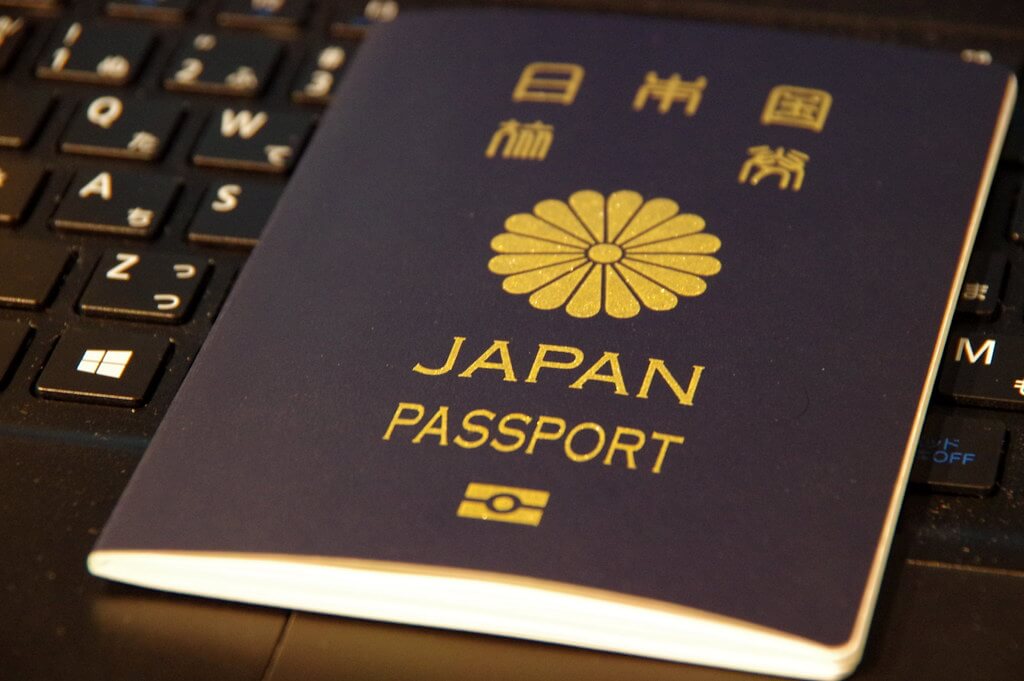
If you’re leaving your country to travel to Japan, a valid passport is essential. The cost of getting or renewing a passport varies according to country, for instance:
United States: $145 (new adult passport), $115 (renewal)
Canada: CAD $120 (new adult passport)
United Kingdom: £75.50 (standard adult passport)
Australia: AUD $308 (standard adult passport)
India: ₹1,500 (normal adult passport)
Remember to allow time to apply well before your trip to avoid potentially costly express fees.
9. Insurance Fees
Travel insurance is a smart, necessary precaution when visiting a foreign country like Japan. The cost of travel insurance in Japan offers will depend on factors such as:
Basic coverage: Expect a price point of around $50 for a two-week trip.
Comprehensive coverage: Can reach around $200 or more, for advanced medical, liability, and support coverage
Picking the right insurance and level of coverage you need will allow you to travel with confidence.
10. Other Miscellaneous Expenses
And on top of the above costs, there’s a few smaller, miscellaneous ones you’ll need to keep in mind:
Luggage Storage: Coin-operated lockers, depending on the size of your luggage, typically cost $2 - $5; luggage storage facilities typically cost about $4 – $10.
Coin-operated Laundry Services: Washing machines cost $2 - Washers are $4 per load and dryers are around $0.7 per 10 minutes.
Cost of Car Rentals: Car rentals cost $35-100 USD per day depending on the vehicle.
Visitors to Japan must have an International Driving Permit (IDP) in order to drive, and this needs to be issued in your home country before you get to Japan.
By law in Japan, children under the age of 6 are required to use a child safety seat, which will set you back around $3-7 USD per day.
Factors Affecting Travel Costs in Japan
1. Time of Year
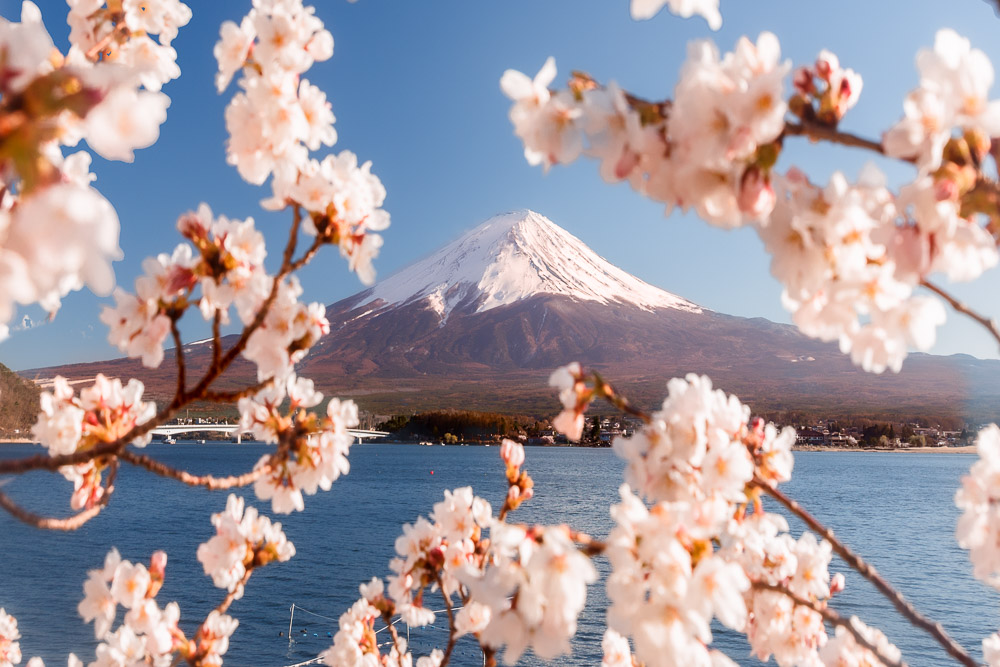
When you visit Japan can affect how much you spend. If you visit during peak tourism times — during cherry blossom season in the spring and the autumn leaves tour — prices go up for everything from flights and accommodations to even local tours.
On the flip side, time when tourists aren't flocking to the country (like during the winter or late summer) offer more affordable pricing.
2. Length of Stay
The length of time for your trip will have a large impact on your expenses. The longer you travel, the more you will spend on meals, transportation, and lodging. However, some longer duration travel passes, like rail passes, may offer discounts on transportation.
3. Destination Within Japan
There are many places to visit in Japan, each with their own cost. Big cities like Tokyo and Osaka are more expensive for accommodation and food.
However, if you choose a smaller city, or a rural location such as Hokkaido or Kyushu, you will save money. Additionally, if you travel away from tourist hotspots, you will again save money.

4. Currency Exchange Rates
You should also consider the exchange rate between your home currency and the Japanese yen when budgeting for your trip.
A favorable exchange rate can make your trip cheaper, while an unfavorable one can make it pricier. Monitoring the exchange rate leading up to your trip and while you're there can help you prepare your budget ahead of time.
5. Special Events or Festivals
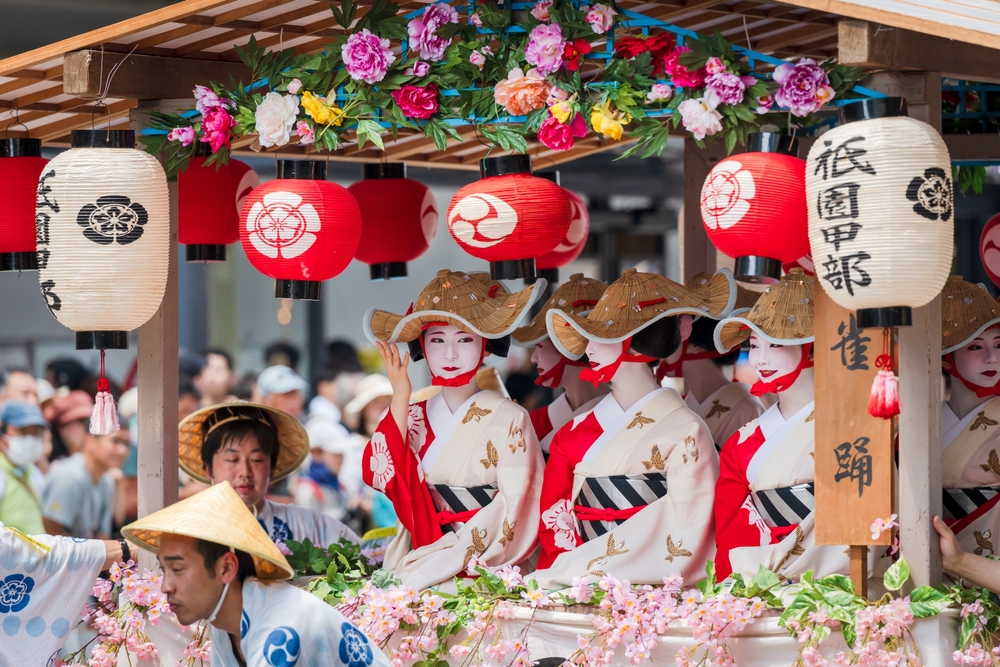
Japan is a country of many festivals, from Kyoto’s Gion Matsuri to Sendai’s Tanabata festival. Festivals are a wonderful experience, but they can also mean more expensive hotels, flights, and food options.
If you plan to travel during a popular festival period in Japan, be prepared for higher prices, and book early.
Money-Saving Tips for Traveling in Japan
Japan is commonly thought of as an expensive destination. But there are more than a few ways to keep costs down while you’re there:
Avoid peak season: Don’t travel during the cherry blossom season or Golden Week if you can avoid it to save on flights and accommodation.
Take public transport: If you plan on doing a lot of travel, the Japan Rail Pass can save you money, while local buses can be an affordable way to get about in cities.
Stay cheap: Capsule hotels, hostels, and guesthouses can help rein in costs.
Enjoy free sights: Many temples, shrines, parks, and even hikes are free or very low cost.
Eat local: Convenience stores, local izakayas, and food court dining can offer great meals for a fraction of the cost of a restaurant.
Look for Discount Passes: Many cities have attraction passes that provide a discount on entry to multiple attractions. For example, the Osaka Amazing Pass provides free entrances to attractions and transportation.
Travel with a Group: Traveling with a group of friends or family can help you split costs for lodging, transportation, and entertainment. Many tour and ticket packages also offer group rates.
FAQ
1. Is tipping common in Japan?
No, it’s not customary to tip in Japan. Service fees are usually included in the price of food and services. In fact, in some cases, tipping may be considered offensive.
2. What are the visa requirements for Japan?
For most tourists from the U.S., U.K., Canada, and EU member states, you can stay for up to 90 days without a visa. For most travelers from the United States, the United Kingdom, Canada, and EU countries, no visa is required to stay in Japan for up to 90 days. But if you are traveling from the United States, you need to pay for a US passport if you do not already have one.
3. Is travel insurance necessary for Japan?
Travelers are not required to purchase travel insurance, but it is highly recommended. It usually costs between $30-$100 and covers emergencies, cancellations, and more.
4. Where can I get an official breakdown of costs for traveling Japan?
For some detailed statistics on Japan’s official tourism expenditure, check out: https://statistics.jnto.go.jp/en/graph/#graph--inbound--consumption--transition
Summary
A trip to Japan is a journey like no other – but it’s also one that can stretch the wallet.
From the bustling streets of Tokyo to the serene gardens of Kyoto, knowing where you might have to splash your cash can help you better manage your budget.
Make savings by traveling in the off-season, using public transport, and taking advantage of the low cost (or no cost) sights dotted all over Japan.