
Japan is an archipelago with island experiences ranging from volcanic hiking near Tokyo to contemporary art in the Seto Inland Sea and subtropical beaches in Okinawa.
This guide compares 15 distinctive islands by region, access, season, and travel style so you can build a route that fits your available time.
Keep ferry updates and offline backups handy. An iRoamly travel eSIM can support route and weather checks where cellular service is available, but save time-critical tickets before each transfer.
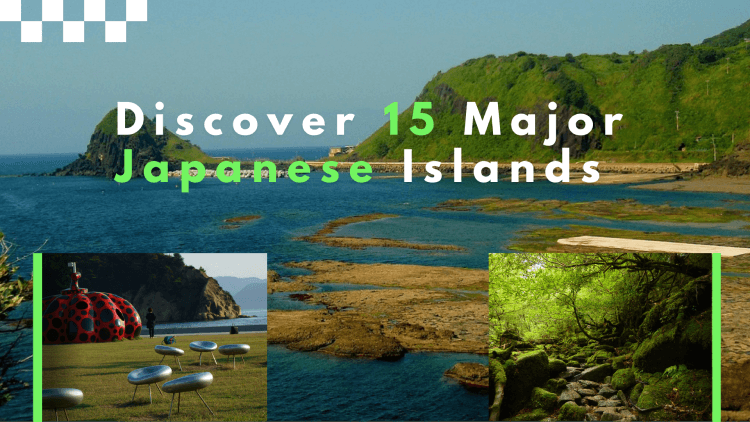
Islands Near Tokyo
1. Oshima:
The largest of the Izu Islands, Oshima is a hiker’s dream with rugged volcanic scenery and verdant flora. The black-sand beaches lend a stark beauty to the island, making it a peaceful escape from Tokyo for nature lovers.
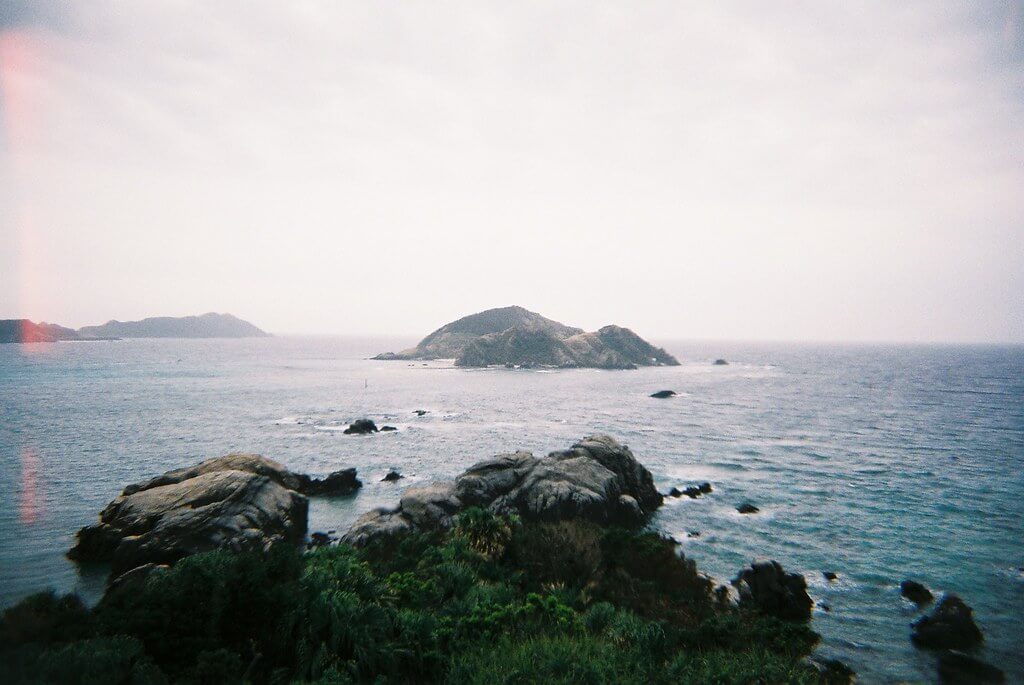
Tip: The island’s camellia festival in February bathes Oshima in shades of pink and red.
How to Get There: Regular ferries travel to Oshima from Tokyo's Takeshiba Pier, taking just over an hour.
2. Niijima:
With its white sandy beaches and great waves for surfing, Niijima is the island for adventurers. The island also features outdoor hot springs overlooking the ocean – perfect for a relaxing soak after a day of surfing or hiking.
How to Get There: A jet ferry runs from Tokyo to Niijima, for a day trip or weekend break.
Niijima is a year-round destination for surfers and sunbathers, with even more cultural activities available in Japan in summer.
3. Miyakejima:
While the island is famous for its active volcano, the forests and surrounding waters are a hotspot for birdwatching and diving. Explorers can hike into the wilderness, while those opting for relaxation can soak in the island’s numerous hot springs.
Tip: In autumn, migratory birds pass through Miyakejima.
How to Get There: Ferries to Miyakejima from Tokyo offer a memorable Pacific crossing.
Eastern Japan
4. Sado Island:
Rich in culture and history—from traditional performing arts to the legacy of its gold mines—Sado Island offers a layered view of Japan's past. Terraced paddies, rocky cliffs, and preserved communities give the island equal appeal for cultural travel and landscape photography.
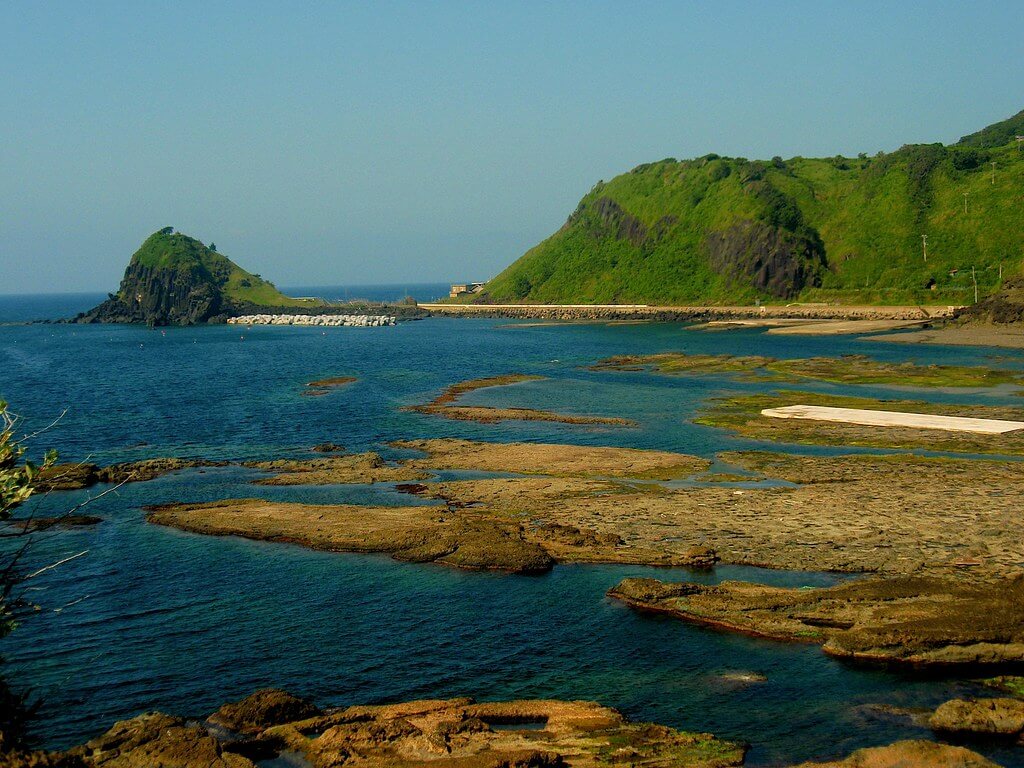
Tip: Earth Celebration in August features international music and cultural experiences.
How to Get There: Catch a ferry to Sado Island from Niigata for a culture-focused getaway.
5. Aogashima:
This island within an island – a double caldera volcano – is as remote as it is breathtaking. It's an otherworldly taste of geological Japan, ideal for total disconnection from the real world as you get to grips with nature.
How to Get There: A helicopter ride is the fastest way to reach Aogashima, or a scenic boat trip from Hachijojima.
A visit to Aogashima is ideal for hikers and nature lovers who want to see the volcanic fumaroles.
6. Hachijojima:
Another tropical escape, Hachijojima has the added benefit of hot springs, verdant jungle, and crystal-clear waters. Scuba divers and snorkelers are particularly spoiled here, with a rainbow of marine life to seek out beneath the waves.
On land, the friendly locals and laid-back atmosphere are a selling point for anyone looking to unwind or experience a local side of Japan. Flights to Hachijojima depart from Tokyo; a guide to major Japanese airports can help coordinate the island leg with a wider route.
Tip: The water clarity is best in Hachijojima for scuba diving between April and October.
How to Get There: Daily flights and ferries run from Tokyo.
Seto Inland Sea
7. Naoshima:
An island dedicated to its art, Naoshima is a haven for creative types. Here, art installations and architecture coexist with the natural world, creating an enriching and immersive experience.
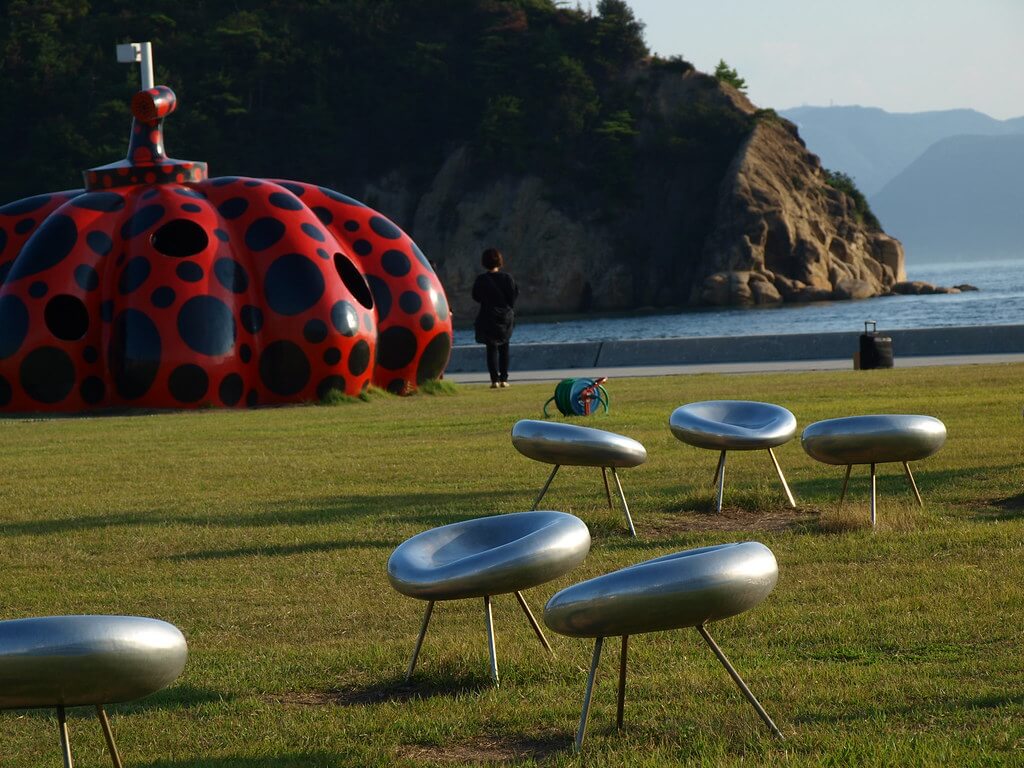
Tip: Rent a bicycle to make the most of galleries and artworks across the island.
How to Get There: Hop on a ferry from Okayama, for an idyllic voyage to the island.
8. Miyajima:
Famously home to the Itsukushima Shrine and its "floating" torii gate, Miyajima strikes a balance between historical reverence and breath-taking landscapes. Tranquil forests and traditional structures transport visitors to another era.
How to Get There: A short ferry ride from Hiroshima city, Miyajima offers history and nature in one.
Come in autumn, when the foliage is spectacular and perfect for photos.
9. Shodoshima:
Known for centuries of soy sauce production and numerous olive groves, Shodoshima blends culinary traditions with coastal scenery. Its warm climate supports olive cultivation, and visitors can sample oils, soy sauce, and other island products.
Tip: The Olive Harvest Festival in October is a treat for foodies.
How to Get There: Ferries sail from Okayama or Kobe to this quaint and beautiful island.
Surrounding Kyushu
10. Yakushima:
Yakushima’s ancient cedar forests include trees more than 1,000 years old, while estimates for the famous Jomon Sugi vary from roughly 2,170 to 7,200 years. Hiking and nature are the main draws, with mist-shrouded forests and powerful waterfalls across this UNESCO World Heritage island.
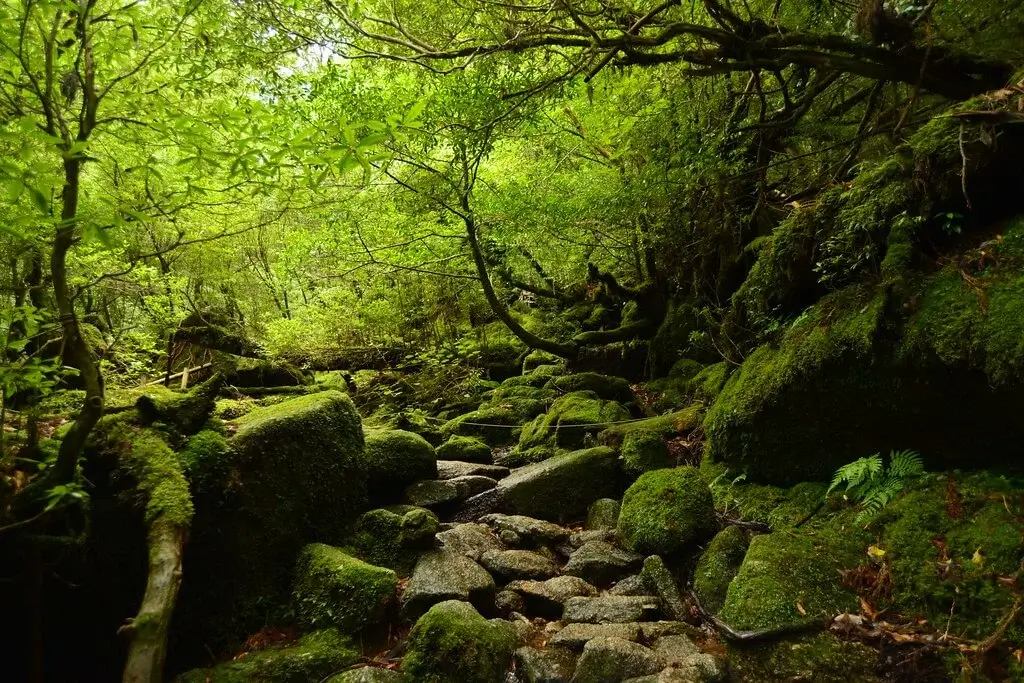
Tip: The island is at its best when the rhododendrons are in bloom in spring.
How to Get There: Reach Yakushima by air or ferry from Kagoshima, a destination suited for those seeking unadulterated natural beauty.
11. Goto Islands:
The historically significant Goto Islands were a refuge for Christians during centuries of persecution, leading to the construction of hidden churches that can still be visited today. The islands are remote, with dramatic coastal views.
How to Get There: Ferries from Nagasaki afford passage through historically dramatic seas.
In winter, the Islands host camellia flowers, which adds wonderful color to the views.
12. Amami Oshima:
With rainforests, unusual wildlife, and a flourishing cultural scene, Amami Oshima offers everything from mangrove kayaking trips to lessons in traditional Oshima Tsumugi silk making.
Tip: Summer's Amami Festival is a great introduction to the local music and dance culture.
How to Get There: Flights from Tokyo make for a suitably distant getaway.
Okinawa
If beaches and snorkeling are the priority, compare island access, swimming seasons, facilities, and sea conditions with a broader guide to Japan’s coastal options before committing every night to Okinawa.
Decision | Check |
|---|---|
Base island | Flights, ferries, and facilities |
Water time | Season and sea conditions |
Island split | Transfer buffer and luggage |
13. Okinawa Island:
Capital of the Ryukyu islands, Okinawa Island is a world unto itself, with its own languages, cuisine, and arts separate from the Japanese mainland. Naha, the main city, offers markets and Shuri Castle, while the cultural heritage villages provide a taste of life through the centuries.
Tip: Visit in January for the unlikely beauty of the Cherry Blossom Festival.
How to Get There: Flights from major Japanese cities arrive here, making Okinawa Island the transport hub for remote islands.
Ishigaki and Cross-Country Island Planning
14. Ishigaki:
Island trips can look similar on the surface, but the actual logistics often vary greatly. Ishigaki Island works well as part of a Japan itinerary, allowing travelers to explore Okinawa’s different islands without leaving the country.
For a similar island travel experience, Indonesian Islands offer a very different approach. Unlike Ishigaki Island in Japan, exploring Indonesia’s islands often involves international travel requirements and more complex connections between destinations.
These differences can affect the time travelers need for transportation, preparation, and activities such as diving or beach exploration.
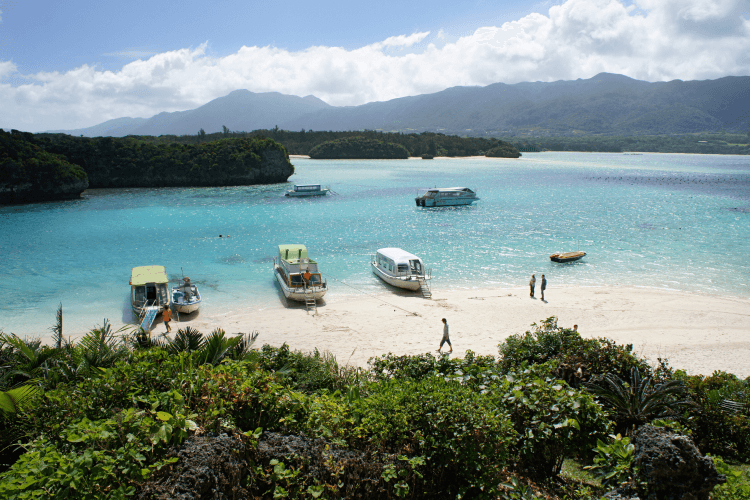
Tip: Visibility for diving is at its best from April to September.
How to Get There: Flights connect Ishigaki directly with Naha and other Japanese cities.
15. Miyako Island:
Known for powdery white-sand beaches, Miyako Island offers a classic subtropical landscape. Local cultural events add variety beyond beach and water activities.
How to Get There: Flights connect Miyako Island directly with Naha and other Japanese cities.
The island's harvest festival in autumn is a great time to visit, offering cultural experiences and celebrations.
These fifteen islands reward slower travel. Choose fewer stops, leave room for weather delays, and spend enough time in each place to understand its landscape, food, and local transport rhythm.
How to Plan a Japan Island-Hopping Route
Group islands by gateway instead of connecting distant regions in one short trip. Tokyo serves the Izu chain, Okayama and Takamatsu serve much of the Seto Inland Sea, Kagoshima connects Yakushima and Amami routes, and Naha or Ishigaki anchors Okinawa travel. Use the seasonal pattern across Japan to choose the region first, then confirm the local ferry and flight schedule.
Leave the final night near the gateway when the next transport connection is difficult to replace.
Gateway | Route focus |
|---|---|
Tokyo | Izu Islands |
Okayama or Takamatsu | Seto Inland Sea |
Kagoshima | Yakushima and Amami routes |
Naha or Ishigaki | Okinawa islands |
Weather Across the Japanese Archipelago
The official Japan weather overview explains why conditions vary sharply from Hokkaido to subtropical Okinawa. Recheck typhoon, sea, and flight updates before every transfer.
Weather changes the transport plan as much as the activity plan, so keep a flexible night or alternate route when possible.
Condition | Planning response |
|---|---|
Strong wind or rough sea | Recheck ferries |
Typhoon risk | Protect transfer buffers |
Regional temperature shift | Pack for the island chain |
Tokyo-Area Island Transport
For islands administered by Tokyo, the official Tokyo transport guide provides a current starting point for ship and flight planning from the Kanto region.
Trip length | Practical focus | Buffer |
|---|---|---|
2–3 days | One island near a single gateway | Keep the final evening flexible |
4–6 days | Two or three islands in one region | Allow one weather-adjustment window |
7+ days | One island chain plus a mainland stop | Avoid same-day ferry-to-international-flight connections |
Mobile Connectivity Between Islands
Mobile data can support maps, reservations, and weather checks where cellular coverage is available. Download ferry tickets, accommodation details, and emergency contacts before leaving each gateway.
Use a layered access plan because coverage can weaken offshore or in remote terrain.
Need | Online | Offline backup |
|---|---|---|
Transport | Live schedule | Saved ticket |
Accommodation | Booking message | Address and phone |
Emergency | Current contacts | Written key numbers |
Choosing a Japan eSIM for the Route
A Japan eSIM is one digital SIM option for travel apps and online services between island stops. Check device compatibility and plan coverage before departure, and do not rely on connectivity for time-critical ferry or flight documents.
Plan factor | Island-route question |
|---|---|
Duration | Does it cover every travel day? |
Data | Will maps and uploads fit? |
Hotspot | Will more than one device connect? |
FAQ
1. Which are the four main islands of Japan?
Honshu, Hokkaido, Kyushu, and Shikoku are Japan’s four main islands.
2. How many islands make up Japan?
Modern digital mapping identifies more than 14,000 islands, although counts vary with the measurement method and the definition of an island.
3. Are Hiroshima and Kyoto on the same island?
Yes. Both Hiroshima and Kyoto are on Honshu.
4. Do visa rules differ between Japanese islands?
National entry rules apply across Japan, but some remote or protected areas may have local access, permit, or transport requirements.
5. What should I pack for island hopping?
Bring walking shoes, a light waterproof layer, sun protection, motion-sickness supplies if needed, and enough essentials for possible ferry delays.
Conclusion
Japan’s islands reward regional planning: choose one gateway, match the island to your interests, and leave time for weather-sensitive transfers.
Art, volcanic landscapes, beaches, forests, and local food all become more enjoyable when the route is paced around real ferry and flight schedules.
Confirm the latest transport notices before each leg and keep a backup night near your departure airport or port when a missed connection would affect an international flight.