
What to wear in Japan depends on the season, region, altitude, and activities in your itinerary—not on a single nationwide packing list.
This guide gives practical spring, summer, autumn, and winter layers, plus footwear and etiquette tips for temples, restaurants, cities, and outdoor days.
Check the local forecast for each stop, then use an iRoamly travel eSIM for updated conditions where coverage is available. Keep one adjustable layer in your day bag as temperatures change between regions and indoor spaces.
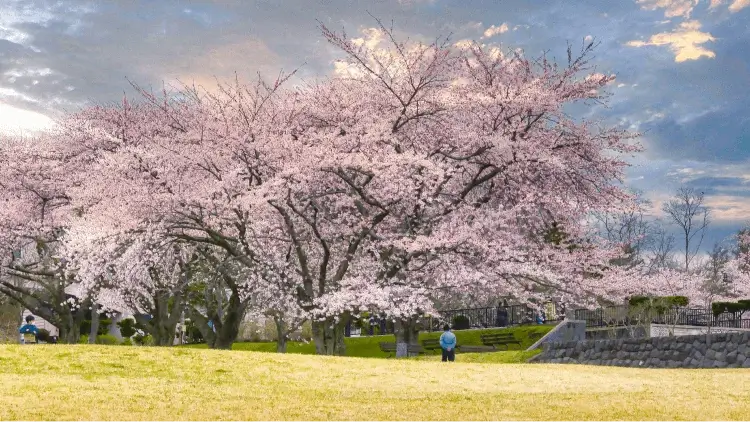
Spring (March to May)
|
Layer |
Spring purpose |
|---|---|
|
Base |
Breathable top for warmer afternoons |
|
Mid-layer |
Cardigan or light sweater for mornings and evenings |
|
Outer layer |
Light rain-resistant jacket |
Climate: Spring conditions vary by month and region: southern cities warm earlier, while northern areas and higher elevations can remain cold. Plan for cool mornings, milder afternoons, and occasional rain rather than relying on one national temperature range.
What to wear, daily: Layering is key for Tokyo spring. A base layer need only be a cotton tee. After that, a long-sleeve shirt can be added for warmth, then a light, waterproof jacket to keep the odd spring shower off.
Comfortable, fashionable sneakers are ideal for days walking through the city or parks.
What to wear, events: Cherry-blossom viewing does not require special clothing. Wear layers that remain comfortable while sitting outdoors, and choose a reputable rental service if you specifically want a properly fitted kimono experience.
Summer (June to August)
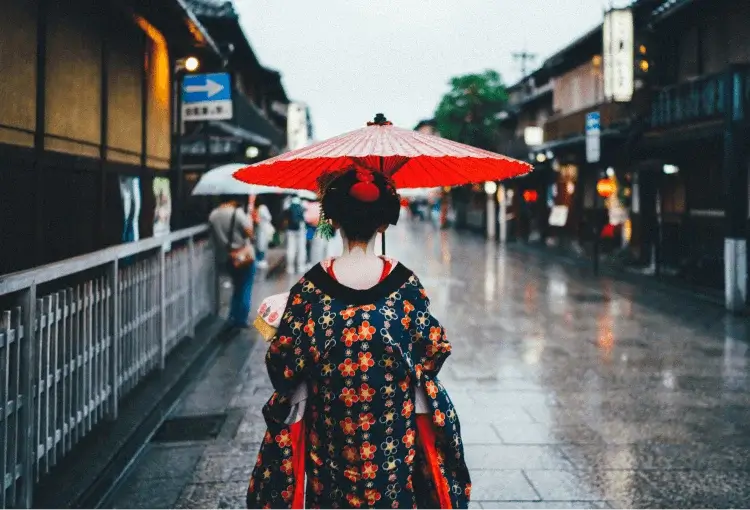
Climate: Japan’s summertime is hot and humid in many cities, with temperatures often above 30°C and periodic rainy days.
What to wear, daily: Choose breathable, quick-drying shirts, loose trousers or skirts, and underlayers that remain comfortable in humidity. A light overshirt can help in strongly air-conditioned trains, shops, and restaurants.
Light, flowing clothing is ideal, and don’t forget a broad-brimmed hat and UV-protecting sunglasses to shield yourself from the sun. An easily carried raincoat or compact umbrella can also be a lifesaver in the event of a sudden downpour.
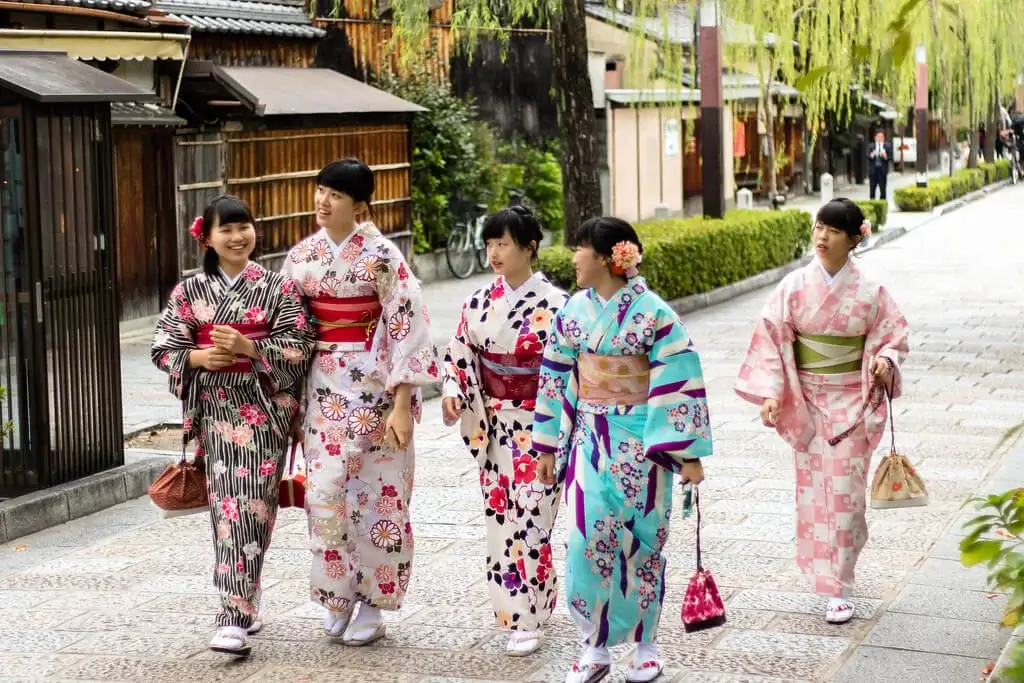
What to wear, events: Summer festivals are the main opportunity to wear yukata, colorful, lightweight kimonos that are perfect for the season. Wooden clogs called geta are the traditional footwear to pair them with.
Autumn (September to November)
Climate: Autumn usually shifts from lingering warmth to cooler, drier conditions, but timing varies by latitude and elevation. Pack layers that can handle a warm afternoon, a cool evening, and occasional rain.
What to wear, daily: Layers are a good idea, with temperatures varying. A soft, long-sleeved shirt, warm sweater, and windproof jacket is a safe bet. Comfortable boots or shoes are also ideal for days spent travelling around.
What to wear, events: For autumn festivals, prioritize comfortable layers and shoes suited to standing and walking. A kimono is optional, not an expectation; use a professional rental and dressing service if wearing one is part of the planned experience.
Winter (December to February)
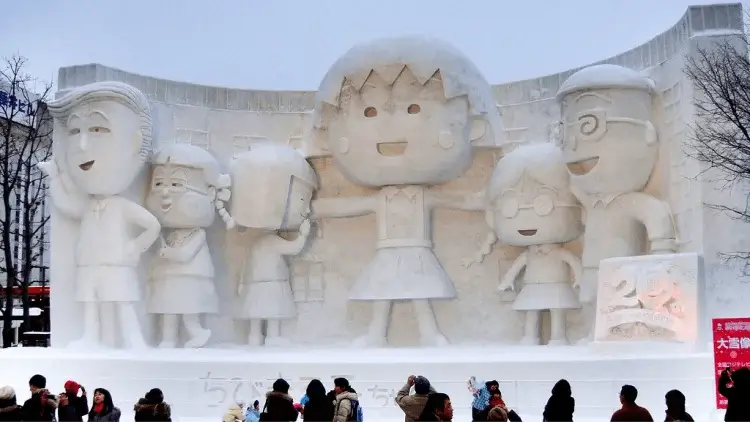
Climate: Winter conditions across Japan range from heavy snow and persistent freezing temperatures in northern or mountain areas to cool, drier conditions in many southern cities. Wind, snow cover, and indoor heating matter as much as the daytime high.
What to wear, daily: Layering is key to stave off the chill, yet be able to regulate your temperature if you go inside. Start with thermal underwear, add fleece or wool layers, and finish with an insulated coat. Waterproof boots with insulation are vital for walking through snow or ice.
What to wear, events: Outdoor winter festivals call for an insulated coat, warm hat, gloves, and footwear with suitable grip. For a formal indoor event, confirm the venue’s dress expectations and plan an outer layer that can be removed.
What Not to Wear in Japan
Venue-appropriate clothing: Most sightseeing areas have no special dress code, but temples, shrines, fine-dining rooms, and formal events may call for tidy, modest clothing. Follow posted instructions and avoid beachwear in sacred or formal spaces.
Easy-off footwear: Some homes, traditional accommodation, fitting rooms, and dining spaces require shoes to be removed. Pack clean socks and footwear that is easy to take off without sacrificing walking comfort.
Outfits for trip length: Build a small set of interchangeable layers and plan to repeat pieces. Access to laundry, trip duration, and the range of activities matter more than assigning multiple complete outfits to every day.
Daily Plans: Consider your activities – if you’re seeing the sights in the city, layers that can be added or removed work well. Hiking or trips to rural areas demand sturdier, weather-appropriate clothing.
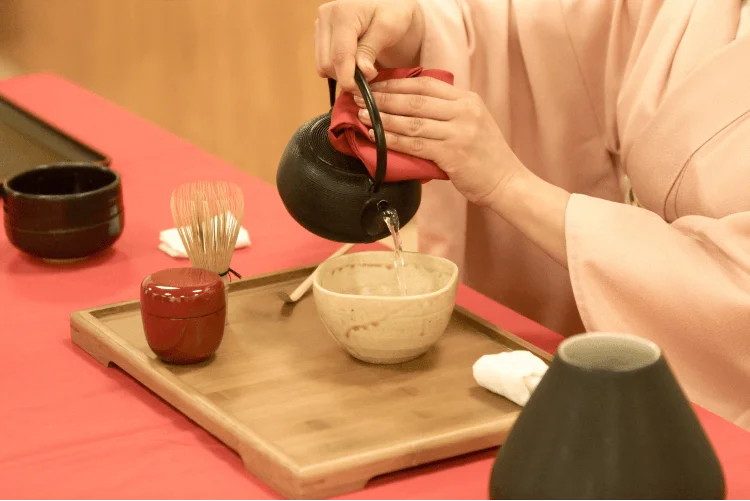
Special occasions: High-end restaurants, formal performances, and hosted cultural experiences may have venue-specific expectations. Neat, presentable clothing is a safe starting point, but confirm the dress code when one is published.
Leave Room for Purchases
Leave some luggage space for planned purchases in Japan, or carry a compact foldable bag. This is usually more practical than packing extra outfits for every possible occasion.
Packing choice | Practical effect |
|---|---|
Repeatable layers | More outfit combinations with fewer pieces |
Foldable bag | Extra capacity only when needed |
Reserved luggage space | Less repacking after purchases |
Comparing Humid Summer Packing
Japan’s main-island summer and Indonesia’s tropical weather can both demand breathable clothing and rain protection, but the timing, rainfall pattern, indoor cooling, and local itinerary are different.
|
Decision |
Japan summer |
Comparison |
|---|---|---|
|
Core fabric |
Breathable, quick-drying layers |
Adjust for Indonesia’s tropical climate |
|
Rain plan |
Umbrella or light shell |
Match protection to local rainfall and activities |
|
Indoor layer |
Light overshirt for strong air conditioning |
Carry only what the day requires |
Pack for Region, Altitude, and Activity
Hokkaido, Tokyo, the Japanese Alps, and Okinawa can feel like different destinations on the same date. Check the city and elevation on your actual route instead of packing from a national monthly average.
Outdoor conditions can change quickly by region and elevation. Pack layers and waterproof clothing, plus warm protection for high mountains even in summer.
Route setting | Add to the base wardrobe |
|---|---|
Hokkaido or snow country | Stronger insulation and weather-ready footwear |
Tokyo or Osaka city days | Walkable shoes and flexible layers |
Japanese Alps | Waterproof shell and altitude-appropriate warmth |
Okinawa | Sun protection and breathable rain-ready pieces |
Check the Local Forecast
Use the Japan Meteorological Agency forecast shortly before packing and again each morning because regional conditions can change faster than a seasonal average suggests.
|
Itinerary |
Add to the core wardrobe |
Common mistake |
|---|---|---|
|
City walking |
Cushioned, easy-off shoes and light layers |
New or rigid footwear |
|
Temple or ryokan |
Neat, modest pieces and clean socks |
Difficult shoes or beachwear |
|
Mountains |
Waterproof shell, warm layer, suitable tread |
Using city temperatures at altitude |
|
Okinawa or beaches |
Sun protection, breathable fabric, light rain layer |
Assuming every indoor space is warm |
Mobile Access for Forecasts and Travel Apps
Mobile connectivity can support forecasts, maps, translation tools, and booking services. Save essential reservations and a basic packing plan offline in case reception is limited.
Need | Online check | Offline fallback |
|---|---|---|
Weather | Local hourly forecast | Packable extra layer |
Route | Map and transit update | Saved destination address |
Reservation | Booking service | Downloaded confirmation |
Choosing a Japan eSIM Before Departure
A Japan eSIM is one digital SIM option for checking conditions as the itinerary moves between regions. Confirm device compatibility and plan details before travel, and keep weather-appropriate clothing in your day bag even when the forecast looks stable.
Plan detail | What to confirm |
|---|---|
Compatibility | Device supports eSIM and is unlocked |
Validity | Every travel day is covered |
Data | Forecast, map, and booking use fits the plan |
FAQ
1. Can I wear casual clothes in Japan?
Yes. Neat casual clothing works for most sightseeing, trains, cafés, and attractions.
2. What shoes should I pack?
Bring comfortable walking shoes that are easy to remove, plus activity-specific footwear if you will hike or encounter snow.
3. How should I dress for temples and shrines?
Choose tidy, modest clothing and avoid beachwear; some sacred or formal settings may have their own instructions.
4. Do I need rain protection?
A compact umbrella or lightweight waterproof shell is useful in most seasons, especially during the rainy and typhoon periods.
5. What should I wear in winter?
Use warm layers, a coat, and weather-appropriate shoes, adding stronger insulation and traction for Hokkaido, mountain, or heavy-snow regions.
Conclusion
A flexible capsule wardrobe works best in Japan: comfortable shoes, repeatable layers, and one weatherproof outer layer cover most trips.
Adjust insulation and rain protection for the exact region, elevation, and activity rather than relying on Tokyo temperatures alone.
Check the local forecast each morning and keep one layer in your day bag so you can respond to changing temperatures, rain, or strong indoor air conditioning.