
Winter gives Japan a different atmosphere, from snow-covered towns to lively cities and milder southern islands. The experience changes with the region, giving you plenty of ways to enjoy the season.
This guide will help you decide when to visit, where to go, and what to experience, with practical advice for a comfortable winter trip.
As you explore, an iRoamly eSIM can help you check local forecasts, find your way, and keep up with transport changes.
When to Visit Japan in Winter
Winter in Japan generally runs from December through February, although snow seasons in northern and mountain areas can continue into spring. Start by comparing the months, then check the temperatures in the regions you plan to visit.
Choosing Your Winter Travel Month
Each winter month offers a different balance of sightseeing, snow conditions, and seasonal events.
Month | Seasonal Conditions | Good For | Planning Considerations |
|---|---|---|---|
December | Winter develops gradually; snow conditions vary considerably in the early weeks | City sightseeing and year-end celebrations | Check early-season resort openings; late December brings holiday demand |
January | Midwinter, with colder weather and a more established snow season in northern and mountain areas | Skiing, hot springs, and snowy landscapes | New Year holidays can affect opening hours, accommodation, and transport |
February | Northern Japan remains wintry, with several major snow festivals | Snow festivals and winter activities | Book popular event dates early; Lunar New Year may increase travel demand |
January and February are generally stronger choices for a snow-focused holiday than early December. For city sightseeing, all three months can work, depending on your preferred events and tolerance for cold weather.
Winter Temperatures Across Japan’s Regions
Your destination matters as much as your travel month. In January, Sapporo’s monthly average falls below freezing, while Naha’s exceeds 17°C.
The table below compares representative cities to help you understand the conditions along your route.
Region | Representative City | December | January | February |
|---|---|---|---|---|
Hokkaido | Sapporo | −0.9°C | −3.2°C | −2.7°C |
Tohoku | Sendai | 4.5°C | 2.0°C | 2.4°C |
Kanto | Tokyo | 7.7°C | 5.4°C | 6.1°C |
Chubu | Niigata | 5.3°C | 2.5°C | 3.1°C |
Chubu | Nagano | 2.3°C | −0.4°C | 0.4°C |
Kansai | Kyoto | 7.2°C | 4.8°C | 5.4°C |
Kansai | Osaka | 8.7°C | 6.2°C | 6.6°C |
Chugoku | Hiroshima | 7.5°C | 5.4°C | 6.2°C |
Shikoku | Takamatsu | 8.1°C | 5.9°C | 6.3°C |
Kyushu | Fukuoka | 9.1°C | 6.9°C | 7.8°C |
Okinawa | Naha | 19.0°C | 17.3°C | 17.5°C |
Figures are monthly mean temperatures from Japan Meteorological Agency records for 1991–2020. They include daytime and nighttime temperatures, rather than daily highs or current forecasts.
Temperature alone does not tell you how much snow to expect. Mountain areas are generally colder than nearby cities, and Japan’s Sea of Japan coast often receives heavier snowfall than its Pacific coast.
This variety opens up different kinds of winter travel, from exploring snowy villages to enjoying city neighborhoods or the milder southern coast.
These regional differences mean that your choice of destination will shape the trip as much as your travel dates. Here are eight places to consider, each offering its own experience of winter in Japan.
Where to Go in Japan in Winter
Japan’s winter destinations offer very different experiences, from snowy towns and mountain scenery to cultural city breaks and milder islands.
Choose places that suit the atmosphere you want, then build a route that gives you time to enjoy them.
1. Sapporo and Otaru in Hokkaido
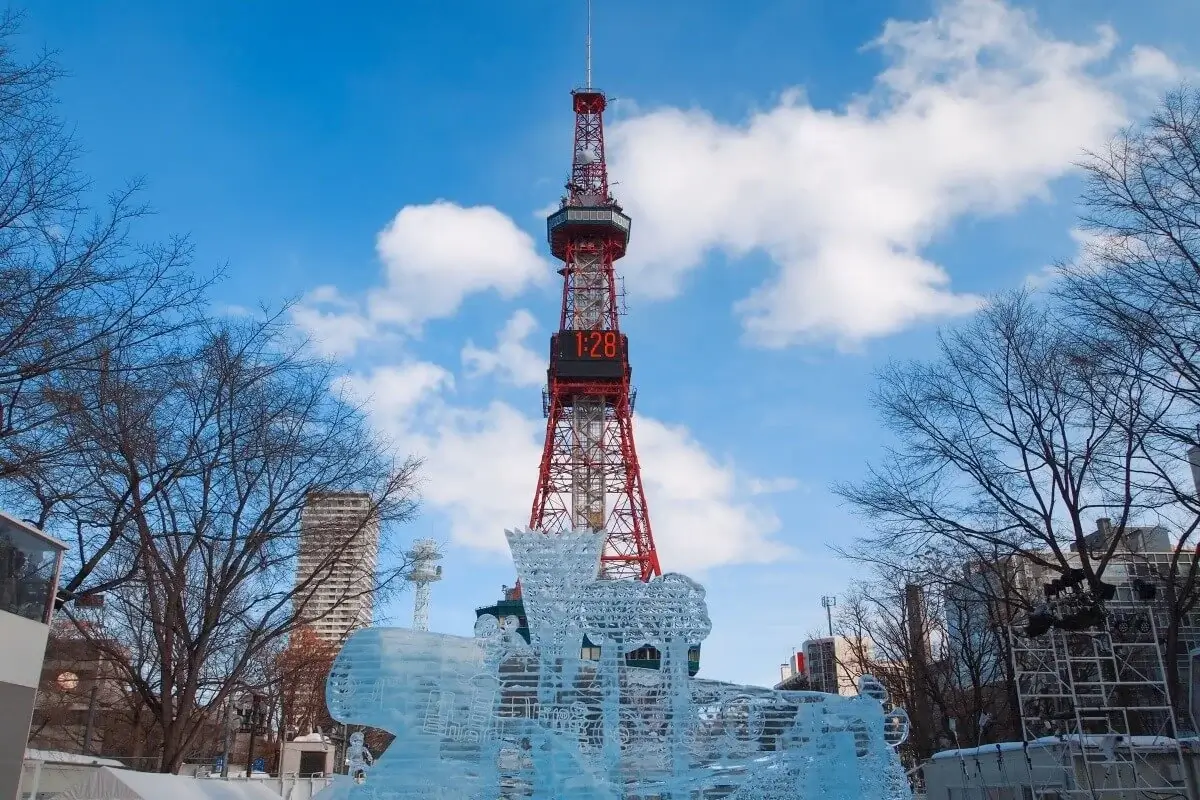
Sapporo is a good choice for travelers who want a snowy setting alongside the convenience of a major city.
Shopping, restaurants, and indoor attractions provide welcome breaks between outdoor sightseeing, while local specialties such as miso ramen make cold evenings especially appealing.
Nearby Otaru offers a smaller-scale contrast, with its canal, historic warehouses, glass shops, and seafood restaurants. Combining the two creates a varied Hokkaido stay without repeatedly moving between distant towns.
Best for: Snowy city scenery, regional food, and a first winter visit to Hokkaido.
2. Shirakawa-go in Gifu
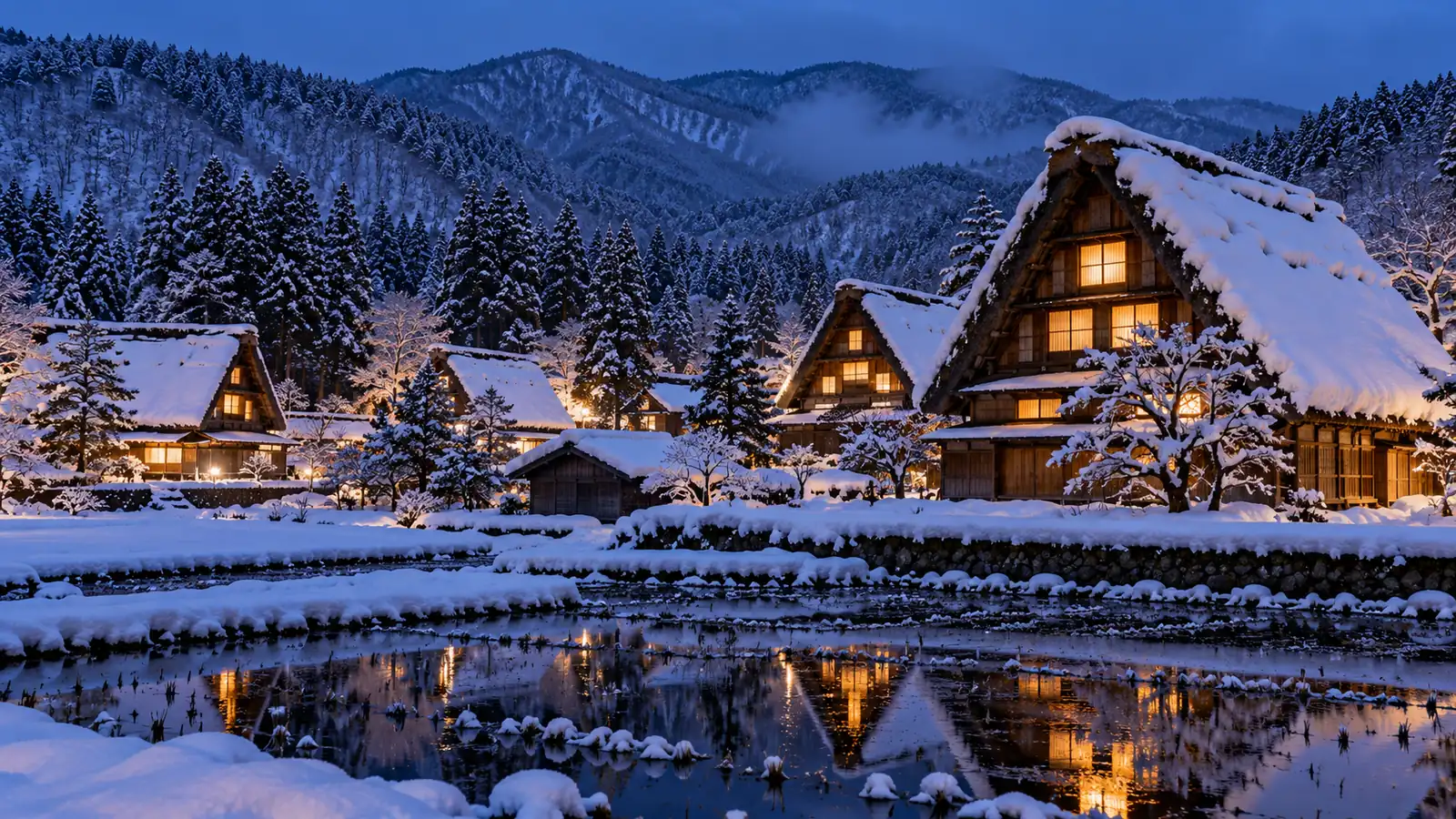
Shirakawa-go’s steep-roofed gassho-zukuri farmhouses give the village a distinctive appearance, especially beneath winter snow.
Walking through the Ogimachi district reveals traditional homes, narrow lanes, and mountain surroundings that feel far removed from Japan’s large cities.
A daytime visit allows you to appreciate the architecture without depending on a special evening event. Some buildings welcome visitors, while others remain private homes, so follow marked routes and respect residential spaces.
Best for: Traditional village scenery, architecture, and photography.
3. Nagano and Yamanouchi
Nagano provides a gateway to mountain landscapes, historic sights, and hot-spring towns.
Nagano City itself offers a cultural starting point around Zenkoji Temple, while Yamanouchi brings travelers closer to traditional inns and the forest setting of Jigokudani.
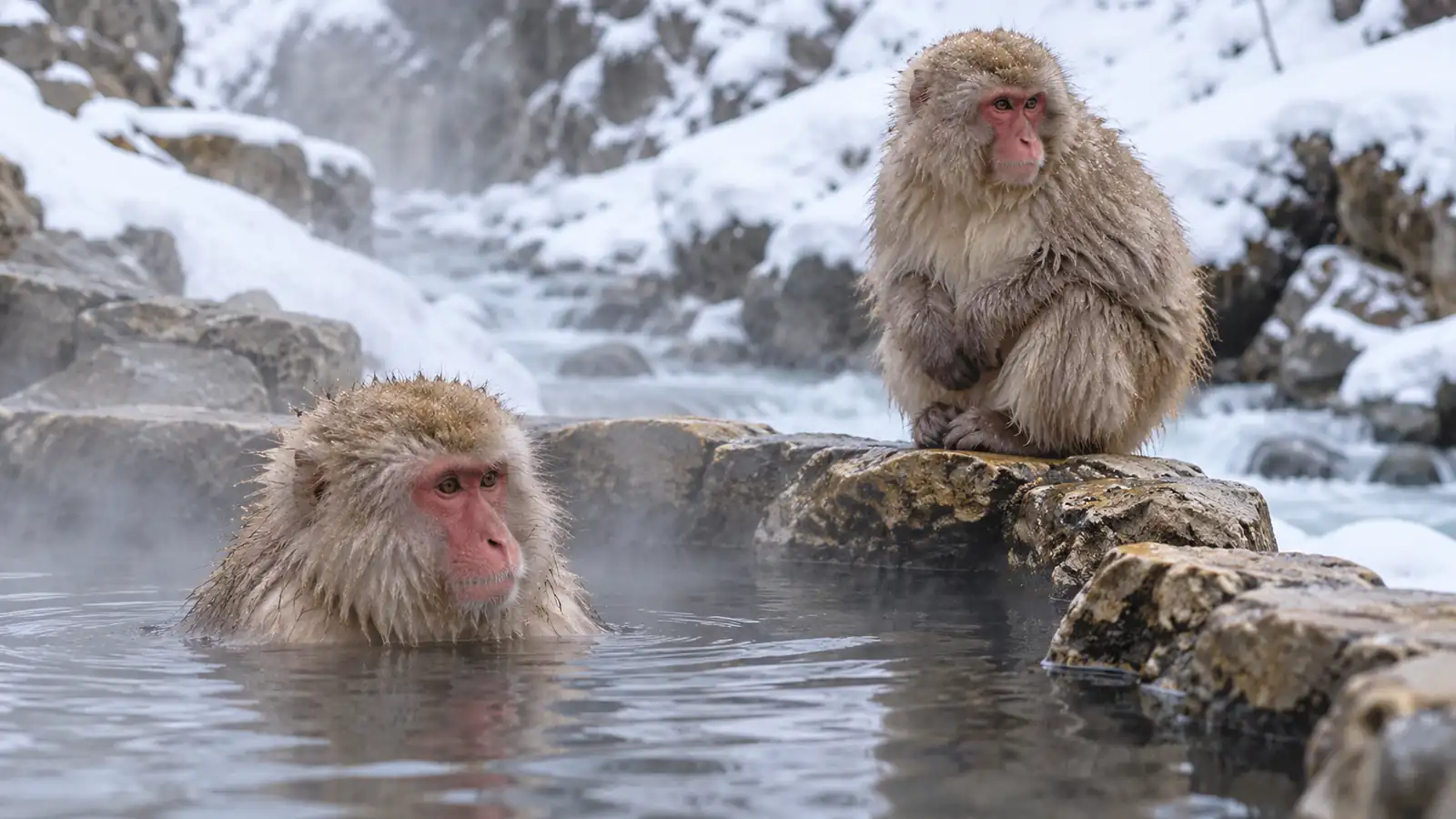
This area suits a trip that combines several aspects of winter rather than focusing on a single attraction. The snow monkeys are a recognizable highlight, but the surrounding towns and mountain atmosphere also make an overnight stay worthwhile.
Best for: A combination of culture, mountain scenery, and traditional accommodation.
4. Zao Onsen in Yamagata
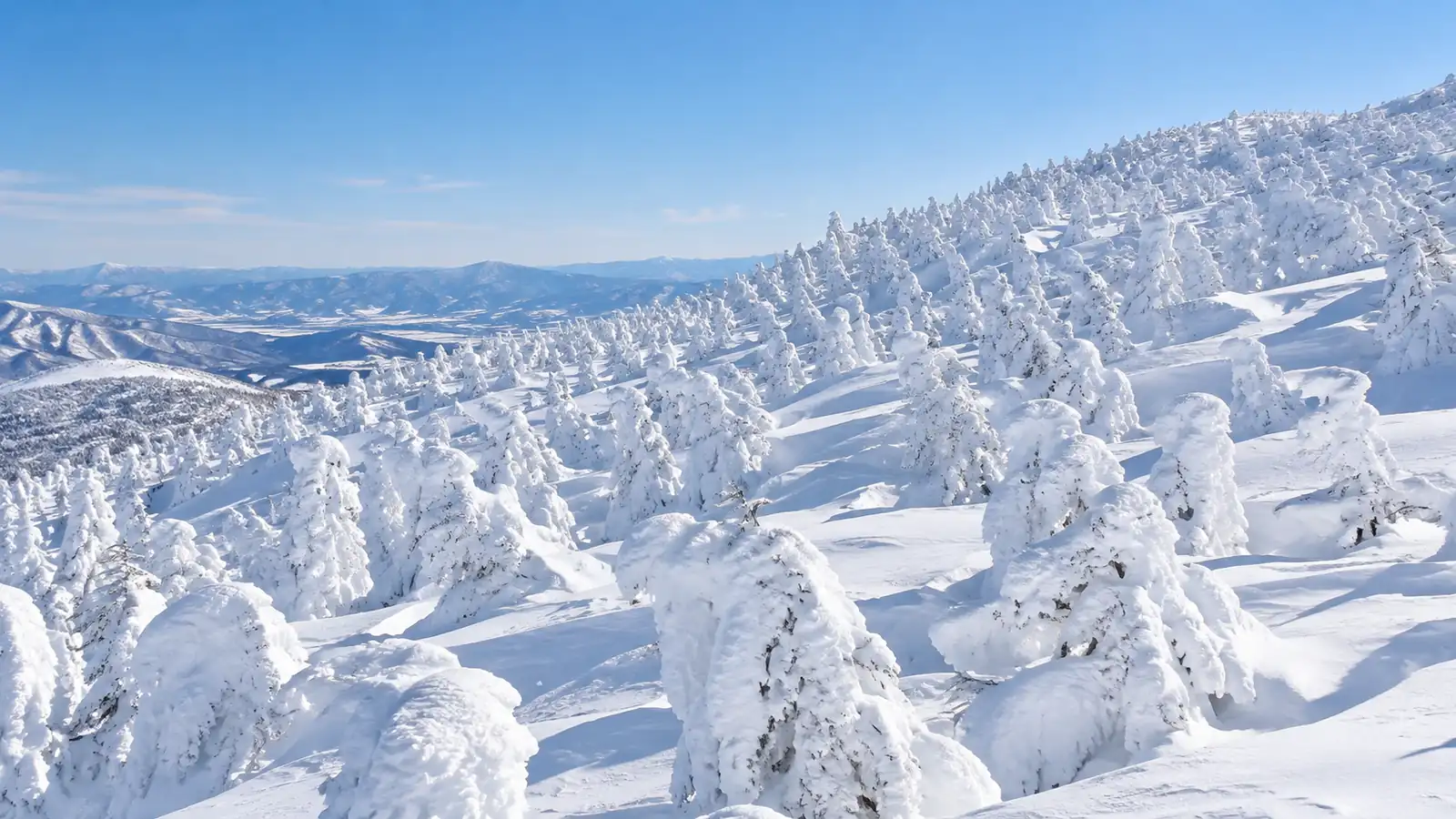
Zao Onsen is a mountain hot-spring town known for snowy slopes and the ice-covered trees called juhyo.
Its appeal comes from the combination of dramatic scenery and a compact resort setting, where a winter day can end with a warm bath and a local meal.
The town suits travelers who want to spend time in a mountain environment, including groups with both skiers and non-skiers. Staying overnight gives you more flexibility to enjoy the surroundings when weather conditions are favorable.
Best for: Mountain winter scenery and a stay in a snowy hot-spring town.
5. Lake Kawaguchi and the Fuji Area
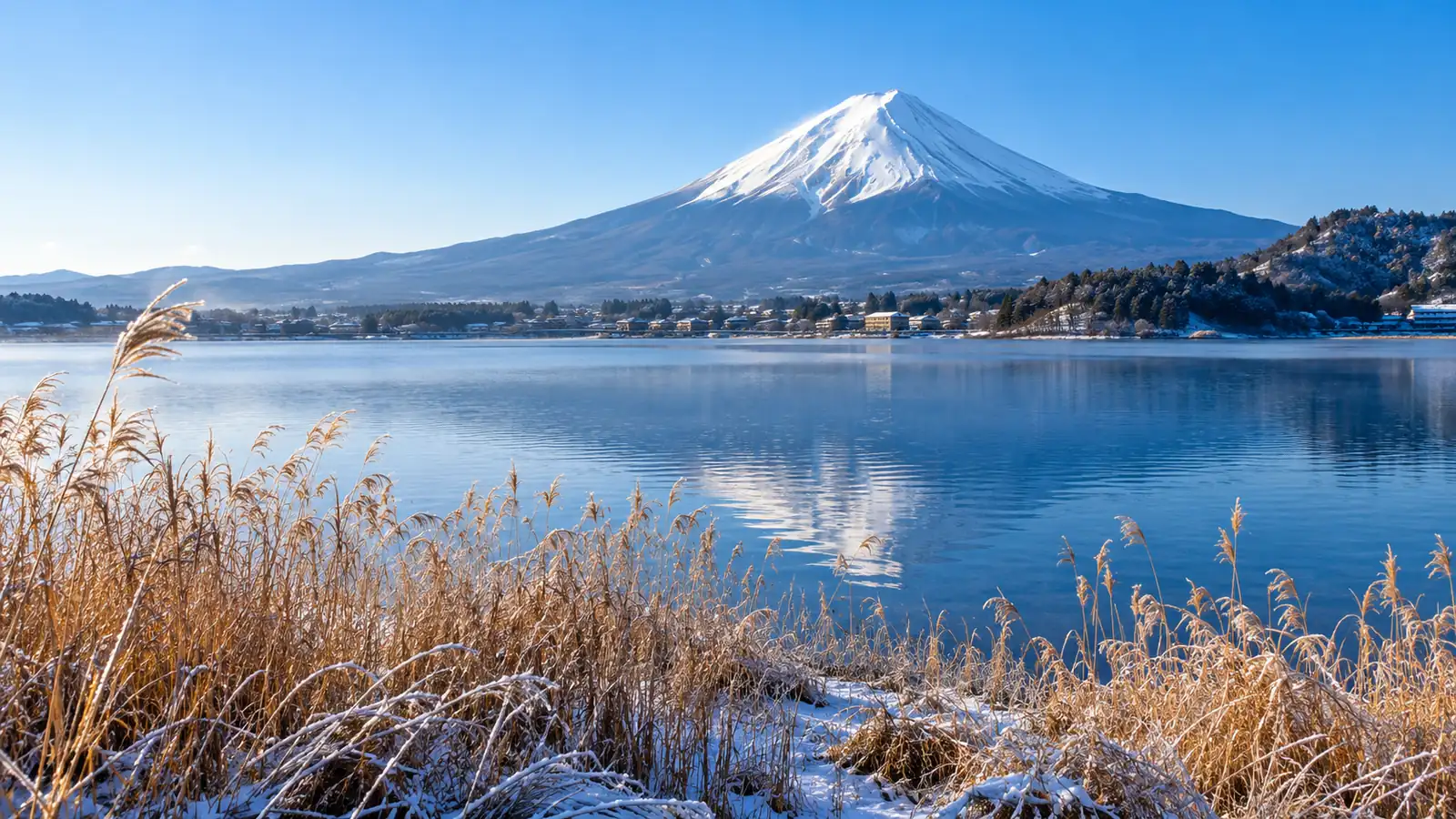
Lake Kawaguchi offers open views of Mount Fuji, lakeside walks, and accommodation where the landscape is part of the experience.
A snow-capped mountain above the water provides a different kind of winter scenery from the deep-snow destinations farther north.
This area works well as an extension to Tokyo. Staying overnight gives you time for an unhurried lakeside visit and another chance to see Fuji if clouds obscure it on arrival. Clear views are always dependent on the weather.
Best for: Mount Fuji views, photography, and a quieter break from Tokyo.
6. Kyoto’s Historic Neighborhoods
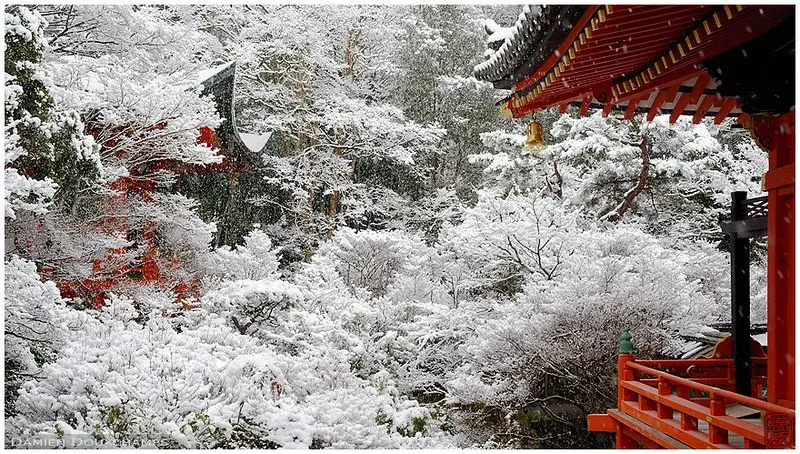
Kyoto is a rewarding winter destination for travelers more interested in temples, gardens, and traditional streets than snow sports.
The season encourages a slower rhythm, with outdoor sightseeing broken up by tea, meals, and museum visits.
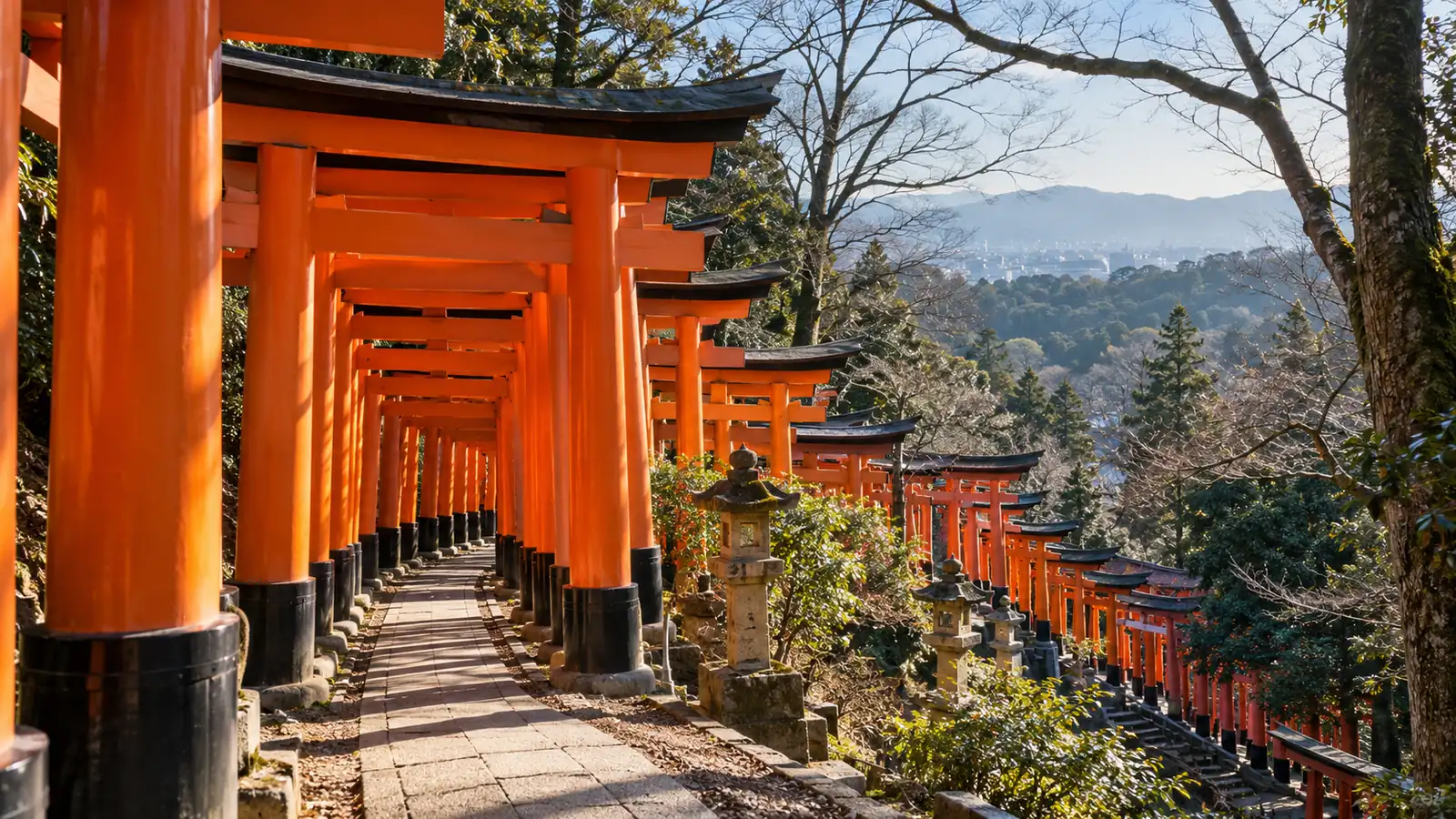
Explore one part of the city at a time: southern Kyoto around Fushimi Inari, western Kyoto around Arashiyama, or the historic streets of Higashiyama. Snow can transform these settings, but Kyoto remains worth visiting without it.
Best for: Cultural sightseeing, historic architecture, and traditional gardens.
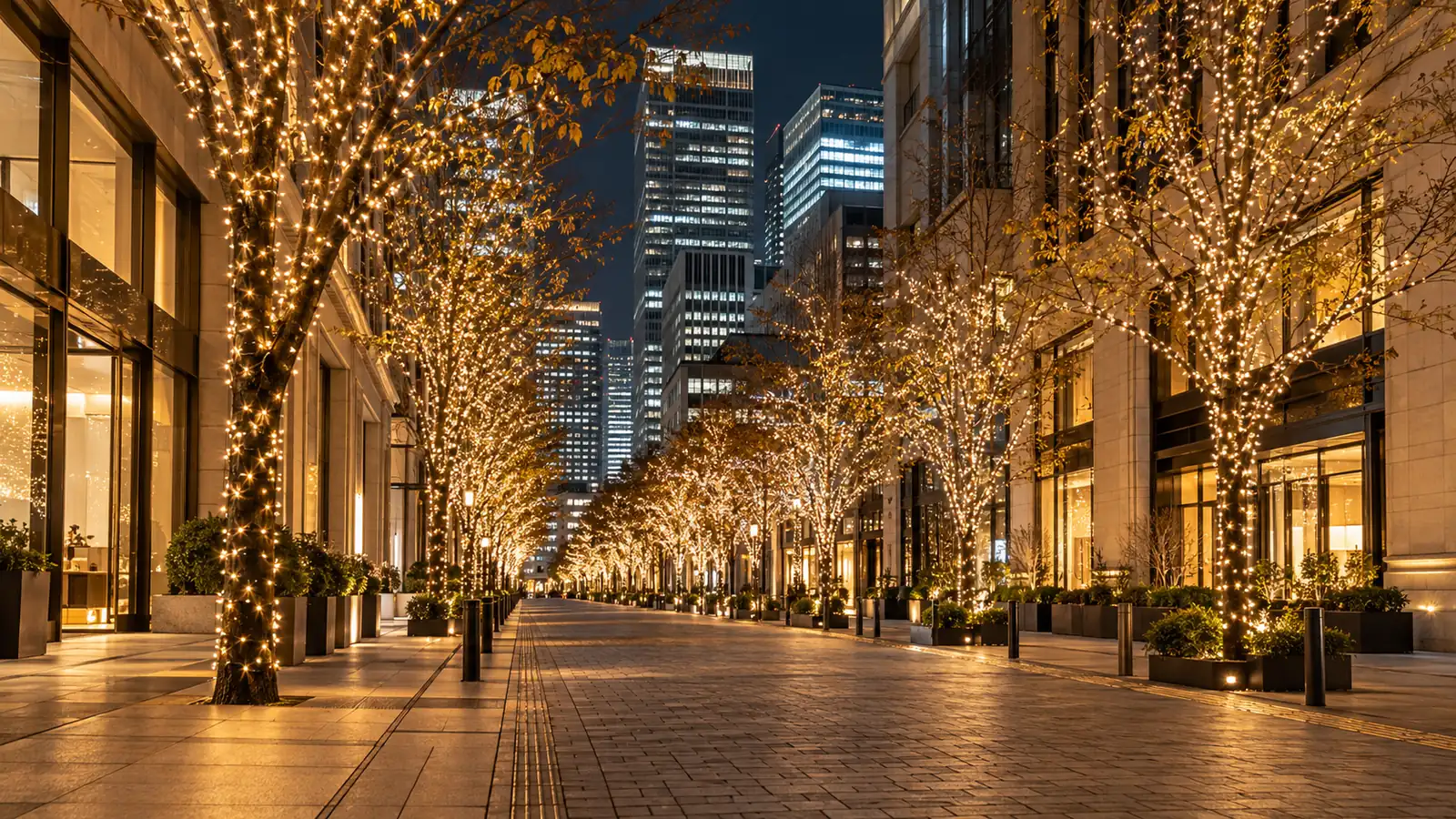
7. Tokyo’s Neighborhoods and City Life
Tokyo suits travelers who want a winter trip with plenty of choices close at hand. Museums, shopping districts, restaurants, and neighborhood walks make it easy to balance time outdoors with warmer indoor stops.
Rather than crossing the city for every attraction, spend time exploring connected areas.
Marunouchi pairs naturally with Tokyo Station, while Roppongi offers art museums and dining. Winter evenings add another reason to linger after daytime sightseeing.
Best for: Urban exploration, shopping, dining, and flexible sightseeing.
8. Okinawa’s Main Island and Naha
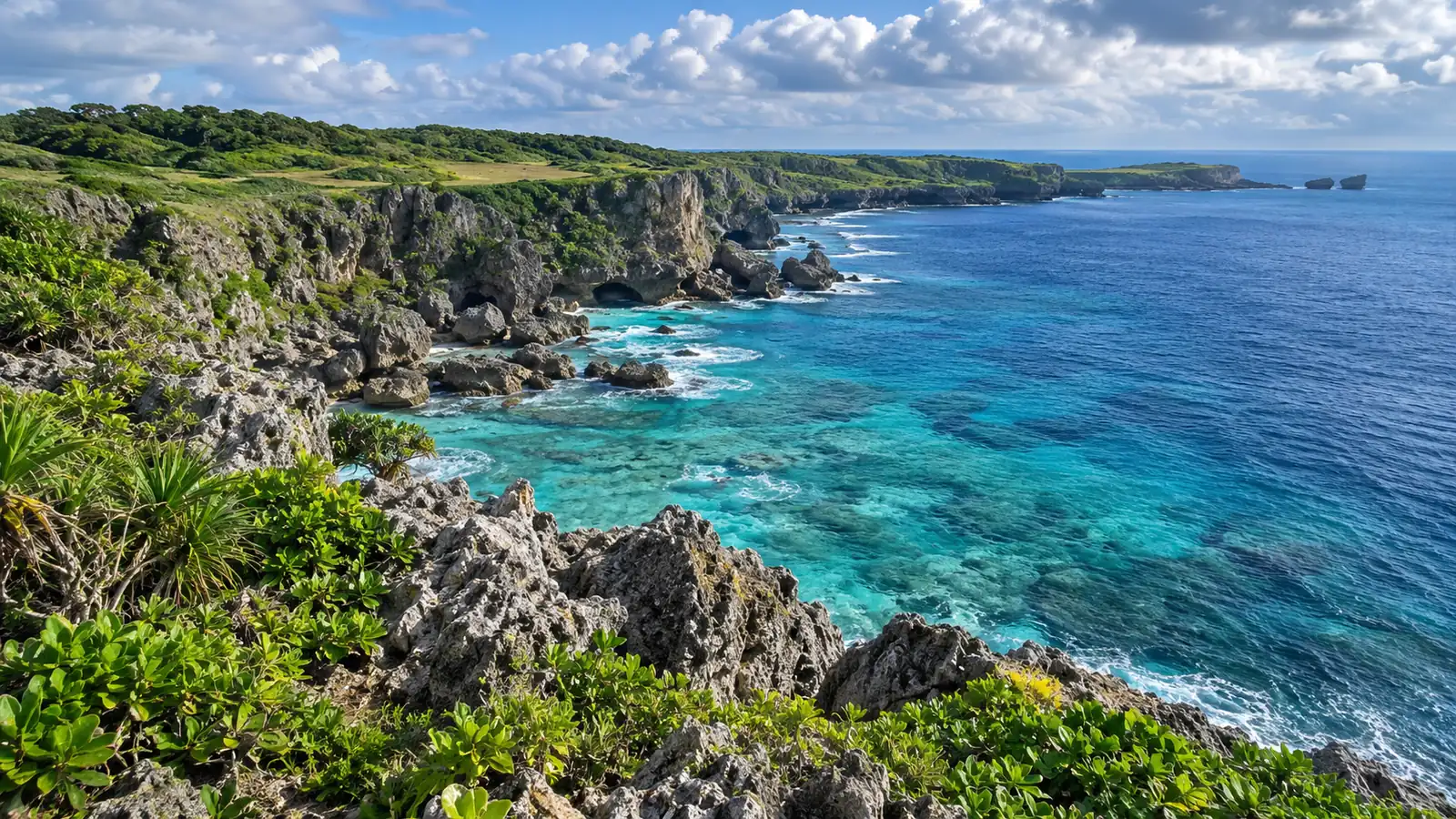
Okinawa offers a different winter experience, centered on coastal scenery and Ryukyuan culture. Naha provides a practical base for markets, local food, and cultural sights, while other parts of the main island offer beaches and scenic coastal stops.
Choose Okinawa for a milder island trip rather than a summer-style beach holiday. Sea breezes can feel cool, and swimming conditions differ from the warmer months, but sightseeing and coastal walks remain appealing reasons to visit.
Best for: Milder weather, island landscapes, and a winter trip without a focus on snow.
Things to Do in Japan in Winter
Japan’s winter activities offer more than a chance to spend time in the snow.
Mountain resorts, traditional hot-spring towns, frozen lakes, and forest settings each bring something different to the experience. These six activities are worth considering as you build your itinerary.
1. Skiing and Snowboarding
Japan attracts skiers and snowboarders with abundant snowfall in destinations such as Hokkaido and the mountains of Honshu. On suitable days, soft powder and tree-lined slopes make the scenery as appealing as the skiing.
Resorts also offer groomed runs and lessons, so a winter holiday here can suit beginners as well as experienced visitors.
The appeal continues after the lifts close. Depending on your base, you can spend the evening eating regional dishes, exploring a village, or soaking in an onsen—making skiing part of a broader Japanese travel experience.
Where to try it:
Niseko and Rusutsu, Hokkaido: Established resorts for a dedicated ski holiday, with extensive facilities and snowy mountain surroundings.
Hakuba Valley, Nagano: Several separate ski areas offer varied terrain against the backdrop of the Japanese Alps.
Nozawa Onsen, Nagano: Combines skiing with a traditional hot-spring village.
GALA Yuzawa, Niigata: An option for adding a snow day to a Tokyo stay when the resort and seasonal railway are operating.
Tip: Choose terrain and lessons suited to your ability, and confirm the teaching language before booking.
2. Snowmobiling
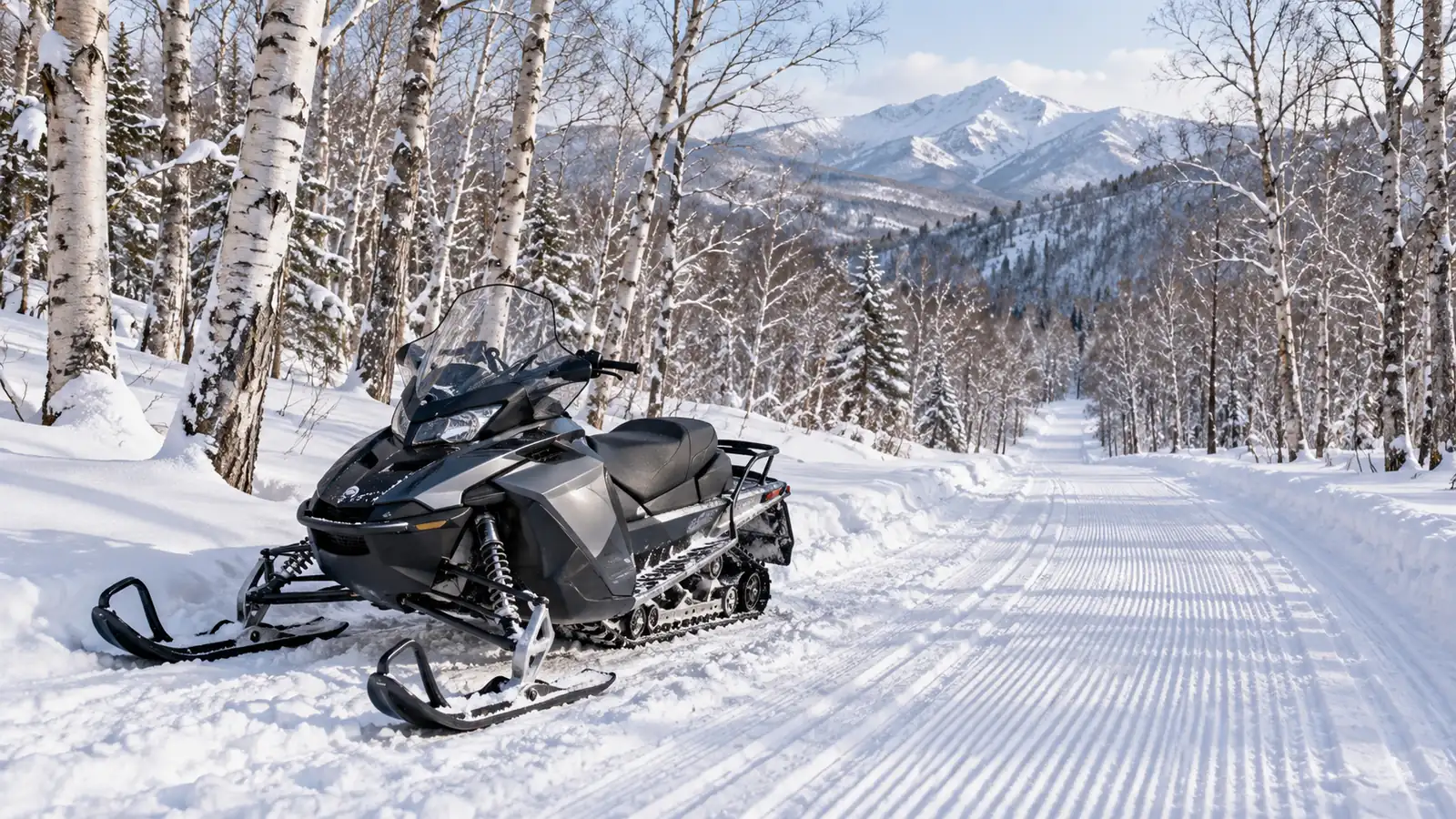
Hokkaido’s broad snowfields and birch forests give snowmobiling much of its attraction.
Riding through these landscapes lets you experience the winter countryside beyond the usual roadside viewpoints, with the driving itself adding excitement to the outing.
Guided tours follow designated routes, and some welcome first-time drivers after an introductory briefing. Single-rider and tandem options allow different ways to take part, depending on the operator.
Where to try it:
Sapporo, Hokkaido: Snowmobile Land Sapporo offers snowy trail experiences that can fit into a city-based stay.
Niseko, Hokkaido: Guided rides can add another outdoor adventure to a resort holiday.
Rusutsu, Hokkaido: Routes through birch woodland and open snowfields highlight the surrounding landscape.
Tip: Check driver and passenger eligibility, licence requirements, and included equipment before reserving.
3. Onsen Bathing
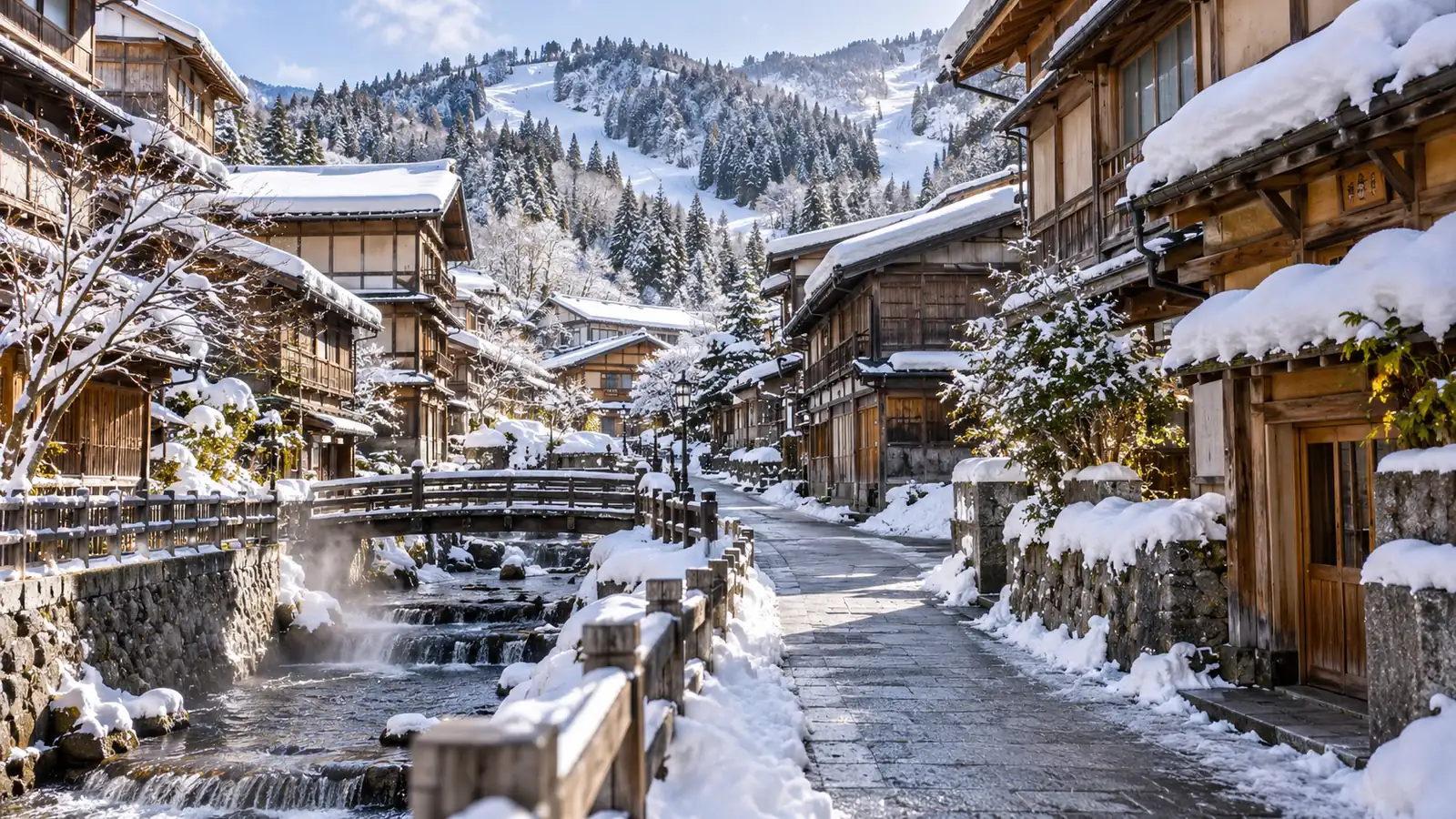
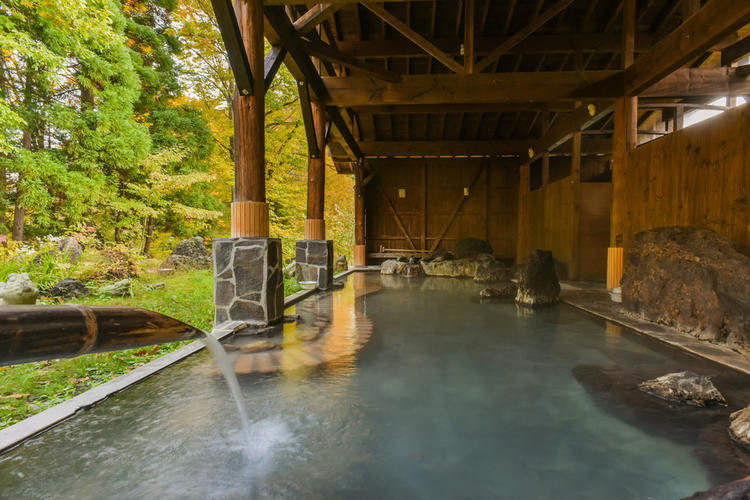
Winter brings out the appeal of Japan’s onsen culture. Steam rises into cold air, outdoor baths open onto seasonal scenery, and a soak becomes especially welcome after sightseeing.
In snowy destinations, the contrast between warm water and the surrounding landscape makes the experience memorable.
An overnight ryokan stay adds another dimension: traditional rooms, local hospitality, and a leisurely meal can turn bathing into the centerpiece of a relaxing short break.
Where to try it:
Hakone, Kanagawa: Convenient for a hot-spring stay during a Tokyo trip.
Kusatsu Onsen, Gunma: A walkable town centered on bathing culture and the steaming Yubatake hot-water field.
Ginzan Onsen, Yamagata: Riverside wooden inns create a distinctive setting for a winter stay.
Beppu, Oita: Offers conventional baths alongside steam and sand-bath experiences at selected facilities.
Tip: Confirm tattoo policies and private-bath options, and wash before entering a shared bath.
4. Ice Fishing
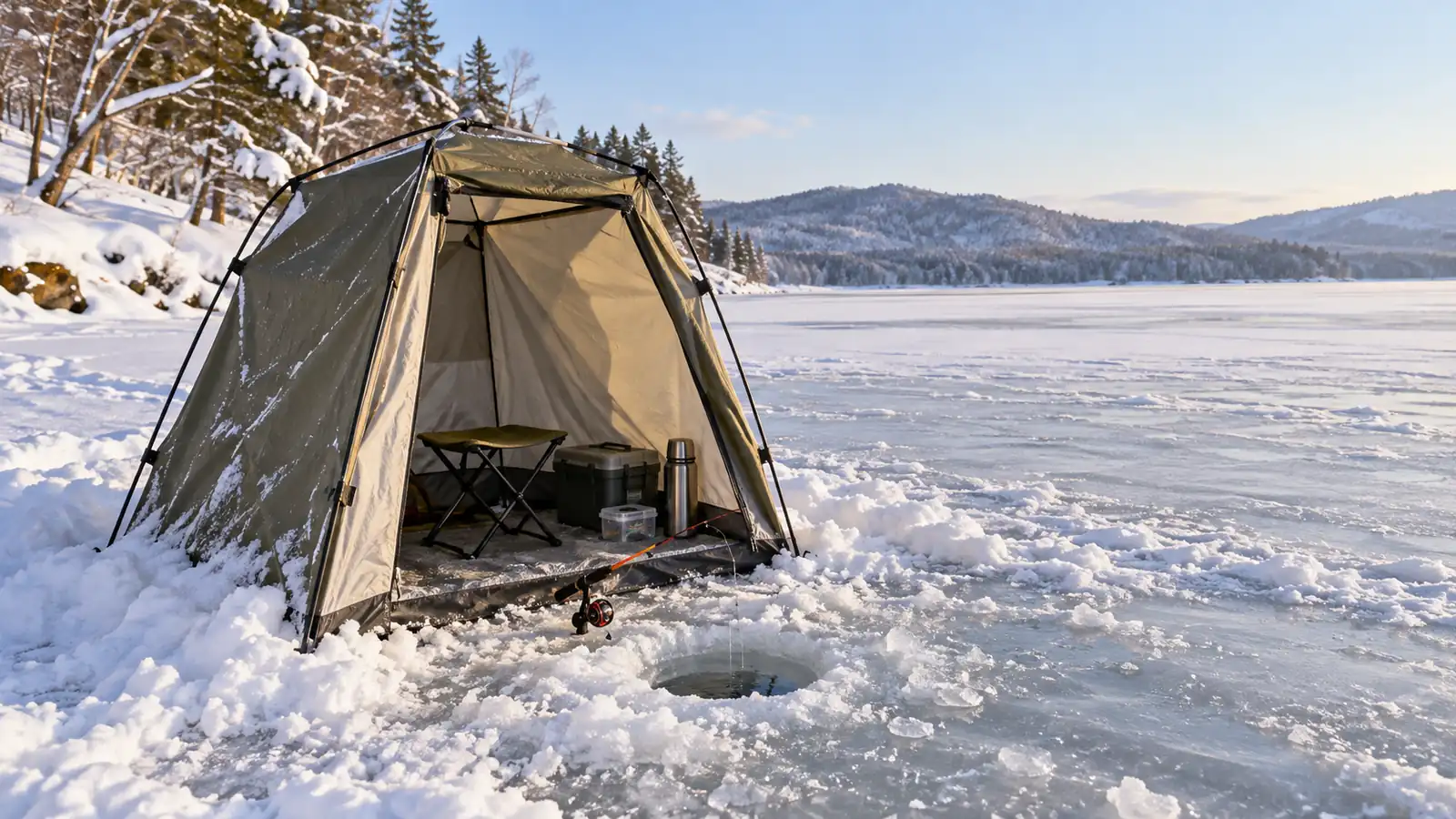
Ice fishing introduces visitors to a seasonal tradition in Hokkaido’s lake regions. Sitting above a frozen lake and fishing for wakasagi, or smelt, offers a closer connection to local winter life than simply stopping for a photograph.
The setting is part of the attraction: an open, snow-covered lake, small fishing shelters, and the anticipation of a catch create an experience quite different from a ski resort.
Organized sessions can provide equipment and guidance, making it approachable for first-time anglers.
Where to try it:
Lake Shinotsu, Hokkaido: Combine a fishing session in Shinshinotsu with a visit to a local hot spring.
Lake Akan, Hokkaido: Add smelt fishing to a stay in the lakeside onsen town during the managed winter activity season.
Tip: Confirm equipment and shelter arrangements, and enter the lake only through an authorized activity area.
5. Snow Rafting and Tubing
A trip to Japan’s snowy regions does not have to revolve around learning a winter sport. Snow rafting and tubing make it easy to add a playful outing, particularly when friends or family members want different levels of activity.
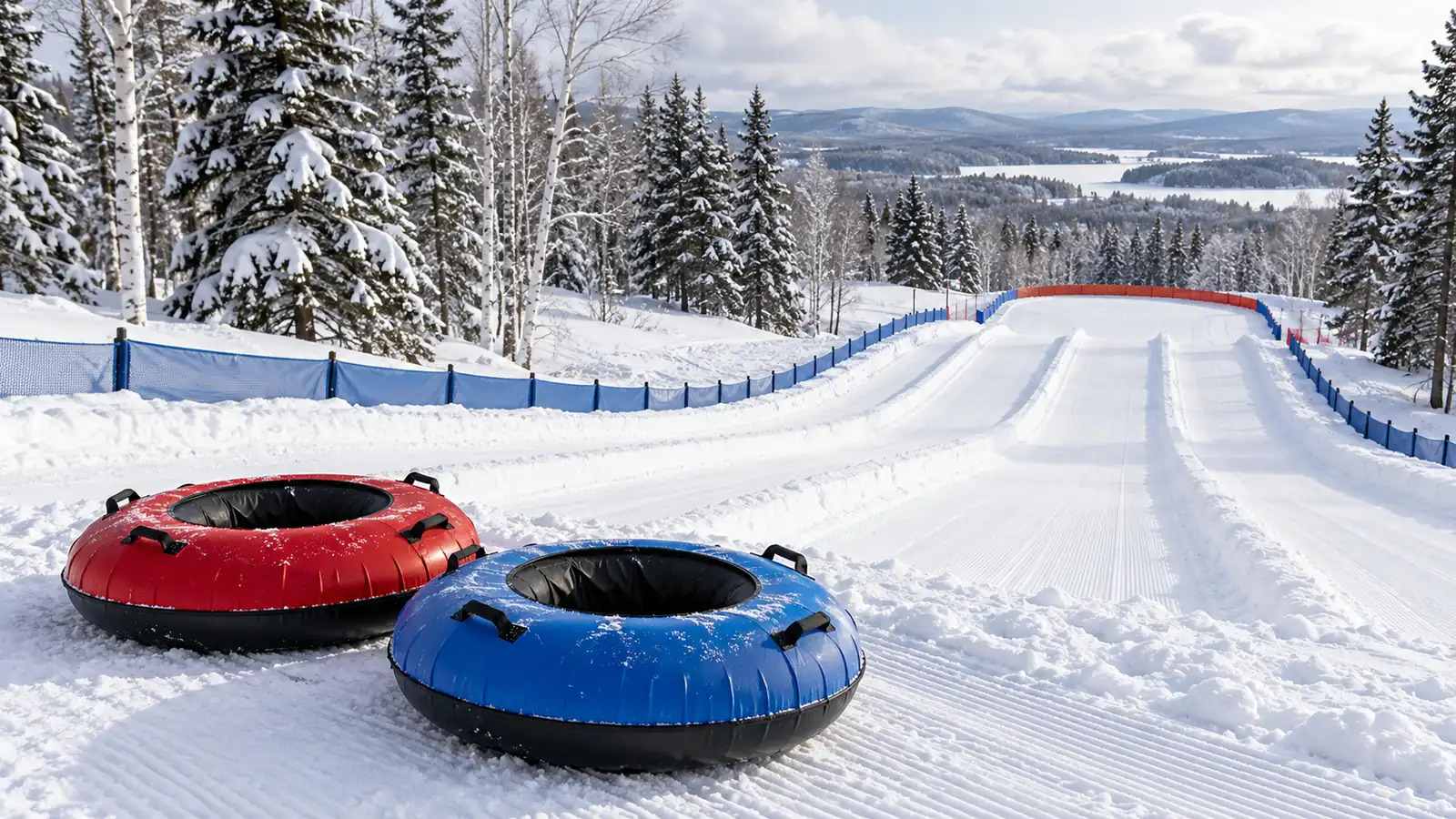
Snow rafting involves riding in an inflatable raft pulled across the snow by a snowmobile. Tubing sends you downhill in an inflatable ring on a designated slope.
Their short ride formats make them easy to combine with other resort activities or a day of sightseeing.
Where to try it:
Rusutsu, Hokkaido: Snow rafting adds a lively activity to a resort stay.
Niseko Village, Hokkaido: Snowmobile-towed rafting takes passengers across the snowfields.
Takino Snow World, Sapporo: A long tubing slope makes this a popular choice for a dedicated snow-play outing.
Tip: Check age and height restrictions for each activity, especially when traveling with young children.
6. Outdoor Ice Skating
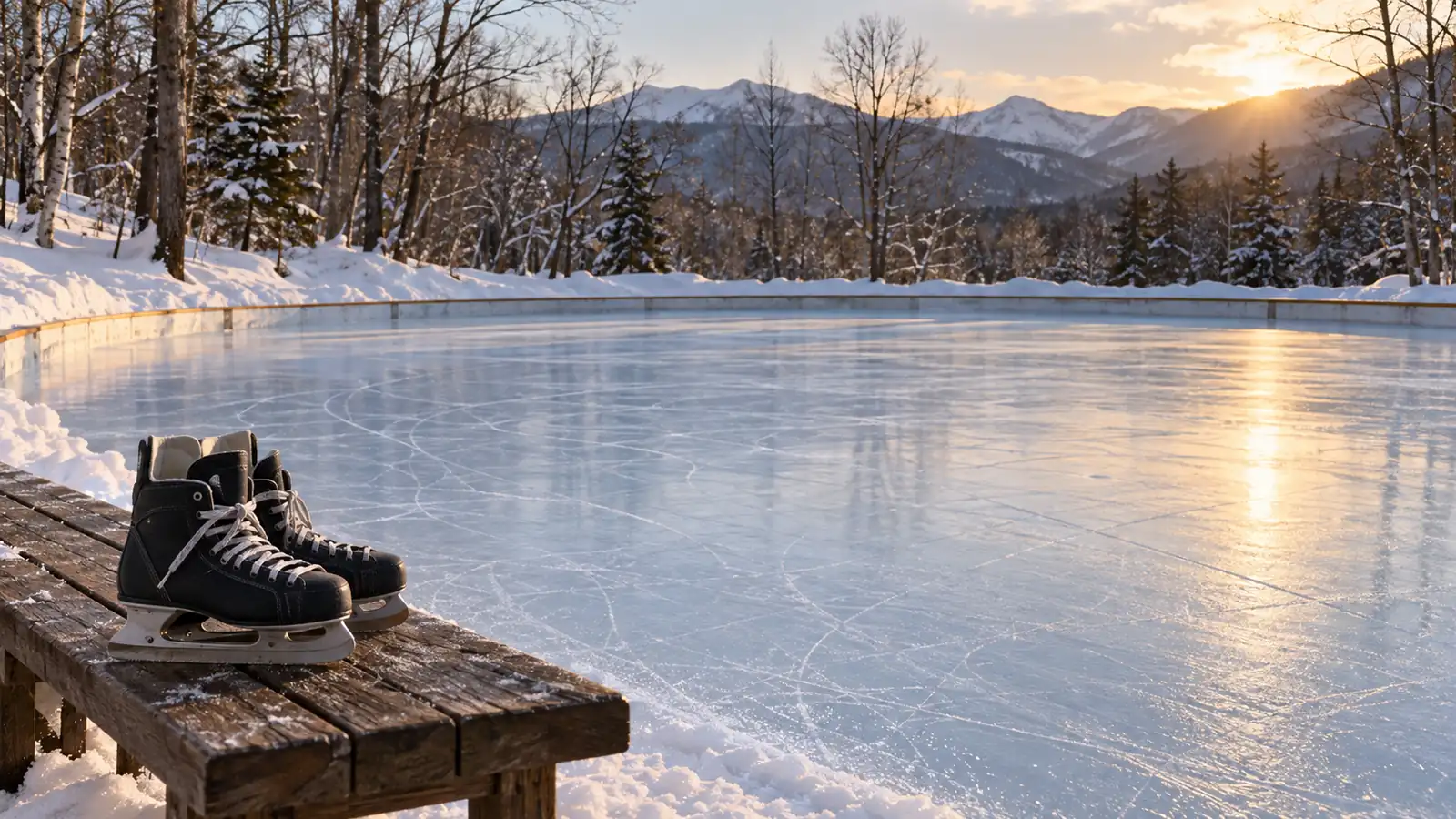
The surroundings make outdoor skating worth adding to a Japan winter trip.
A woodland rink in Karuizawa offers a quiet setting among trees, while Tomamu pairs skating with illuminated ice structures. Both turn a familiar activity into a distinctive seasonal outing.
Skating also fits comfortably into a shorter gap in your itinerary. Spend time on the ice with friends, then continue with nearby dining or sightseeing rather than committing an entire day to one activity.
Where to try it:
Kera-Ike Ice Rink, Karuizawa: Skate in a forest setting that feels removed from the town’s busier areas.
Tomamu Ice Village, Hokkaido: Enjoy an atmospheric evening on the ice amid lights and winter structures.
Tip: Check seasonal opening dates and skate rental availability, and bring gloves.
Winter Festivals in Japan
Japan’s winter festivals bring communities together through snow sculptures, candlelit streets, and traditions passed down through generations. If one is a highlight of your trip, arrange your dates around it and check admission requirements before booking accommodation.
1. Sapporo Snow Festival
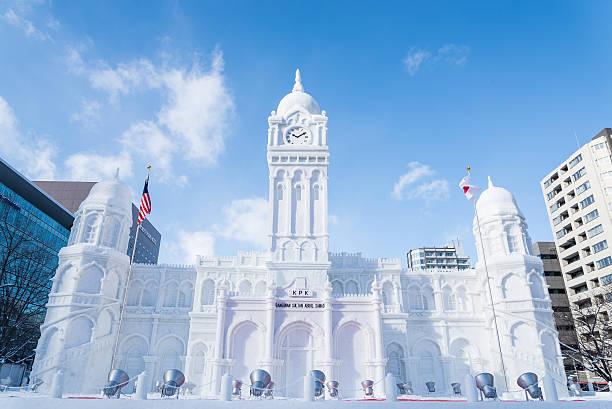
Sapporo’s streets become an outdoor gallery of monumental snow sculptures and intricate ice carvings. Walking between displays reveals everything from architectural creations to playful characters, with evening lighting adding another perspective.
The festival began in 1950 with snow sculptures made by local students. Today, its different venues offer a combination of large-scale artwork, ice displays, and snow activities.
Dates: February 4–11, 2027.
Location: Odori Park, Susukino, and Tsudome in Sapporo, Hokkaido.
Admission: Main viewing areas are free; food and selected activities cost extra.
Tip: Plan separate time for Tsudome rather than expecting all three venues to be within one central walking route.
2. Otaru Snow Light Path
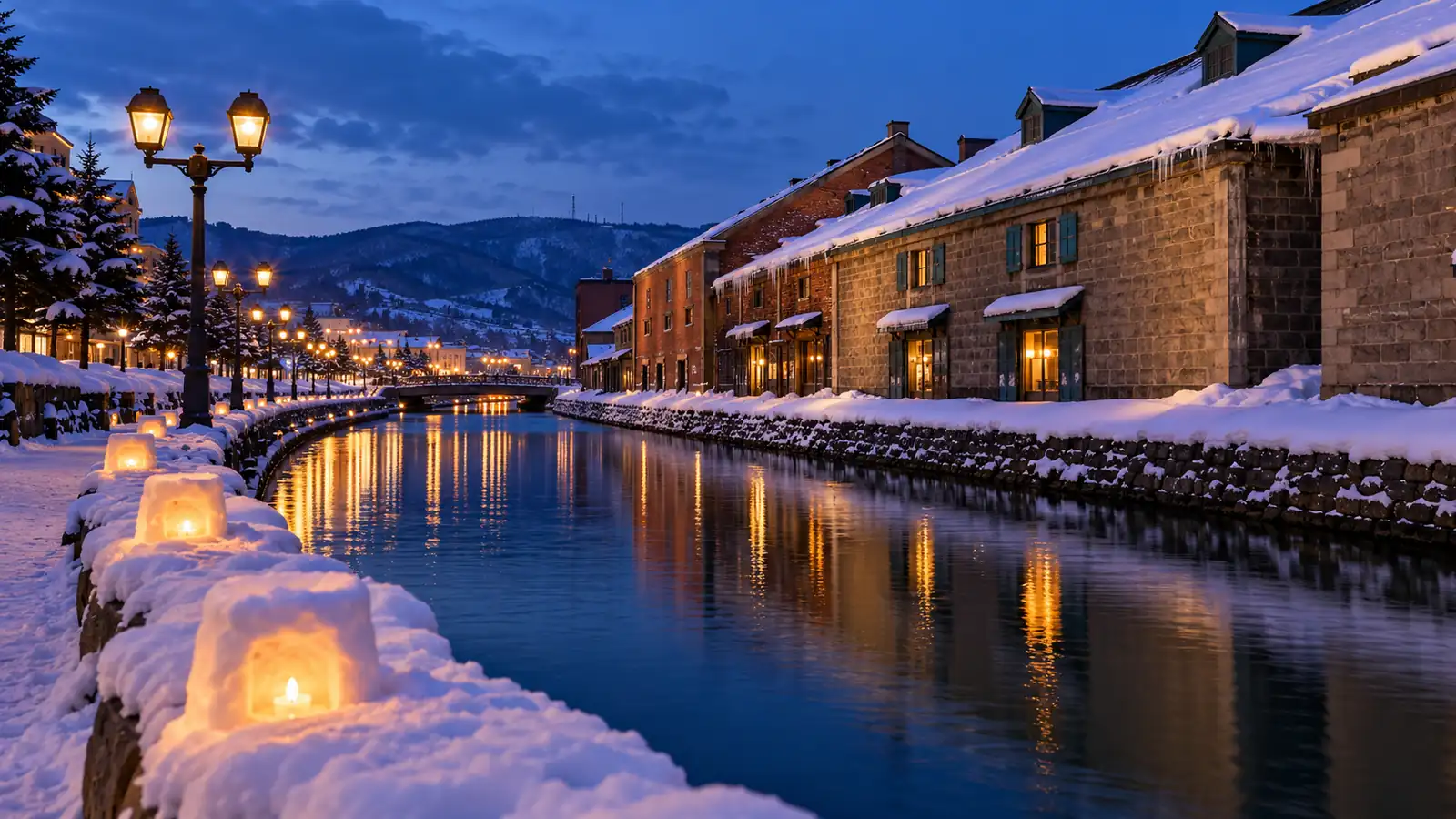
Handmade snow lanterns and flickering candles give Otaru a gentle winter atmosphere. Around the canal and participating neighborhoods, small pools of light draw attention to the snow, historic buildings, and details of the streetscape.
The festival’s appeal lies in its community character. Rather than concentrating on giant displays, it invites visitors to wander slowly through a town illuminated by countless small flames.
Dates: February 6–13, 2027.
Location: Otaru Canal and other participating areas in Otaru, Hokkaido.
Admission: Main outdoor viewing areas are generally free.
Tip: Arrive before dusk to become familiar with the paths, then stay to see the candlelight transform the surroundings.
3. Yokote Kamakura Festival
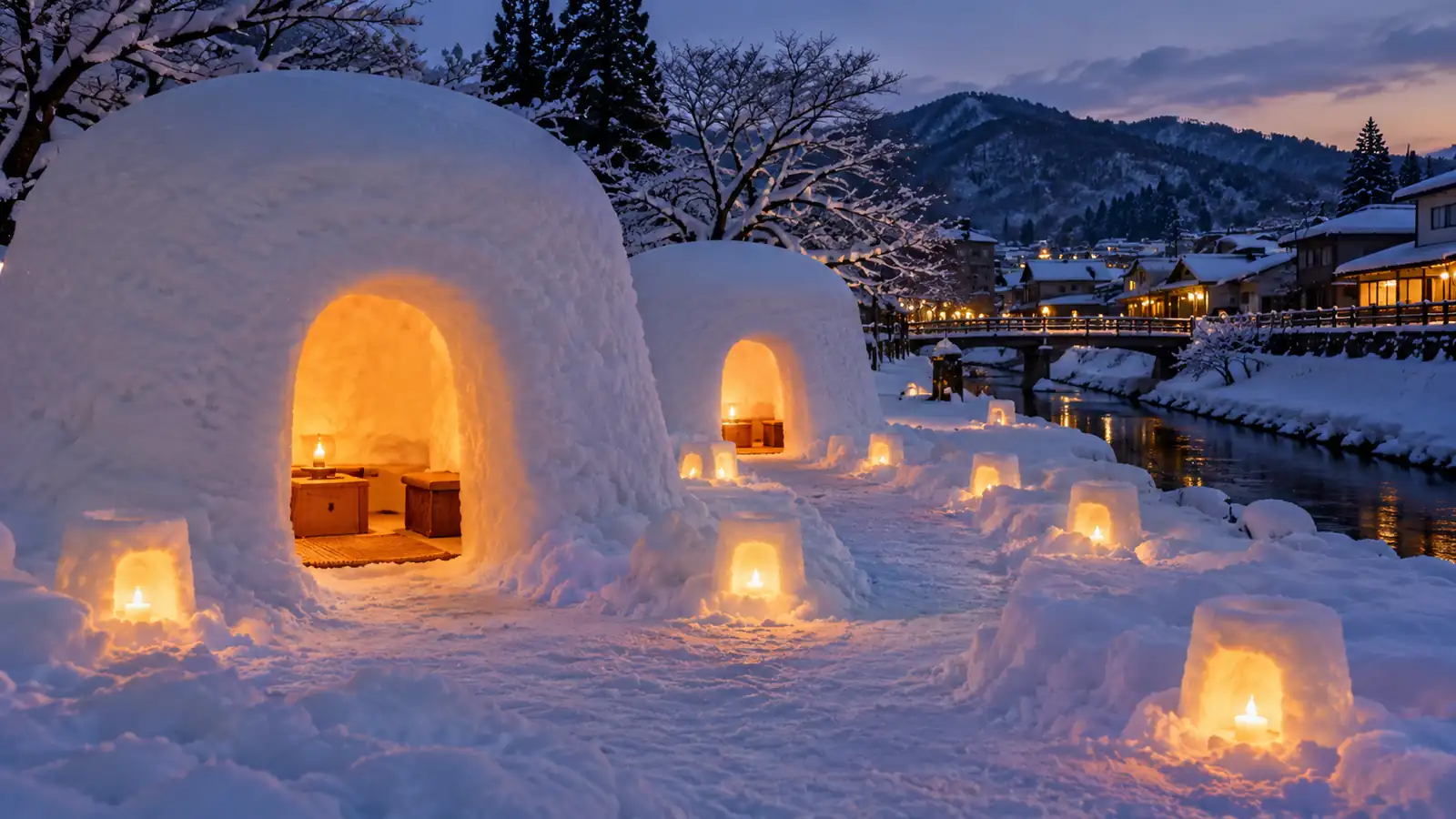
Yokote’s traditional snow huts, known as kamakura, contain small altars dedicated to a water deity. The celebration has roots in Little New Year customs, with prayers for household safety, prosperity, and good harvests.
Full-sized huts and glowing miniature snow houses create a distinctive evening scene. Traditional hospitality, including offerings of amazake and rice cakes in participating huts, adds warmth to the snowy setting.
Dates: February 12–13, 2027.
Location: Festival sites across Yokote, Akita Prefecture.
Admission: Check the current program for viewing arrangements and any bookable snow-hut experiences.
Tip: Use the current dates when planning; the festival no longer follows the old fixed February 15–16 schedule.
4. Nozawa Onsen Fire Festival
Nozawa Onsen’s Dosojin Festival centers on a wooden shrine structure and a dramatic fire ritual. Villagers carry out ceremonial roles rooted in local beliefs, making this a religious community occasion as well as a striking winter spectacle.
Visitors watch the proceedings from designated areas. The atmosphere builds toward the burning of the structure, but participation in the ritual belongs to the local community.
Dates: The main fire ritual traditionally takes place on January 15; confirm the 2027 arrangements before planning your visit.
Location: Nozawa Onsen village, Nagano Prefecture.
Admission: The published 2026 rules limited admission tickets to residents and guests staying in the village. Confirm the coming edition’s eligibility and ticket arrangements with your accommodation.
Secure admission eligibility before making a special journey, and respect all viewing boundaries during the ritual.
5. Chichibu Night Festival
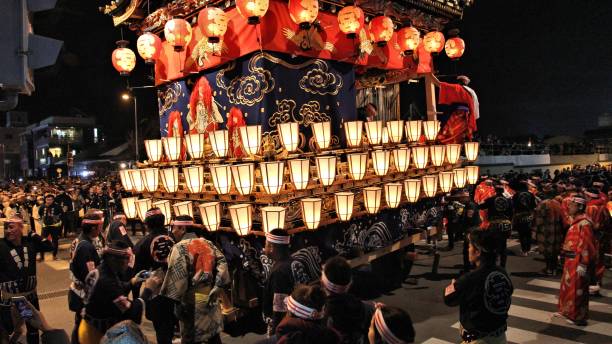
Chichibu Night Festival fills the city with elaborately decorated floats, lanterns, and festival music. Held in honor of Chichibu Shrine, it is counted among Japan’s three major float festivals.
The main celebration combines the movement of towering floats through the streets with winter-night festivities and fireworks. Its lively urban setting offers a different experience from the snow-centered festivals farther north.
Dates: December 2–3 each year, with the main celebration on December 3.
Location: Central Chichibu and the Chichibu Shrine area, Saitama Prefecture.
Admission: General street viewing is usually free; reserved viewing areas may require paid tickets. Check the annual program for details.
Tip: If returning to Tokyo that evening, confirm the final suitable train before deciding how late to stay.
Japan’s Coziest Winter Eats
1. Nabe
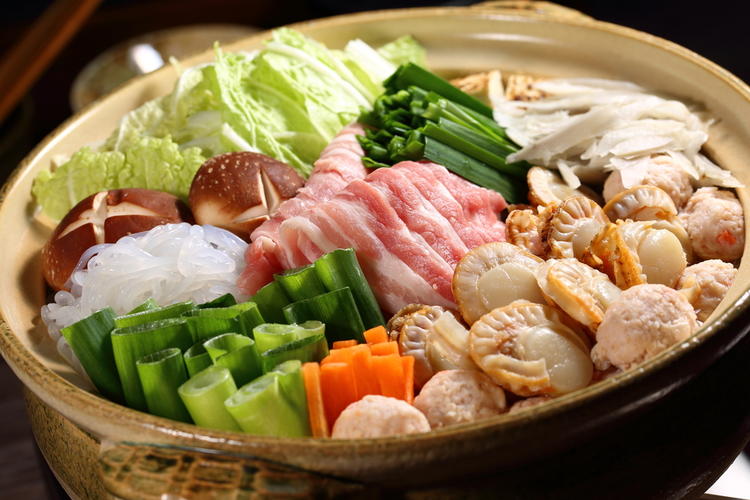
The ultimate Japanese winter warmer, nabe is a hot pot dish featuring an array of ingredients – from seafood to meat to vegetables – simmered in a rich broth.
The shared cooking format may remind you of the classic Chinese dish Chongqing hotpot, although the seasonings and dipping sauces differ: Japanese nabe does not necessarily use a spicy broth.
More than just a meal, nabe is a social experience, with families and friends often gathering around the pot to cook and eat together. Check whether the menu price is per person or per pot and whether rice or noodles for the final broth are included.
2. Ramen
What more could you want on a cold day than a warming bowl of ramen? The flavorsome broth, satisfying noodles and toppings such as chashu pork and green onions make a filling sightseeing break.
Try miso ramen in Sapporo or tonkotsu-style ramen on a Fukuoka visit for a regional contrast. A vegetable topping does not mean the broth is vegetarian: ask about meat, fish stock and other dietary requirements before ordering.
3. Oden
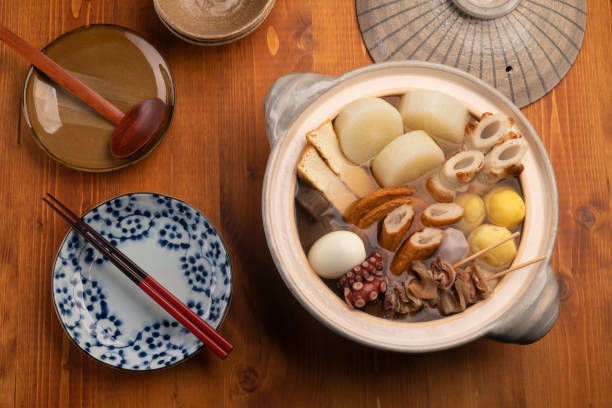
Oden is a hearty comfort food, typically filled with ingredients like boiled eggs, daikon radish, konnyaku and fish cakes simmered in a mild, soy-and-dashi-flavored broth.
It is available at specialist oden shops, izakaya and some convenience stores. Choosing pieces individually can make it a flexible light meal, but fish-based stock is common even when a particular ingredient looks plant-based.
4. Seasonal Seafood
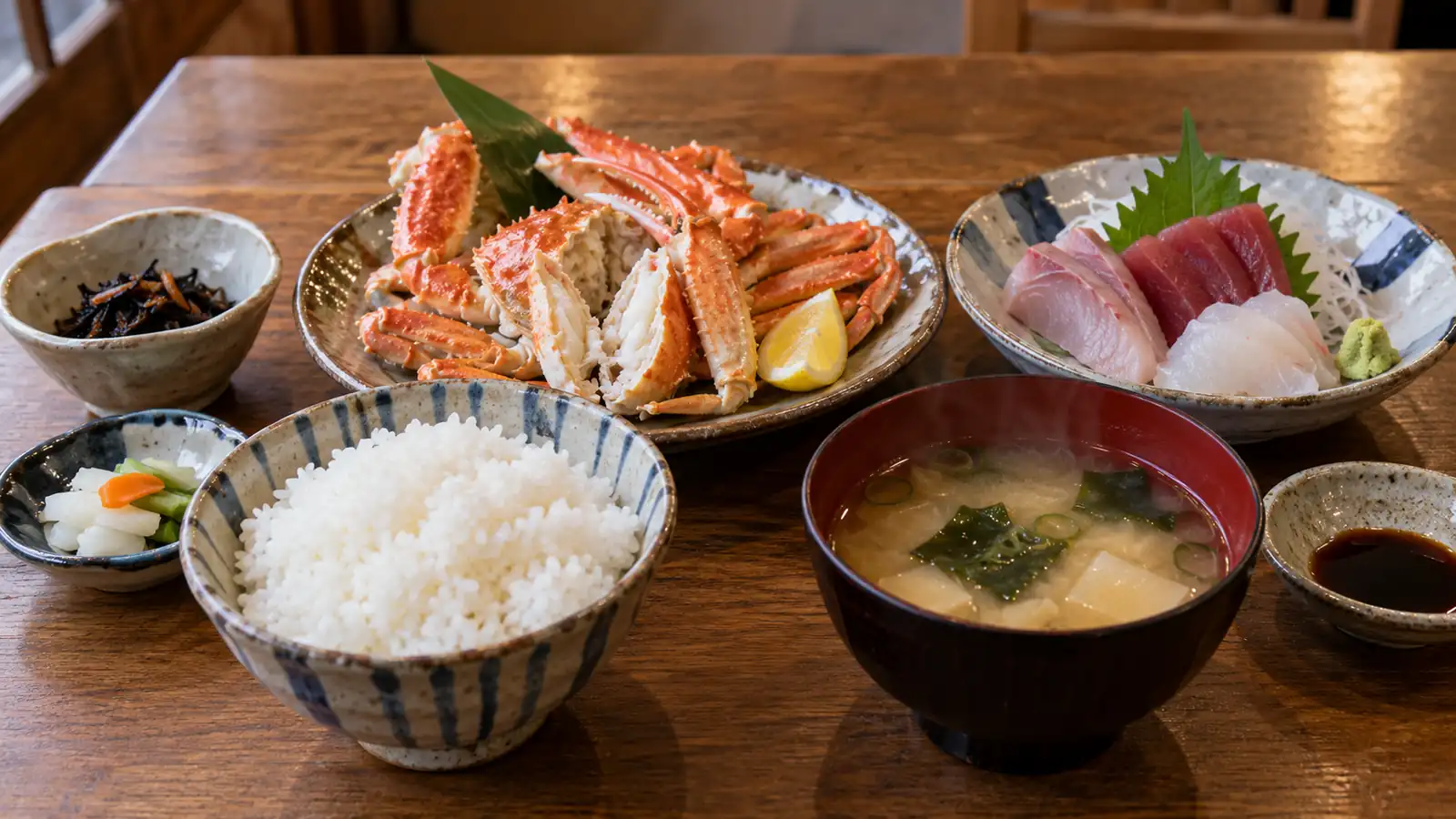
Winter menus also offer a reason to sit down for seafood rather than another hot bowl. Look for regional crab, oysters or seasonal fish where available; supply, species and the best season differ along Japan’s coasts.
Ask the price before ordering a whole crab or a market-priced item. A set meal or clearly priced seafood bowl is easier to budget for, while a ryokan meal plan can introduce local ingredients without needing a separate late-night restaurant search.
Tips for Visiting Japan in Winter
A few practical preparations can make winter sightseeing much more comfortable. Plan for the time you will spend outdoors, the warmth of indoor spaces, and the transport connections your day depends on.
What to Wear in Winter
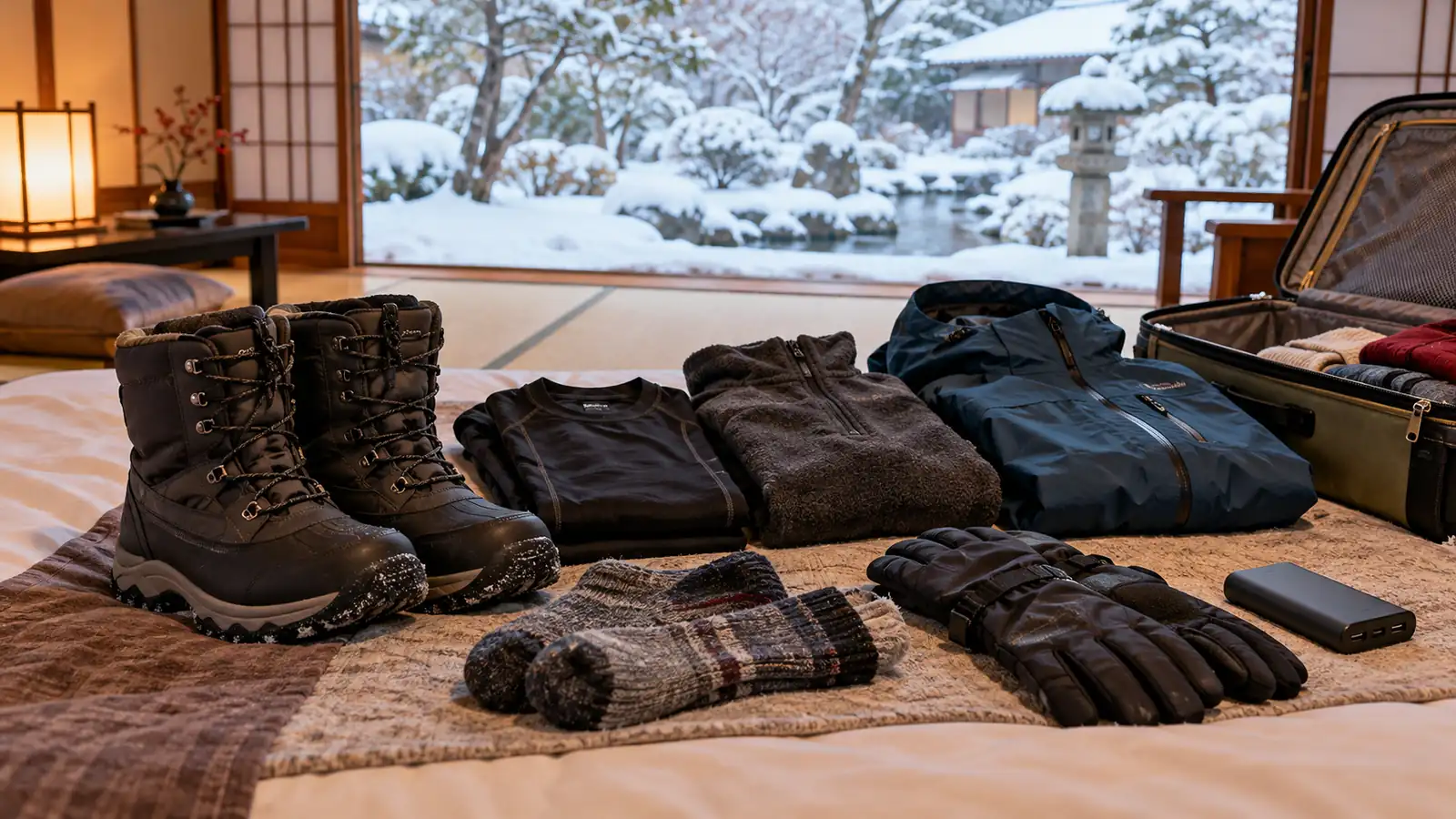
Dress in layers that you can adjust throughout the day. A thermal base layer, sweater or fleece, and warm outer jacket provide flexibility as you move between streets, trains, and indoor attractions.
Choose clothing and footwear around your activities:
City sightseeing: Comfortable walking shoes, a warm coat, and removable layers work well for days combining outdoor walks with indoor stops.
Snowy destinations: Bring waterproof boots with good grip and outerwear that protects against wind and wet snow.
Evening events: Add a hat, scarf, and insulated gloves, especially when standing still for long periods.
Traditional interiors: Pack warm, clean socks for places where you must remove your shoes.
Keep a spare pair of socks accessible on snowy days. For skiing and other snow activities, check rental inclusions before deciding which specialist clothing to bring.
Staying Warm Indoors and Outdoors
Portable heat packs, known as kairo, are useful during outdoor sightseeing and evening festivals. Different types are designed for pockets, clothing, or footwear, so follow the package instructions rather than placing them directly against your skin. Short breaks in cafés or other heated spaces also help make long outdoor days more comfortable.
Indoor heating varies by building and region. Common arrangements include:
Air conditioners with heating mode: Used to warm individual rooms; ask your accommodation how to operate the controls if needed.
Space heaters: Provide warmth in a particular room or area.
Kotatsu: Low tables with a heater underneath and a quilt that traps warmth around your legs.
Underfloor heating or heated carpets: Available in some properties to provide warmth underfoot.
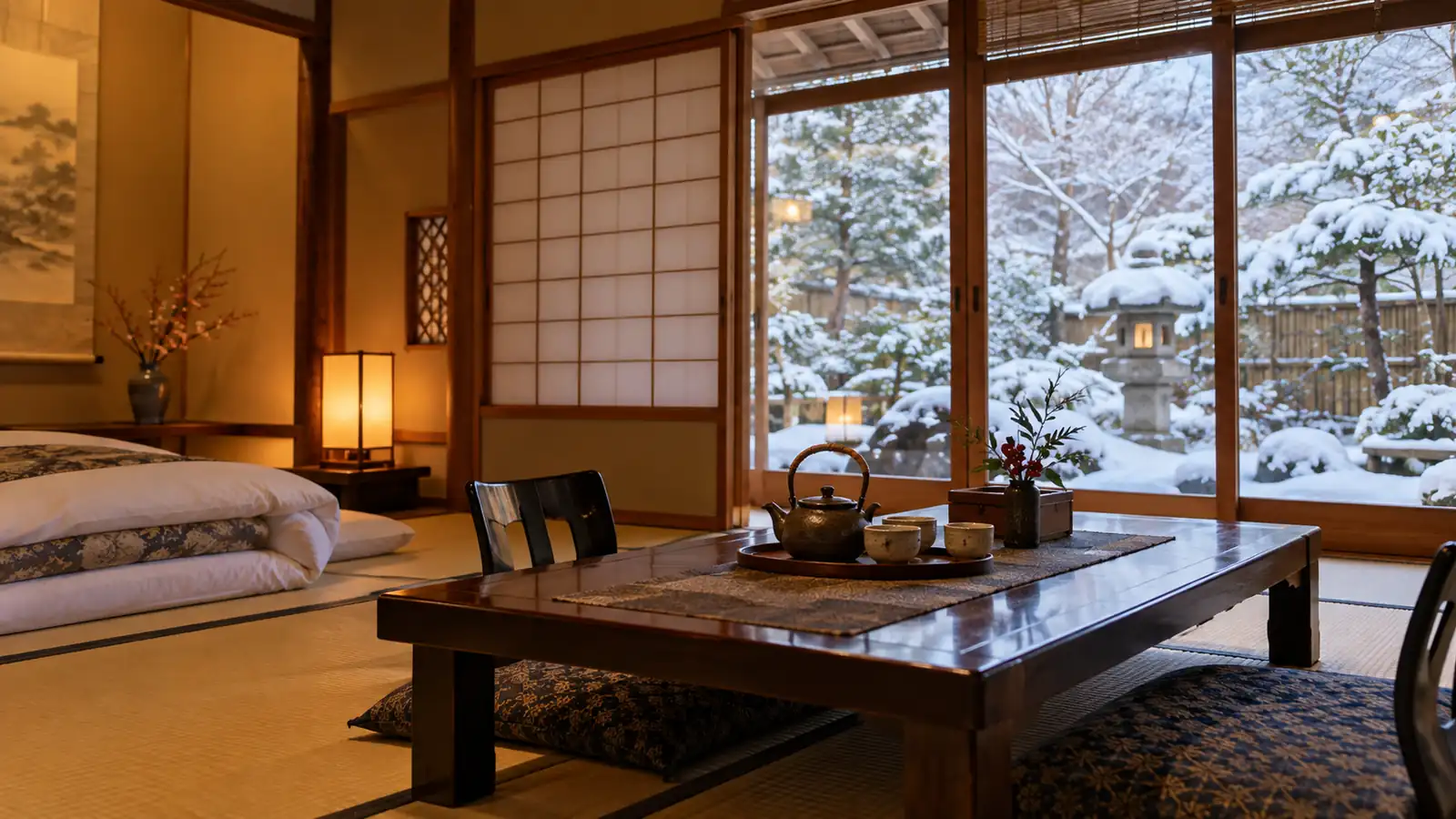
Do not assume every part of a building will be equally warm. In some traditional accommodation, guest rooms may be heated while corridors or bathrooms feel cooler. Confirm heating arrangements before booking, particularly if you are sensitive to the cold.
Trains, shops, and restaurants can feel warm after time outdoors, so keep outer layers easy to remove. Carry lip balm and moisturizer, and ask whether your accommodation provides a humidifier if the room feels dry.
Getting Around in Winter
Check the operator’s service updates before leaving for a snowy destination. Heavy snowfall, strong winds, and icy roads can affect trains, flights, buses, and ropeways, while rural routes may have limited departures even in normal conditions.
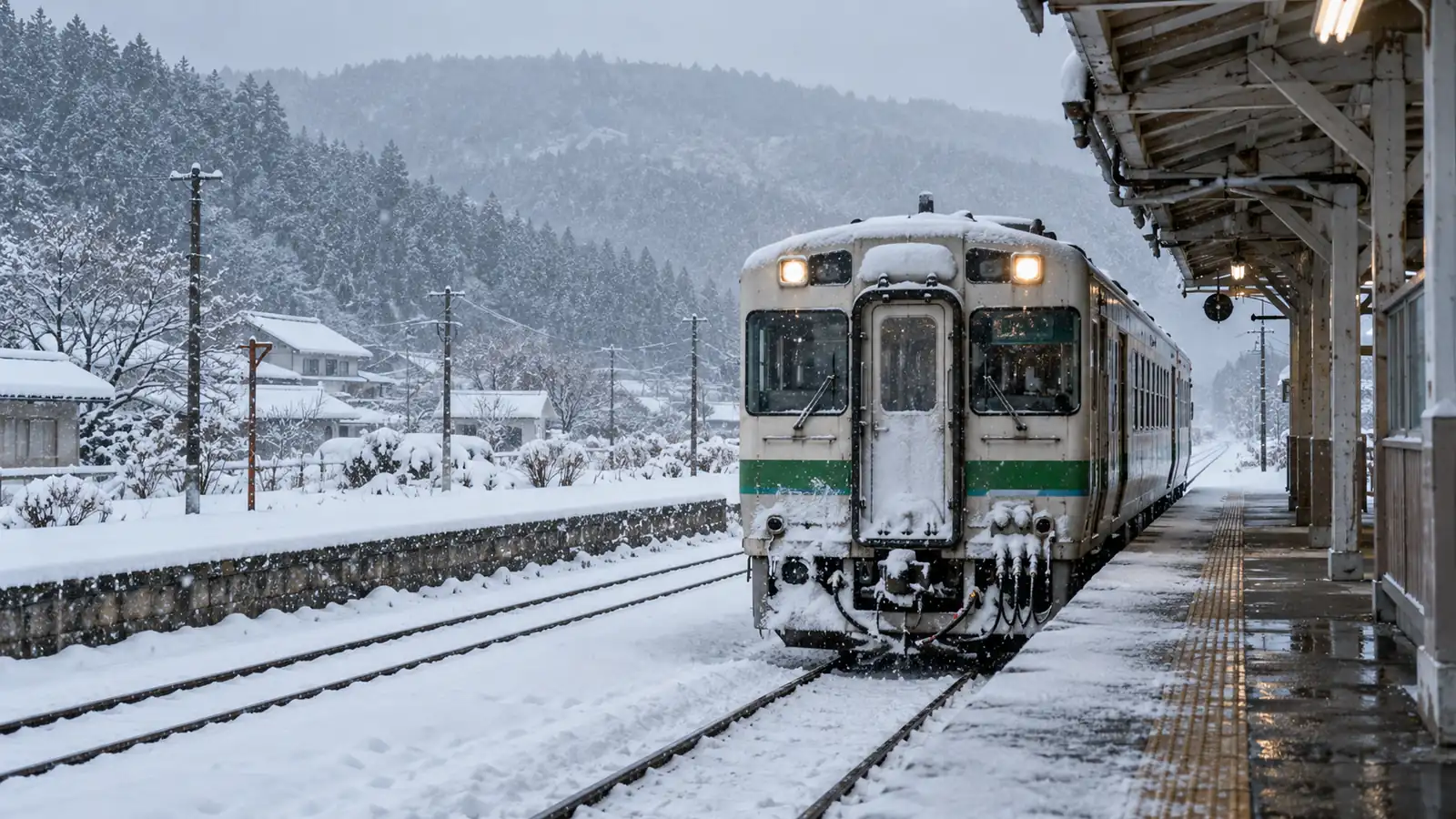
For smoother journeys:
Confirm the final connection: Check the last return service and the route between your accommodation and the station or bus stop.
Arrange resort or hotel transfers: Reserve required shuttles instead of assuming transport will be available on arrival.
Save essential details offline: Keep tickets, timetables, and your accommodation’s address accessible without a signal.
Leave a buffer before departure: Avoid placing a remote snow excursion immediately before an international flight.
If you are unfamiliar with driving on snow and ice, consider rail, a resort transfer, or a guided excursion. When renting a car, confirm winter tires and local road conditions with the rental company before setting out.
FAQs
1. Where can you see drift ice in Japan?
Hokkaido’s Sea of Okhotsk coast is the main destination. Abashiri and Monbetsu offer sightseeing cruises, while Shiretoko has guided drift-ice experiences when conditions allow.
2. Can you send ski equipment ahead instead of carrying it?
Yes. Services such as Yamato’s Ski TA-Q-BIN deliver skis and snowboards to participating destinations. Confirm delivery deadlines and receiving arrangements before sending your equipment.
3. Is Christmas a public holiday in Japan?
No. Christmas is celebrated with decorations, special meals, and social gatherings, but December 25 is not a national holiday.
4. Will I See Cherry Blossoms in Winter?
Yes, in some places. Okinawa’s early-blooming cherry trees can flower in late January and February. For the familiar cherry blossom season in Tokyo or Kyoto, plan a spring visit.
5. What Souvenirs Should I Buy in Winter?
Seasonal sweets, local sake, and Japanese tea make enjoyable gifts. For something lasting, consider regional pottery or textiles. Choose compact items that travel well, and check food import rules before buying edible souvenirs.
Conclusion
Winter in Japan offers more than snowy scenery. Mountain adventures, local festivals, warming meals, and quiet moments in a hot spring each bring a different pleasure to the season.
Choose the places and experiences that interest you most, then give yourself time to enjoy them. A few well-chosen stops, with room for changing weather, can make the trip more rewarding.
Whether you spend your days outdoors or exploring city neighborhoods, winter offers a memorable way to discover Japan. Leave space for the small moments between your plans—they may become your favorite memories.