
Japan can feel limitless on a first trip: major cities, mountain landscapes, living traditions, regional food, and seasonal events all compete for time.
This list narrows the choice to ten experiences that reveal different sides of the country. It keeps the original mix of nature, culture, food, cities, crafts, remembrance, sports, and nightlife while adding realistic planning guidance.
Do not treat the list as a ten-item checklist for one day or one city. Choose activities that fit your route, season, energy, and advance-booking needs.
10 Things to Do in Japan
These experiences work best when spread across several destinations. A Japan eSIM can be arranged before departure for maps, reservations, translation, and transport updates, while offline copies protect essential details.
The time estimates below are planning ranges, not fixed rules, and the strongest route leaves room for weather and local discoveries.
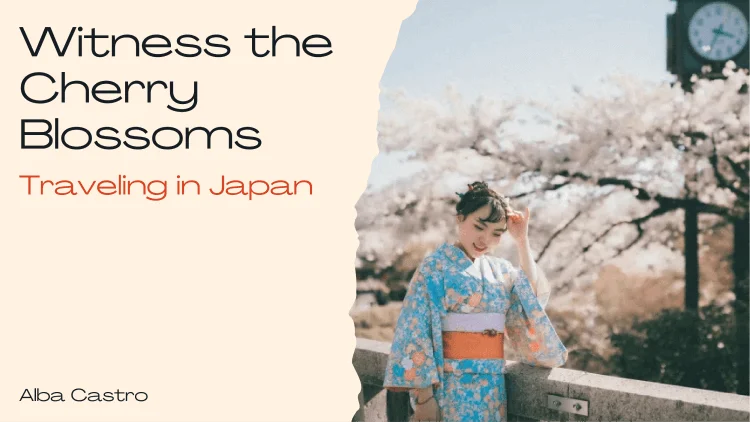
1. See the Cherry Blossoms
Hanami, or flower viewing, is a seasonal highlight, but peak bloom does not occur nationwide at the same time. Timing varies by latitude, elevation, and weather, with southern areas generally blooming before northern Japan.
Popular parks in Tokyo and Kyoto can be crowded, while riversides, neighborhood parks, and regional cities may offer a calmer experience. Follow current forecasts and this guide to Japan's cherry blossom season.
Safety tip: Use only permitted picnic areas, protect valuables in crowds, and never pull or climb the branches.
2. Visit Temples and Shrines
Buddhist temples and Shinto shrines have different religious traditions, layouts, and customs. Kyoto has an exceptional concentration, but meaningful sites can be found in almost every region.
At busy places such as Kiyomizu-dera or Fushimi Inari, arriving early can reduce crowd pressure. Follow posted rules for purification, prayer, shoes, photography, and restricted areas.
Safety tip: Wear footwear that is easy to remove when required, keep voices low, and do not block gates or worship spaces for photos.
3. Explore Japanese Food
Japan's food culture extends beyond sushi. Regional noodles, set meals, market snacks, department-store food halls, izakaya dishes, and seasonal sweets make eating a practical way to understand each destination.
Travelers who want help ordering and observing dining customs can start with this guide to Japanese sushi types and etiquette.
Safety tip: Explain allergies clearly, but understand that kitchens may not be able to guarantee separation from an allergen.
4. Walk Through Distinctive City Neighborhoods
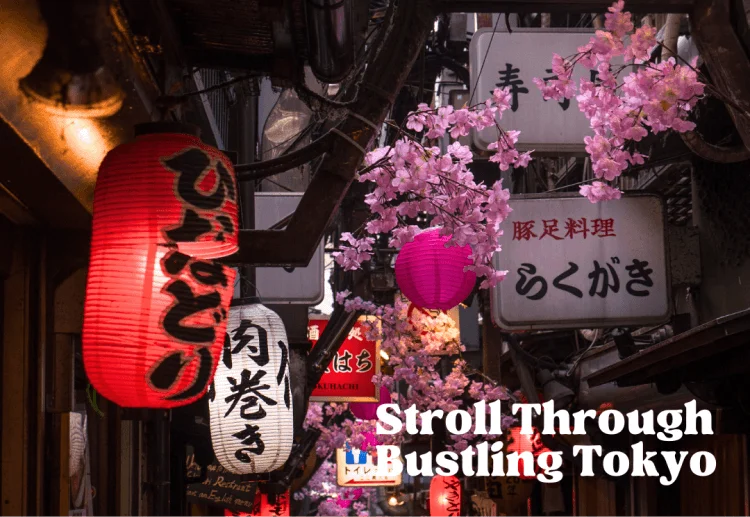
Tokyo's districts feel like separate urban centers: Shibuya for large-scale crossings and shopping, Harajuku for youth fashion, Ginza for polished retail, and Koenji or Yanaka for a smaller neighborhood atmosphere.
Osaka, Kyoto, Fukuoka, Sapporo, and regional cities offer equally distinctive walks. Compare bases with this guide to the best cities to visit in Japan.
Safety tip: Stop outside the flow of foot traffic before checking maps, and keep bags closed on crowded trains and streets.
5. Relax in an Onsen
Onsen bathing is a cultural experience as well as a way to unwind. Hakone, Kinosaki, Kusatsu, Beppu, and Noboribetsu are among many hot-spring destinations, while some hotels and bathhouses in cities use natural hot-spring water.
Wash before entering the bath, keep the small towel out of the water, and check tattoo and private-bath policies before arrival. The official tourism guide explains how to enjoy an onsen.
Safety tip: Avoid prolonged soaking if you feel dizzy, hydrate, and ask a healthcare professional before bathing if heat poses a medical risk.
6. Hike or Ski in the Japanese Alps
The Hida, Kiso, and Akaishi ranges are collectively known as the Japanese Alps. They are in central Honshu, not a continuation of the European Alps that form part of the border region between France and Italy.
Hiking, climbing, skiing, and snowboarding are seasonal activities, and routes may close due to snow, storms, volcanic conditions, or transport shutdowns. For geographic comparison, see this guide to the natural boundary between France and Italy.
Safety tip: Use an activity-specific forecast, carry proper equipment, file a route plan where advised, and turn back when conditions deteriorate.
7. Try a Traditional Craft
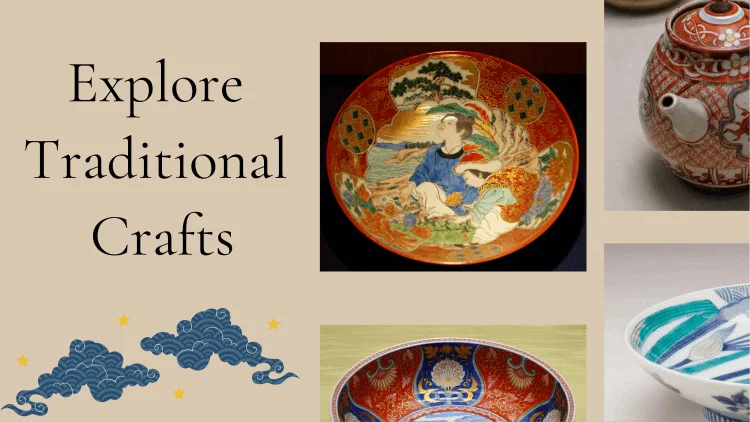
Workshops in pottery, indigo dyeing, paper making, lacquerware, woodblock printing, and other crafts reveal the regional materials and processes behind finished souvenirs.
Kanazawa is known for several traditional crafts, while Tokushima is associated with indigo dyeing. Confirm the teaching language, age requirement, duration, and whether a finished object must be collected or shipped later.
Safety tip: Follow the instructor when using blades, heat, dyes, kilns, or heavy tools, and tell the studio about accessibility needs.
8. Visit Hiroshima Peace Memorial Park
The park, Peace Memorial Museum, Cenotaph, and Atomic Bomb Dome create a place for remembrance and reflection on the atomic bombing of August 6, 1945. The museum can be emotionally demanding, so allow time and avoid rushing directly to another intensive activity.
Opening hours, entry procedures, and congestion controls can change. Check official information before traveling and behave quietly around memorial spaces.
Safety tip: Follow photography restrictions, supervise children sensitively, and plan a break after the museum if needed.
9. Watch Sumo or Baseball
Professional sumo tournaments are held at specific times and cities, while regional tours and morning practice visits operate under different rules. Japanese professional baseball has a longer annual season, but popular games can still sell out.
Buy through the governing body, team, venue, or an authorized seller. Check bag restrictions, ticket delivery, re-entry rules, and the last train if the event ends late.
Safety tip: Avoid unofficial ticket offers and stay aware of moving crowds around stadium exits and railway platforms.
10. Experience Osaka in the Evening
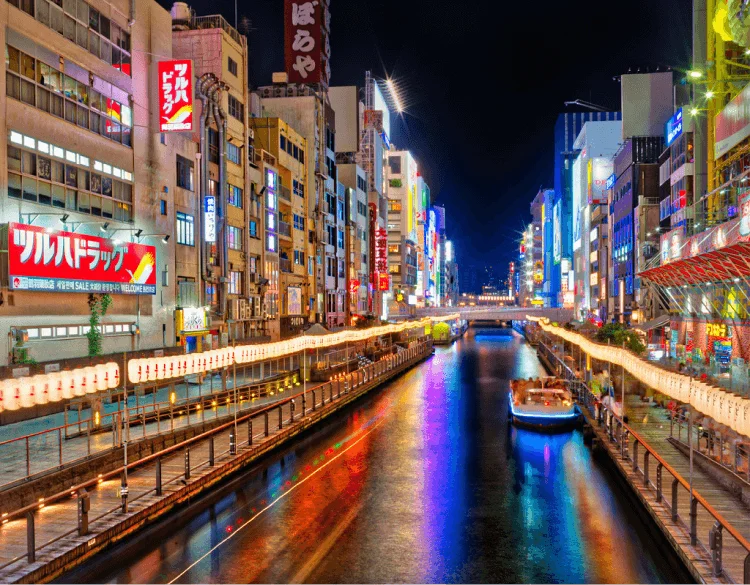
Dotonbori is an illuminated restaurant and entertainment district, not a conventional night market. Pair it with Hozenji Yokocho, Namba, or Shinsekai according to your interests and tolerance for crowds.
Many restaurants are small and have queues; choose one or two foods rather than trying to sample everything in a single evening. Check the final train time before moving between neighborhoods.
Safety tip: Use well-lit routes, keep drinks in sight, and leave businesses that use aggressive solicitation or unclear pricing.
Match Activities to Your Route
| Base | Natural priorities | Suggested time |
|---|---|---|
| Tokyo | Neighborhood walks, food, sumo or baseball | 3–4 days |
| Kyoto | Temples, shrines, crafts, seasonal viewing | 2–3 days |
| Osaka | Food, evening districts, baseball | 1–2 days |
| Hiroshima | Peace Memorial Park and Miyajima pairing | 1–2 days |
| Mountain or onsen region | Hiking, skiing, bathing | 1–3 days |
Practical Tips for First-Time Visitors
| Decision | Useful approach |
|---|---|
| Season | Build around weather-dependent priorities, then add indoor alternatives. |
| Pacing | Choose one major activity and one flexible neighborhood per half-day. |
| Tickets | Reserve limited-entry museums, workshops, sports, and performances first. |
| Transport | Group activities by area and check the final train for evening plans. |
| Connectivity | Download essential confirmations and keep maps available offline. |
Maps, weather alerts, translation tools, and booking messages are easier to manage with mobile data. Keep key addresses and tickets saved offline in case coverage is weak.
More Japan Planning
Review the route after fixing your travel dates, accommodation, and reserved attractions.
The iRoamly homepage provides destination connectivity options and additional travel guides.
FAQ
1. What should I do on my first trip to Japan?
Combine one large city, one cultural center, and one slower regional experience. Tokyo, Kyoto, Osaka, and a day or overnight trip make a balanced starting point.
2. Can I do all 10 activities in one week?
Technically some can be combined, but doing all ten would feel rushed. Choose five or six that fit the same route and season.
3. Which activities require advance booking?
Workshops, limited-entry museums, popular sports, major performances, and private onsen often benefit from advance reservations.
4. Is Japan safe for walking at night?
Many areas are comfortable for evening walks, but ordinary precautions still matter. Use well-lit routes, watch belongings, and avoid aggressive solicitors.
5. What can I do in Japan when it rains?
Choose museums, craft workshops, food halls, covered shopping streets, theater, or an onsen with safe transport access.
6. How much time should I leave between activities?
Allow at least 30–60 minutes for city transfers and more for cross-city travel. Add extra time for queues, meals, and unfamiliar stations.
Conclusion
The best things to do in Japan are not limited to famous sights; food, craft, bathing, sport, and neighborhood life provide just as much context.
Select experiences that belong together geographically and leave room for weather, crowds, and discovery.
A well-paced first trip will feel richer than a longer checklist completed in a hurry.