
Japan's cities do not feel like variations of one place. Tokyo can move from a lantern-lit temple lane to a tower-lined business district in minutes; Kyoto slows the pace around gardens and craft neighborhoods; Osaka turns dinner into street theater; and Sapporo opens toward a colder northern landscape.
That range is what makes choosing cities difficult and rewarding. I value a route that creates contrast without turning every morning into a station transfer, so this list keeps the original ten picks but adds the practical question each city answers.
Use the comparisons below to match Tokyo, Kyoto, Osaka, Hiroshima, Sapporo, Nara, Kanazawa, Fukuoka, Nagoya, and Kobe to your season, interests, trip length, and transport plan.
How to Choose the Best Cities in Japan
Start with trip length and geography. A Japan eSIM can be arranged before departure for maps, rail updates, ticket confirmations, translation, and hotel messages, but connectivity cannot recover time lost to an overpacked route.
For a first week, two major bases plus one day trip are usually more satisfying than five hotel changes. With ten to fourteen days, add one city that changes the trip's rhythm, such as Hiroshima for peace history, Kanazawa for craft heritage, or Sapporo for a separate northern segment.
Travel priority | Strongest city choices | Route note |
|---|---|---|
First-time contrast | Tokyo, Kyoto, Osaka | Efficient rail spine with very different city moods |
History and gardens | Kyoto, Nara, Kanazawa | Slow the pace and avoid treating every stop as a day trip |
Food-focused trip | Osaka, Fukuoka, Sapporo, Kobe | Choose two regions so meals do not come with constant transfers |
Modern industry and museums | Tokyo, Nagoya, Osaka | Works well along the Tokaido rail corridor |
Peace history and island scenery | Hiroshima | Allow time for both the city and Miyajima |
Winter city break | Sapporo | Treat Hokkaido as a dedicated segment with different clothing |
Confirm current city information
The official Japan city destination directory is useful for current regional context. Always confirm attraction openings, construction, event dates, and reservations on the venue's own site before travel.
Top 10 Best Cities to Visit in Japan
1. Tokyo: Japan's Biggest Urban Canvas
Tokyo suits travelers who want maximum variety: historic Asakusa, fashion and youth culture in Shibuya and Harajuku, design and shopping in Ginza, electronics and pop culture in Akihabara, museums in Ueno, and neighborhood food scenes that reward wandering. It needs at least three full days to feel like a city rather than a highlights reel.
Shibuya Crossing: See it from street level, then move into nearby lanes rather than stopping at the photograph.
Tokyo Tower: A classic skyline viewpoint; compare visibility and timed-entry needs.
Senso-ji: Tokyo's oldest Buddhist temple, most atmospheric early or later in the day.
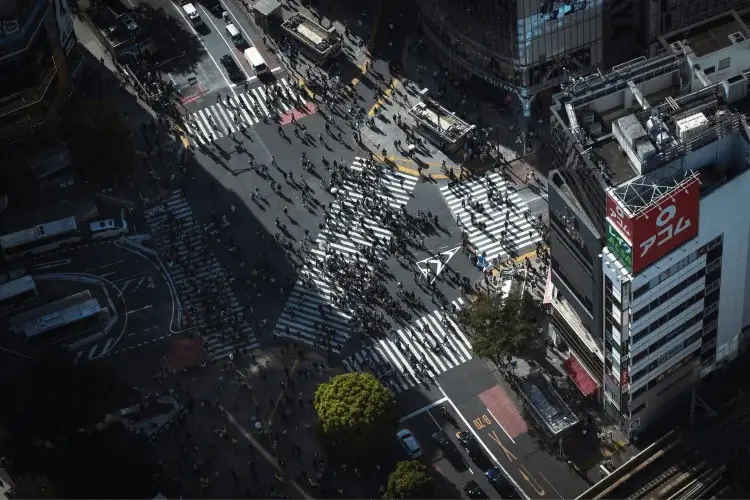
A dedicated guide to things to do in Tokyo can help group sights by neighborhood so the day is not lost crossing the city repeatedly.
2. Kyoto: Temples, Gardens, and Living Craft
Kyoto is strongest for travelers interested in architecture, religious heritage, tea, gardens, traditional crafts, and seasonal scenery. Kinkaku-ji, Gion, and Arashiyama remain worthwhile, but the city becomes more rewarding when one headline sight is paired with a quieter temple, workshop, or neighborhood walk.
Kinkaku-ji: The Golden Pavilion and its pond create a classic image, though visits are busy and relatively short.
Gion: Treat it as a living district, respect photography restrictions, and avoid blocking private entrances.
Arashiyama: The bamboo grove is compact; combine it with a temple, river walk, or mountain route.
Best for: Two to four nights, early starts, and travelers willing to plan around crowd pressure rather than chase every famous temple.
3. Osaka: Food, Nightlife, and a Practical Kansai Base
Osaka's kuidaore food identity, merchant history, and outgoing street energy give it a clear role beside Kyoto. Dotonbori, Kuromon Ichiba Market, Osaka Castle Park, and Universal Studios Japan serve very different interests, while rail links make the city a practical base for parts of Kansai.
Osaka Castle: The reconstructed keep is a museum; the surrounding park and defensive landscape add context.
Universal Studios Japan: Buy dated tickets early and check current area-entry procedures.
Dotonbori: Visit for the evening atmosphere, then eat beyond the most photographed storefronts.
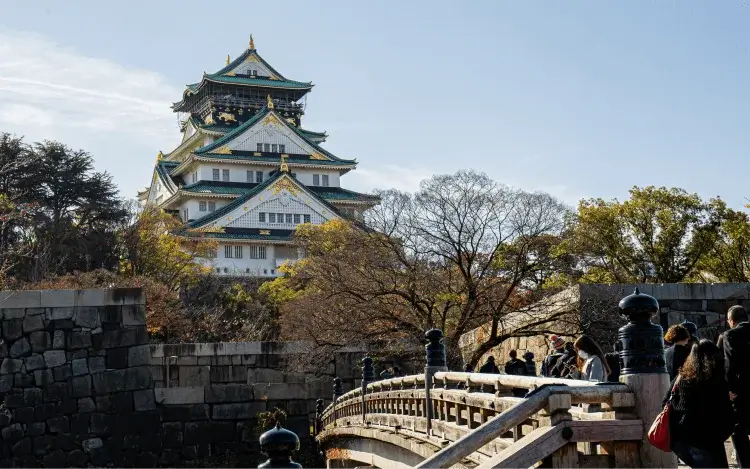
A guide to things to do in Osaka is most useful when it separates city priorities from day trips to Kyoto, Nara, Kobe, or Himeji.
4. Hiroshima: Peace Memory and Seto Inland Sea Access
Hiroshima should be approached first as a living city that preserves difficult history with care. The Peace Memorial Park and museum require emotional time, while Shukkeien, local food, and access to Miyajima add a wider sense of place.
Peace Memorial Park: Allow unhurried time and maintain a respectful tone.
Hiroshima Castle site: Check current access and reconstruction information rather than assuming the main keep is open.
Shukkeien: A compact historic garden that works well before or after central-city sights.
Best for: One or two nights; stay longer if Miyajima is a priority instead of compressing both into a rushed day.
5. Sapporo: Northern Food and Seasonal Scale
Sapporo is a true regional shift, not a simple add-on to Tokyo and Kyoto. Winter brings the Snow Festival and access to snow country; green-season visits emphasize parks, food, beer history, and excursions across Hokkaido.
Sapporo Snow Festival: Event dates and hotel demand change yearly, so book from the official schedule.
Odori Park: The city's central event corridor and an easy orientation point.
Historic Village of Hokkaido: An open-air museum that explains settlement-era architecture and regional history.
Best for: At least two city nights plus extra time for Hokkaido excursions; flying can be more practical than adding a very long rail leg.
6. Nara: Sacred Landscape at Walking Pace
Nara was Japan's first permanent capital and remains one of the easiest places to connect monumental Buddhist art, shrine forest, gardens, and free-roaming deer in one walkable area. It is quieter than Kyoto, but not empty around its major sights.
Todaiji: The Great Buddha Hall and bronze Buddha are essential for understanding Nara's scale and importance.
Nara Park: The deer are wild; use only authorized crackers and protect bags and paper.
Kasuga Taisha: Lantern-lined approaches and forest create a strong transition from park to shrine.
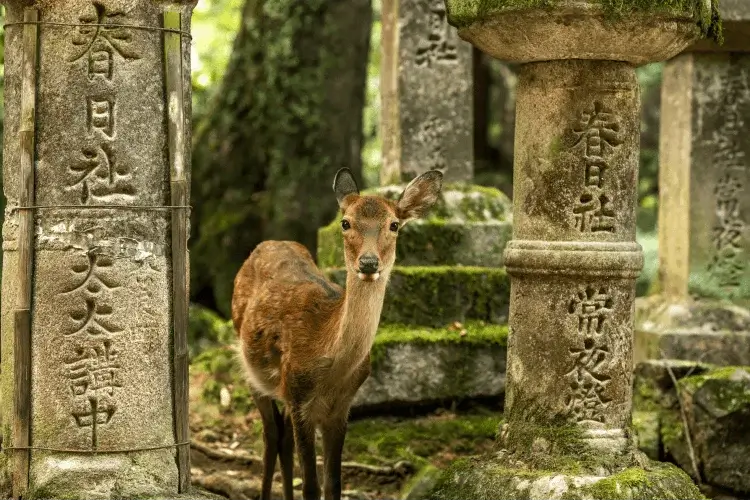
Best for: A full day from Kyoto or Osaka, or one night for quieter mornings and evenings.
7. Kanazawa: Garden Design and Craft Heritage
Kanazawa preserves samurai, tea-district, garden, market, and craft experiences at a scale that is easier to navigate than Kyoto. Kenrokuen is the anchor, while Nagamachi, Higashi Chaya, Omicho Market, and contemporary museums broaden the trip.
Kenrokuen: Seasonal garden design rewards slow observation rather than a quick circuit.
Kanazawa Castle Park: Reconstructed gates and buildings help explain the former castle town.
Higashi Chaya: Visit respectfully; preserved streets include active businesses and residences.
Best for: Two nights on a Tokyo–Kanazawa–Kyoto route, especially for crafts, gardens, and a calmer pace.
8. Fukuoka: Kyushu Gateway with a Relaxed Food Culture
Fukuoka combines an efficient airport, compact central districts, Hakata history, coastal access, shopping, and yatai food stalls. It is less monument-heavy than Kyoto or Nara and better for travelers who enjoy everyday city life, ramen, parks, and regional excursions.
Fukuoka Castle ruins: Maizuru Park adds open space and seasonal interest.
Ohori Park: A useful pause within the city and an easy walking destination.
Canal City Hakata: A large shopping and entertainment complex near central sights.
Best for: Two nights or more, particularly when continuing to Dazaifu, Nagasaki, Kumamoto, or other Kyushu destinations.
9. Nagoya: Industry, Rail, and Samurai Collections
Nagoya is a strong choice for automotive history, rail technology, regional food, and major collections between Tokyo and Kansai. It is often treated as a transfer point, but one full day can connect the Toyota Commemorative Museum, SCMAGLEV and Railway Park, Atsuta Jingu, and castle precinct.
Nagoya Castle: See the golden shachihoko and Honmaru Palace, but check current access because the main keep has restrictions.
SCMAGLEV and Railway Park: A detailed museum for families and transport enthusiasts.
Atsuta Jingu: One of Japan's most significant Shinto shrines, set within a wooded precinct.
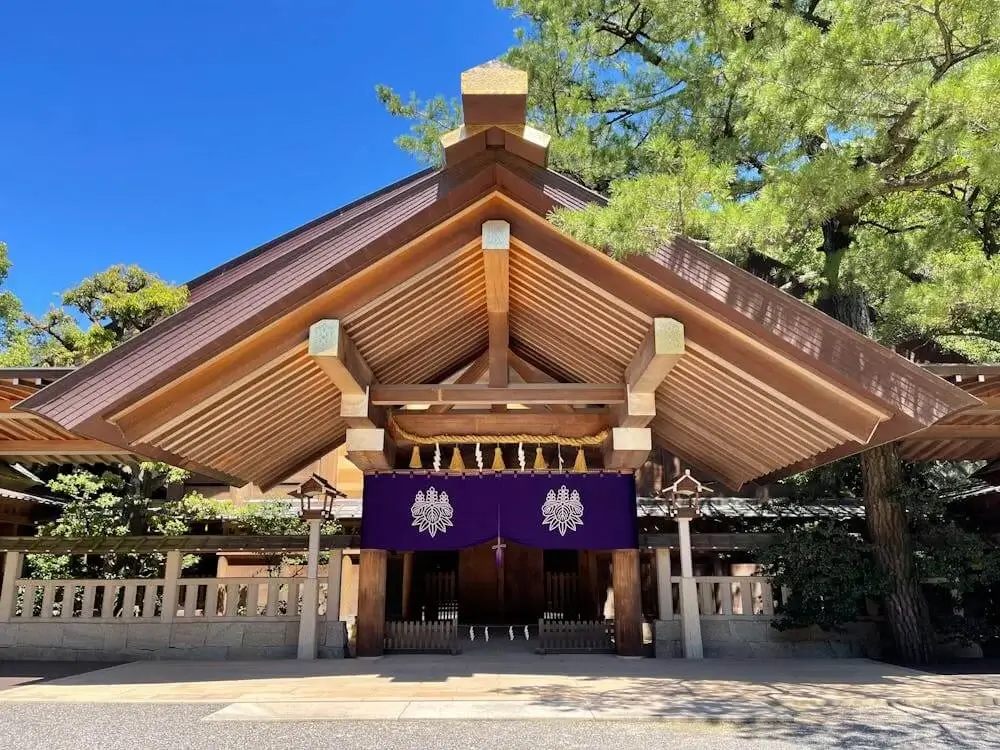
Best for: One or two nights, or a carefully planned stop between Tokyo and Kyoto or Osaka.
10. Kobe: Harbor, Hills, and an Easy Kansai Change of Mood
Kobe occupies a narrow space between the Rokko mountains and Osaka Bay, giving the city a cosmopolitan port identity and quick access to viewpoints. Kobe beef is a draw, but waterfront walks, Kitano's international architecture, shrine history, and Nunobiki add range.
Harborland: Waterfront views, shopping, and an easy evening walk.
Ikuta Jinja: A historic shrine close to central Sannomiya.
Kobe Animal Kingdom: A family attraction combining botanical spaces and animal exhibits; review welfare preferences and current schedules before choosing it.
Best for: A day trip or one night from Osaka or Kyoto, especially for travelers who want harbor scenery and a slower final stop.
Japan City Route Ideas
The right order depends on arrival airport and season. A 10-day Japan itinerary can be used as a route framework, but remove stops when transfers leave too little time for neighborhoods, meals, and weather changes.
Trip length | Suggested city mix | Pace |
|---|---|---|
7 days | Tokyo + Kyoto, with Osaka or Nara as a day trip | Two bases, minimal luggage movement |
10 days | Tokyo + Kyoto + Osaka, with Nara | Classic first-trip contrast |
14 days | Tokyo + Kanazawa + Kyoto/Osaka + Hiroshima | One deeper regional extension |
Winter 10–14 days | Tokyo/Kansai segment + separate Sapporo segment | Flight connection and cold-weather buffer |
Kyushu-focused | Fukuoka + regional cities outside this top ten | Use Fukuoka as the transport anchor |
Open-jaw flights can reduce backtracking when the route begins in Tokyo and ends near Osaka or Fukuoka. Price real rail journeys before buying a national or regional pass.
Practical Tips for Visiting Japanese Cities
Match the season to the city
Seasonal planning helps separate cherry-blossom demand, summer heat, autumn foliage, and winter snow. Sapporo, Kyoto, and Fukuoka can require very different clothing on the same calendar date.
Book the least flexible attractions and peak city nights first, then leave neighborhood walks and secondary museums adjustable. This protects the trip from rain, fatigue, and crowding.
Use connectivity as a planning tool
Save offline maps and hotel addresses, then use the iRoamly travel eSIM site to compare current plans by trip length, data allowance, hotspot needs, and device compatibility.
Do not rely only on a phone: keep screenshots of rail tickets and the last route back to the hotel, especially after evening events.
Compare city-hopping styles across countries
Japan's dense rail spine rewards a small number of high-contrast bases. The best cities in Spain offer a useful comparison: both countries support rail-based culture routes, but Spain often asks travelers to choose between northern, Mediterranean, and Andalusian regions while Japan's first-trip route concentrates more strongly around Tokyo and Kansai.
The shared lesson is to choose cities by distinct reader need—food, history, coast, winter, or modern culture—not by fame alone.
Common mistake | Better decision |
|---|---|
One night in every city | Use two- to four-night anchors and selective day trips |
Buying every pass in advance | Price the actual eligible journeys first |
Ignoring construction | Check current access for castles, museums, and observation decks |
Repeating similar experiences | Choose cities that add a new region, pace, or theme |
Planning by map distance | Use door-to-door time, luggage, and station transfers |
The best route is not the one with the most names. It is the one that gives each chosen city enough time to reveal why it belongs.
FAQ
1. What is Japan's most famous city?
Tokyo is the most internationally prominent city and the strongest first base for modern culture, food, museums, neighborhoods, and transport connections.
2. How many Japanese cities should I visit in one week?
Two overnight bases are comfortable; add one nearby day trip if the transport is simple and it provides a different experience.
3. Which cities are best for a first trip?
Tokyo and Kyoto create the clearest contrast, with Osaka or Nara as an easy third experience depending on food, nightlife, or history interests.
4. Which city is best for food?
Osaka is the easiest all-round food recommendation, while Fukuoka, Sapporo, Kobe, Tokyo, and Nagoya each reward specific regional tastes.
5. Can I visit Mount Fuji from these cities?
Tokyo is the most common gateway, but Mount Fuji is not a city and visibility, access, climbing season, and transport depend on the exact destination and date.
6. Should I stay in Kyoto or Osaka?
Choose Kyoto for early temple access and quieter heritage evenings; choose Osaka for nightlife, food, broader hotel options, and a livelier transport base.
Conclusion
These ten cities preserve the original promise while covering Japan's major travel contrasts: Tokyo's scale, Kyoto's heritage, Osaka's food, Hiroshima's peace history, Sapporo's northern seasons, and the distinct strengths of Nara, Kanazawa, Fukuoka, Nagoya, and Kobe.
Choose two or three anchors according to trip length, then add only cities that contribute a new region, pace, or interest. Check live access for attractions, price actual transport, and protect time for neighborhoods and meals.
A selective route will show more of Japan than a rushed checklist, because the character of each city emerges between the headline sights.