
Japan’s most famous landmarks span temples, castles, museums, islands, gardens, and city viewpoints, so geography matters more than the raw number of places on a list.
Live route changes and timed-entry bookings make dependable data useful on the road. The iRoamly travel planning hub can support practical trip research before departure.
This guide profiles 25 landmarks with location, access, viewpoint, entry, and souvenir notes so you can group realistic regional routes.
1. Kinkaku-ji
The Golden Pavilion, Kinkaku-ji, is a Zen Buddhist temple in Kyoto, its top two floors sheathed in gold leaf.
Quick fact | Planning detail |
|---|---|
Location | Kyoto |
Transport | Buses run directly from Kyoto Station |
Best View Spot | Across the pond, for a stunning reflection |
Need to Know | Entry charge applicable. Particularly beautiful in autumn when the leaves turn. |
Souvenir | Golden Pavilion models or gold leaf ornaments |
2. Mount Fuji
Japan’s highest peak, a picture-perfect volcano that artist Hokusai immortalised in print form, and an object of pilgrimage for centuries.
Quick fact | Planning detail |
|---|---|
Location | Shizuoka and Yamanashi Prefectures |
Transport | Day bus tours from Tokyo |
Best View Spot | Kawaguchiko Lake if you want a classic shot |
Need to Know | No climbing permit needed; climbing season early July to mid-September. |
Souvenir | Fuji-themed shirts, hiking sticks |
3. Hiroshima Peace Memorial Park
A memorial to the victims of the atomic bombing of Hiroshima in 1945, this park is home to the Genbaku Dome and Peace Memorial Museum.
Quick fact | Planning detail |
|---|---|
Location | Hiroshima |
Transport | Tram from Hiroshima Station to Genbaku-Domu Mae stop |
Best view spot | The A-Bomb Dome from the park |
Need to Know | Free entry to park; museum entrance charged. Visit in August for peace ceremonies. |
Souvenir | Origami paper and crane-making kits |
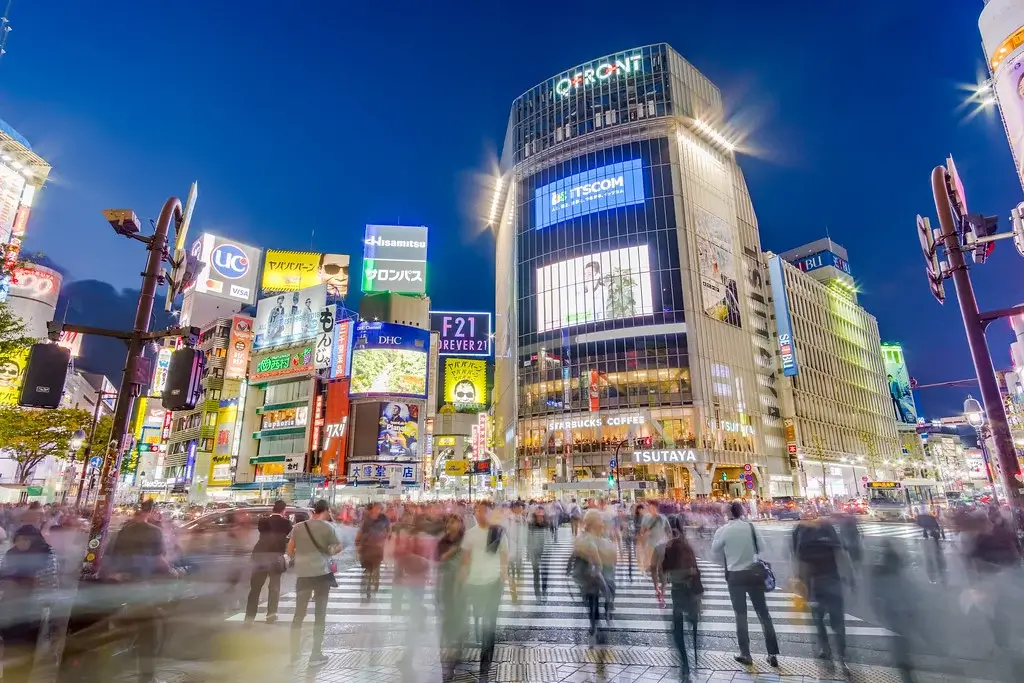
4. Shibuya Scramble
Shibuya Scramble Crossing in Tokyo is arguably the busiest pedestrian crossing in the world – and certainly one of the most photographed.
Quick fact | Planning detail |
|---|---|
Location | Tokyo |
Transport | Direct access from Shibuya Station |
Best view spot | Second storey of the nearby Starbucks |
Need to Know | Snarl of crisscrossing pedestrians perfect for photos, especially at night. To capture these night views in time, upload your photos, and look up the best shooting spots, keeping your Japan trip connection active will make the whole process much smoother. |
Souvenir | Shibuya Scramble printed canvas bags |
5. Senso-ji Temple
Tokyo’s oldest temple, Senso-ji is dedicated to Kannon, the Buddhist goddess of mercy, and is famed for its Thunder Gate and Nakamise Street approach to the temple.
Quick fact | Planning detail |
|---|---|
Location | Tokyo |
Transport | A short walk from Asakusa Station |
Best view spot | Looking uphill to the temple from Thunder Gate |
Need to Know | Entry is free, and the temple is busiest during spring’s Sanja Matsuri. |
Souvenir | Traditional Japanese fans and incense |
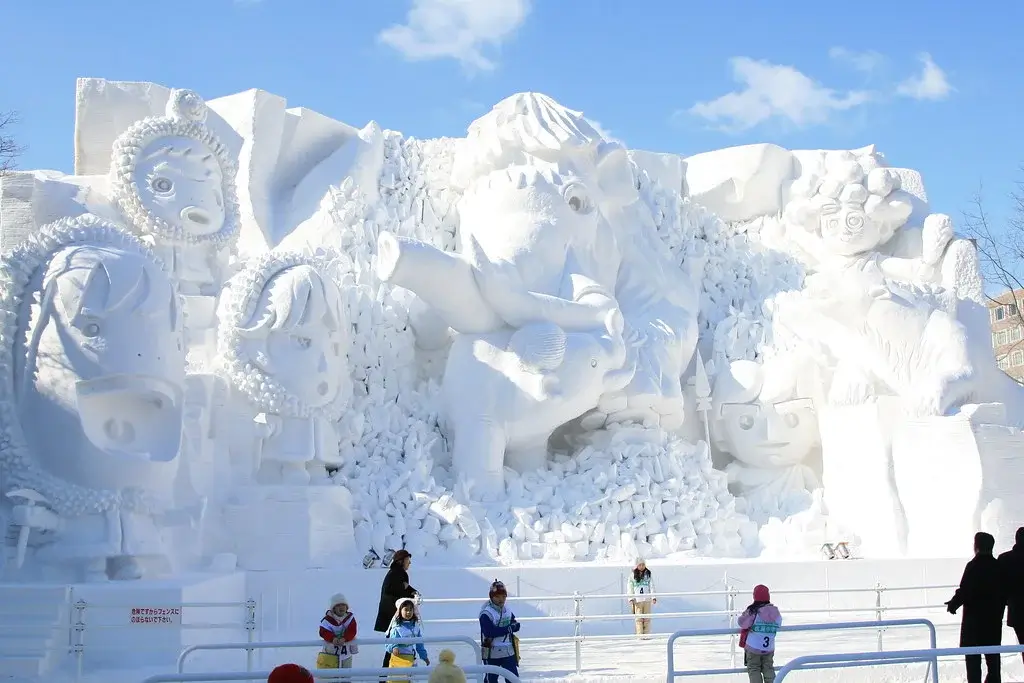
6. Sapporo Snow Festival
The Sapporo-hosted Snow Festival is an annual celebration of all things cold and frozen, with artists creating massive sculptures and tourist packages catering to visitors from around the world.
Quick fact | Planning detail |
|---|---|
Location | Sapporo, Hokkaido |
Transport | Subway from Sapporo Station to Odori Station |
Best View Spot | Odori Park, where the festival takes place |
Need to Know | Takes place in February; free entry but very cold. |
Souvenir | Snow Festival merchandise, plus perhaps some Sapporo beer |
7. Kenrokuen Garden
One of Japan's "Three Great Gardens," Kenrokuen is in Kanazawa and is famed for its calm and seasonal splendour, especially when the cherry blossoms bloom or autumn leaves fall.
Quick fact | Planning detail |
|---|---|
Location | Kanazawa |
Transport | Bus from Kanazawa Station |
Best View Spot | Rooftop viewing platform of the oldest fountain in Japan |
Need to Know | Small entrance fee; garden looks best in cherry blossom season or autumn foliage. |
Souvenir | Locally-made tea and traditional sweets |
Garden timing changes with blossom, fresh green, autumn color, and winter snow supports.
Japan cherry blossom guide helps set spring expectations.
Use the garden’s current notice for opening hours and seasonal restrictions.
8. Himeji Castle
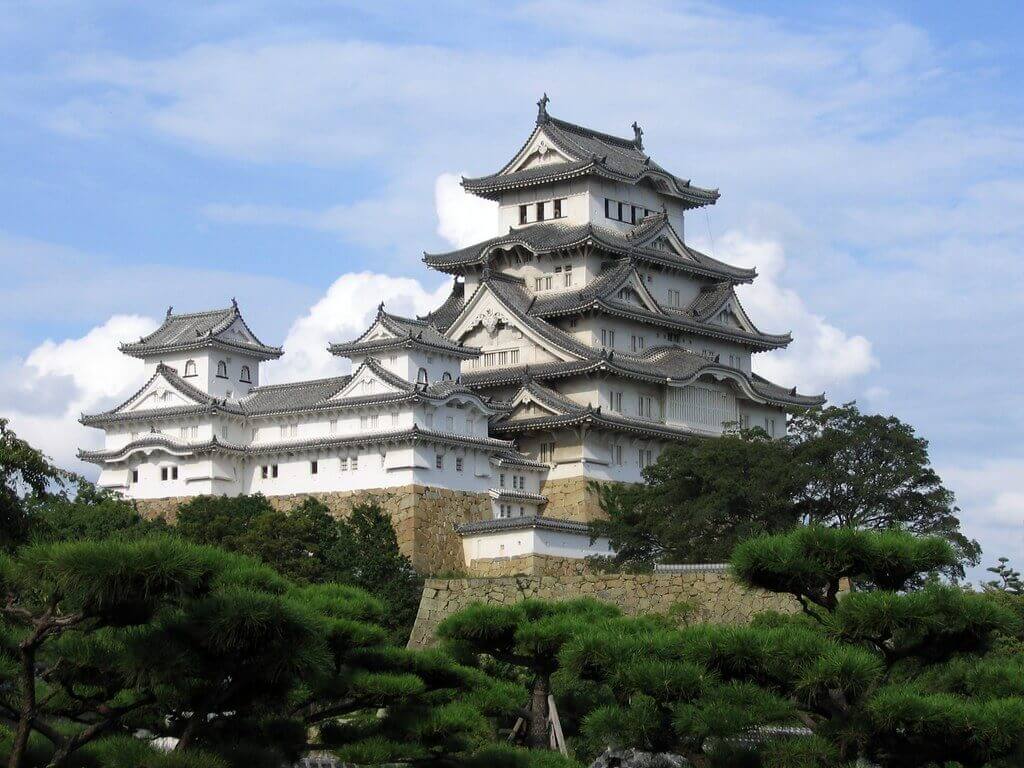
Himeji Castle, dubbed the White Heron Castle due to its pale exterior, is a centuries-old feudal castle and one of Japan's "originals", never destroyed or reconstructed.
Quick fact | Planning detail |
|---|---|
Location | Himeji |
Transport | Short walk from Himeji Station |
Best View Spot | The top-most floor, providing a city view |
Need to Know | Entrance fee; try to avoid public holidays. |
Souvenir | Castle replicas, mini or otherwise, and Japanese fans |
The castle rewards enough time for steep interior stairs, defensive features, and the surrounding grounds.
official Himeji Castle visitor guidance provides destination access context.
Arrive early on weekends and holiday periods.
9. Osaka Castle
Osaka Castle is surrounded by its own moats and parks, a potent symbol of power that has persevered centuries. Its grounds feature historical and local museums.
Quick fact | Planning detail |
|---|---|
Location | Osaka |
Transport | Walk from Osakajokoen Station |
Best View Spot | Nishinomaru Garden is good for cherry blossoms |
Need to Know | Museum entrance fee, but the park is free. |
Souvenir | Illustrated postcards, toy samurai helmets |
10. Itsukushima Shrine
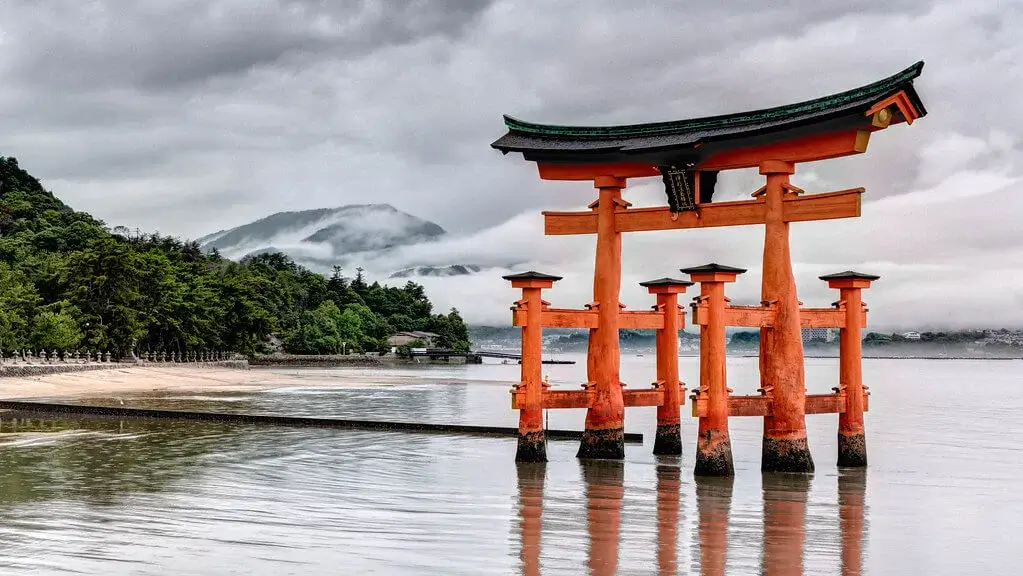
Commonly photographed for its "floating" torii gate, Itsukushima Shrine on Miyajima Island's raised platforms are a silent vision of beauty that appears to stand in the ocean itself at high tide.
Quick fact | Planning detail |
|---|---|
Location | Hiroshima Prefecture |
Transport | Ferry from Miyajimaguchi |
Best View Spot | From a boat at high tide |
Need to Know | Shrine entrance fee; plan to visit at sunset. |
Souvenir | Mini-torii, rice scoops from Miyajima |
The shrine’s relationship with the water is central to the visit.
UNESCO World Heritage listing explains its cultural significance.
Check tide times and ferry schedules if a water-level view matters.
11. Naoshima
Naoshima is an island of modern art, with museums, installations, and sculptures spread throughout the area. Most of them are artfully placed in the great outdoors, creating a peaceful and unique setting.
Quick fact | Planning detail |
|---|---|
Location | Kagawa Prefecture |
Transport | Ferry from Uno or Takamatsu |
Best View Spot | Benesse House, for art nestled in nature |
Need to Know | Multiple museums on the island, each requiring separate entry fees; plan for a day trip. |
Souvenir | Art books or postcards of the island's landmarks |
12. Nijo Castle
A castle built by the Tokugawa shoguns, the Kyoto castle is famed for its lavish palaces, beautiful grounds, and the historic importance of Ninomaru Palace.
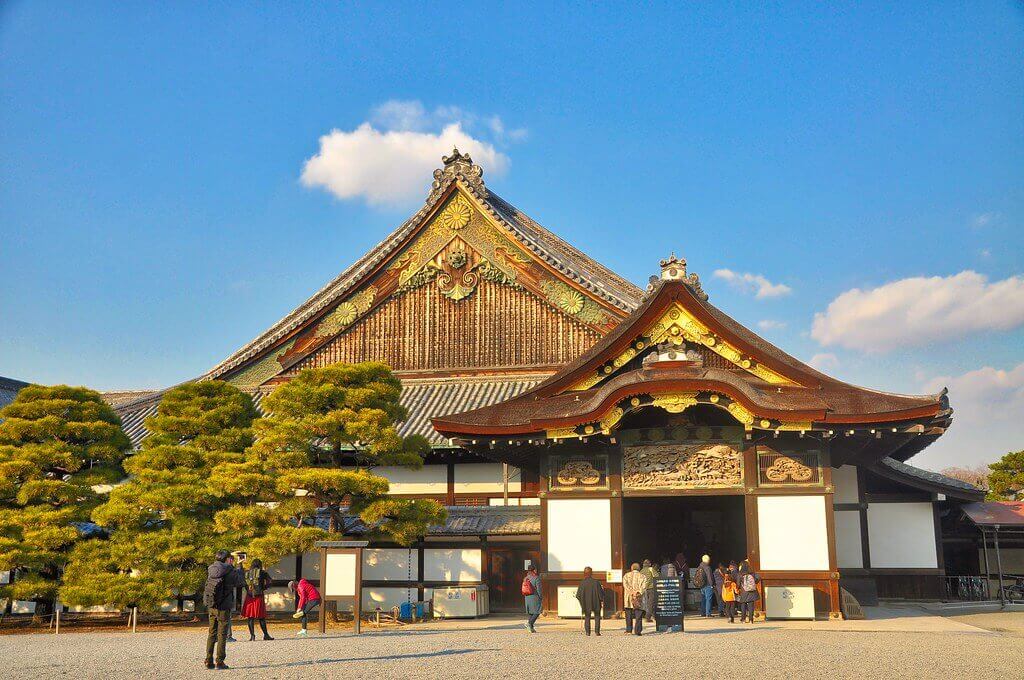
Quick fact | Planning detail |
|---|---|
Location | Kyoto |
Transport | Short walk from Nijojo-mae Station |
Best View Spot | The gardens surrounding Ninomaru Palace |
Need to Know | Entry fee required; night visits during cherry blossom season are unforgettable. |
Souvenir | Nijo Castle-themed items, such as crafts or matcha sweets |
13. Tokyo Skytree
One of the world's tallest structures, Tokyo Skytree offers unparalleled views of the metropolis, and even to neighboring prefectures, from its observation decks. All this is housed in a structure that blends hypermodern engineering with traditional aesthetics.
Quick fact | Planning detail |
|---|---|
Location | Tokyo |
Transport | Direct entrance from Oshiage Station |
Best View Spot | Tembo Deck, for 360 views |
Need to Know | Tickets for the observation decks are needed; book ahead online to avoid long queues. |
Souvenir | Skytree-exclusive merchandise, such as puzzles or bento boxes |
14. Ise Grand Shrine
Regarded as Japan's most important Shinto shrine, the Ise Grand Shrine is dedicated to the sun goddess Amaterasu. Its architectural style is one of a kind, and it's wholly rebuilt every two decades in a ceremony of sanctification.
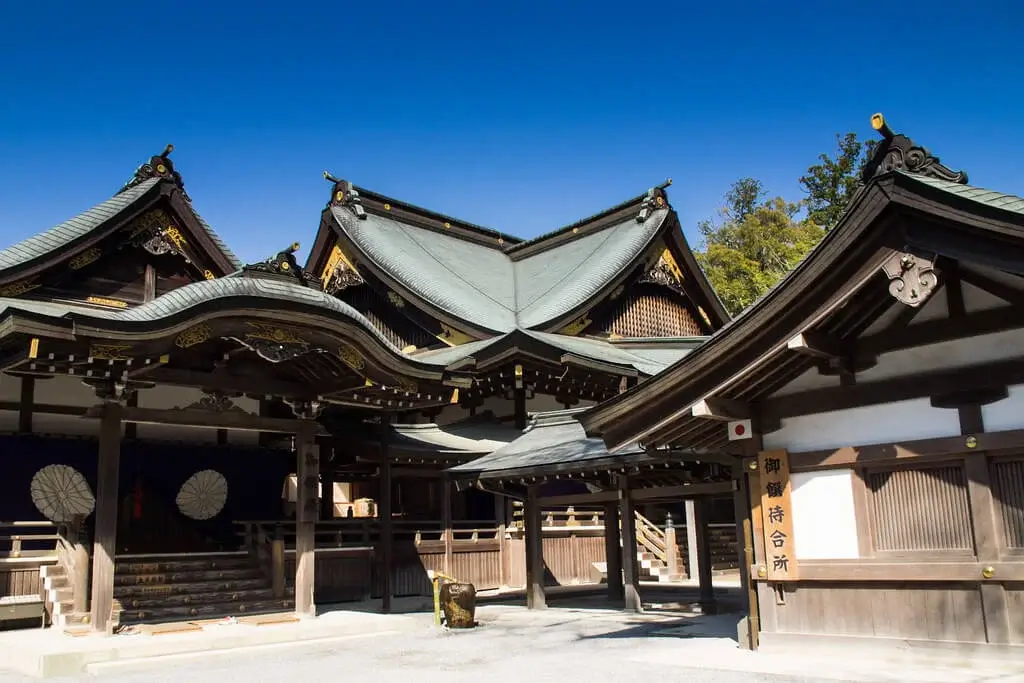
Quick fact | Planning detail |
|---|---|
Location | Mie Prefecture |
Transport | Bus from Ise-shi Station |
Best View Spot | The approach from Uji Bridge |
Need to Know | There is no entrance charge; respectful behavior is a must. The shrine's biannual rebuild is a practice for Shinto worship. |
Souvenir | Charms, or locally made Ise cotton goods |
15. Odaiba
Odaiba is a shopping and entertainment complex on Tokyo Bay's artificially built island, with futuristic buildings hosting immense shopping centers, and entertainment options including an onsen, beach, and more.
Quick fact | Planning detail |
|---|---|
Location | Tokyo |
Transport | Yurikamome Line or Rinkai Line to Daiba Station |
Best View Spot | The beach, for Rainbow Bridge and Tokyo's skyline |
Need to Know | Many venues will require separate entry fees; it's quite lively come the evening. |
Souvenir | Quirky electronics or fashionable sweets |
16. Ghibli Museum
Immerse yourself in the enchanting world of Studio Ghibli at this Mitaka museum, exploring the art and animation of Hayao Miyazaki and his collaborators.
Quick fact | Planning detail |
|---|---|
Location | Mitaka, Tokyo |
Transport | Bus from Mitaka Station |
Best View Spot | The rooftop garden, home to a life-size robot soldier |
Need to Know | Booking in advance is essential; no photography allowed inside to protect the magic. |
Souvenir | Exclusive Studio Ghibli goods |
17. Nagasaki Atomic Bomb Museum
Nagasaki’s museum and nearby Peace Park memorialize the 1945 atomic bombing and are dedicated to promoting peace.
Quick fact | Planning detail |
|---|---|
Location | Nagasaki |
Transport | Tram to Hamaguchi-machi Station |
Best View Spot | Memorials in the Peace Park |
Need to Know | Entry fee; solemn and contemplative. |
Souvenir | Peace-related items |
18. Nikko National Park
Nikko is a national park offering magnificent landscapes of mountains, lakes, falls, and hot springs, paired with the cultural history of its shrines and temples.
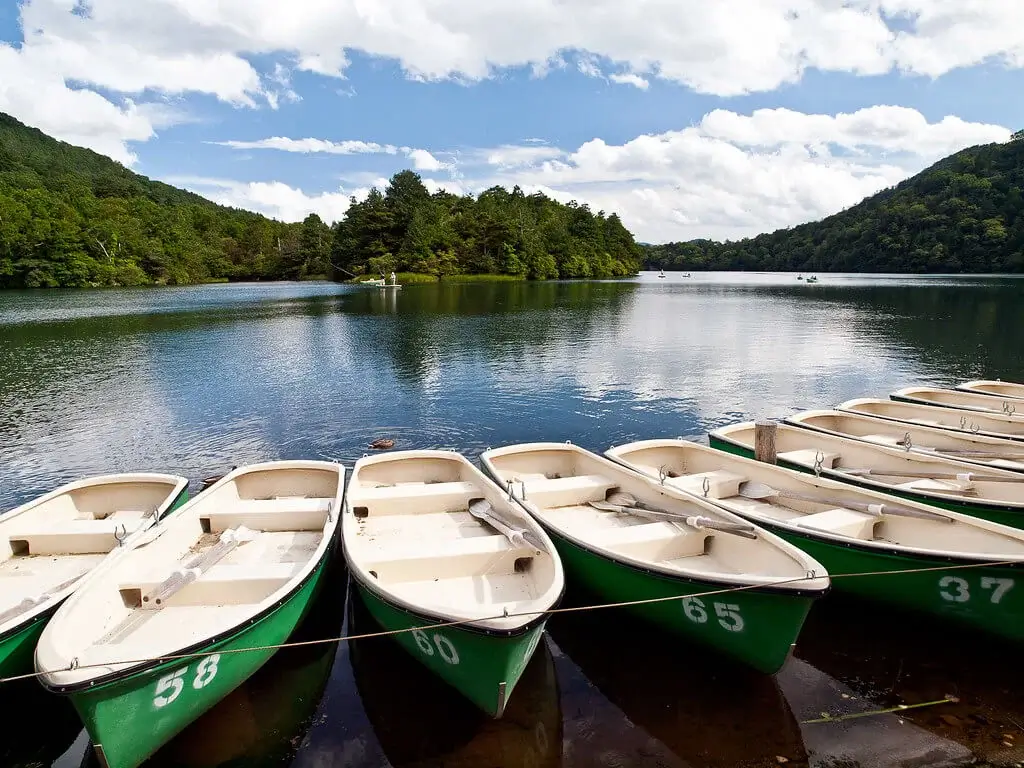
Quick fact | Planning detail |
|---|---|
Location | Tochigi Prefecture |
Transport | Train from Tokyo, then local buses |
Best View Spot | Kegon Falls for a spectacular sight |
Need to Know | Some sites charge small fees; the area is very beautiful in autumn. |
Souvenir | Nikko woodcrafts |
19. Okinawa
Okinawa has a unique culture, a subtropical climate, and a collection of beautiful islands. Snorkeling and diving here offer a very different experience from what you would find on the islands of Indonesia.
Quick fact | Planning detail |
|---|---|
Location | Okinawa Prefecture |
Transport | Flights or ferries from mainland Japan |
Best View Spot | The panoramic views from Shurijo Castle |
Need to Know | Many beaches charge entry fees; snorkeling and marine life are key draws. |
Souvenir | Coral jewelry from Okinawa |
Okinawa and Indonesia both reward island planning, but transfer style, marine activities, culture, and route scale differ.
Indonesian islands guide provides a useful archipelago comparison.
Return to the Japan itinerary by deciding whether Okinawa is a short beach break or a multi-island segment.
20. Ryoanji Temple
Known for its zen rock garden, the temple in Kyoto is a meditation space, encouraging visitors to contemplate the principles of Zen Buddhism through simple design.
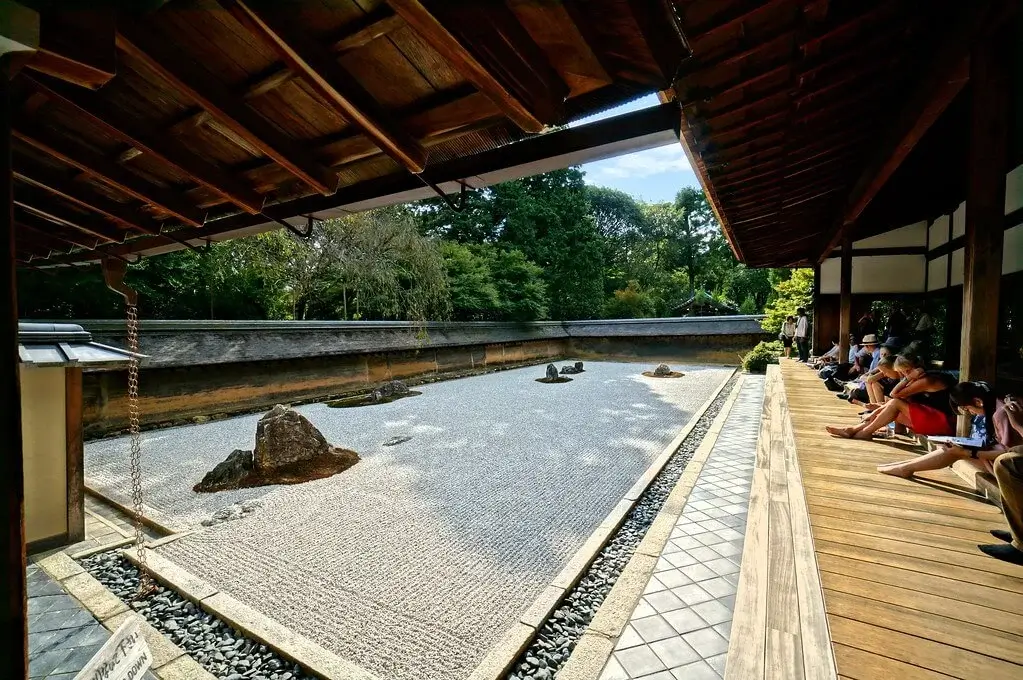
Quick fact | Planning detail |
|---|---|
Location | Kyoto |
Transport | Bus from Kyoto Station |
Best View Spot | The rock garden; sit and reflect |
Need to Know | Entry fee; the temple is typically a hushed environment. |
Souvenir | Mini Zen garden kit |
21. Todaiji Temple
The world's largest bronze statue of the Buddha takes up residence in Nara's Todaiji, a historically and spiritually significant building that is also one of the largest wooden structures in the world.
Quick fact | Planning detail |
|---|---|
Location | Nara |
Transport | Walk from Kintetsu Nara Station |
Best View Spot | In the Great Buddha Hall |
Need to Know | Entrance fee to the temple. The temple grounds are busy in March when the Omizutori festival takes place. |
Souvenir | Wooden Buddhist amulets |
22. Tokyo Tower
An obvious riff on the Eiffel Tower is Tokyo's red and white lattice icon, a television broadcasting tower and a tourist point of interest with observation decks offering views of the city.
Quick fact | Planning detail |
|---|---|
Location | Tokyo |
Transport | Short walk from Akabanebashi Station |
Best View Spot | Main observatory for a full city view |
Need to Know | Entrance fee for the tower. Visit at night though for a sparkling view of the city lit up. |
Souvenir | Miniature Tokyo Towers |
City viewpoints and transit changes are easier to manage with live maps.
Japan eSIM plans are one option for keeping those tools available.
Save the hotel address and last-train route offline as a backup.
23. Fushimi Inari Shrine
Kyoto's Fushimi Inari Shrine is home to thousands of vermilion torii gates that make their way up the sacred Mount Inari and into the wooded forest.
Quick fact | Planning detail |
|---|---|
Location | Kyoto |
Transport | Short walk from Fushimi-Inari Station |
Best View Spot | Along the mountain trail, halfway up, to experience fewer crowds |
Need to Know | Entry is free; the gates are, unsurprisingly, beautiful in the early morning and evening. |
Souvenir | Miniature torii gates |
24. Kanazawa Castle
Kanazawa Castle's sprawling restored grounds and unique, white clay-walled buildings provide a haunting echo of Japan's feudal period.
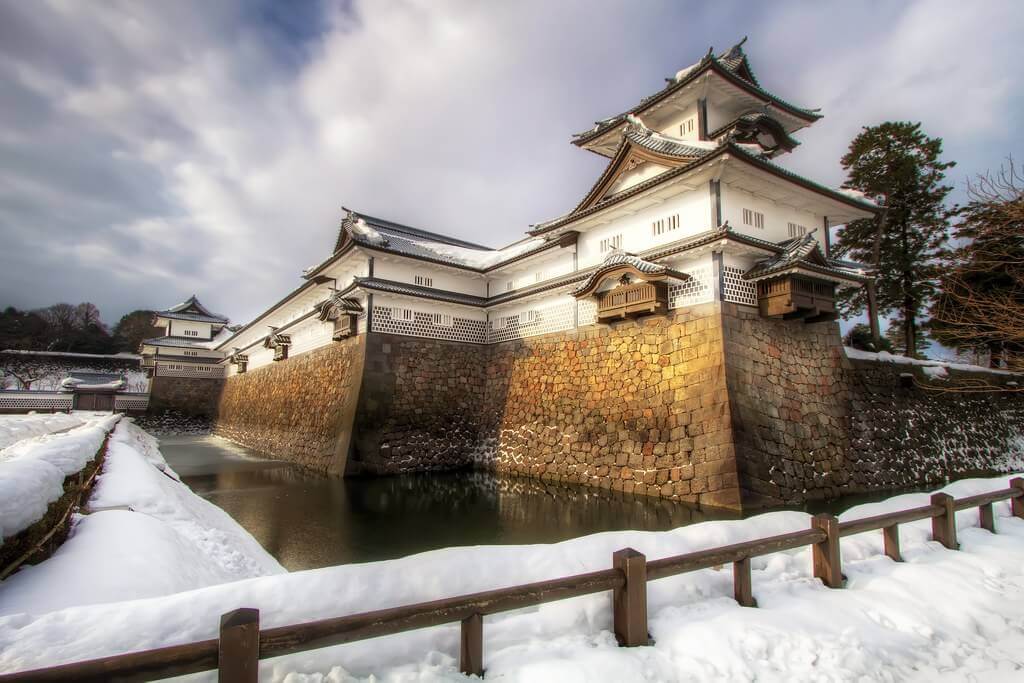
Quick fact | Planning detail |
|---|---|
Location | Kanazawa |
Transport | Bus from Kanazawa Station |
Best View Spot | Gyokusen’inmaru Garden during cherry blossom season |
Need to Know | The gardens have no entry fee, but some buildings on the site do. Equally, the castle is especially photogenic in cherry blossom season. |
Souvenir | Kanazawa gold leaf products |
25. Tsukiji Outer Market
A lively environment in Tokyo where visitors can immerse themselves in the many stalls of fresh seafood and produce, along with a range of Japanese food – a food lover’s dream.
Quick fact | Planning detail |
|---|---|
Location | Tokyo |
Transport | Short walk from Tsukiji Station |
Best View Spot | The market alleys – the brightly displayed food |
Need to Know | Free entry, market is at its noisiest in the morning. Enjoy authentic Japanese sushi at a Japanese food stall. |
Souvenir | Japanese knives or wasabi products. |
A market visit is easier when travelers understand ordering customs and seafood styles.
Japanese sushi guide supplies that food context.
Go with an appetite, respect queues, and avoid blocking narrow shopfronts.
Building a Regional Landmark Route
A workable itinerary clusters landmarks by transport region instead of ranking them only by fame.
Route block | Planning logic |
|---|---|
Tokyo area | City icons, markets, museums, and a possible Mount Fuji viewing day. |
Kansai | Kyoto, Osaka, Nara, and Himeji with shorter intercity transfers. |
Further regions | Add Hiroshima, Hokuriku, Hokkaido, or Okinawa as a separate route block. |
Visibility, season, and approach route change a Mount Fuji stop more than distance from Tokyo alone.
Japan Mount Fuji guide adds route-specific planning.
Check current trail, transport, and weather notices before a climbing or viewing day.
FAQ
1. What is Japan’s most famous landmark?
Mount Fuji is one of the most internationally recognized. Fushimi Inari, Himeji Castle, Hiroshima Peace Memorial, and Tokyo’s skyline icons are also widely known.
2. Which landmarks need advance tickets?
Museums, observation decks, and limited-capacity attractions often require or benefit from advance booking. Shrine grounds and outdoor viewpoints are usually simpler.
3. How many landmarks fit in one trip?
A focused 7- to 10-day trip can cover several sites across Tokyo, Kyoto, Osaka, Nara, and one additional region without turning every day into a transfer.
4. Are landmarks easy to reach by train?
Many are, but islands, mountain viewpoints, and rural heritage sites may require buses, ferries, or timed connections.
5. How should I group the landmarks?
Build regional clusters first, then check opening days and travel time. Tokyo, Kansai, Hokuriku, Hiroshima, Hokkaido, and Okinawa work as separate planning blocks.
Conclusion
Japan’s landmark variety is best appreciated through a regional route rather than a race through all 25 entries.
Choose a few anchor sites, add nearby contrasts, and confirm current access, ticketing, and respectful-visit rules.
That structure leaves enough time for the landscapes, stories, and neighborhoods that make each landmark memorable.