
Japanese massage traditions include shiatsu and anma, while modern spas and ryokan treatments often blend several approaches under English service labels.
Maps, translation, and booking messages are easier with dependable mobile access. The iRoamly travel planning hub can help with practical Japan research before an appointment.
This guide explains major styles, etiquette, booking questions, language support, and how to choose a service without treating wellness claims as medical guarantees.
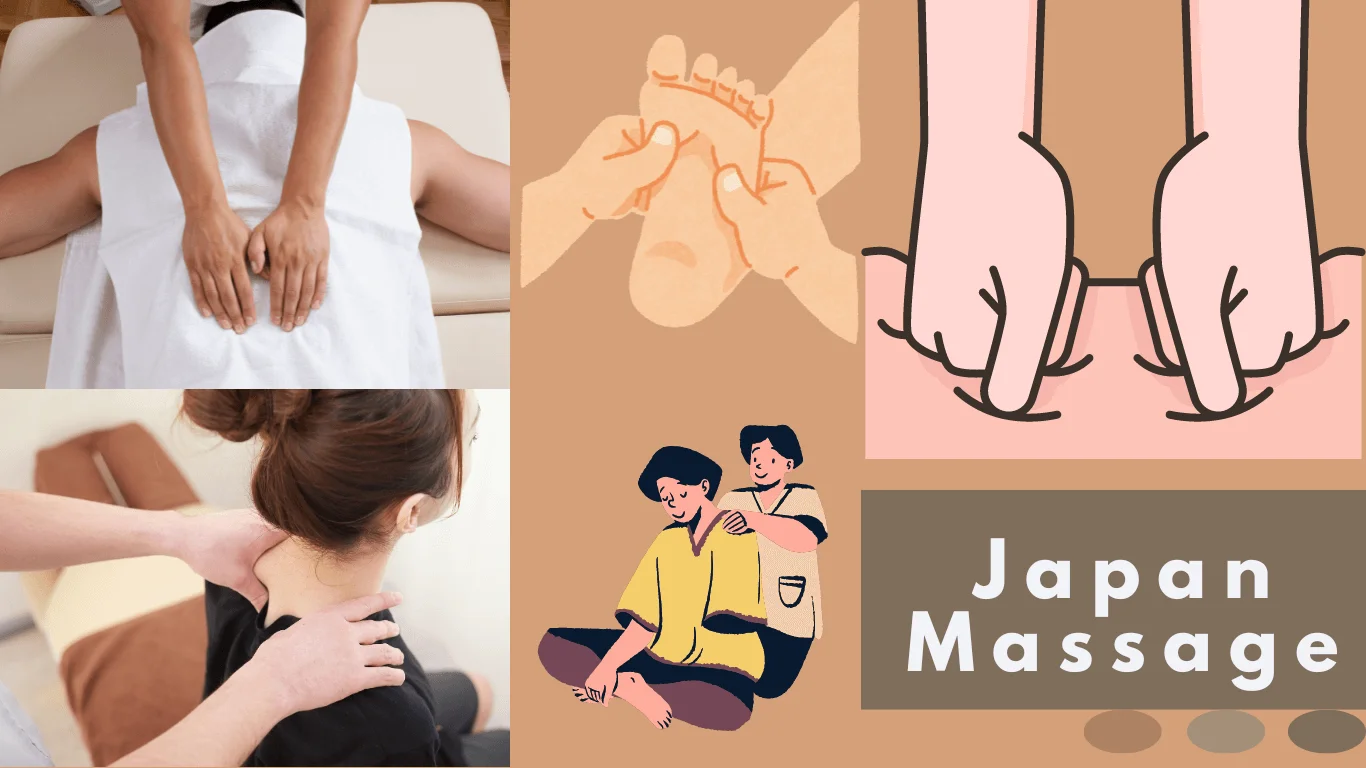
A Deep Tradition of Japanese Massage
Japanese massage, or Anma, is a key aspect of the nation's medicinal history, with treatments that manipulate physical and energetic pathways through the body to induce better health. It was not simply a form of relaxation though – it was therapeutic, offering physical and spiritual healing.
Anma, which translates as "press and rub", uses the practitioner's hands to conduct life force "ki" energy to restore the recipient's equilibrium and vitality.
Planning point | Details |
|---|---|
Anma | A Japanese manual practice with roots in traditional training and licensed professional contexts. |
Shiatsu | Pressure-based hands-on practice; session style varies by practitioner and venue. |
Spa treatment | A commercial wellness service that may combine oil, aroma, stretching, or relaxation techniques. |
Anma and shiatsu have distinct educational and professional histories in Japan.
Japan Shiatsu College overview provides institutional background without turning a wellness service into a medical promise.
Practitioner training and venue standards should be checked separately.
Discover the Different Types of Japanese Massage
There are several varieties of Japanese massage, each with its own techniques and effects:
Planning point | Details |
|---|---|
Pressure-based | Shiatsu and some anma services may use pressure, kneading, or rhythmic techniques. |
Movement-based | Some services include stretching or joint movement; ask what the session involves. |
Relaxation-focused | Hotel and spa menus may blend Japanese and international wellness styles. |
Shiatsu (finger pressure massage)
• Technique: Practitioners typically perform a quick check for energy imbalances in patients before delivering strong, rhythmic pressure with their thumbs and palms along the body’s energy channels, pausing at points to stimulate the flow of energy and blood.
• Benefits: Shiatsu can increase energy levels, relieve stress, improve digestion and enhance emotional wellbeing.
Anma (traditional Japanese massage)
• Technique: After working warming strokes, therapists alternate between kneading and percussion movements on the back and limbs, while incorporating joint loosening and muscle relaxation into the session.
This hands-on wellness practice may support relaxation for some clients, but it should not be presented as a cure or substitute for medical care.
Seitai (structural alignment massage)
• Technique: A series of stretches are employed to relax tension, before applying pressure and moving the joints and muscles to realign distorted bone structure and body mechanics.
• Benefits: Seitai is said to correct posture problems, ameliorate chronic pain, and restore vitality.
Reflexology (foot and hand massage)
• Technique: Massagists will identify “active points” – sensitive or tight areas – on the foot or hand, and stimulate points relating to different parts of the body along the body’s energetic pathways.
• Benefits: Reflexology is used to achieve relaxation, alleviate pain and support the body’s healing capabilities.
Training and Professional Context
Traditional labels describe different training histories and should not be treated as interchangeable medical credentials.
Japanese schools distinguish anma, massage, and shiatsu through specific educational and professional frameworks.
Sorei Foundation’s practice overview explains those differences from an educational source.
Travelers should still ask the venue what service is actually being booked.
What You Need to Know Before a Japanese Massage
Before you book a Japanese massage, there are a few things to be mindful of, and some advice to follow:
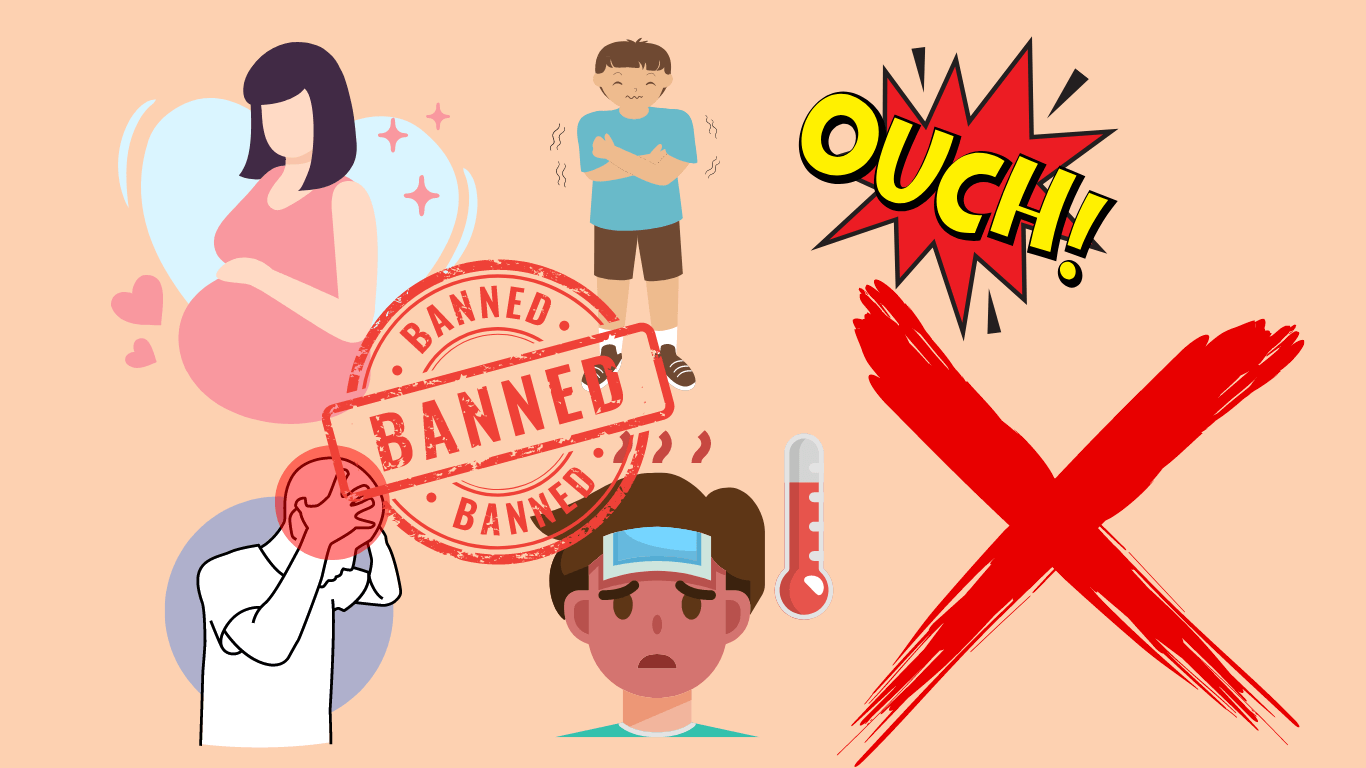
Health: If you have any health issues such as injuries or heart problems, let your therapist know in advance.
Pregnancy: Most types of traditional massage are not suitable for pregnant women, due to the pressure techniques.
Speak up: If anything causes you pain or discomfort during your massage, don’t suffer in silence – the practitioner will often appreciate knowing your perfect level of pressure and technique.
Cultural Considerations: Keep an eye on practices and cultural norms around a Japanese massage, including the expected modesty and silence in the massage area.
How to Enquire and Enjoy a Japanese Massage
Booking a massage in Japan is generally straightforward, and can often be done online or through a hotel concierge. Keep the following in mind:
A translated address, booking confirmation, and venue message reduce friction on arrival.
Japan eSIM plans are one connectivity option to compare before the trip.
Keep the appointment time, cancellation rule, and health notes saved offline.
Book in advance:
Especially if you’re in a major tourist area, or attending a well-known hotel spa.
Choose your setting:
Pick a reputable city spa in Tokyo or Kyoto, or a ryokan (a traditional Japanese inn) that offers in-house massage services.
Overcome language barriers:
If you don’t speak Japanese and the therapist doesn’t speak your language, consider a translation app or service, so you can communicate your preferences and understand service menus.
A few clear phrases help confirm pressure, pain, clothing, and session length.
Japanese language guide provides broader travel vocabulary.
A translation app is useful, but direct confirmation from the practitioner remains important.
Consider your costs:
Packages: Many spas offer packages that include a massage along with other wellness treatments, and can be very cost-effective.
Physical cost:
Entry level: Expect to pay around 3,000 yen for a 30-minute massage.
Regular prices: 6,000-10,000 yen for a 60 minute massage, with a wide variety of techniques covered.
Luxury: The top-end of the market can go beyond 15,000 yen, particularly around tourist hotspots and Japan’s popular landmarks, where highly rated spas cater to both locals and travelers seeking premium experiences.
Payment options: Urban spas often accept cards, while smaller or rural businesses may prefer cash. Confirm the method when booking.
Mobile payment acceptance varies by venue and service, so do not rely on a single wallet or app.
Massage Recommendations by Venue
When planning your massage experience in Japan, the choice of venue can impact the style and quality of service you receive. Here's a guide to the different types of locations and the massages they’re most likely to offer:
Wellness appointments should fit around transport and rest rather than crowding a sightseeing day.
Japan 7-day itinerary offers a route framework that can absorb a slower afternoon.
Allow recovery time and avoid scheduling an unfamiliar treatment immediately before a long flight.
Luxury Hotel Spas
Treatments Available: Full spa treatments with Shiatsu, Anma, and aromatherapy massages.
Cost: You'll pay a premium, with personal sessions running from ¥15,000 to ¥30,000.
Payment: Credit card, room charge, or even QR code payments can be possible.
Local Spas and Wellness Centres
Treatments Available: Everything from Seitai to reflexology, and sometimes Western styles such as Swedish or deep tissue.
Cost: The most budget-friendly, at ¥3,000 to ¥10,000 depending on time and style
Payment: Credit cards and cash will be most convenient, although some may also accept e-money.
Urban Wellness Studios
Treatments Available: Focused specialities specific to the studio, such as Shiatsu or modern styles blending East and West practices.
Cost: Around ¥5,000 to ¥12,000
Payment: All methods should be available, though some may be cash-only.
Traditional Ryokans
Treatments Available: Anma or Shiatsu massage are common components of a health stay alongside the hot springs (onsen).
Cost: Prices vary, but expect to pay ¥8,000 to ¥20,000 extra for massages, or have them included in your room rate.
Payment: Likely cash, but some can take card payments in the building.
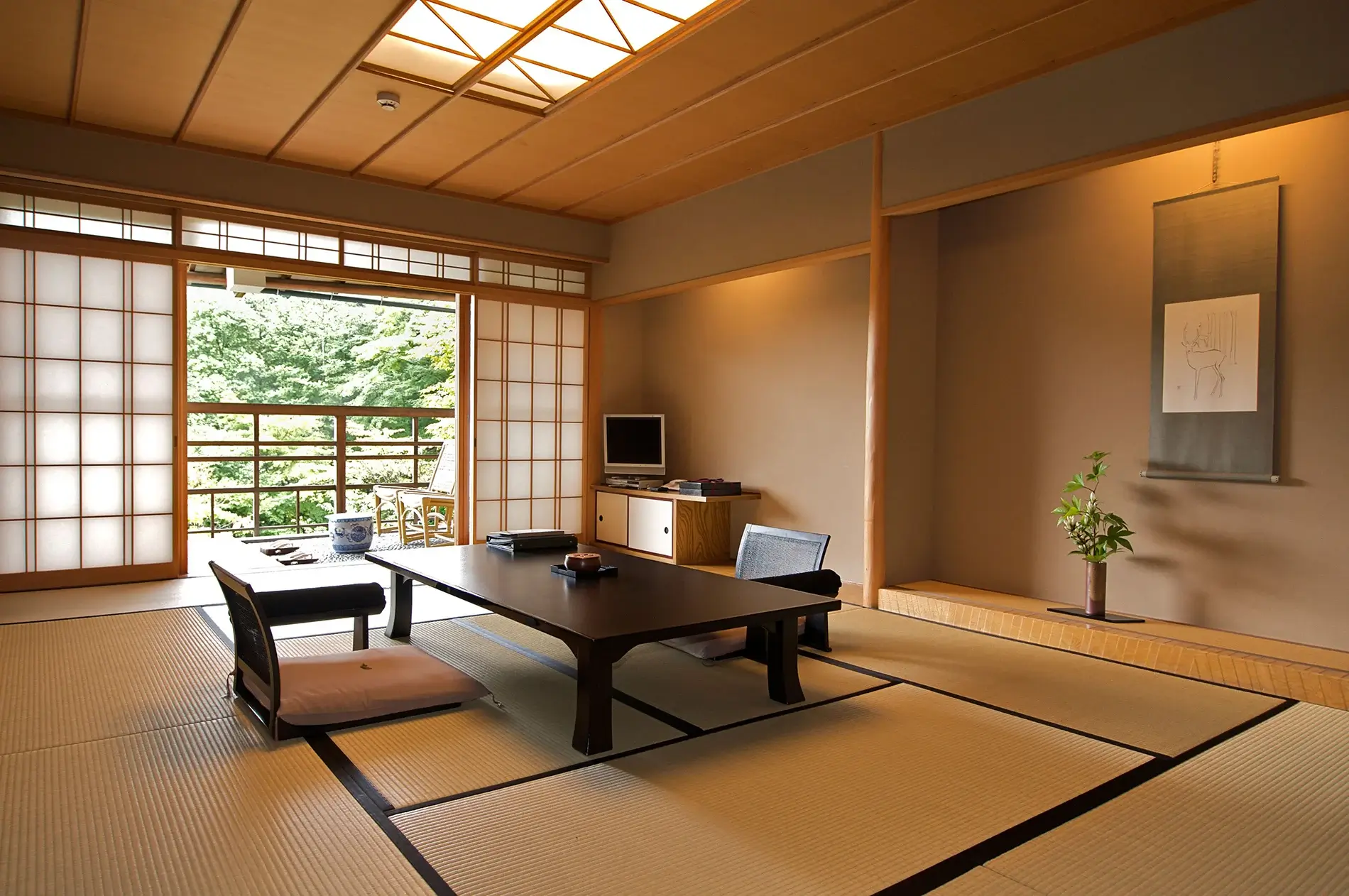
Ryokan stays can pair bathing etiquette with a quiet, locally rooted setting.
Japan winter travel guide helps place onsen towns in a seasonal route.
Confirm whether treatment services are on-site, seasonal, or reserved for overnight guests.
Onsen Resorts
This hands-on wellness practice may support relaxation for some clients, but it should not be presented as a cure or substitute for medical care.
Cost: ¥10,000 to ¥25,000 will typically include use of the baths and other facilities.
Payment: Mainly credit cards, but cash and QR payments are sometimes accepted.
FAQ
1. What is shiatsu?
Shiatsu is a Japanese hands-on practice using pressure and related techniques. Service style and practitioner credentials can vary by venue.
2. Is Japanese massage medical treatment?
A wellness massage should not replace diagnosis or treatment from a qualified clinician. Ask a medical professional about pain, injury, pregnancy, or health conditions.
3. Do I keep my clothes on?
Many shiatsu sessions are performed through comfortable clothing, while oils or spa treatments may require changing. Confirm the format before booking.
4. How do I book without speaking Japanese?
Use a hotel concierge, a booking platform with clear service details, or a translated message that states duration, price, and relevant health concerns.
5. Is tipping expected?
Tipping is generally not expected in Japan. Pay the stated price and follow the venue’s check-in and cancellation rules.
Conclusion
A Japanese massage experience is easiest to enjoy when the service type, practitioner, price, and setting are clear before arrival.
Treat traditional terms as descriptions of practice rather than promises of a medical result, and disclose relevant health concerns.
With respectful etiquette and a well-matched venue, a session can become a restorative part of a Japan itinerary.