
In November, Japan changes tone: maple leaves deepen around temple roofs, ginkgo avenues turn gold, and cool evenings make a bowl of noodles or a hot-spring soak feel especially welcome. The month sits between autumn sightseeing and the first hints of winter, so the experience can shift dramatically between Tokyo, Kyoto, Osaka, and Sapporo.
That contrast is what makes November compelling to me. It is calm enough for long city walks yet lively with illuminations, shrine observances, markets, and seasonal food, and the scenery can move from late-autumn color to early snow within one trip.
This guide explains Japan weather in November, what to pack, where foliage and festivals fit into a route, how costs and crowds vary, which foods are in season, and what to confirm before booking.
Japan Weather in November and What to Pack
November is generally cool and comfortable for sightseeing, but Japan spans several climate zones. A Japan eSIM can be arranged before departure for checking forecasts, train changes, foliage reports, maps, and digital tickets while moving between regions.
Pack layers instead of relying on one heavy coat. A light jacket, sweater, scarf, comfortable walking shoes, and a compact rain layer work well for Tokyo, Kyoto, and Osaka; add a warmer coat, gloves, and cold-weather footwear for Sapporo, mountain areas, or late-night outings.
Typical November city conditions
The Japan Meteorological Agency climate normals show why a single national forecast is not enough: November mean temperatures are about 12.5°C in Tokyo, 13.8°C in Osaka, and 5.2°C in Sapporo, while average daytime highs are higher.
City | Typical November feel | Useful packing choice |
|---|---|---|
Tokyo | Mild afternoons around the upper teens, with cooler mornings and evenings | Light jacket, sweater, walking shoes |
Kyoto | Similar to Tokyo, but temple visits can feel chilly early and after sunset | Warm layer and scarf for long outdoor waits |
Osaka | Often slightly milder than Kyoto, especially during daytime city walks | Flexible layers rather than a bulky coat |
Sapporo | Much colder, with a November mean near 5°C and possible early snow | Warm coat, gloves, scarf, grippy shoes |
These are planning averages, not a promise for a particular week. Check the short-range forecast before each transfer, especially if the route includes Hokkaido, alpine areas, or outdoor evening illuminations.
Where to Go in Japan in November
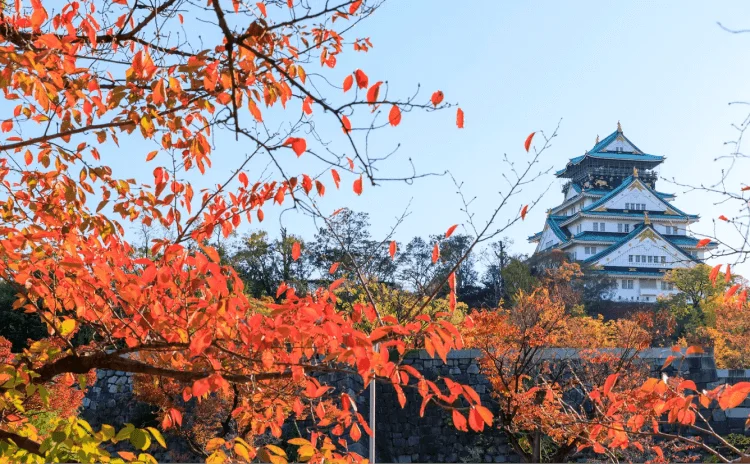
Foliage timing moves with latitude, elevation, and the year's weather. Northern and mountain areas can be past peak or entering winter while major cities in central Japan are still developing red and gold color, so build the route around regions rather than assuming the whole country peaks at once.
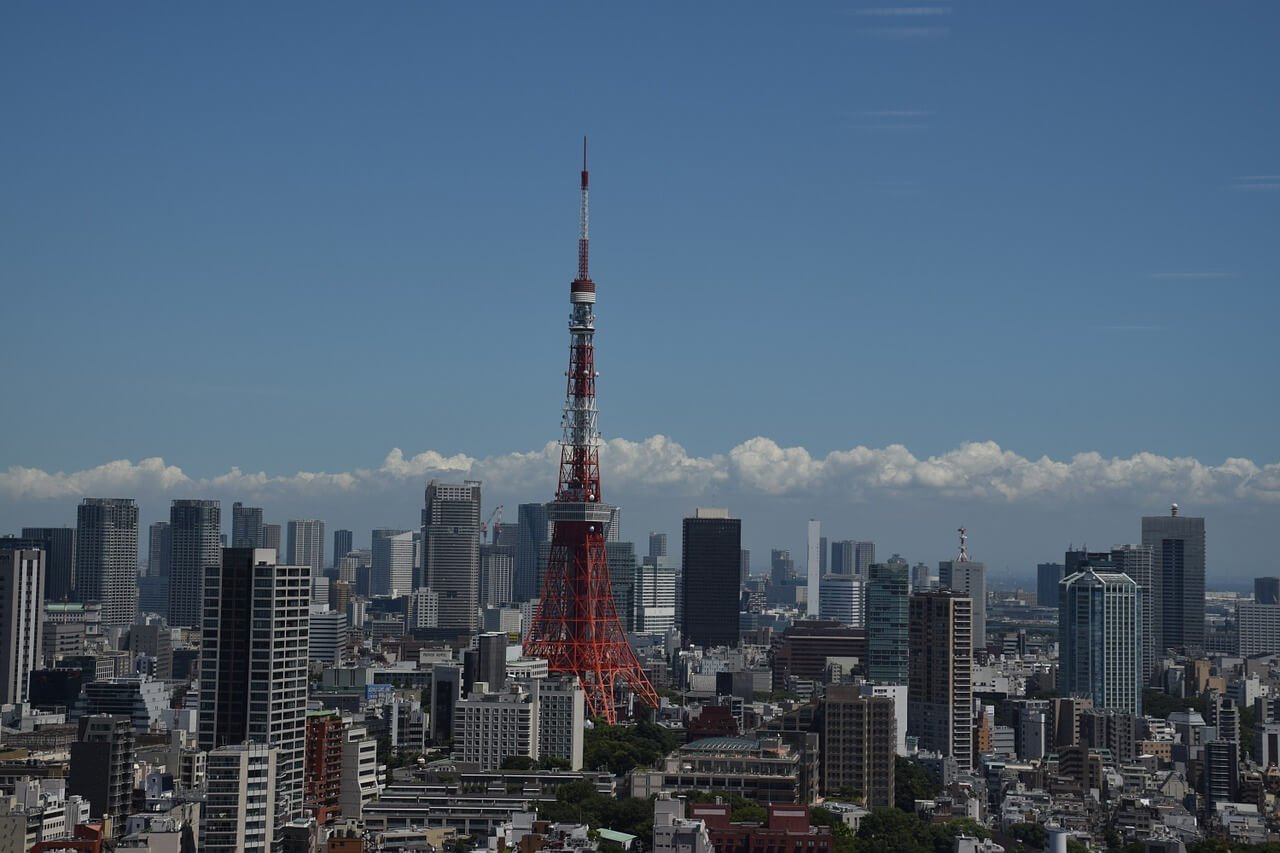
Tokyo: Rikugien and other gardens may schedule evening illuminations, while ginkgo avenues and parks provide daytime color. Confirm current dates and reservation rules before going.
Kyoto: Temple gardens become the focus, and Tofukuji's views across the Tsutenkyo Bridge are especially sought after. Visit early, reserve timed entries where required, and expect busy buses and stations during peak weekends.
Osaka: The city stays useful as a food and transport base, with parks and day trips adding autumn scenery without requiring every night in Kyoto.
Hokkaido: November can feel like early winter. Choose it for colder landscapes, hot springs, and a quieter pace rather than assuming peak autumn foliage.
A good route leaves at least one flexible half-day for weather, crowding, or a foliage spot that looks better than expected. Put outdoor gardens and viewpoints earlier in the day, then keep museums, markets, food streets, or illuminations for late afternoon and evening.
Turning the month into a realistic route
Travelers with one week can adapt a 7-day Japan itinerary by limiting hotel changes and choosing either a Tokyo-centered route or a Kansai-centered route rather than racing between every autumn highlight.
For a longer trip, connect Tokyo and Kyoto or Osaka, then add Hokkaido only when the colder weather and extra flight or rail time serve the trip's main goal. A separate northern segment requires different clothing and more schedule buffer.
November Crowds and Travel Costs
November is not uniformly quiet. Kyoto and famous foliage sites can be crowded and expensive at peak color, while other regions may feel calmer; weekend dates, festivals, and limited-view rooms can matter more than the month alone. Use a current Japan trip cost guide to build category ranges instead of relying on one universal daily figure.
Cost driver | Why November changes it | Planning response |
|---|---|---|
Accommodation | Kyoto and famous foliage areas can sell out on peak weekends | Book the least flexible nights first and keep cancellation terms visible |
Transport | Too many bases add fares, luggage costs, and lost sightseeing time | Price the actual route before buying any rail pass |
Attractions | Special openings and illuminations may use timed or separate tickets | Confirm the official event page and reserve priorities early |
Food | Seasonal meals range from street snacks to premium kaiseki | Choose one priority meal and keep the rest flexible |
Do not assume Hokkaido will always be cheaper simply because it is outside the classic Tokyo-Kyoto route. Flights, winter-ready transport, hot-spring stays, and early snow can change the total; compare the exact dates and route.
November Festivals and Seasonal Activities
November combines autumn scenery with family rites, market fairs, and local events. A broader guide to the best time to visit Japan helps compare this late-autumn atmosphere with spring blossoms, summer festivals, and winter snow before committing to the month.
Shichi-Go-San is observed on or around November 15 to pray for children's healthy growth, traditionally at age five for boys and ages three and seven for girls. Visitors may respectfully see families in formal dress at shrines, but should avoid blocking ceremonies or photographing children without permission.
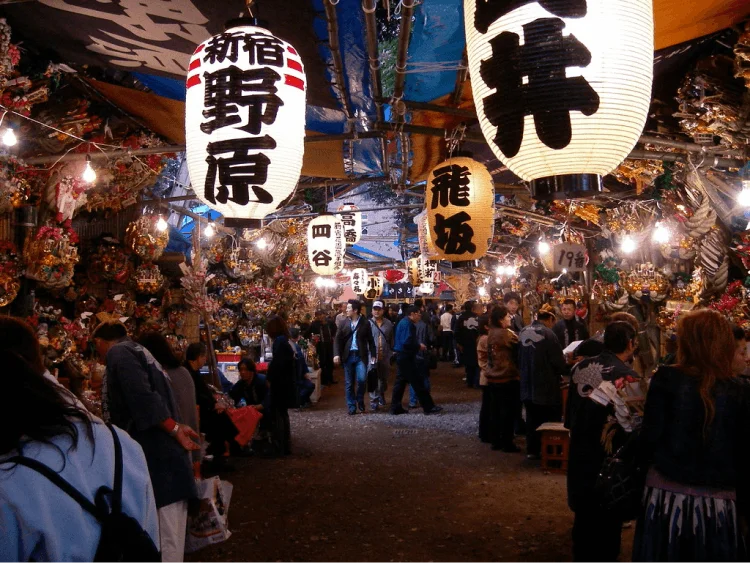
Tori-no-ichi: On designated days of the rooster in November, shrines and temples host lively fairs where decorated kumade rakes symbolize gathering good fortune and business prosperity. Dates change each year.
Autumn illuminations: Gardens and temple grounds in Tokyo, Kyoto, and other cities may extend hours so visitors can see red and gold leaves after dark. These are venue-specific events, not one nationwide festival.
Local foliage festivals: Mountain and park events can include food stalls, performances, and seasonal walks, but schedules depend on the location and year.
Check the shrine, temple, garden, or official tourism calendar close to the visit. Annual traditions may continue while exact dates, entry methods, and illumination hours change.
Seasonal Food to Try in November
Autumn food in Japan ranges from luxury ingredients to simple street snacks. Look for seasonal menus, department-store food halls, local markets, izakaya specials, and regional sweets rather than expecting every dish in every city.
Matsutake mushrooms: Often served grilled, with rice, or in a clear soup; prices and availability vary sharply by origin and harvest.
Kaki (persimmons): Enjoy them fresh or dried, with sweetness and texture changing by variety.
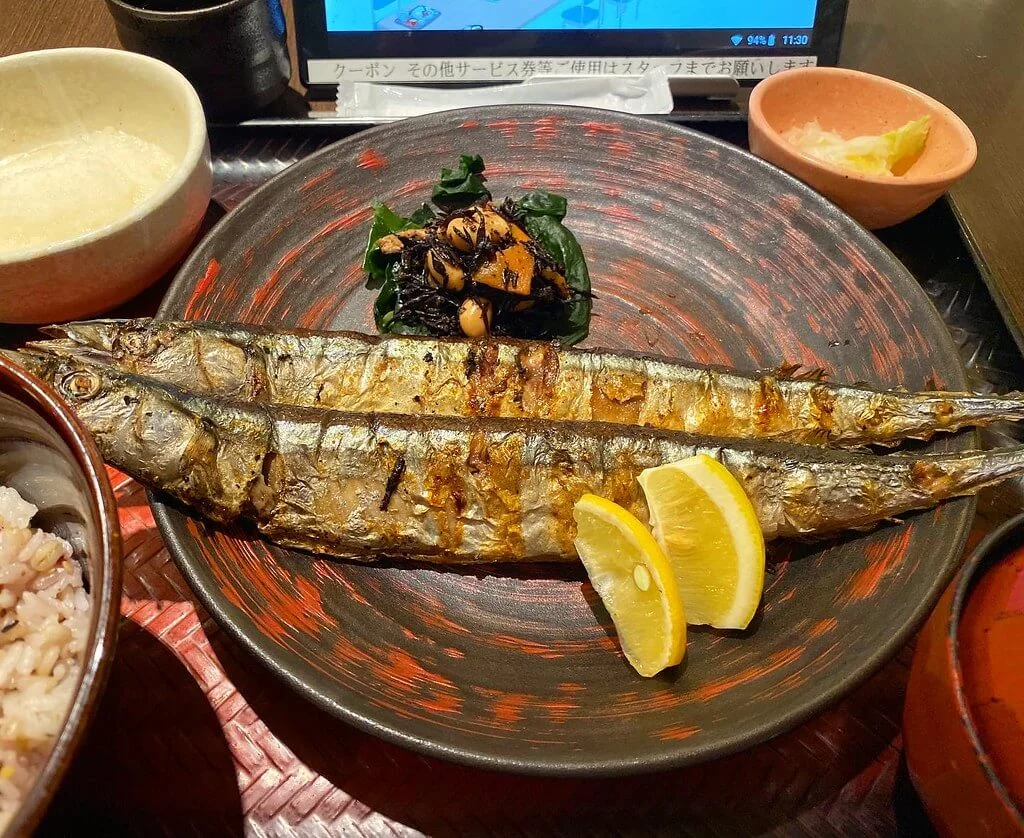
Sanma (Pacific saury): Commonly grilled and served with grated daikon; catches and menu availability vary by year.
Kabocha: This dense, sweet Japanese pumpkin often appears in simmered dishes such as nimono.
Chestnuts: Find them roasted, in rice dishes, wagashi, or desserts such as Mont Blanc.
Sweet potatoes: A hot yaki-imo is an easy snack for a cold evening and is sold in shops, markets, and seasonal stands.
Reserve only the meals that truly matter. Keeping lunch or snack stops flexible makes it easier to follow the weather and avoid losing the best daylight to a rigid dining schedule.
Practical Tips for a November Japan Trip
Reservations, transport, and connectivity
Save offline copies of hotel addresses, key tickets, and the final train home, then use the iRoamly travel eSIM site to compare live connectivity options by trip length, data allowance, hotspot support, and device compatibility.
Book Kyoto weekends, limited illuminations, and priority meals first. For everything else, leave enough flexibility to change gardens, viewpoints, or day trips when foliage and weather reports shift.
Comparing another November destination
For travelers choosing between mid-latitude cultural trips, Japan generally rewards crisp-weather foliage routes, while Spain weather in November creates a different decision: regional rain planning, milder southern options, and city-focused museum or food itineraries. The comparison helps determine whether autumn color and rail movement or warmer regional flexibility matters more.
Whichever destination wins, schedule the most weather-sensitive outdoor priority early in the stay and keep one indoor alternative nearby. This reduces the risk of losing a major experience to a single wet or windy day.
Final check | Action before departure |
|---|---|
Weather | Review city forecasts and add colder layers for Hokkaido or mountains |
Foliage | Treat forecasts as guidance and keep a backup garden or district |
Events | Confirm the current official date, hours, and reservation method |
Transport | Price actual journeys and avoid unnecessary hotel changes |
Etiquette | Respect shrine ceremonies, photography rules, and quiet spaces |
The strongest November plan is selective: fewer bases, enough warm clothing, one or two priority seasonal experiences, and room to follow the best conditions.
FAQ
1. Is November a good month to visit Japan?
Yes. It offers comfortable sightseeing weather, autumn color in many central and southern areas, seasonal food, and cultural events, though peak foliage weekends can be busy.
2. Where can I see autumn leaves in November?
Tokyo gardens, Kyoto temples, Nara, Kanazawa, and many lower-elevation parks can be rewarding, but timing changes by latitude, elevation, and year.
3. What should I wear in Japan in November?
Use layers, a light jacket, a sweater, comfortable shoes, and a compact rain layer; add a warm coat, gloves, and scarf for Sapporo, mountains, and colder evenings.
4. Does it snow in Japan in November?
Snow is possible in Hokkaido, high mountains, and some northern areas, while Tokyo, Kyoto, and Osaka usually remain in cool autumn conditions.
5. Are hotels expensive in November?
They can be in Kyoto and famous foliage areas, especially on weekends and peak dates, so compare live rates and reserve the least flexible nights early.
6. Do November festivals happen on the same dates every year?
Not always. Some traditions follow fixed dates, while Tori-no-ichi and venue illuminations vary, so check the current official calendar.
Conclusion
Japan in November brings a rewarding mix of cool city walks, late-autumn color, early northern snow, shrine observances, market fairs, and seasonal food.
Choose regions according to the experience you want, pack for the coldest stop, reserve peak Kyoto dates and special events, and keep enough flexibility to follow local forecasts and foliage conditions.
With a focused route and realistic expectations, November can feel both visually rich and pleasantly manageable from the first garden visit to the last warm evening meal.