
Xi’an brings together some of China’s most recognizable history, from the Terracotta Army and ancient City Wall to Silk Road culture and Tang Dynasty heritage.
Beyond its famous landmarks, the city is also known for museums, street food, lively evening districts, and easy day trips.
With so much to choose from, the best things to do in Xi’an depend on how much time you have and what interests you most.
This guide covers 15 experiences for first-time visitors, including essential sights and worthwhile alternatives, with practical tips to help you plan each stop.
Staying connected also makes getting around easier. An iRoamly China travel eSIM gives you mobile data for maps, translation, ride-hailing, and ticket bookings while exploring Xi’an.

Top 15 Things to Do in Xi'an
1. Discover the Legendary Terracotta Army
You can’t go to Xi’an and not visit the famed Terracotta Army, arguably one of the most impressive archaeological finds in the world.
This giant subterranean army, buried for more than two millennia, was created to protect the tomb of Emperor Qin Shi Huang, the first emperor of the country as we now know it.
Farmers first stumbled upon the army in 1974, and today it contains thousands of life-sized soldiers, horses, and chariots, each with detailed facial expressions.
The whole site is comprised of three main pits, with Pit 1 being the largest and most visually dramatic.

Recommended time: Allow half a day from central Xi’an, including transport. Inside the museum complex, 2.5 to 4 hours is realistic if you want to see the main pits, exhibition halls, and gift areas without rushing.
Best time to visit: Arrive early in the morning or later in the afternoon. Chinese public holidays, summer vacation, and weekends can be extremely crowded.
How to get there: The site is in Lintong District, about 40 km from central Xi’an. Taxis, ride-hailing, tourist buses, and guided tours are the easiest options for first-timers.
Booking tip: Tickets may require passport details, and advance booking is strongly recommended in peak periods. Keep the passport used for booking with you, because some ticket checks are identity-based.
On-site tip: A licensed guide or audio guide is worth considering. Without context, the pits can feel visually impressive but harder to understand.
As one of the most iconic landmarks in China, the Terracotta Army is usually best placed on the first full day of your Xi’an itinerary.
Huaqing Palace can be added on the same Lintong excursion if you care about imperial history and landscaped palace grounds, but it makes the day longer and is easy to skip when the Terracotta complex is your priority.
2. Walk Along the Ancient Xi’an City Wall
Xi’an City Wall is an absolute must-see. It is over 600 years old and one of the best-preserved city walls in China. Walking or cycling along the top gives you a rare view of old gates, modern roads, rooftops, and Xi’an’s central layout from above.
There’s lots to do here too. You can rent a bike and cycle around the top, or take a relaxed walk at sunset and enjoy the cityscape. Bring a camera, because the wall offers some of the best panoramic views in central Xi’an.
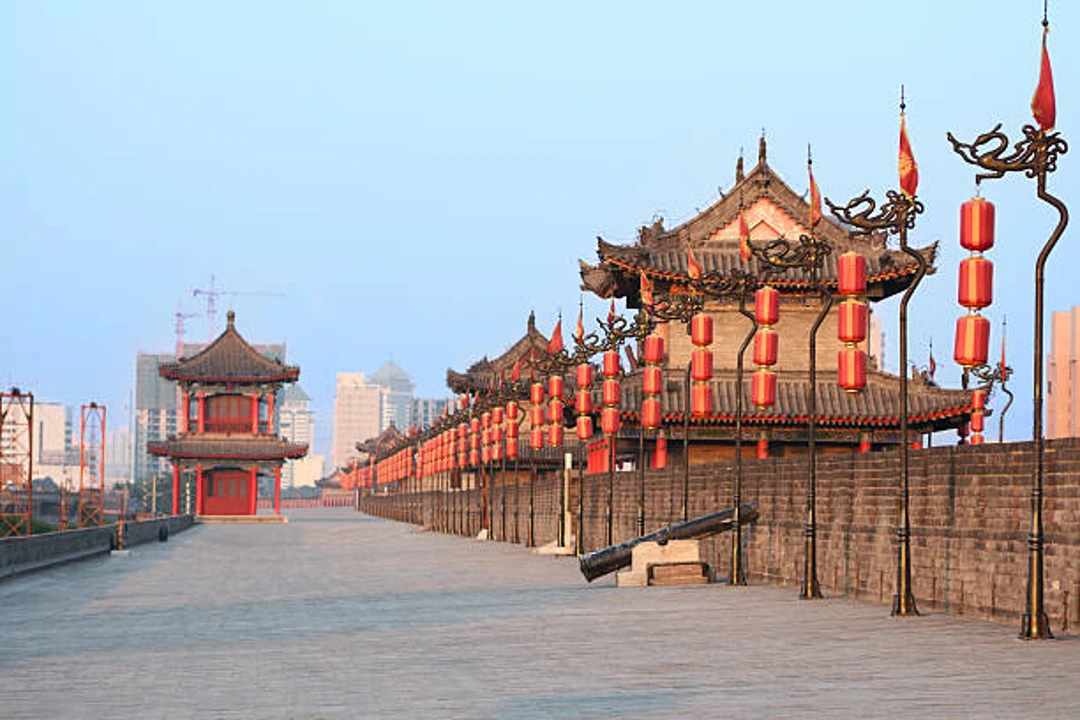
Best gate for first-timers: South Gate, also called Yongning Gate, is the most convenient and atmospheric entrance, with strong transport links and frequent evening lighting.
Walk or bike: Walking a full loop can take 3 to 4 hours. Cycling is more efficient and usually takes around 1.5 to 2.5 hours depending on stops.
Best timing: Late afternoon to sunset is ideal in hot months. Midday can be exposed, with limited shade on top of the wall.
Practical tip: Wear comfortable shoes even if you plan to rent a bike. The wall surface can feel uneven, and rental availability may vary by gate and weather.
3. Explore the Muslim Quarter and Try Local Street Food
Welcome to the busy center of Xi’an, the Muslim Quarter. It is cultural, crowded, fragrant, and full of history. Here, you’ll see a mix of Islamic and Chinese traditions that reflects Xi’an’s role at the eastern end of the Silk Road.
It’s an area where ancient meets modern, and it sits close to the Bell Tower and Drum Tower, making it easy to combine with a central Xi’an evening walk.

When you’re in the area, be sure to try a few local street foods. Roujiamo, often described as a Chinese hamburger, is essential for food lovers. Biangbiang noodles, barbecue lamb skewers, persimmon cakes, beef or lamb paomo, and pomegranate juice are also classic Xi’an choices.
Best time to go: Evening has the strongest atmosphere, but it is also the most crowded. Go before peak dinner time if you want easier photos and shorter lines.
Where to wander: The main street is lively, but side lanes often feel more local and less hectic. Huimin Street, Sajinqiao, and nearby snack streets all offer different food experiences.
Ordering tip: Cash is less common than mobile payment, but some vendors still accept cash. Translation apps help with ingredients if you avoid beef, lamb, gluten, spice, or nuts.
Food safety tip: Choose busy stalls with high turnover, watch how food is cooked, and be cautious with raw or lukewarm items in hot weather.
4. Visit the Big Wild Goose Pagoda
The Big Wild Goose Pagoda is much more than just an old building; it is a gateway into the Tang Dynasty. This famous brick pagoda played a crucial role in preserving Buddhist scriptures brought from India by the monk Xuanzang.
When you go, take time to explore the surrounding Da Ci’en Temple area rather than only taking a quick photo outside.
The pagoda, temple halls, gardens, and nearby squares together show why this part of Xi’an remains one of the city’s most important cultural zones.

Recommended time: Allow 1.5 to 2.5 hours for the pagoda and temple area, longer if you stay for the fountain or evening lights.
Best time to visit: Late afternoon is a good choice because you can see the temple in daylight, then stay nearby as the area becomes livelier after dark.
Nearby pairing: Combine it with Dayan Pagoda North Square, Dayan Park, Tang Paradise, or a Tang Dynasty show if you want a slower cultural evening.
Respectful visit: This is a religious and historic site, so keep voices low in temple halls and avoid intrusive photos of worshippers.
5. Walk Through Dayan Square and Great Tang Everbright City
After the Big Wild Goose Pagoda, continue through Dayan Pagoda North Square and Dayan Park toward Great Tang Everbright City, also called Grand Tang Mall.
This long pedestrian district uses illuminated Tang-style architecture, public art, shops, and street performances to create a lively modern interpretation of Chang’an after dark.
The square is busiest around fountain-show times, while Dayan Park offers quieter paths and room to rest.
The Great Tang district becomes more atmospheric after sunset, so the whole route works as a free evening alternative to a ticketed theme park or theater show.

Best for: Families, photographers, evening walkers, and travelers who want a low-pressure activity after temples or museums.
Best time: Arrive before sunset to see the pagoda area in daylight, then walk south as the lights come on. Check local fountain and performance schedules because timing can change by season or maintenance.
Practical tip: The pedestrian zone can get packed after dinner. If you dislike crowds, use the park paths first, see only part of the mall, or visit on a weeknight.
Choose one Tang-style evening: This district is free and flexible, Tang Paradise is a ticketed landscaped park, and a Tang show is a seated performance. Doing all three is usually repetitive.
6. Experience the Tang Paradise Theme Park
Tang Paradise recreates the atmosphere of imperial Chang’an, the Tang-era name for Xi’an, with palace-style buildings, lakes, bridges, gardens, costumes, and staged performances.
It is more theatrical than historical, but it can be fun if you enjoy night views and immersive cultural entertainment.
Here, you can get a feel for Tang Dynasty aesthetics through architecture, music, lighting, and performances. The park works best as an evening activity rather than a rushed daytime stop.

Best time to visit: Late afternoon into evening, when lights and performances make the park more memorable.
Who will like it: Families, photographers, first-time visitors interested in Tang-style visuals, and travelers who enjoy staged cultural attractions.
Budget note: Entry and shows can cost more than many Xi’an historic sites. Check performance schedules before buying tickets so you do not arrive between major shows.
Nearby pairing: It pairs naturally with Big Wild Goose Pagoda, Dayan Park, or a Tang Dynasty music and dance show, but doing all of them in one day can feel repetitive.
7. See a Traditional Tang Dynasty Music and Dance Show
Watching a Tang Dynasty music and dance show is like taking a trip through time. Ornate costumes, classical instruments, choreographed dance, and banquet-style staging recreate the elegance associated with Xi’an’s Tang-era history.
The Shaanxi Grand Opera House and the Tang Dynasty Palace are two of the best-known places to see this type of performance. Some tickets include a dumpling banquet or dinner package, while others are show-only.

Recommended time: Most performances take around 1 to 2 hours, with extra time if dinner is included.
Best for: First-time visitors, families, travelers interested in performing arts, and anyone wanting a seated evening activity after a walking-heavy day.
Booking tip: Book ahead in peak travel periods and confirm whether your ticket includes dinner, hotel pickup, seat category, or only the performance.
Itinerary tip: This is a good evening choice after the City Wall, museum, or pagoda area, but it may be less essential if you already plan to spend a full evening at Tang Paradise.
8. Visit the Shaanxi History Museum
If you’re interested in Chinese history, the Shaanxi History Museum is one of the most important museums in Xi’an.
It is especially useful before or after the Terracotta Army because it explains the deeper historical setting of Qin, Han, and Tang civilization in Shaanxi.
The museum holds bronzes, ceramics, murals, coins, Tang Dynasty objects, and Silk Road exhibits.
These artifacts help you understand why Xi’an was once one of the world’s great capitals rather than simply another historic city.

Recommended time: Allow 2 to 3 hours for the main galleries, longer if you are a serious museum visitor or book a special exhibition.
Reservation tip: Entry can be free but capacity-controlled, and reservations are often required. Use the official booking channel or ask your hotel for help if the booking page is difficult to navigate.
Bring ID: Carry your passport, because identity checks may be required for entry or reservation pickup.
Best timing: Go early in the day to avoid long lines and to leave enough energy for nearby Big Wild Goose Pagoda later.
9. Stroll Through the Great Mosque of Xi’an
Located in the middle of the busy Muslim Quarter, the Great Mosque of Xi’an is a peaceful escape and a cultural look into the city’s Silk Road identity.
Built and expanded over centuries, it blends Chinese courtyard design with Islamic religious function.
Rather than a Middle Eastern-style minaret, you’ll see wooden pavilions, curved eaves, carved stone, quiet courtyards, and calligraphy. It feels completely different from the noisy snack streets just outside.
Recommended time: Allow 45 minutes to 1 hour, more if you enjoy photography or architecture.
Best time: Morning or late afternoon is calmer. The surrounding Muslim Quarter becomes much busier in the evening.
Visitor etiquette: Dress modestly, keep quiet, and remember that the prayer hall is generally for Muslim worshippers only.
Easy pairing: Visit the mosque before dinner in the Muslim Quarter, then explore food streets afterward.
10. Explore Mount Huashan (Day Trip Option)
If you're craving adventure, a day trip to Mount Huashan is a strong addition to a Xi’an trip. Located about 120 km east of Xi’an, Huashan is one of China’s Five Great Mountains and is famous for dramatic granite peaks, cliffside paths, temples, and cable-car routes.
As a renowned mountain in China, it draws both thrill-seekers and pilgrims alike. It is not just a nature trip; it is also a Taoist mountain with a long spiritual history.
You can take a high-speed train from Xi’an to Huashan North Station, then use local transport to reach the visitor center and cable-car areas. For many first-timers, a cable-car route is more realistic than hiking the mountain from the base.

Recommended time: Treat Huashan as a full-day trip. Start early, especially if you want to visit several peaks or return to Xi’an the same evening.
Difficulty: Even with cable cars, expect stairs, exposed sections, crowds, and weather changes. It is not a casual city walk.
Best season: Spring and autumn are more comfortable. Avoid hiking in thunderstorms, heavy rain, ice, or poor visibility.
Safety tip: Wear grippy shoes, bring water and snacks, keep both hands free on steep sections, and skip the famous plank walk if you dislike heights.
Who should skip it: Travelers with limited mobility, severe fear of heights, very young children, or only one day in Xi’an may prefer to focus on the city itself.
11. See the Bell and Drum Towers
The Bell Tower and Drum Tower form Xi’an’s most useful central landmark pair.
The Bell Tower stands in the middle of a major roundabout, while the Drum Tower sits a short walk west beside the entrance to the Muslim Quarter. Their illuminated roofs make this area especially memorable after dark.
You do not need to climb both towers. Choose the Bell Tower for views along the city’s main avenues, choose the Drum Tower for easier access to the Muslim Quarter, or admire both from street level if your schedule is tight.

Recommended time: Allow 60 to 90 minutes for one interior and outside views of both towers.
Best time: Visit near dusk so you can see the architecture in daylight and illuminated at night.
Easy pairing: Combine the towers with the Muslim Quarter, Great Mosque, or a short walk toward South Gate.
Decision tip: Interior displays are secondary to the architecture and city views. If stairs, crowds, or ticket queues are a concern, the exterior experience is still worthwhile.
12. Visit Small Wild Goose Pagoda and Xi’an Museum
Small Wild Goose Pagoda and Xi’an Museum share a calmer complex south of the city center.
The pagoda is lower and less monumental than the Big Wild Goose Pagoda, but the gardens, historic Jianfu Temple setting, and museum make this a rewarding half-day for travelers who prefer quieter cultural sites.
The museum introduces Xi’an’s urban history through ceramics, Buddhist sculpture, seals, and other objects, while the pagoda grounds offer a slower outdoor break.
This stop complements rather than duplicates the Big Wild Goose Pagoda: choose the big pagoda for iconic scale and a lively evening district, and the small pagoda complex for a gentler museum-and-garden visit.
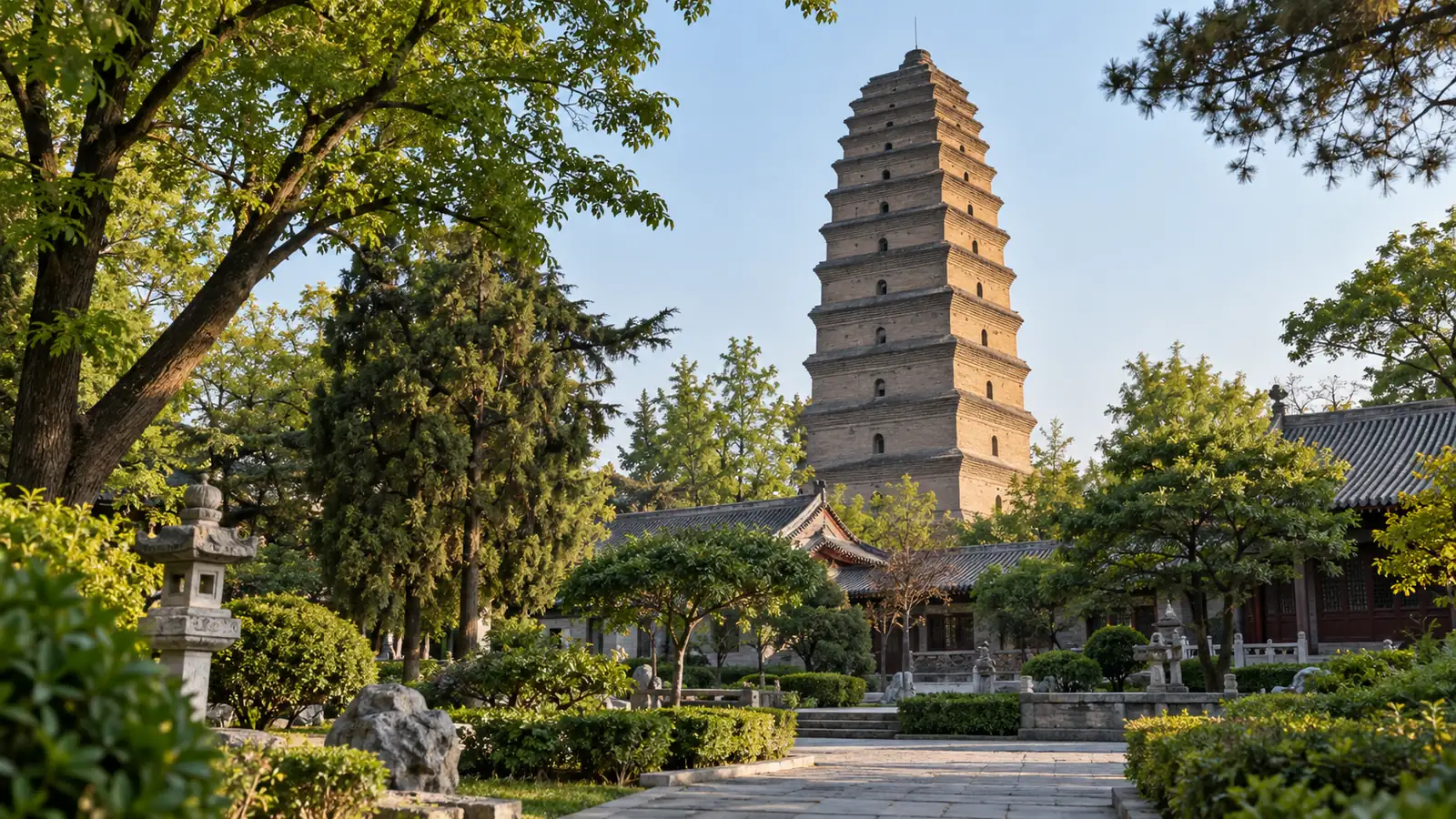
Recommended time: Allow 2 to 3 hours for the museum, pagoda grounds, and gardens.
Best for: Museum lovers, repeat visitors, families needing a lower-pressure stop, and travelers avoiding the busiest evening zones.
Booking tip: Entry arrangements and reservation rules can change, so check the official visitor channel before going and carry your passport.
13. Explore the Beilin Museum and Shuyuanmen
The Beilin Museum, often called the Forest of Stone Steles Museum, is one of Xi’an’s best choices for calligraphy, carved stone, and scholars’ culture.
Its courtyards contain an exceptional collection of inscribed steles and stone sculpture, providing a more focused experience than the broad chronological displays at Shaanxi History Museum.
Afterward, walk through nearby Shuyuanmen Ancient Cultural Street toward South Gate.
The street’s brushes, paper, seals, books, and calligraphy shops make the pairing especially useful for travelers interested in Chinese writing or traditional arts.
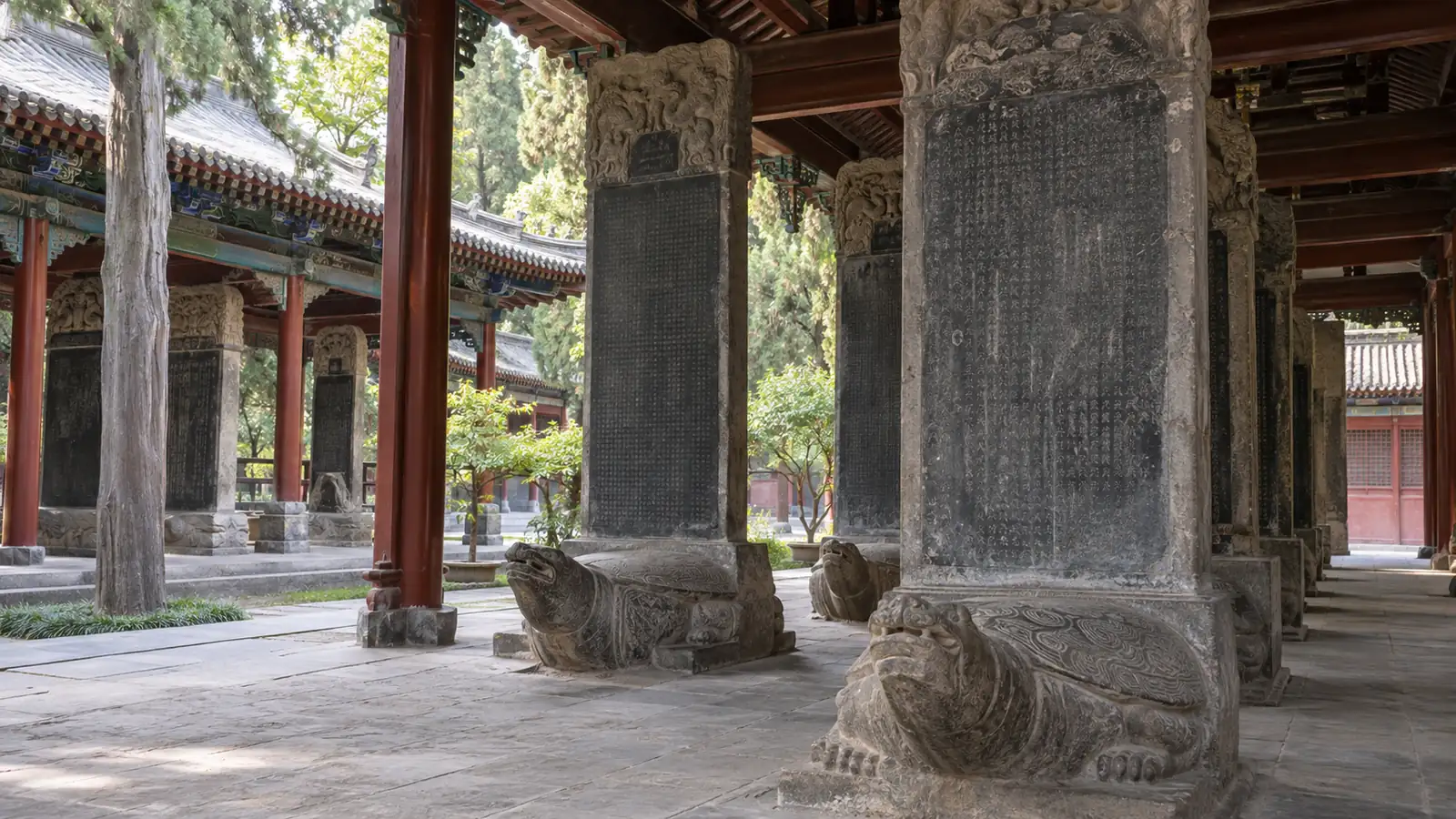
Recommended time: Allow 1.5 to 2.5 hours for the museum, plus extra time for Shuyuanmen.
Best for: Calligraphy fans, history-focused travelers, and anyone who wants a quieter alternative to Xi’an’s largest museums.
Easy pairing: Continue to South Gate and the City Wall, but avoid scheduling another large museum on the same morning.
14. Discover the Hanyangling Mausoleum
Hanyangling, the mausoleum of Han emperor Jingdi, offers a different archaeological experience from the Terracotta Army.
Instead of vast ranks of full-size Qin soldiers, the site is known for smaller burial figures and glass-floored viewing areas that reveal excavated pits below.
The quieter atmosphere and close view of the excavation process make Hanyangling especially valuable for travelers who want more archaeology without repeating the Terracotta Army.
Its location outside central Xi’an means transport needs more planning, so it works best as a half-day excursion rather than a quick add-on.
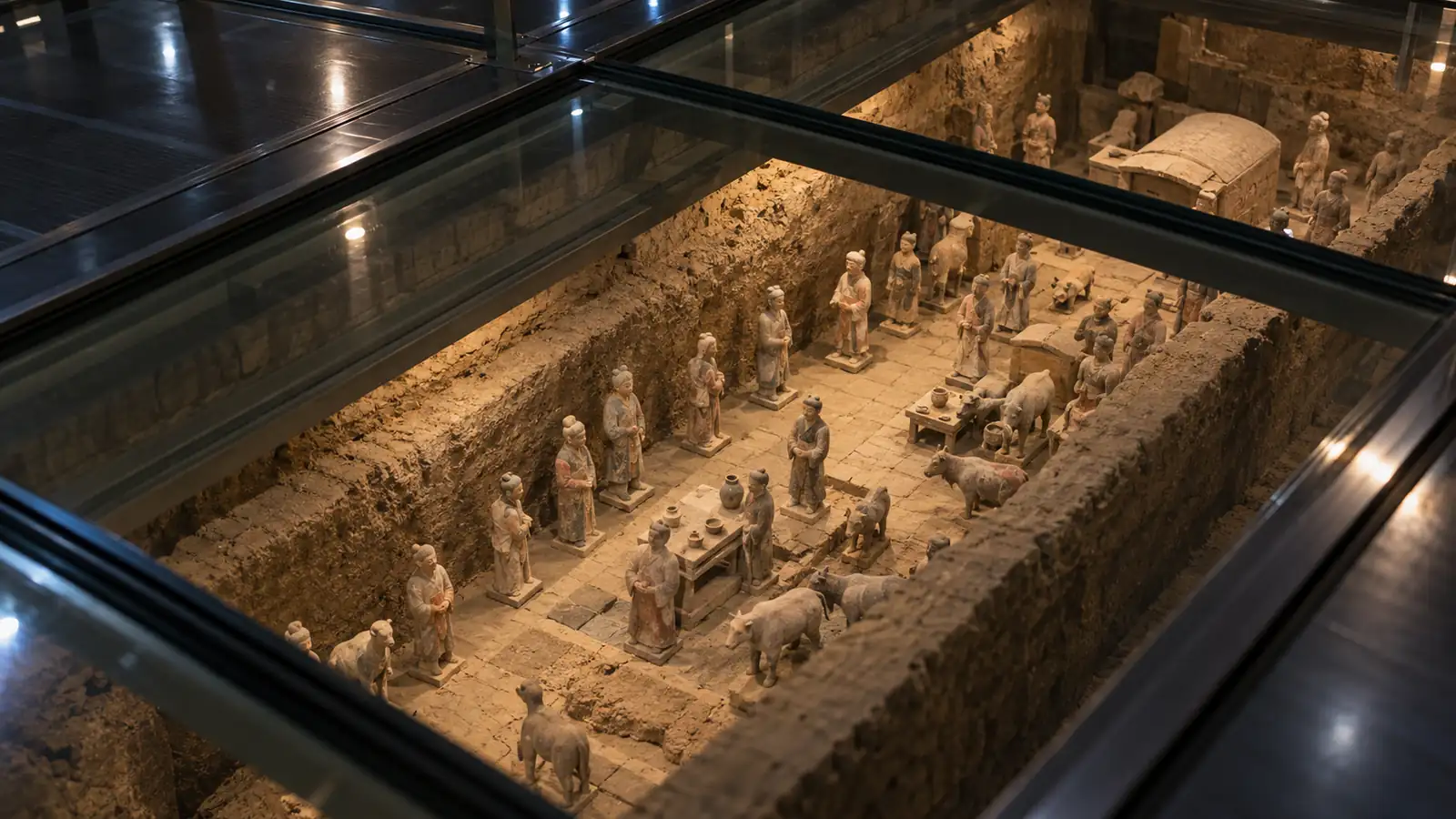
Recommended time: Allow about half a day including travel from central Xi’an.
Best for: Archaeology enthusiasts, travelers who dislike large tour crowds, and visitors with at least three days in the city.
Choose it instead of: Add Hanyangling when you prefer a quieter Han-era site; choose Huashan when scenery and physical challenge matter more.
15. Walk Through Daming Palace National Heritage Park
Daming Palace National Heritage Park preserves the scale of the Tang dynasty’s imperial palace complex.
Much of the original palace survives as foundations and archaeological remains rather than intact halls, so the value lies in understanding the size and planning of Chang’an’s political center.
The large open grounds provide a welcome change from dense museums and crowded markets.
Interpretive displays, reconstructed elements, and long sightlines help make the former palace legible, but visitors expecting a fully restored Forbidden City-style complex may be disappointed.
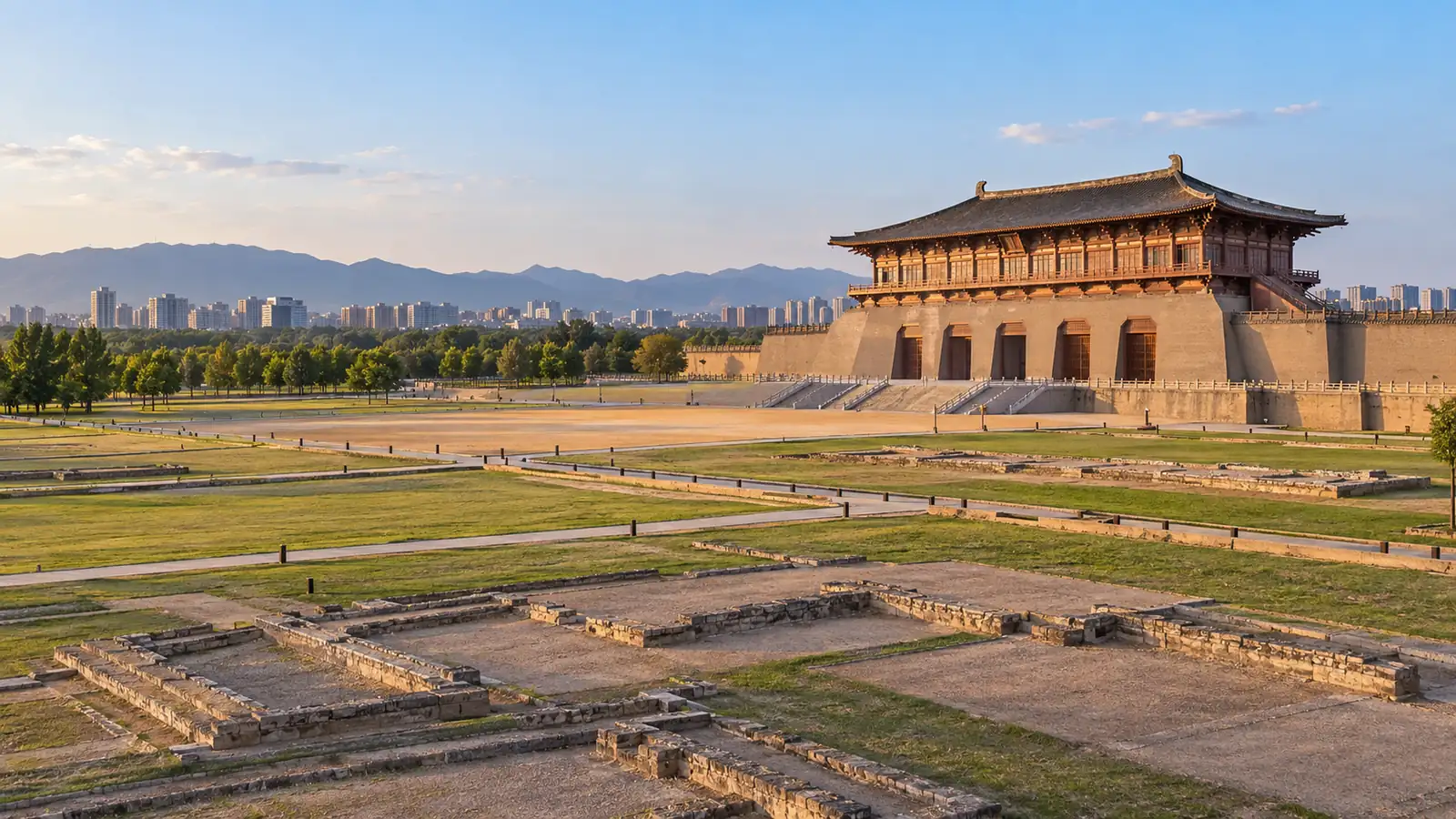
Recommended time: Allow 2 to 3 hours and expect considerable walking across exposed grounds.
Best for: Tang-history enthusiasts, architecture and archaeology fans, and travelers who want an open-air cultural stop.
Weather tip: Go in the morning or late afternoon in hot months and save it for a clear day, because shade and shelter are limited.
Best Time to Visit Xi'an
Spring and autumn are generally the best times to visit Xi’an, especially if you plan to spend plenty of time outdoors.
Mild temperatures make it more comfortable to walk the City Wall, explore heritage sites, and take a day trip to Mount Huashan.
Spring is a good choice for parks, outdoor attractions, and long sightseeing days, although conditions can vary from cool to warm.
Autumn usually brings comfortable walking weather and is particularly well suited to the City Wall, archaeological sites, and Huashan.
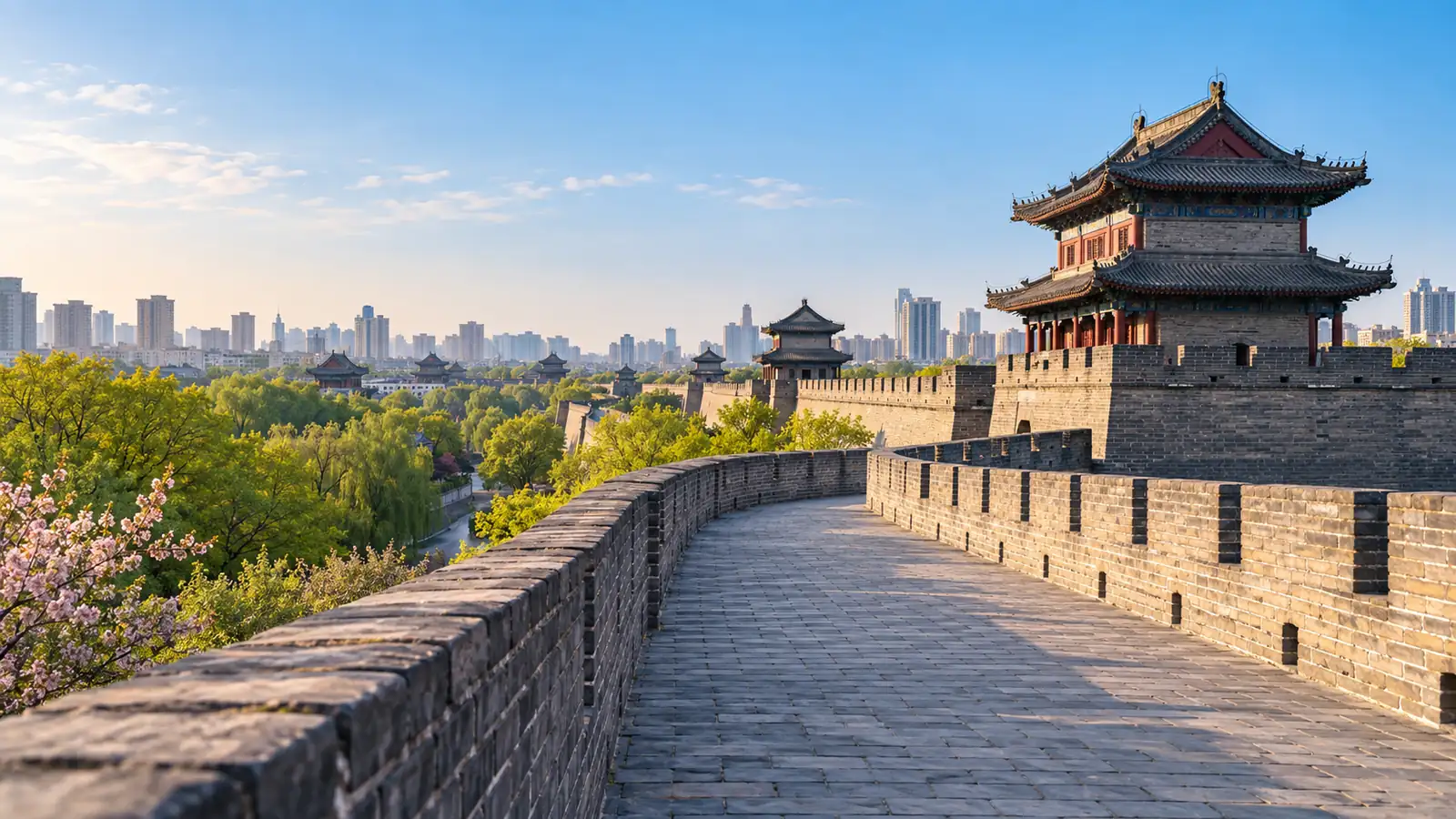
Summer is hotter and busier, so outdoor attractions are better scheduled for the morning or late afternoon. Winter is colder and drier, but it can be a good option if you prefer fewer crowds at major sights and do not mind dressing for the weather.
Chinese public holidays can affect your trip more than the season itself. During busy holiday periods, reserve popular attractions early and allow extra time for transport.
If you plan to visit Huashan, always check the local forecast before departure, as rain, ice, strong winds, or poor visibility can affect mountain conditions.
Tips for Visiting Xi’an
Xi’an is easier than many first-time visitors expect, but the most popular attractions still require planning. Booking, transport, language, and pacing make the biggest difference.
Book the Busiest Sights First
Reserve the Terracotta Army and capacity-controlled museums before building the rest of your schedule, especially for weekends, summer, and public holidays.
Use official booking channels where possible, enter passport details carefully, and carry the same passport used for the reservation. Avoid relying on screenshots of old prices or opening hours; confirm the current rules shortly before your visit.

Group Sights by Area
Keep the Terracotta Army, Hanyangling, and Huashan as separate excursions rather than trying to combine them. In the center, cluster the Bell and Drum Towers, Muslim Quarter, and Great Mosque.
South Gate, the City Wall, Shuyuanmen, and Beilin Museum form another efficient group, while Big Wild Goose Pagoda, Dayan Square, Great Tang Everbright City, and Tang Paradise fit together in the southeast.
The metro is affordable and useful for central areas. Taxis or ride-hailing are more practical for late nights, luggage, or sites outside the city center; save attraction names and addresses in Chinese for the driver.
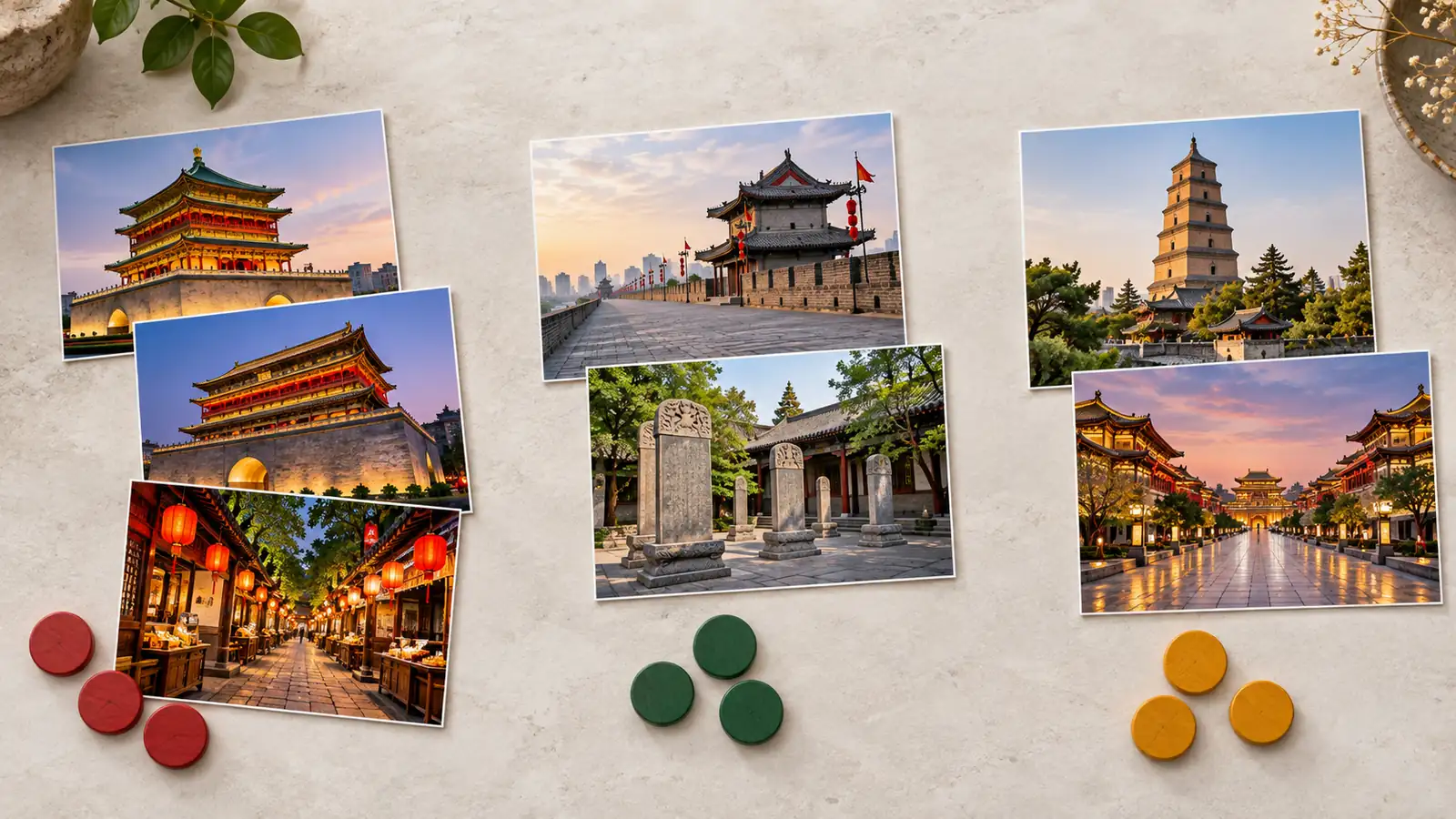
Choose a Convenient Base
First-time visitors usually do well near the Bell Tower, Drum Tower, or South Gate because these areas have strong metro access and easy evening food options.
The Big Wild Goose Pagoda area is better for travelers who prefer newer surroundings and plan several southeast attractions. Staying near the Terracotta Army saves little time unless the archaeological sites are the main purpose of your trip.
Prepare for Payments, Data, and Language
Major tourist sites may have English signs, but restaurants, taxis, and smaller shops may not. Translation software is especially useful for food allergies and ticket questions.
Keep mobile data available for maps, ride-hailing, digital payments, and reservations, and download offline maps plus the Chinese names of your hotel and key sights as a backup.

Pace Each Day Realistically
Wear comfortable shoes for the wall, museums, pagoda areas, food streets, and large station corridors. Two major sights plus one evening food or performance activity is enough for most days.
Leave time for security checks and long walks inside attraction complexes, and respect religious sites by dressing modestly, speaking quietly, and avoiding intrusive photography.
Suggested Xi’an Itinerary for First-Time Visitors
If you are choosing from these 15 things to do in Xi’an, plan your days by location rather than trying to visit every attraction. The first ten cover the classic highlights, while the remaining sights are better suited to longer stays or specific interests.
Trip Length | Best Plan | Who It Suits |
|---|---|---|
1 full day | Morning: Terracotta Army. Late afternoon: City Wall. Evening: Muslim Quarter. | Travelers passing through quickly who want the essentials. |
2 full days | Day 1: Terracotta Army, Bell and Drum Towers, and Muslim Quarter. Day 2: Beilin Museum or Shaanxi History Museum, City Wall, and Big Wild Goose Pagoda area in the evening. | Most first-time visitors. |
3 full days | Day 1: Terracotta Army, Bell and Drum Towers, and Muslim Quarter. Day 2: Beilin Museum, South Gate, and City Wall. Day 3: Shaanxi History Museum, Big Wild Goose Pagoda, and Great Tang Everbright City. | First-time visitors who want the main sights without rushing. |
4 full days | Follow the 3-day itinerary, then use Day 4 for Mount Huashan. For a less physically demanding alternative, visit Hanyangling and Daming Palace instead. | Travelers who want either a nature day trip or more time for history and archaeology. |
FAQ
1. Is China Safe for US Citizens Right Now?
US citizens can travel to China, but the U.S. Department of State currently advises travelers to exercise increased caution in mainland China. Travelers should review the latest advisory before departure and follow local laws and entry requirements.
2. What Food Is Xi’an Famous For?
Xi’an is famous for roujiamo, biangbiang noodles, beef or lamb paomo, lamb skewers, and other Shaanxi specialties. The Muslim Quarter and nearby food streets are popular places to try local dishes.
3. Do People Speak English in Xi’an?
English is spoken at some major hotels and tourist attractions, but it is less common in local restaurants, taxis, and smaller shops. A translation app and saved Chinese addresses can make getting around much easier.
4. Why Are There So Many Muslims in Xi’an?
Xi’an has a long-established Hui Muslim community shaped by centuries of trade and cultural exchange along the Silk Road. This heritage remains especially visible around the Muslim Quarter and Great Mosque of Xi’an.
Conclusion
Xi’an brings together ancient history, local culture, distinctive food, and some of China’s most memorable landmarks.
For a first trip, focus on the experiences that match your time and interests rather than trying to visit all 15 places.
With a little planning and a comfortable pace, you can enjoy Xi’an’s highlights while still leaving time to experience the city beyond its major attractions.