
Holidays can offer a special perspective on a culture, and in China, one celebration stands above the rest for family, tradition, food, travel, and national mood: Chinese New Year, also called the Spring Festival.
If you are asking what is an important holiday in China, the Spring Festival is the clearest answer. It is the annual moment when families reunite, homes are prepared for good fortune, cities dress in red, and the country's transport network enters its busiest season.
Understanding the holiday makes it easier to appreciate the customs you see and plan around the crowds, closures, and changing schedules.
This guide explains why Chinese New Year matters, how people celebrate it, how it compares with other major Chinese holidays, and what travelers should arrange before they go.
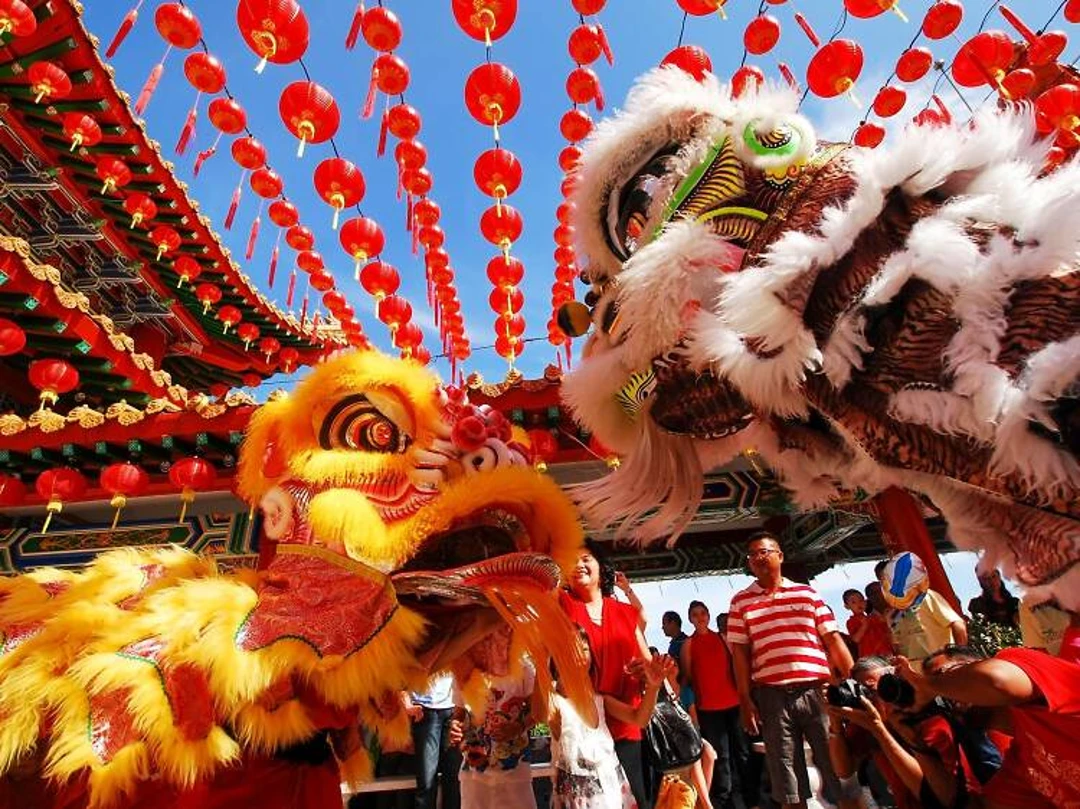
China's Most Important Holiday
The most important holiday in China is Chinese New Year, officially known as the Spring Festival. It begins on the first day of the traditional Chinese lunisolar year, so its Gregorian date changes annually and usually falls between late January and mid-February.
The official days off also vary from year to year, which is why travelers should check the current national holiday calendar instead of relying on dates from a previous trip.
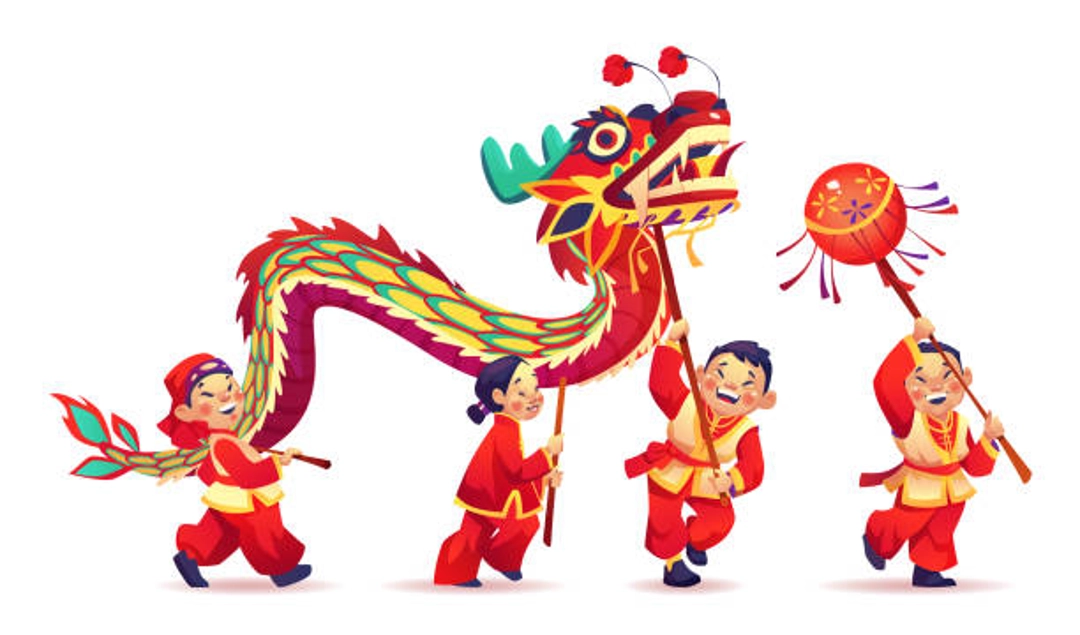
Its importance comes from three forces working together: family reunion, cultural renewal, and national scale. Many people travel home for New Year's Eve dinner, visit relatives, honor ancestors, exchange blessings, and begin the year with symbols of luck and prosperity.
Other Chinese festivals may emphasize remembrance, harvest, patriotism, or seasonal change, but none affects family life and travel across the country quite as broadly.
For visitors, the season is both rewarding and demanding. Lanterns, temple fairs, flower markets, festive foods, and public performances create a memorable atmosphere, while heavy transport demand and altered business hours require more preparation than an ordinary trip.
Why the Spring Festival Matters
Family Reunion Across China
At the center of the Spring Festival is reunion. People who live and work far from their hometowns often make the journey back for New Year's Eve, turning the weeks around the holiday into the Spring Festival travel rush, or Chunyun. The reunion dinner brings several generations to one table and gives the festival an emotional weight similar to the most important family holidays elsewhere in the world.
The holiday is not simply one day of celebration. Preparations begin before New Year's Eve, and family visits continue after it. The Lantern Festival on the 15th day of the first lunar month provides a traditional closing point to the New Year season.
Legends, Red, and Renewal
One of the best-known legends behind Chinese New Year is the story of Nian, a fearsome creature said to appear at the end of the year. According to the tale, villagers learned that Nian feared loud noises, fire, and the color red.
The story gives an accessible cultural frame to red decorations, firecrackers, drums, and energetic lion or dragon dances, although the festival's history is much broader than a single legend.
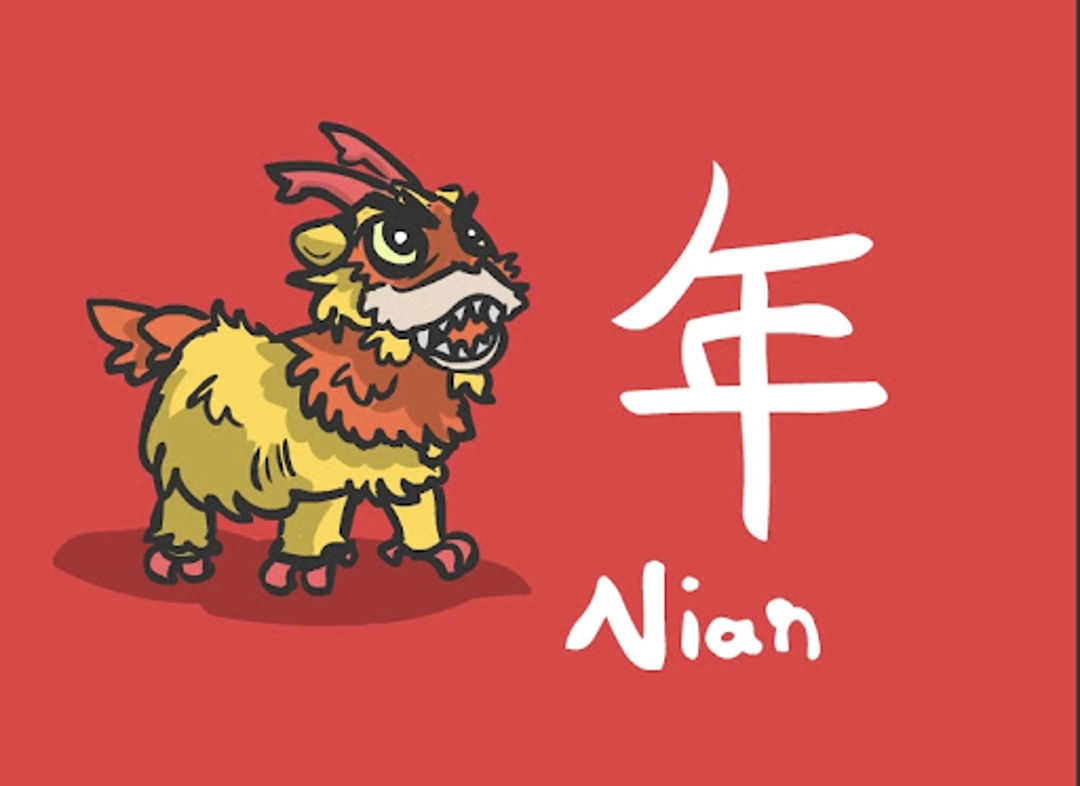
Red represents luck, protection, prosperity, and celebration. Families also clean their homes before the new year, finish outstanding tasks, prepare food, and wear new clothes. Together, these customs express a deeper theme: leaving the old year behind and entering the new one with a fresh start.
The Zodiac's Twelve-Year Cycle
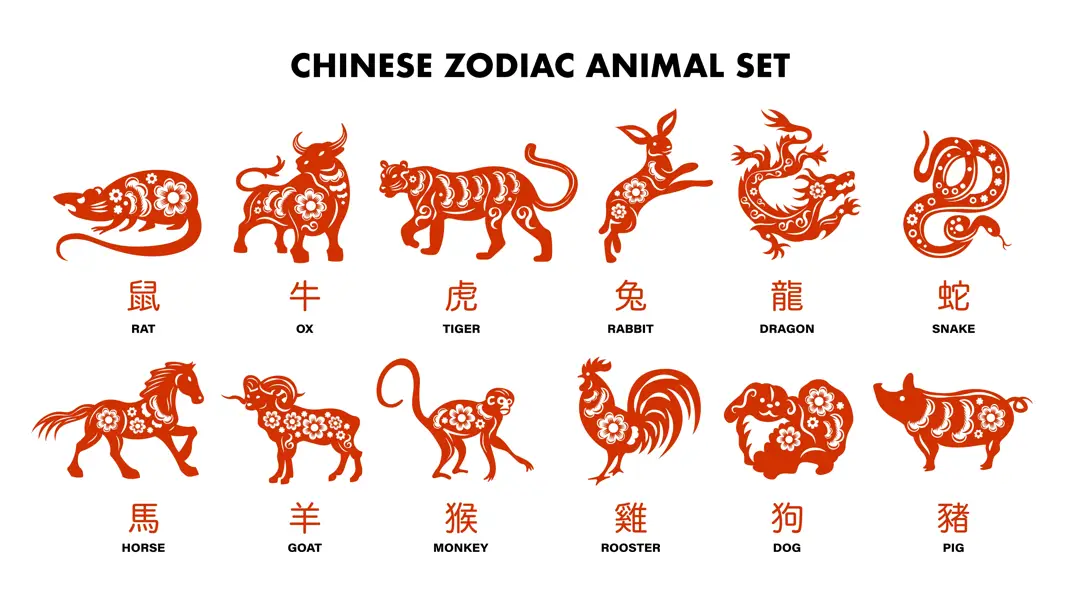
Each lunar year is associated with one of 12 zodiac animals: Rat, Ox, Tiger, Rabbit, Dragon, Snake, Horse, Goat, Monkey, Rooster, Dog, and Pig. Zodiac imagery appears on decorations, gifts, stamps, and seasonal products, and people often discuss the qualities traditionally associated with the year's animal.
The zodiac year changes at Chinese New Year rather than on January 1. That distinction matters for anyone checking the sign of a birth date that falls in January or February.
Spring Festival Traditions and Customs
Practices differ by region, generation, and family, but several traditions appear across much of China. Their shared themes are reunion, good fortune, remembrance, and hope for the year ahead.
Tradition | What It Means | Traveler Note |
|---|---|---|
House cleaning | Sweeping away the old year's bad luck before the holiday begins | Markets and shops can be especially busy during the preparation period |
Red decorations | Luck, protection, prosperity, and a festive welcome | Historic streets, temples, and shopping areas are often highly decorated |
Reunion dinner | The most important family meal of the year | Restaurants may book out or close for private family time |
Red envelopes | Money given as a blessing, especially to children and younger relatives | This is mainly a family custom; visitors are not expected to copy it |
Temple fairs and lanterns | Public celebration, folk art, food, and wishes for the year ahead | Dates, venues, and ticket rules vary by city |
Preparing for the New Year
Before the festival, households clean and decorate, buy gifts and ingredients, and display red couplets or paper cuttings. The character fu, meaning good fortune, is a familiar decoration and is sometimes hung upside down as a visual pun suggesting that luck has arrived.
Many families also remember ancestors and make offerings. These quieter practices sit alongside the brighter public symbols, connecting the hope of a new year with respect for earlier generations.
Reunion Dinner and Festive Foods
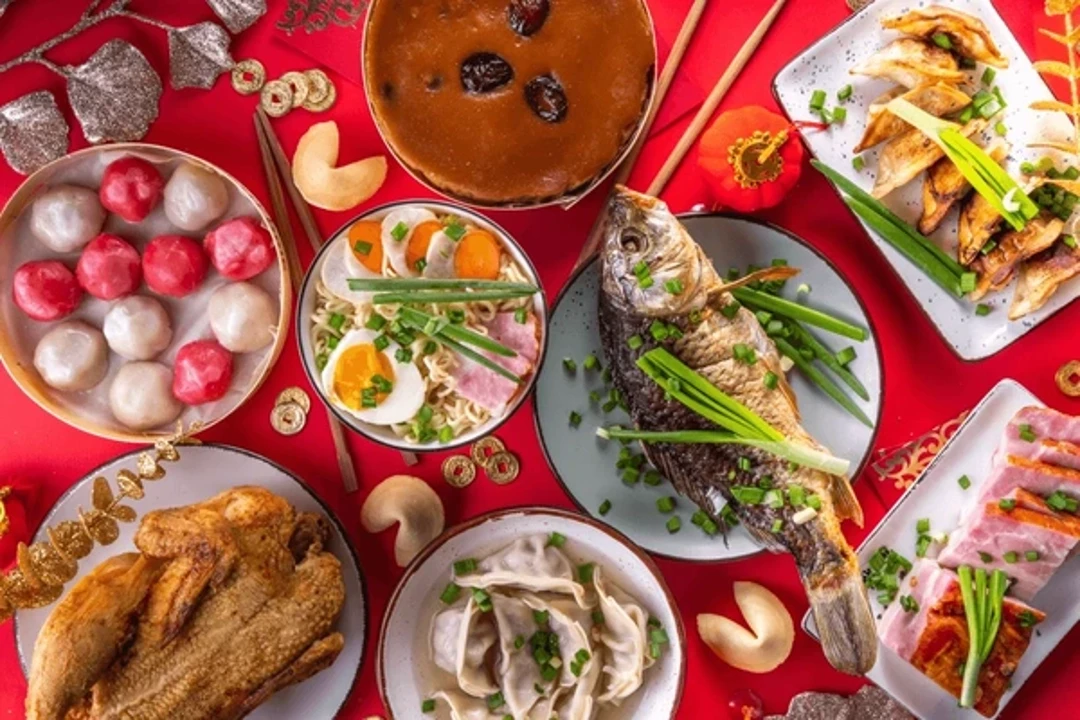
On Chinese New Year's Eve, families gather for the reunion dinner. Symbolic foods vary by region: fish can represent abundance, dumplings wealth, rice cakes progress, long noodles longevity, and sweet rice balls togetherness. The table is a vivid introduction to traditional Chinese food, but its deeper meaning comes from sharing the meal with family.
After dinner, many households watch the CCTV Spring Festival Gala, a long-running television variety show featuring music, comedy, dance, and elaborate performances. Staying up late to welcome the year is another common New Year's Eve custom.
Greetings, Visits, and Lanterns
New Year's Day and the days after it are often used for greetings, family visits, temple fairs, and short outings. Red envelopes, or hongbao, carry money and good wishes.
Fireworks and firecrackers remain traditional in many places, although local restrictions for safety, air quality, and crowd control mean visitors should never assume they are permitted.
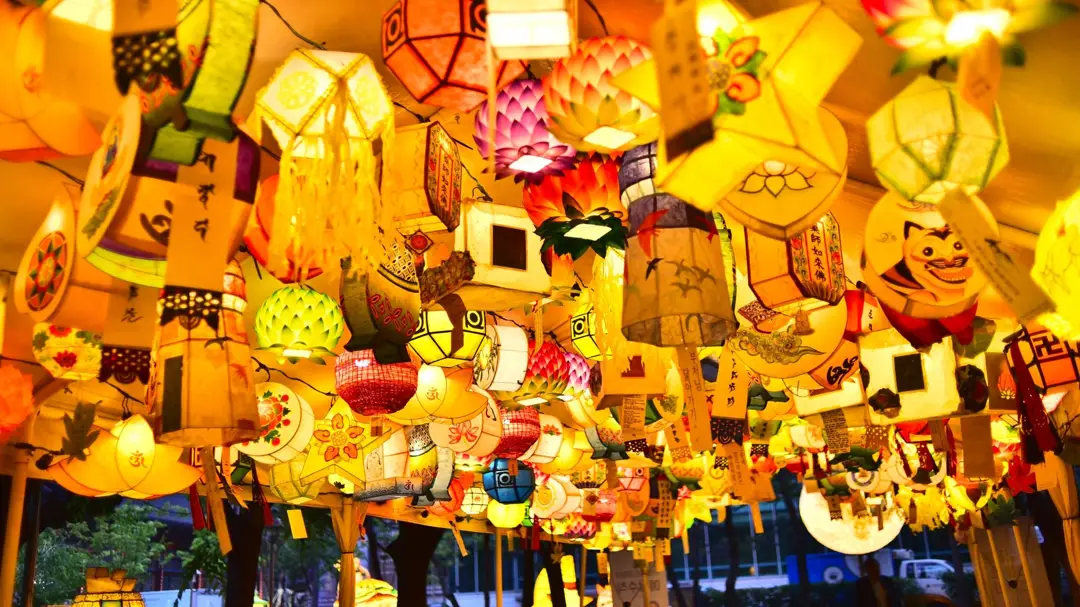
The Lantern Festival closes the traditional New Year season on the 15th day of the first lunar month. Lantern displays, riddles, tangyuan or yuanxiao sweet rice balls, and evening walks give the celebration a gentler final note after the rush of New Year's Eve and family visits.
Other Major Holidays in China
Chinese New Year is the country's most important traditional holiday, but it is one of seven nationwide statutory public holidays. The others are New Year's Day, Qingming Festival, Labor Day, Dragon Boat Festival, Mid-Autumn Festival, and National Day.
Some culturally important observances, including the Lantern Festival and Qixi Festival, are not nationwide days off.
China's annual calendar can join statutory days with weekends and designate nearby Saturdays or Sundays as working days. These make-up workdays create longer breaks, so the published schedule matters for transport, offices, schools, and business planning.
Holiday | Usual Timing | Main Meaning | Typical Travel Impact |
|---|---|---|---|
New Year's Day | January 1 | Start of the Gregorian year | Short break with moderate city travel |
Spring Festival | Late January to mid-February | Family reunion and the lunar new year | Very high, especially on homecoming routes |
Qingming Festival | Early April | Ancestor remembrance and spring outings | Moderate, with family visits and local traffic |
Labor Day | Early May | Public rest period and leisure travel | High at scenic areas and city-break destinations |
Dragon Boat Festival | May or June | Tradition associated with Qu Yuan, racing, and zongzi | Moderate to high near prominent race venues |
Mid-Autumn Festival | September or October | Family reunion, the full moon, and harvest traditions | Moderate, and higher when close to National Day |
National Day | From October 1 | Founding of the People's Republic of China | Very high during China's Golden Week holiday |
1. Qingming Festival and Remembrance
Qingming Festival, or Tomb-Sweeping Day, is observed in early April. Families visit ancestral graves, clean the sites, and make offerings. Spring outings, kite flying, and seasonal foods also reflect Qingming's connection with the return of warmer weather.
2. Labor Day and Leisure Travel
Labor Day begins on May 1 and often forms a multi-day break under the annual holiday schedule. Pleasant spring weather and time off make it a major period for domestic tourism, so popular attractions, hotels, and transport routes can become crowded.
3. Dragon Boat Festival Traditions
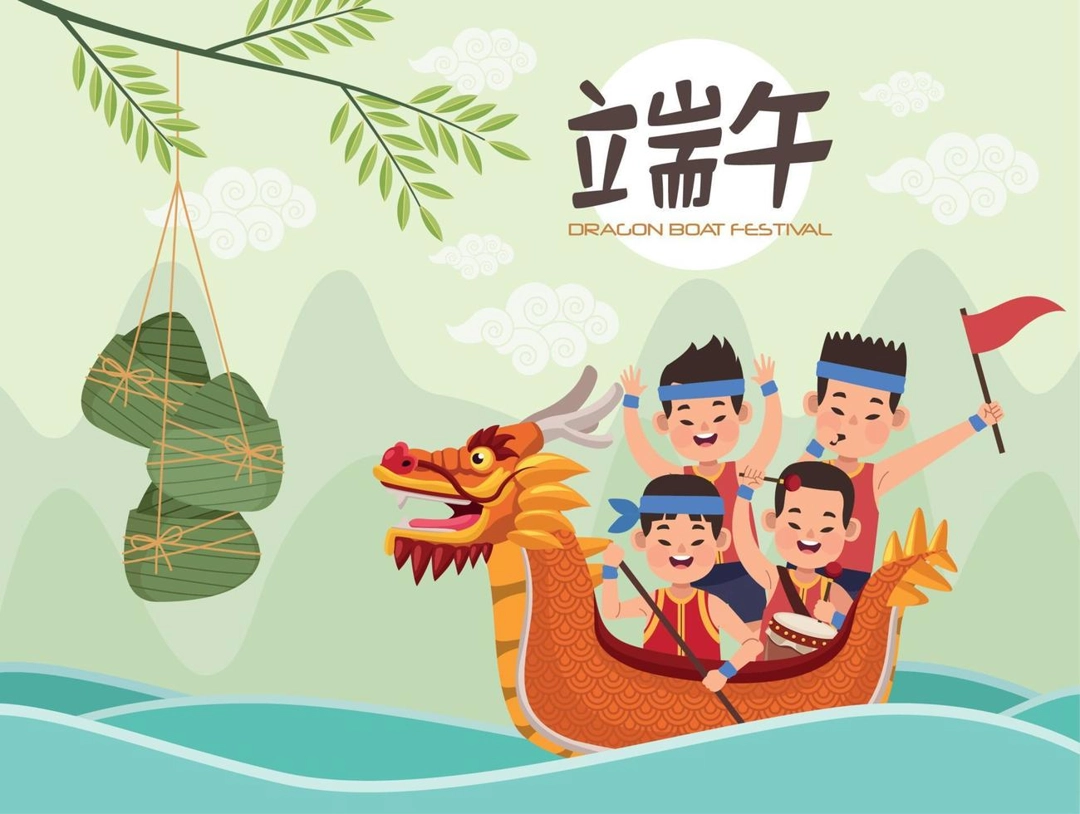
The Dragon Boat Festival is associated most famously with the poet Qu Yuan. Dragon boat races and sticky rice dumplings called zongzi are its best-known traditions, while regional customs can include hanging aromatic plants or wearing scented sachets.
4. Mid-Autumn Festival Reunions
The Mid-Autumn Festival centers on the full moon, family reunion, mooncakes, lanterns, and harvest-season gratitude. It is quieter than Spring Festival, but its themes of togetherness and longing make it one of China's most meaningful traditional celebrations.
5. National Day and Golden Week
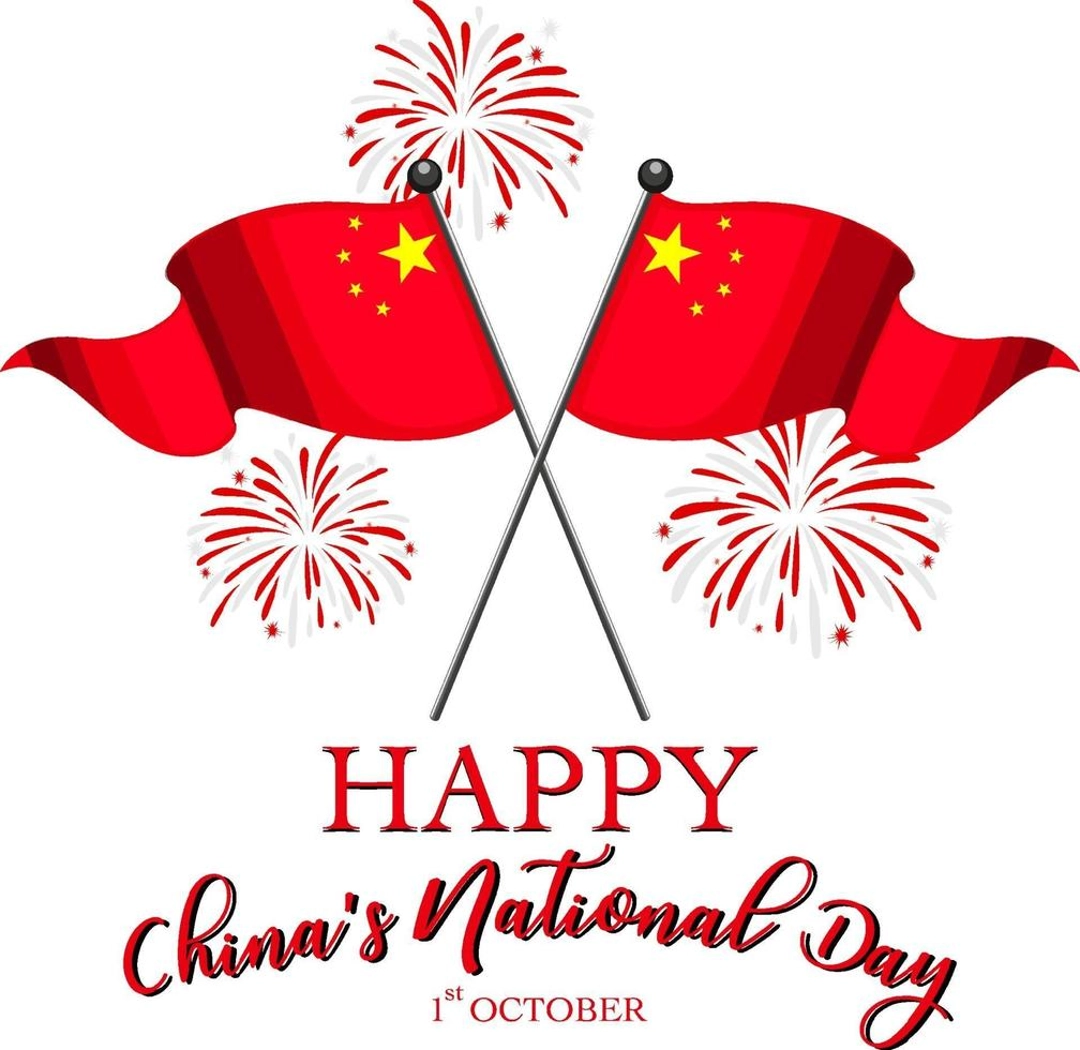
National Day begins on October 1 and marks the founding of the People's Republic of China. The associated Golden Week is one of the busiest travel periods of the year, with heavy demand at railway stations, airports, hotels, and major attractions.
Planning Travel During Spring Festival
Book Around the Chunyun Rush
Chunyun begins before Lunar New Year's Day and continues after the official break as people travel home, visit family, take holidays, and return to work. Long-distance rail and air routes can sell out quickly, particularly on the busiest departure and return dates.
Book trains, flights, and hotels as early as the reservation system allows, and keep a backup route when a connection is essential. For a broader seasonal comparison, check the best time to visit China before deciding whether the festival suits your travel style.

Expect Different Opening Hours
Government offices and bank branches usually close for statutory holidays, while large malls, hotels, public transport, and many tourist attractions often continue operating.
Spring Festival is the main exception for small family-run restaurants, shops, and services, as owners may return home for several days. Always check the specific venue rather than assuming an entire city is either open or closed.
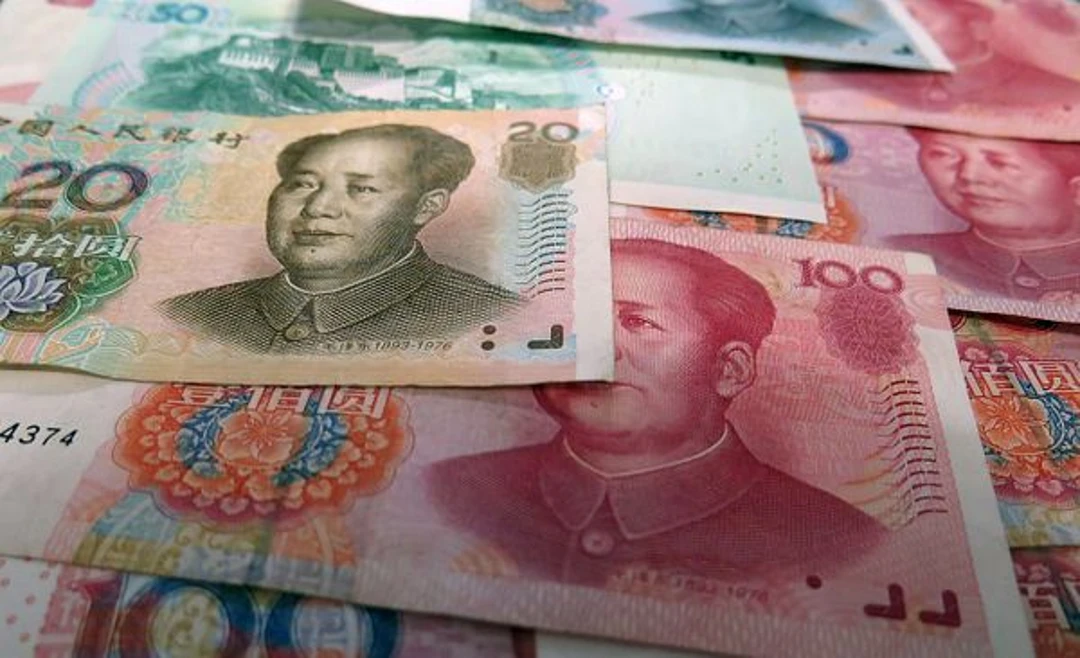
ATMs generally remain available, but it is sensible to carry some RMB and a backup payment method. Understanding the currency of China before arrival also helps if a branch or exchange counter has shortened hours.
Plan by City and Region
Holiday atmosphere varies across China. Beijing may have temple fairs, Shanghai lantern displays, Guangzhou flower markets, northern cities winter scenery, and southern regions their own family-food traditions. Weather also differs sharply, so use a regional China weather guide instead of relying on one national forecast.
Reliable mobile data makes last-minute changes easier. An iRoamly China travel eSIM can keep maps, translation apps, ride-hailing, mobile payments, and family updates available while you move between cities.
Chinese Holiday Questions Answered
1. Can Tourists Enjoy Chinese New Year?
Yes. Visitors can enjoy decorations, temple fairs, lantern displays, seasonal foods, public performances, and lively streets. The key is to arrange transport and restaurant alternatives early because many residents are also traveling or spending time with family.
2. Are Banks and ATMs Open?
Bank branches may close or shorten their hours during statutory holidays, but ATMs generally remain available. Carry some cash, keep a backup card, and check whether you will need a staffed counter for any transaction.
3. What Is the Holiday Weather?
Conditions depend heavily on region. Beijing, Harbin, and other northern destinations can be very cold, while Guangzhou, Shenzhen, Hong Kong, and parts of the south are milder. Check city-level conditions shortly before departure.
4. Are Fireworks Allowed Everywhere?
No. Fireworks and firecrackers are traditional, but many cities restrict or ban them in central areas for safety, pollution, and crowd-control reasons. Follow current local rules and designated-event guidance.
5. Do Holiday Prices Usually Rise?
Often. Flights, hotels, and some popular attractions may become more expensive or harder to book during Spring Festival, Labor Day, and National Day Golden Week. Prices and availability are usually easier outside the largest holiday windows.
6. Which Holiday Suits Travelers Best?
Spring Festival provides the richest nationwide cultural experience but also the greatest logistical challenge. Qingming, Dragon Boat, or Mid-Autumn can offer a shorter cultural moment with less disruption, while ordinary shoulder-season dates are better for travelers who prioritize easier transport and sightseeing.
Conclusion
Chinese New Year, or the Spring Festival, is the most important holiday in China because it brings together family reunion, cultural renewal, food, symbolism, and nationwide travel on a scale no other celebration matches.
For travelers, understanding the holiday makes the country easier to read. Red decorations, reunion meals, lanterns, zodiac signs, temple fairs, shop closures, make-up workdays, and crowded stations are all parts of the same seasonal rhythm.
Plan early, stay flexible, and check the official holiday calendar for the year you travel. With the practical details in place, the Spring Festival can become one of the most memorable times to experience China.