
Heading to China and wondering what the legal drinking age is? Whether you want to sample local wine, raise shots of baijiu in celebratory toasts, or simply relax with a cold beer after exploring, it is useful to understand both the written rules and how they work in daily travel situations.
In mainland China, businesses are not allowed to sell alcohol to minors under 18. Enforcement can feel more relaxed than in some countries, but travelers should still treat 18 as the practical minimum age for buying or being served alcohol. Rules and enforcement also differ slightly in Hong Kong, Macau, and Taiwan, so it helps to check the region you are visiting.
While enjoying your travels, don't forget to bring your iRoamly China travel eSIM to stay connected and share your experiences online with friends and family.
Here’s everything you need to know before drinking in China.
Legal Drinking Age in China
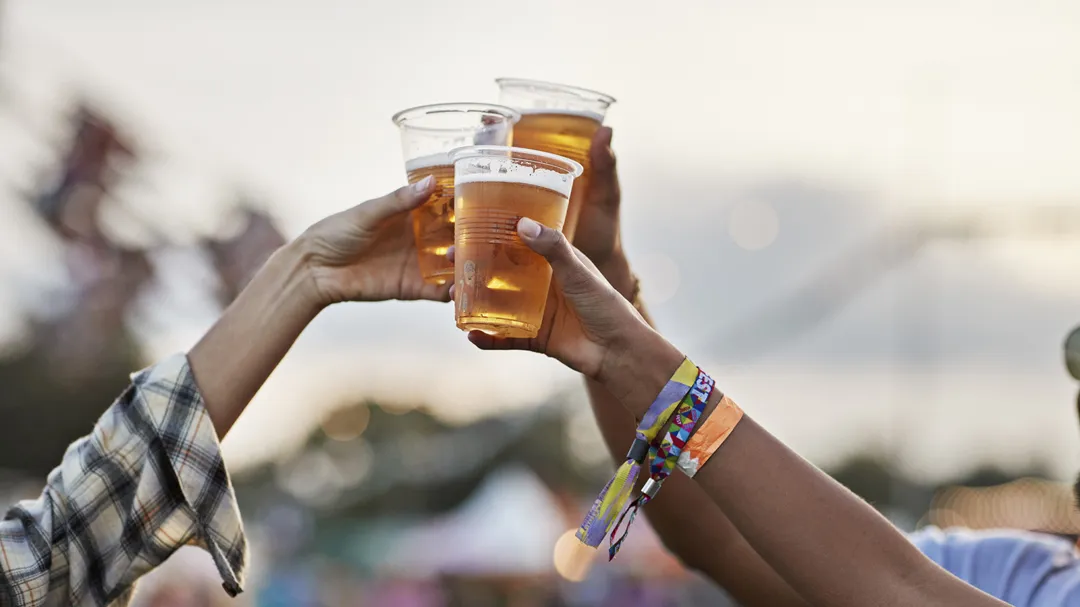
The legal age for drinking in mainland China is 18.
That means it’s illegal for anyone under 18 to buy, consume, or possess alcohol, in accordance with the Youth Protection Act of 1991. The regulation applies to beer, to wine, to baijiu, to any kind of alcoholic drink.
In China's metropolitan areas like Beijing or Shanghai, you might find convenience stores, clubs, hotels, and expat-oriented bars asking for ID, especially if you look young. In smaller towns or casual restaurants, age checks may be less common, but that does not change the rule for sellers.
For travelers, the safest approach is simple: if you are under 18, do not try to buy alcohol; if you are 18 or older but look young, carry your passport or another acceptable ID. Venues may refuse service if they cannot verify your age, and arguing with staff is rarely worth the trouble.
Legal Drinking Age in Other Regions
The legal drinking age is generally 18 on the Chinese mainland, but Hong Kong, Macau, and Taiwan have their own legal systems and enforcement habits. Use the table as a quick traveler reference, then check the notes below for practical details.
Region | Key Rule for Travelers | Practical Note |
|---|---|---|
Mainland China | Alcohol sales to minors under 18 are prohibited. | ID checks are inconsistent, but bars, clubs, hotels, and tourist areas may be stricter. |
Hong Kong | Licensed premises cannot sell or supply alcohol to anyone under 18. | Private consumption rules differ, but public venues usually treat 18 as the service age. |
Macau | Alcohol sale and consumption by minors under 18 are restricted. | Casinos, bars, and nightlife venues can be strict about ID. |
Taiwan | People under 18 cannot drink, buy, or possess alcohol. | Convenience stores and urban venues are more likely to check age. |
Hong Kong
Hong Kong does not have the same private-consumption framework as mainland China, but licensed premises are prohibited from selling or supplying alcohol to anyone under 18. For visitors, that means bars, restaurants, clubs, and shops will generally use 18 as the minimum service age.
Macau
Macau is stricter in many nightlife and entertainment settings. Treat 18 as the minimum age for buying and drinking alcohol, and expect casinos, hotel bars, clubs, and higher-end restaurants to request ID when age is unclear.
Taiwan
Like mainland China and Macau, Taiwan uses 18 as the drinking-age threshold. It is illegal for minors to purchase, possess, or consume alcohol, and vendors can be fined for selling to minors.
Taiwan has a stricter approach to enforcing these laws, particularly in cities. If your trip includes Taipei, Kaohsiung, or nightlife districts, carrying ID is especially sensible.
Across all these regions, travelers should not assume that relaxed service in one place means the same rule applies everywhere. When in doubt, follow the stricter interpretation and carry identification.
Alcohol Laws: What’s Allowed and What’s Not
China’s alcohol laws are not too complex, but travelers should understand the practical difference between what is technically allowed, what venues may refuse, and what behavior can create legal trouble.
1. Drinking in Public
The rules around drinking alcohol in public spaces are not as strict in China as in many Western countries. It is common to see adults drinking beer at outdoor food stalls, neighborhood barbecue restaurants, festivals, or casual evening gatherings.
But it is not really about the drink; it is your behavior. If you are creating a disturbance, becoming aggressive, damaging property, harassing people, or unable to control yourself after drinking, police or venue staff may get involved.
Some locations may have their own restrictions, including subway systems, trains, schools, government buildings, scenic areas, and event venues. Look for posted signs, and avoid carrying open alcohol into formal public-transport or security-check areas.
2. Alcohol Sales and Age Restrictions
It is prohibited to sell alcohol to anyone under 18, whether that is in a supermarket, convenience store, bar, restaurant, hotel lounge, or entertainment venue. Some stores, especially in major cities, may request identification.
Travelers are supposed to adhere to local laws. If you are under 18, do not attempt to purchase alcohol. If you are traveling with younger family members, avoid asking them to carry or buy alcohol for adults, because this can create problems for the shop or venue.
Useful ID tip: Foreign travelers are usually safest carrying a passport, a passport copy, or a hotel-stored photo of the passport identity page when going to bars or clubs. Some venues may not accept a foreign student card or a driver’s license if staff cannot read it confidently.
3. Drinking and Driving: Zero Tolerance
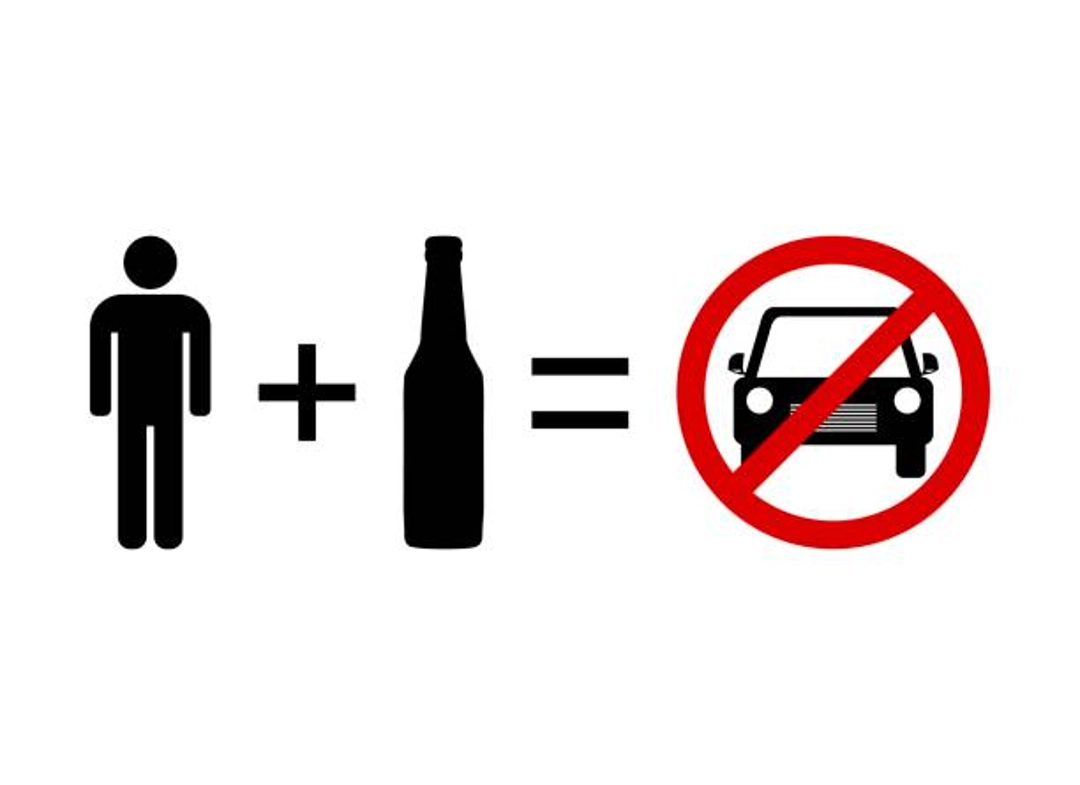
This is one area where China does not mess around. Chinese authorities enforce strict drunk-driving rules, and penalties can be severe even when a traveler believes they only drank a small amount.
If you are driving and get pulled over, penalties can include:
Heavy fines
License suspension or revocation
Possible detention or arrest for severe offenses
Insurance, visa, or future-entry complications for foreign visitors
The police frequently operate random checks, particularly during festivals, weekends, and late-night periods. If you have been drinking, use a taxi, ride-hailing app, hotel car, subway, or a designated driver instead. Keep your phone charged and make sure you have iRoamly eSIM resources or another reliable data option for maps and transport apps after a night out.
Drinking Culture in China
In China, drinking is never just about having a drink. It is a social activity incorporated into dinners, parties, weddings, festivals, and business meals. Whether at a family gathering or a special event, there may be alcohol on the table, and baijiu, a strong Chinese grain spirit, is often used for formal toasts.
It is traditional for hosts to offer a drink as a welcome and for the recipient to accept it as a sign of respect. However, acceptance does not mean you must drink heavily. Many Chinese hosts understand health, medication, religious, driving, or personal reasons for declining alcohol.
One custom you may run into is “ganbei,” which literally suggests “dry cup.” It is often translated as “cheers,” but in some situations it means the group expects a full toast. If you do not want to drink the whole glass, smile, take a small sip, keep tea or water in your glass, or say politely that you do not drink much.
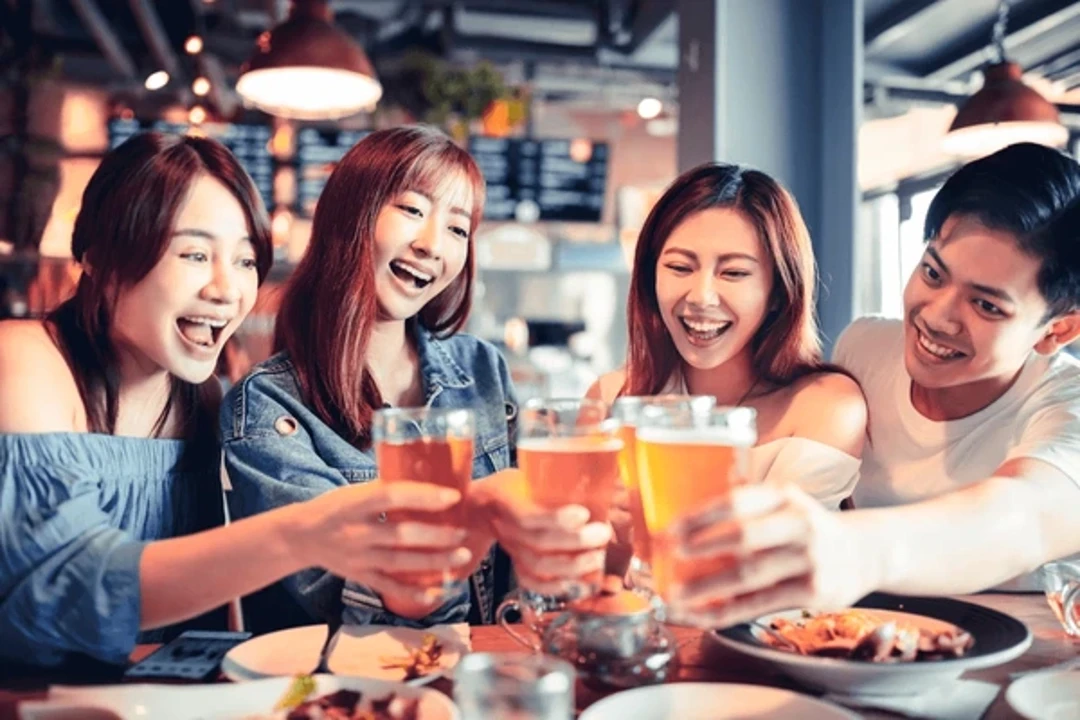
Drinking etiquette may change slightly depending on the region, age group, and setting. A casual craft-beer bar in Shanghai feels very different from a family banquet in a smaller city. In general, the safest strategy is to drink slowly, follow the host’s pace, avoid pressuring anyone else to drink, and treat toasts as social gestures rather than competitions.
What Travelers Should Keep in Mind
If you want to drink alcohol when you travel in China, these tips will help you stay legal, comfortable, and culturally respectful:
Carry usable ID. If you are 18 or older but look young, bars, clubs, hotels, and tourist-area stores may ask you to prove your age. A passport or passport copy is more useful than a foreign student card.
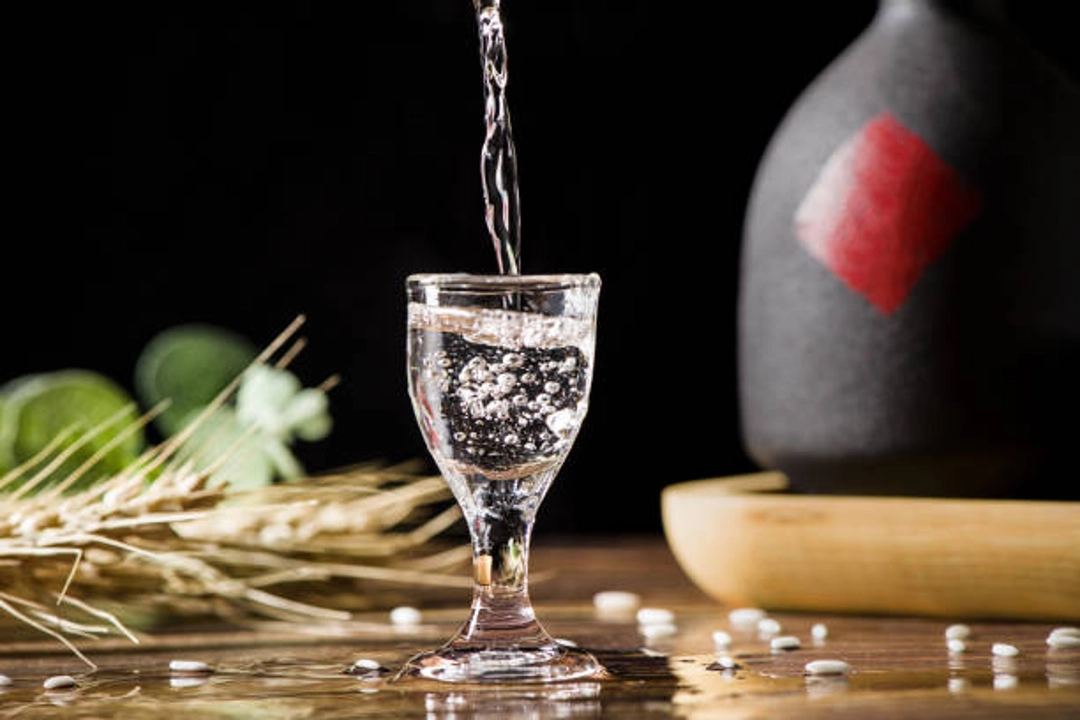
Drink baijiu sparingly. Baijiu is a traditional Chinese alcohol, and it can be quite strong, often around 40% to 60% ABV. You may encounter it at banquets and celebrations, so take it slow.
Decline politely when needed. It is perfectly fine to say you do not drink, that you are taking medicine, that you need to stay alert, or that you are driving. Tea, soft drinks, or water can often be used for a toast.
Watch the pace at group meals. Banquet toasts can happen quickly. Eat before drinking, alternate with water, and do not feel obligated to match every round.
Do not get drunk in public. Street drinking may be tolerated in many casual settings, but disorderly behavior can attract police attention or lead to problems with venues, hotels, or transport staff.
Do not drink and drive. China has strict drink-driving enforcement. Use public transport, ride-hailing, or a designated driver if you plan to drink.
Be careful with strangers and late-night venues. As in any country, keep an eye on your drink, avoid accepting strong drinks from people you do not trust, and leave if a venue feels unsafe or overly pushy.
Respect local context. In many settings, drinking is about relationship-building, hospitality, and shared meals rather than simply getting drunk. Knowing when to toast and when to stop will make the experience smoother.
For the latest legal wording, the official text of the Protection of Minors Law is the most useful reference, especially if you want to understand seller duties around signs and age checks.
Travelers can enjoy China’s lively drinking scene, but moderation, ID awareness, and basic etiquette make the experience much more comfortable.
FAQ
1. What kind of booze do people like to drink in China?
Popular choices include beer, baijiu, huangjiu or rice wine, grape wine, fruit wine, and imported spirits. Beer is common at casual meals, while baijiu is more common at banquets, celebrations, and formal toasts.
2. Does China have “dry” areas, cities, or provinces?
No, alcohol is legal throughout mainland China, and there are no nationwide “dry” provinces. Individual venues, campuses, religious sites, transport systems, or public events may restrict alcohol, so always follow posted rules.
3. Is alcohol expensive in China?
Local beer is usually inexpensive, especially from supermarkets or casual restaurants. Baijiu ranges from very cheap local bottles to premium gift bottles, while imported wine, whiskey, and cocktails in high-end bars can be much more expensive.
4. Do bars and shops in China check ID?
ID checks are inconsistent. They are more likely in major cities, hotel bars, clubs, foreigner-heavy nightlife areas, and chain stores. If staff cannot tell whether a customer is an adult, they are expected to ask for identification.
5. Can tourists drink alcohol in public in China?
Adults can often drink in casual outdoor settings such as food streets or open-air restaurants, but behavior matters. Avoid drinking in transport systems, schools, government areas, or places with posted restrictions, and never behave disorderly in public.
6. What is the safest way to handle toasts in China?
Join the toast politely, but control the amount you drink. A small sip, tea, water, or a clear explanation such as health, medication, or driving is usually acceptable. Do not pressure others to drink, and do not feel you must finish every glass.
Conclusion
Alcohol is a major component of social culture in China, from celebratory toasts to mealtimes. The key rule for travelers is to treat 18 as the minimum age for buying or being served alcohol, carry ID if you look young, and avoid risky behavior such as public drunkenness or driving after drinking.
As a traveler, follow local laws, drink in moderation, and approach Chinese drinking customs with curiosity and respect.
Cheers to exploring China safely and responsibly!