
Hong Kong is an enigmatic city where traditional Chinese culture and modern Western values blend harmoniously. There’s so much to see and do in this bustling city — from towering skyscrapers to mountain-top hikes to historic temples.
Whether you’re here to eat the world’s best food, admiring this impressive skyline, or relaxing on a beach, Hong Kong is a destination that truly has it all.
This guide helps you choose where to stay, what to see and eat, and how to shape three practical days in the city. Keep your iRoamly China travel eSIM ready for maps, transport details, and restaurant searches as you move between Hong Kong Island, Kowloon, and Lantau.
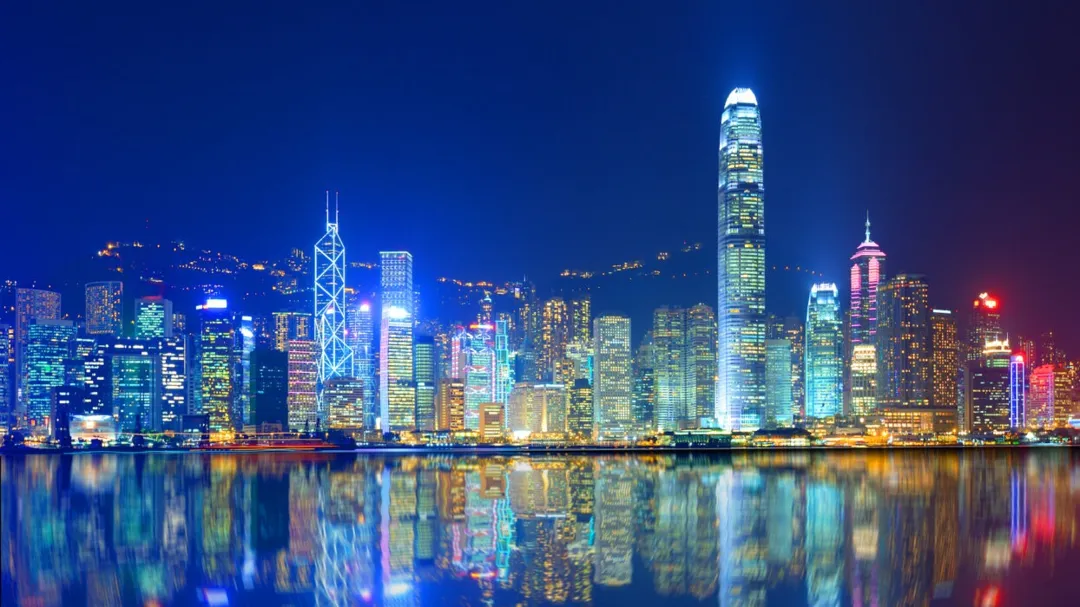
Hong Kong at a Glance
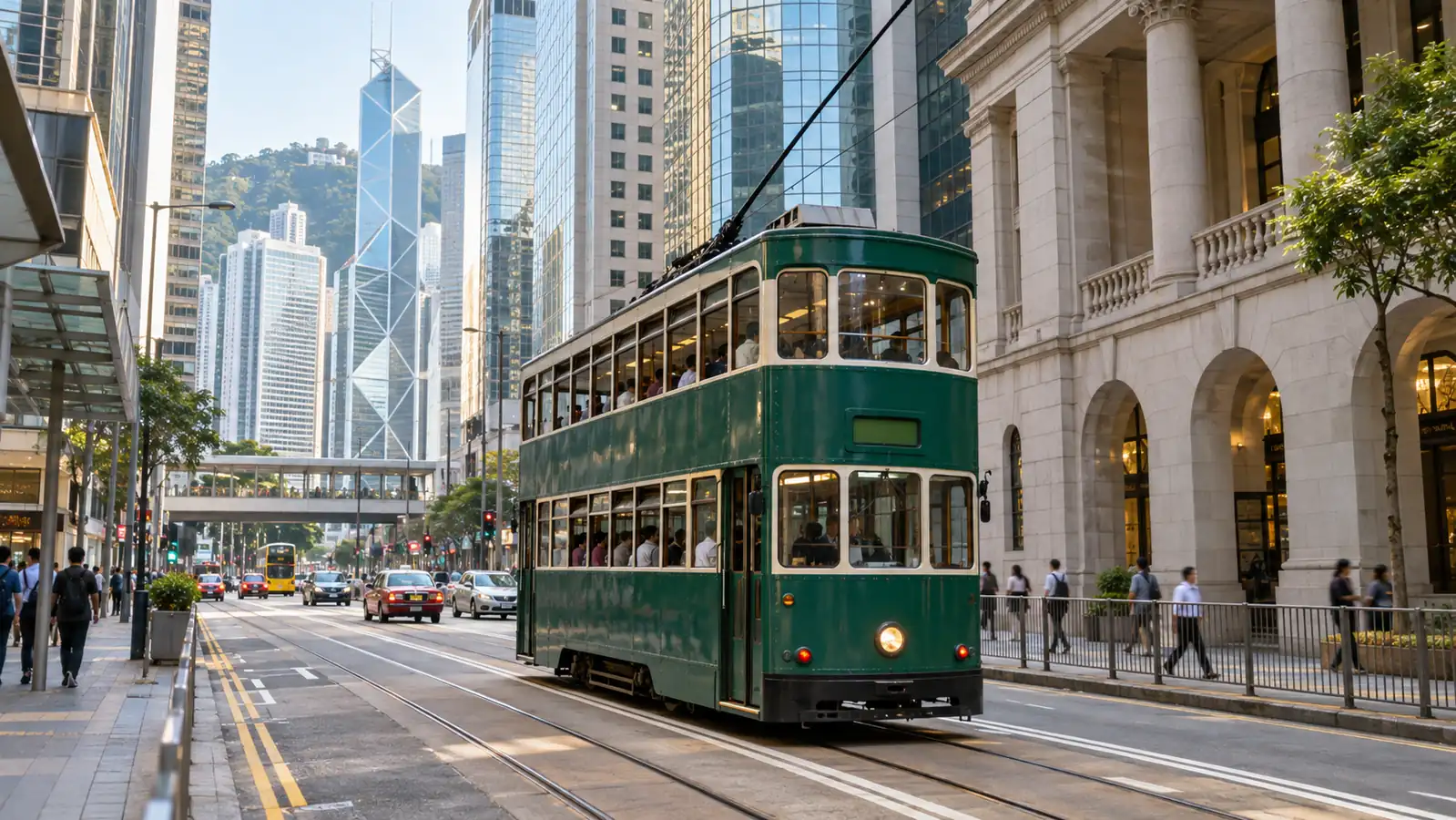
Hong Kong Island holds Central’s towers, the Peak, historic trams, and many of the city’s best-known dining and nightlife districts.
Across Victoria Harbour, Kowloon brings you close to the Tsim Sha Tsui waterfront, museums, Mong Kok, and Temple Street. The New Territories and outlying islands add hiking trails, beaches, villages, and a much slower pace.
How Many Days Do You Need?
Three full days are enough for a rewarding first visit: one day around Hong Kong Island and the harbor, one across Kowloon, and one on Lantau Island. This pace covers the city’s strongest contrasts without turning every day into a checklist.
Stay four or five days if you want a proper hike, an outer-island outing, a museum afternoon, or more time to explore neighborhood restaurants. A one-day stopover can still work, but focus on the harbor, the Peak, and one compact food-and-market route.
Where to Stay in Hong Kong
Your best base depends less on distance than on the atmosphere you want after sightseeing. Staying near an MTR station matters more than choosing the most famous district.
Area | Best For | What to Expect |
|---|---|---|
Central or Admiralty | First visits, nightlife, and easy island transport | Fast access to the Peak, ferries, trams, and restaurants, usually at a higher room rate. |
Tsim Sha Tsui | Harbor views and a balanced sightseeing base | Walkable waterfront access with straightforward connections to both Kowloon and Hong Kong Island. |
Jordan or Mong Kok | Markets, local food, and better-value rooms | Dense, energetic streets and excellent MTR access, with less quiet than the waterfront districts. |
Tung Chung or the Airport | Short stopovers and early flights | Convenient for Lantau and the airport but less suitable as a base for repeated city-center sightseeing. |
Best Things to Do in Hong Kong
The most memorable first trip balances skyline views, historic transport, neighborhood street life, culture, and time away from the densest parts of the city. These eight experiences are distinct enough to justify a place in a compact itinerary.
1. Victoria Peak
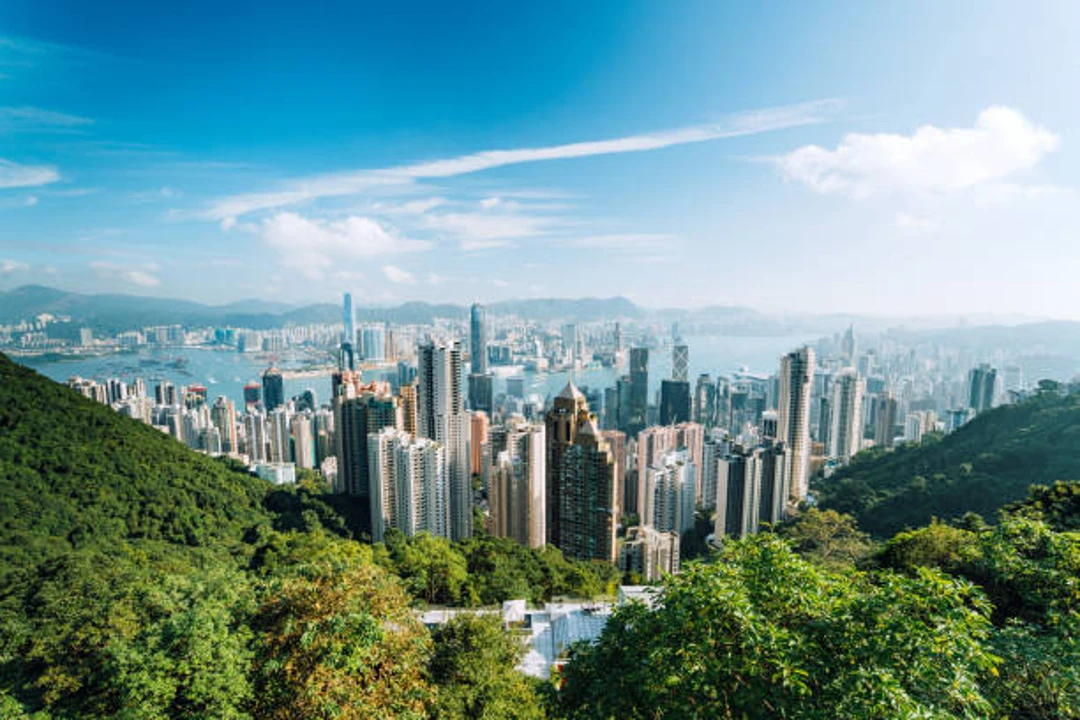
Victoria Peak gives you the clearest sense of Hong Kong’s geography. From above, the towers of Hong Kong Island, Victoria Harbour, Kowloon, and the surrounding hills fit into one sweeping view.
The Peak Tram is the classic route up, while buses and walking trails offer alternatives when queues are long. Visibility matters more than the exact hour, so check the cloud level before committing to the journey.
Travel Tip: Late afternoon lets you see the city in daylight and after dark, but it is also a popular time. Leave extra time for the return trip.
2. Explore Victoria Harbour
Three closely connected experiences show the harbor from different angles. Combine them in one route, or choose the part that best fits your time and interest.
Ride the Star Ferry
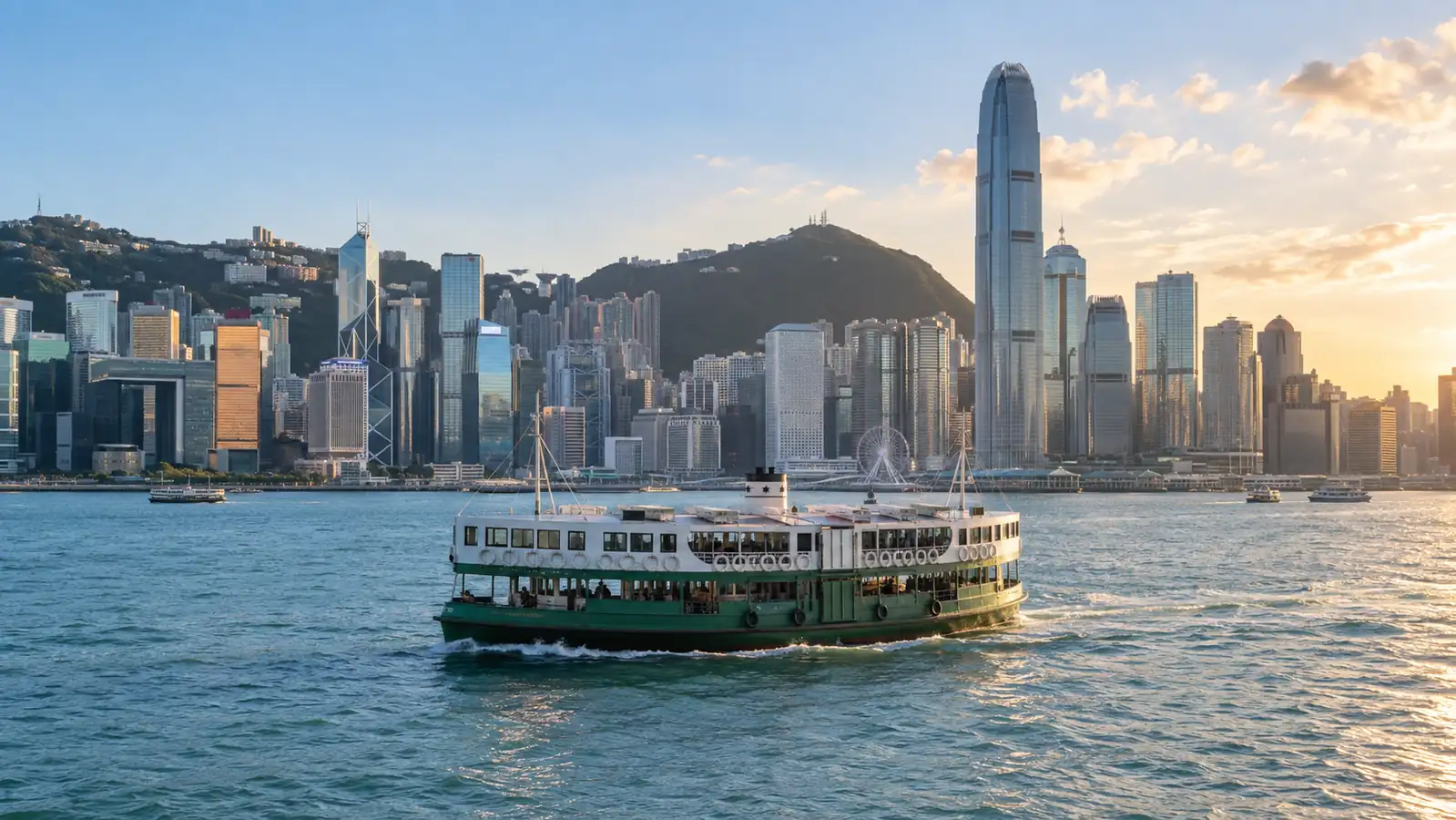
The Star Ferry is both public transport and one of Hong Kong’s most atmospheric short journeys. The crossing places you at water level between the towers of Hong Kong Island and the Kowloon waterfront.
Use it when moving between Central or Wan Chai and Tsim Sha Tsui rather than treating it as a separate excursion. The upper deck gives a wider view, while an evening crossing trades detail for city lights.
Good to Know: A short ferry crossing and a longer harbor cruise deliver different experiences. Choose the ferry for character and efficiency; choose a cruise when you want more time on the water.
Walk Tsim Sha Tsui Promenade
The Tsim Sha Tsui Promenade is the easiest place to appreciate Hong Kong Island’s skyline from across the harbor. A waterfront walk can include the Avenue of Stars, the Clock Tower, and the cultural venues around the eastern edge of the district.
Go before sunset if you want both daylight photographs and the illuminated skyline. If you plan to watch the nightly light show, confirm the current schedule and arrive early enough to find an open viewpoint.
See the Harbour After Dark
Victoria Harbour is not one attraction so much as the stage on which much of Hong Kong unfolds. You encounter it from the ferry, the promenade, the Peak, waterfront restaurants, and cruises, with each angle revealing a different relationship between the city and the water.
A cruise is most worthwhile when the harbor itself is your focus, not simply transport. Pick a short evening sailing for skyline views or keep things simple with the Star Ferry if your schedule is tight.
Fog, rain, and low cloud can soften the view. Build some flexibility into your skyline plans instead of reserving every viewpoint for the same day.
3. Temple Street Night Market
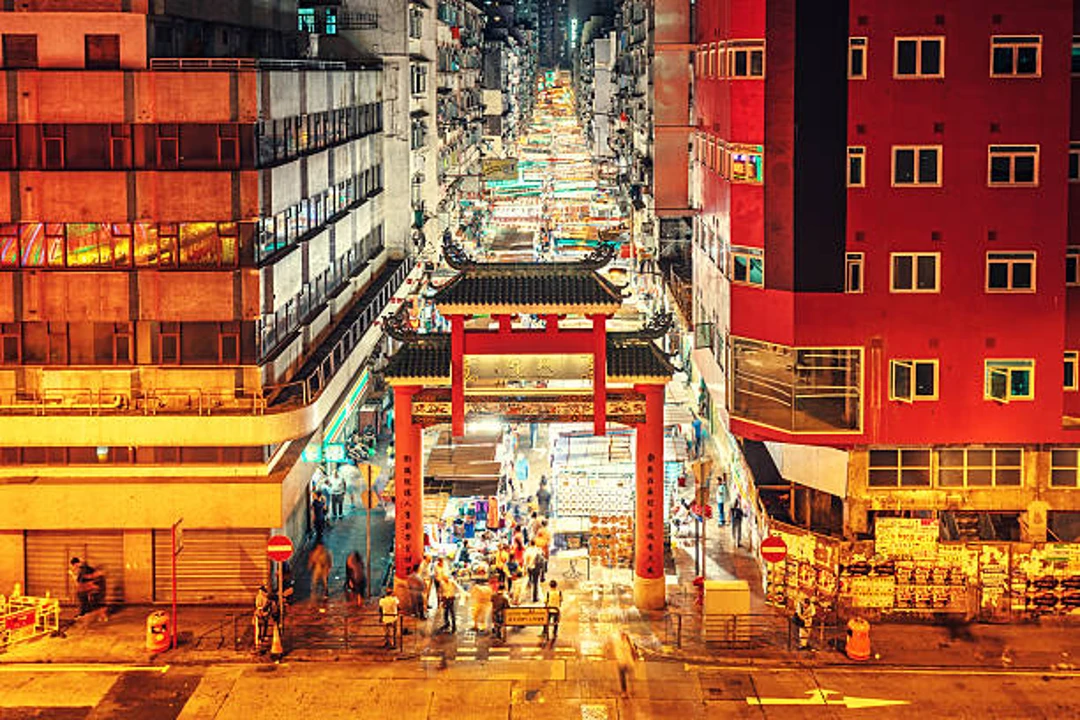
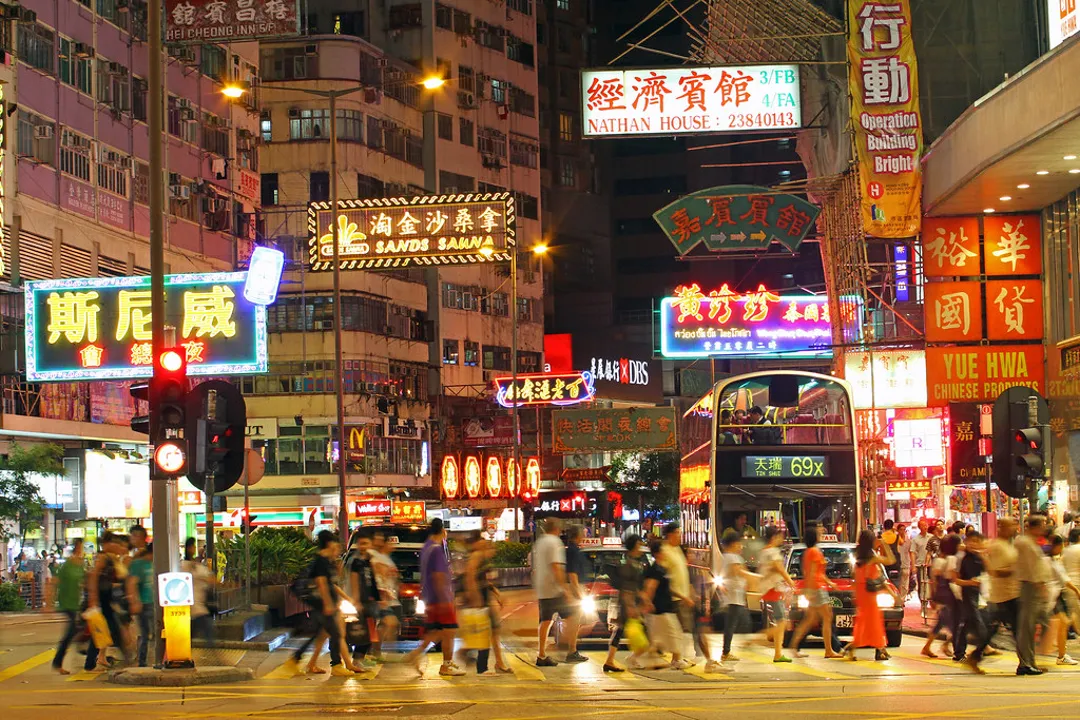
Temple Street becomes most engaging after dark, when food stalls, small vendors, fortune tellers, and neighborhood restaurants draw people into the blocks around Jordan and Yau Ma Tei.
It is less about buying a specific souvenir than experiencing Kowloon’s nighttime street rhythm.
Travel Tip: Carry some cash for small purchases, compare prices before bargaining, and keep the exchange good-natured. Come hungry, but choose busy food stalls where dishes are cooked to order.
4. Mong Kok
Mong Kok compresses shopping streets, local eateries, markets, malls, and streams of commuters into a small area. It is a useful counterpoint to Central: less polished, more crowded, and full of details that reward an unhurried walk.
Choose one or two streets rather than trying to cover the entire district. The Ladies’ Market suits casual browsing, while nearby Sham Shui Po is stronger for fabrics, electronics, and a more workaday neighborhood atmosphere.
Visit in the late afternoon and stay into the evening, when the signs brighten and restaurants fill. Keep valuables secure in the busiest lanes.
5. Lantau Island and Tian Tan Buddha
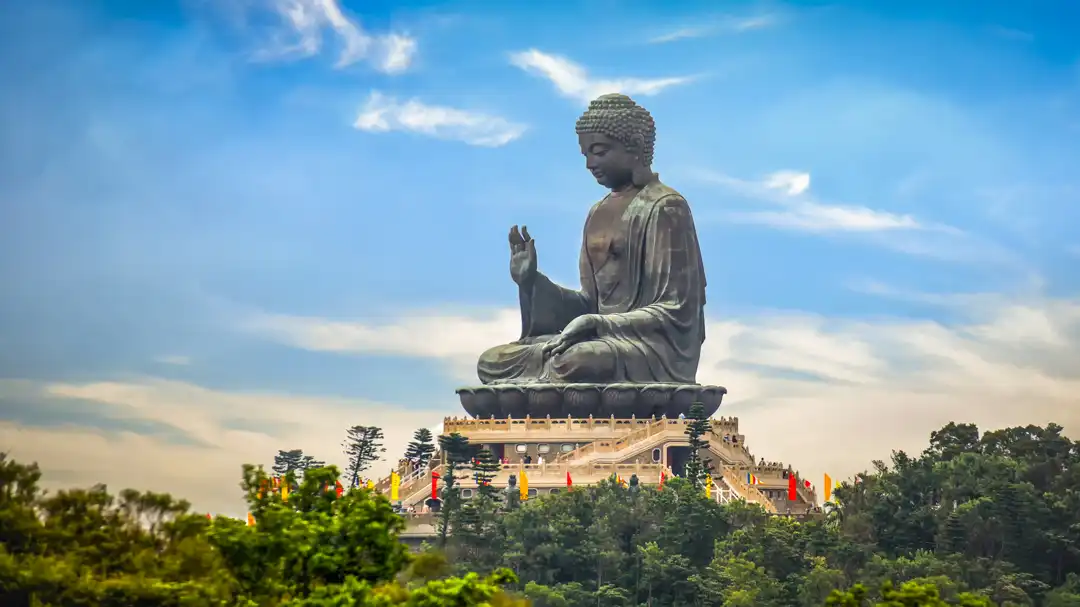
Lantau Island gives the trip breathing room after several dense city days. The Ngong Ping 360 cable car climbs from Tung Chung toward Ngong Ping Village, where Tian Tan Buddha and Po Lin Monastery form the core of a straightforward half-day outing.
Turn it into a longer day by continuing to Tai O for stilt houses, waterways, and village streets. Travelers mainly interested in the Buddha can return after Ngong Ping; those wanting a stronger contrast with Central should allow time for Tai O.
Travel Tip: Weather can affect cable-car views and operations. Check conditions before leaving and wear shoes suitable for steps and uneven paths.
6. Hong Kong Museum of History
The Hong Kong Museum of History adds context to the landscapes and neighborhoods you see outside. Its exhibitions explore the region’s natural environment, communities, commerce, and changing identity.
Parts of the permanent exhibition area have been undergoing a revamp, so check the museum’s current exhibition list before making a special trip.
Pair the museum with Tsim Sha Tsui or nearby waterfront sights to make the visit worthwhile even when some galleries are closed.
Good to Know: Allow roughly two hours for a focused visit, but let the current exhibition program determine how long you stay.
Essential Hong Kong Food to Try
Hong Kong rewards selective eating more than a long restaurant checklist. Start with three Cantonese staples that offer different textures, settings, and times of day, then add neighborhood discoveries around them.
1. Dim Sum
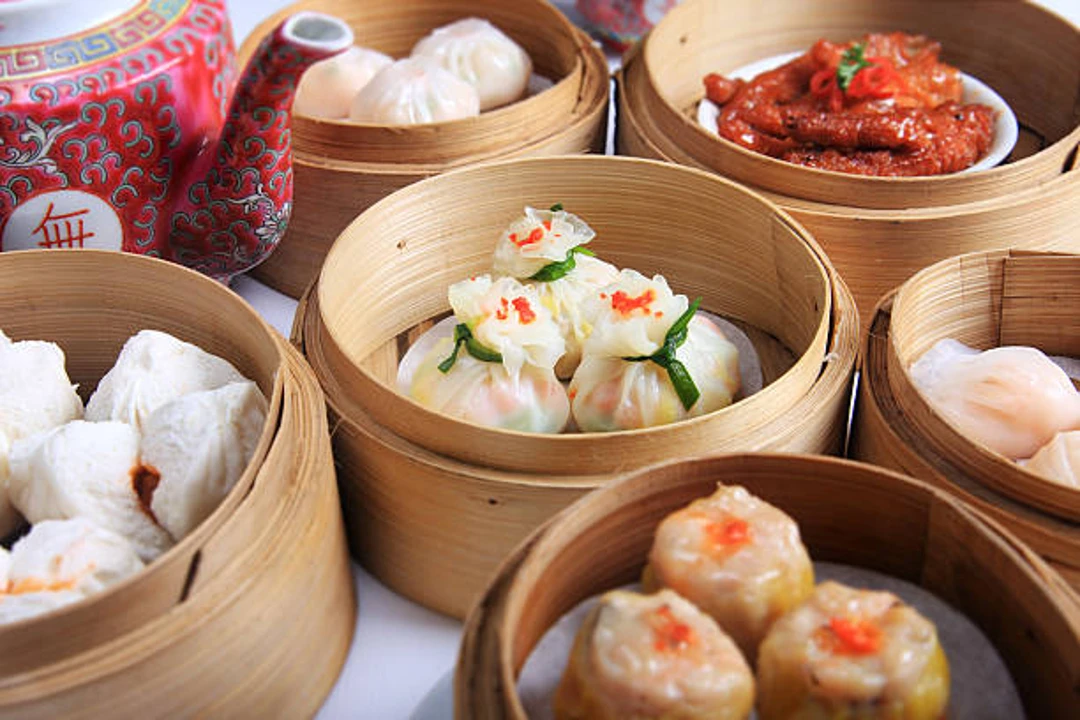
A traditional dim sum meal is all about sharing a variety of small dishes, from steamed dumplings and fluffy buns to rice rolls and crispy snacks, usually served with tea.
Breakfast and lunch are the most popular times to go, and ordering a few dishes at a time keeps everything fresh and hot.
If it’s your first dim sum meal, start with classics like shrimp dumplings and barbecue pork buns, then add a house specialty or something new.
For a more local experience, try a lively neighborhood restaurant, where the atmosphere can be just as memorable as the food.
Where to Try It?
Tim Ho Wan (Sham Shui Po): A practical choice for an approachable, affordable dim sum meal.
Maxim’s Palace (Central): Best for travelers who want a grander dining room and a more traditional sense of occasion.
Lin Heung Tea House (Sheung Wan): Choose it for an old-school teahouse atmosphere; confirm current opening details before visiting.
2. Roast Goose
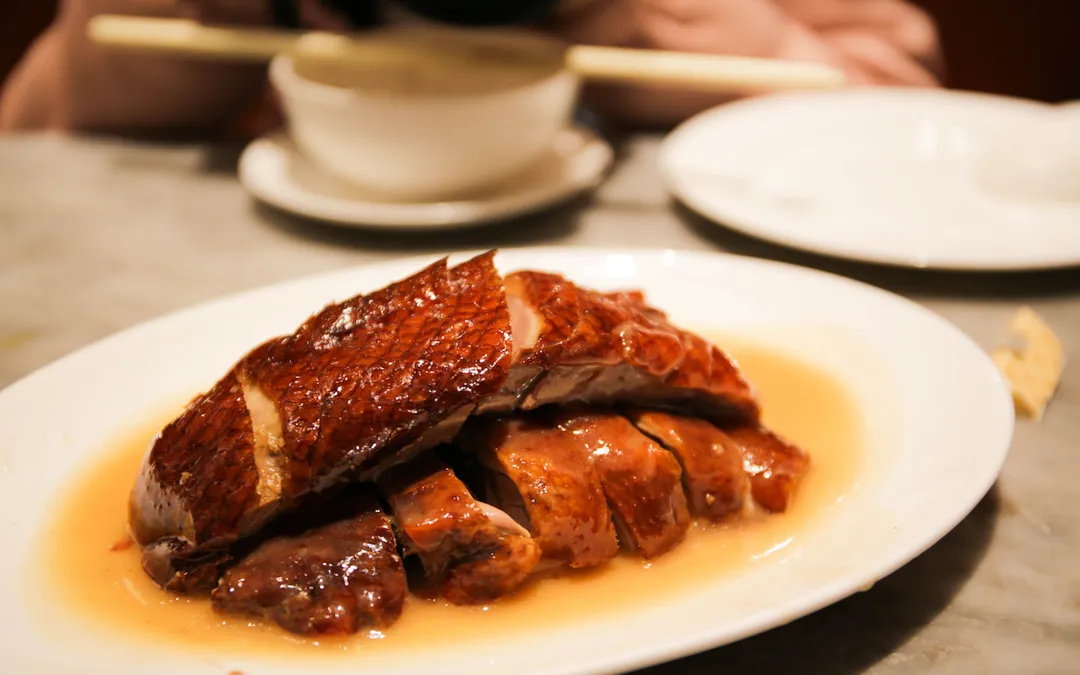
Roast goose is prized for crisp, lacquered skin, rich meat, and the balance of savory juices with a lightly sweet plum sauce. Order it over rice for a quick meal or as part of a larger shared spread.
The most famous shops can develop queues, so an off-peak visit is often more enjoyable. Look for freshly chopped portions and a good balance of skin, meat, and bone rather than choosing only by awards or social-media popularity.
Where to Try It?
Yat Lok (Central): Convenient for pairing with a Central sightseeing day.
Kam’s Roast Goose (Wan Chai): A strong choice when your route runs through Wan Chai or Causeway Bay.
Joy Hing (Wan Chai): A no-frills option for roasted meats over rice.
3. Egg Tarts
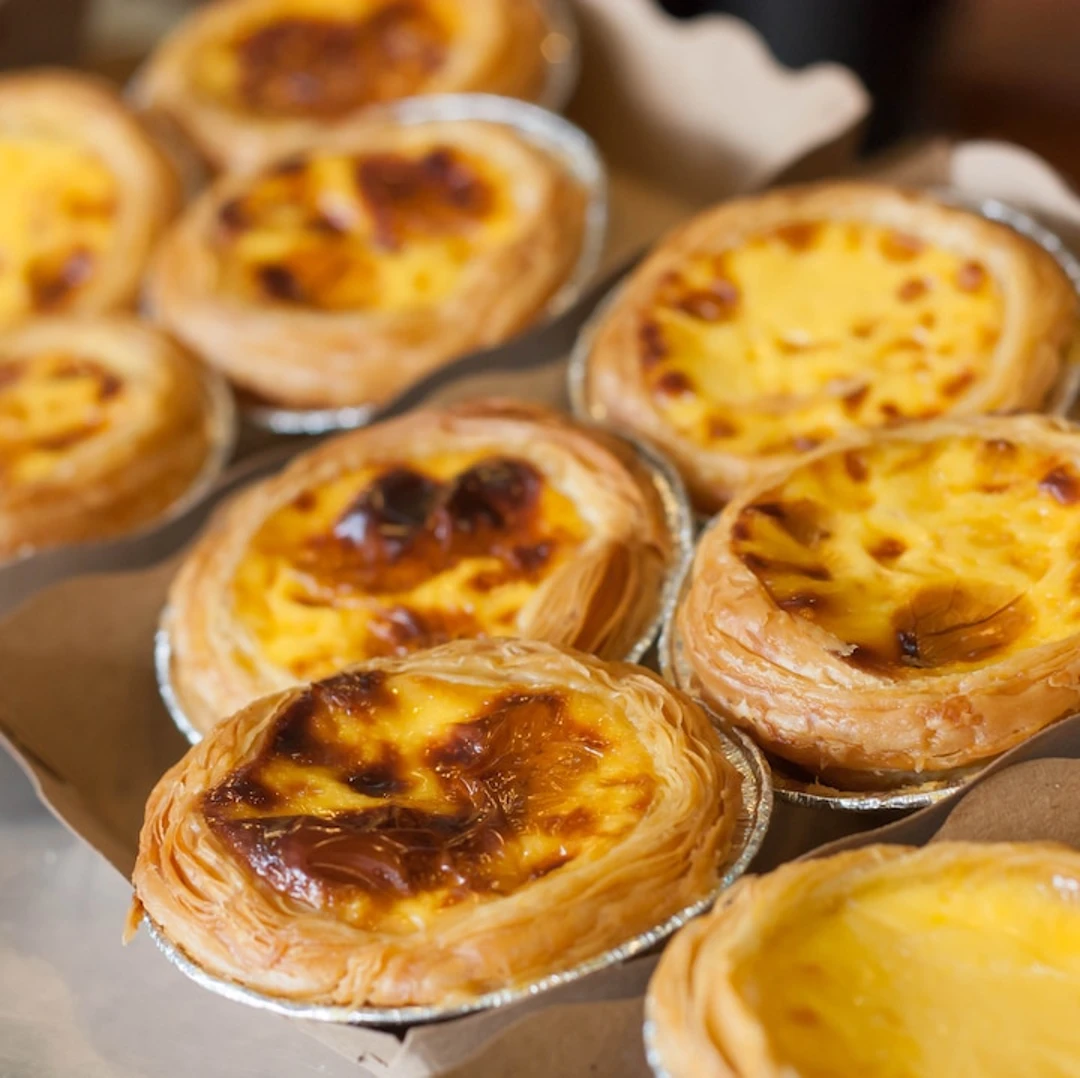
Hong Kong egg tarts pair a warm custard center with either a crumbly shortcrust shell or a layered, flaky pastry. Trying both styles is more useful than hunting for a single definitive “best” tart.
They are at their best fresh from the oven, when the custard is just set and the shell still crisp. Buy one as a mid-afternoon snack while moving between nearby sights rather than planning an entire cross-city journey around it.
Where to Try It?
Tai Cheong Bakery (Central): Known for a smooth custard in a buttery shortcrust shell.
Honolulu Coffee Shop (Wan Chai): Choose it if you prefer a flakier pastry.
LKK Bakery (Mong Kok): An easy neighborhood stop while exploring Kowloon.
A Three-Day Hong Kong Itinerary
This route minimizes unnecessary backtracking while leaving room for meals, weather changes, and spontaneous stops. Treat it as a framework rather than a minute-by-minute schedule.
Day One: Hong Kong Island
Start in Central with a tram ride or a walk through the Mid-Levels area, then have dim sum before heading up to Victoria Peak. Return in late afternoon and cross Victoria Harbour on the Star Ferry.
Finish on the Tsim Sha Tsui Promenade as the skyline lights come on. This sequence works because each leg leads naturally to the next and gives you several views of the same city from different heights.
Day Two: Kowloon
Begin with the Hong Kong Museum of History if its current exhibitions interest you, then continue north toward Mong Kok for street-level shopping and local food. Leave enough unscheduled time to follow a busy side street or stop at a bakery.
End around Jordan and Temple Street Night Market. Roast goose or a small-plate Cantonese dinner fits naturally here, and the MTR makes it easy to return to most central districts.
Day Three: Lantau Island
Travel to Tung Chung in the morning and continue to Ngong Ping by cable car when conditions allow. Visit Tian Tan Buddha and Po Lin Monastery, then decide whether to return early or continue to Tai O.
Tai O is the better choice if you want village lanes and a slower finish; returning earlier suits travelers with an evening flight or more city shopping. Keep this day flexible because wind, rain, and cable-car operations can change the best plan.
Plan Your Hong Kong Trip
Best Time to Visit
Autumn, especially October and November, usually brings lower humidity and comfortable sightseeing weather. Winter is mild and often pleasant, although holiday periods can increase demand for rooms and attractions.
Spring is warmer, humid, and sometimes misty; summer is hot, wet, and within typhoon season. No month guarantees clear views, so keep the Peak, Lantau, and harbor activities movable when possible.
Getting Around With Octopus
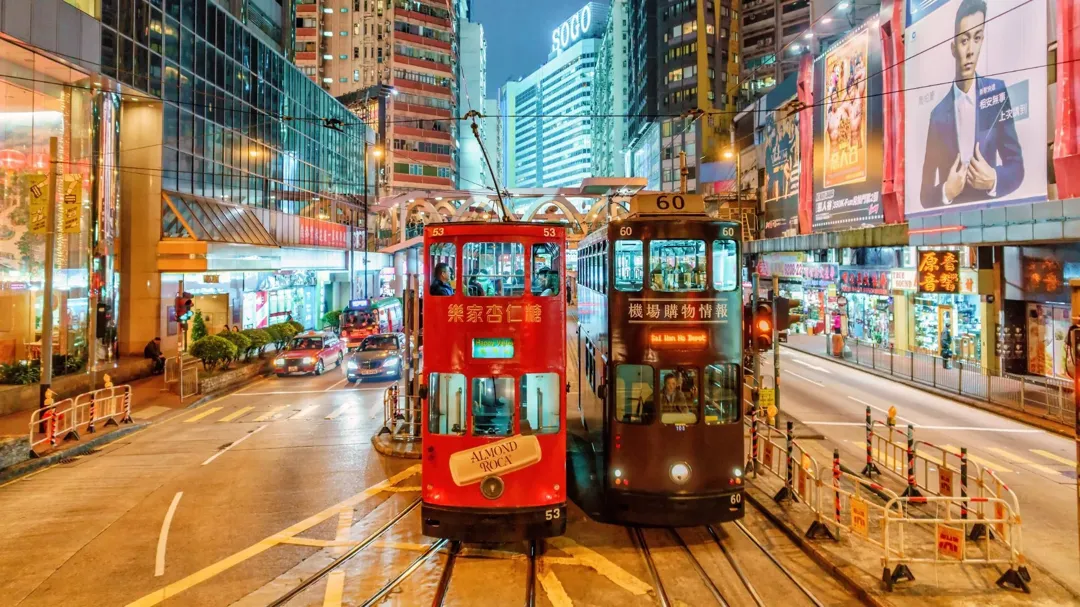
The MTR handles most cross-city journeys, while buses, trams, and ferries fill in the gaps. An Octopus stored-value card works across most public transport and at many convenience stores, making it the simplest all-purpose payment option for a short visit.
Contactless bank cards and QR payments are available on parts of the network, but coverage and rules vary by service. Use the same payment method from entry to exit and check current MTR guidance before relying on one card for every ride.
Arriving From the Airport
The Airport Express is the fastest rail connection, reaching Hong Kong Station in about 24 minutes and stopping at Tsing Yi and Kowloon on the way. It is most convenient for Central and for hotels with an easy onward MTR or taxi connection.
Airport buses may be better when they stop close to your accommodation and you prefer not to transfer with luggage. A taxi is simplest for several travelers sharing the fare or for late arrival with heavy bags; use the official rank and keep your hotel address available in Chinese.
Money and Everyday Payments
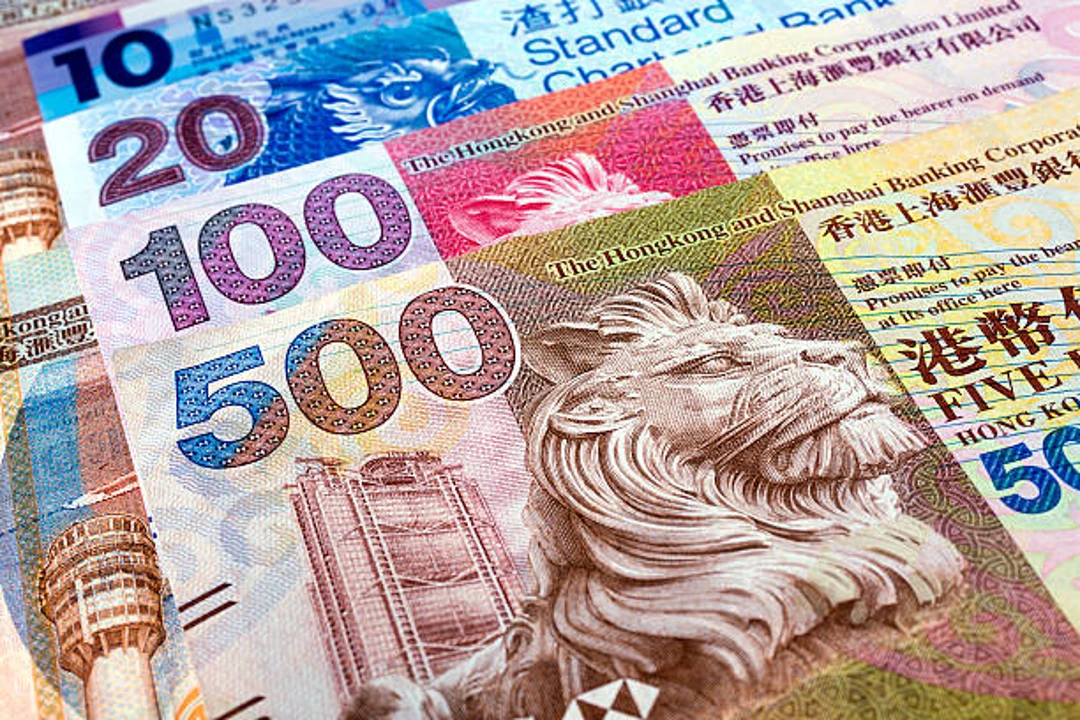
Hong Kong uses the Hong Kong dollar (HKD). Cards and mobile payments are common in hotels, malls, and many restaurants, but cash remains useful at markets, older eateries, and small shops.
Withdraw or exchange only what you expect to use, and carry smaller notes for inexpensive purchases. If a terminal offers to charge you in your home currency, compare the conversion carefully before accepting.
Language and Connectivity
Cantonese is the main spoken language, while Chinese and English are used officially. English signage is common across the MTR, airport, and major visitor areas, but saving your destination in Chinese can help with taxis and smaller neighborhood businesses.
Public Wi-Fi is available in many stations, malls, cafés, and hotels, but continuous mobile data is more useful for maps and transport changes. Set up a SIM or eSIM before a busy arrival day and download essential addresses as a backup.
FAQ
1. Do I need a visa for Hong Kong?
Visa-free eligibility and permitted stay length depend on your nationality and travel document, so check the Hong Kong Immigration Department’s current list before departure. Hong Kong’s entry rules are separate from those for mainland China; if your trip continues across the border, review the relevant visa-free entry to China countries information as a separate step.
2. Is Hong Kong expensive to visit?
Accommodation and high-end dining can be expensive, but public transport, local bakeries, noodle shops, and many classic experiences remain accessible. Save money by staying near the MTR in Jordan or Mong Kok, mixing paid attractions with waterfront walks and ferries, and eating where the menu suits your budget rather than chasing famous dining rooms.
3. Is Hong Kong safe for tourists?
Most visitors find Hong Kong easy to navigate. Use normal urban precautions, protect belongings in crowded places, follow posted trail and transport guidance, and take official heavy-rain or typhoon warnings seriously.
4. Is Wi-Fi easy to find in Hong Kong?
Free Wi-Fi is common in hotels, malls, cafés, and many public facilities, but it can require registration and may not remain connected while you move. Mobile data is more dependable for live directions and schedule changes.
Conclusion
Hong Kong is best experienced through its contrasts—from iconic skylines and lively streets to quiet temples, local food, and peaceful escapes beyond the urban center. Each side of the city adds something different to the journey.
Explore the famous sights, but leave room for neighborhood walks, ferry rides, and unexpected discoveries along the way. With a little flexibility, Hong Kong offers plenty of memorable experiences and reasons to return.