
Chengdu is the capital of Sichuan Province and one of China’s most rewarding cities for travelers who like to slow down. Giant pandas may be the headline attraction, but the city’s teahouses, gardens, historic sites, creative neighborhoods, and famously layered cuisine are what make a longer stay worthwhile.
Chengdu also works well as a base for exploring greater Sichuan. Within a day, you can see the bronze treasures of Sanxingdui, walk beside the ancient Dujiangyan Irrigation System, hike on Mount Qingcheng, or visit the Leshan Giant Buddha.
This Chengdu travel guide explains how many days to spend, how to organize the main sights, what to eat, where to stay, which day trips are realistic, and what to prepare before arriving.
To stay connected during your adventures, don’t forget to bring your iRoamly China travel eSIM for fast, reliable data to share your experiences with friends and family.

How Many Days Do You Need in Chengdu?
Three full days is the best starting point for a first visit. It gives you one panda-focused morning, time for Chengdu’s historic center and teahouse culture, and a day for museums, neighborhoods, or a nearby excursion.
Two days can cover the essentials, while four or five days lets you add a day trip without making the city portion feel rushed.
Trip length | Best for | What fits comfortably |
|---|---|---|
2 days | A short city break | Panda Base, People’s Park, Wuhou Shrine, Jinli, one food-focused evening |
3 days | Most first-time visitors | City highlights plus Du Fu Thatched Cottage, Wenshu Monastery, Kuanzhai Alley, and a slower cultural afternoon |
4–5 days | Travelers adding greater Sichuan | Three city days plus one or two day trips such as Sanxingdui, Dujiangyan and Mount Qingcheng, or Leshan |
A Practical Three-Day Chengdu Itinerary
Day | Morning | Afternoon | Evening |
|---|---|---|---|
Day 1 | Arrive at the Chengdu Research Base of Giant Panda Breeding near opening time | Slow down at People’s Park and walk through Kuanzhai Alley | Try Sichuan hotpot or a food street |
Day 2 | Visit Wuhou Shrine | Continue next door to Jinli, then explore Chunxi Road or Daci Temple | Watch Sichuan opera or walk by Anshun Bridge |
Day 3 | Choose Du Fu Thatched Cottage or Wenshu Monastery | Explore a neighborhood such as Yulin, or make Sanxingdui a full-day outing instead | Finish with dan dan noodles, mapo tofu, or a teahouse visit |
The key is to group nearby places. Wuhou Shrine and Jinli belong together, while People’s Park, Tianfu Square, and Kuanzhai Alley can form another compact route.
Do not place the Panda Base and a distant day trip on the same day; both are more enjoyable with an early start and enough time for delays.
Popular Attractions in Chengdu
1. Chengdu Research Base of Giant Panda Breeding
The Chengdu Panda Base is the city’s signature sight and a working research and breeding center rather than a quick photo stop.
The grounds are large, with giant panda enclosures, red pandas, indoor exhibits, and long walking routes between zones. Allow roughly half a day if pandas are a priority.

How to plan the visit:
Reserve admission through the official channel before you go and carry the identification document used for the booking.
Arrive close to opening time. Pandas are generally more active in the cooler morning hours, and popular viewing areas become crowded later.
Wear supportive shoes, bring water, and check the site map before choosing a route. Trying to see every enclosure can turn the visit into a race.
Keep the afternoon flexible. People’s Park or a relaxed teahouse is a better follow-up than another large attraction.
2. Wuhou Shrine
Wuhou Shrine is dedicated to Zhuge Liang and other figures associated with the Three Kingdoms period. Even visitors without a detailed knowledge of the history can appreciate the red-walled paths, cypress trees, courtyards, and traditional architecture.
Set aside about two hours if you want to read the displays and explore the gardens. Go earlier for a quieter experience, then leave through the side nearest Jinli Ancient Street.
This pairing avoids an unnecessary cross-city transfer and turns one afternoon into a coherent history-and-food route.
3. Jinli Ancient Street
Jinli is a restored pedestrian street beside Wuhou Shrine, filled with snack stalls, handicrafts, souvenirs, and lantern-lit lanes. It is touristy, but it is also convenient for sampling small portions of local food and seeing decorative Sichuan architecture in one place.
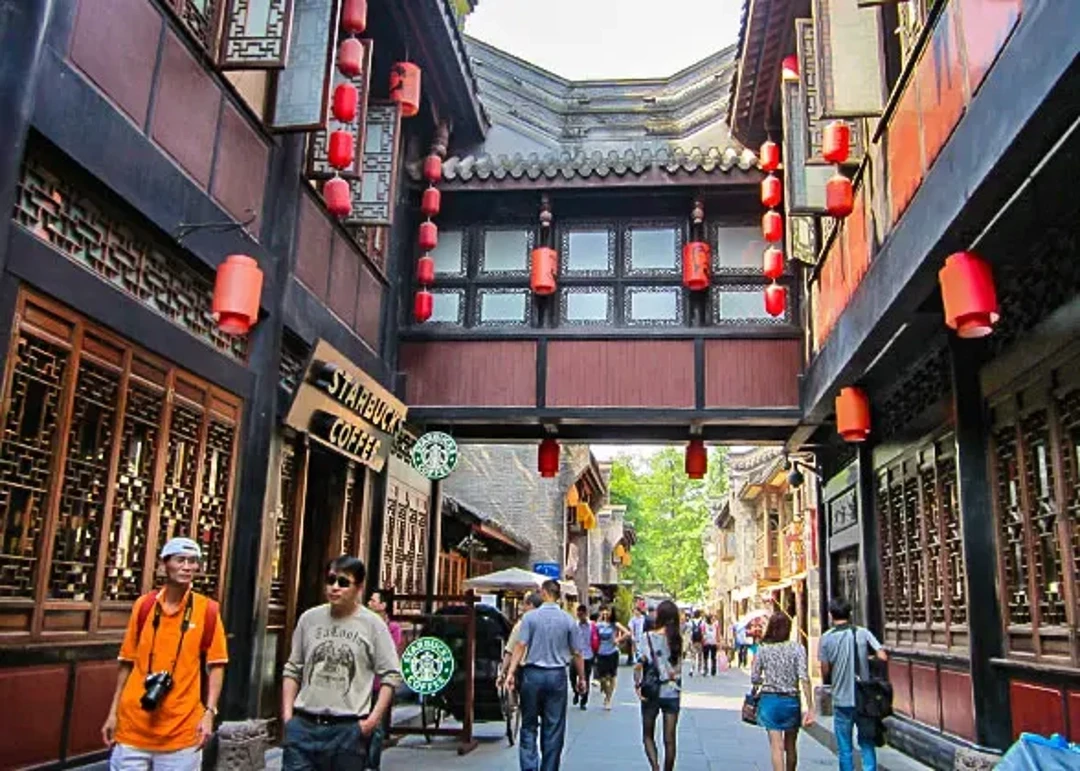
Visit after the shrine and stay into the early evening if you want to see the lanterns. Treat the street as an atmospheric walk rather than the only place to eat in Chengdu; neighborhood restaurants and markets usually offer a broader view of local food culture.
4. Du Fu Thatched Cottage
This landscaped museum complex commemorates Tang Dynasty poet Du Fu, who lived in Chengdu for several years. The reconstructed cottage, poetry displays, bamboo paths, waterways, and gardens make it a calm alternative to the busiest commercial streets.
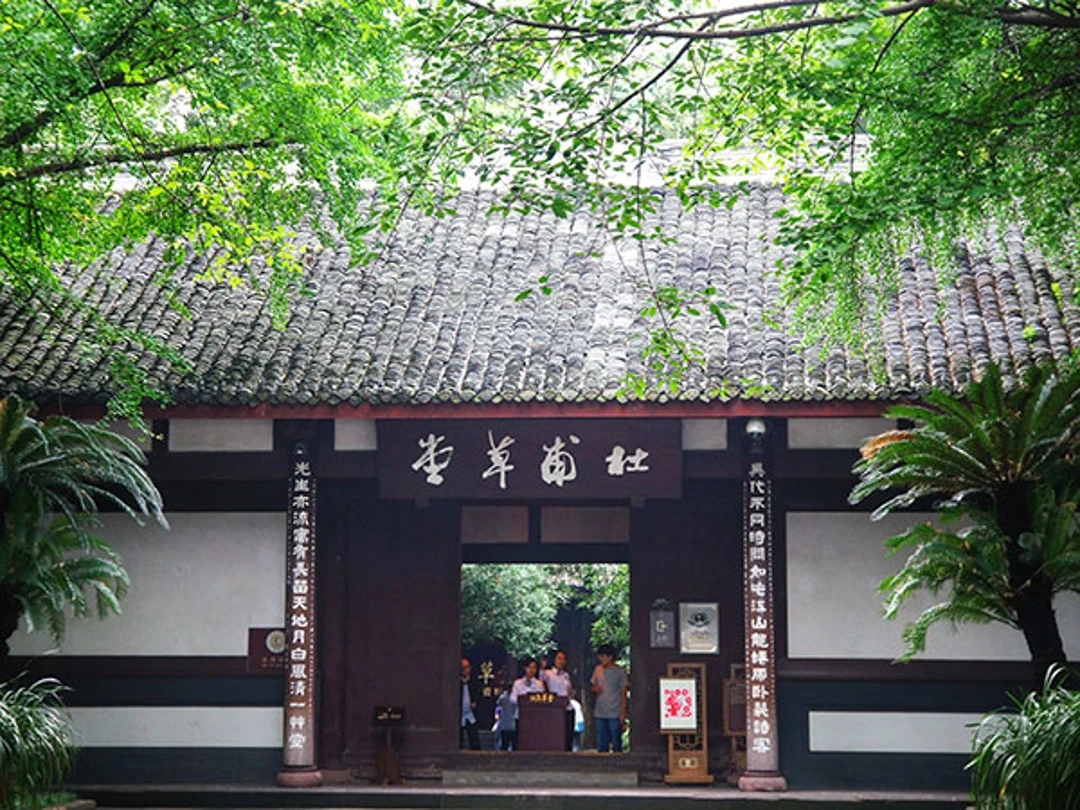
Allow at least 90 minutes, longer if you enjoy literature or gardens. The site pairs naturally with Huanhuaxi Park and the Sichuan Museum area.
A weekday morning is usually easier than a weekend afternoon, especially during domestic holiday periods.
5. Wenshu Monastery
Wenshu Monastery is an active Buddhist temple complex with quiet courtyards, traditional halls, gardens, and a longstanding connection to Chengdu’s tea culture. Dress respectfully, keep voices low in worship areas, and ask before photographing religious activity.
The surrounding Wenshufang streets are useful for a slower morning of noodles, snacks, and small shops. This is a good choice for travelers who want a cultural stop that does not require the scale or walking distance of the Panda Base.
6. People’s Park and Kuanzhai Alley
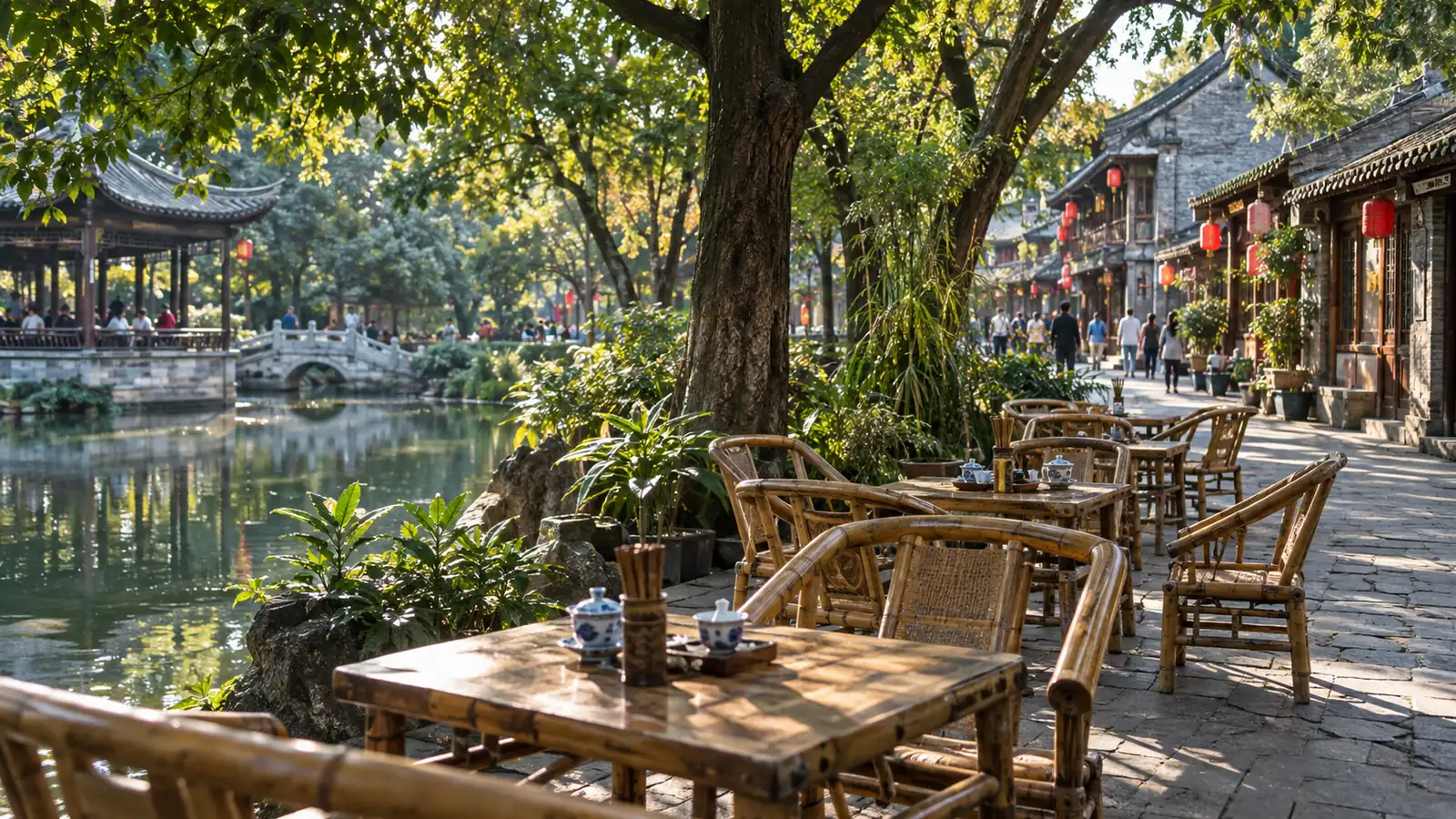
People’s Park is one of the clearest windows into everyday Chengdu. Locals gather to drink tea, play mahjong, exercise, sing, and socialize. Order a cup at a lakeside teahouse and give yourself time to watch the rhythms of the park rather than treating it as another checklist attraction.
Kuanzhai Alley, also called Wide and Narrow Alleys, is within easy reach. Its restored lanes are busier and more commercial, but they work well for an evening walk, snacks, and shopping.
Visit early for photographs with fewer people or after dark for lanterns and a livelier atmosphere.
Chengdu Must-Try Food
Sichuan food is not simply “very spicy.” The defining málà sensation combines chili heat with the fragrant, tingling numbness of Sichuan pepper.
Meals can also be savory, smoky, sour, sweet, or garlicky. If you are sensitive to heat, ask for shǎo là (少辣, less spicy) or bù là (不辣, not spicy), while remembering that some sauces are prepared in advance.
1. Chengdu Hotpot
Hotpot is a social meal in which diners cook meat, mushrooms, tofu, vegetables, and other ingredients in a simmering broth.
Traditional red-oil broth can be intensely spicy and numbing, so first-time visitors may prefer a divided pot with both spicy and mild broths.
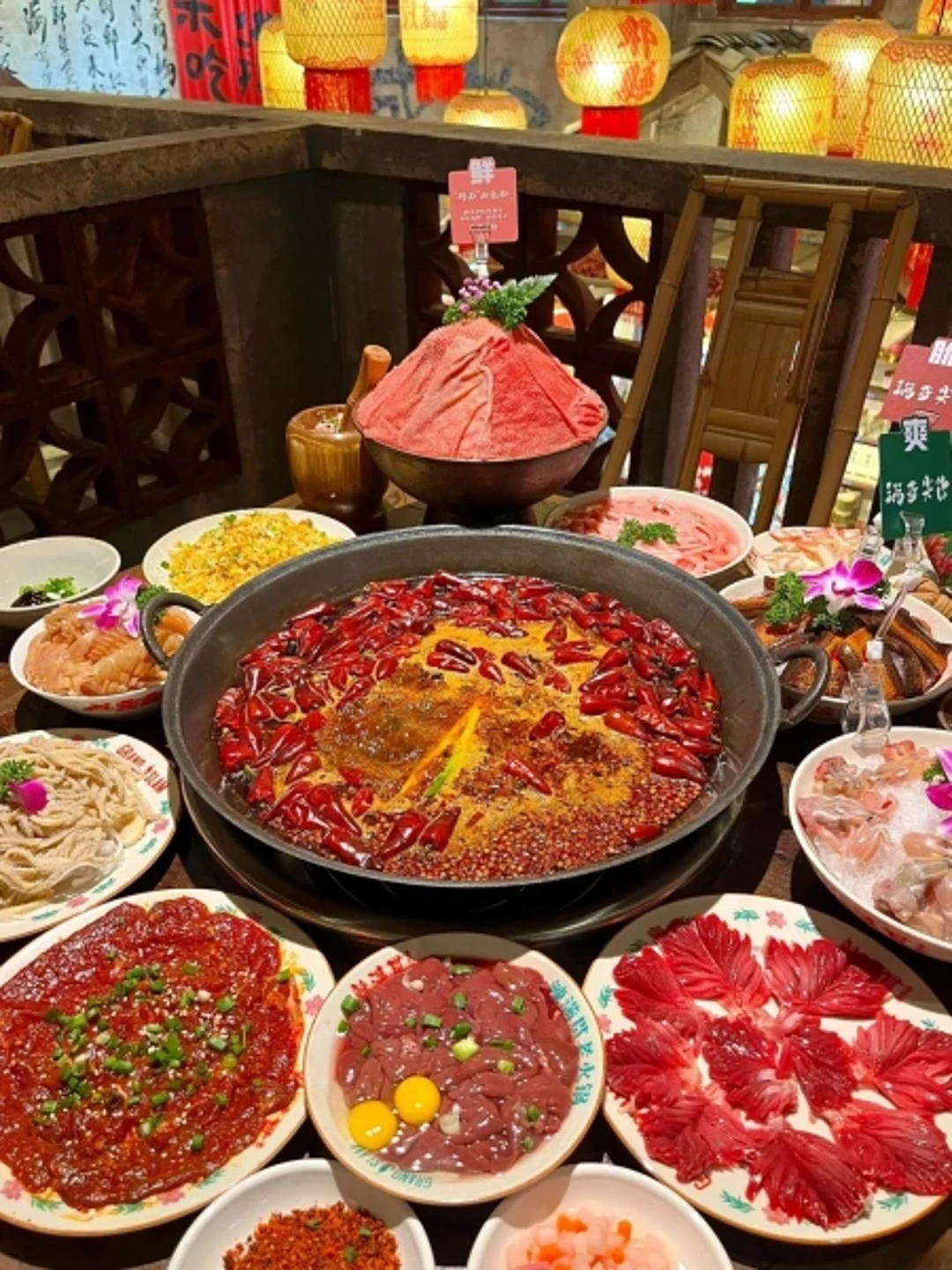
Order gradually instead of filling the table at once, and confirm cooking times for meat. Tell staff about allergies clearly; sesame, peanuts, soy, and mixed broths are common.
Solo diners can look for smaller hotpot or chuanchuan restaurants, where skewers make portions easier to control.
2. Mapo Tofu
Mapo tofu combines soft tofu with fermented broad-bean paste, chili oil, Sichuan pepper, and usually minced meat. In Chengdu, the dish is often more aromatic and numbing than versions served abroad. It is best shared with rice, which balances the sauce.
Vegetarians should ask specifically whether the dish contains minced pork or beef and whether the sauce uses meat stock. Simply requesting “tofu” does not mean the dish is vegetarian.
3. Dan Dan Noodles
Dan dan noodles are usually served in a small bowl with a concentrated sauce rather than as a large noodle soup.
The sauce may contain chili oil, preserved vegetables, sesame or peanut paste, minced pork, and Sichuan pepper, creating a savory, nutty, spicy, and slightly tangy flavor.
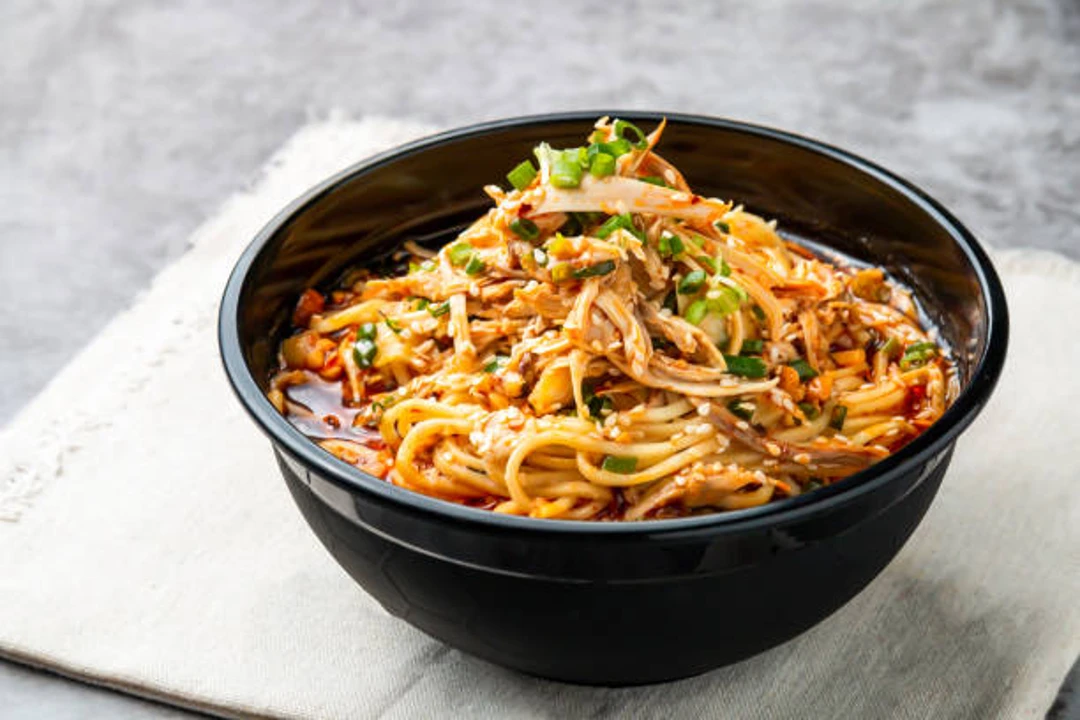
Mix the noodles thoroughly before eating so the sauce coats every strand. Because portions are often modest, this is a good dish to combine with dumplings or another snack.
4. Sichuan Kung Pao Chicken
Known locally as gongbao jiding, this stir-fry balances diced chicken, dried chilies, peanuts, and a glossy sweet-sour sauce. The Chengdu version is typically less sugary and more fragrant than many overseas adaptations.
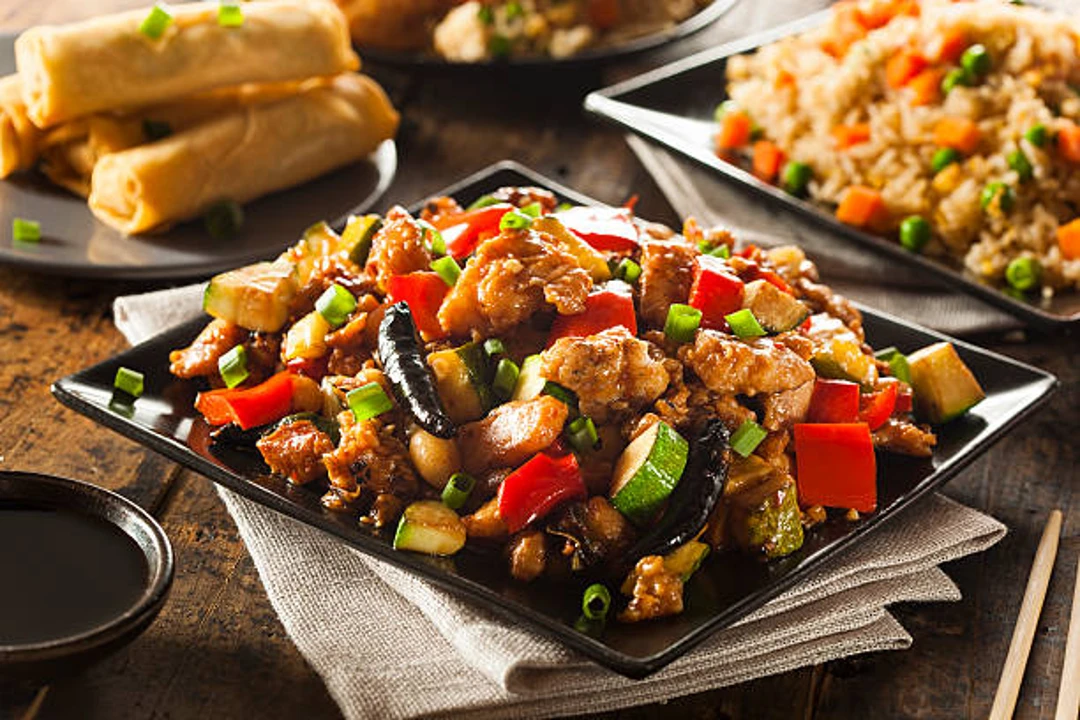
This is a useful order for a mixed group because the chilies add aroma without turning every bite into a mouthful of heat. Anyone with a peanut allergy should avoid it and explain the allergy before ordering other dishes, as shared woks and oils may be used.
5. Boiled Fish in Chili Oil
Shuizhuyu consists of tender fish slices served beneath a dramatic layer of dried chilies, Sichuan pepper, and hot oil. Despite the English name, the finished dish is rich and intensely seasoned rather than plain boiled fish.
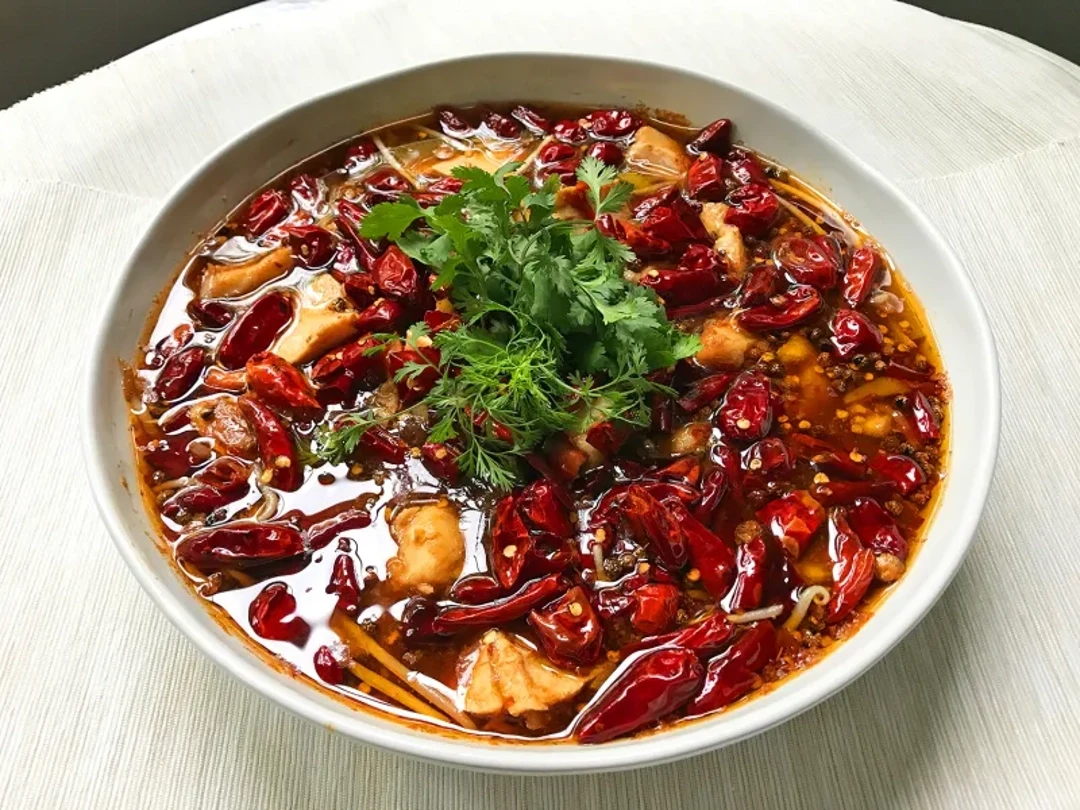
It is usually sized for sharing. Lift out the fish rather than drinking the oily broth, watch for bones, and add milder vegetables or rice to the meal.
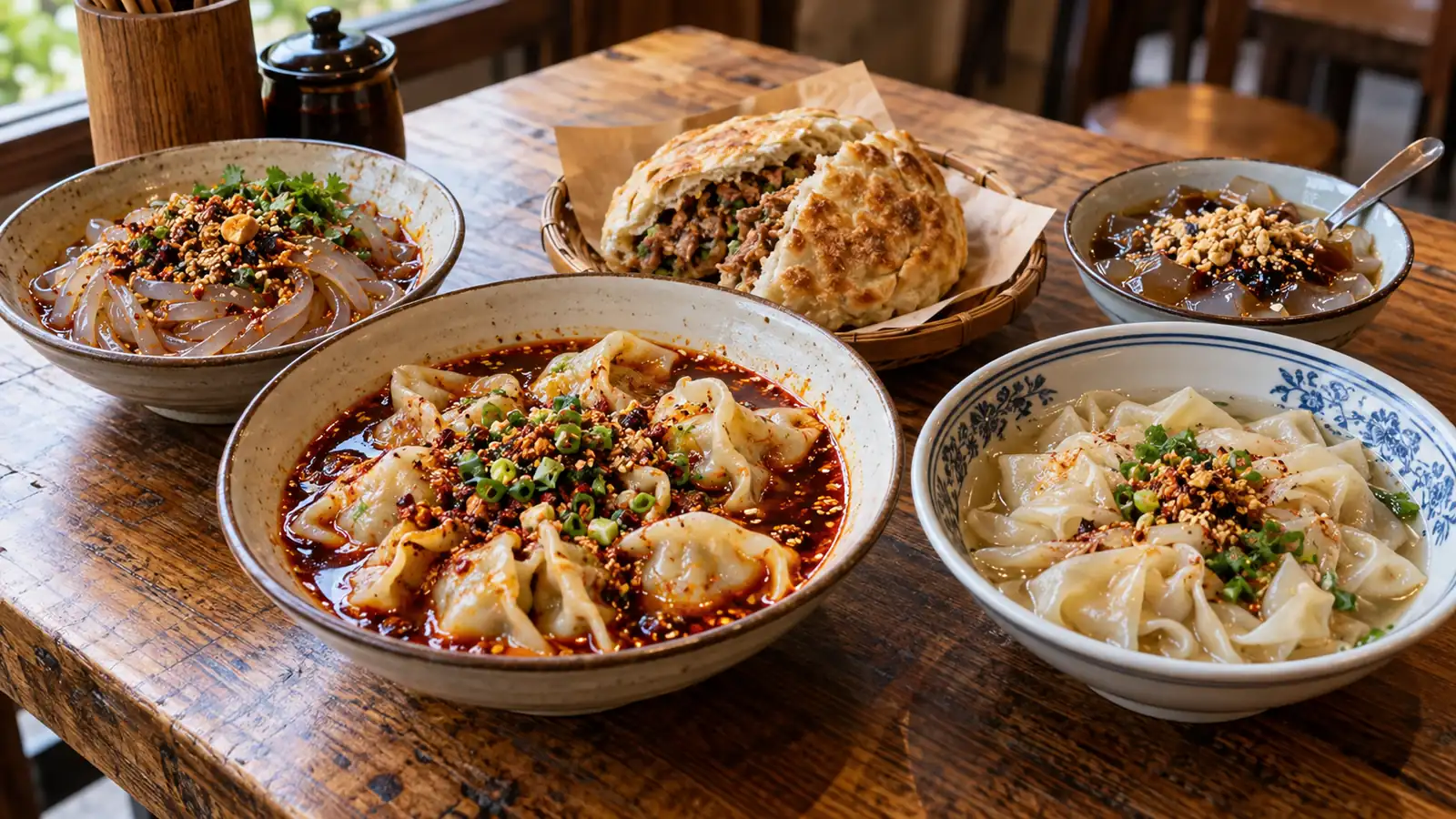
6. Dumplings and Chengdu Snacks
Pan-fried dumplings are easy to find, but Chengdu’s snack culture goes much further. Look for zhong shuijiao dumplings in chili sauce, long chaoshou wontons, guokui stuffed flatbread, cold jelly noodles, and bingfen, a cooling dessert often topped with brown sugar and nuts.
For variety, share several small dishes at a snack restaurant or join an evening food walk in a residential neighborhood. This gives you more range than ordering one large banquet-style dish.
Chengdu Cultural Experiences
Chengdu culture is easiest to understand through performance, tea, and archaeology. Reserve popular evening shows, but leave unstructured time for a teahouse where the city's slower rhythm is most visible.
1. Sichuan Opera and Face-Changing
Sichuan opera combines singing, comic scenes, acrobatics, percussion, fire-breathing, and the famous bian lian face-changing technique. It is an accessible introduction to traditional Chinese opera, even when no English subtitles are available.
Evening shows are common at venues such as Shufeng Yayun and Jinjiang Theater, but times and programs change. Check the current schedule, compare seat plans, and reserve earlier for weekends or public holidays.
Front seats offer a close view, while central seats a little farther back can give a better view of the full stage.

Many programs last around 60–90 minutes and are designed as a sequence of short acts, so you do not need prior knowledge of the story.
Arrive early enough to find the entrance and collect any required ticket, and confirm whether tea, snacks, or costume photos are included rather than assuming they are part of every booking.
2. Traditional Chengdu Teahouses
Teahouses are central to Chengdu’s unhurried social life. Heming Teahouse in People’s Park is the best-known introduction: choose a tea, sit in a bamboo chair, and watch servers refill the cup as the park changes around you.
There is no need to rush through a formal ceremony. One to two hours is enough to experience the setting, and mornings or mid-afternoons tend to be more relaxed than peak weekend periods. Carry a small amount of cash as a backup even though mobile payment is dominant.
Tea is commonly sold by the cup with repeated hot-water refills. Choose a seat before ordering if the venue is busy, keep valuables close in crowded outdoor areas, and ask the price before agreeing to optional services such as ear cleaning.
Watching mahjong is fine from a respectful distance, but photograph people only with permission.
3. Neighborhood Walks and Nightlife
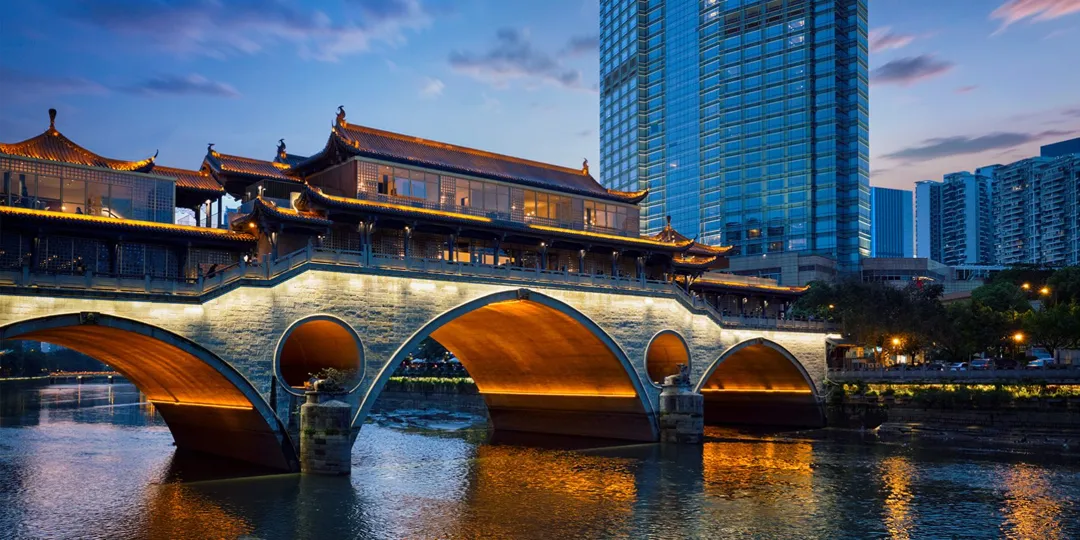
For a less monument-focused view of Chengdu, walk through Yulin for cafés, small restaurants, markets, bookstores, and evening bars. Chunxi Road and Taikoo Li show the city’s polished commercial side, while the river near Anshun Bridge is suited to a night walk and photographs.
Choose one neighborhood rather than crossing the city for several short stops. Chengdu’s appeal often comes from lingering over food, tea, and street life, not from maximizing the number of sights.
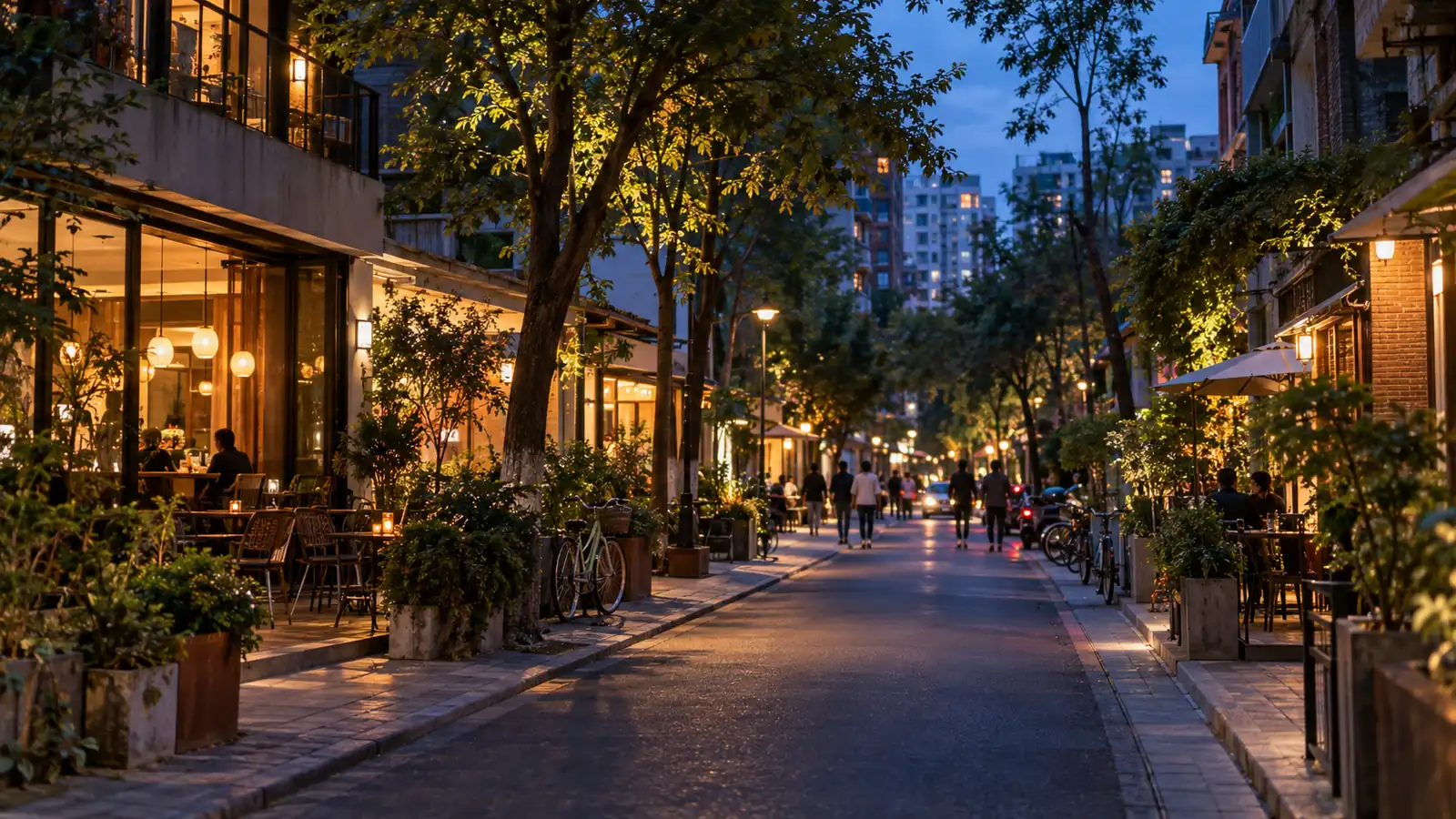
A practical evening route is to eat in Yulin and stay there for cafés or bars, or to combine Chunxi Road, Daci Temple, and the illuminated river near Anshun Bridge. Check the last metro time shown in the station and arrange a Didi before venues close if you plan to stay out late.
Best Day Trips from Chengdu
Each of the following trips deserves most or all of a day. Check current admission, reservation, and transport details before departure, especially around Chinese public holidays.
1. Sanxingdui Museum
Sanxingdui Museum in Guanghan displays striking bronze masks, gold objects, jade, and other remains of the ancient Shu civilization. It is one of the region’s most important cultural attractions and considerably larger in scope than a quick city museum visit.
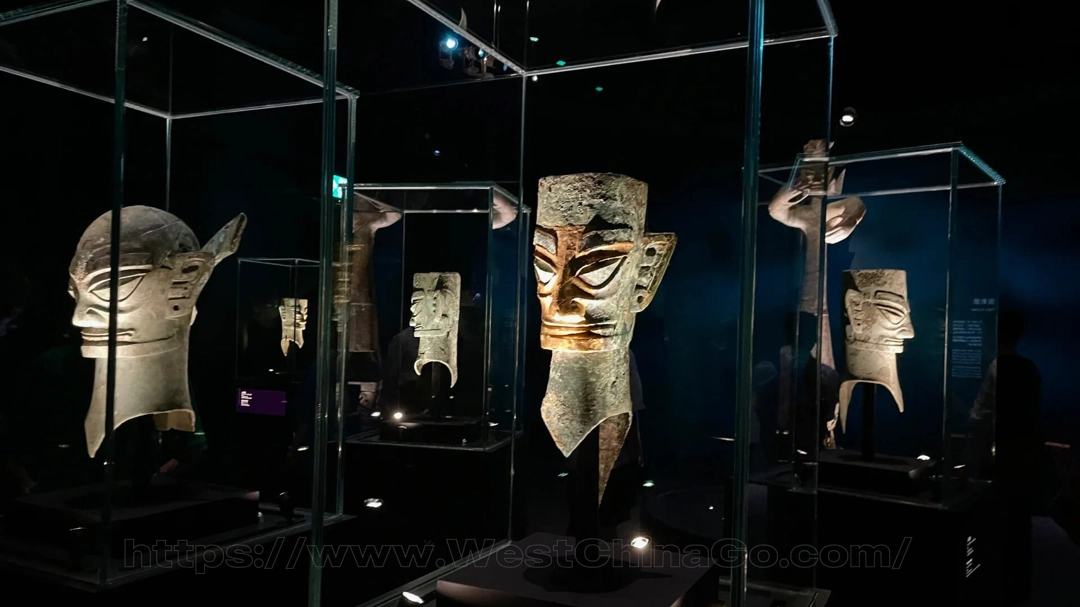
Reserve admission in advance and allow time for both the outward transfer and several hours inside. If you have only half a day, the Jinsha Site Museum within Chengdu is a more efficient alternative for learning about ancient Shu culture.
2. Dujiangyan Irrigation System and Mount Qingcheng
Dujiangyan’s ancient water-management system and Mount Qingcheng’s Taoist temples and forested paths are often mentioned together, but combining both requires an early start and a brisk pace.
Travelers interested in engineering and history should prioritize Dujiangyan; those wanting scenery, stairs, and temples should give Mount Qingcheng more time.
Wear shoes with good grip and carry rain protection, as paths can be damp. If you combine the two, decide in advance whether you will hike extensively or use available transport within the scenic areas. Trying to cover every viewpoint in one day is unrealistic.

3. Leshan Giant Buddha
The Leshan Giant Buddha is carved into a cliff at the meeting of three rivers. Visitors can view it from the river by boat or enter the scenic area and walk near the statue; the two experiences use different entrances and involve different time and mobility demands.

High-speed rail shortens the intercity journey, but transfers between the station and the attraction still take time.
Treat Leshan as a full-day trip from Chengdu. Pairing it with Mount Emei is better as an overnight extension than as a rushed single day.
Where to Stay in Chengdu
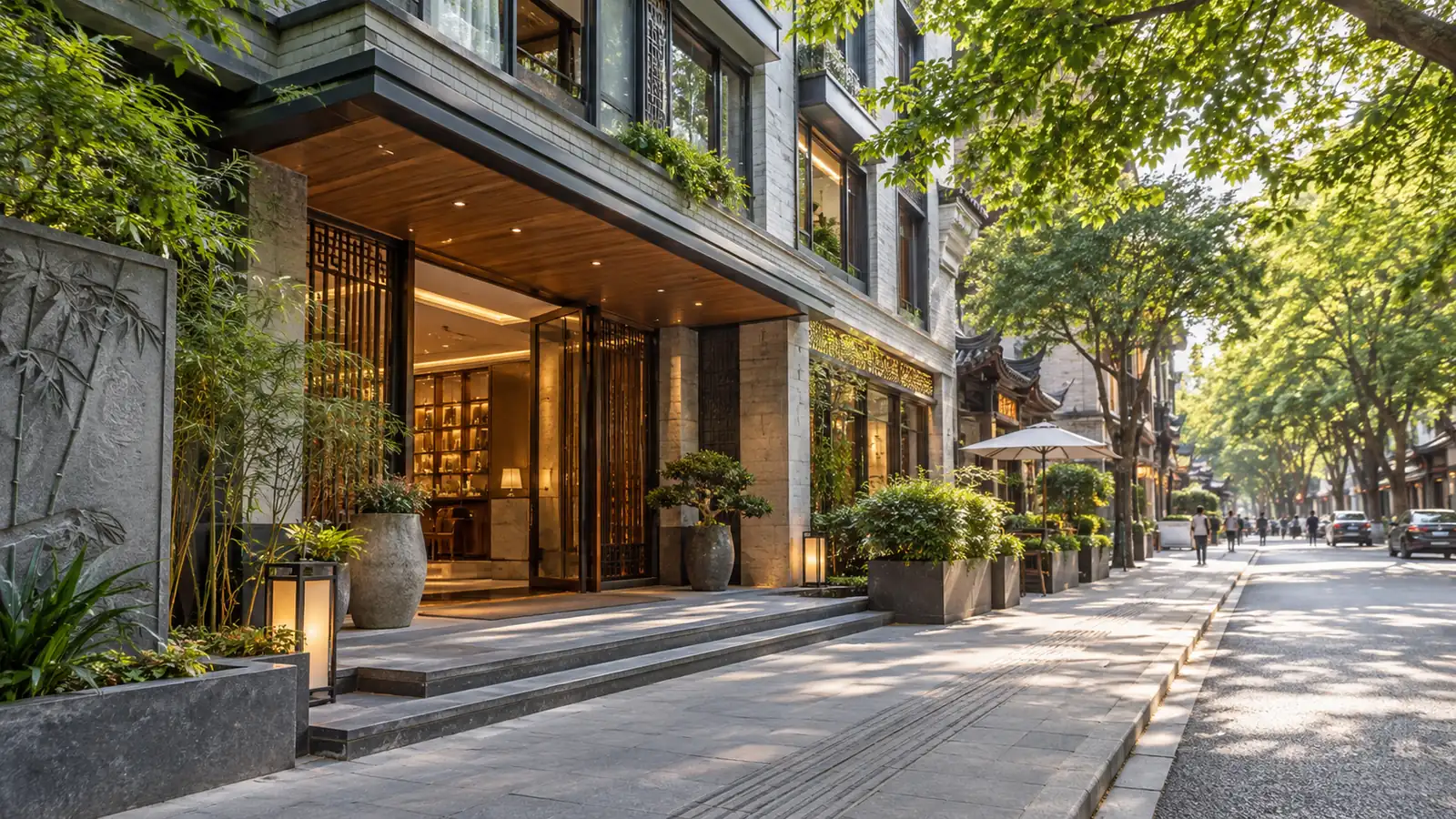
The best base depends on whether you value transport, nightlife, or a quieter local atmosphere. Staying near a metro station matters more than being beside one specific attraction because Chengdu is large and its sights are spread out.
Area | Best for | Trade-off |
|---|---|---|
Chunxi Road and Taikoo Li | First-time visitors who want shopping, dining, nightlife, and easy metro connections | Busy and often more expensive |
People’s Park, Tianfu Square, or Kuanzhai Alley | Historic sights, teahouses, and a central sightseeing base | Tourist streets can be crowded |
Wenshu Monastery | A calmer atmosphere, traditional streets, and access to the north-central city | Less nightlife on the doorstep |
Yulin | Food, cafés, neighborhood life, and travelers returning to Chengdu | Not as convenient for every headline attraction |
Chengdu East Railway Station | An early train or short overnight connection | Functional rather than atmospheric for a longer stay |
Before booking, check the walking route to the nearest metro entrance rather than relying only on the straight-line distance shown on a hotel map.
Large junctions, compounds, and station entrances can turn a short-looking distance into a longer walk with luggage.
Practical Travel Tips for Chengdu
1. Best Time to Visit
Spring and autumn generally offer the most comfortable balance for walking and day trips. Summer is hot, humid, and rainy, while winter can feel damp and overcast.
The cooler months may make pandas more active, but visibility and outdoor comfort vary day by day.
Avoid major national holiday periods when possible, especially the Chinese New Year travel season, the early-May Labor Day holiday, and the National Day holiday in early October. Transport and attractions can sell out, hotel rates rise, and road trips take longer.
2. Getting to and Around Chengdu
Chengdu has two airports: Tianfu International Airport (TFU), farther southeast of the center, and Shuangliu International Airport (CTU), closer to the urban area.
Confirm the airport code before arranging your transfer. High-speed trains from cities such as Chongqing and Xi’an commonly arrive at Chengdu East Railway Station.
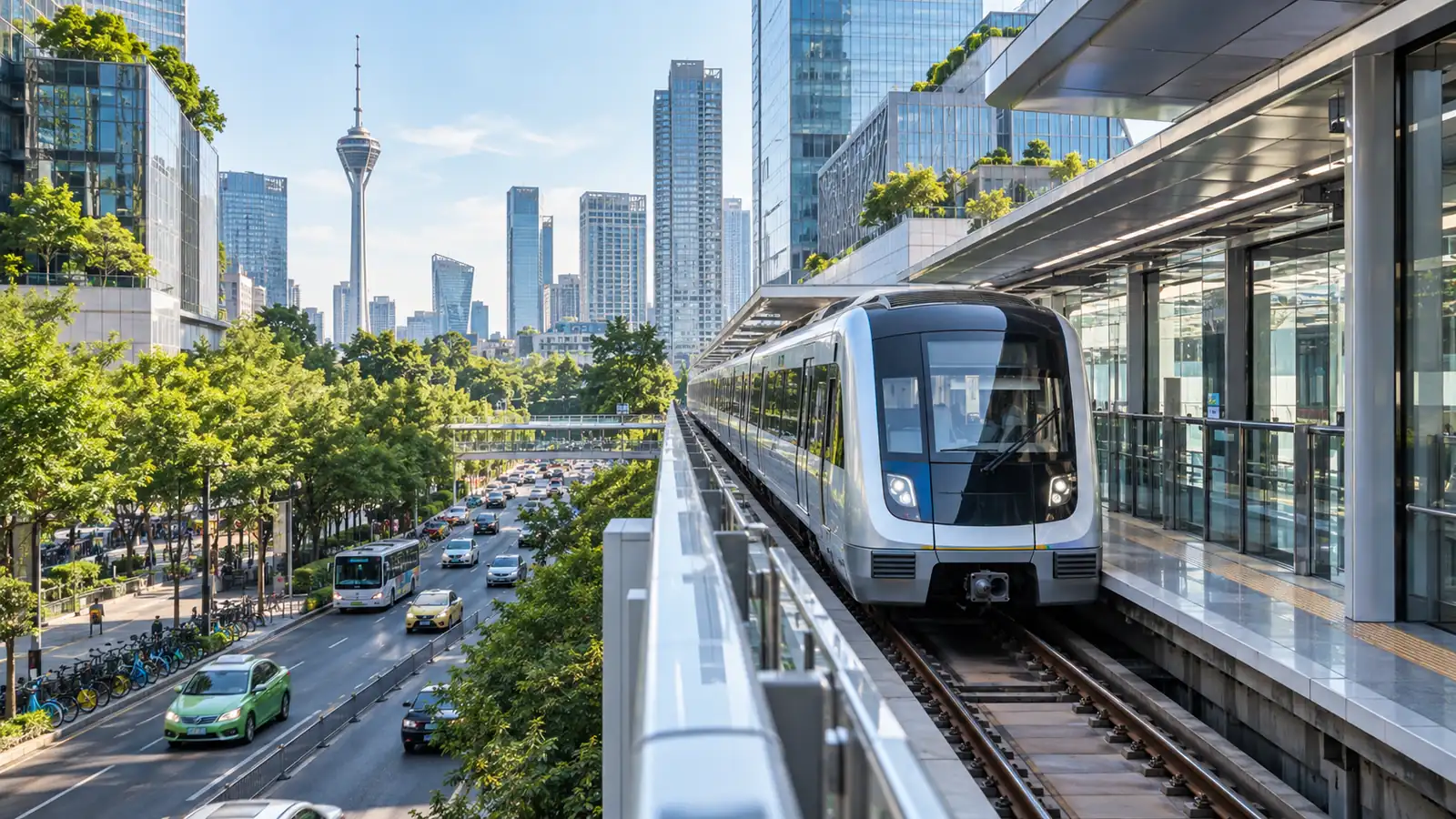
The metro is usually the most predictable way to cross the city. Didi and taxis are useful for door-to-door trips, early departures, or small groups, but road traffic can add time.
Save your hotel name and destination addresses in Chinese, and take a screenshot in case mobile service becomes weak.
3. Language and Navigation
English is not widely spoken. Download Chinese language support in your translation app, save important addresses in Chinese characters, and keep the original names of railway stations and airports.
A hotel business card or booking screenshot can help a driver return you to the correct property.

Map services may display locations differently in China, so cross-check the Chinese place name and nearby metro station instead of trusting an English pin alone.
4. Payments, Apps, and Internet Access
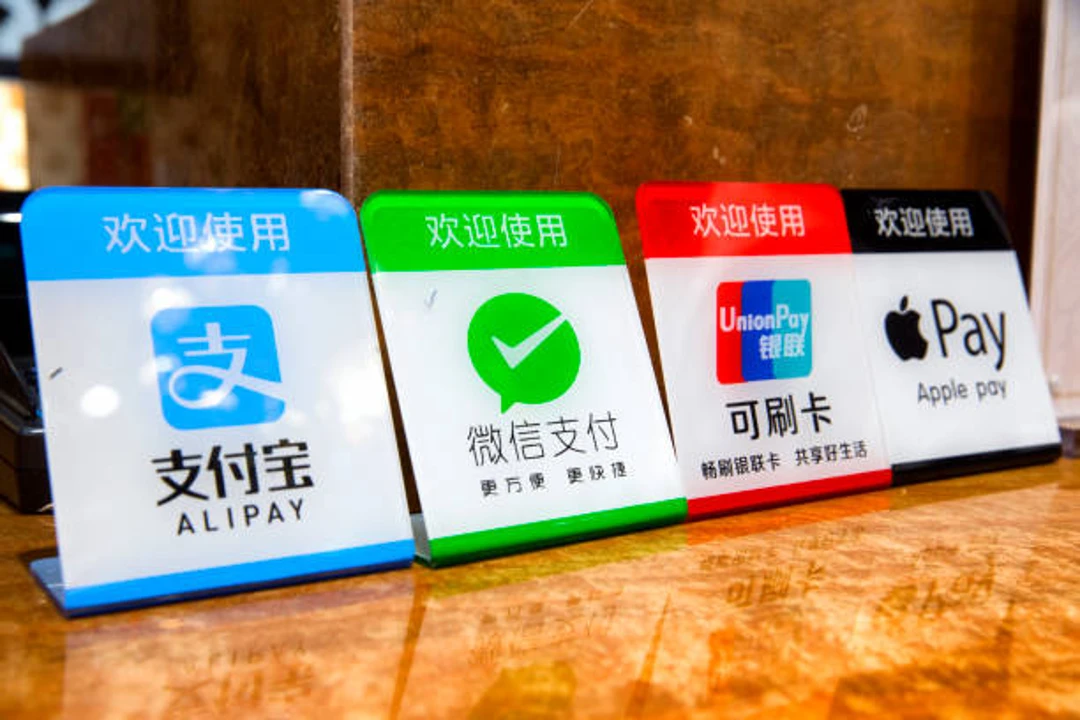
Mobile payment through Alipay or WeChat Pay is standard, and international visitors can generally link supported overseas bank cards.
Set up and verify your account before the trip, then keep a physical bank card and some cash as backups. Small merchants may not accept foreign cards directly.
Install the apps you need before arrival, including payment, translation, maps, rail booking, and ride-hailing.
Some international websites and services are restricted in mainland China, so arrange lawful connectivity tools before traveling and review VPNs for China if that is part of your plan.
5. Food, Etiquette, and Comfort
Tell restaurant staff about allergies in written Chinese, not only in spoken English. Hotpot broth, sauces, and garnishes may contain peanuts, sesame, soy, shellfish, or meat products even when the main ingredient looks suitable.
At temples and historic sites, speak quietly and follow posted photography rules. On the metro, allow passengers to exit before boarding.
Chengdu is walkable in small clusters but not as one continuous sightseeing area, so alternate walking with metro rides and leave recovery time after large sites.
FAQ
1. Is Chengdu worth visiting if I am not mainly interested in pandas?
Yes. Chengdu is also a strong destination for Sichuan food, teahouse culture, Three Kingdoms history, ancient Shu archaeology, temples, parks, and neighborhood life. The city is especially good for travelers who prefer a slower pace than a landmark-only itinerary.
2. How many days do I need in Chengdu?
Plan three full days for a balanced first visit. Two days covers the main city highlights, while four or five days lets you add Sanxingdui, Dujiangyan and Mount Qingcheng, or Leshan without sacrificing time in Chengdu itself.
3. Can I visit the Panda Base and Leshan in one day?
It is possible only with aggressive timing, but it is not a good first-visit plan. Both work best with an early start, and the transfers make the day fragile. Give the Panda Base a half day and Leshan a separate full day.
4. Is Chengdu food always very spicy?
No. Although Chengdu is famous for chili and Sichuan pepper, you can also find steamed dishes, mild noodles, dumplings, vegetables, and sweet snacks. Ask for less spice, order a mild hotpot broth, and balance strong dishes with rice or non-spicy sides.
5. What are good Chengdu souvenirs?
Sichuan peppercorns, tea, panda items, Shu brocade, and sealed chili products are common choices; check customs rules before packing food.
Conclusion
Chengdu works best as a relaxed city base rather than a rapid checklist. Pandas, temples, poetry, archaeology, Sichuan food, and teahouse life need different amounts of time, so thoughtful grouping matters.
Use three days for the essential city experience and extend the trip for Sanxingdui or the mountain-and-irrigation heritage sites. Early reservations and realistic transfer times will protect the slower pace that makes the destination appealing.
With routes grouped by area, spice preferences communicated clearly, and key digital tools prepared, Chengdu becomes an approachable introduction to Sichuan's culture and everyday rhythm.