
Spain islands offer two very different kinds of escape: the Mediterranean coves and historic towns of the Balearics, and the volcanic scenery and year-round outdoor appeal of the Canaries.
The right choice depends less on which island looks prettiest and more on when you travel, how active you want to be, whether you plan to drive, and how much time you can give to transfers.
This guide compares the main islands, matches them to different traveler styles, and explains seasons, flights, ferries, and island-hopping so you can choose with confidence.
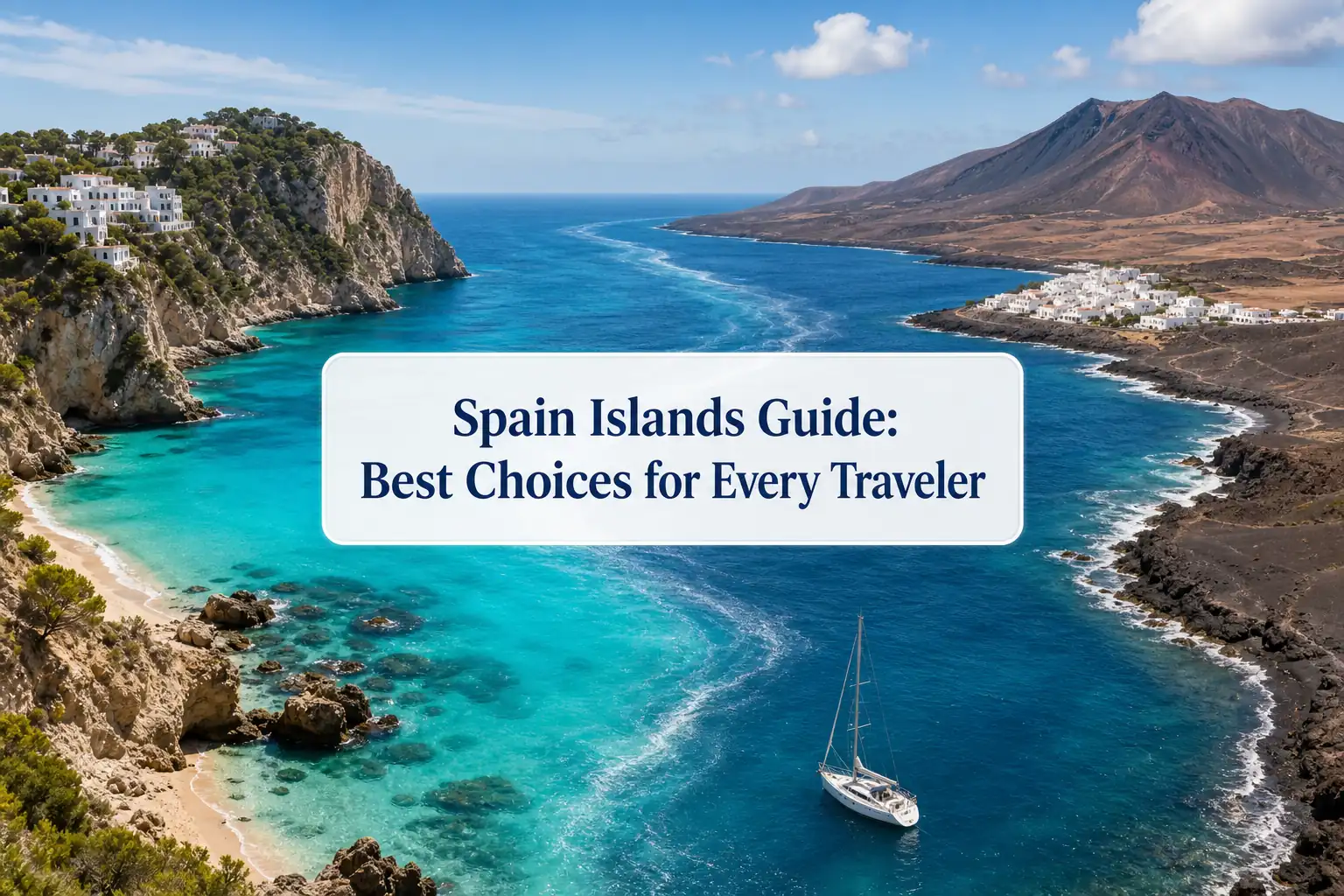
Spain’s Island Groups Compared
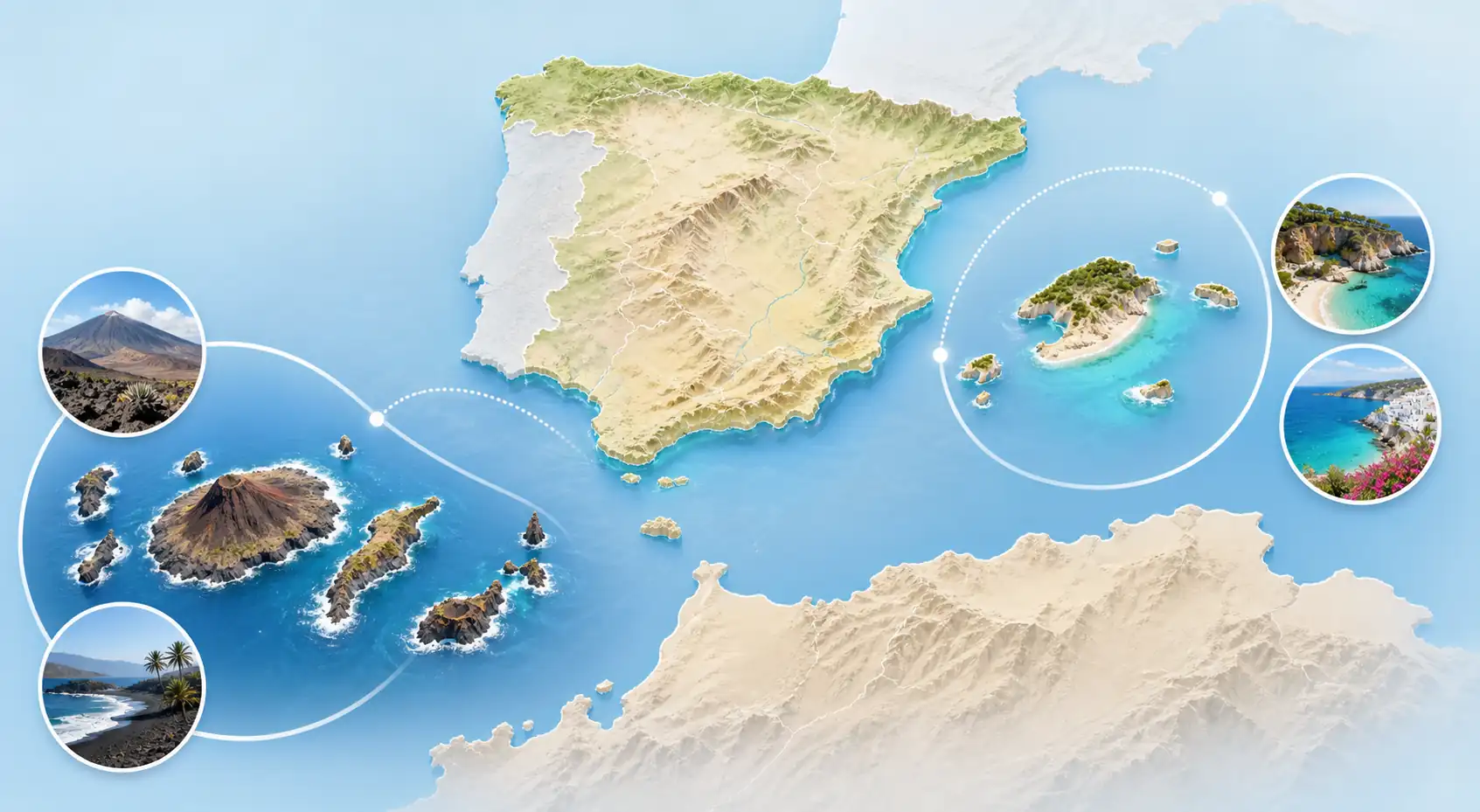
The Balearic Islands sit in the western Mediterranean near mainland Spain. The Canary Islands lie in the Atlantic off northwest Africa. That geography shapes their climate, landscapes, travel times, and best seasons.
Feature | Balearic Islands | Canary Islands |
|---|---|---|
Main character | Mediterranean coves, pine-covered hills, old towns, sailing | Volcanoes, dunes, ravines, Atlantic beaches, hiking |
Best-known islands | Mallorca, Menorca, Ibiza, Formentera | Tenerife, Gran Canaria, Lanzarote, Fuerteventura, La Palma, La Gomera, El Hierro, La Graciosa |
Typical peak | Summer beach season | Popular year-round, especially for winter sun |
Best for | Short Mediterranean breaks, coves, culture, nightlife | Winter escapes, volcanic scenery, varied outdoor trips |
Travel style | Easy direct flights and short ferry hops | Longer flights, larger landscape differences, more route planning |
The Balearics are often easier for a long weekend from Europe, while the Canaries reward a longer stay. Both groups can suit families, couples, solo travelers, and active visitors—the individual island matters more than the archipelago label.
Balearic Islands to Know
Spain’s official tourism information highlights the Balearics for coves, sunsets, natural scenery, water sports, and the contrast between lively and tranquil islands. Four islands dominate most travel plans.
1. Mallorca: The Best All-Rounder
Mallorca combines Palma’s architecture and food scene with the Serra de Tramuntana, sandy beaches, rocky coves, cycling routes, and quiet inland towns. Its scale gives families and first-time island visitors the widest choice of accommodations and activities.
Ideal stay: five to seven days if you want Palma plus another part of the island. Travel tip: do not base your plan only on straight-line distance; mountain and coastal roads can make journeys slower.
2. Menorca: Calm Coves and Slower Travel
Menorca feels lower-key and is known for varied coastline, clear-water calas, and the Camí de Cavalls walking route. It suits couples, families, and hikers who value quiet evenings over a packed nightlife schedule.
Best approach: choose a base near the coast you most want to explore, then allow room for weather and beach access. Popular coves can have limited parking or seasonal controls.
3. Ibiza: More Than Nightlife
Ibiza has famous clubs, but it also offers a fortified old town, pine-framed coves, rural villages, and a strong food scene. Travelers can build a culture-and-beach trip without making nightlife the center of every day.
Who it suits: groups, couples, and travelers who want energy plus scenery. Budget note: summer demand can raise accommodation and transport costs sharply.
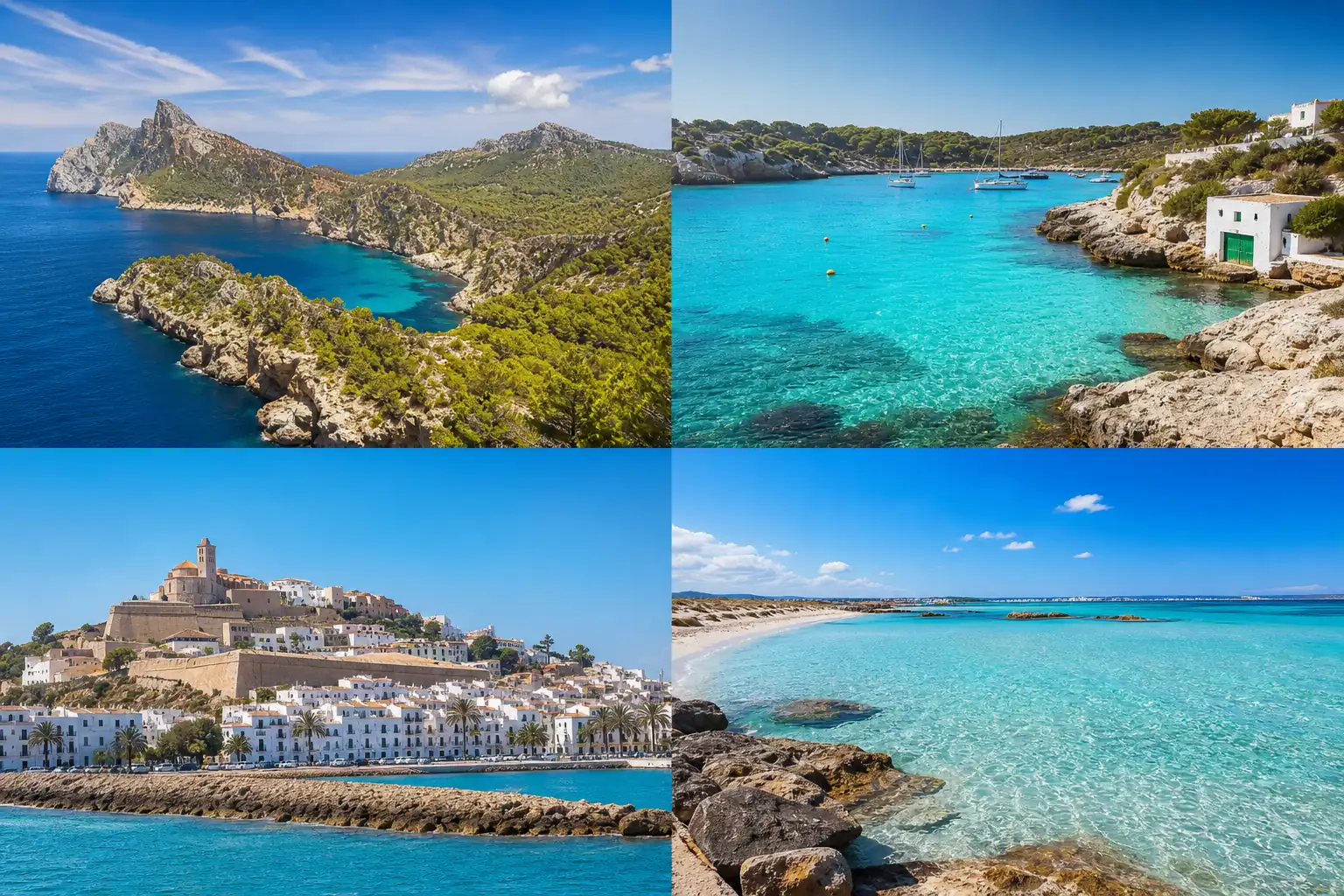
4. Formentera: Small-Scale Beach Escape
Formentera is reached by ferry, commonly from Ibiza, and is known for pale beaches, clear water, and a compact layout. It works well for cycling, relaxed beach time, and short stays, but summer day-trippers can make popular areas busy.
Practical choice: stay overnight for quieter mornings and evenings, or book a day trip with enough ferry margin. Formentera has no airport.
Canary Islands to Know
The Canaries are volcanic, geographically varied, and mild compared with much of Europe in winter. The official Canary Islands travel overview is useful for comparing natural areas, airports, and inter-island transport before booking.
1. Tenerife: Variety and Big Sights
Tenerife combines Teide’s volcanic highlands, northern historic towns and greenery, major southern resorts, and two airports. It is a strong first Canary choice because one island can deliver beaches, hiking, culture, and nightlife.
Route tip: stay in more than one area if you want both north and south. Check whether Tenerife North or Tenerife South better matches the accommodation and onward plans.
2. Gran Canaria: Beach, City, and Interior
Gran Canaria balances Las Palmas, southern dunes and resorts, and a mountainous interior of villages and viewpoints. It suits travelers who want urban amenities without giving up hiking or beaches.
Best for: mixed-interest groups. One traveler can prioritize the coast while another explores food, museums, or mountain roads.
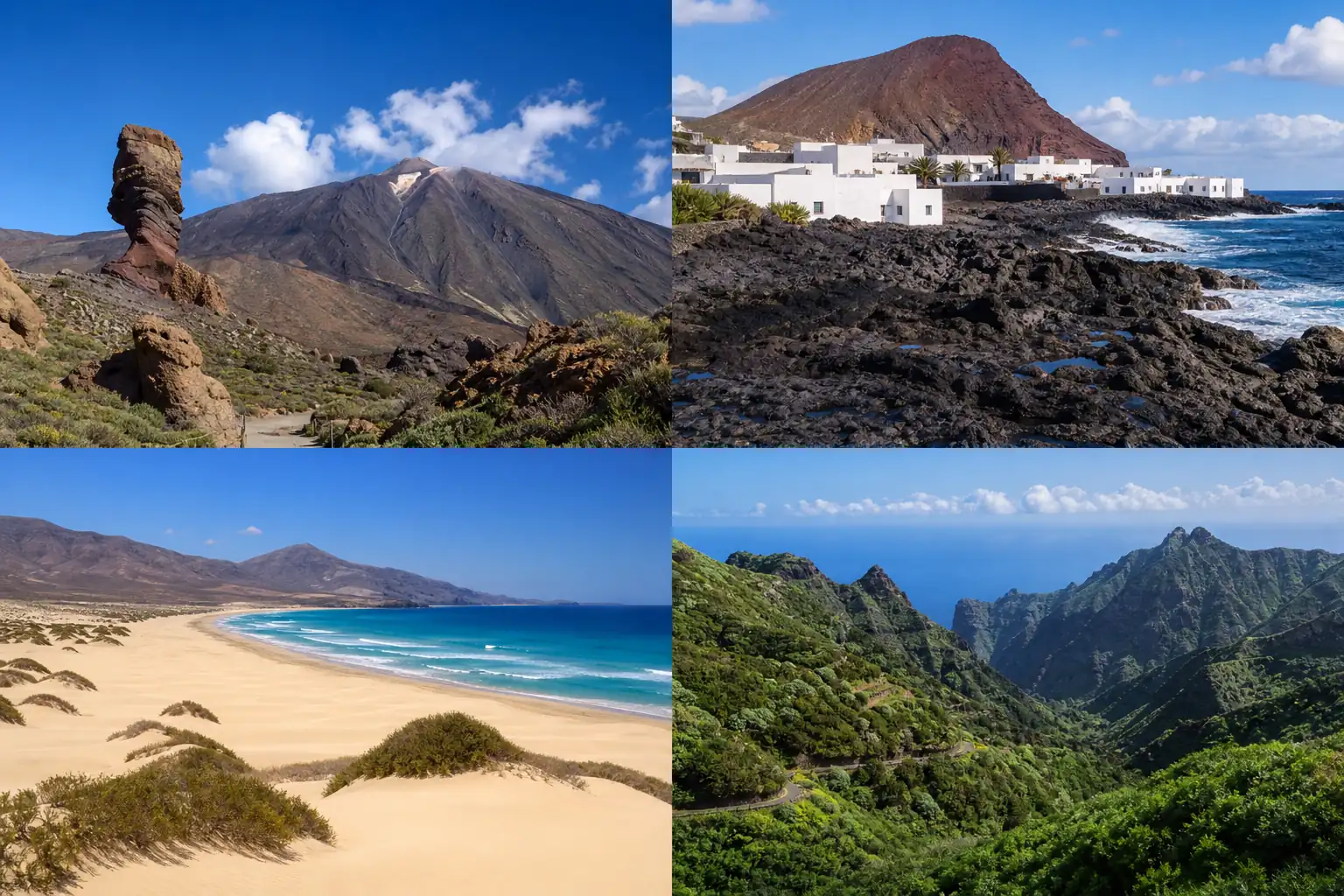
3. Lanzarote and Fuerteventura: The Eastern Pair
Lanzarote stands out for stark lava fields, low white architecture, and César Manrique’s artistic influence. Fuerteventura is the stronger choice for long beaches, wind sports, and an open, spacious feeling.
Choose Lanzarote if: landscape design and volcanic sightseeing matter. Choose Fuerteventura if: beach time and water sports dominate the trip.
4. La Palma, La Gomera, and El Hierro: Greener and Quieter
The western islands appeal to hikers, nature-focused travelers, and repeat visitors. La Palma offers dramatic ridges and stargazing; La Gomera is known for ravines and laurel forest; El Hierro feels especially remote and slow.
Planning note: allow more time for transfers and weather-dependent outdoor plans. These islands suit travelers who prefer depth and quiet to an attraction checklist.
Pick one large island for a first short trip.
Combine two neighboring islands only when ferry or flight schedules fit naturally.
Treat La Graciosa as a relaxed excursion or short stay reached by boat from Lanzarote.
Choose an Island for Your Travel Style
There is no single “best” Spanish island. A better question is which island fits the experience you want most.
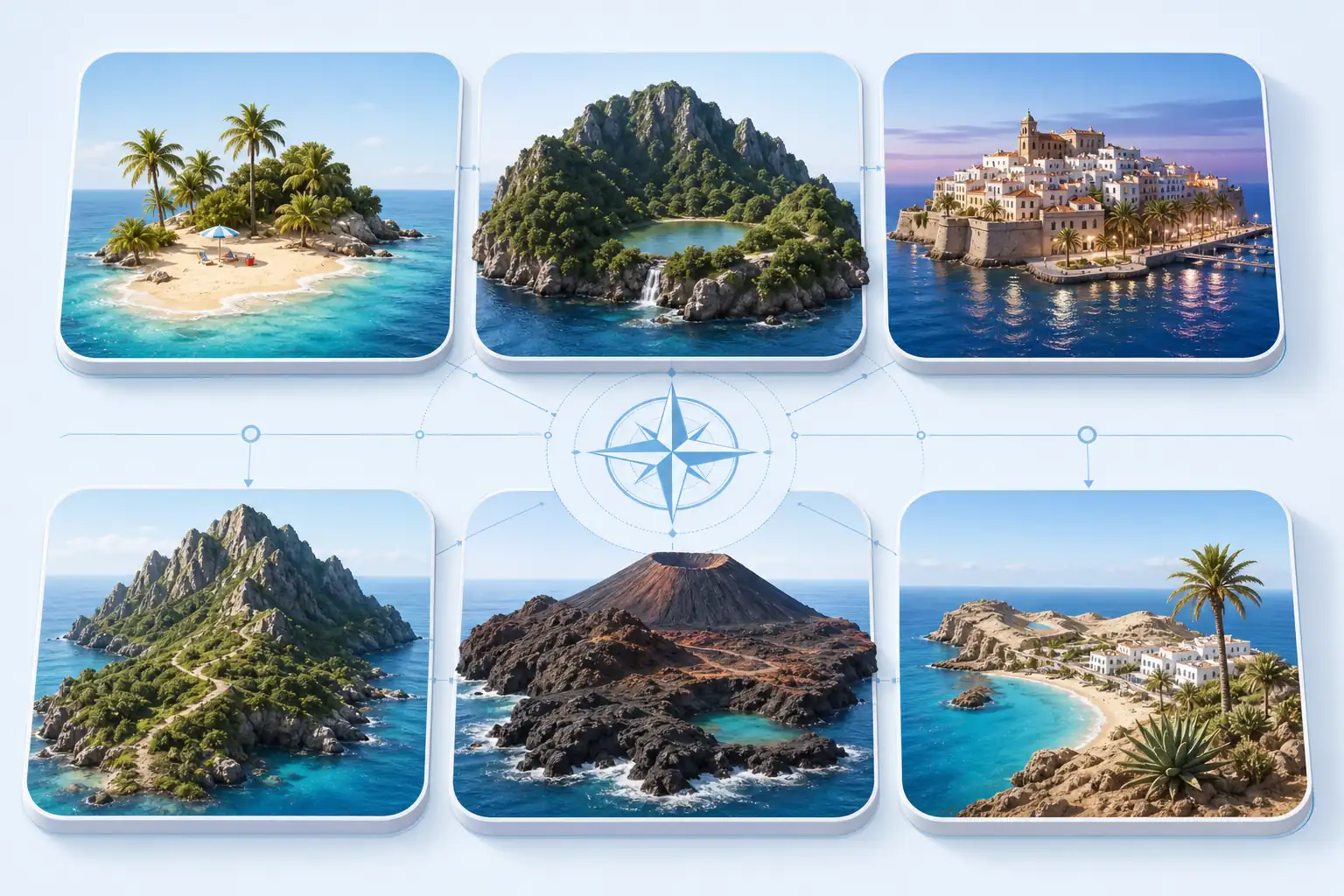
1. Families and Easy Variety
Mallorca, Tenerife, and Gran Canaria provide broad accommodation choice, developed transport, family attractions, and beaches. Choose a base with short daily journeys rather than trying to circle a large island every day.
2. Quiet Couples and Slow Travel
Menorca, Formentera outside peak day-trip hours, La Gomera, and El Hierro favor quieter evenings and nature. Book early if you want a small rural hotel or a specific cove area.
3. Nightlife and Social Energy
Ibiza is the clearest choice, with Mallorca and Tenerife also offering lively resort and city areas. Stay close to the venues you plan to use so late-night transport does not become the hardest part of the trip.
4. Hiking and Volcanic Landscapes
Tenerife, La Palma, La Gomera, and Lanzarote are standouts. Mallorca and Menorca also offer rewarding walking, but the terrain and atmosphere are more Mediterranean than volcanic.
Best all-rounder: Mallorca or Tenerife.
Best for beaches first: Formentera, Menorca, or Fuerteventura.
Best for a distinctive landscape: Lanzarote or La Palma.
When to Visit Spain’s Islands
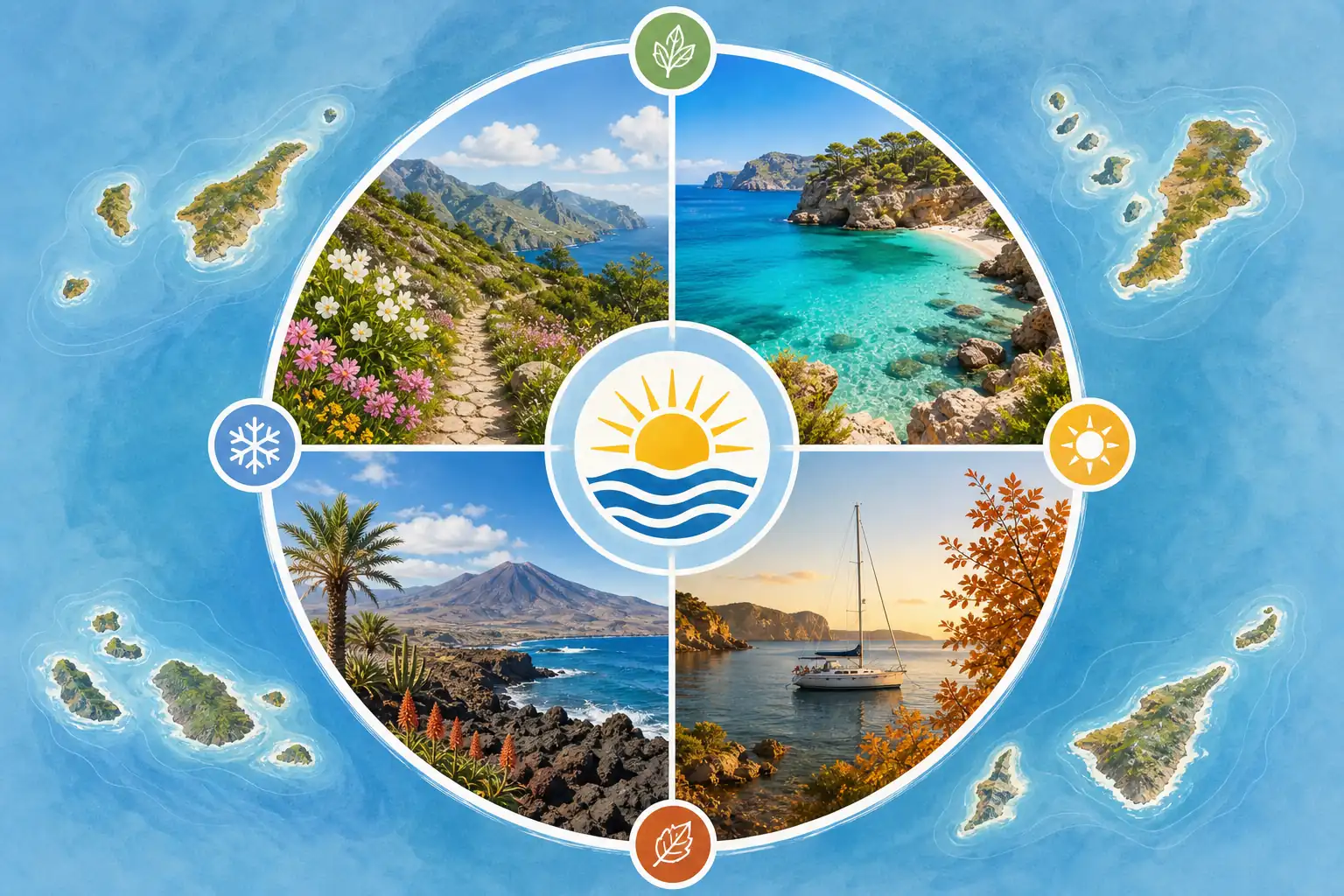
Season affects the Balearics more strongly than the Canaries. Exact weather is never guaranteed, but the following planning patterns are useful.
1. Spring
Spring is excellent for walking, cycling, towns, and quieter beaches in the Balearics. Sea temperatures may feel cool, and some seasonal businesses can still be reopening. The Canaries remain a dependable outdoor option.
2. Summer
Summer brings the fullest beach atmosphere and the greatest demand in the Balearics. Reserve accommodation, rental cars, and ferries early. In the Canaries, trade winds and island microclimates can make conditions differ sharply between coasts.
3. Autumn
Early autumn can combine warm water with fewer crowds, but weather becomes less predictable as the season progresses. Flexible beach plans and refundable bookings are valuable.
4. Winter
The Canaries are Spain’s strongest winter-island choice for mild outdoor weather, although evenings, mountains, wind, and northern coasts can still feel cool. The Balearics are peaceful in winter but better for culture and walking than guaranteed beach weather.
Bring layers even on a sun-focused trip. Mountain viewpoints, ferry decks, evening wind, and air-conditioned interiors can feel much cooler than the beach.
Flights, Ferries, and Island Hopping
Direct flights are usually the simplest way to reach a main island. Ferries become valuable for nearby pairs, car travel, and islands without airports.
1. Getting to the Balearics
Mallorca, Menorca, and Ibiza have airports. Ferries also connect major island ports with Barcelona, Valencia, and Dénia, while inter-island services link the main ports. Formentera is reached by boat.

2. Getting to the Canaries
The seven main Canary Islands have airports, with the greatest international traffic generally concentrated at Gran Canaria, Tenerife South, Lanzarote, and Fuerteventura. Inter-island flights and ferries connect the archipelago.
3. Deciding Between Flight and Ferry
A flight can save time across longer gaps; a ferry may be easier for nearby islands or when taking a vehicle. Compare total journey time, including airport security or port check-in, not only the scheduled crossing.
4. Staying Connected in Transit
Live ferry updates, road navigation, translation, and accommodation messages are much easier with mobile data. A travel eSIM from iRoamly can help maintain connectivity across transfers without relying on each terminal’s Wi-Fi.
Leave a buffer when flights and ferries are on separate tickets.
Check the exact departure port; some islands have several.
Avoid a one-night island hop unless the transfer is the experience you want.
Frequently Asked Questions

1. Which Spanish island is best for a first visit?
Mallorca is the strongest Mediterranean all-rounder, while Tenerife is the strongest Canary all-rounder. Both offer varied landscapes, developed visitor infrastructure, and enough activities for a week.
2. Which island is warmest in winter?
The Canary Islands are generally the better winter-sun option, but conditions vary by coast, elevation, cloud, and wind. Southern resort areas often feel warmer and sunnier than highlands or northern slopes.
3. Do I need a car on Spain’s islands?
Not always. City and resort stays can work with buses, taxis, and tours. A car adds freedom for remote beaches, trailheads, and rural villages, but parking and mountain roads require planning.
4. Can I visit Ibiza and Formentera on one trip?
Yes. Their ferry link makes this one of the easiest two-island combinations, provided you check the current schedule and leave enough time before a flight.
5. How many islands should I visit in one week?
One island is usually enough for a relaxed week. Two can work when the connection is short and the islands offer a clear contrast. More often turns the holiday into a transport schedule.
6. Are the Balearics or Canaries cheaper?
Neither group is always cheaper. Season, exact island, accommodation area, flight market, car hire, and dining style matter more. Compare a complete trip budget rather than nightly room rates alone.
Conclusion
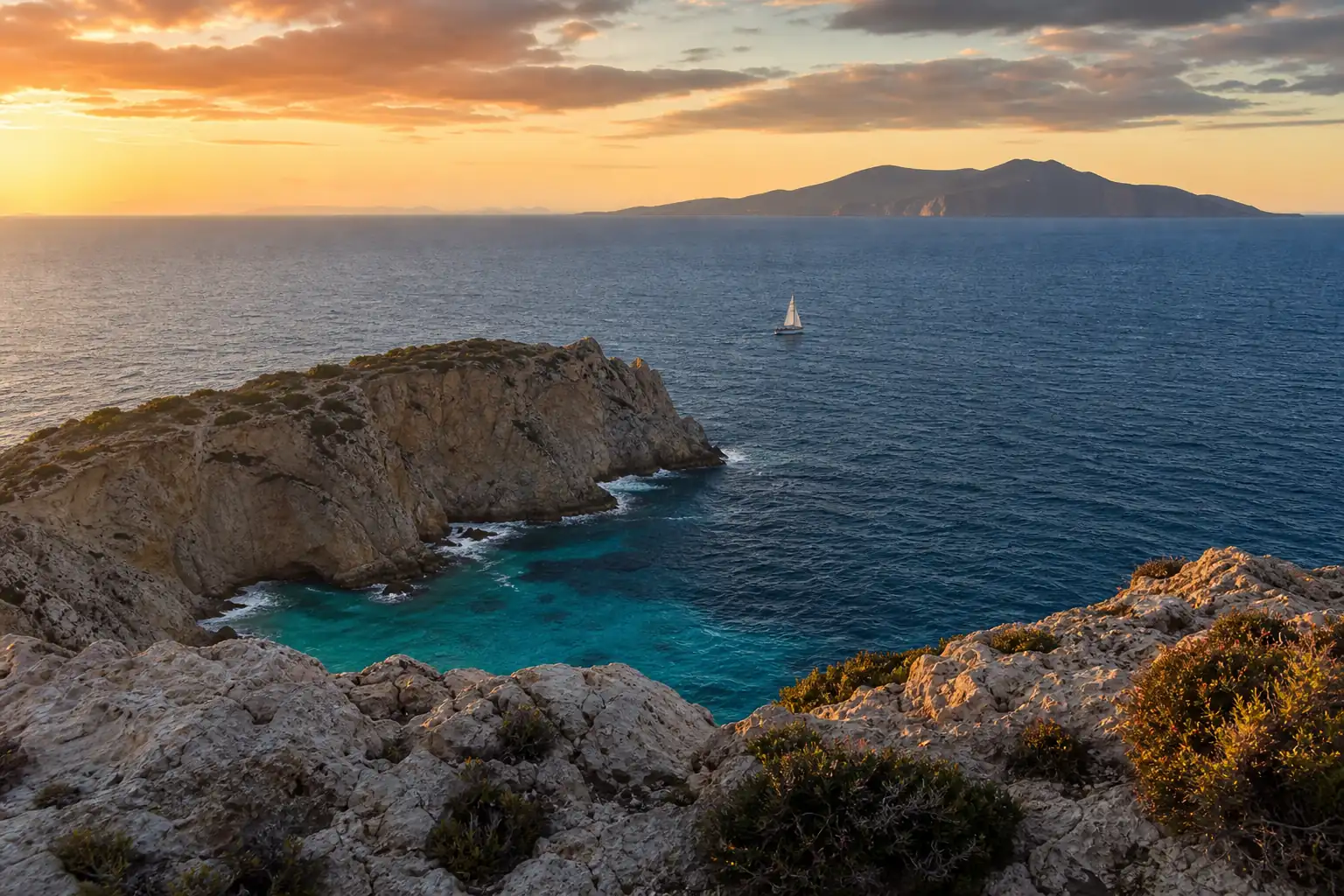
Spain’s islands range from quiet Mediterranean coves to high volcanic ridges, energetic resort towns, and remote Atlantic landscapes. The variety is their greatest strength.
For summer swimming and short European breaks, the Balearics are an easy fit. For winter sun, volcanic scenery, and a longer outdoor trip, the Canaries usually offer more depth.
Choose the island that matches your season and travel pace, then give it enough time. A focused stay almost always feels richer than rushing through an ambitious island checklist.