
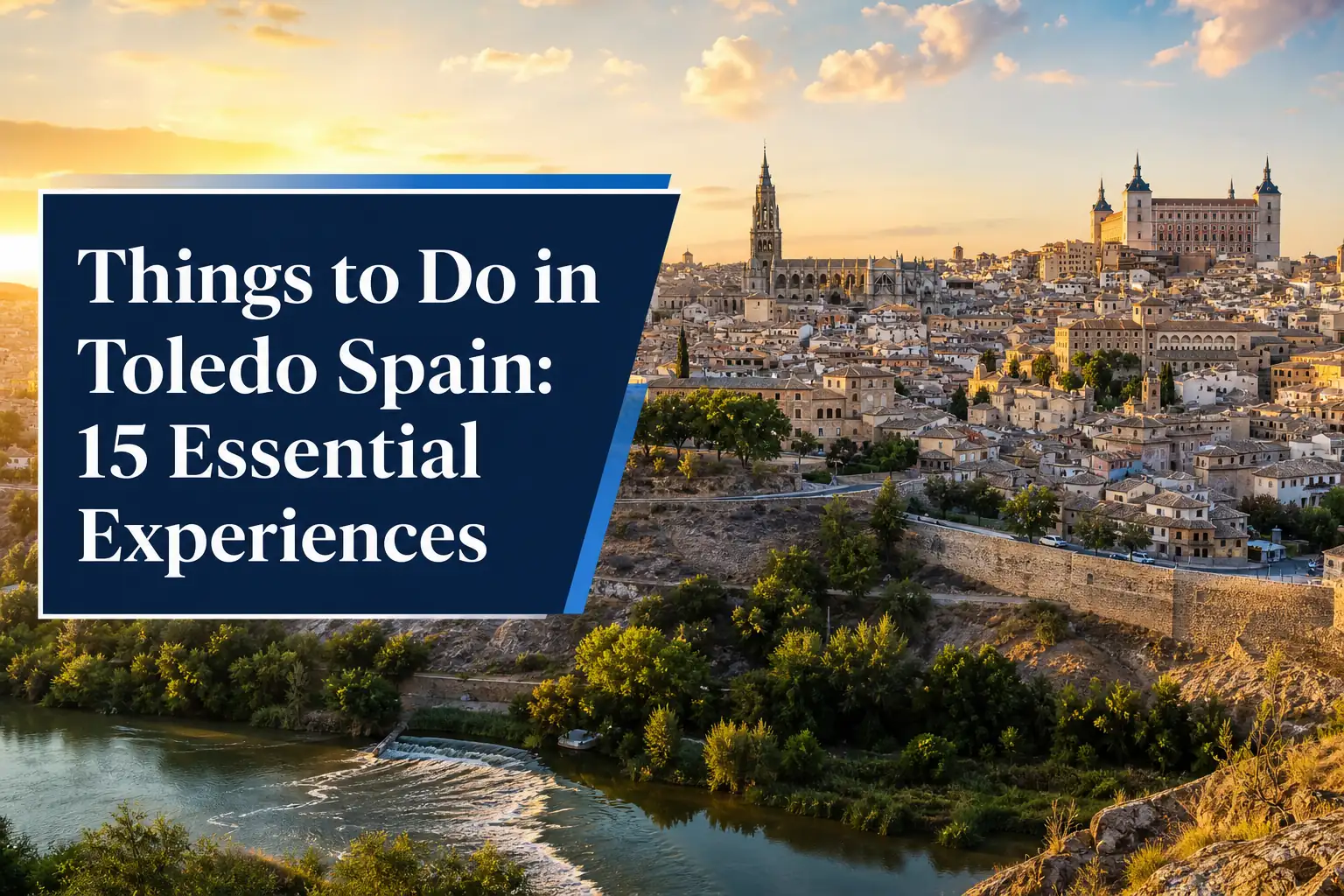
Looking for the best things to do in Toledo Spain means choosing between a remarkable concentration of churches, synagogues, mosques, museums, viewpoints, and winding medieval streets. The compact historic center rewards curious walkers, but its steep lanes make a little route planning worthwhile.
Toledo works as a fast day trip from Madrid, yet an overnight stay reveals a calmer city after the excursion crowds leave. The list below balances essential monuments with river scenery, local food, craft traditions, and experiences that suit first-time and repeat visitors.
Use this guide to decide what deserves your time, build a realistic one- or two-day itinerary, understand transport and costs, and avoid the mistakes that turn a beautiful visit into a tiring race.
15 Best Things to Do in Toledo
Toledo's value comes from seeing how several layers of history occupy the same small hill. The following experiences are ordered to create a practical first visit, not as a strict ranking; opening hours and access conditions can change, so confirm any must-see monument before travel.
1. Explore Toledo Cathedral
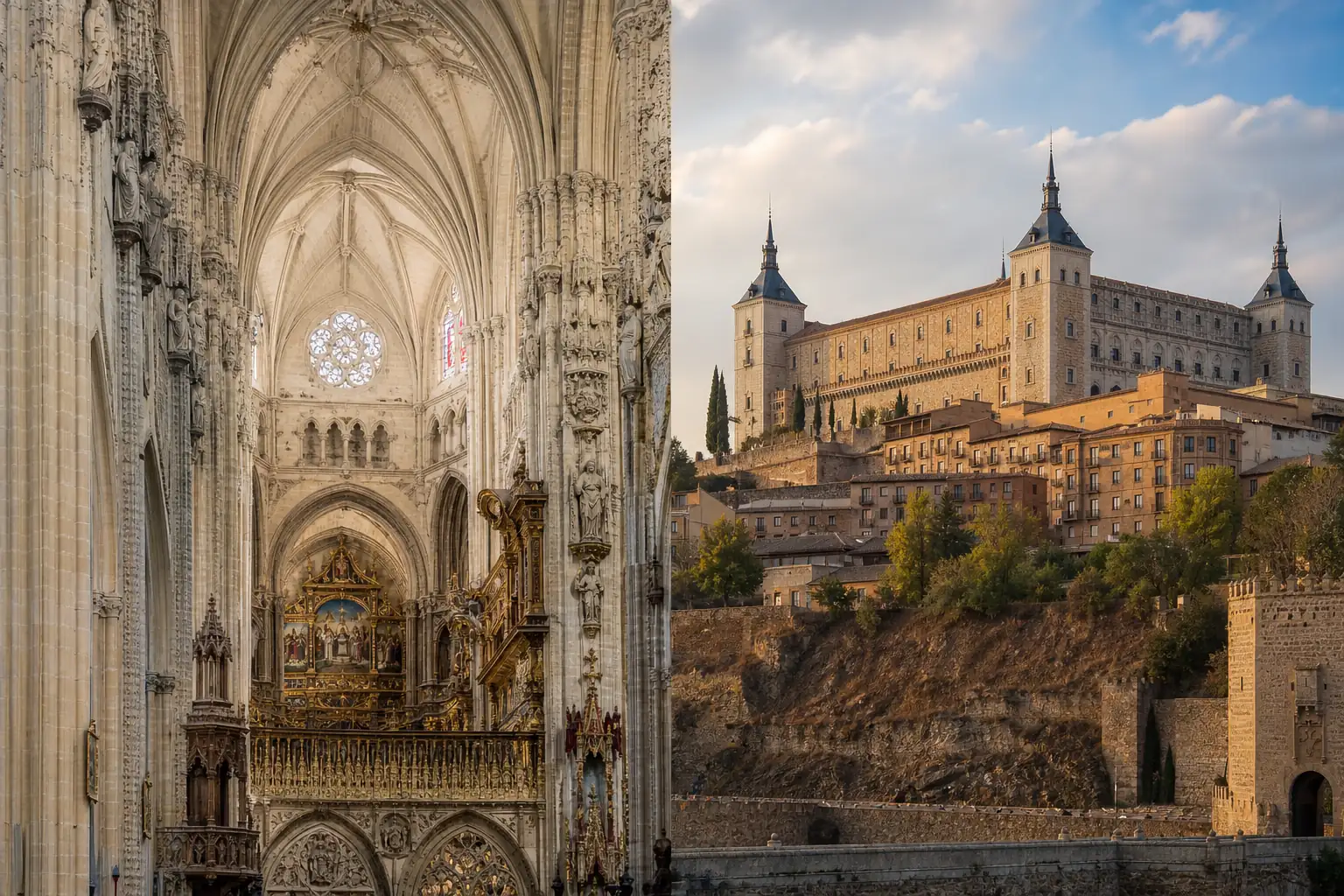
The Gothic cathedral is Toledo's most absorbing interior, with stained glass, carved choir stalls, the sacristy's paintings, and the richly decorated main chapel competing for attention. Allow at least 75 to 90 minutes rather than squeezing it between other stops.
Best approach: Arrive near opening time or later in the afternoon, dress respectfully, and check whether worship or a religious event affects visitor access. The treasury and sacristy deserve more than a passing glance.
2. Visit the Alcázar and Army Museum
The square fortress dominates the skyline and now houses Spain's Army Museum. Exhibits cover military history across many periods, while the building itself helps explain why Toledo was strategically important.
Who it suits: History enthusiasts can spend several hours here; travelers with limited time may prefer the exterior viewpoints and devote their interior time to the cathedral or Jewish Quarter.
3. See El Greco's Masterpiece
The Church of Santo Tomé contains The Burial of the Count of Orgaz, one of El Greco's defining works. The experience is focused rather than museum-sized, making it easy to combine with nearby Jewish Quarter monuments.
Travel tip: Read a short explanation of the painting before entering. Understanding the earthly and heavenly halves makes the brief visit far more memorable.
4. Walk Through the Jewish Quarter
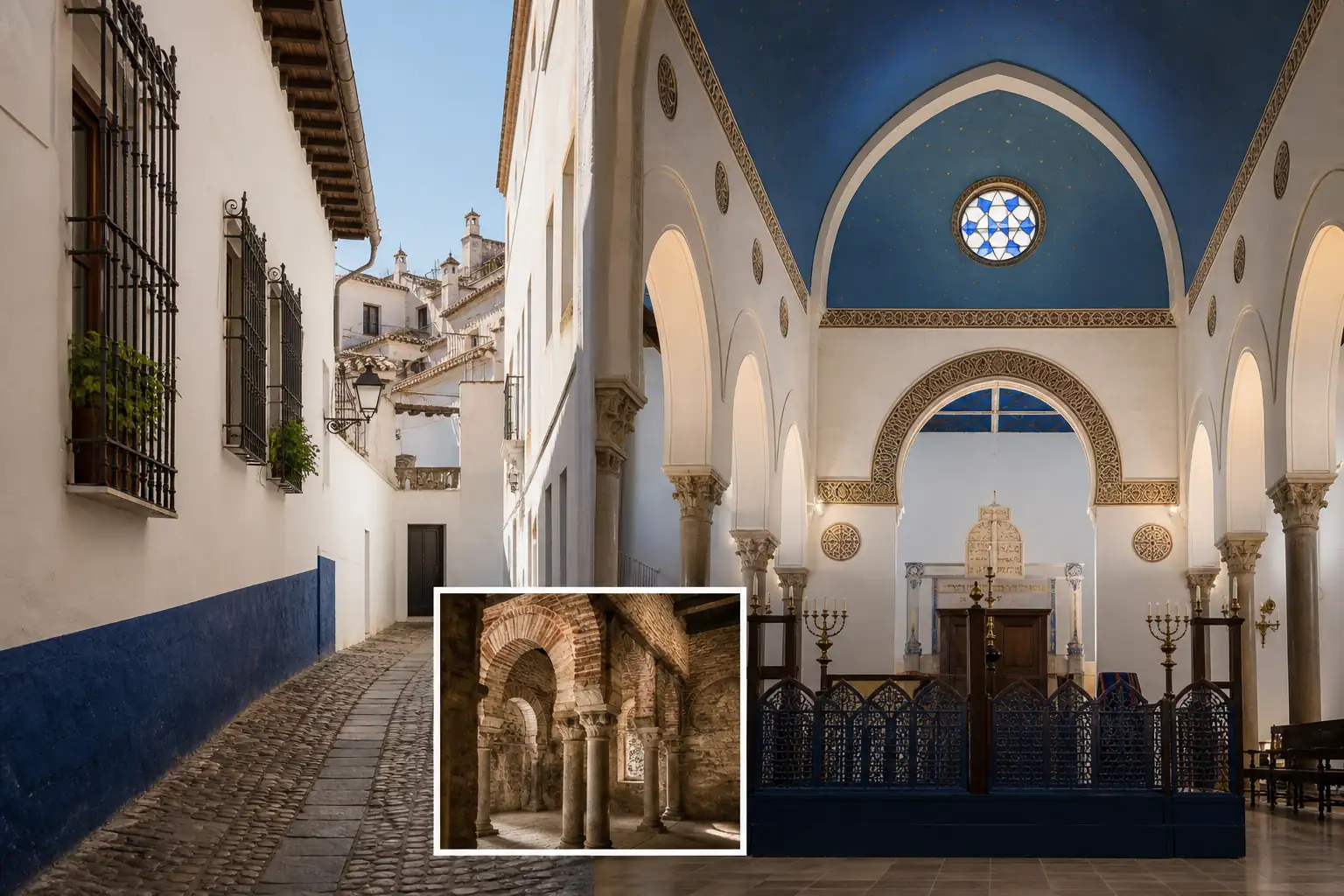
The old Jewish Quarter is not a single attraction but a network of lanes, courtyards, synagogues, and small museums. Slow walking reveals architectural details that disappear when visitors rush from one ticketed site to another.
Suggested route: Link Santa María la Blanca, the Sephardic Museum, Santo Tomé, and San Juan de los Reyes, then pause at a quieter lane or garden before continuing uphill.
5. Enter Santa María la Blanca
Rows of white horseshoe arches create one of Toledo's most distinctive interiors. Built as a synagogue and later used as a church, the building embodies the city's layered, sometimes difficult religious history.
Visit duration: About 20 to 30 minutes is usually enough, but avoid treating it only as a photo stop. Look at the capitals, light, and changing spatial rhythm.
6. Discover the Sephardic Museum
Housed around the Synagogue of El Tránsito, the museum adds cultural and historical context that the architecture alone cannot provide. It is especially useful for understanding Jewish life in medieval Spain and its legacy after expulsion.
Planning note: Pair it with Santa María la Blanca rather than choosing only one; the two sites provide different perspectives and sit close together.
7. Visit Cristo de la Luz Mosque
This small former mosque dates from the late 10th century and preserves compact brick vaults and horseshoe arches. Its modest scale is part of the appeal: the building gives a tangible sense of Toledo before the later monumental skyline emerged.
Nearby stop: Combine it with Puerta del Sol and the northern city gates, creating a logical downhill or uphill route depending on where you start.
8. Admire San Juan de los Reyes
The monastery pairs an ornate church with a peaceful two-level cloister. Its decoration and heraldic details reward close looking, while the garden offers a welcome change from Toledo's busy lanes.
Best for: Architecture lovers, photographers, and anyone who needs a quiet pause between denser museum visits.
9. Find the Best View at Mirador del Valle
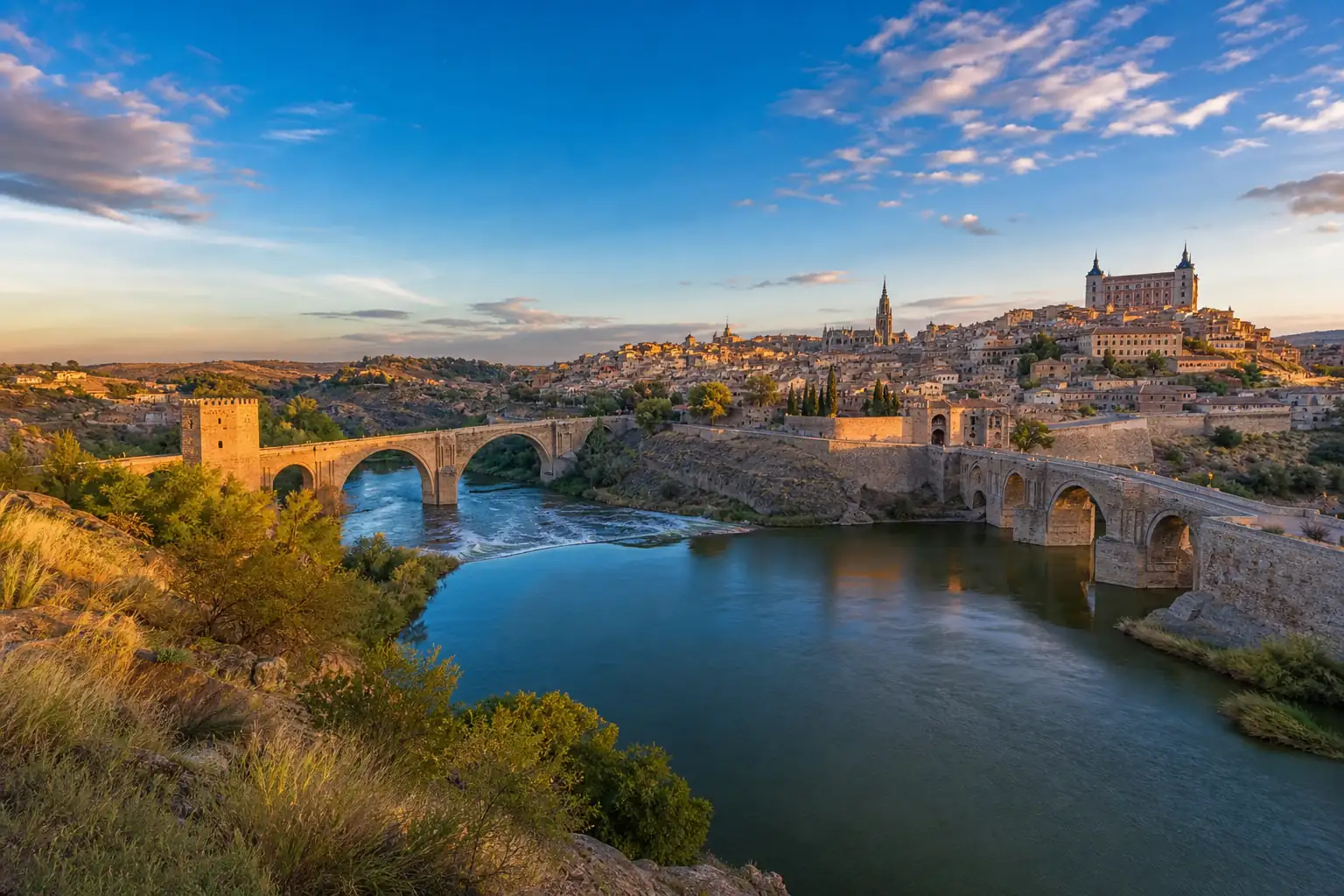
Across the Tagus River, Mirador del Valle provides the classic panorama of the cathedral, Alcázar, walls, and tightly packed roofs. Morning offers cleaner front light on parts of the city, while sunset creates atmosphere and stronger crowds.
Getting there: A taxi is efficient for travelers short on time. Strong walkers can reach the surrounding river route, but should account for heat, elevation, and the return climb.
10. Cross San Martín Bridge
The medieval bridge frames the western side of Toledo and leads toward river paths and viewpoints. Crossing it gives a more physical sense of the city's defensive position above the Tagus.
Photo tip: Walk beyond the first arch and turn back toward the old town. Early or late light adds depth to the stone and reduces harsh contrast.
11. Walk the Tagus Ecological Path
The riverside path offers a quieter counterpoint to monument-heavy sightseeing. Sections pass beneath cliffs, walls, and bridges, with changing views of the city above.
Be prepared: Wear shoes with grip, carry water, and avoid exposed stretches during the hottest hours. After heavy rain, confirm local path conditions.
12. Pause in Plaza de Zocodover
This central square is a useful orientation point and meeting place rather than Toledo's prettiest sight. Use it to reset your route, find transport, or take a break before climbing toward the Alcázar.
Avoid this mistake: Do not choose a restaurant solely because it faces the busiest part of the square. Walk one or two streets away and compare menus.
13. See Toledo From the Jesuit Church Tower
The tower of the Church of San Ildefonso offers a high viewpoint from within the old town, giving a different relationship to the cathedral and tiled roofs than Mirador del Valle.
Good alternative: Choose this when you cannot reach the valley viewpoint or want a central panorama without leaving the historic core. Expect stairs and verify access on the day.
14. Try Marzipan and Local Savory Dishes
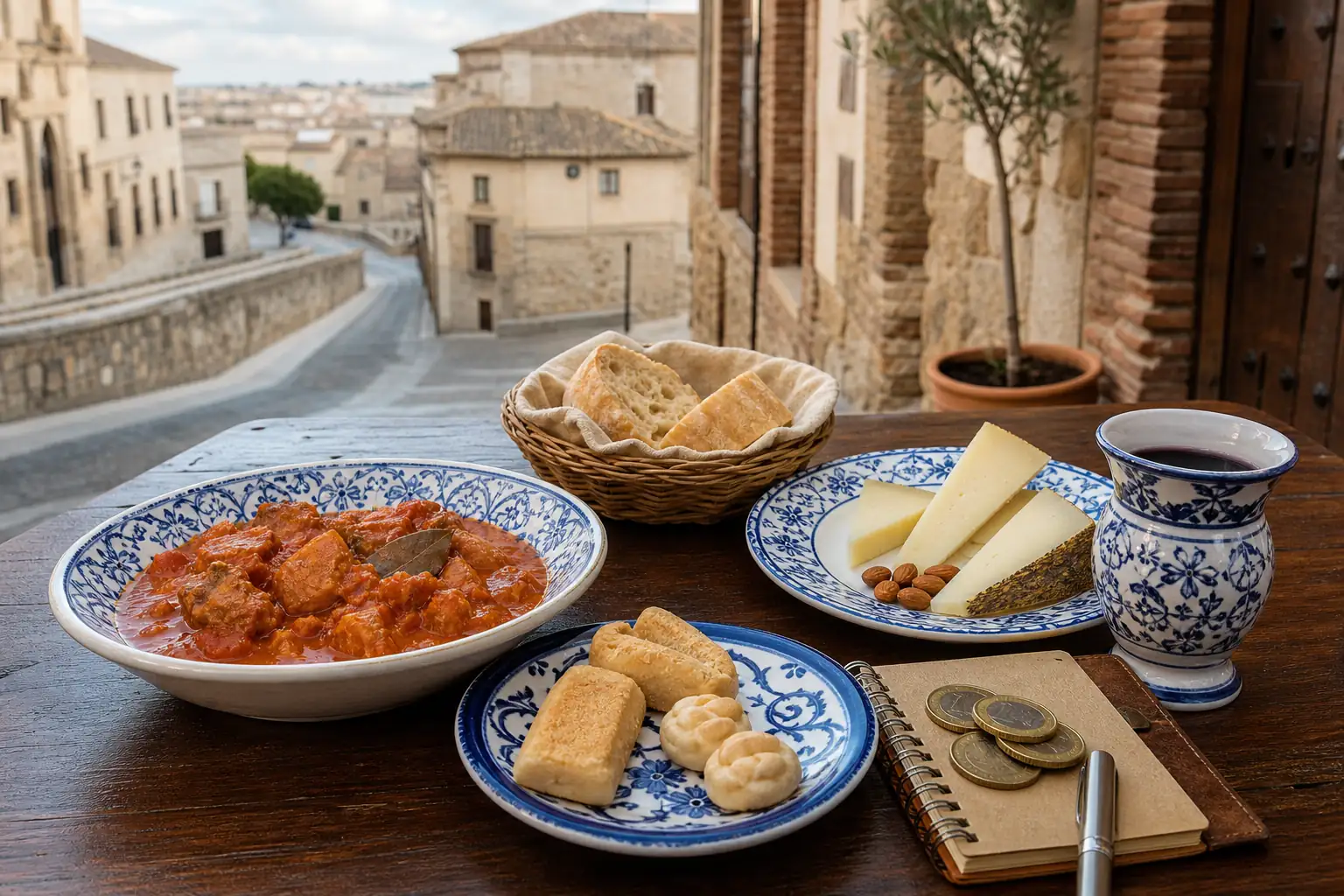
Toledo is closely associated with marzipan, but local menus also feature carcamusas, game, manchego cheese, and hearty Castilian cooking. A tasting stop adds regional character between monuments.
What to order: Sample a small portion of marzipan from a specialist shop, then seek a set lunch or shared plates for better value than constant snacking.
15. Browse Damascene Metalwork
Damascene craft uses fine gold or silver decoration on dark metal and remains one of Toledo's recognizable traditions. Quality varies widely, from handmade pieces to inexpensive souvenirs.
Shopping advice: Ask how an item was made, compare finishing and weight, and request clear pricing before buying. A reputable workshop visit is more informative than browsing identical displays.
For a current overview of monuments and official destination information, consult the Spain tourism page for Toledo. It is especially useful for checking seasonal notices before committing to a tight schedule.
One-Day and Two-Day Itineraries
A realistic route groups nearby sights and limits repeated hill climbing. Select one version below, then remove a stop if a major monument matters more to you than completing a checklist.
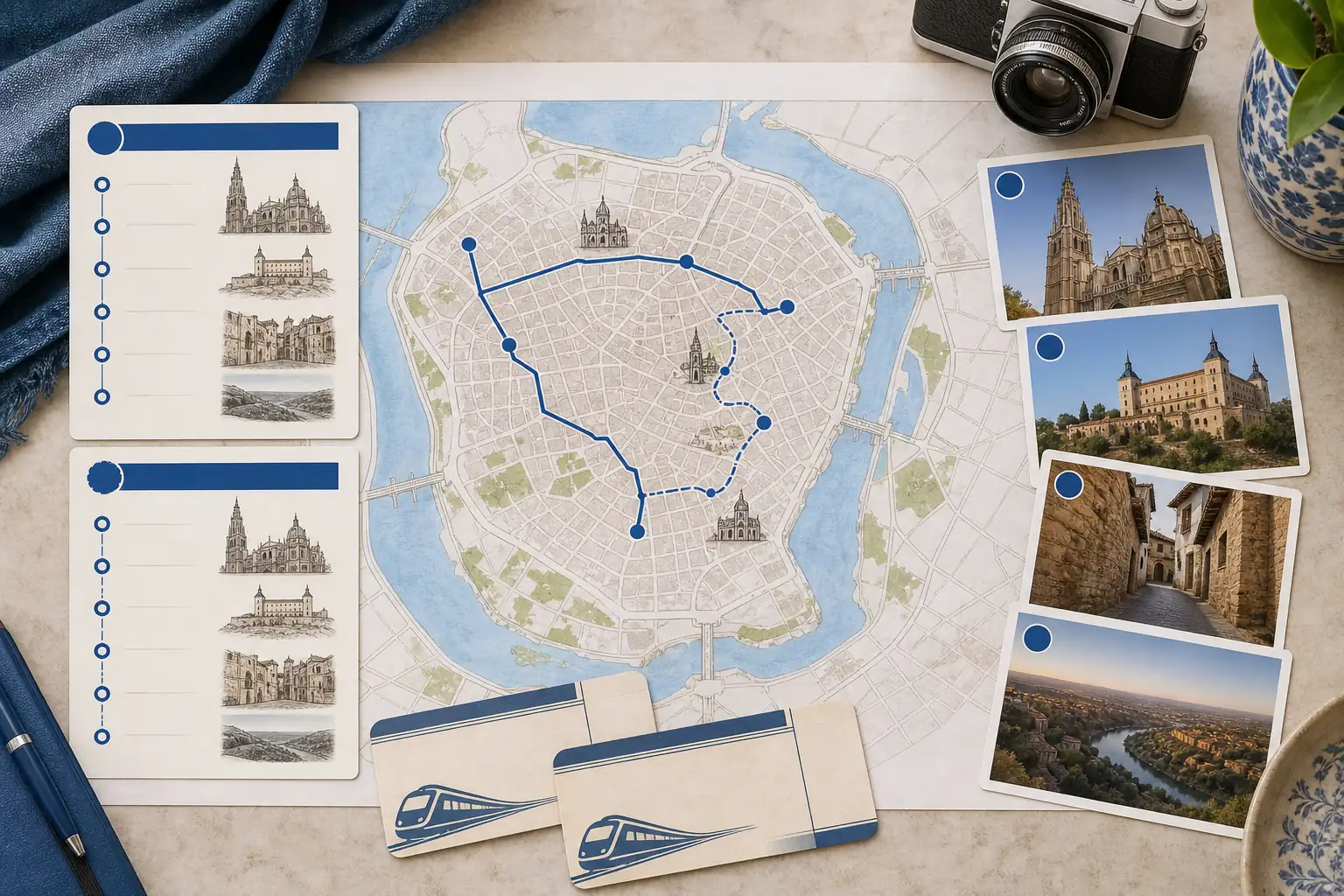
1. One-Day Essential Route
Start at the cathedral before the busiest middle hours.
Walk through Santo Tomé and the Jewish Quarter, choosing two major interiors.
Take a late lunch, then continue to San Juan de los Reyes or the Alcázar.
Finish at Mirador del Valle or a central tower viewpoint.
Pacing: This route suits energetic first-time visitors. Do not add the Army Museum unless military history is a priority, because its scale can consume the afternoon.
2. Two-Day Cultural Route
Use day one for the cathedral, Alcázar area, Zocodover, Cristo de la Luz, and an evening viewpoint. On day two, explore the Jewish Quarter slowly, visit El Greco-related sites, cross San Martín Bridge, and include a riverside walk.
Best benefit: You can enter more sites without turning each one into a ten-minute stop.
Evening advantage: Streets become calmer after many day-trippers return to Madrid.
Flexible option: Move outdoor activities to whichever day has milder weather.
3. Slow-Travel Version
Choose the cathedral, one Jewish heritage site, a long lunch, and one panoramic walk per day. This version works well for families, photographers, repeat visitors, and travelers who prefer atmosphere over coverage.
Rule of thumb: Two major interiors plus several outdoor stops make a satisfying day. More than that often creates ticket fatigue.
Getting To and Around Toledo
Toledo is less than 80 kilometers from Madrid and fast trains commonly make the trip in roughly half an hour. Advance booking is sensible on weekends and holidays, while buses can be useful when train times do not match your schedule.
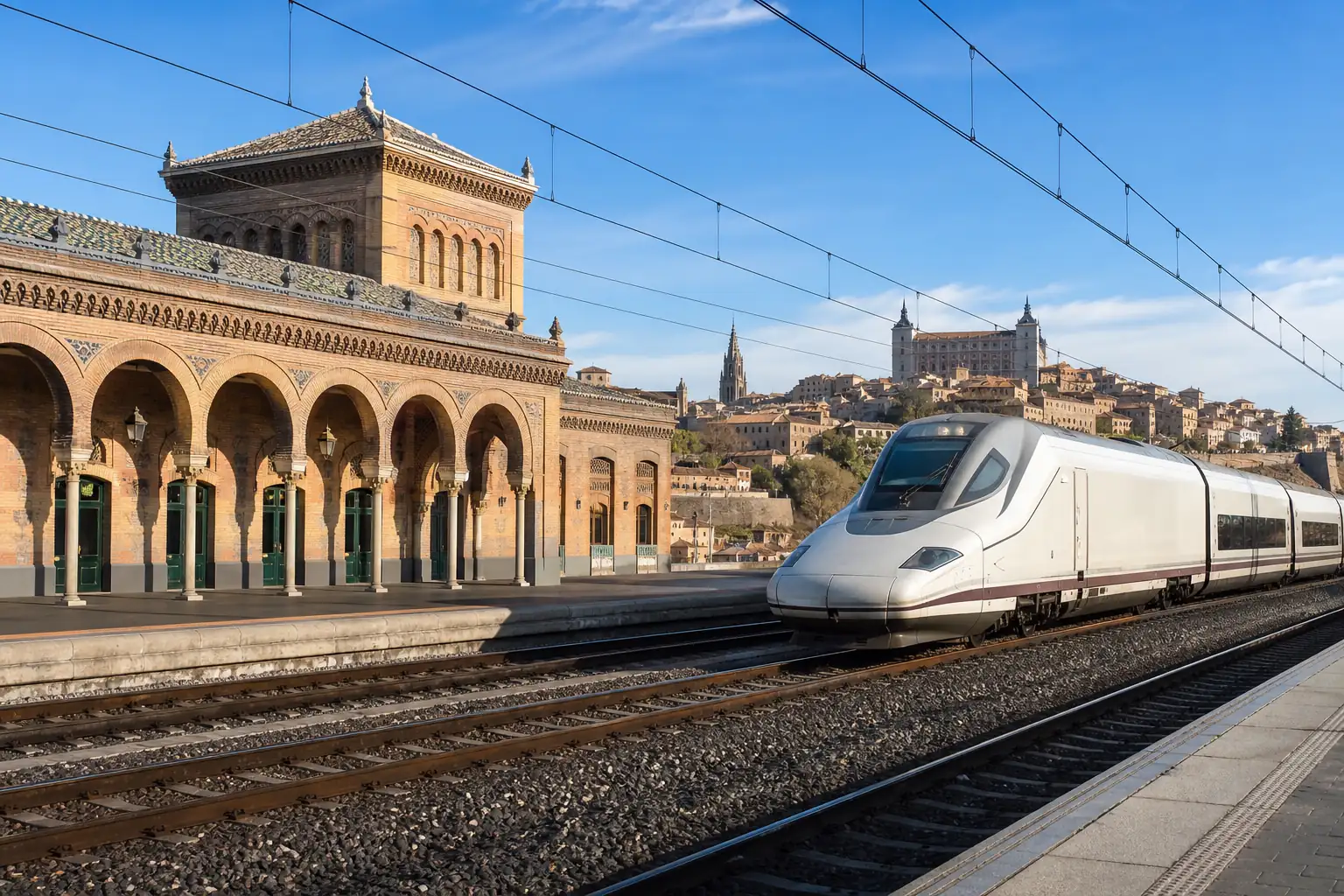
1. Arriving by Train
Trains depart from Madrid Puerta de Atocha-Almudena Grandes and arrive at Toledo's attractive station below the old town. From the station, take a local bus or taxi uphill, or walk if you are comfortable with a sustained climb.
Timing tip: Leave buffer time for station security, platform changes, and the transfer between Toledo station and your first monument.
2. Walking the Historic Center
Walking is the best way to understand the old town, but distances on a flat map hide slopes, steps, cobbles, and dead ends. Save offline maps and pin only a few essential stops.
Use public escalators where they fit your route.
Wear shoes with secure soles rather than smooth fashion footwear.
Plan downhill stretches after lunch or late in the day.
3. Taxis and Local Buses
Taxis are most valuable for the station, Mirador del Valle, luggage, or travelers with limited mobility. Local buses can reduce uphill walking, but traffic and route unfamiliarity make them less efficient for hopping between central monuments.
Connectivity: Live maps, train changes, digital tickets, and translation are easier with reliable data. A prepaid iRoamly travel eSIM can provide a practical connection without relying on public Wi-Fi.
Food, Costs, and Booking Tips
Toledo can be visited on a moderate budget, but multiple paid interiors quickly add up. The comparison below helps match spending to travel style without inventing a fixed total that ignores changing ticket and hotel prices.
Travel style | Priorities | Cost-control strategy |
|---|---|---|
Budget day trip | Streets, bridges, viewpoints, one major interior | Book transport early, carry water, choose a set lunch |
Classic first visit | Cathedral, Jewish heritage, one museum, viewpoint | Compare combined monument passes with individual tickets |
Overnight stay | Evening atmosphere, deeper museums, relaxed dining | Stay just outside the busiest lanes and compare breakfast inclusions |
A pass is worthwhile only when its included sites match your route and opening times. Never buy one simply because it advertises many monuments; calculate what you will realistically enter.
1. Eat Beyond the Main Squares
Look one or two streets away from Zocodover and the cathedral for more considered menus. Lunch set menus can offer good value, while dinner is more enjoyable if you are not racing for the last train.
2. Reserve Only the Anchors
Book transport and any must-see timed entry first, then keep smaller churches and museums flexible. This prevents one delay from breaking the entire day.
3. Carry a Small Buffer
Allow for a taxi, an extra interior, water, or a later meal. A rigid lowest-cost plan often creates false savings if it forces an unnecessary rush back to the station.
Practical Tips and Mistakes to Avoid
Toledo is compact enough to feel easy and hilly enough to punish poor planning. These adjustments improve comfort without removing the spontaneity that makes the old town enjoyable.

1. Manage Hills and Heat
Start demanding climbs early, carry water, and build shaded indoor stops into warm afternoons. Families and travelers with limited mobility should use taxis strategically rather than trying to force a fully pedestrian route.
2. Protect Time for Wandering
Do not schedule every 30 minutes. A blocked lane, a beautiful courtyard, or a longer cathedral visit is part of the experience, not a failure of the plan.
3. Check Closures and Worship Hours
Religious sites may adjust access for services and holidays, while museums can have weekly closing periods. Recheck the official site shortly before travel and put your most important stop first.
Common mistake: Arriving for a day trip with six major interiors, no lunch window, and no return-station buffer. Choose fewer anchors and enjoy them properly.
FAQ
1. Is Toledo suitable for children?
Yes, especially with a shorter monument list, bridge views, open squares, and a scenic stop. Strollers can be difficult on steep cobbles and steps, so a carrier or taxi-supported route may work better for younger children.
2. Can I visit Toledo with limited mobility?
Many historic streets are steep and uneven, but taxis, buses, escalators, and careful attraction selection make a visit possible. Contact priority sites directly for current accessible entrances and lift availability.
3. Is an overnight stay worth it?
It is worthwhile for travelers who enjoy evening photography, unhurried dinners, quieter streets, or deeper museum visits. A day trip remains enough for a focused first impression.
4. What should I buy in Toledo?
Marzipan, damascene metalwork, ceramics, and locally made food products are common choices. Ask about origin and production before paying artisan prices.
5. Do I need a guided tour?
No, but a well-led history tour can connect Christian, Jewish, and Islamic sites more effectively than isolated labels. Independent visitors should read background material and use official audio guides where available.
6. What is the best season for Toledo?
Spring and autumn often provide more comfortable walking conditions than peak summer, though rain and temperature swings remain possible. Winter brings shorter days but can feel quieter.
Conclusion

The best things to do in Toledo Spain are not just a checklist of monuments. The city becomes more coherent when the cathedral, Alcázar, Jewish Quarter, former mosque, bridges, and viewpoints are connected through a sensible walking route.
For one day, prioritize two major interiors, one heritage neighborhood, a good meal, and a panoramic finish. With two days, add the Army Museum, riverside path, craft shopping, and time to experience the old town after dark.
Book the few elements that can sell out or disrupt the day, leave space for steep streets and unexpected discoveries, and Toledo will feel layered rather than rushed.