
Things to do in Alicante Spain are wonderfully easy to combine because the city puts a castle, old town, beaches, marina walks, museums, markets, and day trips within a compact Mediterranean setting. It is not a place where you need to choose between culture and coastline.
Alicante works well for a weekend, a relaxed beach break, or a longer Costa Blanca base. The key is to avoid treating it as only a beach city: the best days usually mix one viewpoint, one walkable neighborhood, one swim or seaside pause, and one proper local meal.
This guide focuses on practical choices: what to prioritize, how to group sights by area, where to slow down, and which mistakes to avoid when planning your Alicante trip.
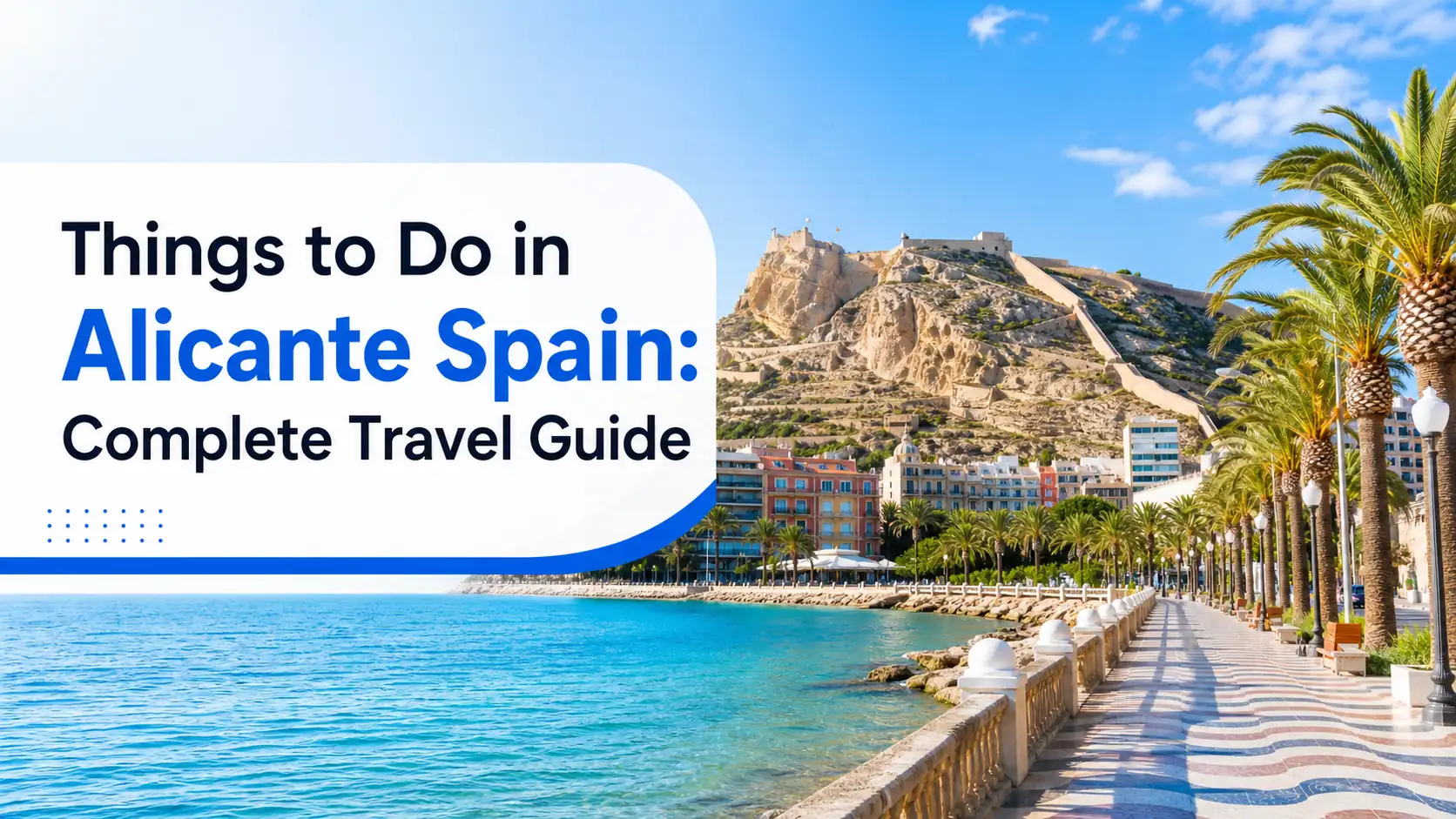
Start With a Smart Alicante Plan
Alicante is compact enough for relaxed wandering, but a little structure helps you avoid climbing to the castle in the hottest part of the day or crossing the city for sights that sit naturally together. Think in zones: castle and old town, waterfront and marina, beaches, markets, and day trips.
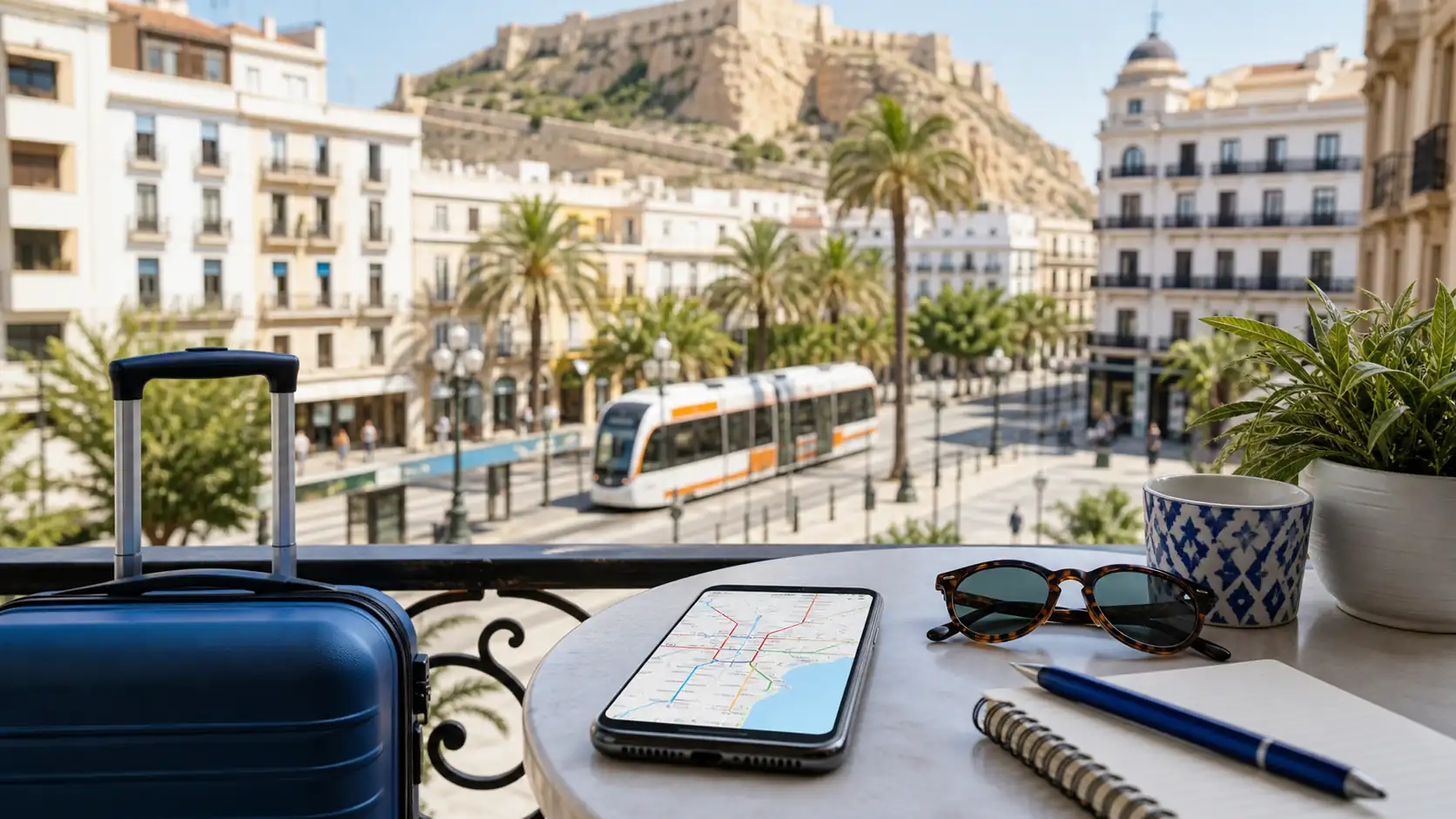
1. How Many Days Do You Need?
One full day is enough for Santa Bárbara Castle, the Explanada, the old town, Postiguet Beach, and a tapas dinner if you start early. Two or three days feel much better because you can add museums, San Juan Beach, Mercado Central, and a Tabarca Island trip without rushing.
Trip Length |
Best Focus |
Suggested Pace |
|---|---|---|
1 day |
Castle, old town, Explanada, Postiguet Beach |
Start early and keep meals near the center. |
2 days |
Add market food, museums, and a longer beach session |
Split sightseeing and beach time by temperature. |
3 days or more |
Add Tabarca, San Juan Beach, or nearby Costa Blanca towns |
Use Alicante as a relaxed base instead of changing hotels. |
2. Best Order for a First Visit
Start with the castle or old town in the morning, when the light is better and the climb feels easier. Save the waterfront, beach, and tapas areas for later in the day when you are ready to slow down.
Morning: Castle viewpoints, Santa Cruz, or Mercado Central.
Afternoon: Beach, museum, shopping street, or marina walk.
Evening: Explanada stroll, old-town bars, seafood, rice dishes, or sunset by the harbor.
Best Things to Do in Alicante
The strongest Alicante itinerary combines historic views, walkable neighborhoods, beach time, food, and one or two slower cultural stops. The sights below are the ones most first-time visitors should consider before adding smaller extras.
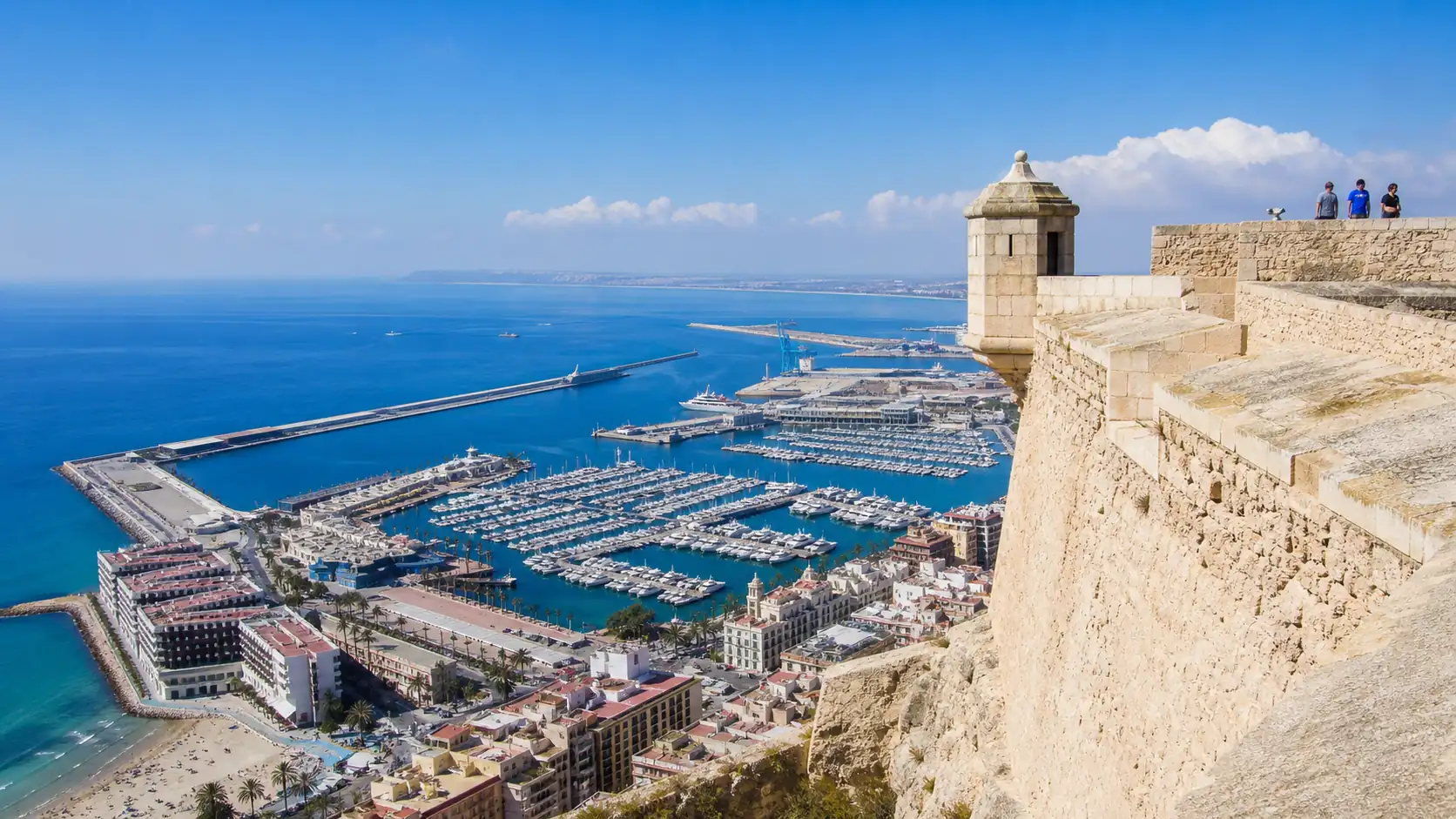
1. Santa Bárbara Castle
Santa Bárbara Castle dominates Alicante from Mount Benacantil and gives you the city's best orientation point: harbor, beach, old town, and surrounding hills all make sense from above. Its history reaches back to the Muslim period, and the fortress remains Alicante's most recognizable landmark.
Best time to visit: Morning for clearer light and cooler temperatures, or late afternoon for softer views. Check the latest access details on the Santa Bárbara Castle visitor page before planning around elevators, guided tours, or special closures.
2. Explanada de España
The Explanada is Alicante's classic waterfront promenade, with palm trees, wave-patterned mosaic pavement, cafes, and easy access to the marina. It is not a sight to rush through; it works best as a relaxed walk between the old town, harbor, and beach.
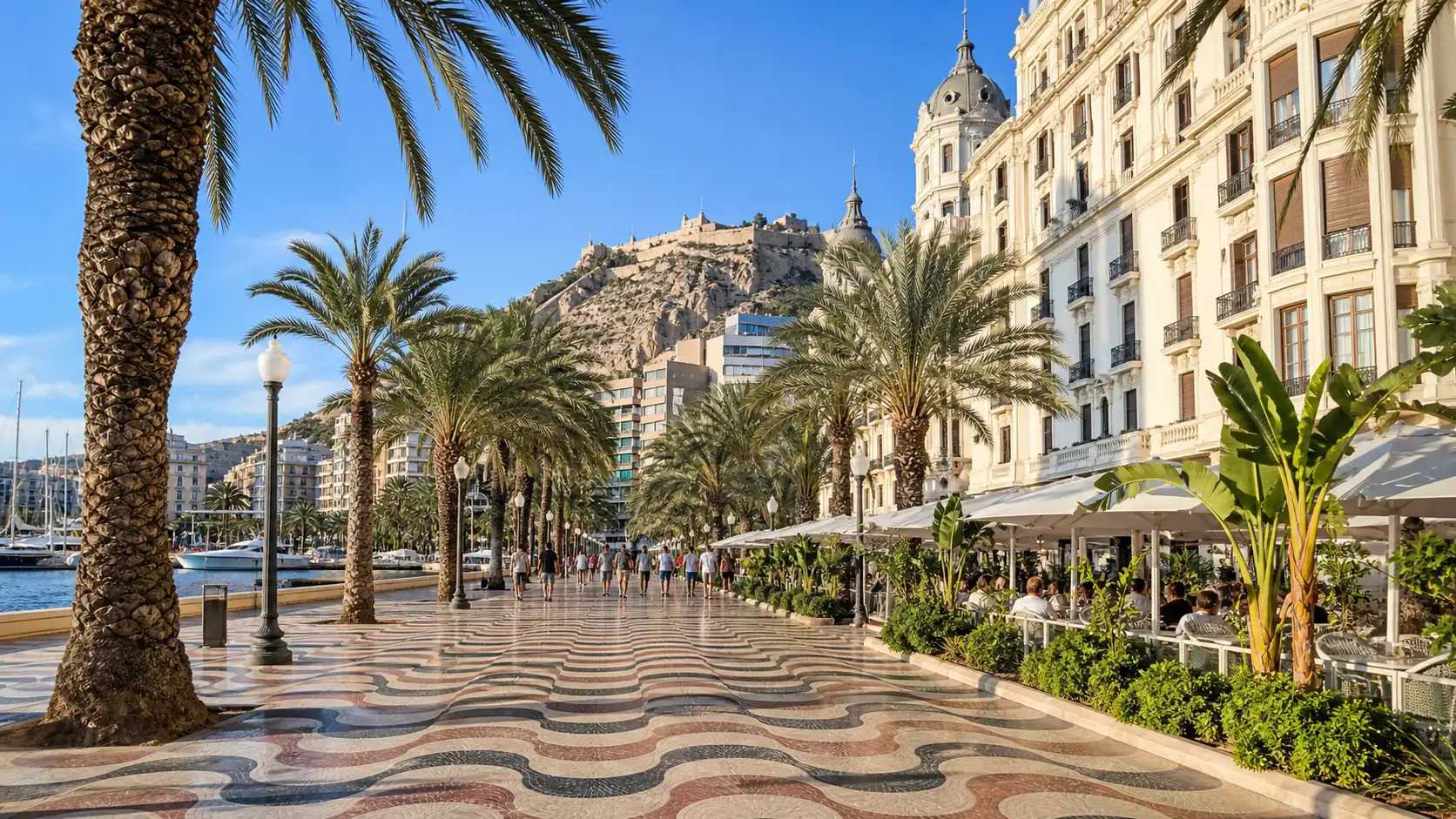
Travel tip: Walk it twice if you can: once during the day for architecture and sea views, and once in the evening when the promenade feels more social.
3. Barrio de Santa Cruz
Santa Cruz is the whitewashed neighborhood climbing the lower slopes of Benacantil. Its steep lanes, flowerpots, small viewpoints, and quiet corners make it one of the best places to feel the older side of Alicante without leaving the center.
Who it suits: Photographers, couples, slow walkers, and anyone who likes atmospheric neighborhoods more than checklist sightseeing. Wear shoes with grip because some lanes are steep and polished.
4. Postiguet Beach
Postiguet is the convenient city beach, set below the castle and only a short walk from the old town and Explanada. It is ideal when you want a swim or sand break without giving up a day to beach logistics.
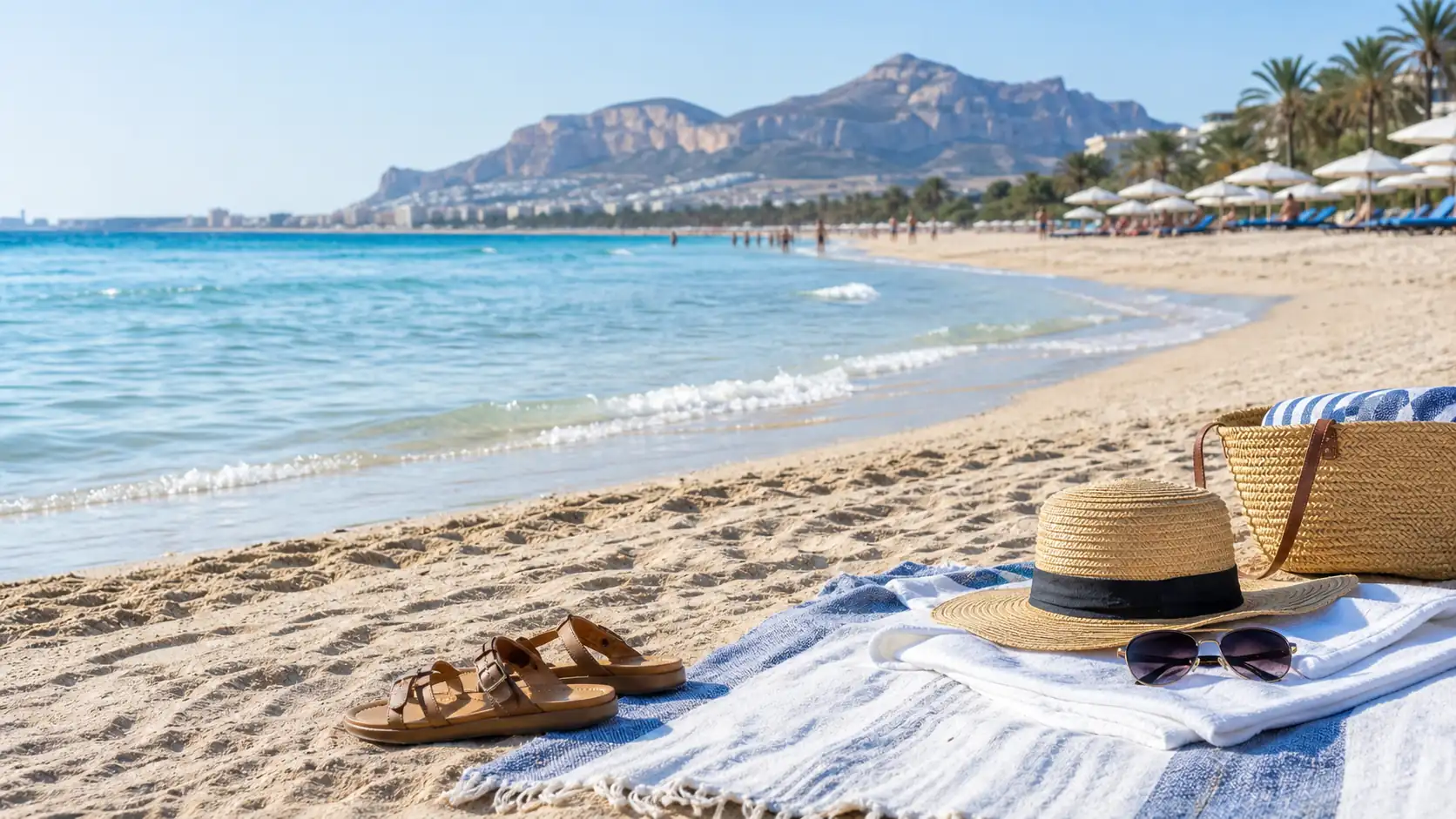
Best use: A morning swim, a late-afternoon rest, or a beach pause between sightseeing blocks. For a wider and more resort-like beach day, consider San Juan Beach instead.
5. Alicante Marina
The marina area is easy to pair with the Explanada and Postiguet. It is best for a gentle evening walk, harbor photos, casual drinks, and watching the city shift from beach mode to dinner mode.
Simple route: Old town to Explanada, Explanada to marina, marina to Postiguet, then back toward dinner. This loop keeps the day scenic without adding much transport.
6. Mercado Central
Mercado Central is a useful stop even if you are not cooking. You can see local produce, seafood, cured meats, olives, fruit, and everyday food habits in one compact place. Go earlier in the day for the best atmosphere.
What to buy: Fruit, snacks, turrón, local olives, or picnic supplies for a beach or train day. Be polite with photos and avoid blocking shoppers who are there for their daily errands.
7. MARQ Archaeological Museum
MARQ is a good choice when you want culture, shade, or a break from beach weather. It helps connect Alicante with the wider history of the region rather than treating the city only as a sunny stop.
When to go: Midday in summer, a windy day, or any time you want a slower museum block between outdoor sights.
8. The Ocean Race Museum and Waterfront
Alicante has a strong sailing identity, and the waterfront around the Ocean Race Museum adds a modern contrast to the castle and old town. It is especially good if you are traveling with children or want a short indoor stop near the marina.
Nearby pairing: Combine it with the marina, Explanada, and a seafood or rice lunch so the route stays compact.
Food, Markets, and Local Flavors
Alicante's food scene is strongest when you lean into the coast and the region: rice dishes, seafood, salted fish, market produce, tapas, turrón from the wider province, and relaxed terrace meals. Do not judge the city only by the busiest tourist menus near the waterfront.
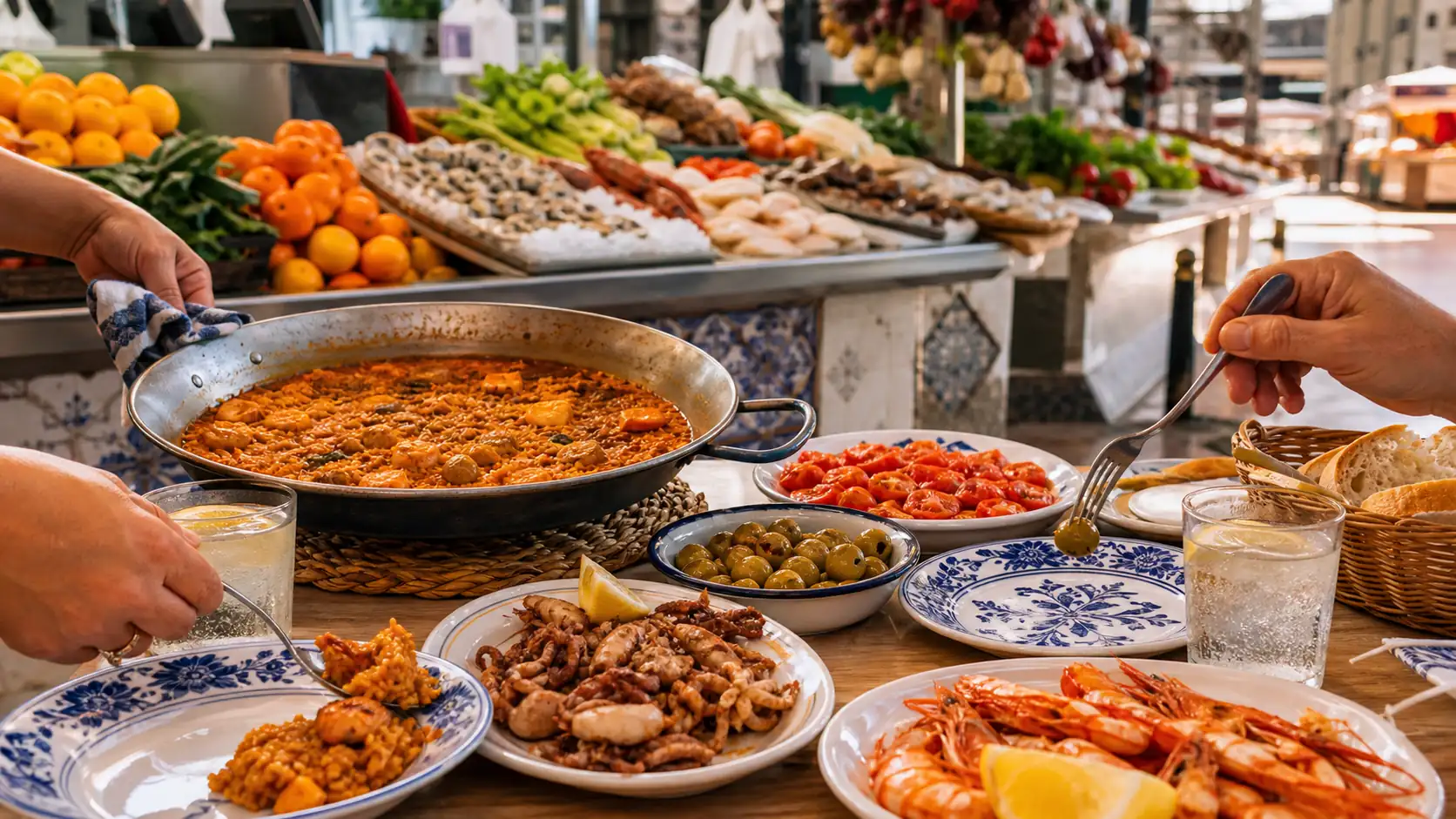
1. Rice Dishes
Look for arroz a banda, arroz del senyoret, or other local rice dishes rather than assuming every rice pan is paella. Many good rice restaurants prefer lunch over dinner, and some require advance ordering for specific dishes.
2. Tapas and Casual Eating
For a relaxed night, move away from the most obvious waterfront strip and explore old-town streets where locals and visitors mix. Order a few small plates, then adjust: Alicante is a good city for grazing rather than committing to one heavy meal every time.
Good lunch choice: Rice dish with seafood, salad, and a slow terrace pace.
Good snack choice: Olives, anchovies, salted fish, croquetas, or market fruit.
Common mistake: Eating too early in the evening and finding only tourist-focused menus.
3. Turrón and Local Sweets
The Alicante area is closely associated with turrón, especially hard almond nougat. It makes an easy souvenir because it is compact, shareable, and more local than generic beach gifts.
Where to try it: Sweet shops, market stalls, and specialty stores around the center. If you are flying carry-on only, check liquid or cream-filled items before buying.
Easy Day Trips and Nature Escapes
Alicante is a good base because you can switch from city sightseeing to island, beach, or small-town experiences without a complicated travel day. Choose day trips based on season and energy, not just distance on a map.
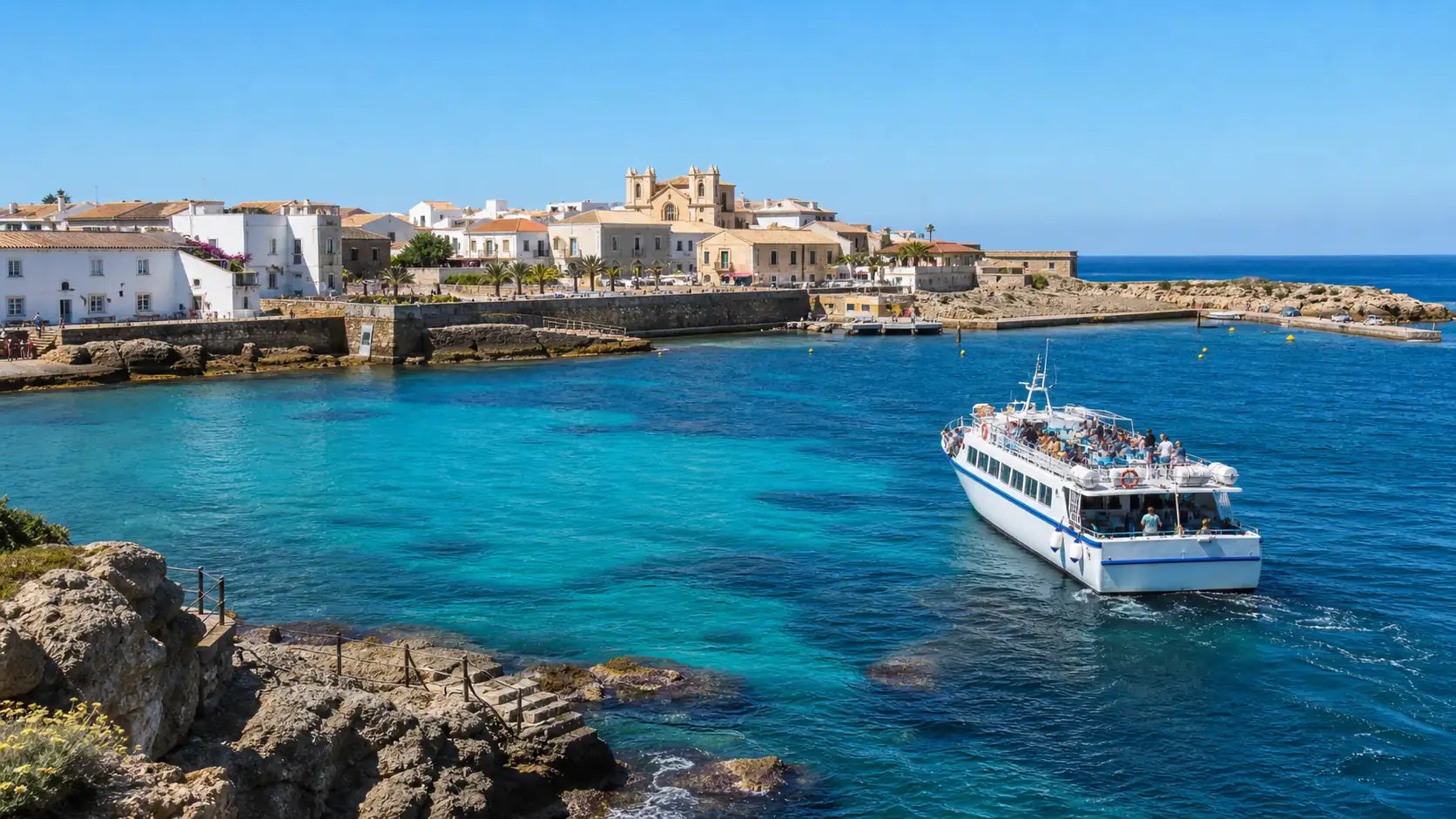
1. Tabarca Island
Tabarca is the classic Alicante day trip: a small island with clear water, low white buildings, rocky coves, seafood restaurants, and a slower rhythm. It is especially appealing in warm weather, but boat schedules and sea conditions matter.
Bring: Sun protection, water, swimwear, comfortable sandals, and a simple backup plan if boats are delayed or seas are rough.
2. San Juan Beach
San Juan Beach is better than Postiguet when you want a longer, wider beach day. It has a more spacious feel and works well for families, groups, and travelers who want fewer city-center interruptions.
Best fit: A half day when swimming and relaxing matter more than seeing another museum or monument.
3. Villajoyosa or Altea
If you want a colorful coastal town or a whitewashed hillside feel, nearby towns such as Villajoyosa or Altea can add variety to a longer stay. They are better as slow day trips than rushed photo stops.
Day Trip |
Best For |
Main Caution |
|---|---|---|
Tabarca |
Clear water, island mood, seafood lunch |
Boat schedules and summer crowds |
San Juan Beach |
Long beach day, families, space |
Sun exposure and peak-season heat |
Villajoyosa or Altea |
Colorful streets, coastal town atmosphere |
Trying to squeeze in too many towns at once |
For most travelers, one day trip is enough on a short Alicante stay. If you add more, protect time for the city itself; Alicante is at its best when you are not constantly leaving it.
Practical Tips for a Smooth Visit
Alicante is easy, but the usual Mediterranean travel rules still apply: manage heat, check transport, book popular meals, and keep your beach and city plans flexible. Small choices can make the trip feel much smoother.
1. Best Time to Visit
Spring and autumn are often the easiest seasons for sightseeing because temperatures are pleasant and beaches are still appealing. Summer is lively and sunny but can be hot, crowded, and more expensive near the coast.
2. Getting Around
The center is very walkable, and trams or buses help with beaches and nearby areas. For current routes, apps, and public transport details, use Alicante's official public transport information before relying on a saved screenshot.
3. Connectivity and Navigation
Live maps, tram updates, restaurant bookings, translation, and beach-day coordination are much easier with mobile data. A travel eSIM from iRoamly can be useful if you want a simple connectivity option before landing in Spain.
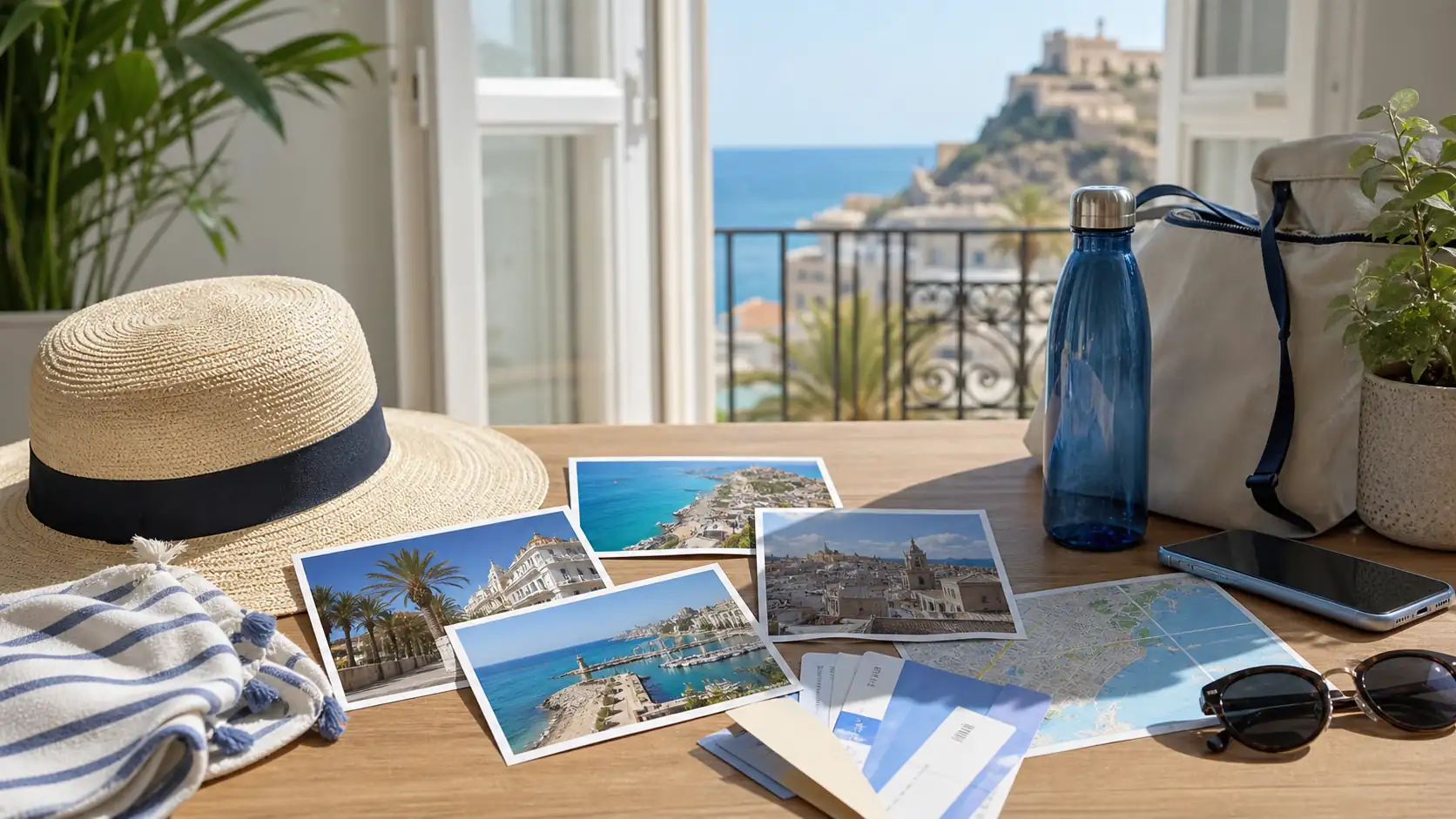
Pack: Sunscreen, sunglasses, comfortable walking shoes, swimwear, and a refillable water bottle.
Avoid: Climbing steep old-town streets at midday in peak summer if you are sensitive to heat.
Book: Popular rice restaurants, special tours, and island boat plans during busy periods.
Alicante FAQ
These answers cover the planning questions that usually come up once travelers start turning Alicante ideas into a real itinerary.
1. Is Alicante worth visiting without a beach holiday?
Yes. The castle, old town, marina, market, museums, and food scene make Alicante worthwhile even if you only swim once or skip the beach entirely.
2. Can you walk around Alicante easily?
The central sightseeing areas are walkable, but the castle, Santa Cruz, and some viewpoints involve slopes. Use transport or taxis when heat, luggage, or mobility makes walking less enjoyable.
3. Is Alicante better for couples, families, or solo travelers?
It works for all three. Couples get scenic walks and restaurants, families get beaches and easy logistics, and solo travelers get a compact center with enough activity to feel lively.
4. Should I stay near the beach or the old town?
Stay near the old town or Explanada for a first visit if you want sightseeing, food, and beach access in one place. Choose San Juan Beach if your trip is mostly about sand and sea.
5. How many things should I plan per day?
Plan two or three anchors per day, then leave room for beach time, meals, and wandering. Alicante rewards a balanced pace more than an overfilled checklist.
6. What is the biggest mistake first-time visitors make?
The biggest mistake is treating Alicante as only a quick beach stop. Give the castle, old town, market, and local food enough time, and the city feels much richer.
Final Thoughts
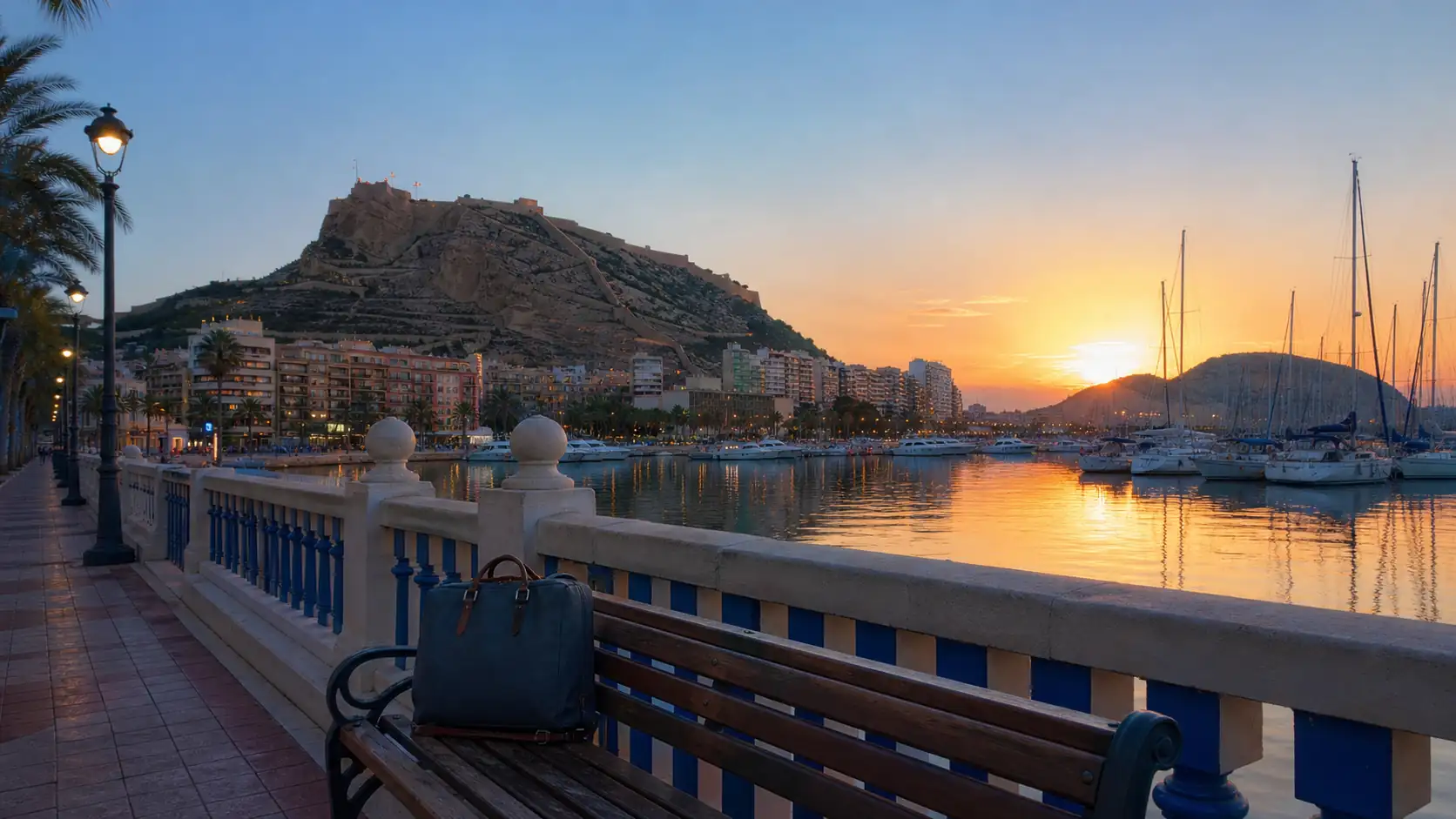
Alicante is one of Spain's easiest coastal cities to enjoy because the main pleasures sit close together: a castle view, a beach swim, a marina walk, a market snack, and an old-town dinner can all fit naturally into one trip.
The best plan is not to rush every attraction. Pick a few strong sights, avoid the hottest hours for climbs, reserve the meals that matter, and use the waterfront as your reset point between activities.
With that rhythm, the best things to do in Alicante Spain become more than a checklist. They turn into a sunny, walkable city break with enough culture, food, sea air, and day-trip potential to feel complete without feeling complicated.